


We may earn a commission when you buy through links on this page, at no extra cost to you. Learn more.
Tawny port tasting notes center on toasted walnuts, burnt caramel, dried figs, candied orange peel, and warm baking spices rather than fresh berry fruit. Because producers age these fortified Portuguese wines in small wooden casks for years before bottling, gradual oxygen exposure transforms their color from deep ruby to amber-mahogany and gives them a silky, nutty profile. Most bottles sit between 19% and 22% ABV and finish with bright acidity that keeps their rich sweetness balanced.
Walking into a wine shop and seeing bottles labeled 10, 20, 30, or 40 Year Old Tawny can feel intimidating if you expect them to taste like standard red wine. In reality, tawny port behaves much more like a fine aged spirit or an artisanal confection in a glass, trading youthful jammy fruit for layers of toffee, roasted nuts, and dried citrus. Understanding how wood aging shapes each tier helps you know exactly what to expect on the nose and palate before pulling the cork.
What Tawny Port Is and How Wood Aging Shapes Its Taste
Tawny port is a sweet fortified red wine from Portugal’s Douro Valley that matures for extended periods in small seasoned oak casks called pipes, allowing slow oxidation to build nutty, caramel-driven aromas. Unlike bottle-aged styles that stay dark and fruit-forward, tawny port loses its purple pigment over time and gains savory complexity from steady contact with wood and air.

Every authentic tawny port begins its life on the steep, terraced slopes of the Douro Demarcated Region, where winemakers blend indigenous Portuguese red grapes such as Touriga Nacional, Touriga Franca, Tinta Roriz, Tinta Barroca, and Tinto Cão. Mid-fermentation, producers add a neutral grape spirit known as aguardente, which halts yeast activity while plenty of natural grape sugar remains unfermented. That fortification raises the alcohol level to roughly 19% to 22% ABV and locks in the lush sweetness that defines port tasting notes across every category.
What separates tawny from Ruby or Vintage styles happens after fortification. Instead of resting in huge neutral vats or sealing away inside dark glass bottles, tawny port moves into smaller oak barrels—typically holding around 550 to 600 liters—stored either in the warm Douro interior or the cooler, coastal lodges of Vila Nova de Gaia. As Wine Folly notes in its breakdown of tawny port wine styles, slow evaporation and controlled oxygen ingress through the oak staves soften harsh tannins, turn the liquid translucent amber-brown, and convert primary red berry compounds into brown butter, hazelnut, and dried stone fruit flavors.
Crucially, the age statements printed on tawny port labels—10, 20, 30, or 40 Years Old—do not indicate the minimum age of the youngest wine in the bottle. Instead, they represent an average flavor profile approved by the tasting panel of the Instituto dos Vinhos do Douro e do Porto (IVDP). Master blenders combine wines from multiple harvests so that a 20 Year Old Tawny consistently delivers the exact aromatic maturity expected for that style year after year.
Core Tawny Port Tasting Notes by Age Designation
As a tawny port spends more decades in oak, its tasting profile shifts steadily from spiced dried cherries and sweet toffee toward intense roasted nuts, bitter dark chocolate, burnt orange, and subtle balsamic lift. Comparing the official age designations side by side makes it easy to spot how color, aroma, and texture evolve across the spectrum.
| Style / Age Tier | Color in the Glass | Primary Aromas & Flavors | Body & Finish |
|---|---|---|---|
| Basic / Fine Tawny | Medium ruby-garnet with a brick-orange rim | Stewed red cherries, raisins, light caramel, sweet cinnamon | Medium-full body; soft, fruity, and approachable finish |
| Reserve Tawny (~7 Years) | Warm golden-brown to translucent tawny | Dried plum, toasted almond, honey, baking spice | Smooth texture balancing youthful fruit with early oak warmth |
| 10 Year Old Tawny | Amber-tawny with copper highlights | Candied orange peel, walnut, milk chocolate, fig, nutmeg | Rich yet lively mid-palate with crisp citrus acidity |
| 20 Year Old Tawny | Pale amber-orange with a subtle olive-green rim | Praline, butterscotch, roasted hazelnut, dried apricot, vanilla | Velvety, smooth mouthfeel with a lingering nutty-saline finish |
| 30 & 40 Year Old Tawny | Deep mahogany-brown with a bright golden-green edge | Burnt caramel, espresso, bitter chocolate, burnished leather, marmalade | Concentrated, unctuous texture lifted by tangy, high-toned acidity |
Entry-level Fine Tawny and Reserve Tawny serve as the bridge between fruity red wines and older cask-aged expressions. According to Decanter’s guide to understanding tawny port, the Reserve category averages around seven years in wood and strikes an appealing middle ground where bright berry fruit still mingles with emerging caramel and toasted nut notes. By the time a blend reaches the 10 Year Old mark, fresh red fruit retreats into the background, letting walnuts in honey, dried fig, and cinnamon take center stage.
Many wine lovers consider 20 Year Old Tawny the sweet spot of the entire category because fresh acidity and oxidative richness reach near-perfect equilibrium. Reviewers at Wine Enthusiast frequently highlight how top 20-year expressions pair silky praline and burnt vanilla flavors with a vibrant lemon-jelly or tangerine zest grip that prevents the palate from ever feeling heavy. When you step up to 30 and 40 Year Old Tawny, concentration intensifies dramatically: evaporation over three or four decades concentrates natural sugars and acids alike, creating aromatic complexity that Portuguese winemakers describe as vinagrinho—a prized, lifted tang reminiscent of aged balsamic vinegar alongside roasted pecans, treacle, and dark cocoa.
If you enjoy single-harvest precision rather than multi-vintage blends, look for bottles labeled Colheita. A Colheita is a vintage-dated tawny port made from grapes of a single harvest year that must age in wood for at least seven years—and often spends twenty, thirty, or fifty years in cask—before bottling, displaying the exact harvest year and bottling year on the label.
Where Tawny Port Grows and How Climate Influences Flavor
Every authentic bottle of tawny port comes from northern Portugal’s Douro Valley, where extreme temperature swings and steep schist soils produce concentrated grapes capable of enduring decades in barrel. Within that single region, however, where a producer ages the barrels plays a major role in the final tasting notes.
The Douro Demarcated Region stretches eastward from Porto along the winding Douro River toward the Spanish border and divides into three distinct sub-regions: Baixo Corgo, Cima Corgo, and Douro Superior. Summers here are scorching and dry while winters turn chilly, forcing deeply rooted vines to struggle through fractured slate-like schist rock. That stress yields small, thick-skinned berries packed with intense sugar, vibrant natural acidity, and phenolic backbone—three traits essential for surviving twenty or forty years of slow oxidation without turning flat.
Once fermentation and fortification wrap up in autumn, producers face a stylistic choice that directly alters the wine’s aroma profile. Houses that age their casks upriver in the hot, dry climate of the Douro Valley accelerate evaporation, producing richer, darker, more caramelized and jammy tawnies. Houses that transport their casks downriver to the cool, foggy coastal cellars of Vila Nova de Gaia—just across the river from Porto—foster slower, gentler maturation that preserves delicate floral, citrus-peel, and roasted hazelnut nuances.
How to Serve and Store Tawny Port
Unlike full-bodied dry red wines that taste best near cellar or cool room temperature, tawny port shines when served slightly chilled between 50°F and 57°F (10°C to 14°C). Serving it too warm allows the 20% alcohol to dominate the nose, masking the delicate nut, citrus, and spice aromatics.
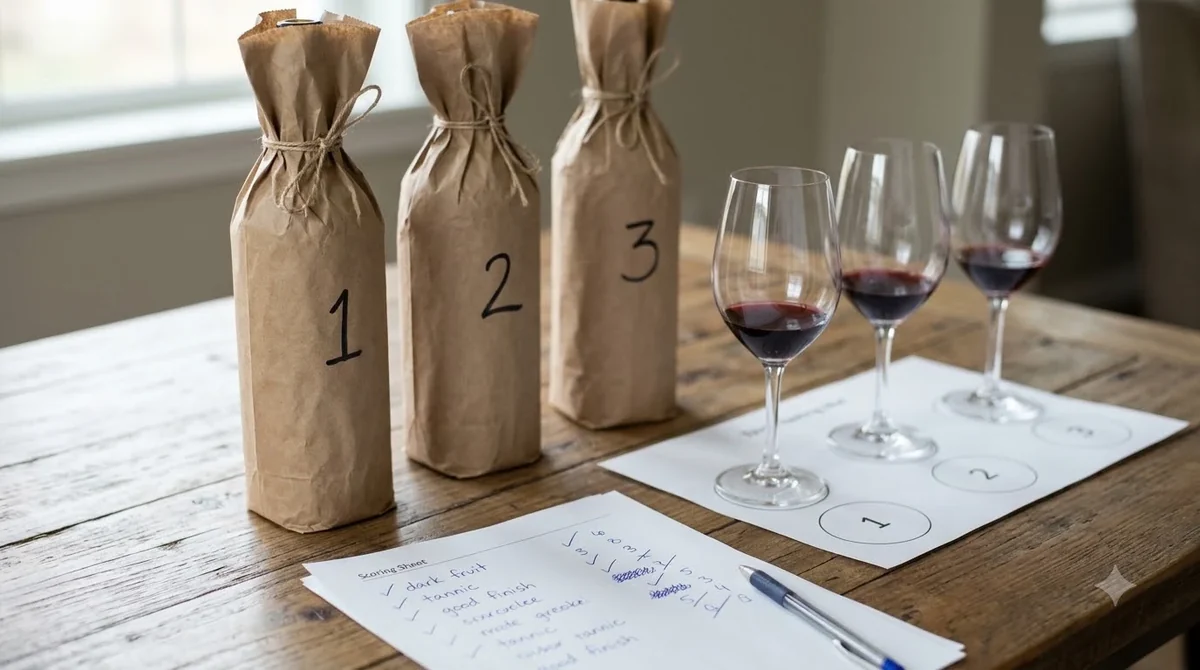
Giving your bottle 30 to 45 minutes in the refrigerator before pouring brings it right into the ideal temperature zone, sharpening its natural acidity and keeping the sweetness crisp on the finish. Pour about 3 ounces into a tulip-shaped white wine glass or an official ISO port glass rather than a tiny cordial thimble; a slightly wider bowl with a tapered rim concentrates the layered aromas of toffee, dried apricot, and toasted almond while leaving plenty of room to swirl. Because wood aging has already precipitated any heavy grape solids and exposed the wine to oxygen over many years, tawny port never needs decanting—simply pull the stopper and pour.
Tip: Keep opened bottles of aged tawny port sealed with their original T-top cork in the refrigerator; because the wine has already undergone years of oxidative aging in barrel, a 10 or 20 Year Old bottle stays fresh and vibrant for one to two months after opening.
Best Food Pairings for Tawny Port
Tawny port’s combination of nutty richness, bright citrus acidity, and caramelized sweetness makes it one of the most versatile dessert and cheese wines on the table. Matching the intensity and age of the bottle to the weight of the dish prevents either one from overpowering the other.
For savory courses, aged and salty cheeses are classic partners because salt and savory umami cut straight through the wine’s lush sweetness. Try pairing a 10 Year Old Tawny with aged Gouda, sharp English cheddar, or toasted Marcona almonds, where the wine’s walnut and dried fig flavors echo the crystalline crunch of the cheese. Step up to a 20 Year Old Tawny alongside creamy blue cheeses like Stilton or Gorgonzola Dolce, or serve it with cured Iberian ham, duck rillette, or foie gras to let its high-toned acidity cleanse the palate between rich bites.
At dessert time, skip overly sweet frostings and pair tawny port with treats built around toasted nuts, caramel, baked fruit, or bitter chocolate. A 10 Year Old Tawny complements apple tart, pecan pie, crème brûlée, and milk chocolate truffles, whereas a 30 or 40 Year Old expression stands up effortlessly to dark chocolate ganache, espresso-infused desserts, or sticky toffee pudding. If you prefer exploring non-fortified sweet or rich reds across different wine types, comparing tawny port against a late-harvest red or an opulent grenache tasting notes profile highlights just how much cask oxidation reshapes fruit character.
How to Choose the Right Bottle of Tawny Port
Selecting the right tawny port comes down to matching the age statement on the label to the occasion, your preferred balance of fruit versus nuttiness, and whether you plan to drink it solo or alongside food. Even if you are already familiar with bold, structured dry reds like those found in petit verdot tasting notes, tawny port rewards shopping by age designation rather than grape variety.
Start with a Reserve or 10 Year Old Tawny if you want an everyday after-dinner sipper that still retains a touch of spiced red cherry alongside caramel and roasted nuts. These bottles pair effortlessly with simple weeknight snacks like dark chocolate squares, aged cheddar, or roasted walnuts, and their lively fruitiness makes them approachable for newcomers to fortified wine.
Reach for a 20 Year Old Tawny when you want maximum complexity, silky texture, and lingering aromatic length for a dinner party or special gift. Finally, save 30 and 40 Year Old Tawnies—or a well-aged single-harvest Colheita—for quiet contemplation after a meal, pouring a small glass on its own so nothing distracts from the wine’s intricate layers of burnt orange, espresso, and toasted pecan. Always check the back label for a bottling date on aged tawnies; while the wine stops evolving once bottled, fresher bottling dates guarantee the brightest aromatic lift.
Frequently Asked Questions
Does tawny port taste sweet or dry?
Tawny port is distinctly sweet because winemakers halt fermentation early with grape spirit, leaving substantial natural grape sugar in the wine. However, extended oak aging builds brisk acidity and savory notes of roasted walnuts, bitter chocolate, and orange peel that keep the finish balanced rather than syrupy.
What is the difference between ruby port and tawny port tasting notes?
Ruby port ages briefly in large vats to preserve its deep purple color and tastes of fresh blackberries, black cherries, and dark chocolate. Tawny port spends years in small wooden casks exposed to slow oxidation, turning amber-brown and trading fresh berry flavors for caramel, dried figs, hazelnuts, and warm spice.
Do you need to decant tawny port before serving?
No, tawny port never needs decanting. Years of barrel aging naturally drop out all heavy sediment before bottling, and prolonged contact with oxygen in the cask means the wine is ready to pour straight from the bottle.
How long does tawny port last after opening?
An opened bottle of basic tawny port stays fresh for about three to four weeks, while 10, 20, 30, and 40 Year Old Tawnies hold their flavor for one to four months. Keep the T-top cork tightly sealed and store the bottle upright in the refrigerator between pours to preserve its nutty aromatics.
Whether you pour a vibrant 10 Year Old expression alongside sharp cheddar or savor a contemplative 20 Year Old glass on a cool evening, tawny port delivers decades of patient cellar craft in every sip. Paying attention to the progression from dried cherry and toffee to roasted hazelnut and candied citrus makes exploring each age tier far more rewarding.
More in Wine Types & Grapes
 What Does Mourvèdre Taste Like? Flavor Profile, Regions, and PairingsUpdated Nov 20, 2026
 What Does Marsanne Taste Like? Flavors, Styles, and Food PairingsUpdated Nov 20, 2026
 What Does Malvasia Taste Like? Styles, Flavors, and Food PairingsUpdated Nov 20, 2026
 What Does Grenache Blanc Taste Like? Flavor Profile, Styles, and PairingsUpdated Nov 20, 2026
 What Does Garnacha Taste Like? Key Flavors, Styles, and Pairing TipsUpdated Nov 20, 2026
 What Does Fruit Wine Taste Like? A Complete Flavor and Style BreakdownUpdated Nov 20, 2026