

We may earn a commission when you buy through links on this page, at no extra cost to you. Learn more.
The best columbia gorge wineries for a wine-tasting trip include Cathedral Ridge Winery, Double Strand Wine, Hood Crest Winery, and the downtown Hood River tasting rooms of Cascade Cliffs, Upsidedown, The Pines, and Evoke Winery. These destinations offer different ways to experience the Columbia Gorge, from vineyard visits and mountain scenery to convenient tasting rooms within walking distance of one another. The right choices depend on whether you prefer bold reds, aromatic whites, relaxed outdoor settings, or a compact tasting itinerary that does not require driving between every stop.
The Columbia River Gorge is an especially interesting wine destination because its vineyards span two states and several distinct growing environments. A short drive can take visitors from the cooler, wetter western Gorge to sunnier, drier vineyards farther east. Rather than treating the region as one uniform wine area, plan around its individual communities, tasting-room experiences, and grape varieties. The following guide explains where to start, what to compare, and how to organize a worthwhile visit.
Who This Is For: Choosing the Right Columbia Gorge Experience
The best Columbia Gorge wine itinerary depends on the type of experience you want. Downtown Hood River works particularly well for visitors who prefer several tasting rooms close together, while vineyard destinations around Mosier, Parkdale, and the surrounding countryside offer a more scenic, destination-oriented experience.
First-time visitors should consider starting in Hood River, Oregon. The Hood River Wine Alliance identifies seven wineries within walking distance in its downtown wine district. That makes the town a practical base for couples, small groups, and visitors who want to sample different producers without repeatedly moving their vehicles. Cascade Cliffs, Upsidedown, The Pines, Evoke Winery, and Cerulean are among the listed stops.
Travelers who prefer a vineyard setting should consider Cathedral Ridge Winery or Hood Crest Winery. Cathedral Ridge is situated on Post Canyon Drive, with vineyard grounds and mountain views. Its selection includes substantial red wines such as Cabernet Sauvignon, Syrah, Pinot Noir, and Malbec, as well as white wines including Riesling and Chardonnay. It is a particularly useful stop for visitors who want to compare several grape varieties in one location.
Double Strand Wine in Mosier offers another reason to leave the downtown tasting-room cluster. Its portfolio includes traditional varietal wines, blends, and distinctive honey-based wines. Visitors interested in unusual regional products may find this a more interesting destination than a tasting room focused exclusively on familiar grape varieties.
The region also suits wine enthusiasts who enjoy comparing growing environments. The Columbia Gorge AVA crosses the Oregon-Washington border, and its dramatic changes in elevation, rainfall, and wind exposure create different conditions for grape growing. Someone interested in vineyard geography may enjoy visiting both sides of the river rather than concentrating on one town.
For travelers already familiar with other American wine destinations, the Gorge provides a different experience from the best Temecula wineries or the best Paso Robles wineries. Its appeal is the combination of smaller communities, contrasting climates, scenic roads, and varied wine styles.
Key Factors to Compare Before Visiting Columbia Gorge Wineries
Compare wineries by location, wine selection, tasting-room format, and reservation requirements. The Columbia Gorge stretches across a substantial area, so choosing destinations geographically is just as important as deciding which wines you want to taste.
| Comparison factor | What to look for | Why it matters |
|---|---|---|
| Location | Hood River, Mosier, White Salmon, or countryside | Determines driving time and route planning |
| Tasting format | Downtown tasting room or vineyard visit | Changes the atmosphere and amount of time required |
| Wine selection | Reds, whites, blends, or unusual varieties | Helps match the winery to personal preferences |
| Visit duration | Approximately 45-90 minutes per stop | Helps prevent an overcrowded itinerary |
| Group size | Individual visits or larger groups | Some vineyard experiences require advance arrangements |
| Transportation | Walking, designated driver, or organized tour | Improves safety and simplifies the schedule |
| Food options | On-site meals, small plates, or picnic arrangements | Helps plan breaks between tastings |
| Reservation policy | Walk-ins or appointment-based visits | Reduces the chance of arriving when a tasting is unavailable |
Location should be the first consideration. Downtown Hood River offers a compact collection of tasting rooms, while destinations such as Cathedral Ridge and Double Strand require separate travel arrangements. A route that looks short on a regional map can involve winding roads, changes in elevation, and time spent enjoying the scenery. Group wineries into nearby areas instead of jumping between distant destinations.
Wine selection is the next consideration. Some wineries offer familiar varieties such as Cabernet Sauvignon, Pinot Noir, Chardonnay, and Riesling. Others provide blends or less common varieties that demonstrate the region’s diversity. Visitors who generally prefer lighter reds should seek Pinot Noir, while those who enjoy fuller-bodied reds can look for Cabernet Sauvignon and Syrah.
Also compare the experience rather than simply counting the number of wines available. A winery with a scenic outdoor tasting area may be more appealing to someone planning a relaxed afternoon than a compact downtown location. Conversely, a downtown tasting room may be the better choice for someone who wants to compare several producers without scheduling multiple vineyard appointments.
Practical details matter, too. Confirm current operating days, tasting availability, group policies, and transportation arrangements before departure. A winery’s published seasonal schedule may differ from its regular schedule during winter or special events.
Tip: Plan approximately 45-90 minutes for each winery visit, then leave additional time for driving, meals, and unexpected scenic stops. Two or three well-chosen wineries generally make a more enjoyable day than rushing through five or six.
Step-by-Step: Planning a Columbia Gorge Wine-Tasting Route
A successful Gorge wine trip starts with a manageable geographic plan. Choose a base, select two or three destinations, confirm their tasting arrangements, and organize transportation before leaving your accommodation.
-
Choose your starting community.
Hood River is a convenient starting point for first-time visitors because it has several tasting rooms within walking distance. Visitors staying elsewhere can instead organize their route around Mosier, White Salmon, or the countryside outside Hood River.
-
Select your preferred wine styles.
Decide whether the day should focus on Pinot Noir, Cabernet Sauvignon, Syrah, Chardonnay, Riesling, or a combination. Cathedral Ridge offers several familiar red and white varieties, while the wider region provides opportunities to explore less common grapes and blends.
-
Choose two or three wineries.
For a downtown itinerary, consider Cascade Cliffs, Upsidedown, and The Pines. For a vineyard-focused route, consider Cathedral Ridge and Hood Crest. Keep destinations within a practical driving area rather than attempting to cover the entire AVA in one afternoon.
-
Confirm tasting availability.
Check the individual winery websites or contact the tasting rooms directly. Ask whether reservations are needed, whether walk-ins are accepted, and whether private groups have separate requirements. Cathedral Ridge, for example, lists its winery tours and barrel tastings as appointment-based experiences.
-
Arrange transportation.
Choose a designated driver or an appropriate wine-tour transportation service. The fact that two wineries appear close on a map does not necessarily make the road between them suitable for walking. Downtown Hood River is the exception for its concentrated tasting-room district.
-
Schedule food and rest breaks.
Allow time for a proper meal rather than relying entirely on tasting-room snacks. Hood Crest lists wood-fired pizza among its visitor offerings, while Grateful Vineyards describes farm-oriented food experiences. Confirm current food availability before building a meal around a particular property.
-
Keep tasting notes and purchase selectively.
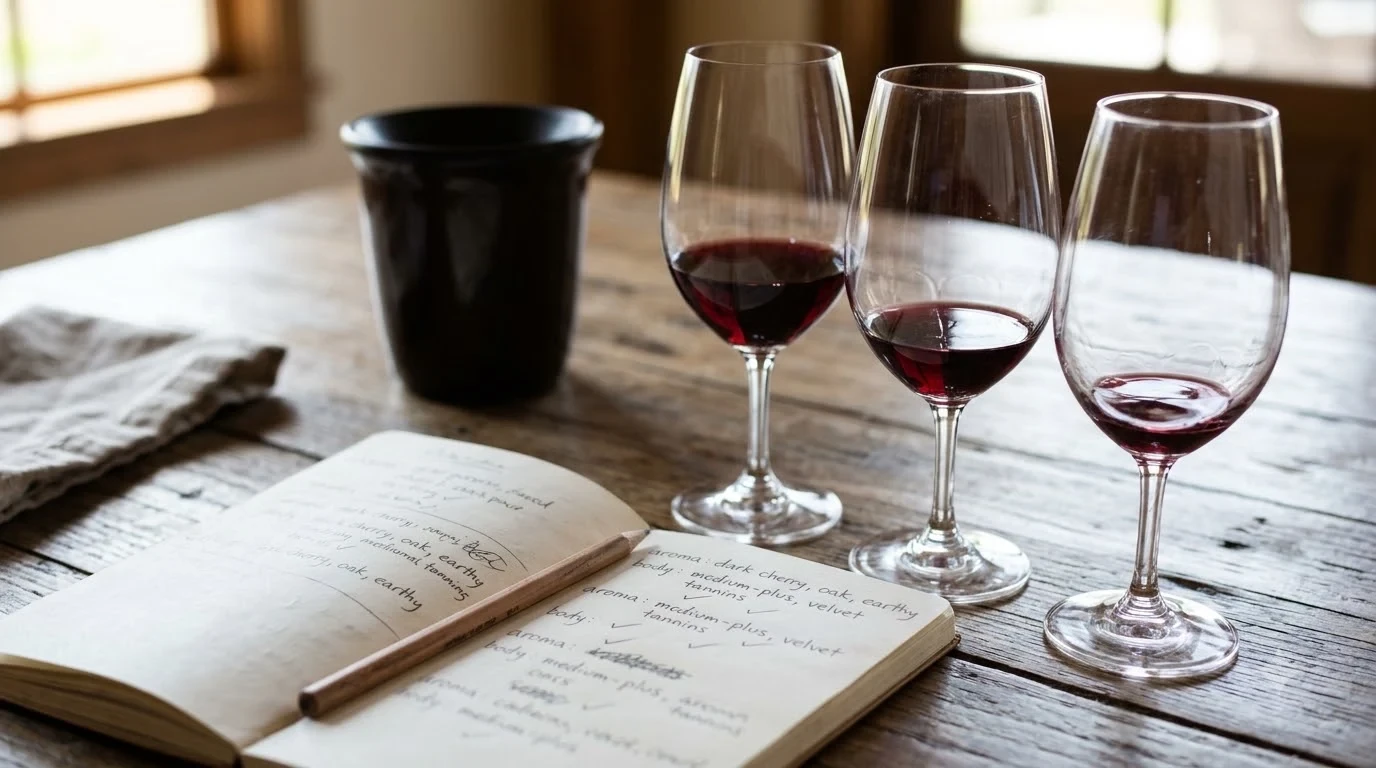
Record the producer, grape variety, vintage, and your impressions. Note whether you preferred the acidity of a white wine, the tannin structure of a red, or the character of a particular blend. This makes later bottle purchases more purposeful.
For visitors who want a more structured regional trip, the Oregon Wine Board’s Columbia Gorge itinerary is a useful planning reference. Its suggested destinations include downtown Hood River, Wy’East Vineyards, Grateful Vineyard, Stave and Stone Wine Estates, and wineries farther east around The Dalles. The itinerary also incorporates dining and other regional activities, which is helpful for travelers planning more than one day.
Another sensible option is to divide the visit into two days. Spend the first day exploring Hood River and its nearby vineyards. Use the second day to visit destinations around Mosier or the Washington side of the river. This approach gives the region’s geography room to become part of the experience rather than a series of rushed drives. Travelers comparing destinations in other states can also consult the Fredericksburg wineries guide when planning a separate Texas wine-country trip.
Types of Columbia Gorge Wineries and Wine Styles Explained
The Columbia Gorge is not defined by one dominant grape or one uniform wine style. Its contrasting climates and elevations support a broad selection of varieties, making it useful to compare wineries by their growing locations and specialties.
Downtown Hood River tasting rooms
Downtown Hood River is the most convenient option for visitors who want several tasting experiences in one area. The Hood River Wine Alliance identifies seven wineries within walking distance, including Cerulean, Cascade Cliffs, Upsidedown, The Pines, and Evoke Winery.
Cascade Cliffs is a practical stop for visitors who want to explore its wines without making a separate vineyard excursion. Upsidedown and The Pines provide additional opportunities to compare producers in the same downtown area. The short distances between listed addresses make it possible to build a walking itinerary, provided visitors confirm that each tasting room is open.
This format is especially attractive for travelers who want flexibility. A visitor can spend more time at a producer whose wines appeal to them and skip another stop if the afternoon becomes busy. It is also a convenient way to compare differences in winemaking style without spending most of the day behind the wheel.
Vineyard-focused destinations
Cathedral Ridge Winery is a strong choice for people interested in a broader selection of red wines. Its listed portfolio includes Cabernet Sauvignon, Syrah, Pinot Noir, Zinfandel, Petit Verdot, and Malbec. Riesling and Chardonnay provide white-wine alternatives.
Hood Crest Winery is another countryside destination, combining wine tasting with mountain scenery, vineyard surroundings, and food offerings. Its location on Orchard Road makes it a separate stop from the downtown Hood River tasting rooms. The winery also describes vineyard tours and barrel tastings that visitors can arrange in advance.
Grateful Vineyard provides another farm-oriented experience in the Mount Hood-Parkdale area. Its visitor information describes a tasting room with wines, hard cider, local beer, orchard activities, and mountain views. It may be particularly appealing to visitors who want a relaxed agricultural setting rather than a conventional tasting-room visit.
Distinctive and alternative wine producers
Double Strand Wine in Mosier deserves consideration for visitors interested in something beyond conventional varietal bottlings. Its portfolio includes ten traditional varietal wines and blends, along with a Grape-Honey Harvest Blend and five varietal Cherry-Honey Wines.
These honey-based products offer a different tasting experience from traditional dry grape wines. They can also provide an interesting comparison for people who enjoy dessert-style wines or want to discover unusual regional specialties. Visitors should distinguish these products from conventional dry wines when considering sweetness and food pairing.
Estelbrook Farms and Vineyard above White Salmon is another producer worth researching. Its published information identifies a diverse planting that includes Gewürztraminer, Savagnin, Riesling, Chardonnay, Grüner Veltliner, Pinot Gris, Teroldego, Blaufränkisch, Pinot Meunier, and Pinot Noir.
The range illustrates why the Columbia Gorge is not simply another Pinot Noir destination. Depending on the vineyard and growing conditions, visitors can encounter aromatic whites, lighter reds, and more structured red varieties.
Understanding the Columbia Gorge AVA
The American Viticultural Area extends across Oregon and Washington. Oregon Wine describes the region as having approximately 925 planted acres, with vineyard elevations ranging from sea level to 2,000 feet. These differences have a meaningful effect on grape-growing conditions.
The western Gorge receives approximately 36 inches of annual rainfall, compared with approximately 10 inches in the eastern section. Average winds of 10-20 miles per hour or more contribute to cooling and drying conditions. According to Oregon Wine, this variation allows the area to produce wines that combine greater ripeness than Oregon’s cooler western regions with more acidity and structure than warmer eastern AVAs.
The soil variation is equally interesting. Volcanic material, lahar, loess, silt, and sand all occur in the region. These differences help explain why two wineries relatively close to one another can have different vineyard conditions and wine characteristics.
For a useful overview of the region’s geography, see the Oregon Wine Columbia Gorge AVA profile. It provides background on the area’s climate, elevation, soils, and viticultural identity.
Common Mistakes When Visiting Columbia Gorge Wineries
The most common planning mistake is treating the entire Columbia Gorge as a compact wine trail. Downtown Hood River has a convenient concentration of tasting rooms, but vineyard destinations around Mosier, Parkdale, and Washington require more deliberate transportation and scheduling.
Another mistake is choosing wineries solely because they are popular or visually appealing. A visitor who primarily enjoys aromatic whites may not get as much from an itinerary centered on bold Cabernet Sauvignon and Syrah as someone who prefers structured red wines. Consider the portfolio before committing to a tasting appointment.
Visitors should also avoid scheduling too many tastings in a short period. Three wineries can provide a substantial amount of wine to compare, especially when each tasting includes several pours. Rushing through six stops can make it difficult to remember which wines stood out and leave little time to appreciate the scenery.
Overlooking seasonal schedules is another frequent problem. Some properties operate different hours depending on the month, while others offer appointment-based experiences. Double Strand, for example, publishes a seasonal Memorial Day-to-Labor Day weekend schedule for its regular listed tasting hours. That makes advance confirmation particularly important for visitors traveling outside its regular season.
Do not assume that every winery offers a full restaurant menu, vineyard tour, or walk-in service. Cathedral Ridge lists tours and barrel tastings by appointment. Hood Crest also requests advance arrangements for certain vineyard activities and group experiences. A little preparation prevents unnecessary detours.
Finally, avoid assuming that the Columbia Gorge is entirely in Oregon. The AVA crosses into Washington, and destinations on both sides of the river contribute to the region’s identity. White Salmon, for example, offers access to Washington-side producers such as Estelbrook Farms and Vineyard. Visitors who remain in Hood River alone may miss a substantial part of the regional wine experience.
Wine Tasting, Serving, and Storage Tips for Your Visit
Good tasting habits help visitors appreciate differences between Columbia Gorge wines. Pay attention to serving temperature, glassware, acidity, tannin, and sweetness instead of judging a bottle only by its first impression.
Serve each wine at an appropriate temperature
Temperature can change how a wine’s aromas, acidity, and alcohol are perceived. Light whites and rosé generally show well at 45-50 degrees Fahrenheit, while fuller-bodied whites are usually better around 50-55 degrees. Light reds can be served at approximately 55-60 degrees, and fuller reds at 60-65 degrees.
These distinctions are particularly helpful when comparing a refreshing white wine with a more substantial Chardonnay or tasting Pinot Noir alongside Cabernet Sauvignon. Serving a red wine too warm can make its alcohol feel more prominent, while excessively cold temperatures can suppress aromatic detail.
Compare acidity and tannin
Riesling and Sauvignon Blanc generally have high acidity, making them useful comparisons for visitors who enjoy lively, refreshing white wines. Chardonnay typically has medium acidity and can offer a broader impression, depending on its production style.
For reds, Pinot Noir generally has lower to medium tannin and relatively high acidity. Cabernet Sauvignon has high tannin, while Merlot is typically softer with medium tannin. Syrah can have medium-plus to high tannin, making it an interesting comparison for visitors who enjoy more structured reds.
When tasting several wines, try the lighter-bodied and more delicate examples before moving toward fuller-bodied reds. This helps preserve your ability to recognize subtle differences in aroma and texture.
Choose food that complements the wine
Food pairing is another useful way to understand a winery’s portfolio. Acidic wines generally work well with acidic foods, provided the food has comparable or lower acidity. Salt and fat can soften the perception of tannin, which makes rich foods useful companions for structured red wines.
For example, a high-tannin Cabernet Sauvignon can work with a fatty beef dish, while Pinot Noir is often a more natural choice for poultry or mushroom-based dishes. Oily fish generally clashes with strongly tannic red wines, so a high-acidity white or lighter red is usually a more suitable direction.
Sweet wines should generally be at least as sweet as the dessert they accompany. This is particularly relevant when exploring Double Strand’s dessert-style honey wines. A dessert that is noticeably sweeter than the wine can make the wine taste thin or excessively acidic.
Transport and store purchased bottles correctly
Wine purchases should be protected from prolonged exposure to heat, especially during summer travel. Avoid leaving bottles in a hot parked vehicle or placing them in direct sunlight. Use a suitable insulated carrier if bottles need to travel for several hours.
For longer-term storage, keep bottles in a consistently cool environment near 55 degrees Fahrenheit, away from direct light and temperature fluctuations. Traditional cork-finished bottles are generally stored on their sides to help maintain contact between the wine and the cork.
Once opened, sparkling wine generally keeps for approximately one to three days in the refrigerator with an appropriate sparkling-wine closure. Still wines typically remain enjoyable for three to five days when refrigerated and properly sealed. The actual window depends on the wine, storage conditions, and how much oxygen has entered the bottle.
For visitors planning to take several bottles home, consider purchasing toward the end of the itinerary. This minimizes the amount of time bottles spend in a vehicle and makes it easier to keep the wines protected throughout the journey.
Frequently Asked Questions
Is the Columbia Gorge AVA in Oregon or Washington?
The Columbia Gorge AVA crosses the Oregon-Washington border along the Columbia River. Its vineyards and wineries are found in communities on both sides of the river. This cross-border geography is one reason regional wine itineraries can include destinations in Hood River, Mosier, and White Salmon.
Can visitors walk between wineries in Hood River?
Yes. The Hood River Wine Alliance identifies seven wineries within walking distance in its downtown wine district. Its map includes several locations on Oak Street and Cascade Avenue, allowing visitors to organize a compact tasting route without driving between every participating tasting room.
Does the Columbia Gorge grow unusual grape varieties?
Yes. Beyond familiar grapes such as Chardonnay, Pinot Noir, and Cabernet Sauvignon, regional plantings include varieties such as Savagnin, Grüner Veltliner, Teroldego, and Blaufränkisch. Estelbrook Farms and Vineyard specifically identifies these varieties among its vineyard plantings, demonstrating the diversity of local grape growing.
Can visitors combine wine tasting with other Gorge activities?
Yes. The Hood River County Fruit Loop is a 35-mile countryside circuit that connects more than two dozen producers and farm stands. Oregon Wine identifies 10 wineries and tasting rooms available year-round along the broader route, with seasonal fruit and views of Mount Hood and Mount Adams providing additional reasons to explore.
What makes Columbia Gorge wines different from other Oregon wines?
The region has an unusually broad range of growing conditions within a relatively compact geographic area. Vineyard elevations extend from sea level to approximately 2,000 feet, and rainfall changes substantially between the western and eastern Gorge. This combination allows producers to work with a wider variety of growing conditions than a single-climate wine region would offer.
The best Columbia Gorge winery itinerary is one that balances the wines you enjoy with the communities and landscapes you want to experience. Start with downtown Hood River for convenient tasting-room comparisons, then add destinations such as Cathedral Ridge, Hood Crest, or Double Strand for a broader regional perspective. Take time to compare grape varieties, confirm tasting arrangements, and enjoy the distinctive scenery that makes this Oregon-Washington wine region worth exploring.
More in Wine Buying Guides
 Cheap Red Blend: How to Find a Flavorful Bottle for LessUpdated Nov 20, 2026
 Pinot Grigio Gift: How to Choose a Bottle They’ll EnjoyUpdated Nov 20, 2026
 Best White Wine at Total Wine for Every MealUpdated Nov 20, 2026
 Wine Fridge Replacement Shelves: Find the Right FitUpdated Nov 20, 2026
 Best Sparkling Wine Under 20: Find Bubbles Worth BuyingUpdated Nov 20, 2026
 Best Wine For Birthday Celebrations With Perfect Party PairingsUpdated Nov 20, 2026