

We may earn a commission when you buy through links on this page, at no extra cost to you. Learn more.
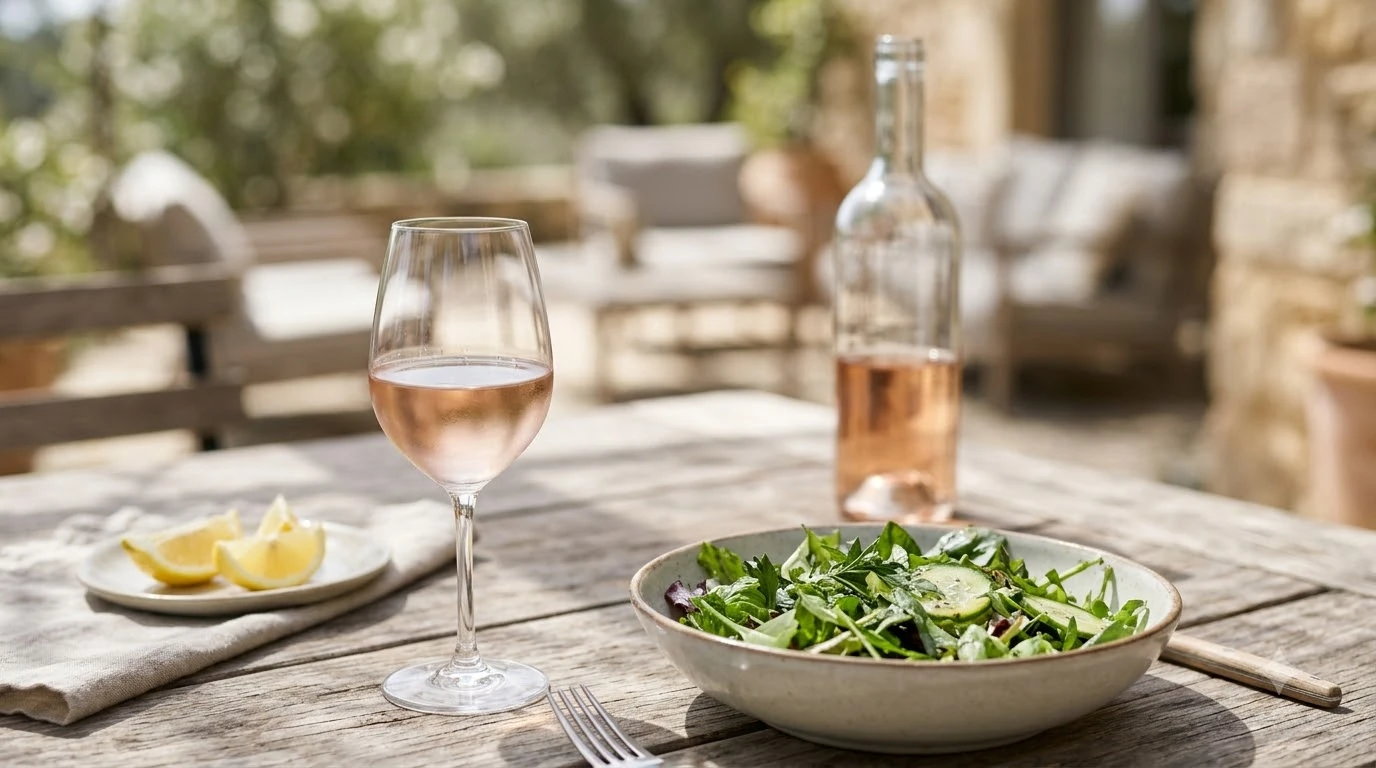
The best tavel food pairing matches this full-bodied, bone-dry Southern Rhône rosé with rich, savory dishes like duck confit, grilled pork chops, salmon, spiced Mediterranean plates, and aged hard cheeses. Unlike pale, crisp Provençal rosés built for poolside sipping, Tavel undergoes extended skin maceration that produces a deep ruby-pink hue, generous body, mild grip, and an alcohol range between 11% and 14.5% ABV. Because it sits squarely between a textured white wine and a light-bodied red, it stands up to roasted meats, garlic-heavy sauces, and smoky grilled foods without getting overwhelmed.
Most people reach for pink wine when they want something feather-light for a summer salad, only to watch the bottle disappear next to real dinner food. Tavel flips that expectation on its head. Produced exclusively as dry rosé in a small appellation just across the Rhône River from Châteauneuf-du-Pape, it has earned a longstanding reputation among sommeliers as a true dinner-table rosé. Understanding how its winemaking shapes its structure makes matching it at the table straightforward and rewarding.
What It Is
Tavel is a French Appellation d’Origine Contrôlée (AOC) in the Southern Rhône Valley that produces dry rosé wine exclusively. Signed into law on May 15, 1936—the exact same day as neighboring Châteauneuf-du-Pape—Tavel holds the distinction of being France’s first rosé-only appellation. Winemakers within the zone cannot bottle red or white wine under the Tavel name; if they produce those styles, they must label them under adjacent appellations such as Lirac.
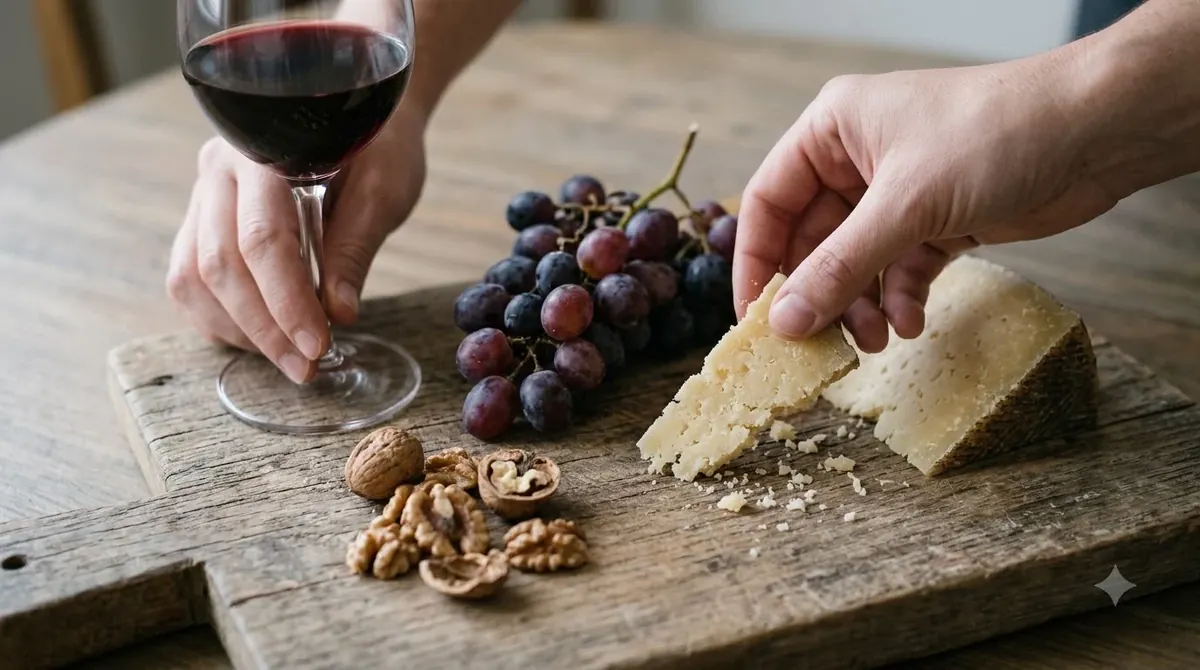
What separates Tavel from virtually every other pink wine on the shelf is how long the grape juice stays in contact with the red skins. While standard Provençal rosés are pressed almost immediately after harvest to achieve a pale blush color, Tavel producers use pre-fermentation cold maceration lasting anywhere from 12 to 48 hours. Many estates also blend free-run juice with pressed juice before fermenting in stainless steel or concrete tanks. That extended contact extracts anthocyanins, subtle phenolic grip, and savory complexity, creating a wine that behaves much like a chillable light red.
Appellation rules also enforce blending, prohibiting any single grape variety from exceeding 60% of the final wine. Red Grenache (Grenache Noir) forms the backbone, joined by Grenache Gris, Grenache Blanc, Cinsault, Syrah, Mourvèdre, Carignan, and white Rhône varieties like Clairette, Picpoul, and Bourboulenc. By law, the three Grenache varieties combined must account for 30% to 60% of the vineyard plantings. Adding white grapes directly into the red-grape maceration lifts the aromatics and keeps the finished wine lively despite its generous weight.
Flavor and Styles
In the glass, Tavel shows a vivid, luminous color ranging from deep salmon and raspberry pink to translucent ruby with subtle topaz or orange reflections as it matures. Reviewers at Wine Folly describe classic examples as opening with expressive aromas of wild strawberry, ripe cherry, watermelon, rose petals, and wet stone. On the palate, that fresh red-berry core meets notes of pomegranate, white pepper, garrigue herbs, and a stony, slightly saline finish.
Despite its dark, jewel-toned appearance, Tavel is strictly bone-dry. The perception of richness comes from ripe fruit extract, glycerol texture, and a statutory alcohol floor of 11% ABV that frequently reaches 13.5% to 14.5% ABV in warm vintages. Because of the longer skin maceration, you will also notice a gentle, tea-like astringency on the back palate—far softer than Cabernet Sauvignon, yet noticeably firmer than standard Wine by Type rosés.
While the appellation enforces a unified dry style, subtle variations appear depending on cellar choices. Producers who ferment purely in stainless steel at cool temperatures emphasize bright raspberry, redcurrant, and grapefruit zest. Others employ lees stirring, concrete vats, or brief aging in neutral oak casks, yielding a broader, fleshier mouthfeel with hints of toasted almond, dried herbs, and baking spice. Unlike most rosés meant to be drunk within six months of bottling, well-made Tavel can evolve gracefully for two to five years, trading primary berry fruit for dried fruit and earthy complexity.
Where It Grows
The Tavel AOC covers roughly 770 hectares (about 1,900 acres) on the right bank of the Rhône River in the Gard département, just northwest of Avignon. Historically favored by French royalty and the Papal Court in Avignon during the fourteenth century, the region sits in a warm, sun-drenched Mediterranean climate. Summers are hot and dry, allowing thick-skinned Grenache and Mourvèdre grapes to achieve full physiological ripeness without losing their natural vibrancy.
Three distinct soil zones give Tavel its balance of power and freshness. Parts of the appellation feature galets roulés—large, smooth quartzite river pebbles identical to those found in Châteauneuf-du-Pape—which absorb solar heat during the afternoon and radiate warmth back to the vines overnight. Other parcels sit on fractured limestone slabs (known locally as lauzes) and sandy alluvial soils with high drainage capacity.
Cooling relief arrives via the Mistral, a fierce, dry wind that sweeps down the Rhône Valley. The Mistral dries out morning dew, reduces fungal pressure in the vineyards, and moderates daytime heat spikes so the grapes retain crisp acidity alongside ripe red-fruit flavors.
How to Serve
Tavel performs best when served slightly warmer than a crisp white or pale Provençal rosé, ideally between 50°F and 57°F (10°C to 14°C). Chilling it straight from a standard refrigerator at 38°F mutes its red-berry aromatics and accentuates its phenolic bitterness. Pulling the bottle from the fridge 20 to 30 minutes before dinner—or giving it a brief 15-minute chill in an ice bucket—hits the sweet spot where fruit, acidity, and subtle grip align.
Glassware also makes a noticeable difference. Skip narrow flutes or tiny tasting pours in favor of a standard white-wine glass or a medium-bowled universal wine glass. The wider bowl gives Tavel’s herbal, floral, and peppery aromatics room to open up, while directing the wine smoothly across the middle of the palate. For young, tightly wound bottles or cuvées aged on their lees, 15 to 20 minutes of air in the glass or a small carafe softens the edges and brings out deeper strawberry and spice notes.
Tip: Treat Tavel like a chillable red rather than a poolside white—if the bottle feels ice-cold to the touch, let it warm up on the counter for 20 minutes before pouring so its cherry and herbal notes open up.
Food Pairing
Tavel shines with richly seasoned, savory, and moderately fatty dishes that would overpower delicate white wines yet feel too heavy alongside tannic reds. Its bright acidity slices through rich sauces and animal fats, while its red-berry fruit and gentle skin grip echo roasted, grilled, and caramelized flavors. When building a menu, look toward dishes with garlic, Mediterranean herbs, smoky char, or warm spices—all of which mirror Tavel’s natural flavor profile.
Poultry and pork are natural partners. Classic French bistro fare like duck confit, roast quail, and herb-crusted pork tenderloin match Tavel’s weight effortlessly. At backyard cookouts, the wine handles barbecued ribs, grilled sausages, and cedar-plank salmon with equal ease. Unlike high-tannin reds, which can turn metallic next to oily fish or spicy marinades, Tavel’s low tannin and generous fruit embrace salmon poke bowls, seared tuna, and grilled shrimp. If you enjoy the red-fruited versatility of blaufrankisch food pairing or the savory spice affinity of carignan food pairing, Tavel occupies a remarkably similar spot at the table.
Vegetarian and cheese-driven plates also work wonderfully, especially when roasted or gratineéd. Roasted cauliflower with sharp cheddar and Parmigiano-Reggiano, ratatouille, garlic-heavy aioli dishes, and wood-fired pizza all connect with the wine’s earthy minerality and crisp finish. According to Wine Enthusiast, savory sandwiches like tuna and egg on a crusty baguette are another classic French pairing that highlights Tavel’s refreshing structure.
| Dish Category | Specific Pairing Ideas | Why It Works |
|---|---|---|
| Rich Poultry & Game | Duck confit, roast quail, herb-roasted chicken | Medium-full body matches dark meat richness while acidity cuts through rendered fat. |
| Pork & Charcuterie | Grilled pork chops, glazed ham, dry-cured salami, pâté | Red berry notes complement salty, cured meats and smoky grill char without tannic clash. |
| Meaty Seafood | Grilled salmon, seared tuna, bouillabaisse, shrimp skewers | Low tannin avoids metallic bitterness with fish oil while standing up to garlic and saffron. |
| Spiced & Global Dishes | Moroccan tagine, yakitori, spicy ponzu bowls, paella | Ripe fruit and higher alcohol cushion moderate chili heat, ginger, and soy umami. |
| Vegetable & Cheese Dishes | Cauliflower gratin, ratatouille, wood-fired pizza, aged Comté | Stony minerality and herbal undertones echo caramelized vegetables and nutty hard cheeses. |
Only a few dishes create friction with Tavel. Very delicate, poached white fish in light lemon broth can feel overwhelmed by the wine’s 13.5% to 14.5% alcohol and fuller texture. Likewise, sugary desserts make a bone-dry Tavel taste tart and thin, so save sweet dishes for off-dry bottles or lighter grenache blanc food pairing options when serving delicate cream sauces.
How to Choose a Bottle
Shopping for Tavel is refreshingly straightforward because the appellation’s strict rules guarantee a baseline of dry, structured quality. Start by checking the vintage date on the front label. For vibrant strawberry, raspberry, and floral energy, choose the most recent one or two vintages available. If you want a broader, spicier bottle for autumn roasts or Thanksgiving dinner, a bottle with two to four years of age brings dried fruit and nutty complexity.
Look closely at the color through clear glass if the bottle allows it. Authentic Tavel displays a saturated ruby-pink, deep salmon, or garnet-tinted hue rather than pale onion-skin blush. Check the back label for the alcohol percentage as well: bottles around 13% ABV tend to feel brisker and more lifted for seafood and salads, whereas 14% to 14.5% ABV cuvées deliver richer weight suited for duck, lamb, and barbecue.
Finally, pay attention to whether the bottle comes from an estate domaine or the local cooperative. Well-known estate names—such as Château de Trinquevedel, Château d’Aquéria, Domaine de la Mordorée, and Domaine Pélaquié—often highlight specific soil parcels or old-vine Grenache on their labels. Meanwhile, Cave de Tavel, the historic cooperative founded in 1937 that produces roughly half of the appellation’s wine, offers reliable, classic expressions that capture the region’s signature balance of ripe fruit and peppery spice.
Frequently Asked Questions
Is Tavel rosé sweet or dry?
Tavel is always bone-dry. Even though its deep ruby-pink color and ripe strawberry aromas can fool first-time drinkers into expecting sweetness, winemakers ferment all the grape sugars completely dry. Its lush mouthfeel comes from ripe Rhône grapes, extended skin contact, and natural alcohol rather than residual sugar.
What is the best Tavel food pairing for Thanksgiving dinner?
Tavel is one of the single best wines for Thanksgiving because it bridges white and red wine dishes on the same plate. Its bright acidity refreshes the palate between bites of buttery stuffing, mashed potatoes, and cranberry sauce, while its berry fruit and light grip complement both roast turkey and glazed ham.
How cold should you serve Tavel wine?
Serve Tavel lightly chilled between 50°F and 57°F (10°C to 14°C), which is slightly warmer than standard white wine. Chilling it below 45°F suppresses its complex aromatics of cherry, herbs, and stone while making the mild skin tannins feel harsh.
Can you age Tavel rosé?
Yes, unlike most rosés meant for immediate drinking, Tavel has enough structure and extract to age well for two to five years. Over time, its bright strawberry and watermelon notes evolve into dried red fruits, toasted almond, garrigue herbs, and savory spice.
Once you treat Tavel like a light, chillable red rather than a delicate summer sipper, menu planning becomes effortless. Keep a bottle slightly chilled for weeknight roast chicken, spicy takeout, or weekend grilling, and you will quickly see why this historic Rhône appellation remains a staple at serious dinner tables.
More in Wine Types & Grapes
 What Does Mourvèdre Taste Like? Flavor Profile, Regions, and PairingsUpdated Nov 20, 2026
 What Does Marsanne Taste Like? Flavors, Styles, and Food PairingsUpdated Nov 20, 2026
 What Does Malvasia Taste Like? Styles, Flavors, and Food PairingsUpdated Nov 20, 2026
 What Does Grenache Blanc Taste Like? Flavor Profile, Styles, and PairingsUpdated Nov 20, 2026
 What Does Garnacha Taste Like? Key Flavors, Styles, and Pairing TipsUpdated Nov 20, 2026
 What Does Fruit Wine Taste Like? A Complete Flavor and Style BreakdownUpdated Nov 20, 2026