


We may earn a commission when you buy through links on this page, at no extra cost to you. Learn more.
The best central otago wineries include Felton Road, Mt Difficulty, Rippon, Quartz Reef, Gibbston Valley, Carrick, Chard Farm, and Amisfield, offering distinctive Pinot Noir, elegant white wines, and memorable cellar-door experiences. The right winery depends on whether you prefer intimate tastings, vineyard scenery, traditional-method sparkling wine, or food-focused visits. Understanding Central Otago’s different growing areas makes it easier to choose producers whose wines and visitor experiences match your interests.
Central Otago, on New Zealand’s South Island, is one of the Southern Hemisphere’s most distinctive cool-climate wine destinations. Its mountain ranges, river valleys, high-altitude vineyards, and dramatic temperature differences create meaningful variations between neighboring vineyards. Pinot Noir is the region’s signature grape, but Chardonnay, Riesling, Pinot Gris, and traditional-method sparkling wines also deserve attention. From the dramatic Kawarau Gorge near Queenstown to the vineyards surrounding Lake Wānaka, the best approach is to choose wineries by location, wine style, and the kind of tasting experience you want rather than trying to visit every cellar door.
Who Should Visit Central Otago Wineries
Central Otago is particularly appealing to Pinot Noir enthusiasts, travelers who enjoy exploring wine regions, and visitors interested in how geography influences wine style. Its more than 50 cellar doors offer everything from established winery destinations to smaller family-run tasting rooms, making the region suitable for both first-time wine travelers and experienced collectors.

Pinot Noir collectors should make producers such as Felton Road, Rippon, and Mt Difficulty priorities. These wineries provide opportunities to explore the grape across different vineyard environments. Central Otago Pinot Noir commonly combines ripe cherry and red-fruit character with fresh acidity, aromatic complexity, and structured finishes. Comparing bottles from different subregions is particularly rewarding because the region’s growing conditions vary considerably over relatively short distances.
Travelers seeking a complete winery experience may prefer Gibbston Valley, Carrick, or Mt Difficulty. These destinations are useful starting points for visitors who want more than a quick tasting. Depending on the winery, the experience can include vineyard scenery, food, guided wine discussions, or opportunities to learn about the region’s winemaking traditions.
Visitors interested in smaller producers should consider Alexandra, Lowburn, and the vineyards surrounding Wānaka. Smaller cellar doors can provide a more personal introduction to individual producers and their vineyard sites. Some visits are appointment-based, so a little preparation helps avoid unnecessary driving between closed tasting rooms.
Central Otago also suits visitors who enjoy comparing grape varieties rather than concentrating exclusively on red wine. Quartz Reef is an interesting destination for traditional-method sparkling wine, while the region’s Riesling and Pinot Gris producers offer alternatives with lively acidity and expressive fruit. Chardonnay is another important choice for drinkers who appreciate citrus, mineral notes, and a firmer structural profile.
The region is less suitable for travelers expecting a dense concentration of wineries within a single compact town. Although some cellar doors are close together around Cromwell and Bannockburn, others require longer drives through mountain and lake landscapes. A carefully organized itinerary is more enjoyable than attempting to cover the entire region in one afternoon.
Key Factors to Compare When Choosing a Winery
The best winery for a visit is not necessarily the producer with the most famous Pinot Noir. Location, tasting availability, grape varieties, food options, and the atmosphere of the cellar door all influence whether a stop deserves a place on your itinerary.
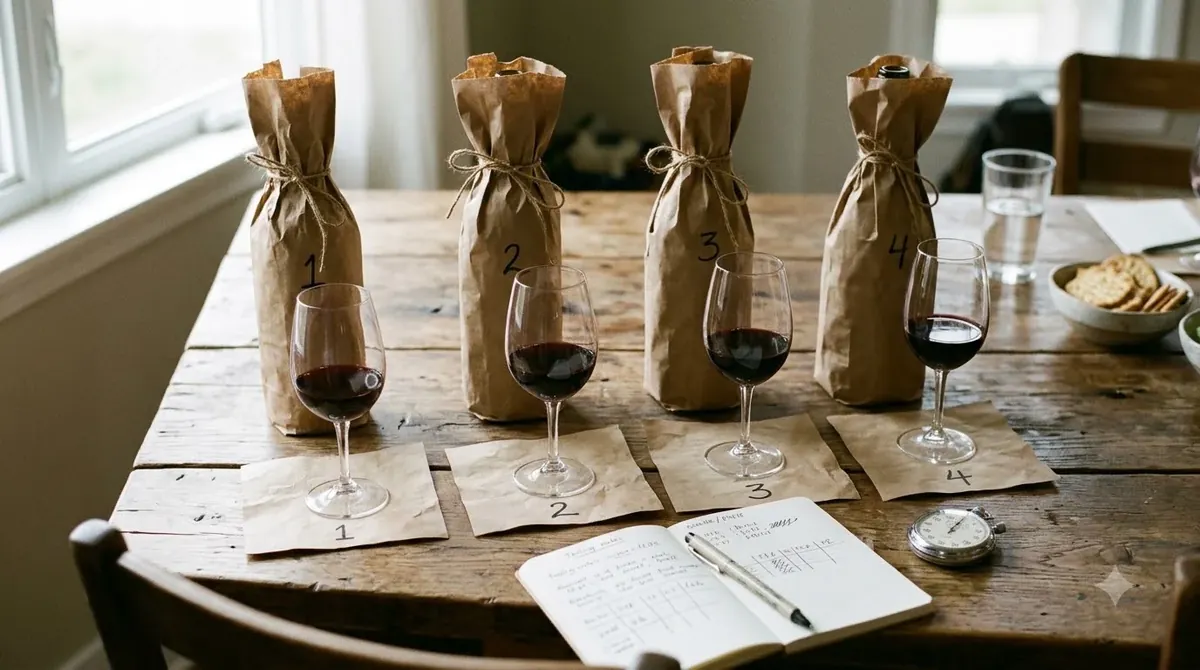
Start by identifying the wine styles you want to explore. Central Otago is best known for Pinot Noir, but different producers also specialize in Chardonnay, Riesling, Pinot Gris, and sparkling wine. For example, Quartz Reef is worth considering for traditional-method sparkling wine, while Chard Farm focuses on single-vineyard Pinot Noir and cool-climate whites. This distinction matters if you want a tasting that covers several styles instead of repeating similar Pinot Noir expressions.
Next, consider the winery’s location. Gibbston is convenient for visitors arriving through Queenstown, while Cromwell and Bannockburn offer useful access to several established producers. Wānaka is a worthwhile destination for travelers interested in lakeside scenery and a different expression of Central Otago wine. Alexandra provides a more southerly alternative, with smaller cellar doors and a distinctive dry climate.
Appointment policies should be another deciding factor. Felton Road, for example, is listed by the regional wine association as an appointment-only destination, with visits Monday through Friday. Other producers may welcome walk-in visitors, while some offer appointments for particular tasting experiences or larger groups. Verify availability before building your route around a specific producer.
Food availability can make a substantial difference to the experience. Mt Difficulty, Carrick, and Gibbston Valley are useful names to investigate if you want to combine wine with food. Some destinations offer restaurant-style dining, while others provide small plates or a more traditional tasting-room experience.
The following comparison summarizes useful starting points. The descriptions distinguish each producer by its location, wine focus, or visitor experience rather than suggesting that one winery is universally superior.
| Winery | Area | Best reason to visit | Wine focus or experience |
|---|---|---|---|
| Felton Road | Bannockburn | Serious Pinot Noir exploration | Appointment-based winery visit |
| Mt Difficulty | Bannockburn | Wine and food | Distinctive estate wines and dining |
| Carrick | Bannockburn | Organic wine interest | Certified organic estate |
| Quartz Reef | Bendigo | Sparkling wine enthusiasts | Traditional-method sparkling, Pinot Gris, and Pinot Noir |
| Gibbston Valley | Gibbston | Complete visitor experience | Wine cave, tastings, and food |
| Chard Farm | Gibbston | Single-vineyard wine exploration | Pinot Noir and cool-climate whites |
| Rippon | Wānaka | Lakeside vineyard scenery | Distinctive Wānaka wines |
| Amisfield | Cromwell area | Organic wine experience | Organic wines showcased at the cellar door |
| Wooing Tree | Cromwell | Relaxed wine and food visit | Wine with share plates and platters |
Use this comparison as a starting point, then narrow the choices according to the time available. Two or three well-chosen winery visits generally allow more opportunity to understand individual producers than a rushed schedule covering six or seven stops.
For broader wine-purchasing advice, the site’s wine buying resources can help explain how to compare grape varieties, vineyard origins, and bottle styles before selecting wines to take home.
Step-by-Step: How to Plan a Central Otago Winery Visit
A successful Central Otago wine itinerary starts with geography and ends with a manageable number of tastings. The region has several distinct wine areas, and selecting one main cluster for the day makes the experience more relaxed.
-
Choose your starting point.
Queenstown is a practical base for exploring Gibbston, while Cromwell provides access to Bannockburn, Lowburn, and surrounding vineyards. Wānaka is more convenient for Rippon and other northern destinations. Decide where you will spend the night before choosing the wineries.
-
Select a regional focus.
For a first visit from Queenstown, consider Gibbston and its cooler-climate vineyards. For a concentrated winery itinerary, investigate Cromwell and Bannockburn. If you have more time, dedicate a separate day to Wānaka or Alexandra rather than combining distant destinations unnecessarily.
-
Choose two or three producers.
Combine wineries that offer different experiences. For example, a Bannockburn itinerary might include Felton Road for its Pinot Noir focus, Carrick for its organic estate, and Mt Difficulty for wine and food. In Cromwell, Quartz Reef and Wooing Tree provide a useful contrast in wine styles and visitor experiences.
-
Check appointment and opening arrangements.
Look at each winery’s official visitor information before leaving. Felton Road is appointment-based, while other cellar doors may accept walk-ins. Confirm the tasting duration, group requirements, opening days, and whether food is available.
-
Build in travel and meal breaks.
Do not schedule tastings back-to-back. Leave enough time to enjoy the scenery, eat lunch, and move between vineyard locations. Mountain roads and rural routes can take longer than their map distance suggests, especially when making photo stops.
-
Compare wines systematically.
Start with lighter wines before moving to fuller reds. When comparing Pinot Noir, pay attention to fruit character, acidity, tannin, texture, and finish. Ask whether the wine represents a particular vineyard or a broader regional blend.
-
Record your favorite bottles.
Write down the producer, wine name, grape variety, and vintage. This makes it easier to identify wines later through US retailers or specialist wine merchants. Keep notes about the differences between producers rather than relying only on general impressions.
Tip: Plan a maximum of three substantial winery visits in a day and arrange transportation before tasting. A dedicated wine tour is a practical alternative to self-driving, particularly if the itinerary includes several cellar doors and restaurant stops.
Travelers who prefer a guided experience can investigate local operators such as Classic Car Wine Tours and Roaring Wine Tours. Both are associated with wine experiences across several Central Otago destinations, including Cromwell and Queenstown. A local guide can also help visitors discover smaller producers that may not be obvious from a general winery search.
Keep your final schedule flexible. Harvest periods, seasonal opening hours, private events, and appointment availability can influence which destinations are practical on a particular day. Having one alternative winery in the same area makes it easier to adjust without changing the entire itinerary.
Types of Central Otago Wine Regions and Winery Styles Explained
Central Otago’s wine identity comes from its varied growing environments rather than a single uniform regional style. Gibbston, Bannockburn, Cromwell, Bendigo, Wānaka, and Alexandra each offer different conditions that influence the wines and the visitor experience.
Gibbston: Cooler Pinot Noir and Dramatic Scenery
Gibbston lies east of Queenstown along the Kawarau Gorge and is the region’s highest and coolest major subregion. Its north-facing hillside vineyards generally ripen later than those in warmer areas, producing Pinot Noir that can feel lighter in body while retaining concentrated fruit and structure.
Gibbston Valley is one of the most recognizable destinations in this area. Its visitor experience includes a wine cave, tasting opportunities, and food. It is a useful choice for people who want an established winery destination rather than a purely technical tasting.
Chard Farm is another important name for Pinot Noir enthusiasts. Its focus on single-vineyard Pinot Noir and cool-climate whites makes it a useful comparison stop for visitors interested in how individual vineyard sites influence wine.
Gibbston is particularly convenient for people arriving in Queenstown who want to experience the region without immediately committing to a long drive. Its dramatic gorge scenery also makes the journey part of the attraction.
Bannockburn: Richer, Structured Pinot Noir
Bannockburn occupies warm, dry sites around the southern end of the Cromwell Valley. Harvest can take place almost a month earlier than in cooler neighboring areas, and the area’s conditions are associated with distinctive, concentrated wines.
Felton Road deserves particular attention from collectors and serious Pinot Noir enthusiasts. Its appointment-based cellar-door arrangements make advance planning important. Visitors should confirm availability rather than assume they can arrive without a reservation.
Mt Difficulty is another significant destination, particularly for visitors who want to combine wine with food and scenic surroundings. Carrick is an appealing alternative for those interested in organic viticulture, while Akarua, Terra Sancta, Domain Road, and Te Kano provide additional producers to investigate.
Bannockburn is an excellent choice for travelers who want to spend much of a day exploring established wineries within one general area. The contrast between individual producers is especially interesting when tasting Pinot Noir from different vineyard sites.
Cromwell and Lowburn: Convenient Cellar-Door Clusters
Cromwell and Lowburn are practical bases for visitors who want several wineries within a relatively concentrated area. The vineyards occupy terraces and valley-floor sites around Lake Dunstan, with the Pisa mountain range providing a distinctive backdrop.
Quartz Reef stands out for its traditional-method sparkling wines, Pinot Gris, and Pinot Noir. Its range makes it particularly useful for visitors who want to explore more than one grape variety.
Misha’s Vineyard is another option for Pinot Noir and aromatic white wines. Wooing Tree provides a more relaxed wine-and-food experience, while Wild Earth is associated with wine and barrel cuisine. Pisa Range Estate and Scott Base are additional names worth investigating in the Cromwell area.
This cluster is especially helpful for travelers with limited time. Instead of spending most of the day driving between distant locations, visitors can compare several producers and return to Cromwell for food or accommodation.
Bendigo and Northburn: Powerful, Structured Wines
Bendigo sits northeast of Cromwell, where vineyards occupy north-facing slopes and stony sites exposed to substantial seasonal and daily temperature changes. The area is known for richly flavored Pinot Noir, including some of the region’s more full-bodied and tannic expressions.
Quartz Reef is associated with estate vineyards in Bendigo and is a useful name for people interested in both sparkling wine and Pinot Noir. Mondillo and Māori Point are other producers to consider when exploring the wider Bendigo and Northburn area.
The Cloudy Bay Shed is another prominent visitor destination in Northburn. It is worth considering for people who want to include food and wine in a single stop. Mondillo’s tastings are appointment-based, so its visitor arrangements should be checked in advance.
Compared with cooler Gibbston, Bendigo is a particularly interesting area for people who enjoy more concentrated Pinot Noir and want to compare how warmth, sunlight, and vineyard position affect structure.
Wānaka: Freshness, Lake Views, and Distinctive Wines
Wānaka is cooler and slightly wetter than much of Central Otago. Lake Wānaka influences the local environment and helps moderate frost conditions, creating a different growing environment from warmer Bannockburn and Bendigo.
Rippon is the best-known name to investigate here. Its position beside Lake Wānaka gives visitors an especially memorable setting, and the winery is closely associated with the area’s wine identity. It is a particularly appealing destination for travelers who value vineyard scenery alongside their tasting experience.
Maude is another Wānaka producer worth researching. Its tasting room offers an opportunity to explore regional wines while enjoying views of the lake and surrounding landscape.
Wānaka is worth dedicating a separate portion of an itinerary to rather than treating it as a quick detour from Cromwell. The combination of cooler growing conditions and lakeside scenery makes it one of the region’s most distinctive destinations.
Alexandra: Historic Roots and Smaller Producers
Alexandra is the southernmost major Central Otago wine area and experiences particularly pronounced temperature extremes. Its dry conditions and significant daily temperature changes contribute to aromatic wines with fine structure.
Judge Rock, Three Miners, Ruru, Dunstan Road, and Monte Christo are useful names for visitors researching this area. Smaller wineries can provide a more personal experience than larger visitor destinations, with some tastings taking place in intimate cellar doors or outdoor vineyard settings.
Monte Christo is especially interesting for visitors curious about the region’s historical beginnings. Its story connects with early grape growing in the 1860s, when Frenchman Jean Désiré Féraud established vineyards in the Alexandra area.
Alexandra is a worthwhile choice for people who want to explore beyond the most familiar names and discover a different side of Central Otago’s wine culture.
For additional regional context, the New Zealand Wine Central Otago regional overview explains the area’s distinctive growing environments and major grape varieties.
Common Mistakes When Choosing Central Otago Wineries
The biggest mistake is treating Central Otago as one compact wine district. Its cellar doors are spread across several areas, and a winery that looks close on a regional map may involve a meaningful drive through mountain or lakeside roads.
Another common mistake is visiting only famous Pinot Noir producers. Pinot Noir is unquestionably the region’s signature variety, but tasting only red wines gives an incomplete picture of Central Otago. Quartz Reef’s traditional-method sparkling wine, the region’s Riesling, and its structured Chardonnay demonstrate a much broader range of winemaking styles.
Visitors should also avoid assuming that all cellar doors accept walk-ins. Felton Road operates by appointment, and other producers may have restricted hours or require advance reservations for certain experiences. Arriving without checking can waste valuable time, particularly when the winery is far from the next destination.
A fourth mistake is scheduling too many tastings. Six wineries in one day might appear productive, but it leaves little time for conversation, food, vineyard scenery, or comparing wines properly. Three well-selected stops provide a more realistic opportunity to appreciate differences between producers.
Another issue is choosing wineries solely because of their reputation. A serious collector may prefer a focused appointment-based tasting, while a casual traveler may enjoy a restaurant, wine cave, or relaxed outdoor cellar door more. The most famous producer is not automatically the best match for every visitor.
Finally, do not overlook the difference between a winery’s production location and its public tasting location. Some producers share tasting facilities or offer their wines through another cellar door. The regional association lists Kinross as a tasting location for several labels, including Valli, Hawkshead, and Wild Irishman. Confirming the actual tasting venue before traveling avoids confusion.
Travelers who enjoy exploring other American wine destinations may also appreciate comparing the planning process with the best Paso Robles wineries, where the relationship between regional climate, grape variety, and winery experience is equally useful when choosing stops. Those considering warmer California wine country can also explore the best Temecula wineries as a contrasting destination.
Care, Storage, and Serving Tips for Central Otago Wines
Buying wine at a Central Otago cellar door is only part of the experience. Proper serving temperature, storage conditions, and food pairing help preserve the wine’s character and make it easier to appreciate the differences between producers.
Serve Pinot Noir at the Right Temperature
Central Otago Pinot Noir generally benefits from being served slightly cooler than a full-bodied red. A temperature of 55 to 60 degrees Fahrenheit is a useful target for light-bodied reds, allowing red-fruit aromas and acidity to remain expressive without making the wine feel overly warm.
Fuller reds can be served at approximately 60 to 65 degrees Fahrenheit. Avoid serving every red wine at room temperature, especially in warm indoor environments. Excessive warmth can make alcohol feel more prominent and reduce the impression of freshness.
Serve White and Sparkling Wines Chilled
Central Otago Chardonnay is generally best served around 50 to 55 degrees Fahrenheit when it has a fuller structure. Lighter whites such as Riesling and Pinot Gris are usually more refreshing around 45 to 50 degrees Fahrenheit.
Traditional-method sparkling wines benefit from a cooler serving temperature of approximately 40 to 50 degrees Fahrenheit. This helps maintain freshness and makes the bubbles feel more integrated. Sweet white wines are also enjoyable around 43 to 50 degrees Fahrenheit.
Pair Pinot Noir with Food
Pinot Noir’s relatively moderate tannin and fresh acidity make it versatile at the table. It pairs well with roast chicken, duck, grilled mushrooms, salmon, and dishes featuring earthy herbs. The wine’s red-fruit character can complement savory preparations without overwhelming delicate flavors.
For Central Otago Chardonnay, consider roasted poultry, seafood, creamy pasta, or grilled vegetables. Riesling is particularly useful with spicy Asian-inspired dishes and foods with pronounced acidity, especially when the wine has some residual sweetness.
For richer Cabernet-based wines from other regions, salt and fat can soften tannin, while highly acidic foods generally work better with wines that have equal or higher acidity. Oily fish can clash with tannic red wines, so a fresh Central Otago white or Pinot Noir is often a more suitable option.
Store Bottles Carefully
For bottles intended for longer storage, aim for a consistent temperature close to 55 degrees Fahrenheit. Avoid direct sunlight, strong temperature fluctuations, and locations near ovens or heating equipment. Bottles with traditional cork closures are generally best stored horizontally to help maintain cork contact with the wine.
After opening, refrigerate still wines and use them within approximately three to five days for the best overall quality. Sparkling wines generally retain their best character for around one to three days when properly resealed and refrigerated. These are practical guidelines rather than guarantees, since wine condition and storage methods affect how quickly quality changes.
If you purchase several bottles at a cellar door, consider transporting them in a protective wine carrier. Avoid leaving bottles in a hot vehicle, particularly during summer travel. If the wines are intended for a longer journey, suitable temperature-controlled shipping is preferable.
When buying Central Otago wines in the United States, pay attention to the producer, subregion, grape variety, and vintage. These details make it easier to identify bottles with a style similar to wines enjoyed during a visit. Comparing different vineyard origins can also help build a more meaningful understanding of the region.
Frequently Asked Questions
Is Central Otago the southernmost wine region in New Zealand?
Yes. Central Otago is New Zealand’s southernmost major wine region, and its continental-influenced climate distinguishes it from many other New Zealand wine areas. Its vineyards experience pronounced seasonal changes and substantial differences between daytime and nighttime temperatures.
What does the term Bannockburn mean on a Central Otago wine label?
Bannockburn identifies a specific growing area within Central Otago rather than simply naming the broader region. Its geographical indication recognizes the area’s distinctive growing conditions, and the name can help wine drinkers identify wines originating from this particular part of the region.
Does Central Otago produce wines suitable for aging?
Some Central Otago Pinot Noir, Chardonnay, and Riesling are made with the structure and concentration to develop in bottle. Aging potential depends on the producer, vineyard, vintage, winemaking approach, and storage conditions. A producer’s recommended drinking window is more useful than assuming every regional wine will improve with extended cellaring.
Are Central Otago wines available in American wine shops?
Yes. Central Otago wines can be found through specialist wine merchants, some larger retailers, and online wine shops in the United States. Availability varies by producer, vintage, state shipping regulations, and importer, so a particular cellar-door bottle may not be easy to locate domestically.
What is the difference between Central Otago Pinot Noir and Marlborough Pinot Noir?
Both regions produce Pinot Noir, but their vineyard environments are different. Central Otago’s inland continental conditions create pronounced temperature variations, while Marlborough has a more maritime-influenced growing environment. The differences are not absolute, so comparing individual producers and vineyard sites is more useful than assuming every bottle from either region tastes the same.
The best Central Otago wineries offer more than acclaimed Pinot Noir: they provide a chance to explore the relationship between New Zealand’s dramatic landscapes, individual vineyard sites, and distinctive wine styles. Start with Bannockburn, Gibbston, or Cromwell if you want a convenient introduction, then explore Wānaka or Alexandra for a broader understanding of the region. Whether selecting bottles for a collection or planning a memorable winery visit, choosing producers according to their wine styles and cellar-door experiences is the most rewarding way to discover Central Otago.
More in Wine Buying Guides
 Cheap Red Blend: How to Find a Flavorful Bottle for LessUpdated Nov 20, 2026
 Pinot Grigio Gift: How to Choose a Bottle They’ll EnjoyUpdated Nov 20, 2026
 Best White Wine at Total Wine for Every MealUpdated Nov 20, 2026
 Wine Fridge Replacement Shelves: Find the Right FitUpdated Nov 20, 2026
 Best Sparkling Wine Under 20: Find Bubbles Worth BuyingUpdated Nov 20, 2026
 Best Wine For Birthday Celebrations With Perfect Party PairingsUpdated Nov 20, 2026