

We may earn a commission when you buy through links on this page, at no extra cost to you. Learn more.
The best alsace wineries include Trimbach in Ribeauvillé, Hugel & Fils in Riquewihr, Zind-Humbrecht in Turckheim, and Cave de Ribeauvillé for distinctive Alsace wines and memorable cellar visits. Each offers a different perspective on the region, from traditional dry Riesling and prestigious vineyard sites to biodynamic viticulture and cooperative winemaking. Choosing the right estates depends on your preferred grape varieties, tasting experience, and available travel time.
Alsace is one of France’s most rewarding regions for exploring aromatic white wines, vineyard landscapes, and historic wine-producing villages. Its Wine Route connects hundreds of producers across the eastern foothills of the Vosges Mountains, making it possible to combine established wine houses with smaller independent cellars. A thoughtful itinerary should include producers with different approaches rather than simply visiting as many tasting rooms as possible. This guide explains which wineries deserve consideration, what makes each one distinctive, and how to organize a productive visit.
Who This Is For: Choosing Alsace Wineries by Experience
The best Alsace winery depends on what you want to learn and taste. First-time visitors often benefit from established producers with broad portfolios, while experienced wine enthusiasts may prefer estates focused on individual vineyard sites, biodynamic farming, or less familiar grape varieties.
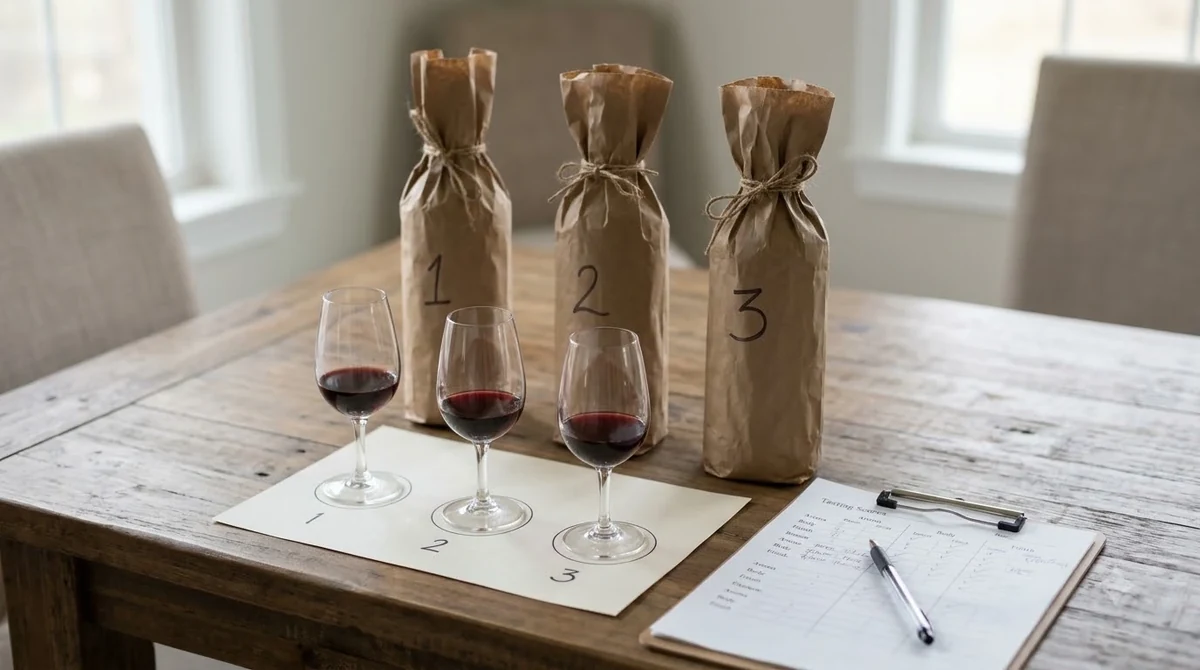
Trimbach is an excellent starting point for visitors interested in classic Alsace Riesling. Located in Ribeauvillé, the family-owned house has been associated with winemaking since 1626. Its Clos Sainte-Hune is particularly important to its reputation among Riesling enthusiasts. The estate makes sense for visitors who want to understand the region’s dry, structured white-wine tradition and the relationship between grape variety, vineyard origin, and aging potential.
Hugel & Fils offers another perspective from nearby Riquewihr. Its winemaking history dates to 1639, and the business has remained within the same family for thirteen generations. Visitors interested in traditional Alsace winemaking, recognizable grape varieties, and a historic village setting should put Hugel on their shortlist.
Zind-Humbrecht is a strong choice for visitors interested in vineyard expression and biodynamic viticulture. Based in Turckheim, the estate works plot by plot, providing an opportunity to understand why wines made from the same grape can differ according to their growing locations. Its connection with Olivier Humbrecht, identified as the first French Master of Wine, also makes it particularly interesting for technically minded wine enthusiasts.
For travelers who prefer variety and a broader introduction, Cave de Ribeauvillé deserves attention. Founded in 1895, it is described as France’s oldest winegrowers’ cooperative. Its broad selection provides an accessible way to compare different Alsace wines without limiting a tasting to the portfolio of a single small producer.
These four producers are useful starting points rather than an exhaustive ranking. Visitors with more time should also consider smaller family estates around Barr, Mittelbergheim, Andlau, and Dambach-la-Ville. Those villages provide a different experience from the busier destinations around Riquewihr and Ribeauvillé.
Key Factors to Compare Before Choosing a Winery
Comparing Alsace wineries requires more than looking at their reputations. Consider their grape selections, vineyard philosophy, tasting format, location, and visitor arrangements before choosing where to spend your time.
The following comparison highlights the principal differences between four established options. These are practical distinctions for itinerary planning, not a numerical ranking of wine quality.
| Winery | Location | Established | Best suited to | Distinctive feature |
|---|---|---|---|---|
| Trimbach | Ribeauvillé | 1626 family history | Dry Riesling enthusiasts | Clos Sainte-Hune |
| Hugel & Fils | Riquewihr | 1639 | Traditional Alsace wines | Thirteen generations of family winemaking |
| Zind-Humbrecht | Turckheim | Not specified here | Terroir and biodynamic wine enthusiasts | Plot-by-plot approach |
| Cave de Ribeauvillé | Ribeauvillé | 1895 | Broad wine selection | Historic cooperative |
Start with grape variety. Riesling is a natural choice for visitors who enjoy dry, high-acidity white wine with citrus, mineral, and sometimes stone-fruit characteristics. Pinot Gris generally offers a rounder, fuller-bodied profile, while Gewurztraminer is more aromatic and often brings floral, tropical-fruit, and spice notes. Pinot Blanc and Sylvaner can provide lighter alternatives, while Pinot Noir is the region’s principal red grape.
Next, compare the type of tasting experience. A major wine house may provide a structured introduction to several wines, whereas an independent grower may concentrate on a smaller number of vineyard-specific bottlings. A cooperative can offer a broader selection from multiple growers. None of these formats is automatically superior; the right option depends on whether you want a general overview or a closer look at a particular producer’s philosophy.
Location also matters. Ribeauvillé and Riquewihr make convenient bases for exploring several well-known producers. Turckheim and Eguisheim offer opportunities to explore vineyard sites around Colmar, while the northern villages provide a quieter alternative.
Finally, consider how much time you have. A tasting that includes several wines and a discussion of vineyard practices can easily become a substantial part of your day. A short stop at a cooperative may fit a more flexible itinerary, while a small family estate may require an appointment.
Tip: Choose wineries with different strengths rather than scheduling several producers that specialize in exactly the same style. Pairing a classic Riesling house with a biodynamic estate and a cooperative gives you a more useful understanding of Alsace.
Step-by-Step: Planning an Alsace Winery Visit
A successful Alsace wine itinerary starts with a manageable geographic area and a clear tasting objective. The Wine Route stretches approximately 170 kilometers from Marlenheim to Thann, so trying to cover the entire region in a single day leaves little time for meaningful visits.
-
Choose your preferred wine styles.
Decide whether you are most interested in dry Riesling, aromatic Gewurztraminer, Pinot Gris, Pinot Noir, or Crémant d’Alsace. If you are unfamiliar with the region, select a few different varieties rather than focusing on one grape. -
Select a convenient base.
Colmar is a useful starting point for exploring the central wine villages. Riquewihr, Ribeauvillé, and Hunawihr are relatively close together, while Turckheim and Eguisheim provide additional tasting opportunities. -
Choose three or four complementary wineries.
A historic producer such as Trimbach, a traditional family house such as Hugel, and a terroir-focused estate such as Zind-Humbrecht offer contrasting experiences. Add a cooperative if you want a wider selection. -
Contact each estate before traveling.
Ask about opening hours, reservation requirements, tasting formats, available languages, and whether appointments are necessary. Smaller family wineries may have limited visitor hours. -
Allow sufficient time for each tasting.
A reasonable planning allowance is 45 to 90 minutes per estate. Three visits create room for lunch, travel, and a walk through a village without rushing. -
Arrange transportation before the first tasting.
Use a designated driver, guided excursion, bicycle, or suitable public transportation. Do not plan to drive between wineries after drinking. -
Take notes and compare wines.
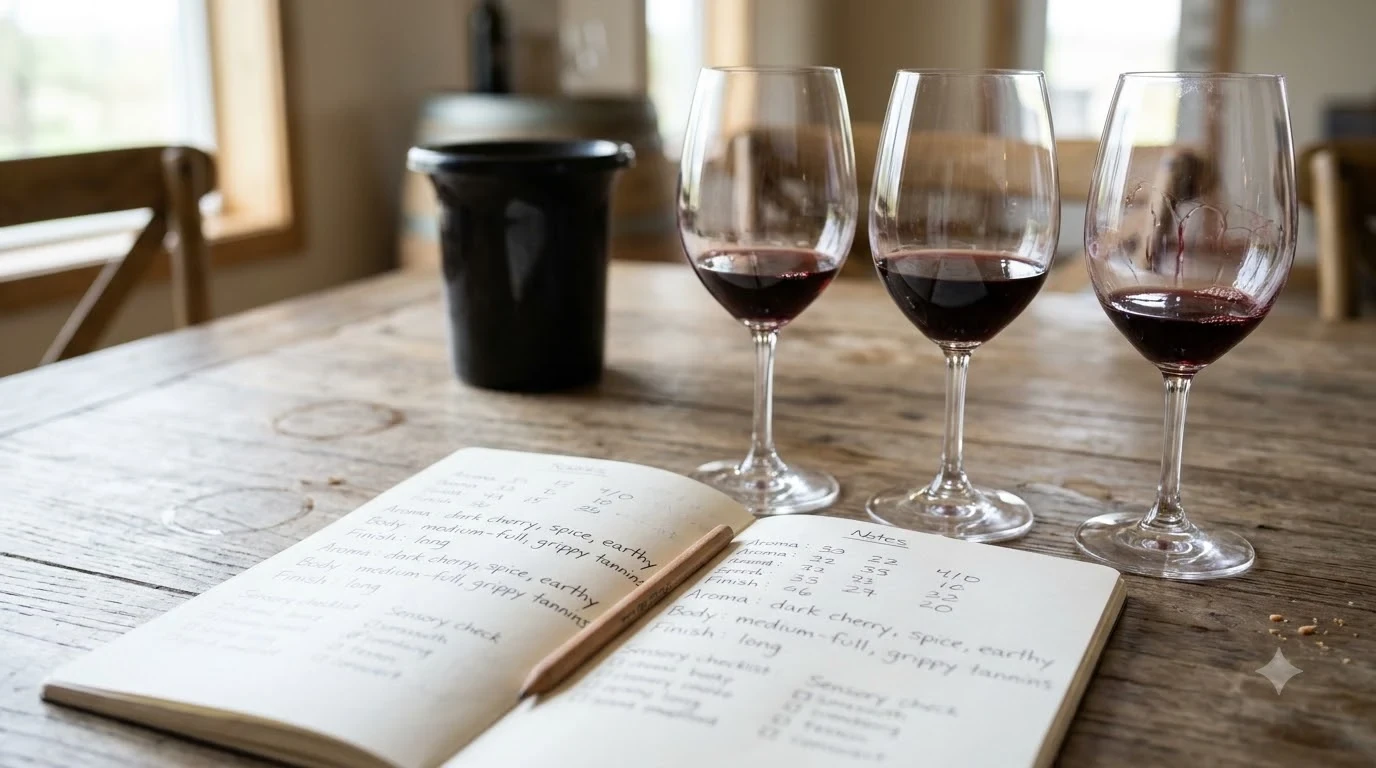
Record the grape, producer, vineyard designation, acidity, body, and finish. This makes it easier to remember the differences between bottles and decide what to purchase.
For a compact central itinerary, start in Ribeauvillé, continue to Riquewihr, and finish around Turckheim. The distances are practical: Riquewihr is approximately 5 kilometers from Ribeauvillé, and Turckheim is a convenient addition when planning around Colmar. The precise order should depend on confirmed appointments rather than assumptions about opening hours.
Travelers with additional days can explore the northern vineyards around Obernai, Barr, and Dambach-la-Ville. This area is particularly interesting for visitors who prefer smaller estates and a less concentrated tourist atmosphere.
For official information about the route’s villages, grape varieties, and practical visitor arrangements, consult Visit Grand Est’s Alsace Wine Route tasting guide. It provides useful geographic context for building a realistic itinerary.
For general planning advice beyond France, the wine-buying guide provides useful context for evaluating producers, wine styles, and bottle choices. The same principles apply when deciding which Alsace wines deserve space in your collection.
Types of Alsace Wineries and Wine Styles Explained
Alsace has several different types of wine producers, and understanding their differences helps visitors select more meaningful tasting experiences. The region’s 51 Grands Crus and seven principal grape varieties provide plenty of opportunities to compare vineyard origins and winemaking approaches.
Historic family wine houses
Historic family houses are a natural starting point for first-time visitors. Trimbach and Hugel & Fils are two prominent examples, with histories extending back to 1626 and 1639 respectively. Their long-established presence gives visitors an opportunity to explore recognizable regional styles through producers with strong historical identities.
These houses are especially useful for learning about dry Riesling and traditional Alsace white wines. A structured tasting can introduce the differences between lighter aromatic varieties and more concentrated expressions. Visitors who are building their understanding of French wine may find this format easier to follow than a tasting focused entirely on unfamiliar vineyard designations.
Cooperative wineries
Cooperatives bring together grapes or wines from multiple growers, making them useful places to explore a wider range of regional styles. Cave de Ribeauvillé is an important example, with a history dating to 1895.
Its appeal is breadth. Instead of concentrating on a single family’s estate wines, visitors can investigate a broader selection and compare different grape varieties. Cooperatives are also worth considering when a group has different preferences, since one person might prefer Riesling while another wants Pinot Gris or Crémant d’Alsace.
Independent and terroir-focused estates
Independent growers often offer a more personal experience. They may concentrate on a limited number of vineyard sites, particular grape varieties, or specific farming and cellar practices. An appointment can provide time to discuss vineyard exposure, soil composition, harvesting decisions, and the influence of individual parcels.
Zind-Humbrecht is a useful reference for this category. Its biodynamic approach and plot-by-plot philosophy make it particularly relevant to visitors who want to understand the influence of terroir. Smaller producers in Barr, Mittelbergheim, Andlau, and Dambach-la-Ville are also worth researching.
Understanding the principal grape varieties
Knowing the seven principal Alsace grapes makes tasting comparisons more productive:
- Riesling: Typically dry, precise, and high in acidity. It can show citrus, orchard fruit, and mineral characteristics.
- Gewurztraminer: Highly aromatic, often with floral, lychee, tropical-fruit, and spice notes. Its texture is generally fuller than Riesling.
- Pinot Gris: Usually fuller-bodied and rounded, with ripe orchard-fruit and sometimes smoky or spicy characteristics.
- Pinot Blanc: A generally approachable white with moderate weight and fresh fruit characteristics.
- Sylvaner: Often lighter and refreshing, making it a useful introduction to uncomplicated Alsace whites.
- Muscat: Intensely aromatic, with fresh grape and floral characteristics. Many Alsace examples are dry rather than sweet.
- Pinot Noir: Alsace’s principal red grape, producing wines that range from light and fresh to more structured expressions.
Crémant d’Alsace is another important category to explore. This sparkling wine uses secondary fermentation in the bottle, making it a useful comparison with tank-fermented sparkling wines. Visitors interested in sweeter styles should also ask about Vendanges Tardives and Sélections de Grains Nobles, which represent special late-harvest and botrytised wine categories.
Grand Cru designations add another layer to the tasting experience. Of the 51 recognized sites, the permitted grape varieties are Riesling, Muscat, Pinot Gris, and Gewurztraminer. Comparing wines from different named sites can help illustrate how soil, slope, exposure, and vineyard conditions influence the finished wine. The Alsace Wine Route’s overview of regional wines and Grands Crus provides further information about the grape varieties and their typical characteristics.
Common Mistakes When Visiting Alsace Wineries
The most common planning mistakes involve trying to visit too many producers, overlooking reservation requirements, and treating the entire Wine Route as a short excursion. A more selective schedule generally creates better conversations and more useful tastings.
Trying to visit too many estates
Scheduling six or seven wineries in one day may appear efficient, but it leaves limited time to understand each producer’s wines. Even when individual tastings are brief, travel, parking, appointments, and meals take time. The recommended pace of three to four estates is a more practical target.
Choose a smaller number of producers with different specialties. For example, combining Trimbach with Zind-Humbrecht gives you a chance to compare two approaches to Alsace white wine rather than spending the entire day tasting similar portfolios.
Arriving without checking reservations
Not every winery operates like a walk-in tasting bar. Established wine houses may welcome weekday visitors without an appointment, but smaller family estates can receive guests only by arrangement. Weekends and harvest periods require additional planning.
The harvest generally runs from mid-September to mid-October, when winery staff are especially busy. Contacting the producer before arrival is the simplest way to avoid an unsuccessful stop. Also ask whether tastings are offered in English and whether the estate accommodates groups.
Choosing wineries without considering geography
The route covers a substantial distance, and crossing repeatedly between its northern and southern sections wastes time. Visitors based in Colmar can concentrate on nearby villages such as Turckheim, Eguisheim, Riquewihr, and Ribeauvillé rather than trying to add every notable producer to one itinerary.
Travelers who enjoy exploring other wine destinations may recognize the benefit of geographic planning from regions such as California. A visit to the best Temecula wineries or the best Paso Robles wineries also works better when estates are grouped into manageable areas.
Ignoring the differences between wine styles
Another mistake is assuming that all Alsace whites taste alike. Riesling, Pinot Gris, Muscat, and Gewurztraminer can have substantially different aromas, acidity levels, and textures. A tasting should help visitors recognize these distinctions rather than simply collect a list of producer names.
Do not assume that Muscat is necessarily sweet or that Pinot Gris must be heavy. Ask about the particular wine’s style and sweetness. This is especially important when tasting late-harvest bottles, which can be very different from the estate’s regular dry wines.
Forgetting food and transportation
Wine tasting is more enjoyable with an appropriate meal and a sensible travel plan. Alsatian dishes such as tarte flambée, choucroute, and local cheeses provide useful opportunities to explore regional food pairings.
Arrange transportation before the first tasting rather than deciding afterward. Guided excursions, bicycles, and public transportation can help visitors enjoy several estates without putting driving safety at risk.
Care, Storage, and Buying Tips for Alsace Wines
Choosing the right bottle is only part of a successful wine purchase. Proper transportation, storage, serving temperatures, and food pairing all influence how Alsace wines perform after a visit.
How to select bottles at the winery
Start with wines that reflect the styles you enjoyed during your tastings. If you preferred the crisp acidity of Riesling, look for bottles from different vineyard sites or producers to compare their expressions. If you liked the aromatic intensity of Gewurztraminer, consider purchasing both a regular bottling and a more concentrated example.
For collectors, Grand Cru wines offer an opportunity to explore the influence of named vineyard sites. However, a Grand Cru designation should not automatically determine your purchase. The producer, vintage, grape variety, and intended drinking occasion remain important considerations.
Visitors who enjoy sparkling wine should include Crémant d’Alsace in their selections. Its traditional bottle-fermentation method makes it a useful choice for celebrations, aperitifs, and food-friendly sparkling wine service.
Transport and storage
Wine should be protected from excessive heat, direct sunlight, and temperature fluctuations during transportation. If you are purchasing bottles during summer, avoid leaving them inside a parked vehicle for extended periods. Ask the winery about appropriate shipping arrangements if you are traveling internationally or have limited luggage space.
For longer-term storage, keep cork-finished bottles on their sides in a cool, dark environment near 55°F. A stable temperature is more useful than frequent adjustments, and bottles should be protected from vibration and strong odors.
Many aromatic Alsace whites are enjoyable relatively young, but quality Riesling and some Pinot Gris wines can develop additional complexity with bottle age. Ask the producer about the drinking window of a particular wine rather than applying the same aging expectations to every grape variety.
Serving temperatures and food pairing
Temperature makes a noticeable difference to Alsace wines. Serving very cold can hide aromas, while serving too warm can make alcohol and sweetness seem more prominent.
- Riesling: Serve around 45–50°F for a refreshing expression that preserves its acidity and aromatic detail.
- Pinot Blanc and Sylvaner: Serve around 45–50°F, especially with lighter dishes and appetizers.
- Pinot Gris: Serve around 50–55°F when a fuller texture and more complex aromas are desired.
- Gewurztraminer: Serve around 45–50°F for aromatic freshness, adjusting slightly according to sweetness and body.
- Crémant d’Alsace: Serve around 40–50°F to retain freshness and a lively mousse.
- Pinot Noir: Serve around 55–60°F for lighter expressions.
Riesling works particularly well with seafood, poultry, and dishes with noticeable acidity. Gewurztraminer can complement aromatic Asian dishes and richly seasoned foods, although chili heat can become more pronounced with higher-alcohol wines. Pinot Gris pairs naturally with roasted poultry, pork, and creamy dishes.
Sweet Alsace wines are especially useful with desserts when the wine is at least as sweet as the dish. The same principle helps avoid a dessert making the wine taste thin or excessively acidic.
For a wider selection of regional wine experiences in the United States, you can also explore the best Fredericksburg wineries. Comparing different wine regions can help develop a better understanding of how grape variety, climate, and winemaking decisions shape a bottle.
Frequently Asked Questions
Can you visit Alsace wineries without speaking French?
Yes, some established wine houses welcome international visitors and offer multilingual hospitality. However, language availability differs between estates, so request an English-language tasting when arranging an appointment. Smaller family producers may have more limited language options.
Are there organic and biodynamic wine estates in Alsace?
Yes. Alsace has a substantial community of producers interested in organic and biodynamic viticulture. Zind-Humbrecht is one notable example of a biodynamic estate. Ask individual producers about their farming certification and vineyard practices because organic and biodynamic approaches are not interchangeable.
Can Alsace wineries ship wine to the United States?
Some producers and specialist wine merchants can arrange international shipping, but availability depends on the destination state and applicable alcohol-import requirements. Confirm shipping eligibility, customs responsibilities, and delivery arrangements before purchasing multiple cases. Carrying wine in checked luggage is another option, subject to airline restrictions.
What is the difference between Alsace AOC and Alsace Grand Cru?
Alsace AOC is the broader regional appellation, while Alsace Grand Cru identifies wines from designated vineyard sites subject to additional production rules. The region recognizes 51 Grand Cru sites. Grand Cru wines are associated with specific permitted varieties and vineyard origins rather than simply indicating a more expensive bottle.
Is Alsace wine suitable for people who prefer red wine?
Yes. Pinot Noir is the region’s principal red grape and is increasingly interesting to visitors who want an alternative to aromatic white wines. Its expressions can include fresh red-fruit styles as well as more structured wines, depending on the producer, vineyard, and winemaking approach.
The best Alsace wineries offer more than individual bottles: they provide an introduction to a region shaped by historic family houses, independent growers, distinctive vineyard sites, and diverse grape varieties. Start with Trimbach, Hugel & Fils, Zind-Humbrecht, or Cave de Ribeauvillé, then leave room for smaller producers and additional villages along the Wine Route. With advance reservations and a manageable itinerary, an Alsace winery visit can become one of the most rewarding ways to understand French wine.
More in Wine Buying Guides
 Cheap Red Blend: How to Find a Flavorful Bottle for LessUpdated Nov 20, 2026
 Pinot Grigio Gift: How to Choose a Bottle They’ll EnjoyUpdated Nov 20, 2026
 Best White Wine at Total Wine for Every MealUpdated Nov 20, 2026
 Wine Fridge Replacement Shelves: Find the Right FitUpdated Nov 20, 2026
 Best Sparkling Wine Under 20: Find Bubbles Worth BuyingUpdated Nov 20, 2026
 Best Wine For Birthday Celebrations With Perfect Party PairingsUpdated Nov 20, 2026