

We may earn a commission when you buy through links on this page, at no extra cost to you. Learn more.
A standard 5-ounce glass of dry Syrah contains roughly 3.8 to 4 grams of carbohydrates, meaning syrah carbs are very low compared to sweet wines or mixed drinks. Nearly all of the natural grape sugars are converted into alcohol during fermentation, leaving behind trace residual sugar and minimal non-sugar carbohydrates like glycerol. Most standard table Syrah pours sit around 120 to 125 calories per 5-ounce serving, while warmer-climate Shiraz styles with higher alcohol or a touch of residual sugar can edge slightly higher.
Understanding how fermentation shapes sugar levels helps make sense of why a rich, fruit-forward red wine can taste plush on the palate without packing heavy carbohydrates. Looking at serving sizes, regional winemaking styles, and label clues makes it straightforward to estimate what is actually in your glass.
What It Is
Syrah is a dark-skinned red wine grape originally from France’s Northern Rhône Valley that produces deeply colored, full-bodied dry red wines. Because winemakers allow yeast to ferment almost all of the grape’s natural glucose and fructose into ethanol, the finished wine retains virtually no sweetness.
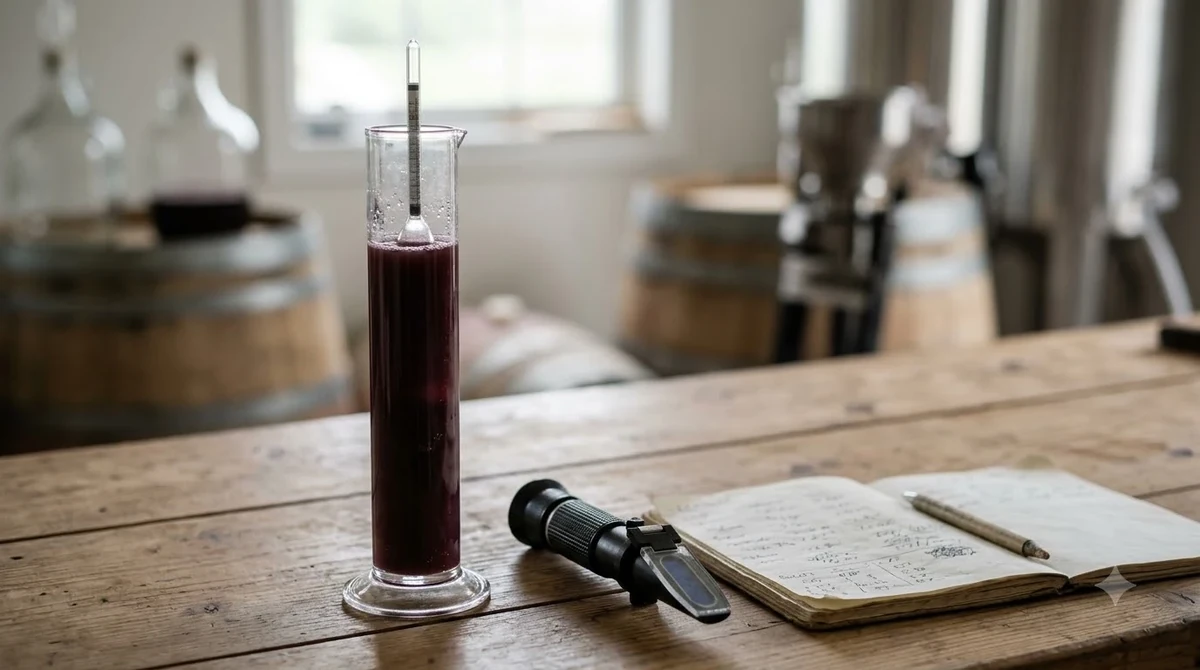
During fermentation, yeast consumes grape sugars and converts them into alcohol and carbon dioxide. When the process runs to completion, the resulting wine is considered dry, typically holding less than 2 grams per liter of residual sugar. Those tiny traces of unfermented sugar, alongside small amounts of glycerol and organic acids formed during fermentation, account for the roughly 3.8 to 4 grams of total carbohydrates found in a standard 5-ounce (147-gram) pour according to USDA FoodData Central figures.
Many wine drinkers assume Syrah is high in sugar because its ripe blackberry, dark plum, and oak-derived vanilla aromas create a rich, velvety impression on the tongue. Wine educators at Wine Enthusiast point out that fruit ripeness and barrel aging give the perception of weight and roundness even when a wine is completely dry. In terms of overall dry red wine carbs, Syrah sits right alongside Cabernet Sauvignon and Merlot as a low-carbohydrate table wine.
Carb and Calorie Breakdown by Pour Size
A standard 5-ounce pour of dry Syrah delivers about 3.8 to 4 grams of total carbohydrates and 120 to 125 calories, though restaurant pours and warmer-climate styles shift those numbers. Tracking your actual glass volume matters far more than minor differences between dry red varietals.
Because wine is not required to carry a standard nutrition panel in the United States, drinkers often rely on reference data for a 100-gram or 5-ounce serving. According to USDA-derived nutrition records, 100 grams (roughly 3.4 fluid ounces) of Syrah red wine contains about 2.6 grams of carbohydrates, 0 grams of fat, 0.1 grams of protein, and 80 to 85 calories. Scaling that up to a traditional 5-ounce restaurant serving brings total carbohydrates to just under 4 grams, while a full 750-milliliter bottle holds around 19 to 20 grams of carbohydrates and roughly 625 calories.
Alcohol by volume (ABV) also plays a major role in the calorie count, even when carbohydrate numbers stay flat. Cooler-climate Syrah typically sits between 13% and 14% ABV, keeping a 5-ounce glass near 125 calories. Higher-alcohol expressions reaching 15% ABV climb closer to 175 calories per glass because ethanol carries 7 calories per gram, independent of any residual sugar.
| Serving Size | Approximate Volume | Total Carbs | Estimated Calories | Typical ABV Range |
|---|---|---|---|---|
| Small Tasting Pour | 3.4 fl oz (100 g) | 2.6 g | 80–85 kcal | 13%–14.5% |
| Standard Wine Glass | 5 fl oz (147 g) | 3.8–4.0 g | 120–125 kcal | 13%–14.5% |
| Generous Home Pour | 6 fl oz (177 g) | 4.5–4.8 g | 145–150 kcal | 13%–14.5% |
| High-ABV Shiraz Pour | 5 fl oz (147 g) | 4.0–5.5 g | 160–175 kcal | 14.5%–15.5% |
| Standard Bottle | 25.4 fl oz (750 ml) | 19–20 g | 600–625 kcal | 13%–14.5% |
Tip: Measure 5 ounces of water into your favorite wine glass once at home so you can visually recognize a true single serving instead of accidentally pouring 7 or 8 ounces.
Syrah vs. Shiraz and Other Wine Styles
Syrah and Shiraz are genetically the exact same grape variety, yet regional naming conventions often signal subtle differences in ripeness, alcohol, and residual sugar. Comparing Syrah against sweet reds, sparkling pours, and white wines highlights how wide the carbohydrate gap across the wine world can be.
Winemakers in France, Washington State, California, and cooler parts of Australia usually label the bottle Syrah to indicate a structured, savory, peppery wine fermented to complete dryness. Conversely, producers in warmer Australian regions like the Barossa Valley frequently use the name Shiraz for riper, jammy, full-throttle bottles. While most classic Shiraz is still dry, mass-market value bottles sometimes leave behind 10 to 15 grams per liter of residual sugar to soften tannins and boost fruitiness, nudging a 5-ounce glass closer to 5 or 6 grams of carbohydrates.
At the far end of the spectrum sit specialty sweet styles like Jam Jar Sweet Shiraz, which Wine Folly notes can carry around 57 grams per liter of residual sugar—translating to roughly 8.5 grams of sugar alone before counting non-sugar wine carbs. That is still much lower than dessert-style pours or fruit-infused mixes, as seen when comparing moscato carbs or sweetened sangria carbs against a dry table red. Exploring different categories across Wine by Type shows that dry reds consistently stay near the bottom of the carbohydrate chart.
Flavor Profile and Where It Grows
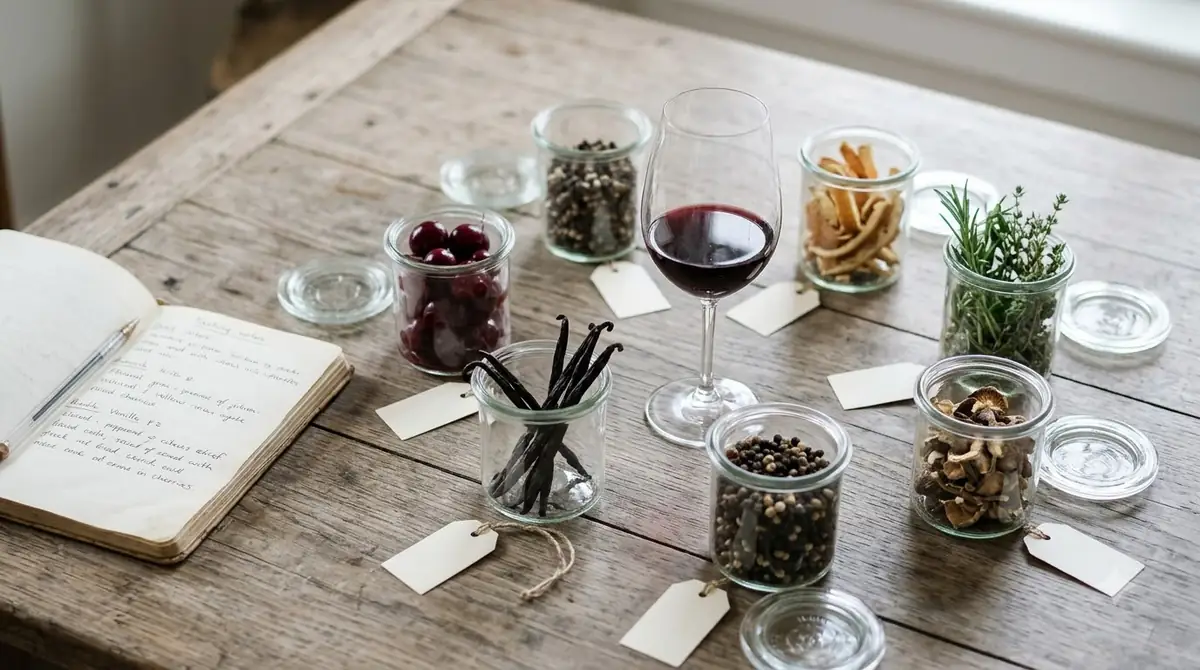
Syrah produces opaque, ruby-purple wines layered with dark berry fruit, black pepper, smoked meat, and violet aromatics, shaped heavily by the climate of its vineyard site. Cooler growing regions emphasize savory spice and brisk acidity, whereas warm regions amplify lush black fruit and higher alcohol.
In its ancestral home of France’s Northern Rhône Valley—including famous appellations like Côte-Rôtie, Hermitage, and Crozes-Hermitage—granite slopes and moderate temperatures yield linear, aromatic wines showing blackberry, cracked black pepper, olive tapenade, and cured meat notes. These bottles usually stay around 13% to 13.5% ABV and contain virtually zero residual sugar, making them textbook examples of bone-dry red wine.
Across the globe in South Australia’s Barossa Valley and McLaren Vale, abundant sunshine ripens the grapes to much higher sugar levels before harvest. Fermentation converts those abundant sugars into higher alcohol—often 14.5% to 15.5% ABV—alongside plush flavors of blueberry compote, licorice, and sweet baking spice from oak barrels. Cool-climate coastal pockets of California, such as the Sonoma Coast and Santa Barbara County, bridge the two worlds by combining bright dark fruit with white pepper and herbal complexity.
How to Serve and Pair Low-Carb Syrah
Serving Syrah slightly below room temperature keeps its alcohol balanced and its aromatics crisp, while pairing it with protein- and fat-rich dishes keeps an entire meal low in carbohydrates. Proper glassware and temperature control also prevent full-bodied reds from tasting heavy or overly warm.
Aim to serve Syrah between 60°F and 65°F (15°C to 18°C), which is cooler than a typical warm dining room. Giving the bottle 15 to 20 minutes in the refrigerator before uncorking sharpens the wine’s natural acidity and keeps higher-ABV Shiraz from feeling hot on the finish. Pouring into a large-bowled red wine glass allows oxygen to open up the smoky, floral aromas without needing sweet mixers or fruit garnishes.
At the dinner table, Syrah’s firm tannins and savory spice naturally match zero-carb or low-carb main courses. Grilled lamb chops, ribeye steak, roasted duck, and braised beef short ribs bind with the wine’s tannins to create a smooth, balanced palate. For lighter or plant-forward meals, roasted portobello mushrooms, eggplant, and aged hard cheeses like aged Gouda or Manchego mirror the wine’s earthy, smoky depth without adding starches or sugars.
How to Choose a Dry Bottle
Selecting a bottle with minimal residual sugar comes down to reading regional cues, checking ABV percentages, and avoiding sweetened novelty labels. Because American wine labels rarely print nutrition facts, a few quick visual checks at the wine shop provide reliable guidance.
Start by looking at the grape name and region on the front label. Bottles labeled “Syrah” from France, Washington’s Columbia Valley, or coastal California are almost universally fermented completely dry with under 2 grams per liter of residual sugar. If you prefer Australian Shiraz, look for regional designations like Heathcote, Clare Valley, or McLaren Vale rather than broad multi-regional blends, as single-region wines rely on ripe fruit quality rather than added sweetness.
You can also check the back label for the stated alcohol percentage and producer notes. Dry table Syrah typically lists an ABV between 13% and 14.5%, whereas bottles labeled “Sweet Red,” “Sweet Shiraz,” or “Dessert Wine” will contain significant unfermented grape sugar. Many quality-focused wineries also publish technical sheets on their websites listing exact residual sugar (RS) in grams per liter, confirming when a bottle is bone-dry.
Frequently Asked Questions
Does Syrah have more carbs than Cabernet Sauvignon?
No, dry Syrah and dry Cabernet Sauvignon have virtually the same carbohydrate count, averaging about 3.8 to 4 grams per 5-ounce glass. Both varieties are typically fermented to dryness with less than 2 grams per liter of residual sugar, so any minor difference comes down to specific winemaking choices rather than the grape itself.
Is Syrah a sweet wine or a dry wine?
Syrah is a dry red wine. Although ripe blackberry notes and vanilla from oak barrel aging can give it a plush, rich mouthfeel, almost all of the natural grape sugar is converted into alcohol during fermentation. Only specialty bottles explicitly labeled as sweet Shiraz or fortified styles contain noticeable sugar.
How many carbs are in an entire bottle of Syrah?
A standard 750-milliliter bottle of dry Syrah contains roughly 19 to 20 grams of total carbohydrates and around 600 to 625 calories. That equals five standard 5-ounce servings at approximately 3.8 to 4 grams of carbohydrates per glass.
Why do wine labels not list carbohydrates or sugar?
In the United States, most wine is regulated by the Alcohol and Tobacco Tax and Trade Bureau (TTB) rather than the FDA, so standard Nutrition Facts panels are not mandatory on wine bottles. Drinkers looking for exact figures can check winery technical sheets online for residual sugar levels measured in grams per liter.
Keeping track of syrah carbs comes down to sticking with dry table bottlings and paying attention to a standard 5-ounce pour. With fewer than 4 grams of carbohydrates per glass and bold, savory depth, dry Syrah fits easily into low-sugar dining without sacrificing full-bodied character.
More in Wine Types & Grapes
 What Does Mourvèdre Taste Like? Flavor Profile, Regions, and PairingsUpdated Nov 20, 2026
 What Does Marsanne Taste Like? Flavors, Styles, and Food PairingsUpdated Nov 20, 2026
 What Does Malvasia Taste Like? Styles, Flavors, and Food PairingsUpdated Nov 20, 2026
 What Does Grenache Blanc Taste Like? Flavor Profile, Styles, and PairingsUpdated Nov 20, 2026
 What Does Garnacha Taste Like? Key Flavors, Styles, and Pairing TipsUpdated Nov 20, 2026
 What Does Fruit Wine Taste Like? A Complete Flavor and Style BreakdownUpdated Nov 20, 2026