

We may earn a commission when you buy through links on this page, at no extra cost to you. Learn more.
Yeti champagne glasses are best understood as insulated wine tumblers rather than traditional champagne flutes, with the Rambler 10 oz Wine Tumbler offering a durable, temperature-controlling option for outdoor celebrations. Its stainless-steel construction, DuraSip ceramic lining, and splash-resistant MagSlider lid make it practical for patios, camping trips, and casual gatherings. However, it does not provide the delicate aroma presentation or traditional appearance of a dedicated sparkling-wine glass.
Choosing drinkware for champagne involves balancing appearance, temperature control, portability, and the way a glass presents the wine’s aromas. YETI approaches that decision from an outdoor-drinkware perspective. Its Rambler wine tumbler is designed to handle environments where ordinary glassware can break, but its insulated construction also makes it different from conventional stemware. Understanding that distinction helps determine whether this is the right purchase for your celebrations.
Specs and Key Features of the YETI Rambler Wine Tumbler
The YETI Rambler 10 oz Wine Tumbler is a compact, insulated stainless-steel drinking vessel designed for wine outside traditional dining settings. Its defining features are a 10-ounce capacity, double-wall vacuum insulation, ceramic interior, and removable splash-resistant lid.
There is an important distinction behind the search for YETI champagne glasses: YETI does not position this product as a dedicated Champagne flute. Instead, the Rambler is a stemless wine tumbler that can accommodate different wine styles, including sparkling wine. Its rounded drinking opening and insulated body favor convenience over the narrow profile and delicate construction associated with conventional champagne stemware.
The current version includes DuraSip ceramic lining. This interior provides a smooth drinking surface and helps resist staining from deeply colored red wines. It is also intended to make cleaning easier after different beverages. The outside uses kitchen-grade 18/8 stainless steel, which YETI describes as rust- and puncture-resistant. Double-wall vacuum insulation separates the beverage from the exterior, helping maintain temperature while reducing the effect of warm hands.
| Specification | YETI Rambler 10 oz Wine Tumbler |
|---|---|
| Product category | Insulated stemless wine tumbler |
| Capacity | 10 fluid ounces |
| Empty weight | 0.55 pounds |
| Width | 3.4 inches |
| Height | 4.5 inches |
| Exterior material | 18/8 stainless steel |
| Interior | DuraSip ceramic lining |
| Insulation | Double-wall vacuum insulation |
| Lid | MagSlider splash-resistant lid |
| Cleaning | Dishwasher safe |
| Warranty | Five years for stainless-steel drinkware |
These specifications make the tumbler particularly interesting for people who enjoy wine outside the house. A height of 4.5 inches creates a relatively compact vessel, while the 10-ounce capacity provides room for a conventional wine serving without requiring a large travel cup. The 0.55-pound empty weight is a trade-off: the metal construction feels substantial, but it is heavier than a lightweight glass flute.
The MagSlider lid is another important feature. Its magnetic slider gives users a way to cover the drinking opening when the tumbler is not in use. That can be helpful around insects, dust, and outdoor debris. It should not, however, be confused with a sealed travel-bottle closure. YETI specifically warns that the lid is not leakproof and will not prevent spills.
For the manufacturer’s full specifications and feature descriptions, consult the official YETI Rambler Wine Tumbler product page. The distinction between splash resistance and leakproof construction is particularly important before purchasing one for travel.
What Owners Like About the YETI Wine Tumbler
The strongest appeal of the YETI wine tumbler is its combination of durability, insulation, and straightforward cleaning. Owner feedback frequently favors these practical benefits over traditional glassware’s appearance, particularly for outdoor drinking and everyday use.
Durability is a major advantage. Conventional champagne glasses are usually made from relatively thin glass or crystal. They can break if knocked against a patio table, dropped on concrete, or packed carelessly for a picnic. The Rambler replaces that fragile construction with stainless steel. That makes it a sensible option for locations where broken glass is inconvenient or undesirable.
This difference matters at a poolside gathering, campsite, beach picnic, or outdoor birthday party. Guests can move around without handling delicate stems, and the tumbler is easier to pack alongside other outdoor equipment. It is not indestructible, and its lid and finish still deserve reasonable care, but its construction is considerably more suited to rougher environments than ordinary stemware.
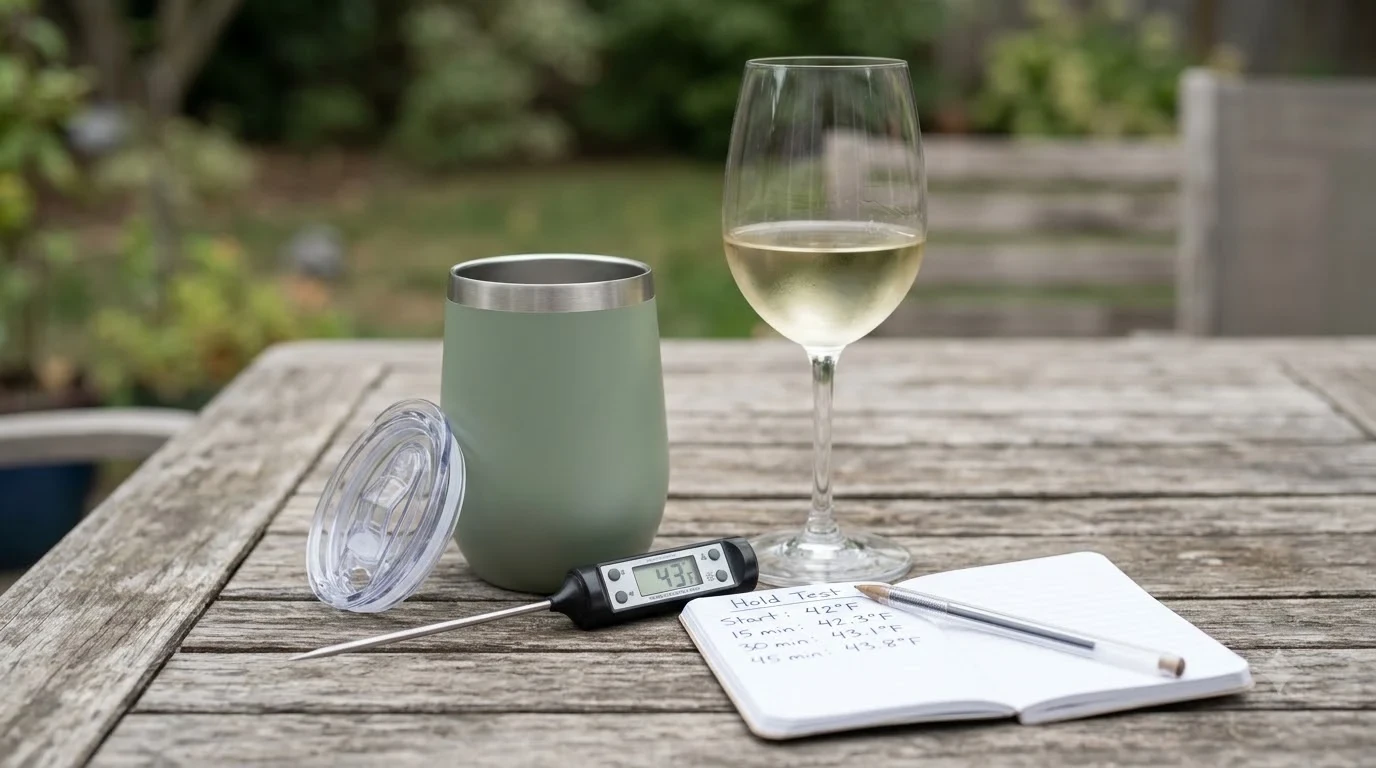
Temperature retention is another frequently appreciated feature. Sparkling wine is generally served cold, and warm outdoor conditions can make temperature management difficult. A double-wall vacuum-insulated vessel helps reduce heat transfer from the surrounding air and the drinker’s hand. The same construction is useful for chilled rosé, Sauvignon Blanc, and other wines that are more enjoyable when served cool.
The advantage is especially apparent during a long afternoon gathering. A conventional thin-walled glass does little to separate the wine from ambient heat. An insulated tumbler provides a protective barrier, although it cannot replace proper chilling before serving. Pouring already-warm champagne into an insulated cup will not instantly bring it down to the appropriate serving temperature.
Cleaning convenience also receives favorable attention. The current DuraSip ceramic lining is designed to resist staining, an especially useful feature for people who alternate between red, white, and sparkling wines. Red wine can leave visible residue in poorly maintained drinkware, so a smooth interior and dishwasher-safe construction reduce the work involved after entertaining.
REI customer feedback also highlights the convenience of using the tumbler instead of fragile glassware and the ease of cleaning its interior. Some owners appreciate the ability to use the same vessel for different wine styles without maintaining separate collections of outdoor glasses. These comments reflect practical ownership benefits rather than proof that the tumbler improves wine quality.
The compact shape is useful for informal settings. The updated design measures 4.5 inches tall, making it less cumbersome than many traditional wine glasses. It is intended to fit into a camp-chair cupholder, according to YETI. That detail gives it a clear purpose beyond ordinary dining-room glassware.
There is also a social benefit to choosing reusable metal drinkware for group events. A set of matching tumblers creates a consistent appearance without the fragility associated with stemmed glasses. Different colors can help guests identify their drinks, which is useful at gatherings where several people are sharing a table or outdoor seating area.
However, owner satisfaction should be understood in context. People who buy this product generally value insulation, sturdiness, and portability. Those who prioritize delicate glassware, visual bubble presentation, and detailed wine aromas may have different expectations.
Common Complaints and Practical Limitations
The YETI Rambler has clear practical strengths, but its construction introduces compromises that matter for sparkling wine. The most important limitations are the non-leakproof lid, substantial weight, and less traditional wine-tasting experience.
The MagSlider lid is not leakproof. This is the first limitation prospective owners should understand. The magnetic slider helps cover the opening and reduce splashes, but the manufacturer explicitly states that it cannot prevent spills. The lid is useful when a drink is resting on a table or being carried carefully between nearby seating areas, not when the tumbler is placed sideways inside a backpack.
That distinction can surprise buyers who associate YETI drinkware with sealed travel bottles. A bottle with a threaded closure has a different purpose from an open-top tumbler with a sliding magnetic cover. If you plan to carry champagne over a long walking route, place the vessel inside luggage, or travel with it in a packed vehicle, the Rambler wine tumbler is not a substitute for a leakproof container.
Its weight is another consideration. At 0.55 pounds before adding wine, the Rambler is noticeably more substantial than most conventional champagne glasses. The stainless-steel body provides durability, but the weight becomes less appealing if you are carrying several tumblers for a picnic or packing drinkware for a long hike.
It also has a different feel in the hand. A traditional stemmed glass allows the drinker to hold the vessel by its stem, limiting direct contact with the wine bowl. The Rambler has no stem, so users naturally hold the insulated body. This is comfortable for casual sipping, but it changes the ritual of serving and drinking champagne.
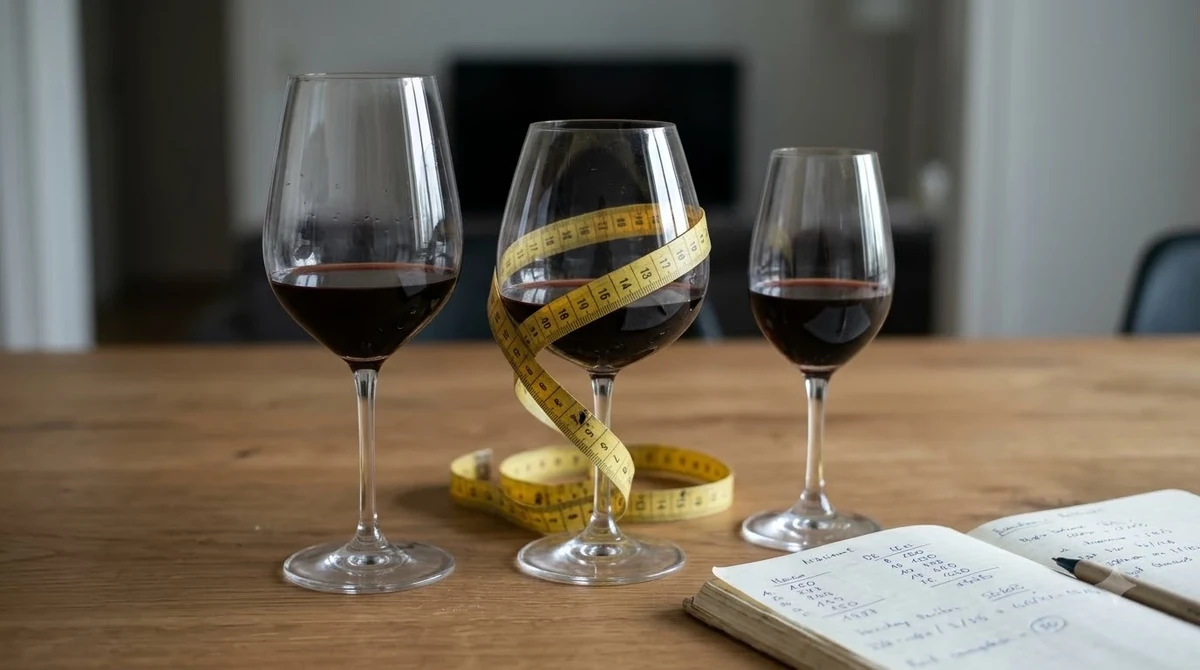
Aromas are less accessible when the lid is attached. Fine sparkling wine often contains delicate notes of citrus, apple, pear, toasted bread, nuts, and floral aromas. Appreciating those characteristics depends partly on the opening and shape of the glass. A conventional wine glass provides room for the wine to release aromas into the space above the bowl.
The Rambler’s covered opening limits that experience. WIRED’s review of the earlier Rambler wine tumbler also identified restricted aeration with the lid attached as a drawback. Removing the lid makes the opening more accessible, but the insulated metal vessel still does not reproduce the shape or visual presentation of traditional stemware.
The tumbler also hides the wine itself. Champagne and other sparkling wines are visually appealing because their colors, clarity, and streams of bubbles are part of the drinking experience. An opaque stainless-steel body prevents the drinker from seeing these details. That may be irrelevant during a casual barbecue, but it is a genuine disadvantage at a tasting or formal celebration.
Finally, some customers may find the price of premium insulated drinkware difficult to justify when ordinary glasses serve the same basic purpose at home. This is a question of intended use rather than construction quality. The Rambler makes more sense if durability and insulation are important purchasing priorities. If your main objective is an attractive glass for occasional champagne service, traditional stemware is generally the more suitable purchase.
Who Should Buy the YETI Rambler and Who Should Skip It
The Rambler 10 oz Wine Tumbler is best suited to wine drinkers who prioritize durability, temperature control, and convenience. It is less suitable for buyers who want a traditional champagne glass for formal entertaining or serious sparkling-wine appreciation.
Who should buy it
Outdoor entertainers are among the clearest candidates. If you regularly serve wine on a patio, deck, poolside table, or campsite, stainless-steel construction provides a useful alternative to breakable glass. The compact 4.5-inch height and insulated walls also suit casual gatherings where drinks may sit outside for an extended period.
Campers and recreational travelers may appreciate the durable body even more. Conventional glassware is inconvenient when equipment must fit inside a vehicle, picnic basket, or camping storage area. A reusable metal tumbler is easier to integrate into an outdoor kitchen setup. The lid helps keep insects and debris away from the opening while the beverage is resting, although the tumbler should remain upright.
People who enjoy chilled wine slowly can also benefit from the insulation. Someone sipping rosé over a warm afternoon may appreciate the reduced heat transfer compared with a thin glass. The same advantage applies to sparkling wine served casually at an outdoor event, particularly if the bottle has already been properly chilled.
Households that prefer reusable, dishwasher-safe drinkware are another appropriate audience. The DuraSip ceramic lining helps make the interior easier to clean, while the stainless-steel construction is designed for repeated use. The product can also serve more than one purpose, accommodating different wine styles rather than being reserved exclusively for champagne.
Who should skip it
Champagne enthusiasts who prioritize aroma should consider a dedicated tulip glass or white wine glass. The wider bowl and narrowing opening of a suitable glass help concentrate aromas while providing room for the wine to develop. These qualities matter particularly with vintage Champagne, complex blanc de blancs, and traditional-method sparkling wines.
Formal hosts may prefer traditional stemware. A coordinated set of flutes or tulip glasses creates a familiar presentation for weddings, anniversaries, holiday dinners, and champagne toasts. The Rambler has a casual outdoor appearance that does not reproduce that visual effect.
People who need a fully sealed travel vessel should also look elsewhere. The MagSlider lid is not leakproof, so it should not be treated like a sealed bottle. Anyone who needs to transport a filled container inside a bag should choose drinkware specifically designed for leakproof storage.
Buyers who want to see the bubbles may find the opaque body disappointing. Champagne’s visual presentation is part of its appeal, particularly during a toast. A clear flute or tulip glass provides a much better view of the rising bubbles and wine color.
Tip: If you choose a YETI tumbler for sparkling wine, chill the bottle before pouring, remove the MagSlider lid while drinking, and keep the vessel upright. You will retain the insulation advantage without unnecessarily restricting access to the wine’s aromas.
How It Compares to Traditional Champagne Glasses and Alternatives
The most useful comparison is between the YETI Rambler’s insulated convenience and the aroma-focused design of conventional sparkling-wine glasses. Flutes, tulip glasses, and coupes each serve a different purpose, so the right alternative depends on how you intend to enjoy champagne.
Traditional champagne flutes have a tall, narrow bowl and a stem. Their familiar appearance makes them popular for celebrations, and their shape emphasizes the visual movement of bubbles. They are particularly suitable for large gatherings where the presentation of a coordinated toast matters.
However, flutes are not always the best choice for appreciating complex sparkling wine. Their narrow openings restrict the space available for aromas to develop. This can make it harder to appreciate the full range of characteristics in a carefully produced bottle. For casual Prosecco or a Mimosa, the traditional flute remains an attractive and practical option.
Tulip-shaped glasses are often a stronger choice for people who want to appreciate the aroma of Champagne. Their bowls provide more room for the wine to open, while the narrower upper section helps concentrate the aromas toward the nose. Wine Enthusiast’s discussion of Champagne glass styles identifies tulip-shaped and suitable white wine glasses as particularly useful for appreciating aromatic detail.
For a buyer who enjoys vintage Champagne, grower Champagne, or sparkling wine made by the traditional method, a tulip glass offers a more appropriate drinking experience than the YETI tumbler. It is also a useful choice for people who regularly compare different producers and want to identify subtle differences in aroma and flavor.
Coupe glasses offer a different kind of appeal. Their broad, shallow bowls create a vintage-inspired presentation that works well for parties and decorative cocktail service. They are also convenient for champagne towers. However, the wide opening allows bubbles and aromas to dissipate more quickly, making coupes less suitable for extended tasting sessions.
The YETI tumbler sits in a separate category. It is neither a traditional flute nor a specialist tasting glass. Its principal advantage is its insulated, durable body, which makes it appropriate for outdoor settings where stemware is inconvenient.
For readers comparing conventional glassware, the wine glasses guide provides a useful starting point for different wine styles. Those who specifically want traditional sparkling-wine service can also compare the options in the champagne flutes guide.
| Glassware type | Main advantage | Main limitation | Best setting |
|---|---|---|---|
| YETI Rambler Wine Tumbler | Insulation and durability | Limited aroma presentation | Camping and outdoor parties |
| Champagne flute | Displays rising bubbles | Restricts aroma development | Celebrations and toasts |
| Tulip glass | Balances bubbles and aromas | More delicate than metal drinkware | Champagne tastings |
| Coupe glass | Vintage presentation and broad opening | Faster loss of bubbles | Champagne towers and parties |
| White wine glass | Provides room for aromas | Less specialized for sparkling service | Versatile wine tasting |
Serving temperature also influences the choice. Sparkling wine is generally served between 40 and 50 degrees Fahrenheit. A chilled YETI tumbler can help maintain a cool drinking experience, but a traditional glass can present the wine more clearly and make it easier to assess its aromas.
For example, a crisp nonvintage Brut may be served in a flute during a large birthday toast, while a more complex vintage Champagne deserves a tulip-shaped glass. A casual glass of Prosecco at a campsite, on the other hand, can be perfectly enjoyable in the insulated Rambler. The best choice depends on whether the occasion calls for convenience or a more detailed tasting experience.
Readers interested in matching different glasses to red wines can also explore the red wine glasses guide. The comparison is useful because the ideal vessel for a Cabernet Sauvignon or Pinot Noir differs from the one intended for sparkling wine. YETI’s insulated tumbler provides a versatile everyday option, but it does not replace the specialized shapes used for different wine styles.
Frequently Asked Questions
Can you drink Prosecco from a YETI wine tumbler?
Yes. Prosecco can be served in the Rambler 10 oz Wine Tumbler, and its insulated body can help maintain a cool serving temperature. Prosecco is generally made primarily from Glera grapes using the tank method, which preserves fresh fruit character and lively bubbles.
Can the YETI wine tumbler be used for champagne cocktails?
Yes. Its stemless construction is suitable for casual sparkling-wine cocktails such as a Bellini or a simple champagne-based fruit drink. The 10-ounce capacity also provides room for a modest amount of additional ingredients, although the vessel does not offer the visual presentation of a traditional cocktail glass.
Does stainless steel change the flavor of sparkling wine?
Food-grade stainless steel is widely used for beverage containers and does not normally impart a noticeable metallic taste when properly maintained. However, the vessel’s shape, opening, and lid can influence how aromas reach the drinker. These sensory differences are separate from the material’s basic suitability for holding wine.
Can the Rambler Wine Tumbler be used for nonalcoholic sparkling drinks?
Yes. It can hold sparkling water, nonalcoholic sparkling wine, and other cold beverages. For carbonated drinks, remember that the MagSlider lid is not designed as a pressure-sealed closure, so the tumbler should remain upright and should not be treated as a sealed bottle.
Can the YETI wine tumbler be used for hot drinks?
Its double-wall vacuum insulation is designed to maintain both cold and hot beverage temperatures. It can therefore accommodate hot drinks as well as wine, although users should take care with hot liquids because the insulated body can keep a beverage hot for longer than an ordinary cup.
The YETI Rambler 10 oz Wine Tumbler is a sensible choice for people who want durable, insulated drinkware for casual wine drinking and outdoor celebrations. It is not a substitute for a traditional champagne flute or tulip glass, particularly if aroma and presentation are priorities. Choose the Rambler for portability and temperature control, and choose conventional stemware when the goal is to appreciate sparkling wine in greater detail.
More in Wine Glasses
 Spiegelau Crystal Wine Glasses That Bring Clarity to Every PourUpdated Nov 21, 2026
 Zalto Crystal Wine Glasses: Are They Worth the Investment?Updated Nov 21, 2026
 Villeroy And Boch White Wine Glasses for a More Cohesive TableUpdated Nov 21, 2026
 Zalto Wine Glasses On Sale: Find the Right Denk’Art GlassUpdated Nov 21, 2026
 Zwiesel Glas Champagne Glasses: Features, Quality and Buying AdviceUpdated Nov 21, 2026
 Zwiesel Glas Decanter Review: A Durable, Elegant Choice for Wine ServiceUpdated Nov 21, 2026