

We may earn a commission when you buy through links on this page, at no extra cost to you. Learn more.
The typical sweet red wine sugar content starts at around 35 grams per liter (g/L) of residual sugar and climbs past 120 g/L for fortified dessert styles, which equals roughly 5 to 18 grams of sugar per 5-ounce glass. By comparison, dry red wines generally contain fewer than 10 g/L of residual sugar, translating to under 1.5 grams per standard pour. Off-dry or semi-sweet red blends sit right in the middle at 17 to 35 g/L, offering subtle fruit richness without syrupy weight.
Understanding how grape sugars survive fermentation helps you read bottle labels, estimate carbohydrates per glass, and pick a red wine that matches your exact palate without guesswork.
What Residual Sugar Means in Red Wine
Residual sugar—commonly abbreviated as RS on winemaker technical sheets—is the natural grape sugar left unfermented after yeast finishes converting juice into alcohol. Winemakers measure this concentration in grams per liter (g/L), where every 10 g/L represents 1 percent sweetness by volume.
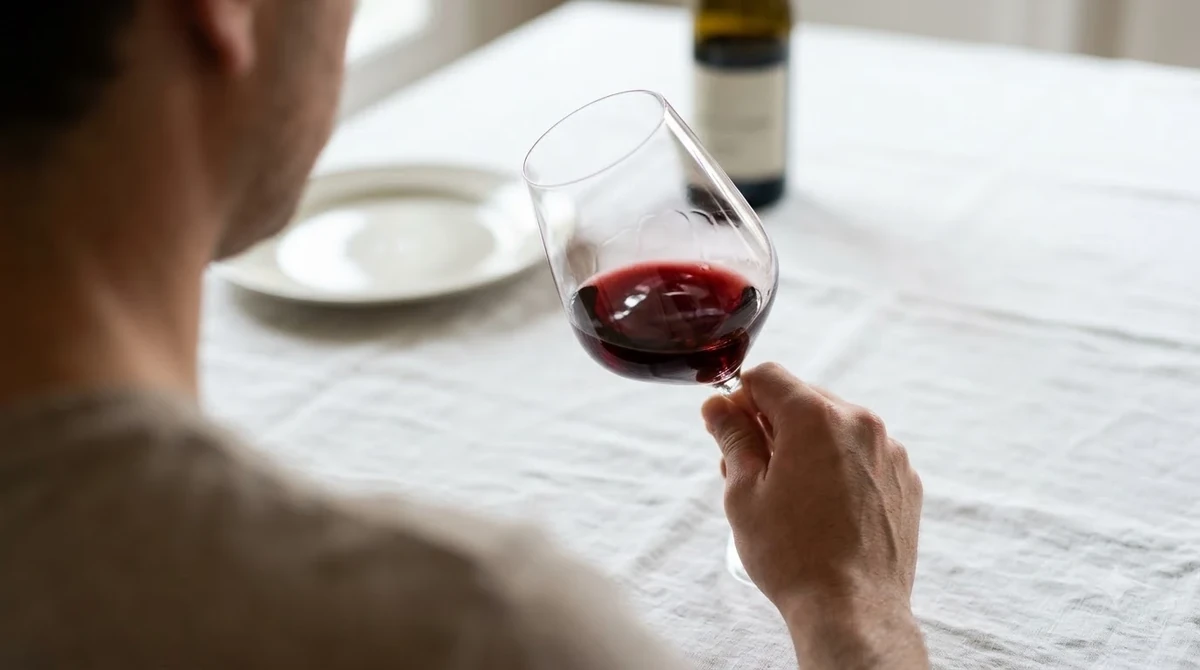
During standard red wine production, ripe grapes are crushed and inoculated with yeast, which consumes glucose and fructose to produce ethanol and carbon dioxide. When yeast eats nearly all available sugar, the resulting bottle tastes dry and falls below 10 g/L. To craft a sweeter red, a winemaker intentionally interrupts fermentation early—either by chilling the tank, filtering out the yeast, or fortifying the wine with a neutral grape spirit—leaving measurable natural sugars behind.
According to Wine Folly’s sugar in wine chart, human palates are remarkably insensitive to low sugar concentrations because our tongues contain far more receptors for bitterness than for sweetness. Most casual drinkers cannot reliably detect sweetness below 15 to 20 g/L, which explains why mass-market red blends with 12 to 15 g/L often register as smooth and fruit-forward rather than overtly sugary.
Sweet Red Wine Sugar Content by Style and Glass
Red wines span a dramatic spectrum from bone-dry table bottles with less than 1 g/L to viscous fortified reds exceeding 100 g/L. Converting grams per liter into grams per standard 5-ounce (150 ml) pour makes it much easier to compare everyday bottles side by side.
| Sweetness Category | Residual Sugar (g/L) | Sweetness Percentage | Sugar per 5-oz Glass | Common Red Wine Examples |
|---|---|---|---|---|
| Bone-Dry | Under 1 g/L | Under 0.1% | Under 0.15 g | Classic Cabernet Sauvignon, Barolo, Chianti Classico |
| Dry | 1 – 17 g/L | 0.1% – 1.7% | 0.15 – 2.5 g | Standard Merlot, Malbec, everyday red blends |
| Off-Dry (Semi-Sweet) | 17 – 35 g/L | 1.7% – 3.5% | 2.5 – 5.2 g | Lambrusco Amabile, commercial sweet red blends |
| Sweet | 35 – 120 g/L | 3.5% – 12% | 5.2 – 18 g | Brachetto d’Acqui, Lambrusco Dolce, sweet Shiraz |
| Very Sweet (Dessert) | Over 120 g/L | Over 12% | Over 18 g | Ruby Port, Tawny Port, Recioto della Valpolicella |
Notice how fortified dessert wines are traditionally poured in smaller 2- to 3-ounce servings rather than full 5-ounce table wine glasses. While a 5-ounce calculation puts a 100 g/L Port at 15 grams of sugar, a standard 3-ounce dessert pour delivers closer to 9 grams. If you want to explore specific fortified numbers further, our breakdown of port sugar content covers Ruby, Tawny, and Vintage styles in detail.
Everyday grocery store reds frequently blur the boundary between dry and off-dry. For example, published technical data shows popular supermarket bottles like Apothic Red sitting around 15 g/L and Menage a Trois California Red around 12 g/L, whereas a dedicated sweet red like Jam Jar Sweet Shiraz reaches roughly 57 g/L. Even varietals typically associated with dry winemaking can vary widely depending on producer style, which you can see when comparing regional merlot sugar content across entry-level and reserve bottlings.
Popular Sweet Red Wine Styles and Their Numbers
Different winemaking traditions achieve sweetness through distinct vineyard and cellar methods, resulting in wildly different alcohol levels, bubbles, and sugar concentrations. Recognizing the primary styles makes it easy to predict what is inside the bottle before pulling the cork.
As Wine Enthusiast’s guide to sweet red wine notes, northern Italy produces two of the most approachable sparkling sweet reds in the world: Lambrusco and Brachetto d’Acqui. Produced in Emilia-Romagna, Lambrusco is labeled by sweetness tier—Secco (dry), Semi-Secco (off-dry), Amabile (semi-sweet), and Dolce (sweet)—with Dolce bottlings delivering vibrant berry fruit and lively fizz. Neighboring Piedmont’s Brachetto d’Acqui is lightly sparkling, low in alcohol around 5 to 7 percent ABV, and typically carries 90 to 115 g/L of residual sugar balanced by brisk acidity and rose-petal aromatics.
On the richer, non-sparkling end of the spectrum sit dried-grape and fortified wines. Italy’s Recioto della Valpolicella uses the appassimento method, drying harvested Corvina and Rondinella grapes on mats for months to concentrate natural sugars before fermentation, yielding a velvety red with over 100 g/L of RS. Portugal’s Port wines achieve similar sugar density by adding neutral brandy mid-fermentation, stopping the yeast in its tracks while boosting alcohol to roughly 19 to 20 percent ABV.
In the United States, many sweet red wines are crafted from ripe Zinfandel, Concord, or red blends labeled simply as “Sweet Red.” Concord-based wines from New York and the Midwest often sit between 60 and 120 g/L to balance the grape’s naturally high acidity, while California sweet red blends generally target the 25 to 50 g/L range for an easy-drinking, fruit-forward profile.
Why Some Red Wines Taste Sweeter Than Their Sugar Level
Two red wines with identical laboratory residual sugar measurements can taste dramatically different depending on their acidity, tannins, alcohol, and oak aging. Sensory perception in wine is a balancing act rather than a simple readout of grams per liter.
Tannins—the astringent compounds extracted from grape skins, seeds, and oak barrels—create a drying, gripping sensation across the gums and tongue. A high-tannin Cabernet Sauvignon with 5 g/L of residual sugar feels completely bone-dry because astringency masks the subtle sweetness. Conversely, a low-tannin grape like Grenache, Pinot Noir, or Brachetto with the exact same 5 g/L feels noticeably rounder and fruitier on the mid-palate.
Acidity and alcohol play equally important roles in shaping perceived sweetness. Crisp natural acidity acts like a squeeze of lemon juice, cutting through sugar so a 90 g/L Brachetto tastes refreshing rather than cloying. Meanwhile, higher alcohol levels—common in warm-climate Zinfandel or Shiraz—create a slight glyceric viscosity and sweet aromatic impression even when fermented completely dry. If you enjoy comparing how acidity balances sugar across colors, reviewing riesling sugar content shows how high-acid white wines can hold 40 g/L of RS while still tasting crisp.
How to Spot a Sweet Red Wine Without a Nutrition Label
Because wine bottles in the United States rarely display nutrition panels or exact residual sugar numbers, checking three visual clues on the front and back labels will tell you how sweet a bottle really is. Reading alcohol by volume (ABV), regional designations, and production terms eliminates almost all guesswork in the wine aisle.
First, check the ABV percentage printed on the front label. Because yeast converts sugar directly into alcohol, unfortified wines with low alcohol almost always retain significant unfermented sugar. A red wine listed between 5 percent and 11 percent ABV is reliably sweet or semi-sweet, whereas an unfortified red at 13.5 percent to 15 percent ABV has fermented nearly all of its grape sugars into alcohol. The major exception is fortified wine like Port, which displays 19 to 20 percent ABV because distilled spirit was added during fermentation.
Tip: Check the bottom corner of the front label for the ABV percentage—any unfortified red wine under 11 percent alcohol almost certainly contains noticeable residual sugar, while bottles at 14 percent or higher are nearly always fermented dry.
Second, scan the back label for specific winemaking terminology and origin clues. Italian bottles using words like Dolce or Amabile explicitly signal sweet and semi-sweet styles, while Secco indicates dry. On American bottles, look for descriptors such as “sweet red,” “late harvest,” “velvety finish,” or varietal mentions of Concord, Niagara, or Catawba. You can also browse our broader guide to Wine by Type to see how classic regional styles categorize sweetness across red, white, and sparkling bottles.
Serving Temperature and Food Pairings for Sweet Reds
Serving sweet red wines at the proper temperature keeps their sugar balanced and prevents flavors from tasting heavy or syrupy. Cooler temperatures mute sweetness perception slightly while sharpening natural acidity and refreshing bubbles.
Lightly sparkling sweet reds like Brachetto d’Acqui and Lambrusco Dolce shine when chilled to 45 to 50 degrees Fahrenheit—roughly the temperature of a standard kitchen refrigerator after 90 minutes. Still, medium-bodied sweet red blends perform best with a light cellar chill around 55 to 60 degrees Fahrenheit, while rich fortified styles like Ruby and Tawny Port open up beautifully between 60 and 65 degrees Fahrenheit.
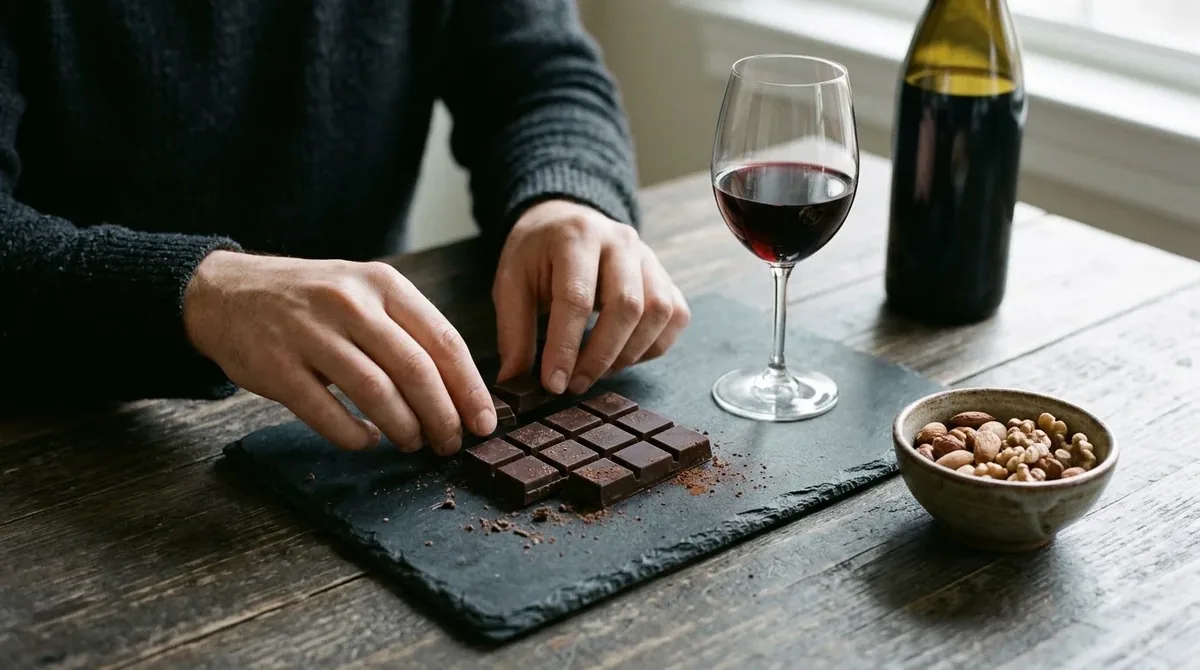
At the table, sweet red wine sugar content becomes a powerful pairing tool when matched with salt, spice, or dark cocoa. Chilled Lambrusco Amabile cuts cleanly through salty prosciutto, aged Parmigiano-Reggiano, and smoky barbecue ribs, where the sugar tames chili heat. For dessert, pair Brachetto d’Acqui with dark chocolate mousse or fresh strawberries, and serve Tawny Port alongside toasted walnuts, caramel tarts, or pungent blue cheese.
Frequently Asked Questions
How many grams of sugar are in a typical glass of sweet red wine?
A standard 5-ounce glass of sweet red wine typically contains between 5 and 18 grams of residual sugar, depending on the style. Semi-sweet red blends fall near the lower end at 3 to 5 grams per glass, while sweeter sparkling reds like Brachetto d’Acqui reach 13 to 17 grams.
Does sweet red wine have more calories than dry red wine?
Not always, because calories in wine come from both alcohol and residual sugar. A low-alcohol sweet red at 6 percent ABV can actually have fewer total calories per 5-ounce glass than a dry, high-alcohol Cabernet Sauvignon at 15 percent ABV, even though the sweet wine contains more sugar.
Is sweet red wine made by adding table sugar?
Quality sweet red wines get their sweetness from natural grape sugars left behind when winemakers halt fermentation early by chilling the wine or adding grape spirit. While some bulk-produced value wines may use concentrated grape juice to adjust sweetness before bottling, table sugar is rarely added in commercial winemaking.
What is the sweetest type of red wine you can buy?
Fortified dessert wines like Ruby Port, Tawny Port, and dried-grape Recioto della Valpolicella are among the sweetest red wines available, often exceeding 100 to 120 grams of residual sugar per liter. Among unfortified sparkling reds, Brachetto d’Acqui and Lambrusco Dolce sit near the top at roughly 90 to 115 grams per liter.
Whether you prefer a lightly chilled, semi-sweet Lambrusco with dinner or a rich glass of Port after a meal, knowing how residual sugar translates from grams per liter to your glass takes the mystery out of shopping. Keep an eye on the ABV percentage and regional sweetness terms on the label, and you will easily land on the exact level of fruit and richness you enjoy.
More in Wine Types & Grapes
 What Does Mourvèdre Taste Like? Flavor Profile, Regions, and PairingsUpdated Nov 20, 2026
 What Does Marsanne Taste Like? Flavors, Styles, and Food PairingsUpdated Nov 20, 2026
 What Does Malvasia Taste Like? Styles, Flavors, and Food PairingsUpdated Nov 20, 2026
 What Does Grenache Blanc Taste Like? Flavor Profile, Styles, and PairingsUpdated Nov 20, 2026
 What Does Garnacha Taste Like? Key Flavors, Styles, and Pairing TipsUpdated Nov 20, 2026
 What Does Fruit Wine Taste Like? A Complete Flavor and Style BreakdownUpdated Nov 20, 2026