

We may earn a commission when you buy through links on this page, at no extra cost to you. Learn more.
This riedel wine glass review finds that RIEDEL is a worthwhile choice for wine drinkers who value carefully shaped bowls, thin rims, clear crystal, and glassware designed around particular wine styles. Its Vinum collection offers a practical balance of varietal-specific design and everyday usability, while Veritas provides a lighter, more refined drinking experience. However, RIEDEL’s extensive selection can be unnecessary for casual drinkers who prefer one versatile glass, and some of its larger, thinner designs require careful handling.
Choosing wine glasses can seem like a minor purchasing decision, but the shape and construction of a glass influence how wine reaches the nose and palate. RIEDEL has built its reputation around the idea that different grape varieties benefit from different bowl proportions. Its collection ranges from accessible everyday stemware to lightweight premium machine-made glasses and traditional handmade crystal. This review examines the brand’s design approach, product strengths, reported owner and reviewer experiences, practical limitations, and the differences between its major collections so buyers can decide whether a RIEDEL glass belongs in their home.
Specs and Key Features
RIEDEL wine glasses combine crystal construction, carefully shaped bowls, thin rims, and traditional stemmed designs to serve different wine styles. The most important buying distinction is the manufacturing method: machine-made collections generally prioritize consistency and practicality, while handmade collections emphasize individual craftsmanship.
RIEDEL approaches wine glass design through three main dimensions: bowl shape, bowl size, and rim diameter. According to the manufacturer, these characteristics influence how aromas develop and how wine flows toward the palate. A broad bowl, for example, gives aromatic red wines room for swirling, while a narrower opening can concentrate delicate aromas. The manufacturer’s RIEDEL collection overview explains how its different product families apply this varietal-specific design philosophy.
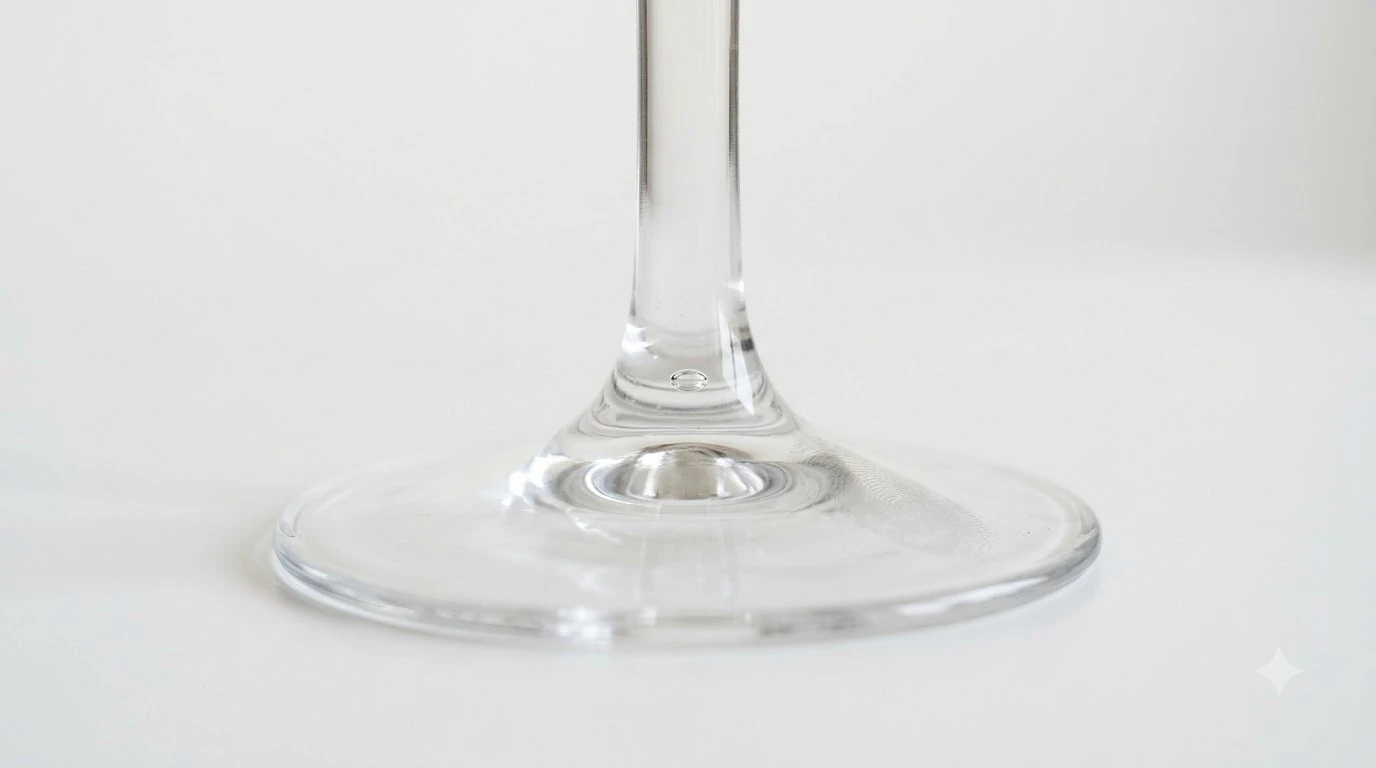
The construction also matters. A conventional stemmed wine glass has a bowl, stem, and base. The bowl holds the wine, the stem provides a grip that reduces direct contact with the liquid, and the base provides support. RIEDEL pays particular attention to the relationship between these components, aiming to combine visual balance with practical stability.
One distinctive feature is the fine rim. RIEDEL describes its rims as laser-cut and polished, a construction detail intended to create a clean drinking edge. This contributes to the refined feel associated with many of its collections, although a thin rim does not automatically make a glass better for every household. Buyers who frequently entertain large groups may place more importance on handling and replacement costs than on the difference between two rim profiles.
Crystal clarity is another part of the brand’s design approach. Clear glass makes it easier to examine a wine’s color, depth, and visual condition. RIEDEL also states that its crystal glass production does not use lead oxide as a principal ingredient, providing an important distinction for buyers comparing older lead crystal products with modern glassware.
| Feature | RIEDEL specification or characteristic | Practical significance |
|---|---|---|
| Construction | Bowl, stem, and base | Separates the drinking surface from the hand |
| Rim | Laser-cut and polished on relevant designs | Provides a refined drinking edge |
| Glass material | Crystal glass | Supports clarity and visual presentation |
| Veritas Pinot Noir capacity | 24.87 fl oz | Large bowl for aromatic red wines |
| Veritas Pinot Noir width | 4.25 inches | Requires sufficient storage space |
| Veritas Pinot Noir height | 9.25 inches | May require checking dishwasher clearance |
| Vinum introduction | 1986 | Established machine-made collection |
| Veritas introduction | 2014 | More refined machine-made alternative |
| Dishwasher compatibility | Most models, subject to individual instructions | Convenient for regular household use |
The Veritas Old World Pinot Noir provides a useful example of the dimensions involved. Liquor.com lists its capacity at 24.87 ounces, with a width of 4.25 inches and a height of 9.25 inches. That generous bowl is designed around aromatic wines rather than compact storage or minimal handling requirements.
Not every RIEDEL glass uses the same construction or dimensions. The brand’s machine-made and handmade products differ in weight, thickness, consistency, and handling requirements. Buyers should therefore compare individual collections rather than assume that every glass bearing the RIEDEL name offers identical performance.
For households considering several different shapes, a wine glass set can provide a more convenient starting point than purchasing individual pieces without a consistent serving arrangement.
What Owners and Independent Reviewers Like
RIEDEL’s strongest advantages are its specialized bowl designs, elegant presentation, and wide selection of machine-made and handmade options. Independent reviews particularly highlight the Veritas collection’s thin rim, balanced feel, and ability to showcase aromatic red wines.
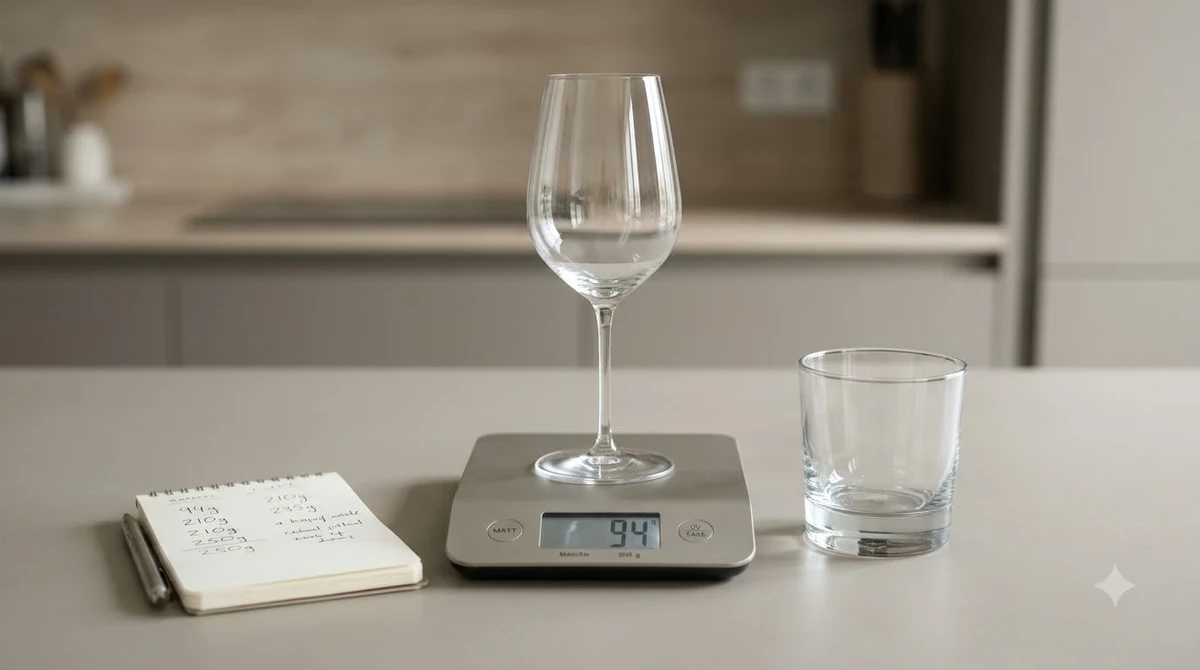
The most persuasive aspect of RIEDEL’s approach is its attention to wine variety. Cabernet Sauvignon, Pinot Noir, Riesling, and Chardonnay do not share identical structures or aromatic profiles. A glass designed around a full-bodied red may have a different bowl diameter and opening from one intended for a lighter white wine.
Consider Cabernet Sauvignon. Its relatively high tannin content and substantial structure often benefit from a larger red wine bowl that provides room for swirling. Pinot Noir, by contrast, typically has lower-to-medium tannin and higher acidity, with delicate red-fruit and earthy aromas that can benefit from a broader aromatic bowl. RIEDEL’s varietal-specific approach attempts to accommodate these differences instead of treating all red wines as interchangeable.
Independent coverage supports the appeal of this design philosophy, although it does not establish that every specialized shape is necessary. Liquor.com selected the RIEDEL Veritas Old World Pinot Noir as its best varietal-specific red wine glass. Its reviewers praised the appearance, thin rim, balance, and performance with aromatic reds. They also highlighted its suitability for wines such as Burgundy, Barolo, Barbaresco, and Gamay.
Another advantage is the distinction between the Vinum and Veritas collections. Vinum provides machine-made varietal-specific designs, while Veritas offers a lighter and finer feel. This gives buyers a choice between practical everyday glassware and a more refined presentation without requiring them to move immediately into handmade products.
Wineware describes Vinum as a particularly useful collection for both newer enthusiasts and experienced wine drinkers. Its selection includes shapes for Cabernet Sauvignon, Pinot Noir, Riesling, Champagne, and spirits. That range makes it easier to create a coordinated collection without buying glasses from unrelated manufacturers.
Appearance also contributes to the appeal. Transparent crystal allows the wine’s color to remain visible, while a slender stem and balanced base create a more formal table presentation. A collection of matching RIEDEL glasses can work equally well for a quiet dinner, a tasting with friends, or a special occasion.
Practicality is not completely sacrificed. RIEDEL states that most of its glasses are dishwasher safe, and the Vinum and Veritas collections are described by Wineware as dishwasher-compatible. That is an important advantage over glassware that requires handwashing after every use.
However, dishwasher compatibility should not be confused with indestructibility. A tall glass with a broad bowl can be awkward to position, and a thin stem still needs protection from contact with other dishes. The manufacturer’s care instructions remain important even when a particular collection is advertised as dishwasher safe.
For buyers who enjoy different sparkling wines, the company’s specialized selection also deserves consideration. A dedicated sparkling glass can provide a different presentation from a standard red wine bowl. A comparison of the best champagne glass options can help determine whether a separate sparkling glass makes sense for a household that regularly serves Champagne, Cava, or Prosecco.
Common Complaints and Limitations
RIEDEL’s main disadvantages are the delicate feel of some designs, the storage requirements of large bowls, and the possibility of paying for specialized glass shapes that a casual wine drinker may rarely use. Its premium appearance is appealing, but it does not remove the practical challenges of maintaining fine stemware.
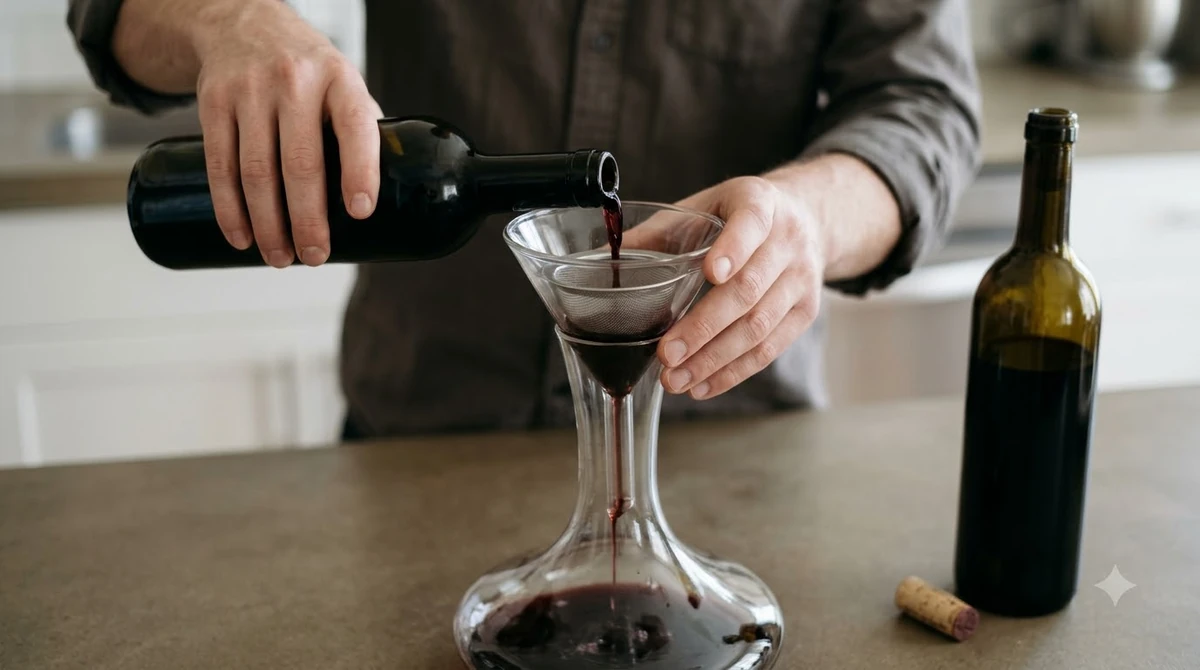
The first concern is breakage. Lightweight crystal and thin stems create an elegant appearance, but they demand more attention during washing, drying, and storage. A glass can be damaged by contact with another glass, a metal utensil, a crowded dishwasher rack, or an unstable cabinet arrangement.
Liquor.com’s assessment of the Veritas Old World Pinot Noir illustrates this limitation. Although reviewers praised its quality and dishwasher compatibility, they found its large bowl and height awkward to position inside a dishwasher. The reviewers also considered the glass delicate, despite appreciating its overall construction. The independent red wine glass review from Liquor.com provides further detail about the glass’s strengths, dimensions, and handling limitations.
This distinction matters because dishwasher safe does not mean suitable for every dishwasher. A household with a compact appliance may find that a 9.25-inch glass is difficult to accommodate once the upper rack and spray arm are considered. The width of the bowl also affects how many glasses can fit safely in one load.
Another concern is collection complexity. RIEDEL offers numerous wine-specific shapes, and buyers can easily become convinced that every grape variety requires its own glass. This can create unnecessary expense and storage problems. Someone who mainly drinks Sauvignon Blanc, Cabernet Sauvignon, and occasional sparkling wine probably does not need a cabinet containing a dozen specialized designs.
The difference between glass shapes is also a matter of degree rather than a guarantee of a dramatically different wine experience. A properly shaped bowl can influence aroma concentration, swirling, and drinking comfort, but it cannot change the underlying acidity, tannin, alcohol, or quality of the wine itself.
Some wine enthusiasts may also find the brand’s lighter collections too delicate for their preferences. People who frequently host large gatherings, serve wine outdoors, or allow guests to help clear the table may prefer thicker, heavier glasses. In those situations, ease of replacement and resistance to everyday accidents can be more important than an especially thin rim.
Finally, specialized glassware introduces a storage problem. A broad Pinot Noir bowl needs more horizontal room than a narrow white wine glass. Taller collections may not fit standard cabinets, and storing different sizes together can make it easier for stems and bowls to collide.
These limitations do not make RIEDEL a poor choice. They simply mean that its most refined products are better suited to households willing to take reasonable care of their glassware. Buyers who prioritize durability above presentation should compare individual models carefully rather than choosing solely on the brand name.
Who Should Buy RIEDEL and Who Should Skip It
RIEDEL is best suited to people who regularly drink wine, appreciate the differences between grape varieties, and want glassware that combines presentation with a deliberate design purpose. It is less compelling for households that need inexpensive, interchangeable glasses for large groups or outdoor entertaining.
Wine enthusiasts who regularly open Cabernet Sauvignon, Pinot Noir, Chardonnay, and Riesling can benefit from having a few different bowl shapes. These wines have different structures and aromatic profiles, so choosing suitable glassware can make a tasting more organized and enjoyable.
For example, someone serving a structured Cabernet Sauvignon from Napa Valley might prefer a larger Bordeaux-style bowl. A lighter Pinot Noir from Oregon may be better suited to a broad Burgundy-style bowl. A high-acidity Riesling from Germany benefits from a different shape again. Rather than buying a large collection immediately, it makes sense to begin with the wines that appear most frequently at home.
Regular dinner hosts may also appreciate RIEDEL’s coordinated appearance. Matching glasses make a dining table look more deliberate, particularly when serving several courses with different wine pairings. A collection that includes two or three useful shapes can provide enough variety without filling an entire cabinet.
RIEDEL is also appealing to buyers interested in improving their wine appreciation. Comparing the same wine in different glasses can provide an interesting way to examine aromatic concentration, the feel of acidity, and how the wine reaches the palate. This is particularly useful during informal tastings involving Pinot Noir, Cabernet Sauvignon, or aromatic whites.
However, buyers who drink wine only occasionally may not need varietal-specific stemware. A universal wine glass can handle a broad selection of red and white wines without requiring a separate storage space for every grape variety. Someone who frequently changes beverages or prefers informal meals may also appreciate a simpler glass design.
RIEDEL may not be the right choice for households with young children, frequent outdoor entertaining, or limited storage. These environments increase the chances of accidental damage and make lightweight crystal less convenient. A heavier glass with a more compact bowl can be a better everyday solution.
People who dislike hand-polishing or carefully arranging delicate stemware should also consider their cleaning habits. Although many RIEDEL models are dishwasher safe, their shape and dimensions can still make loading and unloading less convenient than with standard household tumblers.
There is also no need to buy an entire matching collection immediately. Starting with two useful glasses allows a buyer to evaluate the weight, balance, rim thickness, and storage requirements before committing to additional pieces.
For households that want a single shape rather than a collection of grape-specific glasses, a universal wine glass comparison offers a useful alternative. This approach prioritizes flexibility over specialization.
How RIEDEL Compares to Alternatives
RIEDEL stands out through its extensive varietal-specific selection, established collections, and choice of manufacturing methods. Compared with simpler all-purpose stemware, its advantage is greater specialization, while its disadvantage is the additional complexity of selecting, storing, and maintaining different glass shapes.
The Vinum collection is a useful starting point for buyers who want traditional varietal-specific glassware without choosing a fully handmade product. Wineware identifies it as the first machine-made varietal-specific wine glass collection and highlights its selection of red, white, sparkling, and spirit glasses. Its practical construction makes it a sensible option for regular home use.
Veritas takes a more refined approach. According to Wineware, the collection was introduced in 2014 to bring the feel of handmade glassware to machine production. It is lighter and finer than earlier machine-made ranges and includes distinctions between Old World and New World expressions of certain grapes.
The difference becomes especially noticeable in the hand. A thinner glass can feel more delicate and refined, while a heavier construction can provide greater reassurance during everyday use. Neither characteristic guarantees superior wine enjoyment in every situation.
RIEDEL Veloce and Superleggero occupy another part of the range. The manufacturer identifies these as premium machine-made collections that use advanced production methods. Veloce is produced at RIEDEL’s factory in Weiden, Germany, while Superleggero emphasizes lightweight precision and specialized profiles.
Ouverture offers a simpler alternative within the RIEDEL range. It focuses on broader wine styles rather than requiring the same degree of grape-specific selection associated with Vinum or Veritas. For a household that wants recognizable RIEDEL styling without building a specialized collection, this is a useful distinction.
Beyond RIEDEL, Liquor.com includes alternatives such as Gabriel-Glas, Schott Zwiesel, and Luigi Bormioli in its red wine glass coverage. Its overall selection emphasizes that a versatile glass can be a sensible purchase for people who want to explore wine without buying separate specialty pieces.
Gabriel-Glas StandArt, for example, was recognized in that coverage as an all-purpose option. The article highlights its lead-free crystal construction, substantial stem, and large bowl. Its appeal is a more general-purpose approach rather than the extensive varietal-specific selection associated with RIEDEL.
Schott Zwiesel is another name worth considering for buyers comparing stemware. Liquor.com includes its PURE Burgundy glass among its reviewed red wine options. Its presence in the comparison demonstrates that RIEDEL is not the only manufacturer offering dedicated shapes for aromatic reds.
The following comparison summarizes the practical distinctions between RIEDEL’s main choices and the broader alternatives discussed in independent coverage.
| Glassware option | Main design approach | Best suited to | Main consideration |
|---|---|---|---|
| RIEDEL Vinum | Machine-made varietal-specific | Regular wine drinkers | Multiple shapes require storage |
| RIEDEL Veritas | Lightweight machine-made | Enthusiasts seeking refined stemware | Delicate feel and large bowls |
| RIEDEL Veloce | Premium machine-made | Buyers seeking precise shapes | More specialized selection |
| RIEDEL Superleggero | Premium lightweight machine-made | Experienced glassware enthusiasts | Requires careful handling |
| RIEDEL Ouverture | General wine-style glassware | Casual and everyday use | Less varietal-specific |
| Gabriel-Glas StandArt | All-purpose design | Drinkers wanting versatility | Less specialized selection |
| Schott Zwiesel PURE Burgundy | Dedicated Burgundy-style design | Aromatic red wine drinkers | Specific bowl purpose |
| Luigi Bormioli Crescendo Bordeaux | Bordeaux-style glassware | Full-bodied red wine drinkers | More focused on red wine |
The comparison suggests that RIEDEL’s greatest strength is not that every glass is automatically superior to competing stemware. Its advantage is the combination of a large selection, established design philosophy, and different levels of refinement. A universal glass can be a more practical purchase, while a specialized RIEDEL design makes more sense for someone who enjoys exploring individual grape varieties.
Buyers researching other manufacturers can also explore Glassware Brands to understand how different approaches to construction, bowl shape, and everyday durability affect the buying decision.
Frequently Asked Questions
Where are RIEDEL wine glasses manufactured?
RIEDEL uses multiple manufacturing locations and production methods rather than making every glass in one factory. Its manufacturer identifies Kufstein, Austria, as the location of its handmade glassware production and Weiden, Germany, as the factory producing Veloce. The manufacturing origin can therefore differ between individual collections.
Do RIEDEL wine glasses contain lead?
RIEDEL states that its crystal glass production has not used lead oxide as a principal ingredient since 2015. This distinction is useful for shoppers comparing contemporary crystal products with older lead crystal stemware. It also means that the word crystal does not automatically indicate that a modern RIEDEL glass contains lead oxide.
Can RIEDEL glasses be used for non-alcoholic wine?
Yes. RIEDEL’s bowl designs can also be used for alcohol-free wine, dealcoholized sparkling beverages, and grape-based drinks. The same considerations involving aroma concentration, serving temperature, and bowl size remain useful even when a beverage contains no alcohol.
How much wine should be poured into a RIEDEL glass?
A standard tasting or serving pour is approximately 5 ounces, even when the glass has a much larger advertised capacity. This leaves space above the wine for swirling and collecting aromas. A 750 ml bottle provides approximately five standard 5-ounce servings.
Can RIEDEL glasses be polished with a microfiber cloth?
A clean, lint-free microfiber cloth is suitable for polishing crystal glassware. RIEDEL recommends washing its microfiber polishing cloths with odorless soap and machine washing them at 140 degrees Fahrenheit, or 60 degrees Celsius. The manufacturer also advises against using fabric softener because it can leave a film on the cloth.
RIEDEL is a strong choice for wine drinkers who appreciate specialized glass shapes, refined presentation, and a broad selection of machine-made and handmade options. Vinum is the sensible starting point for regular use, while Veritas is attractive to buyers who prefer a lighter and finer drinking experience. Choose the collection around the wines you actually serve and the care you are comfortable providing, rather than assuming that a larger assortment of specialized glasses will automatically improve every bottle.
More in Wine Glasses
 Zwiesel Glas Champagne Flutes for Durable Everyday Sparkling WineUpdated Nov 20, 2026
 Vera Wang Crystal Wine Glasses: Design, Quality and Buying AdviceUpdated Nov 20, 2026
 West Elm White Wine Glasses: Compare Designs for Better Everyday Wine ServiceUpdated Nov 20, 2026
 Zalto Stemless Wine Glasses: Discover Their Distinctive DesignsUpdated Nov 20, 2026
 Viski Champagne Glasses That Match Your Style and Sparkling WineUpdated Nov 20, 2026
 Vista Alegre Decanter Review: Crystal Style and Wine ServiceUpdated Nov 20, 2026