

We may earn a commission when you buy through links on this page, at no extra cost to you. Learn more.
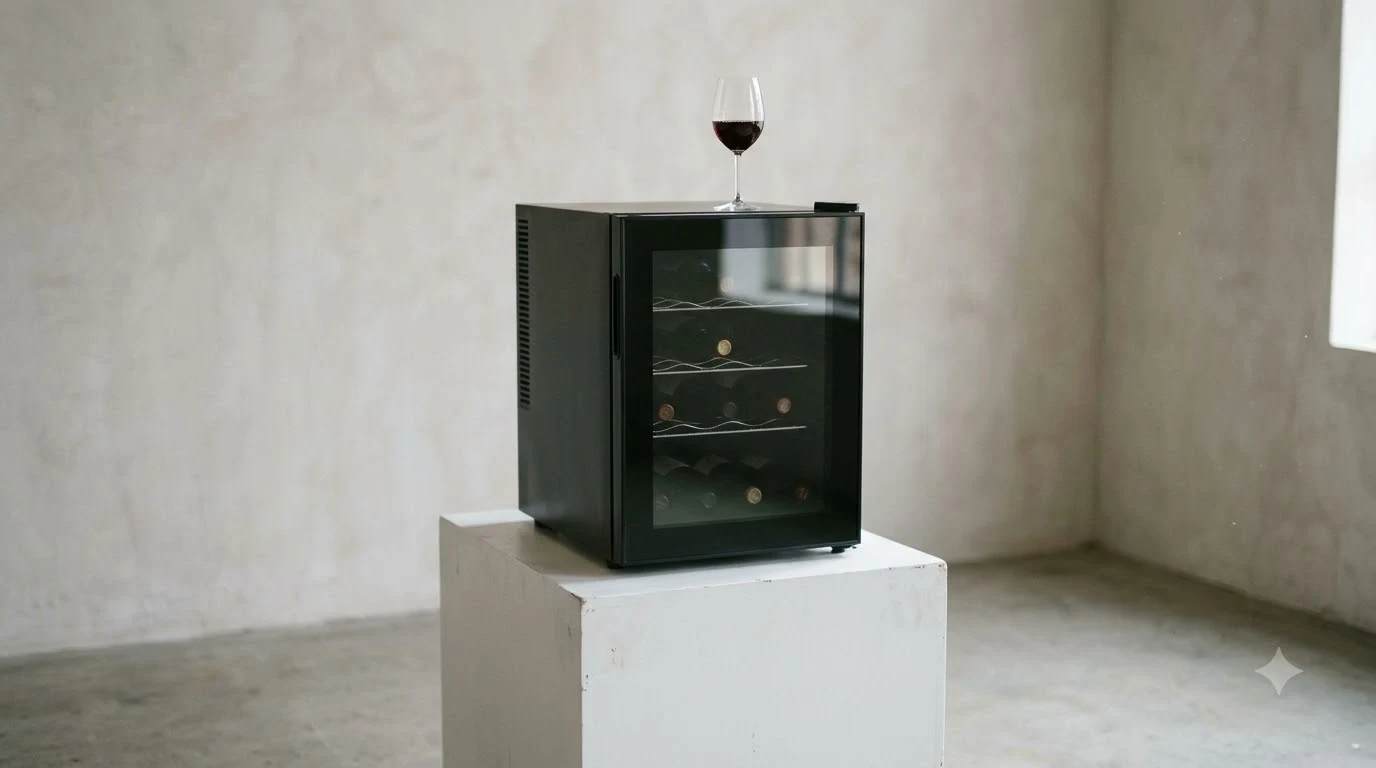
The bosch beverage cooler is best understood as Bosch’s integrated Refreshment Center, a glass-front beverage drawer built into select 800 Series refrigerators rather than a standalone undercounter cooler. The feature is available in models including the B36CL81ENG and B36CL81ENW. It can accommodate up to 35 standard cans or 17 standard wine bottles, making it an appealing option for households that want drinks organized and accessible without adding another appliance. However, buyers should consider the refrigerator’s overall layout, particularly the trade-off involving conventional produce storage.
Bosch takes a different approach to beverage storage than manufacturers of traditional wine refrigerators and beverage centers. Instead of selling a separate compact cooling cabinet, it incorporates a dedicated display drawer into a full-size refrigerator. This arrangement combines everyday food refrigeration with a more specialized space for wine, beer, sparkling water, and other refreshments. Understanding that distinction is essential before deciding whether a Bosch Refreshment Center belongs in your kitchen.
Specs and Key Features
The Bosch Refreshment Center combines visible beverage storage, adjustable organization, and preset cooling options in one integrated refrigerator drawer. Its capacity is particularly useful for households that regularly entertain or keep several types of drinks ready to serve.
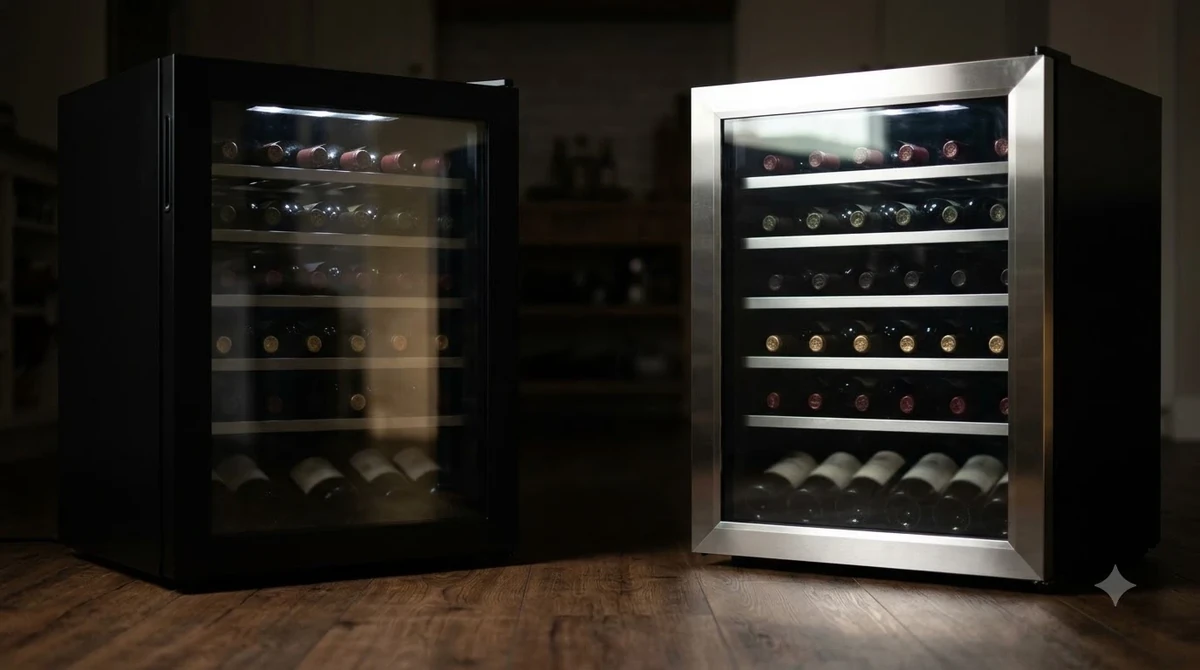
The feature is associated with select Bosch 800 Series four-door counter-depth refrigerators. Bosch identifies the B36CL81ENG and B36CL81ENW as Refreshment Center models. The glass-front compartment provides a dedicated place for beverages rather than requiring homeowners to rearrange ordinary refrigerator shelves every time they want to chill wine or stock canned drinks.
According to Bosch’s product information, the drawer accommodates up to 17 standard wine bottles or 35 standard beverage cans. Removing the upper shelf creates room for up to six magnum bottles. These are different storage configurations, not capacities that should be added together. Actual usable space also depends on bottle dimensions, arrangement, and the other items being stored.
The refrigerator uses dual compressors and dual evaporators, which Bosch describes as supporting separate cooling and humidity control. The Refreshment Center also features preprogrammed settings intended for different beverage categories. This makes the appliance more versatile than a conventional refrigerator drawer with no dedicated beverage controls.
| Specification | Bosch Refreshment Center |
|---|---|
| Product category | Integrated beverage drawer in a refrigerator |
| Refrigerator series | 800 Series |
| Identified models | B36CL81ENG and B36CL81ENW |
| Standard can capacity | Up to 35 cans |
| Standard wine capacity | Up to 17 bottles |
| Magnum capacity | Up to 6 bottles with upper shelf removed |
| Temperature programs | 5 preprogrammed settings |
| Cooling system | Dual compressors and dual evaporators |
| Appliance configuration | 36-inch counter-depth, four-door refrigerator |
One important distinction concerns the difference between beverage cooling and long-term wine storage. The Bosch drawer offers dedicated wine settings, but it is not automatically equivalent to a specialized wine cellar with two independently controlled temperature zones. Wine collectors who maintain separate collections of reds and whites should consider their storage requirements before treating the drawer as a complete wine-storage solution.
The feature’s glass front is another significant selling point. Rather than opening a conventional refrigerator door and searching through several shelves, users can see the drinks stored inside the display compartment. This arrangement is especially convenient when entertaining because guests can identify available beverages without repeatedly opening the main refrigerator.
For shoppers comparing this feature with dedicated appliances, the distinction between integrated and standalone storage matters more than the product’s marketing name. A separate beverage refrigerator offers independent placement and a dedicated cabinet, whereas Bosch combines the beverage drawer with everyday refrigeration. Bosch’s official Refreshment Center product information provides further details about its intended uses and compatible refrigerator configurations.
For a wider overview of dedicated wine-storage options, the guide to best rated wine cooler choices provides useful context for comparing specialized appliances with integrated refrigerator storage.
What Owners Like
Owner discussions highlight three recurring attractions: convenient access, attractive presentation, and additional beverage capacity. These benefits make the Bosch design appealing to households that regularly serve wine, beer, and nonalcoholic drinks.
The first advantage is organization. A dedicated drawer gives beverages a predictable location instead of allowing bottles and cans to occupy valuable space throughout the main refrigerator. Someone who frequently buys sparkling water, craft beer, juice, and wine can keep those items together and accessible.
This arrangement can also reduce the amount of rearranging required before a gathering. Rather than moving food containers to create room for a few bottles, homeowners can use the dedicated compartment for drinks. Bosch’s stated capacity of 35 cans is substantial for a household that regularly stocks individual beverages.
A More Visible Beverage Display
Appearance is another reason owners express enthusiasm. In a Reddit discussion about the B36CL81ENG, one owner described the glass compartment as visually appealing and said the refrigerator attracted positive attention. Another owner described the drawer as surprisingly spacious for beer, wine, and other refreshments.
The display design is particularly attractive in kitchens where the refrigerator is a prominent feature. The glass front provides a more deliberate presentation than a conventional opaque refrigerator door. Bottles become part of the kitchen’s visual organization rather than disappearing behind shelves.
For people who entertain frequently, this can make the kitchen feel more organized. Guests can locate cold drinks without searching through food storage areas, while household members can maintain a consistent arrangement of their preferred beverages. For example, a dedicated drinks area makes it easier to prepare ingredients for an Aperol Spritz recipe gathering without moving everyday groceries around.
Useful for More Than Wine
Although the product is frequently described as a wine-storage feature, its flexibility extends beyond wine bottles. Bosch specifically promotes the drawer for beer, champagne, juice, and other beverages. That variety is important because many households do not need an entire separate refrigerator devoted exclusively to wine.
A family might use the compartment for sparkling water during the week, beer on weekends, and wine or champagne before a celebration. The five preprogrammed settings give the drawer a broader purpose than a fixed-temperature wine rack.
Another owner discussion describes the beverage compartment as a practical addition for people who regularly grab drinks from the refrigerator. That convenience is particularly relevant in larger households where beverage containers otherwise take up a considerable amount of ordinary shelf space.
Integrated Kitchen Design
The integrated approach is also appealing to homeowners who prefer fewer separate appliances. A standalone beverage refrigerator requires its own cabinet space, electrical connection, and installation planning. Bosch’s solution incorporates beverage storage into a refrigerator that already serves as the kitchen’s primary cooling appliance.
The 800 Series configuration also includes features beyond the display drawer. Bosch describes its dual-compressor and dual-evaporator cooling arrangement, internal organization, and counter-depth design as part of the broader refrigerator experience.
However, these benefits should be evaluated as refrigerator features rather than attributed exclusively to the beverage compartment. A buyer is purchasing a complete kitchen appliance, and its usefulness depends on whether the main refrigerator meets everyday household requirements.
Common Complaints
The biggest potential drawbacks are the refrigerator’s storage trade-offs, reported operating noise, and the commitment involved in purchasing an integrated beverage system. Owner discussions reveal that the attractive drawer does not make the entire appliance suitable for every kitchen.
One important consideration is produce storage. In an owner discussion about the beverage-drawer configuration, a buyer specifically raised concerns that the design replaces conventional crisper drawers. Another participant confirmed using separate produce containers to organize vegetables and packaged greens instead.
This does not mean every household will experience the same problem, but it highlights a genuine planning issue. People who regularly purchase large quantities of fresh vegetables, herbs, and fruit should think carefully about where those groceries will go. A dedicated beverage compartment is useful only if the remaining refrigerator arrangement accommodates normal food storage.
Potential Compressor Noise
Noise is another issue mentioned by some owners. A Reddit discussion involving the B36CL81ENG describes a high-pitched ringing or chirping sound associated with compressor operation. One owner reported contacting Bosch support and being told that the sound was within operating specifications, although the owner remained dissatisfied.
A separate discussion describes a similar experience, including a buyer who reported that the noise began shortly after installation and that several service visits preceded a replacement. Other owners in the same discussion reported satisfactory experiences without the same complaint.
These accounts are individual experiences, not evidence that every Bosch Refreshment Center refrigerator has a noise defect. Nevertheless, the reports are relevant because a high-frequency sound can be especially noticeable in an open-plan kitchen or a quiet living area.
Prospective buyers should listen to the refrigerator operating in a showroom if possible. They should also establish the retailer’s delivery, exchange, and return policies before installation. A clear procedure for reporting unusual sounds is preferable to discovering the relevant conditions after the appliance has been delivered.
The Cost of Buying a Complete Refrigerator
The integrated design also creates a purchasing commitment. Someone who simply needs a place to chill 20 cans of sparkling water may not need a full-size premium refrigerator. The beverage feature is part of a larger appliance, so buyers should evaluate the refrigerator’s complete configuration rather than judging its value solely by the glass drawer.
There is also less flexibility in appliance placement. A standalone beverage center can be installed in an entertainment area, basement, or suitable undercounter space. An integrated Bosch drawer remains attached to the kitchen refrigerator.
That difference becomes important for households that want drinks near an outdoor entertaining area or a home bar. A refrigerator in the kitchen may be convenient for daily use but less practical for a separate entertainment space.
Tip: Before purchasing, compare the complete refrigerator layout with your existing food-storage needs. Pay particular attention to produce organization, door clearance, kitchen height, and whether the beverage drawer replaces a compartment you currently use every day.
Who Should Buy and Who Should Skip
The Bosch Refreshment Center makes the most sense for households that want premium integrated refrigeration and frequently serve several types of chilled beverages. It is less suitable for shoppers who need only a compact drinks refrigerator or prioritize maximum produce storage.
Who Should Consider It
Wine enthusiasts who also use their refrigerator for everyday drinks may appreciate the combination of bottle storage and general beverage organization. The capacity of up to 17 standard wine bottles provides room for a useful selection without requiring a separate wine cabinet for every bottle intended for short-term enjoyment.
People who entertain regularly are another natural audience. The ability to keep up to 35 standard cans in a dedicated compartment can make preparation easier before parties, family gatherings, and casual dinners. The glass-front presentation also helps guests identify available refreshments quickly.
Homeowners renovating a kitchen may find the integrated configuration particularly appealing. If a new refrigerator is already part of the renovation budget, choosing a model with dedicated beverage storage can provide an additional organizational feature without planning a separate appliance installation.
Households that already use a dedicated wine cellar or wine refrigerator may also find the drawer useful for bottles intended for regular consumption. Their primary collection can remain in specialized storage while everyday selections occupy the refrigerator compartment.
Who Should Skip It
Buyers looking specifically for a standalone beverage refrigerator should consider another category. Bosch’s Refreshment Center is part of a full-size refrigerator, not a small independent appliance that can be placed under a counter or beside a home bar.
People with extensive fresh-produce storage requirements should also compare the drawer configuration with other Bosch 800 Series arrangements. The conventional crisper-drawer trade-off may be inconvenient for households that cook frequently and purchase fresh ingredients in large quantities.
Dedicated wine collectors who maintain extensive collections may prefer a purpose-built wine refrigerator. Specialized wine cabinets can offer different storage arrangements, including multiple temperature zones and bottle layouts designed around wine collections rather than general-purpose beverage storage.
Finally, households sensitive to appliance noise should investigate the reported compressor complaints before committing. This does not establish that the refrigerator will be noisy in every home, but it is a sensible issue to investigate during the purchasing process.
How It Compares to Alternatives
The Bosch Refreshment Center occupies a different position from conventional beverage coolers and standard refrigerator configurations. Its strongest advantage is the combination of everyday refrigeration and a dedicated beverage drawer, while its main limitation is that beverage storage cannot be separated from the primary appliance.
Against a Dedicated Beverage Refrigerator
A standalone beverage refrigerator is generally the more straightforward choice for someone who wants a separate place to store cans and bottles. It can be positioned in an entertainment room, suitable undercounter opening, basement, or other appropriate location.
Its capacity depends on the individual appliance, but its main advantage is independence. The household does not need to replace its existing refrigerator to gain additional beverage storage.
Bosch takes the opposite approach. Its Refreshment Center integrates the beverage compartment into the main kitchen refrigerator, which saves the need to plan for another appliance. This arrangement is more appealing when a refrigerator replacement is already planned and integrated styling is a priority.
Against a Dedicated Wine Refrigerator
A wine refrigerator is designed around bottles rather than a mixture of drinks and groceries. Depending on the model, it may provide horizontal bottle racks, separate temperature zones, adjustable shelving, and storage capacity intended for a larger collection.
The Bosch drawer is more versatile for mixed beverage use. Its stated capacity of 17 standard wine bottles or 35 cans allows homeowners to use the space for different occasions. However, wine collectors should remember that a general beverage drawer is not necessarily a substitute for a dedicated cellar or specialized dual-zone cabinet.
Serving temperatures are another consideration. Light whites and rosé are generally served around 45 to 50 degrees Fahrenheit, while fuller-bodied whites are usually served around 50 to 55 degrees. Sweet white wines are commonly served colder, around 43 to 50 degrees. Full-bodied reds generally benefit from serving temperatures around 60 to 65 degrees.
These serving temperatures do not automatically correspond to the correct long-term storage temperature for every wine. Buyers should distinguish between chilling a bottle for immediate enjoyment and maintaining a stable environment for an aging collection.
Against a Standard Bosch 800 Series Refrigerator
Bosch also identifies 800 Series refrigerators with VitaFresh configurations, including the B36CL80ENS, B36CL80SNS, and B36CT81ENS in its product literature. These provide an alternative layout for buyers who prioritize food preservation and conventional produce organization over a dedicated beverage display.
The choice is therefore not simply between Bosch and another manufacturer. It can also be a choice between two different refrigerator layouts within the same product family.
For households that regularly prepare fresh meals, a conventional produce-storage arrangement may be more valuable than a beverage drawer. Conversely, people who already struggle to fit drinks into their refrigerator may find the Refreshment Center more useful.
For entertaining, the difference can be significant. A Bosch drawer can keep beverages together and ready for guests, while a conventional refrigerator layout may offer more familiar organization for fresh ingredients and everyday groceries. For example, households planning a dinner around chicken Marsala may value accessible wine storage, but should still prioritize the refrigerator layout that best accommodates their everyday ingredients.
Shoppers comparing different appliance categories can also explore the site’s brand and appliance reviews for additional context before choosing a refrigerator or separate beverage-storage solution.
Frequently Asked Questions
These answers address the practical details buyers should confirm before choosing a Bosch beverage-storage refrigerator, including compatibility, installation, beverage selection, and everyday use.
Does the Bosch Refreshment Center require a special electrical connection?
The refrigerator is a household refrigeration appliance rather than a standalone beverage cabinet with its own separate electrical installation. Electrical requirements should be confirmed using the installation documentation for the exact refrigerator model. A qualified installer can also verify that the kitchen’s outlet and circuit arrangement meet the manufacturer’s requirements.
Can the Bosch beverage drawer hold opened wine bottles?
Opened wine bottles can generally be stored upright in a suitable refrigerator compartment when their closures are secure. This is useful for reducing the risk of spills and limiting exposure to air. Sparkling wine requires an appropriate sparkling-wine stopper to help preserve carbonation after opening.
Does the Refreshment Center replace the refrigerator’s freezer?
No. The beverage compartment is part of the refrigerator’s fresh-food section, while the appliance retains its separate freezer storage. Bosch describes its 800 Series refrigerators as having an organized three-tier freezer drawer system in the relevant product literature.
Can the Bosch Refreshment Center be used for food preparation?
The refrigerator’s dedicated beverage compartment is intended primarily for drinks. Some owners discuss alternative uses for the wide drawer, including temporary storage of prepared ingredients, but this should not be confused with a manufacturer-approved food-storage setting. Perishable ingredients should remain in an appropriate food-storage compartment with suitable temperature control.
Can the glass-front Refreshment Center be installed as a replacement drawer in another Bosch refrigerator?
The Refreshment Center is a model-specific refrigerator configuration, not a universal replacement drawer. Its cooling controls, drawer construction, and refrigerator connections are designed around compatible appliances. Buyers replacing an existing Bosch refrigerator should confirm the complete model number and compatibility with Bosch before ordering parts or planning an upgrade.
The Bosch Refreshment Center is an appealing solution for households that want wine and everyday drinks organized in an attractive, integrated drawer. Its capacity of 17 wine bottles or 35 cans offers useful flexibility, but the complete refrigerator layout and owner-reported noise concerns deserve careful consideration. If you need a standalone drinks appliance or more conventional produce storage, compare other refrigerator and beverage-cooler designs before deciding that the Bosch configuration is the right fit.
More in Model Reviews
 Magic Chef 44 Bottle Wine Cooler Review for Flexible StorageUpdated Nov 21, 2026
 Whynter 164 Bottle Wine Cooler Review: Capacity, Features, and FitUpdated Nov 21, 2026
 Insignia NS WC16BK6 Review: Compact 16-Bottle Wine StorageUpdated Nov 21, 2026
 Wine Enthusiast Electric Blue Omega Review: Opening, Pouring, and Preserving Made EasierUpdated Nov 21, 2026
 Koolatron 20 Bottle Wine Cooler Review: Features, Fit, and PerformanceUpdated Nov 21, 2026
 NewAir AWC 330E Review for Home Wine StorageUpdated Nov 21, 2026