

We may earn a commission when you buy through links on this page, at no extra cost to you. Learn more.
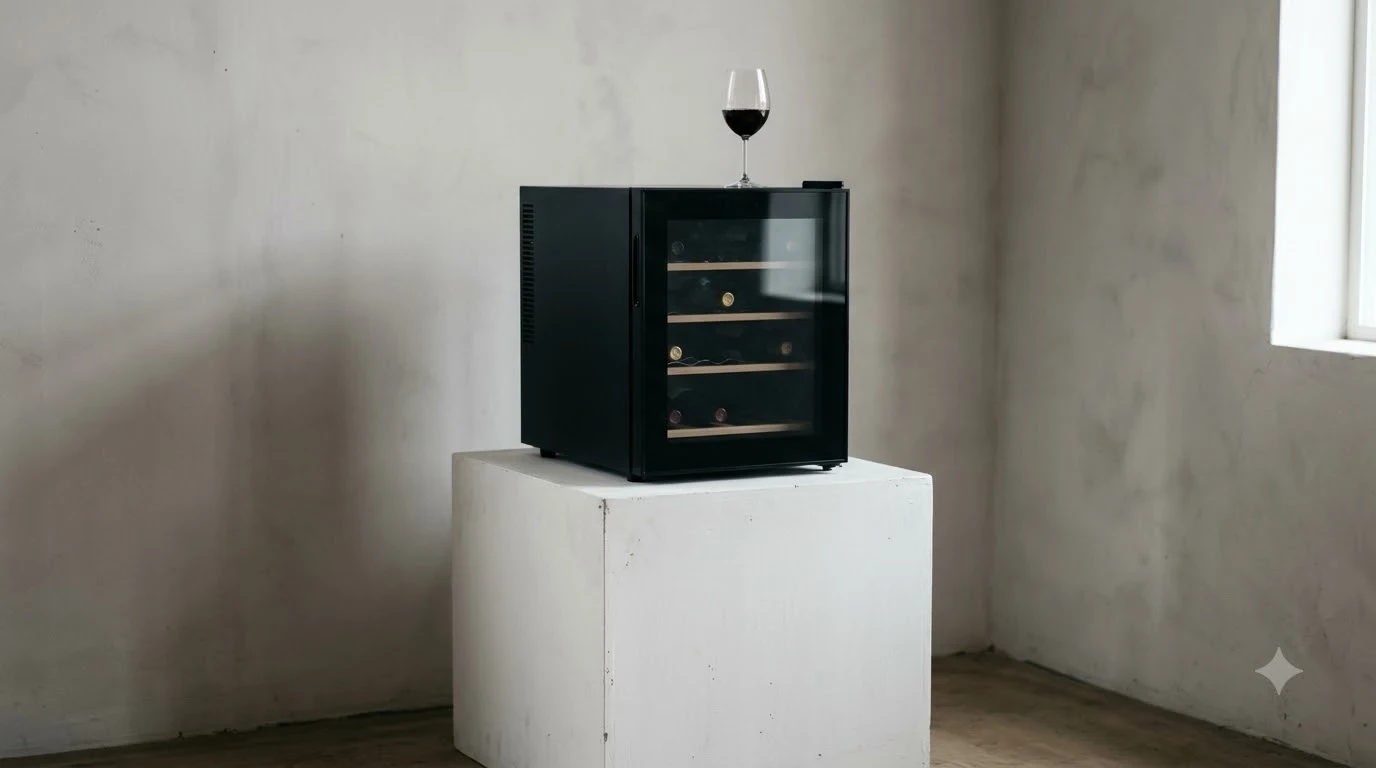
The allavino beverage cooler is a premium beverage-storage option for homeowners who want substantial can and bottle capacity, adjustable cooling and a built-in-friendly design. Its Reserva side-by-side beverage center stands out with two temperature zones, front ventilation, customizable LED lighting and a maximum advertised capacity of 308 standard 12-ounce cans. However, its large footprint, limited warranty coverage and premium construction make it more appropriate for a planned home bar or kitchen installation than a casual beverage-storage purchase.
Allavino offers several beverage refrigeration configurations, ranging from narrower undercounter cabinets to larger combination wine and beverage centers. The brand’s appeal is its emphasis on integrated installation, organized storage and digital temperature management. The important distinction for buyers is that Allavino sells multiple configurations with different dimensions, capacities and temperature capabilities. This review focuses on the Reserva side-by-side beverage center as a representative premium option while also examining what the manufacturer’s older beverage-center documentation and owner feedback reveal about the broader product category.
Specs and Key Features
The Allavino Reserva side-by-side beverage center is designed for households that need more than a compact refrigerator. Its two independent cooling zones, front-venting construction and substantial combined capacity make it particularly interesting for a dedicated entertainment area.
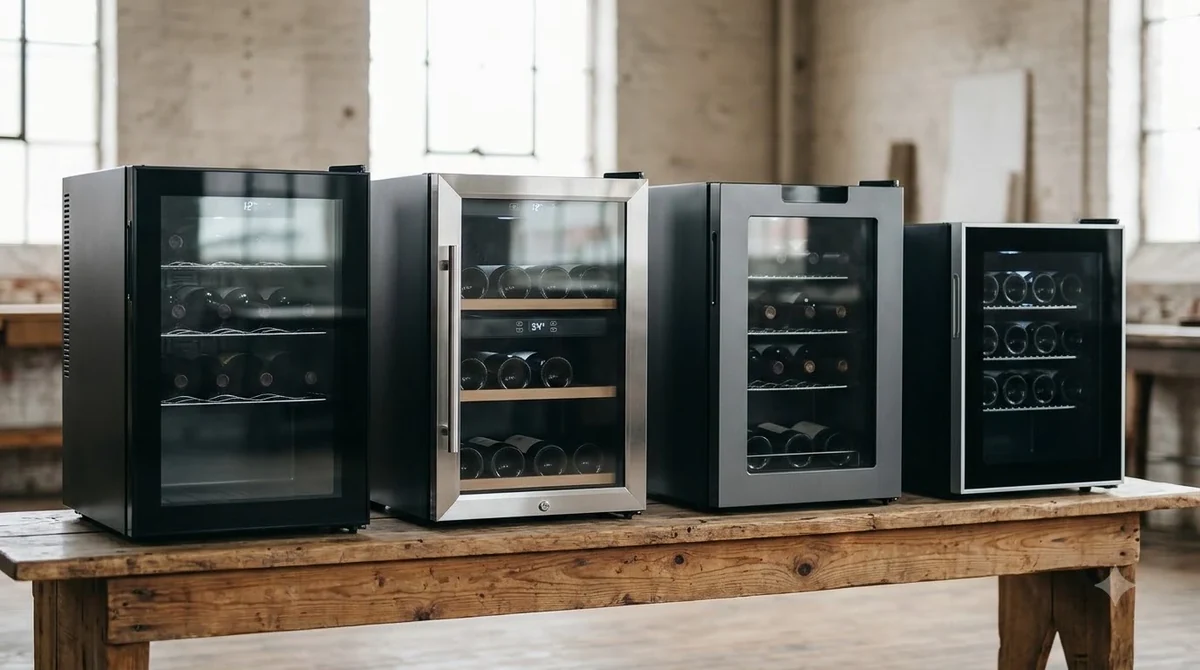
The stainless steel exterior gives the appliance a built-in appearance, while the glass doors allow users to see the contents without opening the cabinets. The interior uses removable storage components, and the manufacturer describes its cooling system as fan-forced, helping circulate air throughout the compartments.
| Specification | Allavino Reserva side-by-side |
|---|---|
| Product category | Dual-zone beverage center |
| Overall width | 46.8 inches |
| Overall height | 33.9 inches |
| Cabinet depth | 23.6 inches |
| Depth with handle | 25.35 inches |
| Maximum advertised capacity | 308 standard 12-ounce cans |
| Cooling zones | 2 |
| Storage components | 8 shelves or drawers |
| Temperature control | Digital and adjustable |
| Advertised temperature settings | 32–64°F |
| Ventilation | Front-venting |
| Glass | Tinted Low-E glass |
| Lighting | 8 LED colors plus cycling option |
| Refrigerant | R600A |
| Electrical requirement | 115V / 60Hz |
| Parts and labor warranty | 1 year each |
| Compressor warranty | 5 years, parts only |
These specifications come from Allavino’s product listing, which is the appropriate starting point when evaluating the larger Reserva configuration. One detail deserves attention: the product description presents different storage arrangements, including 154 cans or 112 cans and 42 bottles, while the combined side-by-side listing advertises up to 308 cans. Buyers should distinguish the capacity of an individual cabinet from the combined capacity of the two-unit configuration rather than assuming every arrangement accommodates the maximum number of containers.
The temperature specification also needs a little context. A displayed adjustment range of 32 to 64°F gives buyers considerable flexibility for different beverages, but the temperature chosen for each compartment should reflect what is being stored. A cold beer cabinet and a wine-storage compartment do not necessarily need identical settings.
Another notable feature is the glass. Tinted Low-E glass is intended to reduce ultraviolet exposure, which is useful when storing wine and other beverages in a visible display cabinet. The manufacturer also describes the shelves as repositionable, giving owners some flexibility when organizing different bottle and can sizes.
For the complete product specifications, the official Allavino Reserva product listing provides the relevant dimensions, cooling information and warranty details.
What Owners Like
The most appealing aspects of Allavino beverage centers are their organized storage, built-in installation potential and dedicated cooling controls. These features address practical problems that ordinary household refrigerators do not always solve particularly well.
Convenient access to different beverages. A dedicated beverage center allows beer, soda, sparkling water and bottled drinks to occupy their own storage area. Instead of rearranging kitchen refrigerator shelves whenever guests arrive, homeowners can organize drinks in a separate cabinet. The larger Reserva configuration is particularly useful for entertaining because its two compartments provide more storage flexibility than a compact single-door refrigerator.
Front-venting installation. This is one of the strongest reasons to consider Allavino. A front-venting design can be integrated into suitable cabinetry without relying on the open side ventilation typically required by many freestanding appliances. The result is a more finished appearance in a kitchen, bar or entertainment room.
However, front ventilation does not mean every cabinet opening is automatically suitable. The installation dimensions, door swing, electrical access and manufacturer’s clearance requirements still matter. A refrigerator can fit physically into a cabinet opening and still be difficult to use if the surrounding layout prevents the doors from opening properly.
Digital temperature management. Adjustable controls are useful when the contents change with the season or entertaining schedule. Someone who primarily stores soft drinks may prefer a different temperature arrangement from someone who keeps sparkling water, beer and wine together. Having separate zones makes that organization easier.
Display-friendly appearance. Stainless steel, tinted glass and customizable lighting give the Reserva range a more finished appearance than basic beverage refrigerators. The eight lighting color choices and cycling option provide additional flexibility for matching the appliance to a home bar or entertainment space.
Flexible shelf organization. The manufacturer’s removable and repositionable shelf design is another practical advantage. Standard beverage cans are relatively easy to organize, but tall bottles, larger containers and different bottle shapes can require more vertical clearance. Adjustable storage components help owners make better use of the interior.
The manufacturer’s description also identifies ball-bearing glide mechanisms on the shelves. Smooth extension can make it easier to retrieve beverages stored toward the back, particularly in a cabinet with multiple storage levels.
Common Complaints and Ownership Limitations
Allavino’s premium positioning comes with trade-offs. Buyers should pay particular attention to installation measurements, operating noise, warranty coverage and the difference between advertised capacity and practical everyday storage.
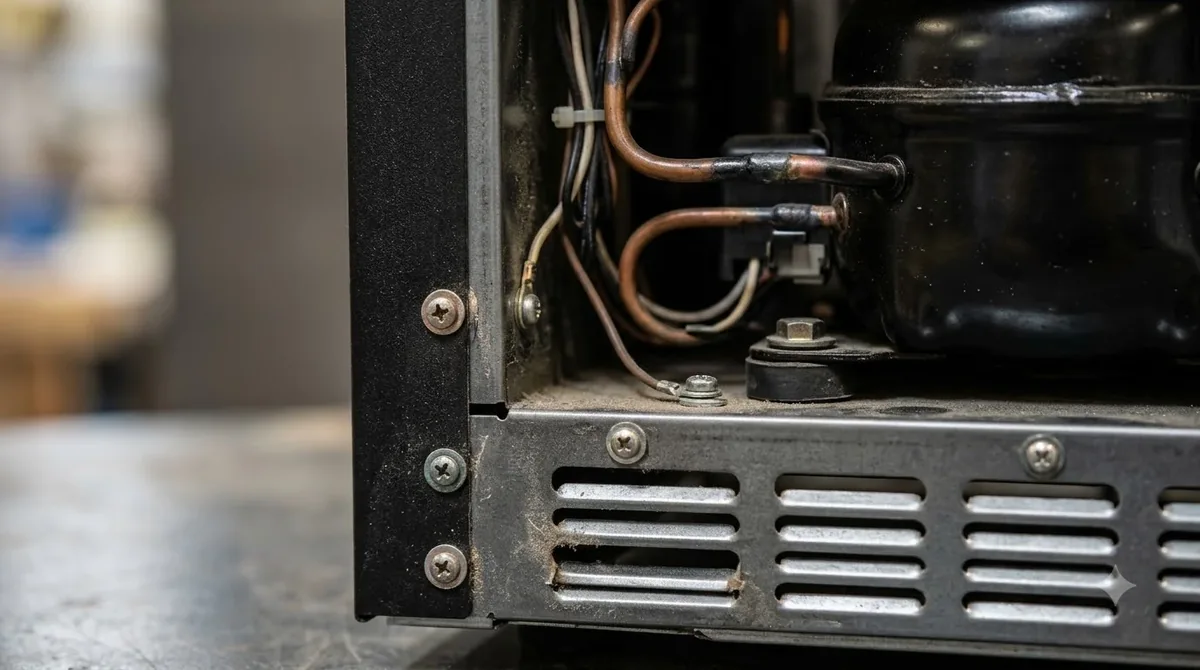
1. The warranty is less comprehensive than some buyers expect. The Reserva side-by-side model lists one year of parts coverage and one year of labor coverage. Compressor parts coverage extends to five years, but that does not mean the manufacturer covers all service expenses for five years.
This distinction can become important if a compressor problem develops after the first year. A replacement part and the labor required to install it are separate expenses. Owners should understand the warranty terms before purchasing, especially when the appliance is being incorporated into expensive kitchen cabinetry.
2. Large models require careful planning. The side-by-side Reserva unit measures 46.8 inches wide and weighs 324 pounds. That is a substantial appliance, not something that can be casually moved into a small kitchen without preparation. Buyers should account for delivery access, flooring, cabinetry and the ability to position the unit safely.
Even the narrower 24-inch category requires careful measuring. The older VSBC24-SSRN, for example, was listed at approximately 33.9 inches high. A buyer working with a 34-inch opening would have very little tolerance for measurement differences or installation complications.
3. Operating noise may matter in quiet rooms. Beverage refrigeration equipment uses a compressor and internal air circulation. Some sound is normal, especially during cooling cycles. A BeverageFactory owner review of an older VSBC24-SSRT configuration mentioned slight operating noise. This is a single owner’s observation, not evidence that every Allavino model has the same noise characteristics.
For an appliance located in a family room, open-plan kitchen or quiet office, placement deserves consideration. A utility room or dedicated bar area may be more forgiving than a bedroom-adjacent entertainment space.
4. Capacity claims require interpretation. A maximum can count is a useful comparison figure, but it does not describe every possible storage arrangement. Tall cans, glass bottles, wider containers and wine bottles occupy different amounts of shelf space.
For example, the older VSBC24-SSRN listing describes storage for up to 154 standard 12-ounce cans or a mixed arrangement of 42 standard beer bottles and 112 cans. A shelf arrangement optimized for beer bottles will not necessarily hold the same number of cans as a fully can-loaded configuration.
5. Premium features increase the importance of proper installation. A front-venting beverage center is intended for more integrated placement, but that advantage disappears if the cabinet opening, floor level or electrical connection is unsuitable. Correct positioning is especially important for a large appliance that may be difficult to remove once installed.
Tip: Before purchasing an Allavino beverage center, measure the cabinet opening in three places: width, height and depth. Include the handle, door swing, electrical connection and delivery route in your calculations. For a built-in installation, follow the exact clearance and ventilation requirements in the manual for the specific model rather than relying on measurements from another Allavino refrigerator.
Who Should Buy and Who Should Skip
An Allavino beverage cooler makes the most sense for homeowners who want a dedicated, attractive storage appliance and have a suitable location for installation. Its premium features are more valuable when the refrigerator is part of a planned entertainment area rather than an occasional-use convenience.
Who should consider buying one?
Homeowners building a dedicated bar. A beverage center can keep frequently served drinks organized and readily accessible. The larger Reserva side-by-side configuration is particularly appropriate for a substantial entertainment area where storing several categories of beverages is a priority.
People planning a built-in kitchen installation. Front ventilation is an important feature for undercounter applications. If the goal is to create a continuous cabinetry appearance, an Allavino model designed for built-in placement may be more appropriate than a refrigerator intended only for freestanding use.
Households that entertain frequently. Multiple cooling zones and substantial storage are useful when different drinks need separate compartments. A homeowner who regularly hosts dinners, family gatherings and parties may appreciate having beverages ready without using valuable kitchen refrigerator space.
Buyers who value appearance. Stainless steel finishes, glass doors and adjustable lighting can make a beverage center a visible part of an entertainment space. These details may justify the premium positioning for someone who wants the appliance to complement the room’s design.
Who should skip it?
Buyers with limited space. A 46.8-inch-wide side-by-side model is excessive for a small apartment or compact kitchen. A narrower beverage center or conventional refrigerator may be more practical.
Shoppers primarily concerned with cost. Allavino’s larger configurations are positioned as premium appliances. Someone who only needs a place to chill a few cans may get better value from a simpler compact refrigerator.
People expecting extensive long-term labor coverage. The one-year labor warranty is an important limitation. The five-year compressor parts warranty should not be interpreted as five years of fully covered repair service.
Buyers who need a specific wine-storage environment. Beverage centers and wine refrigerators serve overlapping but different purposes. Wine collectors who prioritize long-term storage, multiple bottle formats or carefully separated wine temperatures should also examine dedicated wine refrigeration options. A useful starting point is this comparison of best rated wine cooler options.
How It Compares to Alternatives
Allavino’s beverage centers should be compared with other beverage-storage categories rather than judged solely by their maximum can capacity. The right choice depends on available space, installation plans and whether wine storage is as important as cold drinks.
Allavino versus a conventional beverage refrigerator
A conventional beverage refrigerator is generally aimed at simpler household storage. It may offer one cooling compartment, a straightforward temperature control and basic shelving. That can be perfectly adequate for a household that mainly stores soda, water and beer.
Allavino’s larger configurations offer a more specialized combination of front-venting installation, digital controls, glass-door presentation and multiple storage zones. Those features are useful when the appliance is part of a permanent home-bar layout. They are less important when a refrigerator will sit in a garage or utility room.
Allavino versus a dedicated wine refrigerator
A dedicated wine refrigerator is designed around bottle storage. Its shelving and temperature arrangements are intended to accommodate wine bottles rather than maximize the number of beverage cans. That makes it a more suitable option for collectors who store a variety of wine styles.
Wine also benefits from stable storage conditions and protection from temperature extremes and light. The Allavino beverage center’s tinted glass and digital controls are helpful features, but a dedicated wine cabinet may offer a more suitable internal arrangement for a collection of valuable bottles.
Allavino versus a combination wine and beverage center
A combination unit can be an attractive compromise for households that want to store both wine and everyday beverages. Instead of dedicating all the available cabinet space to cans, it provides a more deliberate division between bottles and other drinks.
Allavino’s own product range includes combination appliances, including models advertised with both wine-bottle and beverage-can capacity. The appropriate configuration depends on the ratio of wine to other drinks in the household.
For example, someone who regularly serves white wine, sparkling wine and beer may prefer a combination appliance. A household that mostly stores canned drinks may find a dedicated beverage center more convenient.
Comparison by household requirement
| Alternative | Primary advantage | Best application |
|---|---|---|
| Allavino dual-zone beverage center | Separate cooling zones and organized drink storage | Built-in home bars |
| Basic beverage refrigerator | Simpler storage arrangement | Garages and utility rooms |
| Dedicated wine refrigerator | Bottle-oriented shelving | Wine collections |
| Wine and beverage combination unit | Mixed storage | Multi-purpose kitchens |
One practical consideration is that a beverage refrigerator should not automatically be treated as a wine-aging cabinet. Even if the temperature settings overlap with common wine-serving temperatures, the intended storage environment and internal configuration remain important. For someone who wants to store valuable wine for extended periods, a purpose-built wine refrigerator is generally the more appropriate category.
How to Choose an Allavino Beverage Cooler
Choosing the right Allavino model begins with the space available and the beverages that need to be stored. Capacity, cooling zones and installation style should be considered before appearance or lighting features.
1. Measure the installation space
Start with the available width, height and depth. A standard-looking undercounter opening may still be unsuitable for a particular appliance if the cabinet depth is insufficient or the door handle extends too far into a walkway.
For the Reserva side-by-side configuration, the listed measurements are 46.8 inches wide, 33.9 inches high and 23.6 inches deep. Including the handle increases the depth to 25.35 inches. These dimensions should be treated as starting measurements for planning, not as a substitute for the installation instructions.
2. Decide whether you need one or two temperature zones
A single-zone beverage center is usually adequate if most of the contents are similar drinks. A dual-zone model provides more flexibility when the appliance stores different beverage categories that benefit from separate temperature settings.
Consider the intended use rather than choosing dual-zone cooling simply because it sounds more advanced. Someone who stores only soda and beer may not need two independently controlled compartments.
3. Calculate practical capacity
Think about the actual containers you purchase. Standard 12-ounce cans provide a useful baseline, but larger cans, bottled beer and wine bottles require different amounts of space.
Make a rough inventory of your usual beverage purchases. If you typically store 60 cans and 20 bottles, a configuration that provides dedicated bottle space may be more useful than one that advertises a higher all-can capacity.
4. Examine the shelving arrangement
Removable and repositionable shelves offer more flexibility than permanently fixed compartments. Look at the number of shelves, their spacing and the way they slide out. Consider whether your preferred bottles can stand upright or must lie horizontally.
For a household that regularly buys tall cans or larger glass bottles, adjustable shelf height can make a significant difference in practical storage capacity.
5. Review electrical and ventilation requirements
Allavino’s Reserva side-by-side listing specifies a 115-volt, 60-Hz electrical supply. The model also uses front ventilation, which makes it suitable for its intended built-in application.
Installation instructions still matter. Different Allavino models may have different ventilation arrangements and clearances. Confirm the exact requirements for the selected SKU before cabinetry work begins.
6. Consider warranty and service access
Review the warranty before committing to a premium appliance. The Reserva side-by-side listing identifies one year of parts coverage, one year of labor coverage and five years of compressor parts coverage.
Also consider how easily the appliance can be accessed if repairs become necessary. A refrigerator installed tightly between permanent cabinets may be more difficult and expensive to service than a freestanding unit.
Warranty and Support
Allavino’s published warranty for the Reserva side-by-side beverage center provides one year of parts coverage and one year of labor coverage, with five years of compressor parts coverage. That structure provides some protection against early component failures, but buyers should understand the distinction between replacement parts and the cost of professional service.
The compressor warranty is particularly important because the compressor is central to the refrigeration system. However, extended parts coverage does not automatically pay for diagnosis, technician visits, transportation or installation work. Those expenses can become relevant after the first year.
Before ordering, retain the purchase documentation and confirm the warranty conditions applicable to the exact model and seller. Ask whether service is handled through the manufacturer, an authorized technician or the retailer. It is also sensible to clarify how the appliance must be installed to remain eligible for coverage.
Delivery deserves attention as well. The manufacturer distinguishes standard curbside delivery from additional inside-delivery or white-glove services. For a 324-pound side-by-side appliance, having an appropriate delivery arrangement is important. Buyers should plan how the unit will travel from the delivery point to its final location before the shipment arrives.
The manufacturer’s operating instructions also provide useful guidance for everyday ownership. An older Allavino BC240 manual recommends standing the appliance upright for approximately eight hours before connecting it to power. It also recommends allowing three to four hours for the interior to cool before loading beverages. These instructions are model-specific, so owners should follow the manual supplied for their particular refrigerator rather than automatically applying BC240 instructions to every Reserva model.
Routine care includes keeping the cabinet clean, avoiding abrasive interior cleaners and maintaining an unobstructed ventilation area. The manual also recommends disconnecting power before cleaning or servicing the appliance. These straightforward precautions help maintain a suitable operating environment.
For a broader look at other appliance categories and product evaluations, the Brand x Type reviews section provides another starting point for comparing refrigeration products.
Frequently Asked Questions
Does an Allavino beverage cooler need a dedicated electrical circuit?
Allavino’s BC240 manual recommends a separate circuit for the appliance and specifies a properly grounded 115-volt, 60-Hz supply. The appropriate electrical arrangement should be confirmed against the manual for the exact model. A qualified electrician can determine whether the existing circuit meets the appliance’s requirements.
Can an Allavino beverage cooler be used in a garage?
That depends on the model and the surrounding temperature. The BC240 manual identifies an optimal ambient operating range of 65 to 80°F and warns that performance can be affected outside that range. An unconditioned garage that experiences substantial seasonal temperature changes may therefore be unsuitable.
Does an Allavino beverage center remember its temperature setting after a power interruption?
The BC240 instruction manual states that its previous temperature settings are automatically saved after a power interruption. It also instructs users to wait three to five minutes before restarting after the appliance has been unplugged or switched off. This behavior should be confirmed for other models using their individual manuals.
How should an Allavino beverage cooler be cleaned before extended storage?
The BC240 manual recommends removing the contents, switching off the appliance, cleaning and thoroughly drying the interior, then leaving the door slightly open when the refrigerator will remain unused for several months. This helps prevent mold growth inside the cabinet. Power should be disconnected before cleaning or maintenance.
Can an Allavino beverage cooler accommodate oversized beverage cans?
Oversized cans may require removing or repositioning a shelf, depending on the model’s interior design. Allavino’s advertised maximum capacities are based on specified standard containers, so larger formats will generally reduce the total number that can be stored. Measure the height and diameter of the containers you regularly buy before choosing a configuration.
The Allavino beverage cooler range is worth considering for homeowners who want attractive beverage storage, flexible cooling and built-in installation options. The Reserva side-by-side model is particularly suited to larger entertainment spaces, although its dimensions, delivery requirements and limited labor warranty deserve careful consideration. Compare the exact model specifications against your available space and storage needs before making a purchase.
More in Model Reviews
 Magic Chef 44 Bottle Wine Cooler Review for Flexible StorageUpdated Nov 21, 2026
 Whynter 164 Bottle Wine Cooler Review: Capacity, Features, and FitUpdated Nov 21, 2026
 Insignia NS WC16BK6 Review: Compact 16-Bottle Wine StorageUpdated Nov 21, 2026
 Wine Enthusiast Electric Blue Omega Review: Opening, Pouring, and Preserving Made EasierUpdated Nov 21, 2026
 Koolatron 20 Bottle Wine Cooler Review: Features, Fit, and PerformanceUpdated Nov 21, 2026
 NewAir AWC 330E Review for Home Wine StorageUpdated Nov 21, 2026