

We may earn a commission when you buy through links on this page, at no extra cost to you. Learn more.
This yellow tail big bold red review finds an approachable Australian red blend with ripe berry flavors, dark fruit, spice, vanilla, and noticeable oak. At 13.5% ABV, it delivers a fruit-forward profile suited to casual dinners, grilled meats, and relaxed gatherings. Its main appeal is its generous fruit character rather than intricate structure or extended aging potential, so shoppers who enjoy accessible, jammy reds should find its style appealing.
Yellow Tail Big Bold Red occupies a familiar place in the Australian red wine category: a recognizable, easy-to-understand bottle built around generous fruit and straightforward enjoyment. The wine has enough structure to accompany food, but its ripe fruit character makes it approachable for people who do not regularly drink heavily tannic reds. Understanding its sweetness, body, alcohol content, and serving requirements makes it easier to decide whether this particular blend suits your preferences. This guide covers the important buying considerations, practical food pairings, and differences between this wine and other red styles in the Yellow Tail range.
Who This Is For
Yellow Tail Big Bold Red is best suited to shoppers who prefer generous berry flavors, approachable tannins, and a noticeable impression of ripe fruit. It offers a more fruit-driven experience than a restrained, earthy red, making it a practical choice for informal meals and gatherings where straightforward flavor matters more than detailed regional character.
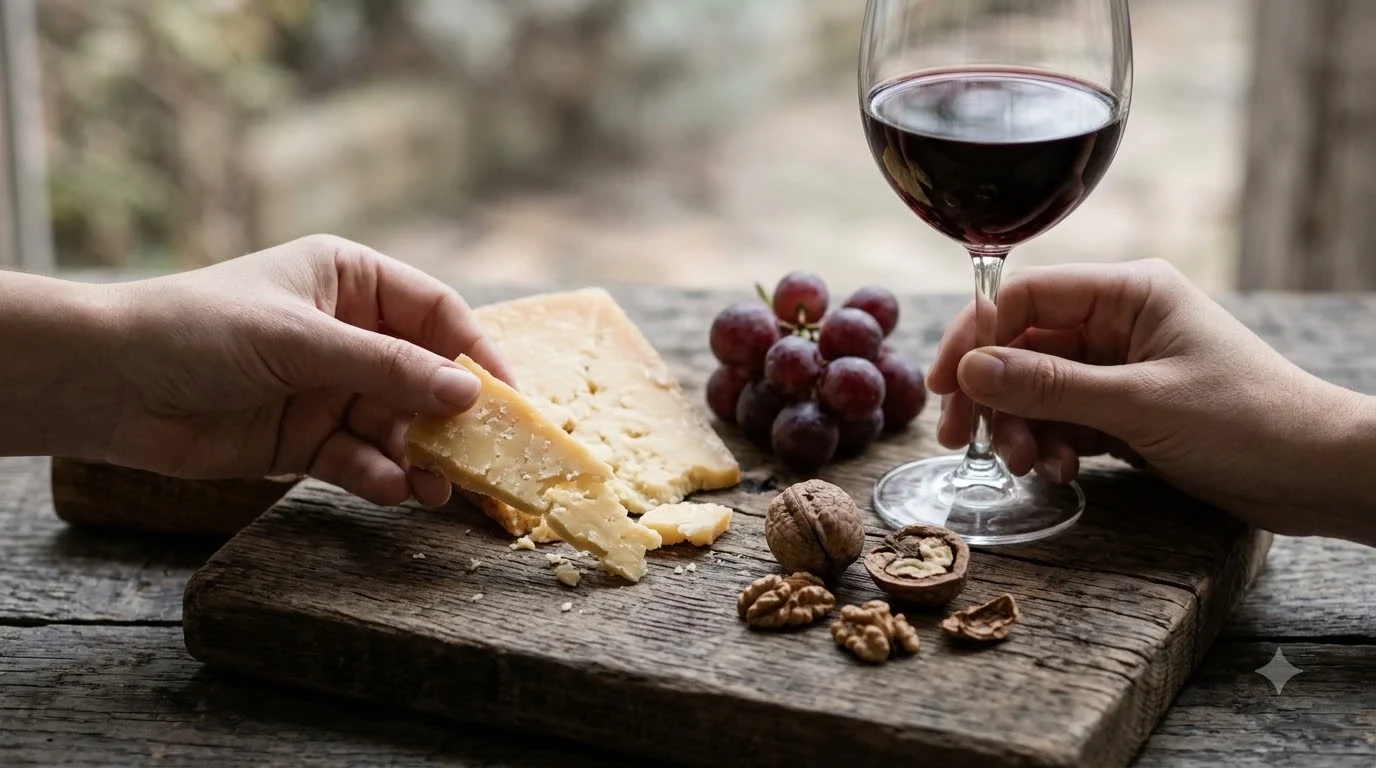
The producer describes aromas of red fruit, cherry, dark chocolate, and oak, followed by flavors of dark fruit, spice, and vanilla. Those characteristics suggest a wine intended to make an immediate impression rather than demand prolonged consideration. Total Wine also describes the wine as medium-bodied, with raspberry and strawberry jam flavors and a hint of spice. These descriptions point toward a recognizable combination of ripe fruit and oak rather than a particularly austere or delicate red. The producer’s complete tasting description is available on its official Yellow Tail Big Bold Red product page.
This bottle is worth considering if you enjoy:
- Raspberry, strawberry, and dark berry flavors.
- Red wines with vanilla, spice, and noticeable oak influences.
- Medium-bodied reds that do not require elaborate food preparation.
- Australian red blends with an approachable, fruit-led profile.
- Wines that work with grilled meat, burgers, barbecue, and casual dinners.
- A straightforward alternative to more tannic Cabernet Sauvignon or heavily structured Syrah.
It may be less appealing if you specifically seek high acidity, firm tannins, restrained fruit, or detailed earthy and mineral characteristics. Wine Enthusiast’s assessment of a reviewed bottling describes ripe, jammy berry fruit alongside grainy tannins and a slightly bitter finish. That observation is useful for shoppers who want a perspective beyond the producer’s more positive description. The finish may not appeal equally to everyone, particularly drinkers who prefer polished, exceptionally smooth reds.
People new to red wine may appreciate its recognizable fruit flavors, although its 13.5% ABV means it should not be mistaken for a particularly low-alcohol option. Experienced wine drinkers can also enjoy it in an informal setting, but those looking for complex vintage expression or extended cellar development will probably prefer a different category.
For a broader overview of producers and styles, the Wine Brands section provides a useful starting point for comparing familiar names and their wine ranges.
Key Factors to Compare
The most useful buying criteria are alcohol strength, fruit profile, body, tannin, and nutritional information. Yellow Tail Big Bold Red has a listed alcohol level of 13.5%, and its official product information provides additional details that help distinguish it from other bottles in the range.
The following figures come from published producer information and reviewed retail and editorial listings. Nutritional values should be distinguished from serving-size estimates, and the information below does not assume that every bottle has identical nutritional specifications.
| Specification | Published information | What it means |
|---|---|---|
| Wine category | Red blend | A blend rather than a single-variety designation |
| Origin | Australia | Australian red wine |
| Alcohol by volume | 13.5% | Moderate-to-full-strength table wine |
| Standard bottle size | 750 ml | Approximately five 5-ounce servings |
| Flavor description | Dark fruit, spice, vanilla | Fruit-forward, oak-influenced character |
| Aroma description | Red fruit, cherry, dark chocolate, oak | Ripe fruit with savory and woody notes |
| Body | Medium-bodied, according to Total Wine | A balanced weight rather than an extremely heavy texture |
| Food pairing | Pepper steak | A savory, grilled-meat pairing |
One important distinction is that a wine’s fruit-forward character does not automatically mean it is a sweet wine. Ripe strawberry and blackberry aromas can create a perception of sweetness even when a wine is technically dry or only slightly off-dry. The producer describes Big Bold Red as having a sweet nature, while its tasting description emphasizes ripe dark fruit. These details help establish the wine’s general profile, but they should not be treated as a complete sensory measurement of sweetness.
Body is another important consideration. Total Wine describes this bottling as medium-bodied, which is a more useful expectation than assuming that the word Bold in the name necessarily indicates a heavy, highly tannic wine. The wine has generous fruit character, but body, alcohol, and tannin are different characteristics. A wine can taste powerful because of ripe fruit and oak without having the concentrated structure of a traditional full-bodied Cabernet Sauvignon.
For shoppers comparing different bottles, the Yellow Tail Big Bold Red alcohol content guide offers a more focused look at its strength and what the ABV figure means.
Step-by-Step: How to Choose and Enjoy It
Choosing this wine becomes easier when you approach the decision in a few practical steps. Start with the flavor profile you enjoy, then consider the occasion, food, serving temperature, and bottle information before opening it.
-
Identify your preferred red wine style.
If you enjoy ripe raspberries, strawberries, plum, vanilla, and oak, Big Bold Red is a sensible style to investigate. If you prefer crisp acidity, restrained fruit, and subtle oak, a lighter Pinot Noir or another less fruit-driven red may be a better match.
-
Consider the alcohol level.
The producer lists 13.5% ABV. This is a useful figure to compare with other bottles if alcohol strength matters to your purchasing decision. A 750 ml bottle contains approximately 101.25 ml of pure alcohol at that stated strength, before considering serving size.
-
Choose the right meal.
Start with pepper steak, grilled burgers, barbecue ribs, or a mushroom-topped pizza. The wine’s ripe fruit and oak character are particularly suited to savory dishes with roasted or grilled flavors.
-
Check the bottle information.
Look for the Big Bold Red name and the 750 ml format when comparing listings. Also review the alcohol percentage and any available product information, especially if you have particular dietary or ingredient requirements.
-
Prepare the serving temperature.
Rather than serving a full-bodied or fruit-forward red at a warm room temperature, aim for approximately 60–65°F. This helps preserve freshness and keeps alcohol from becoming overly prominent.
-
Open and pour sensibly.
Allow the wine to breathe briefly in the glass, then assess its aromas and texture. A young, approachable red like this generally does not need an elaborate decanting routine or hours of preparation.
-
Evaluate the finish.
Pay attention to the transition from berry fruit to spice, oak, and tannin. If you enjoy the initial fruit but find the finish too drying, pairing the wine with a savory meal may make the overall experience more balanced.
These steps are particularly helpful when buying wine for guests. A bottle with recognizable fruit flavors is often easier to introduce at a casual dinner than a highly tannic, austere red that requires more careful food matching.
Tip: Chill Big Bold Red slightly before serving if the room is warm. Aim for 60–65°F rather than pouring it at a hot room temperature. A brief period in the refrigerator can make a noticeable difference to how fresh the fruit aromas seem.
For a more detailed look at the individual wine, the Yellow Tail Big Bold Red overview provides additional product-specific information to consider alongside these buying steps.
Types or Styles Explained
Understanding the difference between fruit-forward red blends, single-variety wines, and more structured reds helps explain where Big Bold Red fits. It belongs in the approachable Australian red blend category, with its main identity built around ripe fruit, spice, and oak rather than a narrowly defined grape variety.
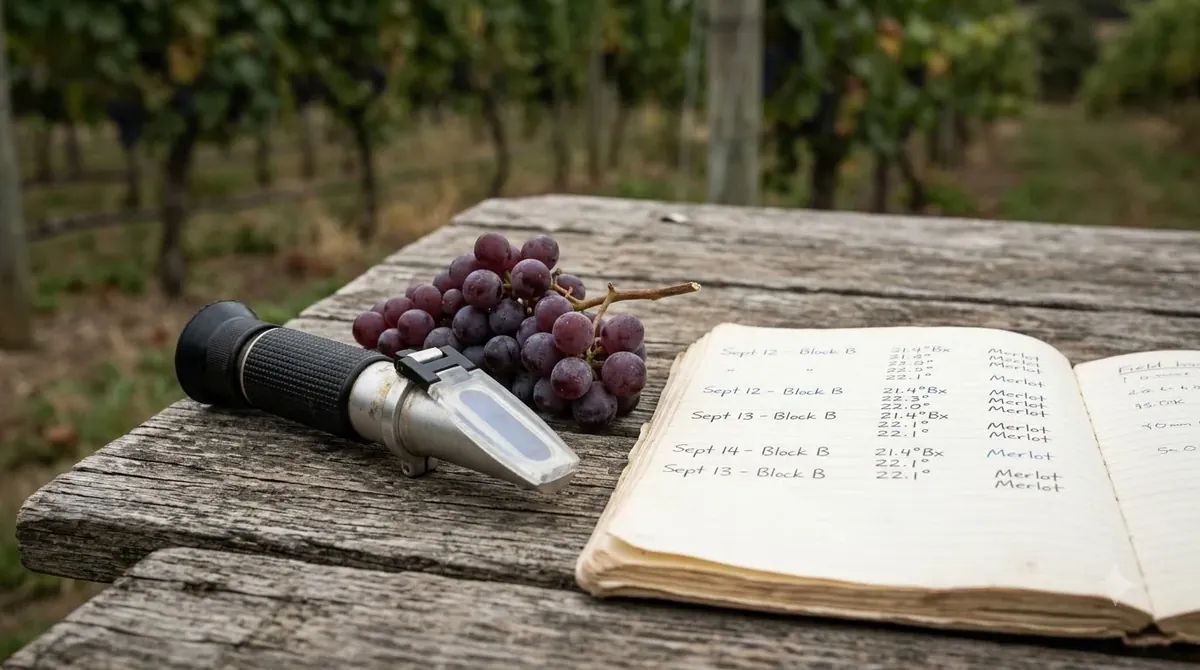
The producer’s official US page identifies the product as Big Bold Red and describes its general style, but does not publish a complete grape-percentage breakdown. It is therefore better to evaluate the wine through its documented flavor characteristics instead of assuming a particular grape composition. Wine Enthusiast also classifies its reviewed bottling under red blends, supporting that broader category.
Fruit-forward Australian red blends
Red blends combine different grape varieties to create a particular balance of fruit, body, acidity, and tannin. The exact composition can vary between wines, so the term red blend does not describe one universal flavor profile.
Big Bold Red emphasizes ripe berry and dark fruit character, with additional notes of spice, vanilla, and oak. Its medium-bodied description from Total Wine makes it a reasonable example of an accessible blended red rather than an exceptionally heavy wine.
Cabernet Sauvignon
Cabernet Sauvignon generally has high tannin, darker fruit flavors, and enough structure to work particularly well with rich red meat. Compared with a fruit-forward blend such as Big Bold Red, a traditional Cabernet Sauvignon can feel firmer, more structured, and more drying across the finish.
The producer lists Cabernet Sauvignon as a similar wine within the Yellow Tail range. It is a useful alternative for shoppers who enjoy red fruit and oak but want to explore a more recognizable single-variety style.
Shiraz and Shiraz-based blends
Shiraz often delivers concentrated dark fruit, pepper, spice, and a substantial tannin structure. Its fuller examples can be excellent with grilled beef, lamb, and barbecue dishes. Big Bold Red shares some of the generous fruit and spice characteristics associated with Australian Shiraz styles, but that similarity does not establish that it contains a particular proportion of Shiraz.
The producer also identifies Shiraz Cabernet as a related option. This provides another route for shoppers who enjoy the general flavor direction but want to compare a named blend.
Merlot and Pinot Noir
Merlot generally offers medium tannin and a softer texture than Cabernet Sauvignon, making it a useful alternative for drinkers who want approachable red fruit without an especially firm finish. Pinot Noir usually has lower-to-medium tannin and higher acidity, with a lighter overall structure than many fruit-driven Australian blends.
Neither style is automatically better. The choice depends on whether the priority is ripe fruit and oak, softer tannin, or more pronounced freshness and acidity. Big Bold Red is best understood as an accessible, fruit-led option rather than a substitute for every red wine category.
Common Mistakes When Buying or Serving It
The biggest mistakes are assuming that bold means heavily tannic, confusing fruitiness with sweetness, and serving the wine too warm. A few basic distinctions help shoppers set realistic expectations and avoid disappointing food pairings.
Assuming bold means full-bodied
The name Big Bold Red is a style description, not a technical guarantee of full body. Total Wine describes the wine as medium-bodied, demonstrating why it is useful to distinguish marketing language from the actual structural characteristics of the wine.
Body describes the wine’s weight and texture on the palate. Alcohol, tannin, acidity, fruit concentration, and oak all contribute to the overall impression, but they are not interchangeable. A fruit-rich wine can seem powerful without having the dense structure of a highly concentrated Cabernet Sauvignon.
Confusing ripe fruit with residual sugar
Raspberry jam, strawberry, and plum can taste sweet even when the wine is not particularly high in residual sugar. Aroma and flavor perception are influenced by fruit ripeness, alcohol, oak, and the balance between acidity and tannin.
The producer’s description of Big Bold Red includes ripe dark fruit and a touch of vanilla. Those characteristics support a generous flavor profile, but they do not establish that the wine should be treated like a dessert wine. For a reliable pairing, the food should not be substantially sweeter than the wine.
Serving it too warm
Red wine does not need to be served at the temperature of a warm living room. At approximately 70–75°F, alcohol can become more prominent and fruit flavors can seem heavier. A serving temperature around 60–65°F is a more useful target for this style.
Pairing it with delicate seafood
Big Bold Red is not an ideal first choice for delicate white fish, raw oysters, or lightly seasoned seafood. Red wine tannins can clash with oily fish, while oak and ripe fruit can overwhelm subtle seafood flavors.
Instead, reserve it for foods with sufficient savory intensity, particularly beef, lamb, grilled vegetables, and tomato-based dishes. These foods are better equipped to stand alongside its fruit and oak character.
Expecting every bottle to taste identical
Wine is an agricultural product, and vintage variation, production decisions, transport, and storage can influence the finished bottle. Even when a wine retains the same overall brand identity, minor differences in aroma and flavor are possible.
Wine Enthusiast’s independent review of Yellow Tail Big Bold Red provides a useful reminder that a wine can show appealing berry aromas while also developing a more bitter or less polished finish. Reading more than one description gives a more balanced expectation than relying exclusively on a producer’s tasting notes.
Overlooking dietary clarification
One particularly important consideration is vegan suitability. The producer’s US nutritional information and FAQ should be consulted for the specific product’s dietary information. Its FAQ explains that milk, eggs, fish, or vegan-friendly fining products can be used during clarification across its wine range.
Shoppers with vegan requirements should not assume that every red wine is suitable simply because grapes are the primary ingredient. This is a product-specific consideration that deserves attention before purchasing.
Care and Storage Tips
Good storage and serving practices help preserve the wine’s fruit character and prevent unnecessary deterioration. Keep unopened bottles away from heat and direct sunlight, serve at approximately 60–65°F, and refrigerate the remaining wine after opening.
Storing an unopened bottle
For longer storage, a consistent temperature near 55°F is a useful target for wine. Avoid locations near ovens, radiators, sunny windows, and other sources of temperature fluctuation. Large swings in temperature can affect the wine’s development and quality.
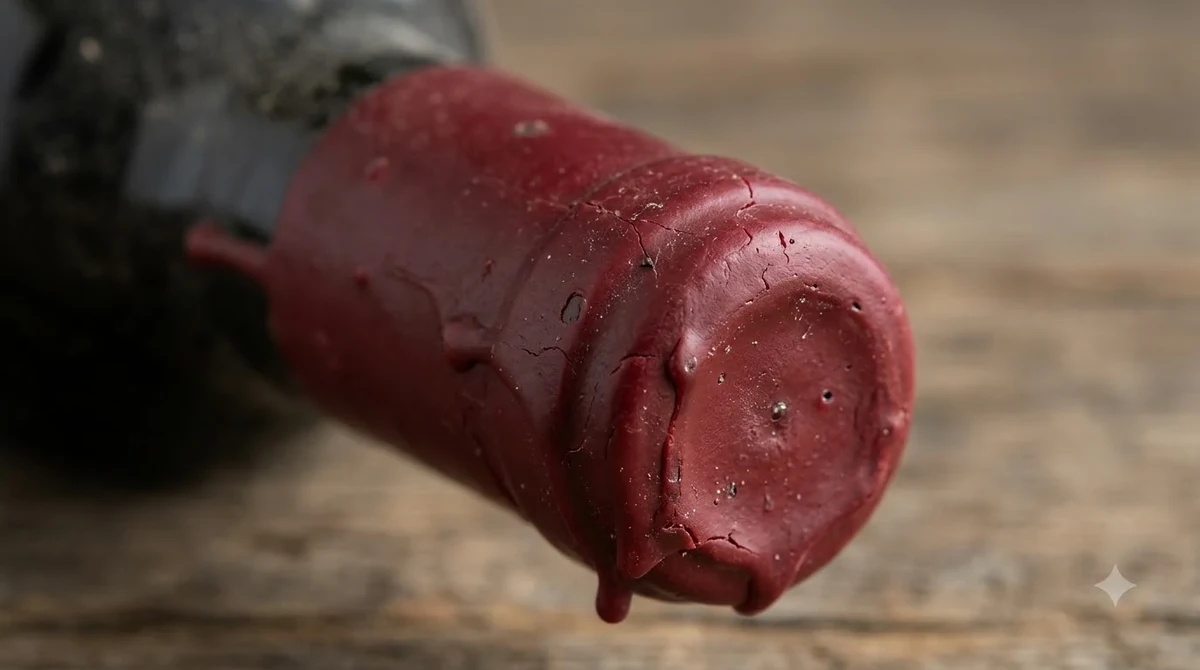
Store bottles on their sides when they use natural cork closures so the cork remains in contact with the wine. Screw-cap bottles can be stored upright because they do not rely on wine contact to maintain a cork seal. The most important priorities are a stable environment, low light, and protection from excessive heat.
Serving temperature and glassware
For Big Bold Red, a temperature of 60–65°F provides a good starting point. If the bottle has been stored in a warm kitchen, place it in the refrigerator briefly before serving rather than adding ice directly to the glass.
A standard red wine glass with a reasonably wide bowl is sufficient. It gives the wine room to release aromas of berry fruit, dark chocolate, spice, and vanilla without requiring specialized glassware.
Opening and aeration
Most approachable young red blends can be opened shortly before a meal. Pour a small amount into a glass and allow it to sit for approximately 5–10 minutes. This short period of aeration can help the fruit and oak aromas become easier to identify.
Extensive decanting is generally unnecessary for this type of wine. A 30–60 minute decant is more commonly useful for young, full-bodied reds with substantial tannin or for older wines that require careful sediment management. Big Bold Red is better approached as a convenient, ready-to-enjoy bottle.
Keeping an opened bottle fresh
Once opened, replace the closure securely and refrigerate the remaining wine. Most still wines retain their best qualities for approximately 3–5 days after opening, although the precise period depends on oxygen exposure, storage temperature, and the wine itself.
Bring the remaining wine back toward its preferred serving temperature before pouring another glass. Refrigeration slows oxidation, but it does not stop the wine from gradually changing. If the fruit becomes muted, the aromas turn noticeably stale, or the finish seems unpleasantly sour, the bottle may have passed its best drinking condition.
A 750 ml bottle provides approximately five standard 5-ounce glasses. For a dinner with four guests, that leaves a little flexibility for different serving sizes, although individual preferences and meal length will affect how much wine is needed.
Frequently Asked Questions
Is Yellow Tail Big Bold Red a blend of different grape varieties?
Yes, the wine is classified as a red blend by Wine Enthusiast and Total Wine. The producer’s US product page does not provide a complete grape-by-grape composition or percentage breakdown. This means shoppers should not assume that it is a single-variety Cabernet Sauvignon or Shiraz.
Does Yellow Tail Big Bold Red contain sulfites?
Yes, sulfur dioxide is commonly used as a preservative in winemaking, including to help protect wine against oxidation and unwanted microbial activity. The presence of sulfites is a relevant consideration for people who specifically monitor wine ingredients. The producer’s FAQ provides additional information about its winemaking practices and additives.
Can Yellow Tail Big Bold Red be used for cooking?
It can be used in recipes that call for an approachable, fruit-forward red wine. Try a small amount in beef stew, a tomato-based braising liquid, or a red wine reduction. Allow the wine to cook with the other ingredients rather than adding it only at the end, so its flavors can integrate into the dish.
Does Yellow Tail Big Bold Red have a screw cap?
Closure specifications can differ between product markets and bottling presentations, so the exact closure should not be assumed from a general online description. A screw cap does not indicate lower wine quality, and it can provide a practical, consistent seal. The closure on the particular bottle is the most reliable way to establish which type it uses.
Is Yellow Tail Big Bold Red suitable for making mulled wine?
Its ripe berry, dark fruit, and vanilla characteristics make it a reasonable candidate for a simple mulled wine recipe. Combine it with orange peel, cinnamon, cloves, and a modest amount of sweetener, then warm gently without bringing it to a boil. Heating wine too aggressively can drive off aromatic compounds and make the finished drink taste flat.
Yellow Tail Big Bold Red is a practical option for drinkers who enjoy generous berry flavors, dark fruit, spice, and approachable oak character. Its 13.5% ABV and medium-bodied profile make it suitable for casual meals, particularly grilled meat and hearty dishes. Choose it for straightforward fruit-forward enjoyment rather than complex cellar-worthy structure, and serve it slightly cool to get the best balance from the glass.
More in Wine Brands
 Louis Latour Wine Price: Compare Bottles by Style and TierUpdated Nov 20, 2026
 Yellow Tail Moscato Price: What to Expect Before You BuyUpdated Nov 20, 2026
 Sutter Home Sweet Red Review: Find the Right Food PairingsUpdated Nov 20, 2026
 Franzia Chillable Red Review: Find the Right Serving StyleUpdated Nov 20, 2026
 Veuve Clicquot Rose Review: Flavor, Food Pairings and Buying AdviceUpdated Nov 20, 2026
 Rombauer Wine Price: Compare Bottles Before You BuyUpdated Nov 20, 2026