

We may earn a commission when you buy through links on this page, at no extra cost to you. Learn more.
The louis jadot wine price typically ranges from about $14 to $35 for many accessible regional bottles, while more prestigious Burgundy selections can cost considerably more. The final cost depends on the appellation, grape variety, vineyard classification, vintage, and retailer. Beaujolais and Bourgogne wines generally offer more approachable entry points, while Premier Cru and Grand Cru bottlings represent a substantially higher investment.
Louis Jadot is one of Burgundy’s recognizable wine producers, with a portfolio spanning approachable regional wines and more distinctive appellation-specific bottlings. That range makes comparing prices particularly important: two bottles carrying the same producer’s name can have very different origins, styles, and retail values. Understanding the label before purchasing helps identify whether a bottle suits an everyday dinner, a special occasion, or a more serious Burgundy collection.
Who This Price Guide Is For
This guide is for shoppers comparing Louis Jadot bottles at American wine retailers, whether they want an affordable French red, a versatile Chardonnay, or a more prestigious Burgundy. It explains the differences between regional wines, village appellations, Premier Cru selections, and Grand Cru bottlings so buyers can understand what they are paying for.
Louis Jadot offers several useful starting points for different budgets and preferences. A shopper considering Beaujolais, for example, is looking at a different category from someone comparing Beaune Premier Cru or Gevrey-Chambertin. Both can be worthwhile purchases, but they serve different purposes and should not be evaluated using the same expectations.
The guide is particularly useful for buyers encountering unfamiliar French appellations. Burgundy labels often identify a village, vineyard classification, or regional designation instead of prominently displaying the grape variety. Recognizing names such as Mâcon-Villages, Pouilly-Fuissé, Beaune, and Gevrey-Chambertin makes price comparisons easier.
For a broader introduction to the producer’s portfolio, see our Louis Jadot wine overview. Shoppers exploring French producers beyond Burgundy can also browse our Wine Brands resources.
Key Factors That Determine Louis Jadot Wine Price
The most important price differences come from appellation, vineyard classification, grape variety, and production scale. A regional Bourgogne bottle and a wine from a prestigious Côte de Nuits vineyard may share the Louis Jadot name, but their origins and market positions are very different.
Appellation is usually the first detail to examine. Bourgogne is a broad regional designation, while village wines identify a more specific origin. Premier Cru and Grand Cru classifications identify increasingly distinguished vineyard sites. These classifications do not automatically guarantee that a particular bottle will suit every drinker, but they help explain why some wines command higher retail prices.
Vineyard origin also influences availability. A wine sourced from a broad regional area can draw on a wider selection of grapes than a bottling associated with a particular vineyard. More limited production, demand for famous appellations, and the reputation of individual sites can all contribute to higher prices.
Retail comparisons provide a useful starting point. Total Wine’s displayed Louis Jadot selection places accessible regional wines alongside more expensive Burgundy bottlings, with its listed 750 ml bottles illustrating the difference between everyday selections and classified vineyard wines. Across those displayed listings, accessible bottles generally fall around $14 to $35, according to Total Wine; prices vary by state and retailer. View Total Wine’s Louis Jadot selection.
| Price factor | What to examine | Why it matters |
|---|---|---|
| Regional designation | Bourgogne, Beaujolais | Broad geographic sourcing and approachable positioning |
| Village appellation | Gevrey-Chambertin, Pouilly-Fuissé | More specific origin and distinctive regional character |
| Vineyard classification | Premier Cru, Grand Cru | Prestige, vineyard reputation, and potentially limited supply |
| Grape variety | Pinot Noir, Chardonnay, Gamay | Determines the style and likely drinking experience |
| Vintage | Harvest year | Can affect availability, maturity, and market demand |
| Retailer | Store location and inventory | Regional distribution and shelf prices |
Vintage is another consideration, particularly for bottles from sought-after Burgundy appellations. Different growing seasons can produce differences in ripeness, acidity, concentration, and availability. Older bottles may also command different prices because of their maturity and provenance, although age alone does not make a wine more valuable.
Finally, retailer selection matters. A bottle stocked by several large retailers may be easier to compare than a limited-production wine available through only a few specialist merchants. Shipping, local taxes, storage conditions, and state distribution rules can also affect the final amount paid.
Step-by-Step: How to Compare Louis Jadot Bottles
The easiest way to compare Louis Jadot wines is to work from the broadest information on the label toward the details that influence value. Checking the appellation, grape, classification, vintage, and retailer in that order helps prevent misleading comparisons.
- Identify the wine’s appellation. Start with the geographic designation. Beaujolais, Bourgogne, Mâcon-Villages, and Gevrey-Chambertin represent different origins and price categories. Do not assume that all bottles carrying the producer’s name are directly comparable.
- Identify the grape variety. Pinot Noir is the principal red grape to look for in many Burgundy bottlings, while Chardonnay is central to the producer’s white Burgundy range. Gamay is the grape associated with Beaujolais. This information helps establish the style you can expect.
- Look for a vineyard classification. A Premier Cru or Grand Cru designation signals a more specific and prestigious vineyard classification. For example, Beaune Premier Cru and Clos de la Roche occupy a different market position from regional Bourgogne wines.
- Compare the same bottle size and vintage. A 750 ml bottle should be compared with another 750 ml bottle, and different vintages should not automatically be treated as equivalent. This is particularly important when comparing older Burgundy selections.
- Check multiple retailers. Compare at least two or three established stores when possible. Look at the final bottle cost, shipping charges, local taxes, and whether the listing actually identifies the same appellation and vintage.
- Choose according to the occasion. A regional Beaujolais can suit a casual meal, while a more prestigious Burgundy may be appropriate for a celebration or a carefully planned dinner. A higher price is not automatically a better match for your needs.
Tip: Compare the full appellation rather than just the grape variety. A Louis Jadot Pinot Noir from Bourgogne and one from a named village are not equivalent purchases, even though both are made from the same grape.
These steps are especially useful when a retailer lists several Louis Jadot wines together. A shopper might see Bourgogne Pinot Noir, Beaune Premier Cru, and Gevrey-Chambertin on the same page. Comparing them only by producer name would overlook the most important distinctions.
It is also useful to distinguish a retailer’s displayed price from a typical market range. One store’s inventory may include an older vintage or a particularly limited bottling. A broader comparison gives a more realistic idea of what similar bottles cost across the market.
Louis Jadot Wine Styles and Their Typical Price Ranges
Louis Jadot’s range includes red Gamay and Pinot Noir wines as well as white Chardonnay bottlings. Regional wines are generally the most approachable entry points, while village and classified Burgundy selections offer more specific expressions of their origins.
Beaujolais and Beaujolais-Villages: These wines are made from Gamay and are useful starting points for shoppers who want French red wine without immediately moving into expensive Burgundy appellations. Beaujolais is generally associated with fresh fruit, lively acidity, and approachable tannins. Beaujolais-Villages identifies a more specific regional category and can offer a little more structure and concentration.
For a casual dinner, these bottles can be served slightly cool, around 55 to 60 F. Their fruit-forward character works with roasted chicken, charcuterie, grilled pork, and lighter meat dishes. Our dedicated Louis Jadot Beaujolais guide explains the differences between the producer’s Beaujolais selections in greater detail.
Bourgogne Pinot Noir: This is a practical entry into red Burgundy. Pinot Noir typically has low-to-medium tannin and relatively high acidity, producing a different experience from fuller-bodied red varieties such as Cabernet Sauvignon. Expect a style that can work with roast poultry, mushroom dishes, salmon, and pork.
Bourgogne Chardonnay: This category provides an approachable introduction to white Burgundy. Chardonnay generally has medium acidity, with flavor and texture influenced by the growing region and winemaking choices. It is a versatile choice for seafood, roasted chicken, creamy pasta, and mild cheeses.
Mâcon-Villages: Mâcon-Villages comes from the Mâconnais in southern Burgundy and offers another Chardonnay-based option. It is useful for buyers who want a regional white Burgundy with a distinct geographic identity. Its style can suit grilled fish, salads with vinaigrette, and poultry dishes.
Pouilly-Fuissé: This is a more specific Mâconnais appellation and can occupy a higher price position than basic regional Chardonnay. Caveau’s tracked US retail data places Louis Jadot Pouilly-Fuissé around $30 to $32 per 750 ml bottle across the vintages included in its comparison; prices vary by state and retailer. The figures represent a limited sample rather than every available vintage or retailer.
Chablis: Chablis is another important Chardonnay category to recognize. It is associated with a leaner, more mineral-driven style than many richer expressions of Chardonnay. It can be a good match for oysters, shellfish, white fish, and dishes with lemon or other bright ingredients.
Village, Premier Cru, and Grand Cru Burgundy: These categories represent more specific origins and increasingly prestigious vineyard classifications. Names such as Gevrey-Chambertin, Beaune Premier Cru, and Clos de la Roche can indicate a substantial step up in market positioning. Buyers should consider these wines separately from everyday regional selections.
For a broader look at the producer’s red range, our Louis Jadot red wine article provides additional guidance on the differences between its red Burgundy and Beaujolais styles.
Common Mistakes When Comparing Louis Jadot Prices
The most common purchasing mistake is assuming that every Louis Jadot bottle belongs to the same quality or price category. Burgundy labels communicate important geographic distinctions, and overlooking those details can lead shoppers to compare wines that are not genuinely equivalent.
Comparing different appellations
A Bourgogne Pinot Noir and a Gevrey-Chambertin should not be treated as interchangeable simply because both are Pinot Noir wines from the same producer. Gevrey-Chambertin identifies a specific village appellation in the Côte de Nuits, whereas Bourgogne is a broader regional designation. Their vineyard origins and market positions are different.
Assuming all Burgundy wines are expensive
Burgundy has a reputation for prestigious and costly wines, but the region also produces approachable regional bottles. Louis Jadot’s Bourgogne Chardonnay and Bourgogne Pinot Noir provide entry points that are distinct from its more exclusive vineyard selections. Buyers who start with an expensive appellation may overlook suitable everyday alternatives.
Ignoring the difference between Beaujolais and Burgundy Pinot Noir
Beaujolais is primarily associated with Gamay, while red Burgundy is primarily associated with Pinot Noir. The wines differ in grape variety, structure, and typical flavor profile. Gamay often offers juicy red fruit and a lighter, easygoing character, whereas Pinot Noir can show greater variation in texture and complexity depending on its origin.
Paying more because of an older vintage alone
Vintage age is not a reliable measure of value by itself. An older bottle may have developed additional complexity, but its storage history and condition are crucial. A poorly stored older wine may offer less enjoyment than a younger bottle in excellent condition.
Confusing classification with personal preference
Premier Cru and Grand Cru designations are important indicators of vineyard classification, but they do not mean every buyer will prefer those wines. Someone who enjoys fresh, uncomplicated Gamay may find a regional Beaujolais more satisfying than a much more expensive red Burgundy.
Another frequent mistake is comparing a retailer’s advertised bottle price without accounting for shipping, taxes, and location. Two stores can display different prices for the same wine while the final checkout totals narrow or widen the difference. Always compare the complete purchase cost rather than relying on one listing.
Care, Storage, and Serving Tips
Proper storage helps preserve the character of a Louis Jadot wine, particularly when purchasing Burgundy bottles intended for future drinking. Temperature stability, limited exposure to light, and appropriate serving temperatures matter more than simply buying the most expensive bottle.
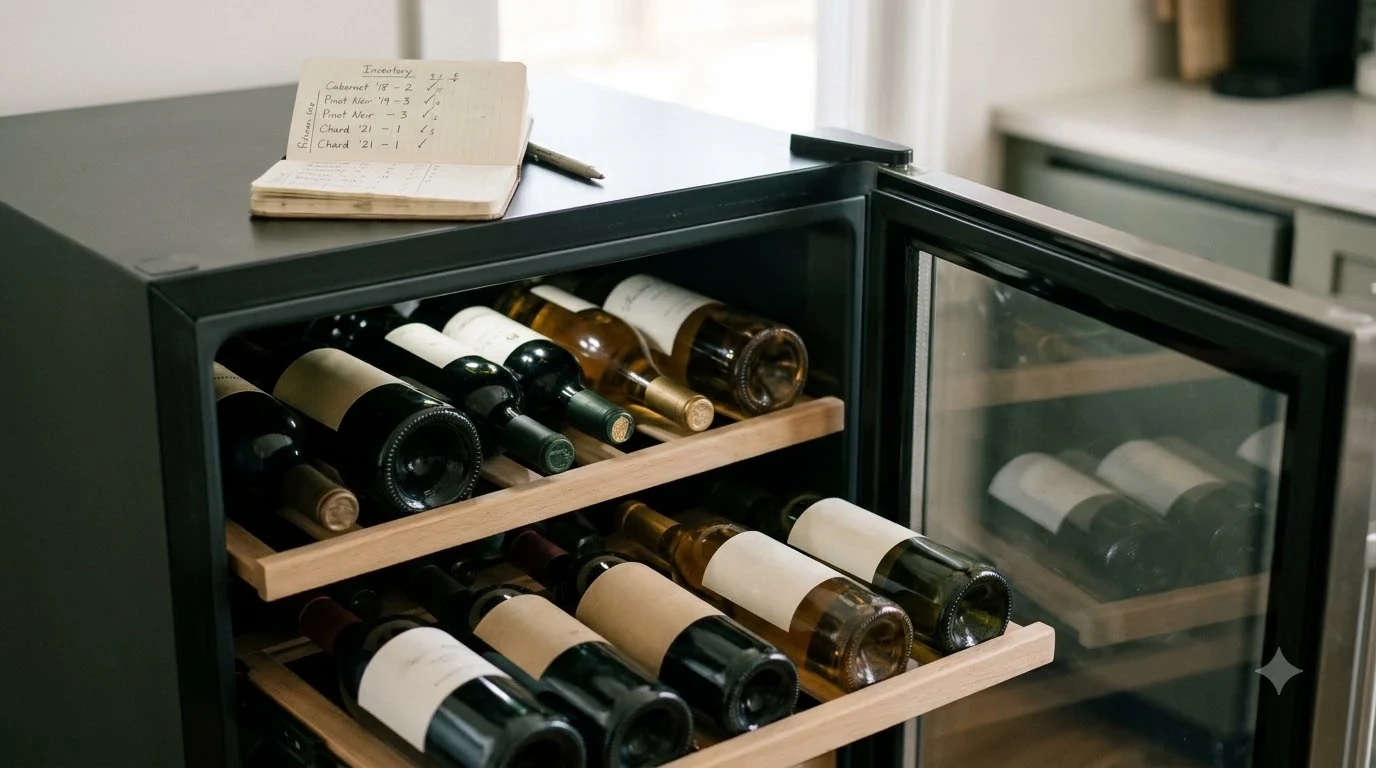
For unopened bottles with cork closures, a cool storage environment near 55 F is a useful target. Store bottles on their sides to keep the cork in contact with the wine. Avoid locations near ovens, radiators, sunny windows, or other sources of temperature fluctuations. A dark wine cabinet or temperature-controlled cellar is preferable to a kitchen shelf.
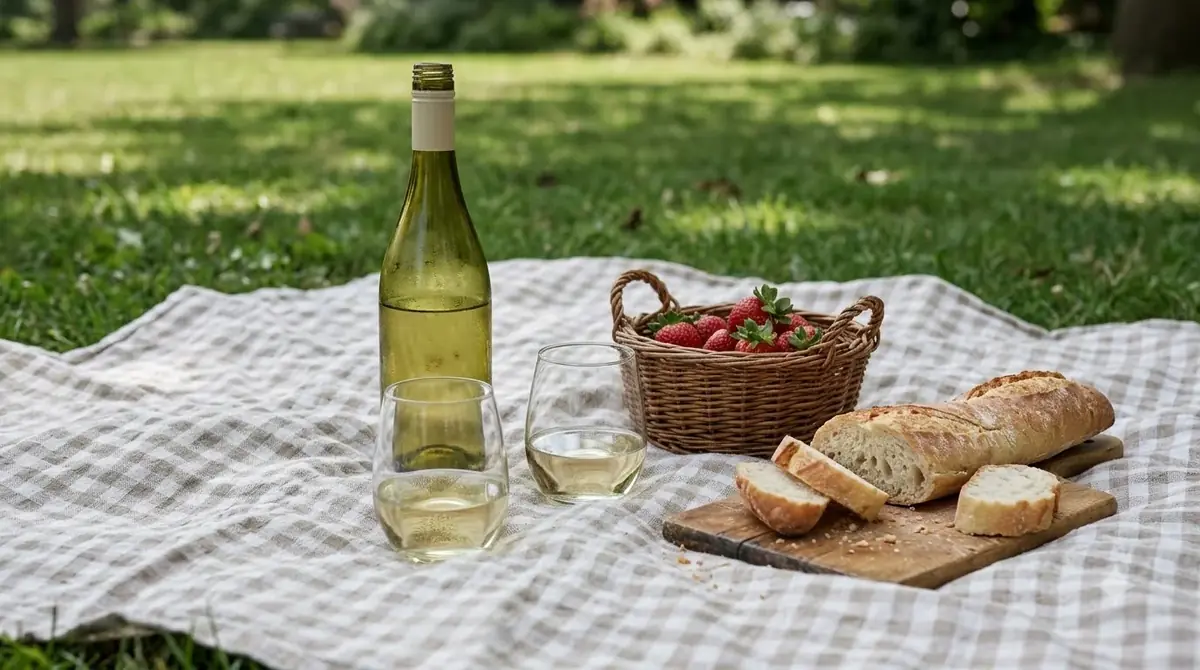
Serving temperature should depend on the style. Louis Jadot Beaujolais and lighter Pinot Noir generally benefit from temperatures around 55 to 60 F. Fuller-bodied reds are usually better around 60 to 65 F. White Burgundy and Chardonnay can be served around 50 to 55 F, while lighter white styles can be served closer to 45 to 50 F.
Do not serve every red Burgundy at room temperature if the room is particularly warm. Modern indoor temperatures can exceed the ideal serving range, making alcohol more prominent and reducing the impression of freshness. A brief period in the refrigerator can help bring a bottle into a more suitable range.
Decanting is not automatically necessary for every Louis Jadot red. Young, fuller-bodied red wines can benefit from approximately 30 to 60 minutes of aeration, while lighter Beaujolais and delicate Pinot Noir may need little or none. Older Burgundy should be handled more carefully because extended exposure to air can diminish its remaining freshness.
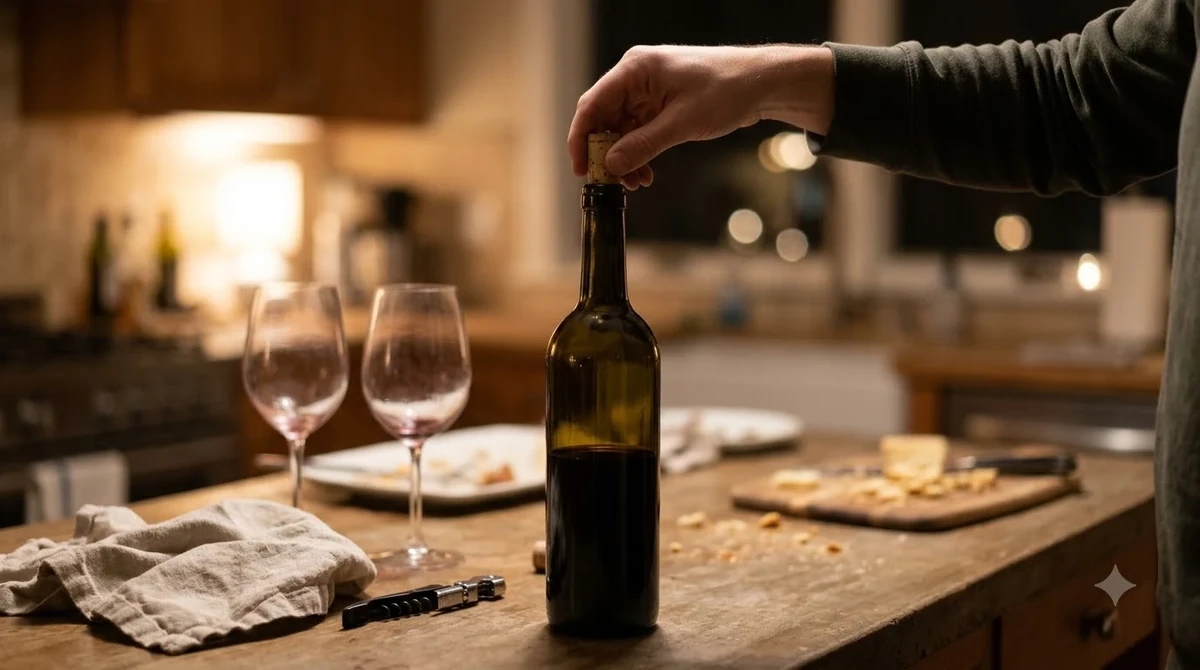
Opened still wines generally keep for approximately three to five days in the refrigerator, depending on the wine, storage method, and condition. Re-cork the bottle or use a suitable wine stopper, and allow refrigerated red wine to warm slightly before serving again.
Food pairing is another way to get more value from the bottle. Beaujolais works well with roasted poultry, pork, and charcuterie. Pinot Noir is a natural partner for mushrooms and roast duck, while Chardonnay can accompany seafood, chicken, and cream-based dishes. More acidic white wines are particularly useful with foods containing lemon, vinegar, or other sharp ingredients.
For a dinner with several courses, consider serving lighter wines before fuller-bodied selections. A chilled Beaujolais can begin the meal, followed by a more structured Pinot Noir with the main course. A Chardonnay or Mâconnais white can work well alongside an earlier seafood or poultry course.
Frequently Asked Questions
Is Louis Jadot considered a good Burgundy producer?
Louis Jadot is an established Burgundy wine house founded in 1859. Its portfolio covers multiple Burgundy appellations and vineyard classifications, giving consumers access to both regional and more prestigious expressions. Its long history and broad selection make it a recognizable name for shoppers exploring French wine.
What does the Bacchus symbol on Louis Jadot bottles represent?
Bacchus is the Roman god of wine and is used as a recognizable symbol associated with Maison Louis Jadot. The imagery reflects the producer’s historic identity and connection to wine culture. It is a brand emblem rather than a vineyard classification or quality designation.
Does Louis Jadot produce wines outside Burgundy?
The Maison’s broader wine activities extend beyond its traditional Burgundy portfolio. Its Résonance vineyard project is located in Oregon, in the United States. The vineyard was acquired in 2013, according to the Maison’s published vineyard information.
What does réplis mean in connection with Louis Jadot wines?
Réplis is a blending practice described in Kobrand’s Louis Jadot portfolio material. It involves including some higher-appellation wines in blends intended for lower appellations. The approach is intended to improve the quality and value of the resulting wines.
Who leads Louis Jadot’s winemaking team?
Louis Jadot identifies Frédéric Barnier as its winemaker. He joined the house in 2010 as Technical Director and subsequently took responsibility for leading its winemaking team. His work continues the producer’s emphasis on expressing the character of individual Burgundy origins.
Louis Jadot offers a wide range of wines, from approachable Beaujolais and regional Burgundy to prestigious Premier Cru and Grand Cru selections. The smartest purchase depends on matching the appellation, grape variety, and vintage to your preferences rather than automatically choosing the most expensive bottle. Compare like-for-like listings, consider the occasion, and explore the regional wines before moving into the higher-priced Burgundy categories.
More in Wine Brands
 Louis Latour Wine Price: Compare Bottles by Style and TierUpdated Nov 20, 2026
 Yellow Tail Moscato Price: What to Expect Before You BuyUpdated Nov 20, 2026
 Sutter Home Sweet Red Review: Find the Right Food PairingsUpdated Nov 20, 2026
 Franzia Chillable Red Review: Find the Right Serving StyleUpdated Nov 20, 2026
 Veuve Clicquot Rose Review: Flavor, Food Pairings and Buying AdviceUpdated Nov 20, 2026
 Rombauer Wine Price: Compare Bottles Before You BuyUpdated Nov 20, 2026