

We may earn a commission when you buy through links on this page, at no extra cost to you. Learn more.
The best red wine under 50 is usually a well-made bottle from a value-focused region—such as Rioja, the Southern Rhône, or Chile—chosen to match your preferred body, tannin, and acidity. For a reliable choice, start with a grape and food pairing you already enjoy, then compare the producer, region, and balance described on the label. Cabernet Sauvignon, Pinot Noir, Merlot, Tempranillo, and Grenache-based blends cover very different tastes, so the best fit depends on the occasion as much as the bottle.
A strong red-wine purchase does not need a famous label or a trophy appellation. The most useful shopping strategy is to understand what each grape tends to deliver, look for regional specialties with a clear identity, and choose a style that will work at your table. This guide explains what to compare, where to look, and how to serve the bottle well once it is home.
Who This Is For
This guide is for shoppers who want a dependable red for dinner, a gift, or a small gathering without spending time decoding every bottle on the shelf. It is especially useful if you enjoy Cabernet with grilled steak, Pinot Noir with roast chicken, or Tempranillo with a slow-cooked meal but want to discover more options beyond the best-known labels.
It also helps newer wine drinkers who know whether they prefer a light or powerful red but are less certain about grape names. A light-bodied Pinot Noir from Oregon’s Willamette Valley will feel very different from a full-bodied Cabernet Sauvignon from Napa Valley, while a medium-bodied Sangiovese from Tuscany can bring enough acidity to work with tomato-based dishes. Naming the style you want is usually faster than beginning with a winery name.
Hosts planning a mixed menu can use the guide to find a middle ground rather than buying separate wines for every dish. A medium-bodied red with fresh acidity, such as Sangiovese or Garnacha, can move from appetizers to a main course more easily than a highly tannic Cabernet.
Key Factors to Compare
Compare body, tannin, acidity, alcohol, and regional character before you focus on label design or reputation. A useful starting point is the grape: according to Wine Folly’s body guide, Pinot Noir and Gamay generally sit on the lighter end, Sangiovese and Garnacha in the middle, and Cabernet Sauvignon, Syrah, and Malbec among fuller-bodied reds.
| Style to look for | Grapes and regions to consider | Typical structure | Serving range |
|---|---|---|---|
| Light and fresh | Pinot Noir from Oregon; Gamay from Beaujolais; Cabernet Franc from the Loire | Light body, low-to-medium tannin, lively acidity | 55–60°F |
| Medium and savory | Sangiovese from Tuscany; Garnacha from Spain; Barbera from Piedmont | Medium body, moderate tannin, often bright acidity | 55–60°F |
| Soft and round | Merlot from California or Bordeaux; fruit-forward red blends | Medium body, softer tannin, plum and berry character | 60–65°F |
| Full and structured | Cabernet Sauvignon from California or Chile; Syrah from the Rhône; Malbec from Mendoza | Full body, firmer tannin, darker fruit and spice | 60–65°F |
| Rich regional blend | Grenache, Syrah, and Carignan from southern France; Tempranillo-based Rioja blends | Medium-to-full body; fruit, spice, and oak depend on the blend | 60–65°F |
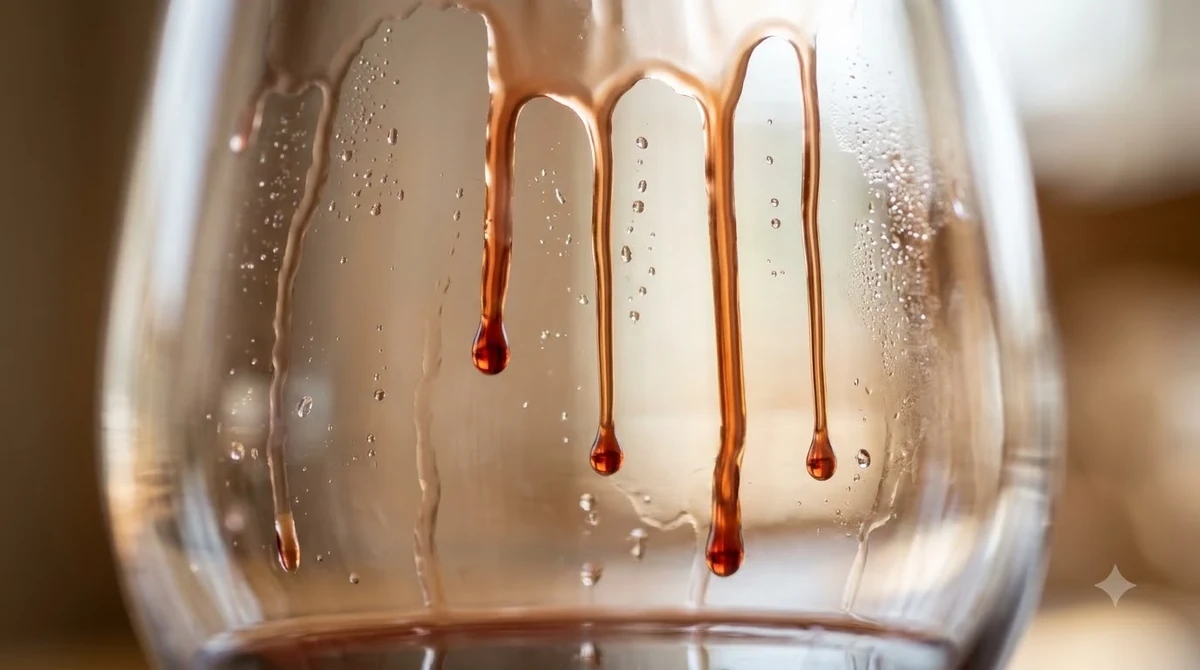
Body is the impression of weight and richness, not simply how dark a wine looks. Wine Folly identifies alcohol, grape variety, oak aging, climate, and residual sugar as influences; wines above 14% alcohol often feel fuller, though producer choices matter. Its explanation of wine body helps clarify shelf terms such as “light,” “medium,” and “full.”
Tannin and acidity shape how wine feels with food. Cabernet Sauvignon is typically high in tannin, Merlot is softer, Pinot Noir is low-to-medium in tannin with high acidity, and Syrah often has medium-plus to high tannin. Acidity stays lively beside tomato sauce, while protein and fat can soften tannin. Dark color alone does not mean a wine will taste smooth.
Region adds another useful filter: Rioja, Ribera del Duero, Willamette Valley, and Mendoza each point toward a recognizable tradition, but producers still vary in oak, ripeness, and blending. Look for balance and freshness as well as concentration, particularly when the wine is meant to accompany dinner.
Step-by-Step: How to Choose a Bottle
A simple six-step routine helps narrow a crowded wine shelf without turning the purchase into a research project. Start with the meal and the people drinking it, then use grape and region as filters instead of treating a critic score or a familiar label as the deciding factor.
- Decide what the wine needs to do. For grilled beef or lamb, consider Cabernet Sauvignon, Syrah, or a structured Tempranillo. For roast chicken, salmon, mushroom dishes, or a lighter pasta, begin with Pinot Noir, Gamay, or Cabernet Franc.
- Choose the weight. If you prefer a lighter mouthfeel, look toward Pinot Noir, Gamay, or a cooler-climate Cabernet Franc. If you want a more forceful red for a rich stew or grilled steak, consider Malbec, Syrah, or Cabernet Sauvignon.
- Set your tannin preference. Choose Merlot or Grenache when you want a softer impression; choose Cabernet Sauvignon or Syrah when you welcome a firmer grip. Sangiovese can be a useful middle ground because its acidity keeps the wine energetic even when the flavor is savory.
- Use the region to refine the style. Try Willamette Valley for Pinot Noir, Rioja or Ribera del Duero for Tempranillo, Tuscany for Sangiovese, Mendoza for Malbec, and the Southern Rhône for Grenache- and Syrah-led blends.
- Read the back label for clues. Notes such as “fresh red fruit,” “bright acidity,” and “fine tannins” suggest a different experience from “black fruit,” “firm structure,” and “new oak.” Alcohol above 14% can point toward a fuller style, although it should be considered alongside the grape and region.
- Ask for a comparable alternative. At a good independent wine shop, describe a bottle you already like and ask for another region or grape with similar body and tannin. A shop’s staff can also help explain the importer or producer when the front label offers little useful information.
Less familiar grapes can be worthwhile when the style fits. Wine Enthusiast highlights Barbera with bright acidity and dark fruit as well as layered Garnacha, while VinePair’s selection spans Oregon Pinot Noir, Napa Cabernet, Santa Barbara Gamay, New York Cabernet Franc, and California Zinfandel.
Keep a note of the grape, region, producer, and one or two structural details for each bottle you enjoy. After three or four purchases, your preferences become easier to recognize, whether that means fresh acidity, restrained oak, or firmer Cabernet-style tannin.
Types or Styles Explained
The most useful red-wine categories are not rigid rules, but they help predict texture and food compatibility. Think of Pinot Noir and Gamay as lighter choices, Sangiovese and Grenache as versatile middle-weight options, and Cabernet Sauvignon or Syrah as more structured selections.
Light reds: Pinot Noir, Gamay, and Cabernet Franc
Pinot Noir offers red cherry, cranberry, subtle earth, and a delicate texture. Oregon’s Willamette Valley is a familiar place to look; its low-to-medium tannin and high acidity suit roast chicken, duck, salmon, grilled mushrooms, and herb-seasoned dishes.
Gamay from Beaujolais often gives juicy red fruit and a supple feel, while Cabernet Franc from the Loire Valley or New York’s Finger Lakes can bring fresh acidity with herbal or peppery notes. These lighter styles work well with charcuterie, roast pork, poultry, and vegetables that a tannic Cabernet might overshadow.
Medium-bodied reds: Merlot, Sangiovese, and Grenache
Merlot is usually the softer route into a red with some weight. Expect plum and black cherry, often with a rounder texture than Cabernet Sauvignon. A medium-bodied Merlot can suit meatloaf, burgers, roast pork, and pasta with mushrooms. Sangiovese, the principal grape in Chianti, tends to show cherry, dried herbs, and a lively line of acidity; it works especially well with tomato sauce, pizza, grilled sausages, and aged hard cheeses.
Grenache, called Garnacha in Spain, ranges from light and aromatic to ripe and generous. Navarra examples can show red fruit, plum, and savory detail; Southern Rhône blends pair Grenache with Syrah and sometimes Mourvèdre, suiting lamb, roast chicken, and grilled vegetables. For a softer, sweeter profile, see sweet red wine; dry red wine explains the unsweetened style.
Full-bodied reds: Cabernet Sauvignon, Syrah, and Malbec
Cabernet Sauvignon is the classic choice for firm tannin, dark fruit, and a structured finish. Napa Valley, Sonoma County, Chile’s Maipo Valley, and Bordeaux are useful starting points, though each region has its own profile. Cabernet’s tannin can be a good match for grilled steak, short ribs, burgers, and hard cheeses, where protein and fat help soften the wine’s grip.
Syrah can bring blackberry, pepper, smoke, and savory spice; Malbec from Mendoza is often generous in dark fruit and suits grilled beef, sausages, and roasted vegetables. Serve these full-bodied styles at 60–65°F. The organic red wine guide explains what an organic designation indicates about farming and cellar practice.
Common Mistakes
The first mistake is treating body, tannin, and sweetness as interchangeable. A full-bodied red is not automatically sweet, and a smooth wine is not necessarily low in alcohol. Cabernet Sauvignon can feel dry and grippy because of its tannin, while a ripe Grenache can feel plush without being sweet. If the fruit tastes ripe but the finish is dry, the wine may simply have generous fruit character and balanced acidity.
Another mistake is paying too much attention to an impressive region name while ignoring the producer and the style. Napa Valley, Barolo, Brunello di Montalcino, and Bordeaux contain many distinct wines; the name alone cannot tell you whether a particular bottle is youthful and tannic, mature and savory, or oak-forward. A less famous region with a clear identity may be a better choice for your palate. Rioja, Navarra, Chile, and the Southern Rhône all offer useful starting points for shoppers who want regional character without chasing the most famous label in a category.
It is also easy to choose a wine that fights the food. High-tannin reds can make chili heat feel hotter, and oily fish can clash with tannic reds; meanwhile, a strongly acidic tomato dish can make a low-acid red seem flat. Match acidity with acidity, and choose a wine at least as sweet as a dessert when serving it with something sweet. Fat and salt can soften tannin, which is one reason a structured red often feels more balanced beside steak or aged cheese than beside a delicate salad.
Do not serve a light Pinot Noir too warm or assume every red needs lengthy aeration. A young, tannic Cabernet may benefit from 30–60 minutes in a decanter; let the grape and structure guide the decision, not the bottle’s appearance.
Care and Storage Tips
Good storage and sensible serving can protect the character you paid for. Keep unopened bottles away from direct sunlight and large temperature swings, ideally on their sides in a cool space near 55°F, and serve lighter reds cooler than powerful reds so the fruit and structure remain in balance.
Tip: Put a full-bodied red in the refrigerator for about 15 minutes before serving if the room is warm. Aim for 60–65°F for fuller reds and 55–60°F for lighter reds; a modest chill is usually better than pouring Cabernet or Syrah at a hot room temperature.
For short-term storage, use a stable, dark cupboard away from an oven, radiator, or sunny window. Longer storage is better in a wine refrigerator or cellar near 55°F; keep natural-cork bottles on their sides and avoid repeatedly moving them.
Young, full-bodied Cabernet Sauvignon or Syrah can benefit from 30–60 minutes in a decanter, which gives aromas room to open and can soften firm tannin. Lighter Pinot Noir and older bottles usually need less aeration, especially when sediment is present.
After opening, reseal the bottle and refrigerate it, even if it is red. Most still wines keep for about 3–5 days under refrigeration, although fruit and aroma gradually fade after exposure to oxygen. Let the remaining wine warm slightly in the glass before serving again.
Frequently Asked Questions
These quick answers clarify label terms, cellar details, and serving practices that are not covered by a grape-and-region comparison. Understanding vintage and American Viticultural Area terminology can add useful context when comparing two bottles.
How many glasses are in a standard bottle of red wine?
A standard 750 ml bottle contains about 25.4 US fluid ounces, which works out to roughly five 5 oz pours. Actual pours vary by glass and occasion, so a host serving six people should plan on more than one bottle if each guest wants a full serving.
Does sediment mean a red wine has gone bad?
Not necessarily. Sediment can form as natural color compounds and tannins bind together during bottle aging, and harmless tartrate crystals can also appear. It is common in some older or minimally filtered reds and is mainly a reason to pour carefully.
What does the vintage on a red wine label mean?
The vintage is generally the year the grapes were harvested, not the year the bottle was purchased or released. A non-vintage wine can blend wine from more than one harvest, so it may not display a single harvest year as its defining identity.
Does a screw cap mean a red wine is low quality?
No. A screw cap is a closure choice, not a quality grade, and producers use it for wines intended to be enjoyed young as well as for some wines they expect to age. Judge the wine by its producer, region, style, and condition rather than the closure alone.
What does an American Viticultural Area on a wine label tell me?
An American Viticultural Area, or AVA, identifies a defined grape-growing region in the United States, such as Willamette Valley or Napa Valley. It tells you where the grapes came from, but it is not a quality score or a promise that every wine from that area will taste the same.
The best bottle is the one that fits the food, the occasion, and the kind of red you genuinely enjoy. Use grape, region, tannin, acidity, and serving temperature as practical filters, then keep track of the producers and styles you would happily buy again. For a broader step-by-step foundation, see the wine buying guide before your next trip to the shop.
More in Wine Buying Guides
 Cheap Red Blend: How to Find a Flavorful Bottle for LessUpdated Nov 20, 2026
 Pinot Grigio Gift: How to Choose a Bottle They’ll EnjoyUpdated Nov 20, 2026
 Best White Wine at Total Wine for Every MealUpdated Nov 20, 2026
 Wine Fridge Replacement Shelves: Find the Right FitUpdated Nov 20, 2026
 Best Sparkling Wine Under 20: Find Bubbles Worth BuyingUpdated Nov 20, 2026
 Best Wine For Birthday Celebrations With Perfect Party PairingsUpdated Nov 20, 2026