

We may earn a commission when you buy through links on this page, at no extra cost to you. Learn more.
This kendall jackson wine review finds the brand a strong choice for approachable California wines, especially Chardonnay, Cabernet Sauvignon, and other fruit-forward styles. Its Vintner’s Reserve collection offers accessible bottles with recognizable fruit flavors, balanced oak influence, and straightforward food-pairing options. The main consideration is style: buyers who enjoy ripe fruit and noticeable oak will find plenty to like, while those seeking lean, mineral-driven wines may prefer another producer.
Kendall-Jackson is one of the familiar names in American wine, with a history that began in California in 1982. Its range extends well beyond the Chardonnay that established its reputation, covering several white and red varieties and collections at different levels. Understanding those differences makes choosing a bottle much easier. This guide examines the winery’s background, the main styles, what to look for before buying, and how to serve each wine so its character comes through clearly.
Who This Is For
Kendall-Jackson is particularly suitable for wine drinkers who want recognizable California flavors, dependable everyday options, and several grape varieties under one producer’s name. Its wines are approachable enough for casual meals but offer enough differences in oak, body, and fruit character to help buyers find a preferred style.
Chardonnay is the obvious starting point for someone exploring the brand. The Vintner’s Reserve bottling combines ripe apple and tropical fruit with citrus, butter, and vanilla. Its oak treatment adds texture without making the wine taste like a heavily wood-driven Chardonnay. Wine Enthusiast’s review of the 2024 vintage awarded it 90 points and highlighted orchard fruit, yellow apple, pear, quince, citrus, vanilla bean, and pronounced acidity. That combination makes it an appealing option for someone who likes a rounded white wine with enough freshness to accompany dinner.
People who prefer red wine have several alternatives. Cabernet Sauvignon offers dark fruit and more noticeable tannin, while Pinot Noir generally suits drinkers looking for a lighter-bodied red. Merlot provides another route for those who enjoy red-fruit flavors and softer structure. The range is useful for households with different preferences because a single producer can supply both a white dinner wine and a red bottle for a grilled meal.
The brand also makes sense for people learning about grape varieties. Comparing its Chardonnay with Sauvignon Blanc illustrates the difference between a rounded, oak-influenced white and a more acidity-focused style. Comparing Cabernet Sauvignon with Pinot Noir demonstrates how tannin and body change the experience of red wine. These comparisons are useful for discovering personal preferences without jumping between unrelated producers.
However, Kendall-Jackson is not automatically the right choice for every wine drinker. Someone seeking extremely restrained oak, very low alcohol, or highly distinctive single-vineyard expressions should compare individual bottles carefully. The winery has premium collections as well as its familiar Vintner’s Reserve range, so its entire portfolio should not be judged from one entry-level Chardonnay.
Key Factors to Compare
The most useful buying criteria are grape variety, body, oak influence, alcohol level, and intended food pairing. These characteristics explain more about the drinking experience than the producer’s name alone.
Start with the grape. Chardonnay is generally the richer white option in the Vintner’s Reserve range, while Sauvignon Blanc is a better starting point for someone who prefers lively acidity and a fresher impression. Cabernet Sauvignon suits drinkers who enjoy dark fruit and structured reds. Pinot Noir is a more suitable direction for those who want a lighter red with greater emphasis on acidity.
Oak treatment deserves particular attention. The winery’s 2024 Vintner’s Reserve Chardonnay is aged for four months using French and American oak. The published breakdown lists 47% French oak, including 4% new oak, and 46% American oak, including 6% new oak. The remaining percentage is not specified in the displayed winemaking breakdown. This combination helps explain the wine’s vanilla, butter, and toasted-oak notes alongside its fruit flavors.
Alcohol content is another practical comparison point. The reviewed 2024 Chardonnay contains 13.5% ABV, while the published 2022 Cabernet Sauvignon also contains 13.5% ABV. Neither should be treated as a particularly low-alcohol option. The number is useful when comparing bottles, especially if a buyer prefers a lighter overall drinking experience.
| Wine or characteristic | Published figure | What it means for buyers |
|---|---|---|
| 2024 Vintner’s Reserve Chardonnay | 100% Chardonnay | Single-variety white wine |
| Chardonnay alcohol | 13.5% ABV | Medium-to-full wine experience |
| Chardonnay oak aging | 4 months | Integrated oak character |
| Chardonnay serving temperature | 50°F | Cool but not excessively cold |
| 2022 Vintner’s Reserve Cabernet Sauvignon | 83% Cabernet Sauvignon | Cabernet-led blended red |
| Cabernet alcohol | 13.5% ABV | Fuller red-wine experience |
| Cabernet oak aging | 10 months | More developed oak influence |
| Cabernet serving temperature | 65°F | Suitable for structured red wine |
| Standard bottle size | 750 ml | Approximately five 5-ounce pours |
These figures come from the winery’s published product information for the specified vintages. They should be treated as individual wine specifications rather than permanent figures for every Kendall-Jackson release. Different vintages and grape varieties can have different alcohol levels, oak treatments, and blending proportions.
For independent tasting context, Wine Enthusiast’s 2024 Vintner’s Reserve Chardonnay review provides a useful comparison between the producer’s description and a professional assessment. Decanter’s review also discusses the wine’s fresh acidity and layered citrus, honey, and spice character.
Finally, consider how frequently the bottle will be used. A versatile Chardonnay may be more practical for a household that regularly serves chicken, seafood, and creamy pasta. Cabernet Sauvignon makes more sense for steak dinners, burgers, and richer dishes. Choosing around the food and drinking occasion is often more useful than choosing by collection name alone.
Step-by-Step: How to Choose a Kendall-Jackson Bottle
A straightforward buying process starts with the flavor profile you already enjoy and then narrows the selection by food, collection, and serving occasion. Following these steps helps prevent choosing a wine simply because its label or grape name sounds familiar.
-
Decide between white, red, and sparkling wine.
Start with the basic category. Chardonnay is a good choice for someone who likes rounded white wines, while Sauvignon Blanc is better suited to a fresher, acidity-driven preference. For reds, choose between the stronger structure of Cabernet Sauvignon, the softer profile of Merlot, and the lighter character of Pinot Noir. Kendall-Jackson also offers sparkling wine, providing another option for celebrations and aperitif occasions.
-
Identify your preferred flavor profile.
Think about the flavors you usually enjoy. Apple, pear, mango, vanilla, and butter suggest that the Vintner’s Reserve Chardonnay may suit your preferences. Blackberry, black cherry, cassis, cedar, and mocha point toward Cabernet Sauvignon. If you prefer citrus and fresh herbal notes, investigate Sauvignon Blanc rather than assuming every Kendall-Jackson white has the same flavor profile.
-
Choose the collection that matches your expectations.
Vintner’s Reserve is the natural starting point for a familiar, accessible California wine style. Grand Reserve offers a more specific regional and vineyard-oriented approach. Jackson Estate provides additional vineyard and appellation expressions, while Stature represents a higher-end collection. The distinction matters because a bottle from one collection should not be used to predict the character of every other collection.
-
Check the vintage and technical details.
Compare alcohol percentage, grape composition, oak aging, and region. For example, the published 2022 Cabernet Sauvignon blend contains 83% Cabernet Sauvignon, while the 2024 Chardonnay is 100% Chardonnay. The difference in grape composition can significantly affect body, tannin, and food compatibility. Vintage details also help identify whether the information applies to the bottle being considered.
-
Match the bottle to the meal.
For lobster, creamy pasta, or grilled chicken, consider Chardonnay. For steak, lasagna, and grilled burgers, Cabernet Sauvignon is a logical direction. Sauvignon Blanc can work with salads, vegetables, and lighter seafood dishes. Pinot Noir is useful with roast chicken, mushrooms, and dishes that do not require a powerful red wine.
-
Consider the occasion and number of guests.
A standard 750 ml bottle supplies approximately five 5-ounce servings. One bottle is therefore generally suitable for a small dinner of two to four people, depending on how much wine each person drinks. For a larger gathering, plan the number of bottles around the meal and the availability of other beverages.
-
Buy from a reliable retailer and compare the actual bottle.
Look at the full wine name, grape variety, vintage, bottle size, and collection. Retailers may carry different vintages at the same time. A product description for a 2022 Cabernet Sauvignon should not be assumed to describe a 2023 or later release in every technical detail. The winery’s product pages and collection listings provide a useful starting point for confirming the identity of a wine.
This process also helps narrow down more focused searches. Someone already interested in the flagship white can compare the details in the Kendall-Jackson Chardonnay guide, while a red-wine buyer can investigate the Kendall-Jackson Cabernet range before making a final selection.
Types and Styles Explained
Kendall-Jackson’s range includes several collections and grape varieties, so the best way to understand the brand is to separate its wines by style. The most familiar starting points are Vintner’s Reserve Chardonnay and Cabernet Sauvignon, but the broader portfolio offers considerably more variety.
Vintner’s Reserve Chardonnay
This is the natural reference point for the brand. The 2024 vintage is made from 100% Chardonnay and has 13.5% ABV. Its tasting profile includes baked apple, tropical fruit, citrus, mango, vanilla, butter, and toasted oak. The four-month oak-aging program combines French and American barrels, helping create a rounded texture.
The wine is dry rather than sweet, although its ripe fruit and vanilla notes can create an impression of richness. Fresh acidity keeps the fruit and oak from feeling excessively heavy. It works particularly well with lobster, fettuccine Alfredo, roast chicken, and grilled corn. For a fuller explanation of its style, the Kendall-Jackson wine overview provides another useful starting point.
Vintner’s Reserve Cabernet Sauvignon
The Cabernet Sauvignon is a darker, more structured alternative. The published 2022 blend contains 83% Cabernet Sauvignon, 9% Merlot, 3% Petit Verdot, 3% Cabernet Franc, and 2% Malbec. The winery uses extended maceration to soften tannins and develop flavors of black currant, blackberry, mocha, and vanilla.
Its 10-month oak-aging program uses both French and American barrels. Cedar, black cherry, and cassis contribute to the wine’s profile, while round tannins provide structure. This is the more appropriate option for rib-eye steak, lasagna, and grilled burgers. It should appeal to people who prefer a fuller red with a lingering finish.
Sauvignon Blanc
Sauvignon Blanc is a useful alternative for Chardonnay drinkers who prefer a more energetic white wine. The grape generally emphasizes acidity, citrus, and fresh herbal characteristics rather than the creamy, vanilla-influenced profile associated with barrel-aged Chardonnay.
It is particularly suitable for lighter meals, including salads, grilled vegetables, fresh seafood, and goat cheese. Its higher acidity makes it useful with dishes that include lemon, vinaigrette, or other acidic ingredients. Buyers who find Chardonnay too rich should consider this variety before abandoning the brand altogether.
Pinot Noir and Merlot
Pinot Noir provides a lighter red-wine experience, typically emphasizing red cherry, raspberry, earthy notes, and fresh acidity. It has less tannin than Cabernet Sauvignon and is often more comfortable with roast chicken, salmon, mushrooms, and lighter meat dishes.
Merlot offers another alternative, with medium tannin and a softer texture than Cabernet Sauvignon. Its plum and dark-fruit characteristics make it a practical choice for everyday meals. Buyers who find Cabernet too firm should consider Merlot before moving to a completely different producer.
Grand Reserve, Jackson Estate, and Stature
These collections provide additional choices beyond the introductory Vintner’s Reserve range. Grand Reserve was introduced in 1986 and draws on mountain, ridge, hillside, and benchland vineyard sources. Its emphasis on different growing locations provides another way to explore California wine character.
Jackson Estate offers a broader selection of vineyard and regional expressions. Stature sits at the premium end of the winery’s portfolio and was introduced in 1997. The winery describes it as a collection built around mountain vineyards and its most ambitious winemaking approach.
The distinction between these collections is important. A buyer who enjoys the approachable character of Vintner’s Reserve Chardonnay may appreciate exploring a more specific Chardonnay from Jackson Estate. Someone interested in a more ambitious Cabernet Sauvignon may wish to investigate Stature. The best choice depends on the grape and style rather than the collection name alone.
Common Mistakes When Buying Kendall-Jackson Wine
The biggest buying mistake is treating every bottle from the winery as though it has the same taste. Chardonnay, Cabernet Sauvignon, Sauvignon Blanc, and Pinot Noir have different structures, while the collections also represent different approaches to grape sourcing and winemaking.
Another common mistake is assuming Chardonnay must be sweet because it tastes rich or buttery. The Vintner’s Reserve Chardonnay is a dry wine. Its tropical fruit, baked apple, vanilla, and oak characteristics create a rounded impression, but that does not mean the wine contains dessert-wine levels of sweetness.
Buyers can also underestimate oak influence. Some drinkers enjoy vanilla, butter, and toasted notes, while others prefer wines that emphasize fresh fruit and acidity. The 2024 Vintner’s Reserve Chardonnay’s combination of French and American oak is a useful example of why reading the winemaking details matters. A person who strongly dislikes oak should consider a fresher white style instead.
Another error is serving white wine directly from an extremely cold refrigerator. Very low temperatures can make aromas harder to detect and reduce the impression of texture. The winery recommends 50°F for its 2024 Chardonnay, which is a better target than serving it close to freezing.
Red wine is frequently served too warm as well. A full-bodied Cabernet Sauvignon is generally better around 60°F to 65°F than at a warm indoor temperature. Excessive warmth can make alcohol more noticeable and cause the wine to feel heavier than intended.
Food pairing mistakes can also affect the experience. Cabernet Sauvignon’s tannins can work well with the protein and fat in steak, but they may clash with delicate oily fish. Sauvignon Blanc’s acidity is usually a more suitable partner for many seafood dishes. Spicy meals also require attention because alcohol and tannin can amplify chili heat.
Finally, do not assume that an older vintage is automatically better. Many accessible California wines are intended for relatively early drinking rather than extended cellaring. A recent release is often the sensible choice for someone planning an ordinary weeknight dinner. More expensive collections may offer additional complexity, but that does not mean every buyer needs to move beyond Vintner’s Reserve.
Tip: If you are unsure which bottle to start with, choose the Vintner’s Reserve Chardonnay for a creamy, fruit-forward white or the Cabernet Sauvignon for a structured red. Serve the Chardonnay around 50°F and the Cabernet around 60°F to 65°F, then compare how each wine changes alongside food.
Care and Storage Tips
Proper storage and serving make a meaningful difference to the enjoyment of Kendall-Jackson wines. Keep unopened bottles away from direct sunlight, strong temperature fluctuations, and heat sources, and use suitable serving temperatures for each wine style.
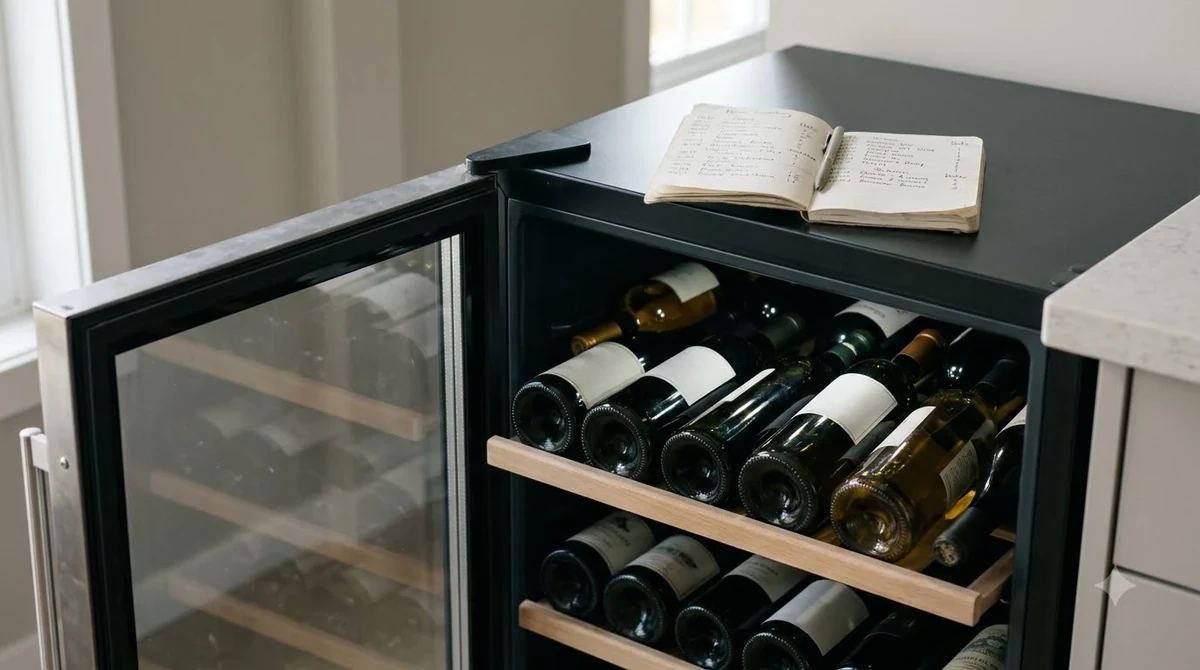
For longer storage, keep cork-finished bottles on their sides so the cork remains in contact with the wine. A temperature near 55°F is a useful target for a wine-storage environment. Consistency matters more than constantly adjusting the temperature, and bottles should be protected from vibration and bright light.
Not every bottle requires years of aging. Vintner’s Reserve Chardonnay is a practical choice for drinking while its fruit and freshness remain prominent. The same general principle applies to many accessible Sauvignon Blanc and Pinot Noir releases. More structured wines can sometimes benefit from additional bottle time, but buyers should not assume that every Kendall-Jackson red is designed for long-term cellaring.
Serving temperature should reflect the style. Light whites and rosé generally work well around 45°F to 50°F, while fuller-bodied whites are better around 50°F to 55°F. Light reds can be served around 55°F to 60°F, and fuller reds around 60°F to 65°F. The winery’s 50°F recommendation for its 2024 Chardonnay and 65°F recommendation for its 2022 Cabernet Sauvignon fit these general guidelines.
Allow a refrigerated bottle of Chardonnay a short period to warm slightly before serving if it is especially cold. This helps its fruit, citrus, and oak aromas become more apparent. For a Cabernet Sauvignon, avoid placing the bottle in a warm room for hours before dinner. A moderate serving temperature keeps the wine’s tannins and alcohol better balanced.
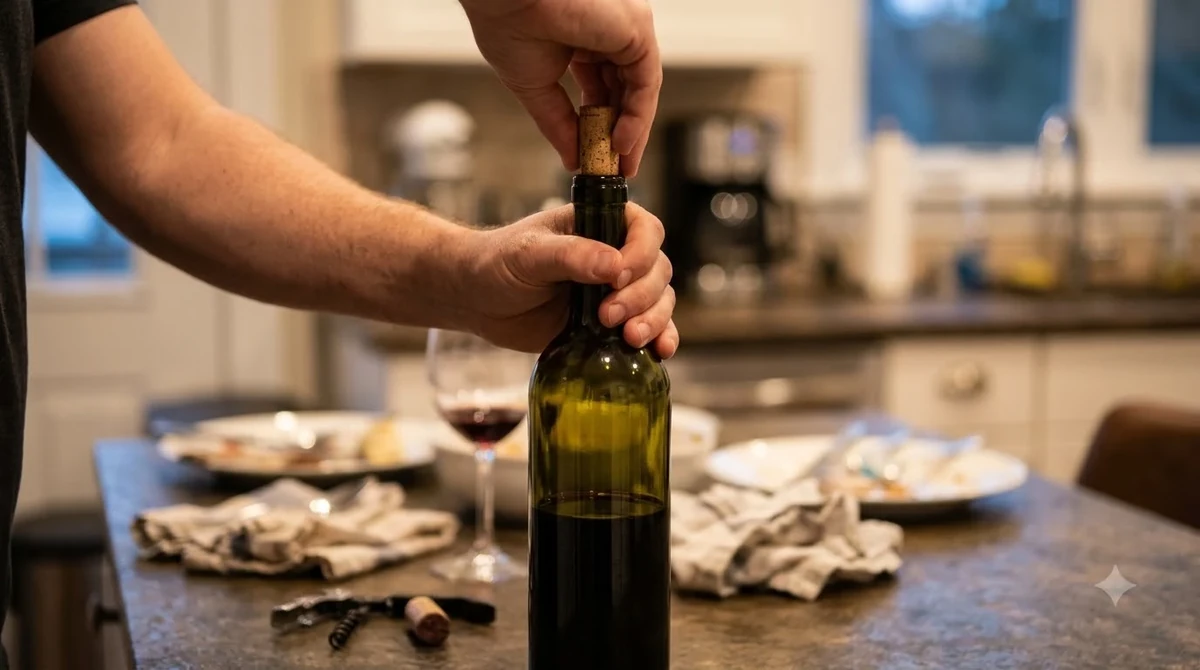
Once opened, store still wine in the refrigerator with a suitable closure. Most opened still wines remain enjoyable for approximately three to five days, although freshness varies with the wine and storage conditions. Minimize exposure to air by replacing the closure promptly after pouring.
A vacuum stopper can reduce oxygen exposure, while smaller storage bottles can help limit the amount of air above the wine. If a Chardonnay begins losing its fresh fruit character or a Cabernet develops stale, oxidized aromas, its best drinking window has probably passed. Do not leave an opened bottle on a kitchen counter for several days and expect its original flavor to remain unchanged.
Frequently Asked Questions
Where is Kendall-Jackson wine made?
Kendall-Jackson is based in Santa Rosa, California, and its winery and estate are located in Sonoma County. Its wines draw on vineyards from several California growing regions, including Lake County, Monterey County, Mendocino County, and Sonoma County. The specific region depends on the wine and vintage.
Who founded Kendall-Jackson?
Jess Jackson founded Kendall-Jackson with his family. Before establishing the winery, he purchased an 80-acre orchard in Lake County in 1974 and replanted it with Chardonnay vines. The winery’s first major milestone came with the inaugural Vintner’s Reserve Chardonnay vintage in 1983.
Does Kendall-Jackson offer wines made without oak aging?
Yes. Kendall-Jackson has offered its Avant Unoaked Chardonnay as an alternative to its oak-influenced Chardonnay styles. This provides an option for drinkers who prefer fruit and freshness without the familiar vanilla and toasted-oak characteristics of barrel-aged Chardonnay. Availability can vary by vintage and retailer.
Can Kendall-Jackson wine be purchased in half bottles?
Some Kendall-Jackson releases have been offered in 375 ml half-bottle formats. These are approximately half the volume of a standard 750 ml bottle and provide a practical option for smaller dinners. Availability depends on the specific wine and release.
Does Kendall-Jackson have a winery tasting room?
Yes. The Kendall-Jackson Wine Estate and Gardens is located at 5007 Fulton Road in Santa Rosa, California. Its experience includes a tasting room, culinary gardens, a demonstration kitchen, and an educational vineyard. Visitors should confirm current appointment requirements and opening arrangements directly with the estate before traveling.
Kendall-Jackson is a worthwhile producer to explore if you enjoy approachable California wines with recognizable fruit, balanced acidity, and carefully selected oak influence. Start with Vintner’s Reserve Chardonnay or Cabernet Sauvignon, then explore the other varieties and collections according to your preferred style. Comparing individual bottles by grape, vintage, and serving occasion is the most reliable way to find the Kendall-Jackson wine that belongs on your table.
More in Wine Brands
 Louis Latour Wine Price: Compare Bottles by Style and TierUpdated Nov 20, 2026
 Yellow Tail Moscato Price: What to Expect Before You BuyUpdated Nov 20, 2026
 Sutter Home Sweet Red Review: Find the Right Food PairingsUpdated Nov 20, 2026
 Franzia Chillable Red Review: Find the Right Serving StyleUpdated Nov 20, 2026
 Veuve Clicquot Rose Review: Flavor, Food Pairings and Buying AdviceUpdated Nov 20, 2026
 Rombauer Wine Price: Compare Bottles Before You BuyUpdated Nov 20, 2026