


We may earn a commission when you buy through links on this page, at no extra cost to you. Learn more.
Is chloe wine good? Yes, Chloe is a good choice for approachable, fruit-forward wines that offer recognizable varietal character and versatile drinking styles. Its collection includes crisp whites, smooth reds, refreshing rosé, and Italian Prosecco, making it suitable for casual dinners, entertaining, and everyday occasions. The best bottle depends on your preference for acidity, fruit, oak, and tannin rather than the brand name alone.
Chloe Wine Collection occupies an accessible part of the wine market, offering familiar grape varieties from established wine regions. Its range is particularly appealing to shoppers who want recognizable flavors without having to study complicated wine labels. However, different Chloe bottles deliver noticeably different experiences. A bright Marlborough Sauvignon Blanc is not going to taste like a creamy Monterey County Chardonnay, and a soft Pinot Noir has a different purpose from a fuller-bodied Cabernet Sauvignon.
This guide examines what Chloe does well, which bottles suit different preferences, how to compare its wines, and what to consider before purchasing. It also explains how to serve and store each style so that the wine tastes as intended.
Who Should Buy Chloe Wine?
Chloe is best suited to drinkers who enjoy accessible, fruit-forward wines with familiar varietal characteristics. Its selection of whites, reds, rosé, and sparkling wine makes it a practical option for households that want several different styles from one collection.

The collection is particularly useful for people who are still discovering their wine preferences. Someone who enjoys crisp white wines can begin with Pinot Grigio or Sauvignon Blanc, while someone who prefers richer textures can explore Chardonnay. Red wine drinkers have Pinot Noir, Merlot, and Cabernet Sauvignon to consider. Prosecco provides another option for celebrations and informal gatherings.
Chloe is also worth considering for casual entertaining. Its range makes it easier to accommodate different preferences without serving every guest the same grape variety. For example, a dinner party might include Sauvignon Blanc with appetizers, Pinot Noir with the main course, and Prosecco before dinner.
The collection’s background provides useful context. Chloe launched in 2014 as a premium-positioned collection from The Wine Group, initially featuring Valdadige DOC Pinot Grigio, Sonoma County Chardonnay, and North Coast Red No. 249. The company later expanded the range to include additional varietal wines and sparkling options. Beverage Information Group reported that Chloe received an Established Growth Brand Award in 2022.
That history establishes Chloe as a recognized commercial wine collection, but brand growth and industry recognition do not automatically mean every bottle will suit every drinker. The most useful assessment is still based on the wine’s individual characteristics, consistency, and intended occasion.
Chloe may be less suitable for shoppers whose main priorities are rare vineyard selections, highly distinctive small-production wines, or complex cellar-worthy bottles. Its appeal lies more in recognizable flavors, accessible styles, and versatility than in experimental winemaking.
For a wider introduction to different producers, grape varieties, and wine styles, the Wine Brands resource provides useful context when comparing collections beyond Chloe.
Key Factors to Compare Before Buying
The most useful way to evaluate Chloe is to compare grape variety, origin, flavor profile, structure, and intended occasion. These characteristics reveal more about the drinking experience than the appearance of the bottle or the reputation of the brand.
Start with grape variety. Pinot Grigio generally offers a lighter, fresher profile, while Sauvignon Blanc tends to have more pronounced acidity and citrus-driven character. Chardonnay can deliver a richer experience, particularly when buttery and toasted-oak notes are present. For red wine, Pinot Noir typically has lighter tannins than Merlot or Cabernet Sauvignon.
Origin also matters. Chloe Sauvignon Blanc comes from Marlborough, New Zealand, a region associated with aromatic, lively Sauvignon Blanc. Its Chardonnay and Pinot Noir are sourced from Monterey County, California. Chloe Pinot Grigio comes from Valdadige DOC in northern Italy, while its Prosecco comes from Italy’s Prosecco DOC region. These distinctions provide a useful starting point for understanding the different bottles.
Use the following comparison to narrow down the selection before purchasing.
| Chloe wine | Origin | Typical flavor direction | Best suited to |
|---|---|---|---|
| Pinot Grigio | Valdadige DOC, Italy | Peach, melon, apple | Light meals and casual sipping |
| Sauvignon Blanc | Marlborough, New Zealand | Citrus, lychee, pineapple | Seafood and fresh salads |
| Chardonnay | Monterey County, California | Apple, pear, butter, vanilla | Roasted chicken and creamy dishes |
| Pinot Noir | Monterey County, California | Strawberry, plum, cherry | Salmon and roasted poultry |
| Merlot | California | Blackberry, plum, mocha | Burgers and roasted meats |
| Cabernet Sauvignon | California | Black cherry, chocolate, coffee | Steak and rich meat dishes |
| Rosé | California | Strawberry, raspberry, watermelon | Picnics and light appetizers |
| Prosecco | Prosecco DOC, Italy | Peach, green apple, citrus | Brunch and celebrations |
Another consideration is the difference between aroma and sweetness. A wine that smells strongly of peach or pineapple is not necessarily sweet. Fruit aromas can be prominent in dry wines, particularly aromatic whites. If sweetness is important, distinguish between fruity flavor and actual residual sugar rather than assuming that a tropical aroma means a sweet wine.
Acidity is equally important. High-acid Sauvignon Blanc generally tastes more refreshing and works well with acidic dishes. Chardonnay usually has medium acidity and can be a better match for richer sauces. Red wine drinkers should pay attention to tannin: Cabernet Sauvignon typically has high tannin, Merlot has medium and softer tannins, and Pinot Noir usually has low-to-medium tannin with relatively high acidity.
Tip: Choose the grape variety before choosing the bottle. If you enjoy citrus and refreshing acidity, start with Sauvignon Blanc. If you prefer creamy textures and softer fruit flavors, consider Chardonnay. If you want a lighter red, Pinot Noir is a sensible starting point.
It is also helpful to compare the producer’s descriptions with the characteristics of the grape itself. Chloe’s official wine collection presents the current range, including its white, red, rosé, and sparkling selections. This provides a useful way to distinguish individual bottles rather than assuming that every wine under the same label has a similar flavor.
Step-by-Step: How to Choose the Right Chloe Bottle
Choosing a suitable Chloe wine becomes much easier when the decision is broken into a few practical steps. Start with the occasion, establish your preferred style, and then match the wine to the food and serving temperature.
-
Decide whether you want white, red, rosé, or sparkling wine.
For an afternoon gathering, Pinot Grigio, Sauvignon Blanc, and Prosecco are useful starting points. For a dinner centered on meat or roasted vegetables, Pinot Noir, Merlot, or Cabernet Sauvignon may be more appropriate. Rosé works well when you want something between the lightness of many whites and the structure of red wines.
-
Identify your preferred flavor profile.
Choose Pinot Grigio for peach, melon, and apple notes. Sauvignon Blanc offers more pronounced citrus, lychee, and pineapple characteristics. Chardonnay brings apple, pear, and potentially buttery or vanilla notes. For reds, compare the strawberry and cherry character of Pinot Noir with the darker blackberry and mocha profile of Merlot.
-
Consider acidity and tannin.
If you dislike heavy reds, avoid beginning with a strongly structured Cabernet Sauvignon. Pinot Noir is generally a more approachable alternative because its tannins are lower. For white wine, Sauvignon Blanc is a good choice if you enjoy refreshing acidity, while Chardonnay is more appropriate if you prefer a softer-feeling wine.
-
Match the wine to the food.
Pair Sauvignon Blanc with grilled shrimp, goat cheese, or citrus-dressed salads. Choose Chardonnay for roast chicken, creamy pasta, and grilled vegetables. Pinot Noir works with roast turkey, mushroom dishes, and salmon. Cabernet Sauvignon is better suited to steak, lamb, and other rich meat dishes.
-
Consider the serving occasion.
For a celebratory toast, choose Prosecco. For a relaxed meal, select a still white or red according to the menu. If guests have different preferences, serving both a white and a red provides a straightforward solution.
-
Check the bottle’s origin and style information.
Look at the grape variety, regional designation, vintage where applicable, and alcohol information. Chloe includes wines from Italy, New Zealand, and California, so origin can help distinguish the intended style of one bottle from another.
-
Serve the wine at an appropriate temperature.
Light whites and rosé generally show best around 45 to 50 degrees Fahrenheit. Fuller whites such as Chardonnay are better around 50 to 55 degrees. Light reds such as Pinot Noir benefit from 55 to 60 degrees, while fuller reds are generally served around 60 to 65 degrees.
These steps also help prevent a common purchasing problem: selecting a wine simply because its name is familiar. A good bottle for one person’s preferences may be disappointing to someone who expects a completely different style.
For instance, someone who normally drinks sweet Moscato might find a dry Sauvignon Blanc too sharp. A person who enjoys powerful Cabernet Sauvignon might find Pinot Noir too delicate. The right choice is the bottle that matches the drinker’s expectations and the meal.
Chloe Wine Types and Styles Explained
Chloe offers several distinct wine categories, each with a different balance of fruit, acidity, body, and structure. Understanding the differences makes it easier to identify the strongest candidates for your preferences.
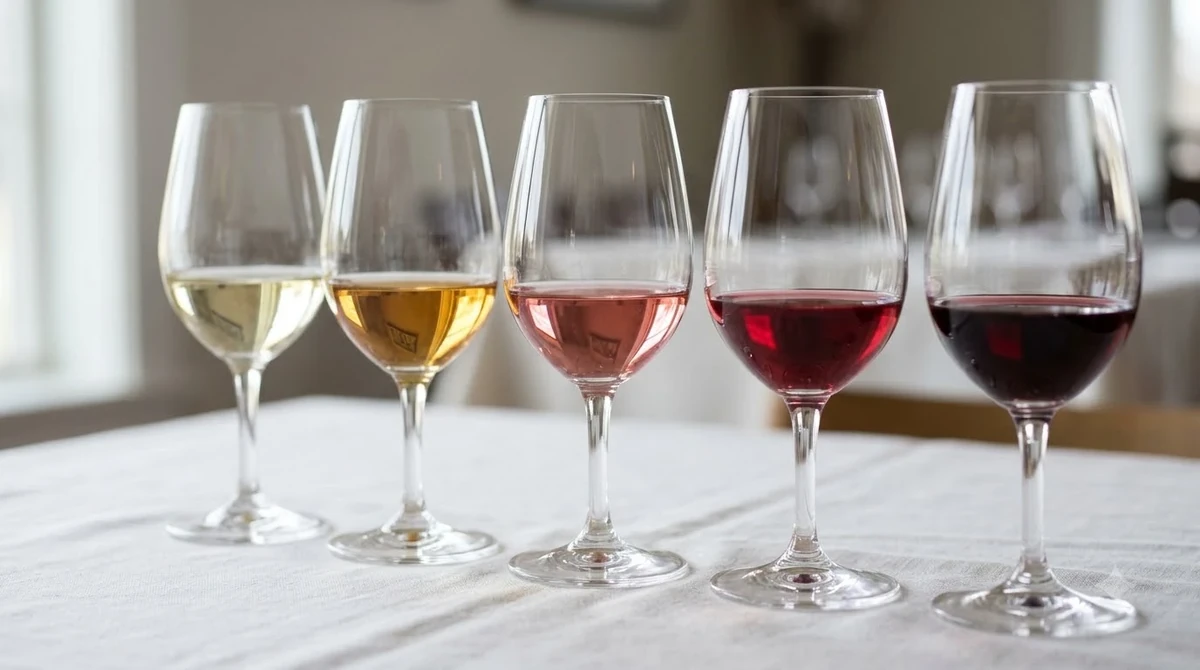
Pinot Grigio: A Fresh, Easygoing White
Chloe Pinot Grigio comes from Valdadige DOC in northern Italy. Its producer describes white peach, soft melon, crisp apple, floral honeysuckle, and a subtle Meyer lemon note. These familiar fruit characteristics make it suitable for casual drinking and a range of uncomplicated meals.
Pinot Grigio is generally associated with a lighter body and refreshing acidity. It works well with grilled shrimp, light pasta, fresh salads, and mild cheeses. Serve it at approximately 45 to 50 degrees Fahrenheit to emphasize its refreshing character.
For shoppers who enjoy Italian-inspired white wines, Chloe Pinot Grigio is an obvious bottle to investigate. The Chloe white wine collection is also useful for comparing the brand’s different white varieties.
Sauvignon Blanc: Crisp and Aromatic
Chloe Sauvignon Blanc comes from Marlborough, New Zealand. The producer describes citrus, ripe lychee, juicy pineapple, tropical aromas, and a crisp finish. This profile makes it an appealing option for people who enjoy lively, aromatic white wine.
Sauvignon Blanc is typically high in acidity, which makes it particularly suitable for seafood, goat cheese, green vegetables, and salads with citrus dressing. It is also a good option for grilled fish and shellfish because its freshness can complement delicate flavors.
This wine is not the ideal choice for everyone. Drinkers who prefer soft, creamy whites may find its acidity too pronounced. If that sounds familiar, Chardonnay may be a more comfortable alternative.
Chardonnay: Richer Fruit and Creamy Texture
Chloe Chardonnay comes from Monterey County, California. Its producer describes apple, pear, and citrus alongside creamy butter, vanilla, and toasted oak characteristics. The wine is presented as balanced, with a creamy mid-palate and silky finish.
Chardonnay is one of the more versatile white grape varieties because its style can range from fresh and restrained to rich and full-bodied. Chloe’s described flavor profile makes it particularly interesting for people who enjoy a softer, more rounded white wine.
Pair it with roasted chicken, creamy mushroom pasta, grilled corn, or dishes featuring butter-based sauces. Serve it around 50 to 55 degrees Fahrenheit. Excessive chilling can mute some of its richer aromas and textures.
Pinot Noir: A Softer Red Wine
Chloe Pinot Noir comes from Monterey County, California, and is described as having strawberry, plum, black cherry, clove, and vanilla characteristics. Its fruit-forward style and velvety mouthfeel make it an appealing choice for drinkers who want red wine without the pronounced tannins of Cabernet Sauvignon.
Pinot Noir generally has low-to-medium tannin and relatively high acidity. This combination makes it particularly flexible at the dinner table. Try it with roast turkey, mushroom risotto, grilled salmon, or roasted chicken.
Serve it at approximately 55 to 60 degrees Fahrenheit. Slightly cooler serving temperatures can help maintain freshness and keep the fruit character balanced.
Merlot: Smooth, Dark Fruit Character
Chloe Merlot is described as full-bodied, with blackberry, black cherry, plum, mocha, vanilla, and spice characteristics. The producer emphasizes a fruit-forward profile, making it a candidate for people who enjoy darker fruit flavors.
Merlot generally has medium tannin and a softer texture than Cabernet Sauvignon. It is therefore a useful middle ground for people who want a substantial red without particularly aggressive tannins.
Try it with burgers, meatloaf, grilled sausages, or roasted vegetables. Its dark fruit character also works well with dishes containing mushrooms and herbs.
Cabernet Sauvignon: More Structure and Intensity
Chloe Cabernet Sauvignon is described with black cherry, dark chocolate, coffee, and spice notes. Cabernet Sauvignon is typically a higher-tannin variety, so it tends to feel more structured than Pinot Noir or Merlot.
This style is better suited to people who enjoy fuller-bodied reds. It can accompany grilled steak, lamb, rich tomato-based dishes, and hard cheeses. Salt and fat can soften the perception of tannin, which explains why structured reds often work well with rich meat dishes.
Drinkers who prefer light-bodied wines or dislike a drying sensation should consider Pinot Noir or Merlot instead.
Rosé and Prosecco: For Informal Entertaining
Chloe Rosé features strawberry, raspberry, and watermelon notes. Its fruit-forward character makes it suitable for warm-weather meals, picnics, appetizers, and grilled seafood. Rosé is particularly useful when guests want something refreshing without moving toward a traditional red wine.
Chloe Prosecco comes from Prosecco DOC in Italy and offers peach, green apple, citrus, floral notes, and fine bubbles. Its elegant acidity and crisp finish make it an appealing option for brunch, celebrations, and informal gatherings.
Prosecco is typically made primarily from Glera grapes using the tank method, which preserves its fresh fruit character. It differs from Champagne and Cava, which undergo their second fermentation in the bottle. For a more detailed look at the sparkling selection, the Chloe Prosecco guide can help distinguish its style from still white wine and other sparkling categories.
Common Mistakes When Buying Chloe Wine
Even a recognizable wine collection can be disappointing if the bottle does not match the drinker’s preferences. Most purchasing mistakes involve confusing sweetness with fruitiness, ignoring acidity, or choosing a wine without considering its intended food pairing.
The first mistake is assuming that fruity wine must be sweet. Chloe Sauvignon Blanc, for example, has tropical fruit aromas, but those aromas do not automatically mean that the wine tastes sugary. Citrus, lychee, and pineapple can appear in dry wines. Anyone who wants a genuinely sweet wine should investigate its sweetness level rather than relying on the fruit descriptions.
The second mistake is choosing a red wine based only on its body. A full-bodied wine is not necessarily the best choice for someone who dislikes tannin. Cabernet Sauvignon typically has more tannin than Pinot Noir, while Merlot occupies a middle position. A shopper who wants smooth, easygoing red wine should consider these differences before selecting a bottle.
Another mistake is serving all white wines at the same temperature. Light Pinot Grigio and Sauvignon Blanc generally benefit from 45 to 50 degrees Fahrenheit, while Chardonnay often shows more complexity around 50 to 55 degrees. Serving every white directly from an extremely cold refrigerator can reduce the expression of aroma and flavor.
Food pairing is another frequent source of disappointment. Acidic dishes need wines with equal or higher acidity. A Sauvignon Blanc can work with a lemon-dressed seafood salad because its freshness can stand up to the dressing. A softer white wine may taste less balanced alongside the same dish.
Likewise, avoid pairing strongly tannic reds with delicate oily fish. The combination can produce an unpleasant metallic impression. Pinot Noir is generally a more suitable red wine for salmon than a powerful Cabernet Sauvignon.
Another mistake is choosing a wine based only on its country of origin. Italy produces many different styles, and Chloe’s Italian Pinot Grigio is quite different from its Italian Prosecco. The first is a still white wine, while the second is sparkling. The grape variety and production method are just as important as the country.
Finally, avoid expecting every bottle in the Chloe range to taste alike. The collection includes wines from different countries, grape varieties, and production styles. A Prosecco from Italy and a Sauvignon Blanc from New Zealand are designed to deliver different experiences. Comparing them as though they were interchangeable products creates unrealistic expectations.
Serving, Opening, and Storage Tips
Correct serving and storage conditions can make a meaningful difference to Chloe wine. Temperature, glass size, oxygen exposure, and storage position all influence how a bottle performs after purchase.
For still wines, a standard serving is approximately 5 ounces. A typical 750 ml bottle therefore provides about five standard glasses. This is a useful planning figure when deciding how many bottles to purchase for a dinner or gathering.
Use the following temperature guidelines for the different wine categories:
- Pinot Grigio: 45 to 50 degrees Fahrenheit.
- Sauvignon Blanc: 45 to 50 degrees Fahrenheit.
- Chardonnay: 50 to 55 degrees Fahrenheit.
- Rosé: 45 to 50 degrees Fahrenheit.
- Prosecco: 40 to 50 degrees Fahrenheit.
- Pinot Noir: 55 to 60 degrees Fahrenheit.
- Merlot and Cabernet Sauvignon: 60 to 65 degrees Fahrenheit.
These temperatures are starting points rather than strict rules. If a Chardonnay seems too cold and restrained, allowing it to warm slightly in the glass can reveal more of its apple, pear, and vanilla characteristics. Similarly, a red wine served excessively warm may taste more alcoholic and less balanced.
Prosecco requires slightly different handling because its bubbles are an important part of the experience. Chill it before opening, avoid shaking the bottle, and open it carefully while keeping control of the cork. A sparkling wine stopper helps preserve carbonation if the bottle is not finished immediately.
For still red wines, decanting is not always necessary. A young, full-bodied red may benefit from approximately 30 to 60 minutes of aeration, depending on its structure and personal preference. Lighter Pinot Noir generally does not need the same treatment.
Storage matters as well. Keep unopened bottles in a cool, dark location with stable temperatures. A temperature near 55 degrees Fahrenheit is a useful target for longer-term wine storage. Bottles with traditional cork closures are generally stored on their sides to keep the cork from drying out.
After opening, refrigerate still white and red wines and aim to finish them within approximately three to five days. Sparkling wines are generally best consumed within one to three days, using a suitable sparkling stopper. Bag-in-box wines can remain usable for approximately four to six weeks after opening because the packaging limits oxygen exposure.
Do not leave an opened bottle of Sauvignon Blanc, Pinot Grigio, or Chardonnay on a warm kitchen counter for several days. Oxygen and heat gradually reduce freshness, particularly in aromatic white wines. Refrigeration slows this deterioration, even for red wine.
These simple practices help preserve the intended fruit character and balance of the wine. They are especially useful when a bottle is being shared over multiple meals rather than finished on the evening it is opened.
Frequently Asked Questions
Is Chloe wine considered a good-quality wine brand?
Chloe occupies an accessible premium position, with wines sourced from recognized regions and made in familiar varietal styles. The Wine Group received an Established Growth Brand Award for Chloe in 2022. Its collection is best judged as a versatile everyday and entertaining option rather than a specialist range of rare collectible wines.
Who makes Chloe Wine Collection?
Chloe Wine Collection belongs to The Wine Group, a privately held wine company headquartered in Livermore, California. The collection was originally developed by Georgetta Dane, and the current winemaker is Andrea Brambila. Brambila’s work includes sourcing grapes internationally for the collection.
Does Chloe make alcohol-removed wine?
Yes. Chloe’s portfolio includes an alcohol-removed Pinot Grigio featuring lemon, lime, and green apple characteristics. This is a separate offering from the standard alcoholic Pinot Grigio. The collection also includes Chloe Lighter, another distinct offering in its portfolio.
Does Chloe produce wine from more than one country?
Yes. Its portfolio includes wines sourced from California, Italy, and New Zealand. For example, its Chardonnay and Pinot Noir come from Monterey County, its Sauvignon Blanc comes from Marlborough, and its Prosecco comes from Italy’s Prosecco DOC region. This international sourcing gives the collection a wider range of wine styles.
Can Chloe wine be used in cooking?
Yes. Chloe Chardonnay can be used in cream sauces, risotto, and dishes involving sautéed mushrooms, while Sauvignon Blanc works in lighter seafood sauces and marinades. Pinot Noir and Merlot can contribute fruit and depth to certain meat sauces. Use a wine whose flavor profile complements the recipe, and avoid adding excessive quantities to dishes that require delicate seasoning.
Overall, Chloe is a worthwhile collection to consider if you want approachable wines with recognizable fruit flavors, several grape varieties, and options for different occasions. Sauvignon Blanc and Pinot Grigio are sensible starting points for white wine drinkers, while Pinot Noir and Merlot offer approachable red alternatives. Compare the styles before choosing, and select the bottle that best matches your food, preferences, and occasion.
More in Wine Brands
 Louis Latour Wine Price: Compare Bottles by Style and TierUpdated Nov 20, 2026
 Yellow Tail Moscato Price: What to Expect Before You BuyUpdated Nov 20, 2026
 Sutter Home Sweet Red Review: Find the Right Food PairingsUpdated Nov 20, 2026
 Franzia Chillable Red Review: Find the Right Serving StyleUpdated Nov 20, 2026
 Veuve Clicquot Rose Review: Flavor, Food Pairings and Buying AdviceUpdated Nov 20, 2026
 Rombauer Wine Price: Compare Bottles Before You BuyUpdated Nov 20, 2026