


We may earn a commission when you buy through links on this page, at no extra cost to you. Learn more.
Is cakebread wine good? Yes, Cakebread Cellars makes consistently appealing Napa Valley wines, particularly Chardonnay and Cabernet Sauvignon, with quality vineyard sourcing, balanced winemaking, and recognizable varietal character. The winery also produces Sauvignon Blanc, Merlot, Pinot Noir, rosé, and other styles for different preferences and occasions. Its bottles are especially worth considering if you enjoy California wines with ripe fruit, polished textures, and enough structure to accompany food.
Cakebread Cellars has been a recognizable Napa Valley producer since 1973, beginning with a Chardonnay that established the winery’s identity. Its range now draws on vineyards across Napa Valley and Anderson Valley, giving buyers several ways to explore the producer’s approach. However, the name alone does not guarantee that every bottle will suit every palate. Understanding the differences between its whites, reds, vineyard-designated wines, and more accessible selections makes choosing much easier.
Who Should Consider Cakebread Wine?
Cakebread is a strong option for drinkers who appreciate recognizable California grape varieties, ripe fruit flavors, and carefully structured wines. Its range is particularly suitable for Chardonnay and Cabernet Sauvignon fans who want dependable bottles for dinners, entertaining, and meaningful occasions.
The winery was founded by Jack and Dolores Cakebread in Rutherford, California. Their first wine, a 1973 Napa Valley Chardonnay, established a tradition that continues to influence the winery’s identity. According to its official history, the original release comprised 157 cases. Cakebread subsequently introduced its first Cabernet Sauvignon from the 1974 vintage, released in 1976.
That history matters because the winery did not build its reputation around a single fashionable variety. Chardonnay and Cabernet Sauvignon became important foundations, while additional vineyards and grape varieties allowed the portfolio to develop. Today, its vineyard holdings span Napa Valley and Anderson Valley, giving it access to different climates and growing conditions.
Cakebread is particularly appealing to several types of wine drinkers:
- Chardonnay enthusiasts: Buyers who enjoy citrus, apple, pear, subtle oak, and a rounded texture will find its Chardonnay range worth exploring.
- Cabernet Sauvignon fans: Those who prefer dark fruit, firmer tannins, and a fuller-bodied red can investigate its Napa Valley and vineyard-specific Cabernet offerings.
- Entertainers: A selection of Chardonnay, Sauvignon Blanc, and Cabernet Sauvignon provides different pairing options for a dinner with several courses.
- California wine explorers: Buyers interested in how Carneros, Rutherford, Anderson Valley, and Howell Mountain influence different wines can use Cakebread as a starting point.
- Special-occasion buyers: Its more structured reds and distinctive vineyard selections can suit celebrations and thoughtful wine gifts.
There are also reasons to consider another producer. Drinkers who prefer inexpensive everyday bottles, very light-bodied reds, minimal oak influence, or extremely crisp and lean whites may find some Cakebread selections richer than their preferred style. Its more ambitious wines are also not necessarily the right choice for someone who simply wants an uncomplicated bottle for casual weekday drinking.
The best approach is to match the individual wine to the occasion rather than assuming every bottle from one winery has the same character. Someone who enjoys a fresh Sauvignon Blanc may have very different expectations from someone shopping for a cellar-worthy Cabernet Sauvignon.
Key Factors to Compare Before Buying
The most useful comparisons are grape variety, vineyard origin, acidity, body, tannin, and winemaking choices. These factors explain why Cakebread Chardonnay and Cabernet Sauvignon can offer very different drinking experiences despite sharing the same producer.
| Factor | What to Look For | Why It Matters |
|---|---|---|
| Grape variety | Chardonnay, Sauvignon Blanc, Cabernet Sauvignon, Merlot, Pinot Noir | Determines the basic flavor, body, acidity, and tannin profile. |
| Region | Napa Valley, Carneros, Anderson Valley, Howell Mountain | Different climates and soils influence ripeness and structure. |
| Body | Light, medium, or full | Helps match the wine to food and personal preferences. |
| Acidity | Medium to high, depending on grape variety | Controls freshness and helps balance rich dishes. |
| Tannin | Low, medium, or high | Especially important when selecting a red wine. |
| Oak treatment | Stainless steel, neutral oak, or new French oak | Influences texture and potential vanilla, toast, and spice notes. |
| Alcohol | Compare the percentage on the bottle | Helps set expectations about warmth and weight. |
| Occasion | Casual dinner, entertaining, gifting, or collecting | Helps determine the appropriate style and level of complexity. |
Vineyard origin deserves particular attention. Cakebread’s Carneros vineyards benefit from cooling influences associated with San Pablo Bay. The winery identifies this area as especially suitable for Chardonnay because its cool, windy conditions and shallow loam soils help preserve acidity. This explains why Carneros is an important part of the producer’s white-wine identity.
For reds, the vineyard story changes. Cakebread’s Suscol Springs property sits in the Vaca mountain range southeast of Napa, where rocky, well-draining soils and cooler conditions contribute to its Cabernet Sauvignon, Merlot, and Syrah. Its Dancing Bear Ranch on Howell Mountain occupies elevations from approximately 1,450 to more than 1,600 feet, providing another distinct growing environment.
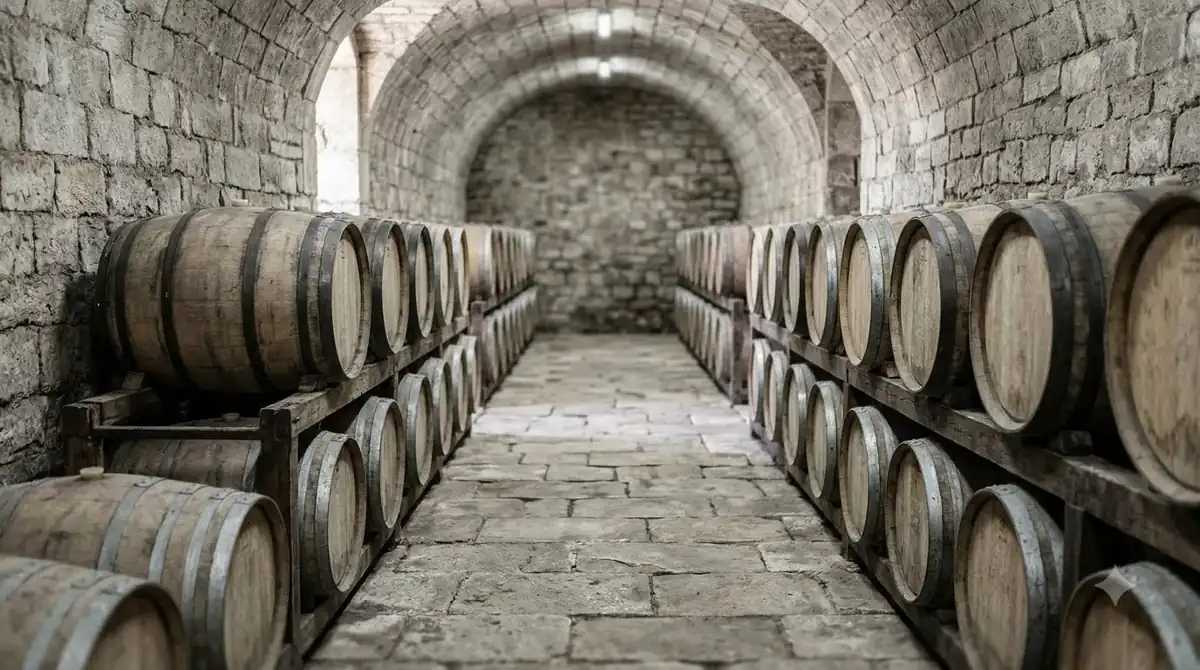
Oak treatment is another useful comparison. Chardonnay can become richer and rounder through barrel fermentation and aging, while Sauvignon Blanc generally emphasizes freshness and aromatic fruit. A producer’s use of oak does not automatically indicate better quality; the important question is whether the treatment complements the grape and preserves balance.
For a concrete example, Cakebread’s 2022 Napa Valley Chardonnay technical information identifies 100% Chardonnay, eight months of barrel aging, 29% new French oak, and 9.5% malolactic fermentation. Those details help explain its combination of rounded texture, subtle oak character, and refreshing acidity. They should be understood as specifications for that particular vintage rather than assumed to apply identically to every release.
Buyers can also explore the dedicated Cakebread wine overview to compare the producer’s wider selection before settling on a particular bottle.
Step-by-Step: How to Choose the Right Bottle
Choosing Cakebread becomes easier when the decision starts with your preferred grape and food pairing instead of the winery name. A simple five-step process helps narrow the selection without requiring advanced wine knowledge.
-
Decide whether you want white or red wine.
Begin with the meal or occasion. Chardonnay and Sauvignon Blanc are useful choices for seafood, poultry, and vegetable dishes, while Cabernet Sauvignon and Merlot are more suitable for many red-meat meals. Pinot Noir offers another direction when a lighter red is preferable.
-
Choose your preferred flavor profile.
For citrus, apple, and pear, investigate Chardonnay. For brighter citrus and tropical fruit aromas, consider Sauvignon Blanc. If you prefer blackberry, cassis, and darker fruit, Cabernet Sauvignon is a natural starting point. Merlot and Pinot Noir provide alternatives with different levels of tannin and body.
-
Compare the vineyard or regional designation.
Napa Valley provides a broad regional identity, while Carneros offers an important source of Cakebread Chardonnay. Anderson Valley is associated with its Pinot Noir vineyards, and Howell Mountain is home to Dancing Bear Ranch. These locations provide meaningful clues about the style you can expect.
-
Consider how much structure you enjoy.
Cabernet Sauvignon generally has high tannin, while Merlot has medium tannin and a softer feel. Pinot Noir typically has low-to-medium tannin and higher acidity. If you are unsure about bold reds, starting with Merlot or Pinot Noir may be more comfortable than choosing a powerful Cabernet.
-
Match the bottle to the occasion.
A fresh white wine can work well for a summer lunch, while a more structured red can be a better fit for a holiday meal or formal dinner. Consider the number of guests, the food being served, and whether the wine will be opened immediately or held for another occasion.
For a first purchase, it is generally sensible to choose the winery’s signature Chardonnay if you already enjoy fuller California whites. Buyers who prefer red wine can begin with Merlot or Cabernet Sauvignon, depending on how much tannin they enjoy. Those interested in comparing several styles should select bottles from different grape varieties rather than purchasing several wines that share nearly identical characteristics.
Tip: If you are buying Cakebread for a dinner party, select the wine after deciding on the main dish. A balanced Chardonnay is a versatile option for poultry and seafood, while Cabernet Sauvignon generally works better with richer, protein-heavy meals.
Another practical consideration is bottle age. A current-release white is usually a straightforward choice for someone who wants fresh fruit and acidity. More structured Cabernet Sauvignon can offer additional complexity with bottle aging, but storage conditions and the particular vintage matter. Do not assume that every bottle needs years in a cellar before it becomes enjoyable.
Cakebread Wine Types and Styles Explained
Cakebread produces several distinct wine styles, so its reputation cannot be evaluated through Chardonnay or Cabernet Sauvignon alone. Understanding the main varieties helps identify which bottles are most likely to match your preferences.
Chardonnay
Chardonnay is one of the winery’s defining wines. Its history goes back to the inaugural 1973 release, and Cakebread continues to source Chardonnay from the cool Carneros appellation. The area’s foggy mornings and gradual ripening conditions help retain freshness while developing ripe fruit character.
The 2022 Napa Valley Chardonnay technical information describes aromas of green apple, lemon, and pear, followed by melon, lemon curd, crème brûlée, and vanilla. Its medium body and fresh acidity make it a useful choice for people who enjoy a combination of fruit, texture, and restrained oak influence.
For a more detailed buying decision, see the Cakebread Chardonnay discussion, especially if you want to compare its white-wine characteristics with other California Chardonnay styles.
Cabernet Sauvignon
Cabernet Sauvignon is the natural choice for drinkers who prefer a more substantial red. It generally has high tannin, dark-fruit flavors, and enough structure to complement beef, lamb, and other richly flavored dishes. Cakebread’s Napa Valley vineyard portfolio includes Rutherford and Oakville sites, while its mountain vineyards offer additional expressions.
Dancing Bear Ranch is especially interesting because of its Howell Mountain location. The winery identifies Cabernet Sauvignon, Merlot, and Cabernet Franc among the varieties grown there. Its elevation, rocky soils, and diverse exposures distinguish it from warmer valley-floor vineyards.
Cabernet Sauvignon is not automatically the best bottle for every red-wine drinker. Its firmer tannins can feel intense without food, particularly for someone who normally chooses lighter reds. If you enjoy substantial wines with grilled beef or aged hard cheese, however, it is a sensible place to begin.
Merlot
Merlot offers an alternative for buyers who want red-wine depth without the more assertive tannin profile typically associated with Cabernet Sauvignon. Its medium tannin and softer structure can make it more approachable alongside roast chicken, pork, mushroom dishes, and moderately rich pasta.
Cakebread grows Merlot at Suscol Springs and Dancing Bear Ranch. These vineyard origins are useful to understand because the grape can express different levels of concentration and structure depending on its growing conditions and winemaking.
Sauvignon Blanc
Sauvignon Blanc is a good choice for drinkers who prefer aromatic white wine with lively acidity. It generally shows citrus, herbal, and sometimes tropical-fruit characteristics, making it useful with seafood, salads, and dishes featuring fresh herbs.
There is independent support for Cakebread’s Sauvignon Blanc quality. Wine Enthusiast awarded its reviewed 2024 North Coast Sauvignon Blanc 89 points, placing it in the publication’s Very Good category. Reviewer Tonya Pitts described kiwi, white peach, citrus, honeycomb, Meyer lemon, papaya, and yellow apple, with mineral notes on the finish.
Read the Wine Enthusiast review of Cakebread’s 2024 Sauvignon Blanc for an independent example of how one of its white wines performs. Remember that this assessment applies to that specific wine and vintage, not every bottle carrying the Cakebread name.
Pinot Noir and Rosé
Cakebread also produces wines from Anderson Valley, where its Annahala Ranch and Apple Barn vineyards provide different growing conditions. Annahala Ranch is closer to the coast and receives more fog, while Apple Barn receives longer stretches of sunlight. The winery associates these differences with distinct fruit profiles.
Pinot Noir is generally lighter in tannin than Cabernet Sauvignon, with higher acidity and red-fruit characteristics. It can work particularly well with roast poultry, salmon, mushroom dishes, and pork. Rosé offers another option for warm-weather meals and casual entertaining, particularly when a full-bodied red would feel too heavy.

These varieties make the overall portfolio more versatile. Someone who enjoys Cakebread Chardonnay does not necessarily need to choose Cabernet Sauvignon for the next bottle. Exploring Pinot Noir or Sauvignon Blanc can reveal a different side of the producer’s winemaking approach.
Common Mistakes When Buying Cakebread
The biggest buying mistake is assuming that all Cakebread wines have the same body, oak influence, price positioning, or aging potential. A few straightforward checks can prevent disappointment and help you select a bottle that suits the occasion.
Assuming every Chardonnay tastes the same
Chardonnay can vary considerably according to vineyard origin, vintage, fermentation, and oak aging. Cakebread’s Carneros-focused approach helps preserve acidity, but individual releases can still differ in ripeness and texture. The 2022 technical details, for example, describe eight months of barrel aging and a measured amount of malolactic fermentation.
Buyers who dislike creamy or oak-influenced whites should pay particular attention to the production approach. A preference for crisp, stainless-steel-fermented Chardonnay does not necessarily mean that a barrel-aged Napa example will be equally enjoyable.
Choosing Cabernet Sauvignon without considering tannin
Cabernet Sauvignon is naturally more tannic than Merlot and Pinot Noir. That structure is part of its appeal, but it can become tiring for drinkers who prefer softer reds. Consider the meal as well as the grape: protein, fat, and salt can soften the perception of tannin, making a substantial Cabernet more harmonious with food.
Buying by reputation instead of grape variety
A recognized winery name can create expectations, but personal preference remains important. Someone who enjoys light Pinot Noir may not appreciate a powerful Cabernet Sauvignon simply because it comes from a respected Napa producer.
Instead, identify the characteristics you enjoy first. If you like fresh acidity and citrus, begin with Sauvignon Blanc. If you prefer rich fruit and moderate oak, explore Chardonnay. For dark fruit and a structured finish, consider Cabernet Sauvignon.
Ignoring food pairing
Even a well-made wine can seem unbalanced alongside the wrong dish. Highly acidic foods need wine with equal or greater acidity. Salt and fat can soften tannin, while chili heat can become more pronounced alongside high-alcohol or tannic wines.
For example, a Cabernet Sauvignon can be a satisfying companion to grilled steak, but it is not the ideal match for delicate oily fish. A fresh white or lighter Pinot Noir is generally a better starting point for those dishes.
Expecting every bottle to improve with age
Some structured Cabernet Sauvignon wines can develop additional complexity with proper cellaring, but not every wine is intended for long-term storage. Fresh Sauvignon Blanc and many Chardonnay releases are enjoyable relatively young. Vintage, acidity, tannin, oak, and storage conditions all influence how a wine develops.
For buyers who want an uncomplicated experience, choosing a bottle intended for earlier drinking is often more sensible than purchasing a wine solely because it might age well.
Serving and Storage Tips for Better Drinking
Correct serving temperature and storage conditions help Cakebread wines show their intended balance. A few degrees can change how acidity, alcohol, oak, and tannin are perceived, particularly in fuller whites and structured reds.
Serve white wines at the right temperature
Serve light-bodied whites and rosé at approximately 45–50°F. Fuller-bodied whites such as Chardonnay generally show better at 50–55°F. Very cold Chardonnay can hide its fruit and texture, while an overly warm bottle may emphasize alcohol and make the wine seem heavy.
Sauvignon Blanc generally benefits from the cooler end of the white-wine range. Chardonnay can be served slightly warmer, allowing its texture, fruit, and subtle oak notes to become more apparent.
Give red wines enough time to breathe
Light reds such as Pinot Noir are generally best served around 55–60°F, while fuller-bodied reds such as Cabernet Sauvignon are suited to approximately 60–65°F. Serving a red at ordinary warm room temperature can make its alcohol feel more prominent than its fruit and acidity.
Young, full-bodied Cabernet Sauvignon may benefit from 30–60 minutes of decanting. This gives the wine time to interact with oxygen and can make its aromas more expressive. Decanting is not mandatory for every bottle, however, and lighter Pinot Noir generally requires less aggressive aeration.
Store unopened bottles correctly
Keep bottles in a cool, dark location near 55°F, away from direct sunlight and significant temperature fluctuations. Bottles with natural corks should generally be stored horizontally to keep the cork from drying out. Avoid keeping valuable wines near ovens, radiators, or other sources of heat.
Consistent conditions matter more than occasional changes in temperature. A wine stored at a reasonably stable temperature is generally in a better position to develop than one repeatedly exposed to warm and cold environments.
Preserve opened bottles
After opening, reseal still wine and store it in the refrigerator. Most opened still wines remain in good drinking condition for approximately three to five days, depending on the wine, exposure to oxygen, and closure. Sparkling wine typically lasts around one to three days when properly sealed with a suitable sparkling-wine stopper.
Before serving refrigerated red wine again, allow it to warm slightly toward its recommended serving range. A standard 750 ml bottle provides approximately five 5-ounce glasses, making it easy to estimate how much wine to purchase for a meal.
These simple practices help preserve the character of a good bottle without requiring a specialized cellar. For more structured reds, consistent storage is especially important if the intention is to hold them for several years.
Frequently Asked Questions
Is Cakebread considered a luxury wine brand?
Cakebread is an established premium Napa Valley producer rather than a mass-market everyday wine label. Its history, vineyard holdings, and range of regional and vineyard-specific wines place it in a more specialized category. Its portfolio includes both approachable releases and more distinctive selections intended for serious wine enthusiasts.
Is Cakebread wine dry or sweet?
Most of the familiar Cakebread wines discussed here are dry table wines. Chardonnay, Cabernet Sauvignon, Merlot, Pinot Noir, and Sauvignon Blanc are generally made in dry styles. Buyers seeking a noticeably sweet dessert wine should explore a different category rather than assume the winery’s standard white wines will taste sweet.
Does Cakebread wine have a screw cap?
Closure type can differ between individual wines and releases. A screw cap is not a reliable indicator of wine quality, and a natural cork does not automatically mean a wine is superior. Check the physical bottle before purchasing if a particular closure is important for travel, storage, or convenience.
Can Cakebread wine be used as a wedding gift?
Yes. A bottle from a recognizable Napa Valley winery can be an appropriate wedding gift, especially when the recipient enjoys California Chardonnay or Cabernet Sauvignon. A gift selection based on the recipient’s preferred grape variety is usually more thoughtful than choosing solely by the winery’s reputation.
Does Cakebread offer winery visits and tastings?
Yes. Cakebread Cellars has a visitor center in Rutherford, Napa Valley, and its official website provides information about tastings and private experiences. Reservations can help visitors plan their experience, particularly when traveling with a group or arranging a food-and-wine pairing.
Overall, Cakebread is a worthwhile producer to consider if you enjoy polished California wines with recognizable varietal character and food-friendly structure. Its Chardonnay is a natural starting point, while Cabernet Sauvignon, Sauvignon Blanc, Merlot, and Anderson Valley Pinot Noir provide alternatives for different tastes and occasions. Choose the grape and vineyard style that best match your preferences, and Cakebread offers a broad selection worth exploring.
More in Wine Brands
 Louis Latour Wine Price: Compare Bottles by Style and TierUpdated Nov 20, 2026
 Yellow Tail Moscato Price: What to Expect Before You BuyUpdated Nov 20, 2026
 Sutter Home Sweet Red Review: Find the Right Food PairingsUpdated Nov 20, 2026
 Franzia Chillable Red Review: Find the Right Serving StyleUpdated Nov 20, 2026
 Veuve Clicquot Rose Review: Flavor, Food Pairings and Buying AdviceUpdated Nov 20, 2026
 Rombauer Wine Price: Compare Bottles Before You BuyUpdated Nov 20, 2026