

We may earn a commission when you buy through links on this page, at no extra cost to you. Learn more.
The frank family chardonnay price typically ranges from about $28 to $45 for a 750 ml bottle of the standard Carneros Chardonnay in US retail stores. Vino Alert’s comparison of US retailers reports a typical median near $35, although the final amount depends on the vintage, retailer, state, and availability. This California Chardonnay combines ripe citrus, guava, baked apple, vanilla, toasted oak, and refreshing acidity, making it a good option for drinkers who enjoy a fruit-forward white wine with a rounded texture.
Frank Family Vineyards produces Chardonnay in California’s Carneros region, an area known for its cooling maritime influence and conditions suited to Chardonnay grapes. Its standard Carneros bottling combines generous fruit flavors with oak-influenced richness, while the winery also produces a separate Lewis Vineyard Chardonnay for buyers interested in a single-vineyard expression. Understanding these differences makes it easier to decide whether the bottle fits your budget, preferred wine style, and dinner plans.
Who This Is For
Frank Family Chardonnay is particularly suitable for shoppers who enjoy California Chardonnay with ripe fruit, noticeable oak influence, and enough acidity to keep the wine from feeling excessively heavy. Its typical retail range makes it a consideration for a dinner-party bottle, a special weekday meal, or a gift for someone who appreciates Napa and Carneros wines.
The standard Carneros Chardonnay is a practical choice for people who enjoy flavors such as lemon, guava, baked apple, vanilla, and toasted oak. Frank Family’s 2024 producer notes describe a combination of zesty lemon, guava, caramel-covered apple, nutmeg, and crème brûlée. The wine also has fresh acidity, which provides contrast to its rounded texture. Its listed alcohol content is 14.4% ABV, so it is not an especially light-bodied or low-alcohol white wine.
For buyers evaluating the value, Vino Alert’s comparison of 2024 retail listings places the standard 750 ml bottle at approximately $28 to $45, with a typical median around $35 before shipping and taxes. That range makes it important to compare retailers rather than assuming that every store charges the same amount. A higher shelf price does not automatically indicate a better bottle or a more desirable vintage.
Buyers should also consider what they expect from a bottle at this spending level. Someone who prefers a very lean, mineral-driven Chardonnay with little noticeable oak may find this style too rich. However, drinkers who like California whites with generous fruit and a more substantial palate may find the balance appealing.
This guide is also useful for people comparing the regular Carneros bottling with the more specifically sourced Lewis Vineyard Chardonnay. Those are different wines, not simply two labels for the same product. The single-vineyard bottling offers a more focused expression of one estate vineyard and deserves a separate comparison when deciding how much to spend.
For additional background on the producer and its wider selection, see the frank family chardonnay overview. It provides useful context for understanding where this particular bottle fits within the winery’s Chardonnay offerings.
Key Factors to Compare Before Buying
The most useful buying factors are the retail price, vintage, bottle size, alcohol level, and style of Chardonnay. Comparing these details helps distinguish a reasonable asking price from a bottle that is expensive mainly because of its retailer or location.
For the 2024 standard Carneros Chardonnay, Vino Alert’s comparison of 48 US retail offers shows a typical median of approximately $35 for a 750 ml bottle, with individual listings ranging from about $28 to $45. San Francisco Wine Trading Co separately lists the same vintage at approximately $42. These comparisons provide a useful shopping benchmark, but prices vary by state and retailer, and shipping and taxes can affect the final purchase cost.
| Buying factor | Typical detail | Why it matters |
|---|---|---|
| Standard bottle size | 750 ml | Provides approximately five standard 5 oz pours. |
| 2024 alcohol level | 14.4% ABV | Indicates a relatively full-bodied wine style. |
| Grape variety | 100% Chardonnay | Identifies the wine as a varietal Chardonnay. |
| 2024 total acidity | 0.58 g/100 ml | Helps explain the fresh acidity alongside ripe fruit. |
| 2024 pH | 3.50 | Provides a technical reference for the wine’s acidity. |
| Appellation | Carneros | Identifies the specific growing region. |
| Harvest period | September 3–26, 2024 | Identifies the producer’s documented harvest window. |
| Oak aging | 9 months | Contributes to the wine’s texture and oak character. |
| Serving temperature | 50–55°F | Allows the fruit, texture, and acidity to show clearly. |
The technical figures in the table refer to the producer’s 2024 Carneros Chardonnay information. The nine-month oak-aging period and barrel proportions are documented in Frank Family’s 2024 technical tasting information. The retail price is a separate consideration and should not be confused with a technical wine specification.
Vintage is another important consideration. Wine.com lists the 2024 Chardonnay separately from previous releases, including 2023, 2022, and 2021. These listings make it clear that a vintage comparison should involve more than looking at the label’s name. Harvest conditions, fruit development, acidity, and availability can differ between releases.
When comparing prices, make sure that the listings describe the same wine. A standard Carneros Chardonnay should not be directly compared with a Lewis Vineyard single-vineyard bottling without accounting for their different sourcing and positioning. A 750 ml bottle should also be compared with another 750 ml bottle rather than a larger format.
Tip: Compare at least two retailers using the same vintage and 750 ml bottle size. A difference in price does not necessarily mean the wines are different, but a different vineyard designation or vintage can indicate a genuinely different purchase.
For a closer look at the wine’s flavor profile, the frank family chardonnay tasting notes provide additional context for understanding the relationship between ripe fruit, oak, and acidity.
Buyers can also consult Vino Alert’s Frank Family Chardonnay price comparison to see how the same vintage is listed across different US retailers. Its comparison separates vintages and bottle sizes, which makes the information more useful than a general search for the winery’s name.
Step-by-Step: How to Find the Right Bottle
A sensible buying process starts with identifying the exact bottling, then checking the vintage and comparing the total retail cost. Following a few simple steps helps prevent confusion between the standard Carneros wine and the more specialized vineyard selections.
-
Identify the standard Carneros Chardonnay.
Start with the regular Frank Family Carneros Chardonnay if the goal is to purchase the winery’s familiar fruit-forward white wine. Look for the Carneros designation rather than assuming every Frank Family Chardonnay has the same composition or sourcing.
-
Choose a vintage.
Compare available releases such as 2024 and 2023. The producer’s 2024 tasting description emphasizes lemon, guava, caramel-covered apple, nutmeg, and crème brûlée. Previous vintages have their own tasting information and may have different availability.
-
Confirm the bottle size.
Use 750 ml as the standard comparison size. This format provides approximately five 5 oz servings, making it practical for a dinner with several guests. A listing for a different bottle size should not be compared directly with the standard format.
-
Compare retailer listings.
Check at least two established wine retailers or comparison services. San Francisco Wine Trading Co and Wine.com provide product listings for Frank Family Chardonnay, while Vino Alert aggregates offers from multiple US stores. Compare the same vintage, bottle size, and appellation, and include shipping and applicable taxes in your decision.
-
Consider the wine’s style.
Decide whether you want a richer Chardonnay with noticeable oak, or a leaner white wine with less oak influence. Frank Family’s standard Carneros bottling emphasizes ripe fruit, vanilla, toasted oak, and freshness rather than a completely neutral or austere style.
-
Match the bottle to your meal.
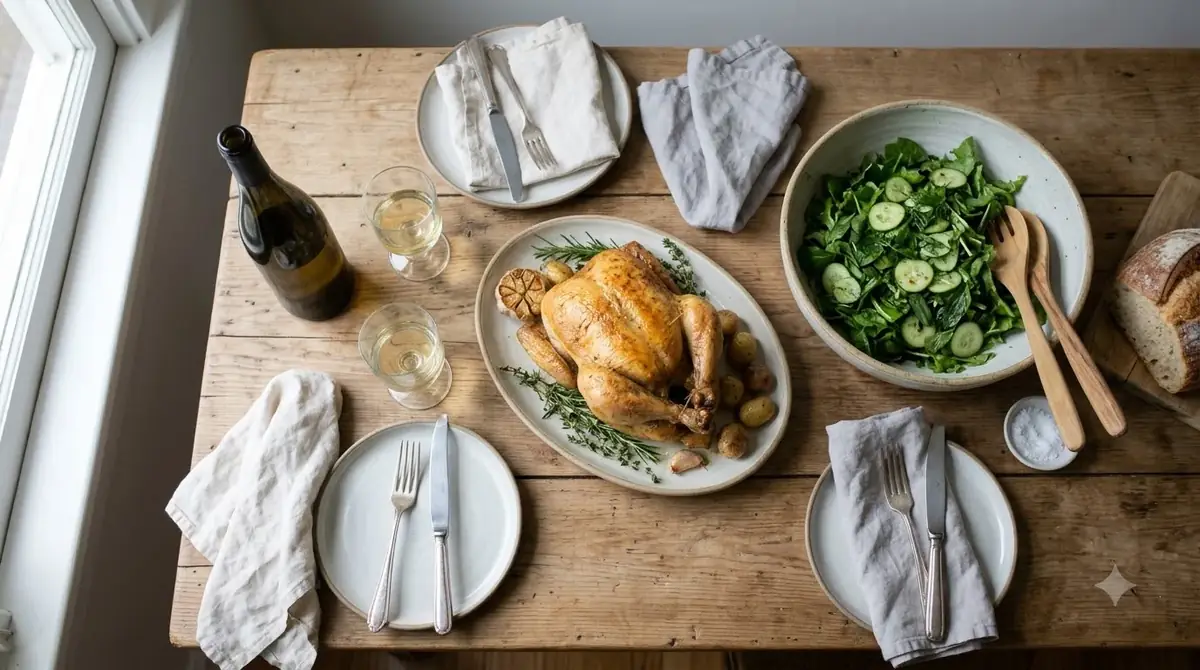
Consider chicken, salmon, scallops, or creamy pasta. The wine’s acidity can complement rich textures, while its ripe fruit works with dishes containing roasted vegetables, herbs, and mild spices.
-
Plan serving and storage.
Chill the wine to approximately 50–55°F before serving. If you are not opening it immediately, store the bottle away from direct sunlight and significant temperature fluctuations.
Following these steps gives buyers a consistent way to evaluate the bottle instead of relying on a retailer’s promotional description alone. It also makes comparisons with other Napa Valley Chardonnay wines more meaningful because the grape, vintage, bottle size, and style are considered together.
Frank Family Chardonnay Styles Explained
Frank Family offers more than one Chardonnay expression, and understanding the difference between the standard Carneros bottling and Lewis Vineyard selection is important when evaluating the purchase. Both are associated with Carneros, but their vineyard sourcing and positioning are not identical.
Standard Carneros Chardonnay
The standard Carneros Chardonnay is the main bottle most shoppers encounter when searching for Frank Family Chardonnay. The 2024 release is made from Chardonnay and has a listed alcohol content of 14.4% ABV. Its tasting profile includes lemon, guava, caramel-covered apple, vanilla, nutmeg, and crème brûlée, with toasted oak and fresh acidity contributing to its finish.
The winery’s 2024 technical information explains that the wine spends nine months in French oak barrels. The barrels are divided into 34% new oak, 33% once-filled oak, and 33% twice-filled oak. This arrangement helps balance oak character with the wine’s fruit expression. It is useful context for buyers who enjoy a noticeable barrel influence but do not want the oak character to overwhelm everything else.
The standard wine is a practical option for people looking for a recognizable California Chardonnay style. It can work with seafood, poultry, pasta, and richer vegetarian dishes. Its fruit and texture make it versatile enough for a meal while remaining substantial enough to serve as the main white wine at a small gathering.
Lewis Vineyard Chardonnay
Lewis Vineyard Chardonnay is a separate single-vineyard wine made from grapes grown at the winery’s estate vineyard in Carneros. Frank Family identifies the property as 78 acres, with 68 acres dedicated to Chardonnay in its producer information. This narrower vineyard focus gives the wine a different identity from the broader Carneros bottling.
The 2024 Lewis Vineyard Chardonnay is listed by Frank Family as 100% Chardonnay with 14.5% ABV. Its separate vineyard designation is useful for shoppers who want to explore the character of a particular estate site rather than the broader standard Carneros selection.
The Lewis Vineyard bottling is a sensible choice for someone interested in a more specifically sourced expression. Its single-vineyard designation provides a clearer connection to one estate property, while the standard Carneros Chardonnay remains the more straightforward choice for someone shopping for the winery’s familiar regional style.
Understanding Oak and Fermentation
Oak influence is a significant part of the standard wine’s character. Vanilla, toasted oak, baked apple, and crème brûlée are descriptors that can suggest barrel-related richness, while citrus and guava contribute brighter fruit impressions.
Frank Family explains that its Carneros Chardonnay undergoes long, cold fermentation and partial malolactic fermentation. Partial malolactic fermentation is a winemaking technique that can soften the sharper impression of acidity and contribute to a rounder mouthfeel. The winery also describes regular bâtonnage, a process involving stirring the lees during aging, as a way to encourage depth and longevity.
These techniques help explain why the finished Chardonnay combines a generous texture with noticeable freshness. The result is not simply a buttery or heavily oaked wine; its citrus notes and acidity are also central to its style.
The winery’s official 2024 Carneros Chardonnay page provides the producer’s tasting description, alcohol level, acidity measurements, harvest dates, and food suggestions. It is a useful reference for buyers who want to distinguish producer specifications from retailer descriptions.
Common Mistakes When Comparing Prices and Vintages
The biggest purchasing mistakes involve comparing different wine selections, overlooking vintage information, and judging value from the listed bottle price alone. A little attention to product details can prevent a disappointing purchase.
Confusing Standard and Single-Vineyard Bottlings
The standard Carneros Chardonnay and Lewis Vineyard Chardonnay are separate products. The latter is a single-vineyard selection, while the standard wine represents the broader Carneros Chardonnay offering. Their tasting descriptions, vineyard sourcing, and retail positioning should therefore be considered separately.
A buyer searching specifically for the standard Chardonnay should not automatically substitute the Lewis Vineyard wine just because both bottles carry the Frank Family name. Conversely, someone looking for a single-vineyard expression should not assume the standard bottle offers exactly the same experience.
Ignoring Vintage Differences
Vintage differences can affect both flavor and availability. Wine.com maintains separate listings for releases such as 2021, 2022, 2023, and 2024. The producer’s 2024 Carneros Chardonnay information includes a specific harvest period and technical measurements, while its earlier releases have their own characteristics.
It is also possible for a retailer to list an older vintage at a higher price because its remaining inventory is limited. This does not automatically mean that the older wine is better. Compare producer information and the wine’s current availability before making that judgment.
Assuming a Higher Price Means Better Quality
Retail pricing reflects more than winemaking quality. Distribution costs, state taxes, retailer margins, shipping, and regional supply can all affect the amount charged for the same bottle. A price difference between two stores is not sufficient evidence that one retailer has a superior vintage.
It is also important to distinguish a standard Chardonnay from a reserve or single-vineyard selection. A different designation can indicate a different wine, rather than a simple difference in retailer markup.
Expecting a Completely Unoaked Wine
Frank Family’s standard Carneros Chardonnay includes toasted oak and vanilla characteristics in its producer tasting description. Someone who dislikes oak-influenced Chardonnay may find the wine richer than expected.
Shoppers who prefer a more restrained style should investigate the wine’s production approach before buying. A leaner Chardonnay from a cooler region or a producer using less new oak may be a more appropriate alternative.
Overlooking the Alcohol Level
The 2024 standard Carneros Chardonnay has 14.4% ABV, a meaningful detail for people comparing wine styles. Alcohol can contribute to a fuller impression on the palate, particularly alongside ripe fruit and barrel-related flavors.
Buyers who usually prefer lighter whites may find this bottling more substantial than expected. Its citrus acidity provides freshness, but it remains a relatively full-bodied California Chardonnay rather than a delicate, low-alcohol white.
Care, Serving, and Storage Tips
Correct serving temperature helps preserve the balance between fruit, oak, and acidity in Frank Family Chardonnay. Good storage also matters because heat and direct sunlight can damage wine before it reaches the glass.
Serve at the Right Temperature
Serve Frank Family Chardonnay at approximately 50–55°F. This is the recommended range for fuller-bodied white wines and gives the fruit and oak enough room to express themselves. Very cold wine can make its aromas less apparent, while overly warm Chardonnay can seem heavy and alcoholic.
If the bottle has been stored at room temperature, place it in the refrigerator before serving. A short period of chilling can bring it closer to the desired temperature. Avoid leaving it in the freezer for an extended period, as forgotten bottles can become excessively cold or freeze.
Choose Appropriate Glassware
A medium-sized white wine glass with a slightly tapered rim is suitable for Chardonnay. It provides enough space for aromas such as lemon, guava, vanilla, and baked apple to develop without requiring an oversized glass.
Pour approximately 5 oz per serving. A standard 750 ml bottle provides about five such pours, although smaller portions may be more practical during a meal with multiple wine selections.
Store Unopened Bottles Properly
For longer storage, keep unopened bottles in a cool, dark location near 55°F, with minimal temperature variation. Bottles with natural cork closures are generally stored on their sides to help keep the cork from drying out. Avoid locations near ovens, radiators, windows, or other sources of heat.
Although the standard Carneros Chardonnay can be enjoyed without extended cellaring, appropriate storage helps protect its freshness. A kitchen counter or warm pantry is not a good long-term storage location because temperature fluctuations can affect the wine’s development.
Preserve an Opened Bottle
Once opened, reseal the bottle with its original closure or a suitable wine stopper and place it in the refrigerator. Most opened still wines remain in reasonable drinking condition for approximately three to five days, depending on exposure to oxygen, storage temperature, and the wine’s condition.
Take the bottle out of the refrigerator shortly before serving again so that the Chardonnay can warm toward its recommended serving range. If the wine develops an unpleasant oxidized aroma or loses its fresh fruit character, it may no longer provide the experience intended by the producer.
For a more detailed meal-planning reference, see the frank family chardonnay food pairing guide.
Frequently Asked Questions
Does Frank Family Chardonnay have a screw cap or a cork?
San Francisco Wine Trading Co identifies the 2024 Frank Family Chardonnay as having a cork closure. The cork is a useful packaging detail for buyers who prefer traditional wine closures. Closure details can differ between wine products and packaging formats, so verify the specific listing when purchasing another selection.
Is Frank Family Chardonnay suitable for a wine gift?
Yes, it can be a suitable gift for someone who enjoys California Chardonnay and richer white wine styles. Its recognizable Carneros designation and combination of fruit and oak characteristics make it an approachable choice for many Chardonnay drinkers. A single-vineyard Lewis Vineyard bottle is another option for someone who appreciates vineyard-specific wines.
What is the difference between Carneros and Napa Valley on a Chardonnay label?
Napa Valley is the broader wine region, while Carneros is a more specific growing area spanning parts of Napa and Sonoma counties. Carneros is strongly influenced by cool maritime conditions associated with San Pablo Bay. A Carneros designation therefore provides more specific regional information than Napa Valley alone.
Can Frank Family Chardonnay be used for cooking?
Yes, dry Chardonnay can be used in dishes such as cream-based chicken sauces, seafood preparations, and risotto. Its fruit and oak characteristics may contribute additional flavor to a sauce. Use wine in good drinking condition rather than relying on a bottle that has become oxidized or unpleasant.
Does Frank Family Chardonnay need decanting?
Decanting is generally unnecessary for a young, standard Carneros Chardonnay. Pouring it into a suitable wine glass and allowing a few minutes for its aromas to develop is usually sufficient. A brief period of air exposure can help reveal the citrus, fruit, and oak characteristics without requiring a formal decanting process.
Frank Family Chardonnay is a worthwhile option to consider for buyers who enjoy generous California fruit, vanilla, toasted oak, and refreshing acidity in the same glass. The standard 750 ml Carneros bottling has a useful retail comparison range, but prices vary by state and retailer, so checking the same vintage across multiple stores is sensible. Compare the vintage and vineyard designation before purchasing to make sure the bottle matches your preferred style and budget.
More in Wine Brands
 Louis Latour Wine Price: Compare Bottles by Style and TierUpdated Nov 20, 2026
 Yellow Tail Moscato Price: What to Expect Before You BuyUpdated Nov 20, 2026
 Sutter Home Sweet Red Review: Find the Right Food PairingsUpdated Nov 20, 2026
 Franzia Chillable Red Review: Find the Right Serving StyleUpdated Nov 20, 2026
 Veuve Clicquot Rose Review: Flavor, Food Pairings and Buying AdviceUpdated Nov 20, 2026
 Rombauer Wine Price: Compare Bottles Before You BuyUpdated Nov 20, 2026