

We may earn a commission when you buy through links on this page, at no extra cost to you. Learn more.
The dom perignon wine price for a standard 750 ml bottle typically ranges from about $250 to $305 for a recent white vintage in the United States, while Rosé, older vintages and Plénitude releases can cost considerably more. The vintage year, bottle size, production style and storage history all influence the final retail price. Understanding these differences helps buyers choose an appropriate bottle without paying a premium for features they do not particularly want.
Dom Pérignon is one of Champagne’s most recognizable prestige names, associated with vintage production, extended cellar aging and special-occasion drinking. However, there is no single price that applies to every bottle. A recent white vintage, a mature collectible and a Rosé release occupy different price categories. This guide explains typical US retail ranges, what drives the differences and how to evaluate a bottle before purchasing.
Who This Dom Pérignon Price Guide Is For
Dom Pérignon price comparisons are particularly useful for buyers deciding between a recent vintage, a more mature release or a premium Rosé. The standard 750 ml bottle is the most practical starting point because it provides a consistent basis for comparing different years and styles.
Celebration buyers will generally want to start with the standard white Vintage range. It provides the recognizable Dom Pérignon identity without requiring the additional expenditure associated with Rosé or later-release collections. For a birthday, wedding anniversary or formal dinner, the newer releases can make sense when the goal is to enjoy the Champagne rather than acquire an older collectible.
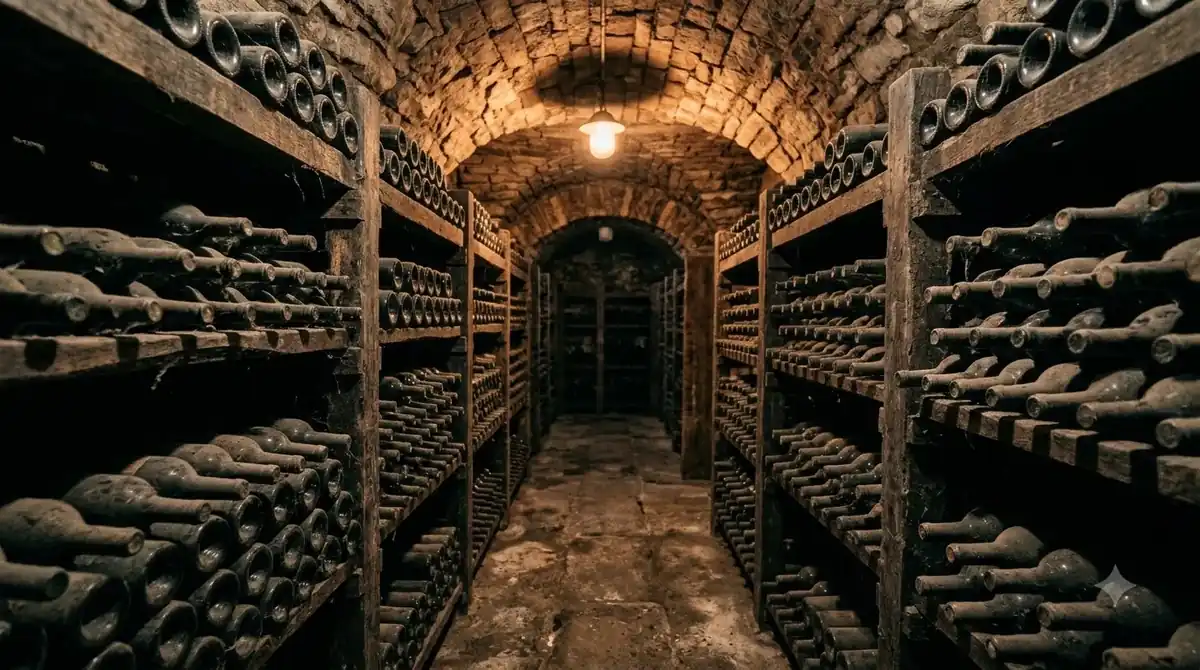
Collectors have different priorities. They may be interested in a particular harvest, a mature bottle or a release with a documented provenance. For these purchases, the condition of the bottle and its storage history become especially important. An older label does not automatically make a bottle more desirable if its storage conditions have been poor.
First-time buyers should also understand that Dom Pérignon is a vintage Champagne rather than a standard non-vintage house Champagne. The year on the label identifies the harvest represented in the wine. According to the Comité Champagne, vintage Champagne is made from grapes harvested in the indicated year rather than blending wines from several different harvest years. This distinction is important when comparing bottles because each vintage has its own character and market availability. The Comité Champagne’s explanation of vintage Champagne provides further details about this production category.
Readers comparing different premium Champagne producers can also explore our Wine Brands resource for a broader understanding of how prestige, production and reputation influence wine purchasing decisions.
The guide is especially useful for three types of shoppers:
- Occasional buyers: People looking for a recognizable Champagne for a celebration and wanting to understand the typical cost of a standard bottle.
- Vintage enthusiasts: Buyers comparing years such as 2012, 2013, 2015 and 2018 for differences in maturity and availability.
- Collectors: People considering Rosé, Plénitude or older bottles and needing to assess provenance, condition and price differences.
The most important starting point is deciding whether the purchase is primarily for immediate enjoyment or long-term collecting. That decision helps determine how much importance to place on bottle age, packaging, rarity and storage documentation.
Key Factors That Determine Dom Pérignon Wine Price
The biggest pricing influences are the vintage year, wine style, release category and bottle format. A recent white Vintage 2018 generally sits in a different retail bracket from a Rosé 2010 or a Plénitude 2 2008.
According to Vinovest’s US retail listings, a standard 750 ml Dom Pérignon Vintage 2018 was approximately $250 to $305, while Rosé 2010 was approximately $440 to $480. These are useful comparison ranges rather than fixed prices, and prices vary by state and retailer.
| Price factor | What to compare | Why it matters |
|---|---|---|
| Vintage year | 2012, 2013, 2015, 2018 | Harvest character and remaining availability |
| Standard white Vintage | 750 ml bottle | Reference category for ordinary comparisons |
| Rosé | 2009 and 2010 | Different blend, style and retail positioning |
| Plénitude 2 | 2008 release | Later maturation and premium positioning |
| Older bottles | 1996, 1998, 1999, 2000 | Condition, provenance and scarcity |
| Magnum | 1.5 liters | Double the capacity of a standard bottle |
1. Vintage year and availability
Vintage is one of the first details to examine. A Champagne producer decides whether a particular harvest merits a vintage release, and the resulting wine reflects the characteristics of that year. The Comité Champagne explains that vintage wines spend at least 36 months in the cellar, often considerably longer.
Availability also influences retail prices. A recent release may be easier to find through established wine retailers, whereas a mature vintage may require specialist merchants. Limited remaining inventory can create substantial differences between stores even when the bottle and vintage are identical.
2. Standard Vintage versus premium collections
Standard Dom Pérignon Vintage is the natural reference point for price comparisons. Rosé introduces a different wine style, while Plénitude releases occupy a more specialized premium category. These bottles should not be compared as though they were simply different labels on the same product.
For example, Vinovest reported approximately $550 for Plénitude 2 2008, considerably above the approximately $250 to $305 range for Vintage 2018. The additional cost reflects a different release category and maturation history, not merely a difference in the number printed on the bottle.
3. Bottle size and presentation
A standard bottle contains 750 ml, while a magnum contains 1.5 liters. A larger bottle is not directly comparable with a standard bottle because its capacity is twice as large. Magnum availability can also be more limited, particularly for older vintages.
Presentation can influence retail positioning as well. Special packaging, artist collaborations and gift editions may carry an additional premium. However, packaging alone does not establish that the Champagne inside is older, rarer or more desirable.
For buyers exploring the broader dom perignon wine range, comparing the exact wine designation and vintage is more useful than relying on the appearance of the gift box.
Step-by-Step: How to Compare Dom Pérignon Prices
A reliable comparison starts with the exact vintage and bottle size, followed by the wine style, seller and condition. Checking these details in a consistent order reduces the risk of comparing different products or paying a premium for an unclear listing.
-
Identify the exact wine.
Determine whether the bottle is standard white Vintage, Rosé or Plénitude. A listing that simply says Dom Pérignon is incomplete for a meaningful comparison because these categories can have substantially different prices.
-
Read the vintage on the front label.
Compare the actual year rather than assuming that all standard white bottles are interchangeable. For example, Vintage 2012 and Vintage 2018 represent different harvests and can have different market values.
-
Confirm the bottle size.
Use 750 ml as the standard comparison format. If the listing is for a 1.5-liter magnum, remember that it contains twice as much Champagne. Do not compare its total asking price directly with a standard bottle.
-
Compare several established retailers.
Check multiple US merchants and record their asking ranges for the same wine, year and size. Vinovest’s retail comparison and Caveau’s vintage-specific listings illustrate why looking at several offers is more informative than relying on one advertised figure.
-
Investigate older bottle condition.
For a 1996, 1999 or 2000 vintage, examine the label, foil, cork area and fill level. Ask whether the bottle has been stored under suitable conditions and whether the merchant can document its source.
-
Calculate the total purchasing cost.
Account for applicable sales taxes, shipping, insurance and any special handling charges. A lower advertised bottle price may not represent the lower final cost if delivery expenses are substantial.
-
Match the bottle to the occasion.
Choose a standard Vintage for a straightforward prestige Champagne purchase, Rosé for a different color and flavor profile, or Plénitude when the later-release character is central to the buying decision.
Tip: Compare identical vintages in identical bottle sizes before deciding that one retailer is more expensive. A 750 ml Vintage 2018 and a 1.5-liter Vintage 2013 are not equivalent listings, even if both carry the same producer name.
Keep a simple comparison record containing the vintage, category, bottle size, merchant, condition and total cost. This is particularly useful when looking at older bottles because two listings with the same year can represent very different storage histories and physical conditions.
Finally, distinguish between ordinary retail listings and collectible or auction valuations. Caveau explains that its typical bottle figures are calculated from the middle of observed US retail offers rather than auction results. This makes retail comparisons useful for shopping, but they should not be treated as formal appraisals of an individual bottle.
Dom Pérignon Types and Styles Explained
Dom Pérignon’s main purchasing categories include standard Vintage, Rosé and Plénitude releases. Their different production and maturation characteristics help explain why their retail prices can vary significantly.
Standard Dom Pérignon Vintage
The standard white Vintage is the starting point for most buyers. It represents the producer’s vintage Champagne expression and is generally the most accessible category within the prestige range.
Vinovest reported approximately $250 to $305 for the Vintage 2018 in US retail listings. Its comparison also identified a listing around $249.99 for Vintage 2017. These figures provide useful context for someone budgeting for a recent standard bottle, although individual retailers may list the same wine differently.
Older standard vintages can have different price profiles. Caveau’s comparison of US retail offers reported approximately $274 for Vintage 2015, $328 for 2013, $303 for 2012 and $344 for 2008. These observations demonstrate that price does not always increase in a simple straight line with age. Harvest reputation, availability, demand and the specific condition of the wine all matter.
Dom Pérignon Rosé
Rosé is a separate category with a distinctive appearance and a different blend. According to the Comité Champagne, rosé Champagne can be produced through skin maceration or by blending red Champagne wine with a white base wine.
Vinovest reported approximately $440 to $480 for a 750 ml Rosé 2010. This is notably above the standard white Vintage 2018 comparison range of approximately $250 to $305. Buyers should therefore consider Rosé as a distinct purchase rather than assuming that it is simply a more expensive version of the same white Champagne.
Rosé may be appealing for celebrations where a different presentation and flavor profile are important. It can also be a suitable choice for someone already familiar with the standard Vintage who wants to explore another expression from the producer.
Readers interested in this category can explore our dom perignon red wine resource to understand related searches involving the producer and red-wine terminology. It is important to distinguish Rosé Champagne from still red wine: the two are not interchangeable wine categories.
Dom Pérignon Plénitude 2 and Plénitude 3
Plénitude releases are a separate premium consideration. They are associated with extended maturation and later release, which makes them particularly interesting to buyers seeking a more developed expression of vintage Champagne.
Vinovest reported approximately $550 for Plénitude 2 2008. Its reported figure for Plénitude 3 1993 was approximately $3,499.99. These examples illustrate how dramatically the price can change between release categories.
These bottles are not necessarily the right choice for every celebration. A buyer primarily interested in enjoying Dom Pérignon with dinner may find the standard Vintage more appropriate. Plénitude makes more sense when its particular release history and premium positioning are central to the purchase.
Older collectible vintages
Older bottles can appeal to collectors interested in a particular harvest or a more mature Champagne profile. Vinovest’s reported US listings for vintages such as 1996, 1999 and 2000 covered approximately $355 to $590, depending on the individual bottle and listing.
However, age alone is not sufficient justification for a higher asking price. A bottle with a damaged label, uncertain provenance or questionable storage may be less attractive than a better-preserved bottle from a different vintage. Buyers should prioritize evidence of condition over the romance of an old harvest year.
For additional background on specific release years, our dom perignon vintage wine resource provides a useful starting point for understanding the vintage category.
Common Mistakes When Comparing Dom Pérignon Prices
The most common purchasing errors involve comparing different vintages, confusing premium categories and overlooking bottle condition. A careful review of the label, format and seller can prevent these mistakes.
Assuming older always means more expensive
Age can increase scarcity, but it does not guarantee a higher retail price. A sought-after recent release may cost more than an older bottle with weaker demand or questionable condition. Caveau’s reported comparison placed Vintage 2013 above Vintage 2012 in typical price, while Vintage 2008 was higher than both.
That variation shows why the vintage year must be considered alongside market availability. The age of a wine is one pricing factor, not a universal price formula.
Confusing Rosé with standard Vintage
Rosé has a different production approach and its own market position. Comparing a Rosé 2010 listing with a white Vintage 2018 listing without accounting for those differences can lead to misleading conclusions.
Buyers should first decide which style they actually want. The lower-priced category is not automatically the better purchase if it does not suit the occasion or the intended drinking experience.
Ignoring bottle size
A magnum contains 1.5 liters, compared with 750 ml in a standard bottle. Vinovest reported approximately $739 for a Vintage 2013 magnum, illustrating why larger formats require their own price comparison.
Do not interpret the higher total price of a magnum as proof that the wine itself is more expensive per serving. Calculate the cost relative to bottle capacity and consider whether the larger format suits the number of guests.
Buying an older bottle without checking provenance
Older Champagne requires additional scrutiny. Storage conditions, fill level, closure condition and label damage can influence both drinking prospects and collectible value.
Caveau specifically identifies bottle condition, storage history, fill level and size as factors that affect the value of an individual bottle. A seller who cannot provide useful information about these details should not automatically receive the benefit of the doubt simply because the vintage is desirable.
Paying extra for presentation without evaluating the wine
Gift packaging and special-edition presentation may be attractive, particularly for milestone celebrations. However, the additional cost should be considered separately from the value of the Champagne itself.
For example, an artist-designed presentation does not automatically indicate a different vintage or a later maturation category. Buyers should establish whether the premium is attached to the wine, the packaging or both before making a decision.
Care and Storage Tips for an Expensive Champagne Bottle
Proper storage protects the investment in an expensive Champagne and helps preserve its intended character. Temperature stability, darkness and protection from vibration are particularly important for bottles intended to remain in storage.
Store at a stable temperature
The Comité Champagne recommends storing Champagne between 10°C and 15°C, equivalent to approximately 50°F to 59°F. A stable environment is preferable to a location with repeated temperature fluctuations.
A dedicated wine cabinet or suitable cellar is generally more appropriate than a kitchen shelf. Avoid storing valuable bottles near ovens, radiators or windows where temperature and light exposure can change considerably throughout the day.
Protect bottles from light and vibration
Direct light can negatively affect wine quality, so choose a dark storage area. The Comité Champagne also recommends protection from vibrations and unwanted odors, together with good ventilation and consistent humidity. Its Champagne storage recommendations explain the environmental conditions that help preserve bottles.
Bottles may be stored upright or on their sides according to the Comité Champagne’s storage guidance. The important consideration is maintaining a suitable environment rather than repeatedly moving the bottle between different storage locations.
Serve at the correct temperature
Champagne is best served chilled without becoming excessively cold. The Comité Champagne recommends approximately 8°C to 10°C, or 46°F to 50°F.
Allow enough time for gentle chilling before opening. A bottle that is too warm may seem less controlled in the glass, while excessive chilling can make its aromas and flavors harder to appreciate. A wine refrigerator or an ice bucket with water and ice can help bring the bottle to serving temperature.
Open carefully and serve appropriately
Prestige Champagne should be opened with control rather than allowing the cork to fly out. Hold the cork securely while turning the bottle slowly, keeping the opening directed away from people and fragile objects.
A standard 750 ml bottle provides approximately five 5 oz servings. This makes it relatively straightforward to plan quantities for a small celebration or dinner party. Larger gatherings may require multiple bottles, particularly if Champagne is being served throughout a reception rather than as a single opening toast.
Once opened, reseal any remaining Champagne with a suitable sparkling-wine stopper and refrigerate it promptly. The Comité Champagne advises that properly recorked Champagne can generally be kept for one or two days. For a valuable bottle, serving the wine soon after opening is preferable to relying on extended storage after the seal has been broken.
Frequently Asked Questions
Does Dom Pérignon release a bottle from every harvest year?
No. Vintage Champagne is produced when the winemaker considers a particular harvest suitable for a vintage release. The Comité Champagne explains that this decision belongs to the producer, so consecutive calendar years do not necessarily result in consecutive releases.
Is Dom Pérignon made from Chardonnay and Pinot Noir?
Yes, Chardonnay and Pinot Noir are the principal grape varieties associated with Dom Pérignon’s classic blend. Their proportions can vary between vintages, meaning that the exact balance is not necessarily identical from one harvest to another.
Can Dom Pérignon be kept unopened for another decade?
Some bottles can continue developing in suitable storage, but there is no universal guarantee that every vintage will improve for another ten years. The maturity of the wine at purchase, its disgorgement history and the storage environment all influence how it develops. Professional storage is particularly important for valuable older bottles.
Does the champagne gift box affect the authenticity of a bottle?
A gift box alone does not prove authenticity. Buyers should examine the bottle’s labeling, producer identification, packaging consistency and seller documentation. For older or expensive releases, purchasing from an established specialist with traceable provenance provides additional reassurance.
Is Dom Pérignon suitable for serving with a full dinner?
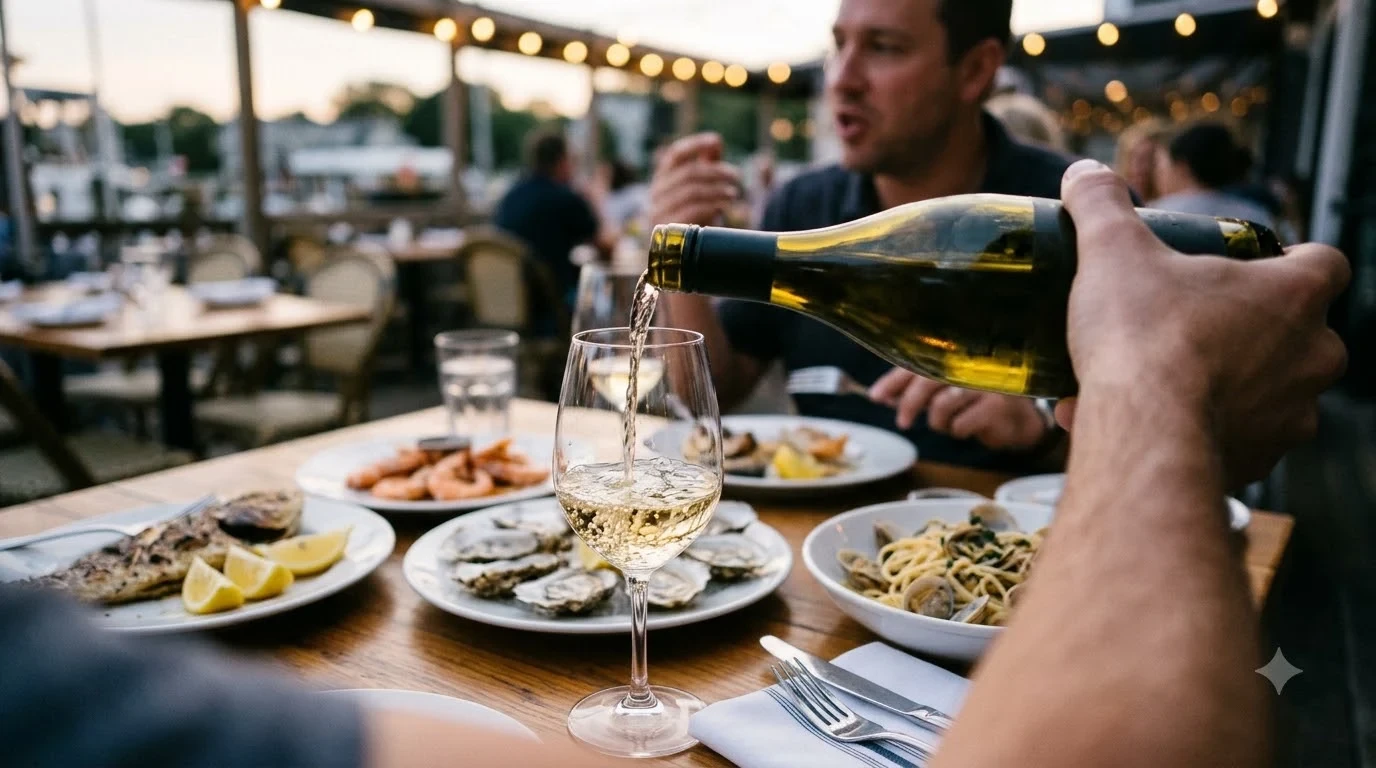
Yes. Vintage Champagne can accompany seafood, poultry and dishes with moderate richness. The Comité Champagne specifically highlights gambas served with capers and garlic butter as a pairing for vintage Champagne. The acidity and bubbles also make it a useful partner for a range of savory appetizers.
Dom Pérignon is a premium Champagne purchase, but choosing the right bottle does not have to be complicated. Start with the standard white Vintage if you want a straightforward comparison, then consider Rosé, Plénitude or older releases when their distinctive characteristics justify the additional expenditure. Most importantly, compare the exact vintage, bottle size, seller and storage condition before purchasing so that the price reflects the bottle you actually want.
More in Wine Brands
 Louis Latour Wine Price: Compare Bottles by Style and TierUpdated Nov 20, 2026
 Yellow Tail Moscato Price: What to Expect Before You BuyUpdated Nov 20, 2026
 Sutter Home Sweet Red Review: Find the Right Food PairingsUpdated Nov 20, 2026
 Franzia Chillable Red Review: Find the Right Serving StyleUpdated Nov 20, 2026
 Veuve Clicquot Rose Review: Flavor, Food Pairings and Buying AdviceUpdated Nov 20, 2026
 Rombauer Wine Price: Compare Bottles Before You BuyUpdated Nov 20, 2026