

We may earn a commission when you buy through links on this page, at no extra cost to you. Learn more.
Cline wine price typically ranges from about $10 to $30 for many standard and mid-tier 750 ml bottles, with selected small-lot and single-vineyard wines costing more. Cline Family Cellars produces California wines across several collections, including Old Vine Zinfandel, Ancient Vines, Cashmere, and Seven Ranchlands. The best bottle to buy depends on the grape, vineyard source, collection, and style you prefer. Comparing these differences helps you find a Cline wine that suits both your budget and your dinner plans.
Cline Family Cellars occupies an interesting position in the California wine market: its portfolio includes approachable everyday bottles alongside more distinctive wines made from historic vineyards and selected vineyard sites. That means the Cline wine price is not a single figure. A straightforward Zinfandel may cost considerably less than an Ancient Vines Mourvèdre or a limited-production vineyard bottling.
This guide explains typical US retail price ranges, what separates the collections, how to compare individual bottles, and which options make sense for different occasions. It also explains why two wines from the same winery can have noticeably different prices even when both come in standard 750 ml bottles.
Who This Cline Wine Buying Guide Is For
Cline wines suit shoppers who want recognizable California varietals, Rhône-inspired reds, and accessible bottles without automatically moving into luxury-wine territory. The portfolio is particularly useful for people comparing everyday Zinfandel with more distinctive Mourvèdre, Carignane, and red blends.
The winery’s background helps explain this variety. Fred and Nancy Cline founded Cline Family Cellars in Oakley, California, in 1982. The original wines emphasized historic Mourvèdre, Zinfandel, and Carignane vineyards, some with vines dating to the 1880s. The family relocated its winery to Sonoma-Carneros in 1989, expanding its focus across additional California growing regions.
Today, the collection includes both approachable varietal wines and more specialized bottlings. Shoppers interested in the broader portfolio can begin with the Cline wine overview before comparing specific bottles.
This guide is especially useful for three types of buyers:
- Everyday wine shoppers: People looking for a dependable California red or white for ordinary dinners, casual gatherings, and weekend meals.
- Reds and Rhône-variety enthusiasts: Buyers interested in Zinfandel, Mourvèdre, Carignane, Syrah, and blends that show a different side of California winemaking.
- Wine gift shoppers: People comparing standard collections with more distinctive vineyard selections for someone who already enjoys California wine.
Cline is not limited to red wine. Its range also includes Chardonnay, Viognier, Sauvignon Blanc, Pinot Noir, and other styles. Buyers who prefer lighter or more aromatic bottles therefore have several alternatives to the winery’s better-known reds.
The important distinction is that a higher price does not automatically mean a wine will be more enjoyable. A reasonably priced Old Vine Zinfandel may be a better match for a casual barbecue than a more expensive small-lot red. The right comparison starts with drinking preferences rather than price alone.
Key Factors That Determine Cline Wine Price
Most Cline bottles fall into recognizable retail price categories, but grape variety, collection, vineyard selection, and retailer pricing influence the final amount. Comparing those factors provides a more useful picture than treating the winery as one uniform product.
The following ranges are practical US retail estimates for 750 ml bottles, based on the listings from BuyWinesOnline and the winery’s own collection pages. They are approximate shopping ranges, not guaranteed national prices.
| Cline wine or category | Typical US retail range | What to expect |
|---|---|---|
| Old Vine Zinfandel | About $10–$15 | Accessible, fruit-forward California red |
| Viognier | About $12–$16 | Aromatic white wine |
| Chardonnay | About $13–$18 | Versatile California white |
| Cashmere | About $15–$20 | Rhône-inspired red blend |
| Ancient Vines Zinfandel | About $16–$23 | Historic-vineyard Zinfandel |
| Ancient Vines Mourvèdre | About $18–$28 | Structured Rhône-style red |
| Ancient Vines Carignane | About $17–$28 | Distinctive old-vine varietal |
| Selected vineyard wines | About $25–$45 or more | More specialized, site-focused bottlings |
These categories are useful buying estimates rather than fixed price bands. For example, BuyWinesOnline lists Old Vine Zinfandel around $10 to $12, Viognier around $14 to $16, Ancient Vines Zinfandel around $16 to $18, and Ancient Vines Mourvèdre around $18 to $20 per 750 ml bottle. The winery’s direct listings can be higher for certain Ancient Vines releases, including its listed $22 Zinfandel and $28 Mourvèdre. Prices vary by state and retailer.
Several factors explain these differences. The winery’s official Cline wine collection descriptions provide useful context for comparing the vineyard sourcing and positioning of its different ranges.
Vineyard age and fruit sourcing
Cline’s Ancient Vines Collection is associated with historic Oakley vineyards, where the winery describes its vines as approximately 100 years old. The winery also explains that these dry-farmed vineyards produce smaller yields. This distinctive vineyard identity is an important reason shoppers may encounter different pricing between Ancient Vines and more straightforward California bottlings.
Collection positioning
Collections communicate different priorities. Old Vine Zinfandel is an accessible entry point, while Single Vineyards focuses on individual vineyard sites and small-lot expressions. Seven Ranchlands emphasizes the family’s seven vineyard ranches and a wider range of grape varieties. Those differences influence both the intended experience and the price category.
Retailer and location
A bottle sold through a grocery retailer may have a different shelf price from the same wine sold through an independent wine merchant. State taxes, distribution arrangements, shipping, availability, and local competition all influence the final amount. A comparison should therefore use the same vintage and bottle size wherever possible.
Step-by-Step: How to Compare Cline Bottles
The easiest way to choose a Cline wine is to narrow the selection by budget, preferred grape, collection, and occasion. These five steps help prevent paying more for a style that does not match what you actually want to drink.
-
Set a realistic bottle budget.
Start by deciding how much you want to spend on a 750 ml bottle. If your target is below $15, investigate Old Vine Zinfandel and selected classic whites. If you are comfortable spending approximately $15 to $25, compare Ancient Vines Zinfandel, Cashmere, and other mid-range selections. Buyers with a larger budget can investigate Single Vineyards and selected specialty releases.
-
Choose a grape variety before choosing a collection.
Zinfandel is a natural starting point for people who enjoy ripe red fruit and a fuller California red. Mourvèdre offers a more savory, structured experience, while Pinot Noir generally provides lighter body and softer tannins. For white wine, compare Chardonnay with aromatic Viognier or fresher Sauvignon Blanc.
-
Compare the collection names.
Do not assume that all Cline Zinfandels are interchangeable. Old Vine and Ancient Vines represent different buying propositions, and a Single Vineyards bottle has a more site-specific identity. Look at the collection description alongside the grape variety before deciding whether the extra cost makes sense.
-
Compare the same bottle size and vintage.
Most comparisons should start with 750 ml bottles. A different vintage, larger format, or retailer listing can make two apparently similar wines difficult to compare. Check whether the retailer is showing a current vintage or an older release.
-
Match the wine to the occasion.
A casual weeknight dinner may call for Old Vine Zinfandel or a straightforward white. A dinner centered on roast lamb or grilled beef may justify a more structured Mourvèdre. For a gift, a distinctive vineyard selection may be more interesting than simply choosing the most expensive bottle.
Tip: Compare two Cline wines by grape variety and collection before comparing their prices. An Ancient Vines Zinfandel and an Old Vine Zinfandel may both appeal to red-wine drinkers, but they represent different vineyard and collection identities. Paying extra makes the most sense when those differences match your preferences.
Another useful step is to compare Cline’s direct portfolio with independent retailer listings. The Cline Cellars wine selection provides a starting point for identifying collections, while retailers can help establish the range of prices available to US shoppers.
Cline Wine Types and Styles Explained
Cline’s collection spans familiar California grapes and Rhône-inspired varieties, so shoppers can find very different styles under the same winery name. Understanding the main collections makes it easier to decide which bottles deserve a place on your shopping list.
Old Vine Zinfandel
Old Vine Zinfandel is a sensible starting point for buyers looking for an approachable California red. Zinfandel typically offers ripe fruit character and a relatively generous palate, making it a natural partner for grilled meats, burgers, pizza, and tomato-based dishes.
BuyWinesOnline lists Cline Old Vine Zinfandel in the lower end of the winery’s retail range, approximately $10 to $12 for a 750 ml bottle. That makes it a practical candidate for shoppers who want to explore the brand without beginning with a more specialized selection. Prices vary by state and retailer.
Ancient Vines Zinfandel
Ancient Vines Zinfandel is one of the more recognizable wines in the Cline portfolio. The winery associates this collection with its historic Oakley vineyards and dry-farmed vines. Its fruit-forward character makes it a useful choice for people who enjoy generous red-fruit flavors.
H-E-B describes the wine with raspberry, cherry, and boysenberry aromas and flavors, together with cedar, mocha, and vanilla notes. The retailer’s description also emphasizes a smooth, plush finish.
BuyWinesOnline lists Ancient Vines Zinfandel in an approximate $16 to $18 retail range, while Cline’s direct listing for its 2022 bottling is $22 for 750 ml. The difference illustrates why retailer comparisons matter. Prices vary by state and retailer.
Ancient Vines Mourvèdre
Mourvèdre is an important part of Cline’s historical identity. It provides a different direction from Zinfandel, with a reputation for darker fruit, substantial structure, and savory character. It is worth considering for drinkers who want a red wine with more depth and a different flavor profile.
Total Wine describes Ancient Vines Mourvèdre with eucalyptus, chocolate, plum, and cherry characteristics, alongside soft tannins. The combination makes it a reasonable option for roasted meats, lamb, hearty vegetable dishes, and grilled steak.
BuyWinesOnline lists the 2023 Ancient Vines Mourvèdre around $18 to $20 per 750 ml bottle, while the winery lists its 2023 bottling at $28. These figures represent different retail channels, not a guaranteed market-wide price. Prices vary by state and retailer.
Ancient Vines Carignane
Carignane is another grape that connects Cline’s modern portfolio to its historic Oakley vineyards. It may appeal to shoppers who enjoy exploring less familiar California red varieties instead of choosing another conventional Cabernet Sauvignon or Merlot.
The winery’s listed 2023 Ancient Vines Carignane is $28 for a 750 ml bottle. This is a more specialized purchase than an entry-level Zinfandel, so it makes the most sense for someone interested in historic vineyard varieties and distinctive California reds.
Cashmere and Rhône-Inspired Blends
Cashmere offers a different approach from the single-variety Ancient Vines bottlings. Cline describes the collection as a tribute to the women of the family, highlighting the graceful and delicate aspects of Rhône varieties.
For shoppers who enjoy blends rather than focusing on one grape, Cashmere is an interesting alternative. It can also be a useful introduction to Rhône-inspired California wine without requiring a deep knowledge of individual grape varieties.
White Wines and Other Collections
Cline also produces Chardonnay, Viognier, Sauvignon Blanc, Pinot Noir, Cabernet Sauvignon, and other selections. The Sonoma AVA series emphasizes wines from Sonoma County, while Seven Ranchlands includes Cabernet Sauvignon, Chardonnay, Merlot, Pinot Noir, and Sauvignon Blanc.
These collections make the winery more versatile than a producer focused exclusively on Zinfandel. A shopper who enjoys Cline reds may also find a suitable white for seafood, poultry, or lighter meals.
Common Mistakes When Comparing Cline Wine Prices
Price comparisons can be misleading if buyers overlook vintage, bottle size, collection, and retailer differences. A few simple checks help distinguish a genuine difference in wine positioning from an ordinary variation in retail pricing.
Assuming Every Zinfandel Is the Same
One of the most common mistakes is comparing Old Vine Zinfandel and Ancient Vines Zinfandel as if they were identical products. Both use the same principal grape variety, but the collection descriptions distinguish their sourcing and positioning.
The Ancient Vines identity is connected to dry-farmed Oakley vineyards with approximately 100-year-old vines. Old Vine Zinfandel is generally positioned as a more accessible option. A buyer who values the historic-vineyard connection may prefer the Ancient Vines bottle, while someone seeking an everyday red may be perfectly satisfied with the simpler selection.
Comparing Different Vintages Without Checking
Wine listings frequently include different vintages. A 2022 bottle and a 2023 bottle may have different availability and prices, even when their names are similar. Retailers can also retain older vintages after newer releases have appeared.
When comparing two listings, make sure both bottles are 750 ml and identify the vintage. This is especially important for Ancient Vines wines and more specialized vineyard selections.
Assuming a Higher Price Means a Better Match
A more expensive Cabernet Sauvignon is not automatically a better choice than a less expensive Zinfandel. The grapes have different structures and flavor profiles, so personal preference and food pairing should influence the decision.
For example, a medium-bodied Pinot Noir may suit roast chicken better than a powerful Cabernet Sauvignon. Conversely, grilled beef or a rich braised dish may work well with a fuller red.
Ignoring the Retailer
Retail prices can vary significantly between independent wine shops, grocery stores, and specialist wine merchants. Local inventory and state regulations can also affect what a shopper actually pays.
Use multiple retailer listings as a comparison tool rather than assuming that one displayed figure represents the national average. Delivery charges, local taxes, and availability can change the final purchase cost.
Buying a Specialty Wine Without Understanding Its Style
A shopper accustomed to soft, fruit-forward reds may find Mourvèdre more structured and savory than expected. Someone who usually drinks Chardonnay may prefer Viognier’s aromatic profile instead of selecting a white simply because it occupies a similar price category.
Reading the grape description before buying is a better strategy than choosing solely by collection name or shelf position.
Cline Wine Storage and Serving Tips
Proper storage and serving temperatures help preserve the character of Cline wines and make their differences easier to appreciate. A suitable storage environment and a little attention to serving temperature are particularly useful for red wines such as Zinfandel and Mourvèdre.
Store Bottles Consistently
For bottles with natural cork closures, store them on their sides in a cool, dark location near 55°F. Consistent temperature is more important than frequent movement between warm and cold environments. Avoid keeping wine near ovens, radiators, direct sunlight, or other heat sources.
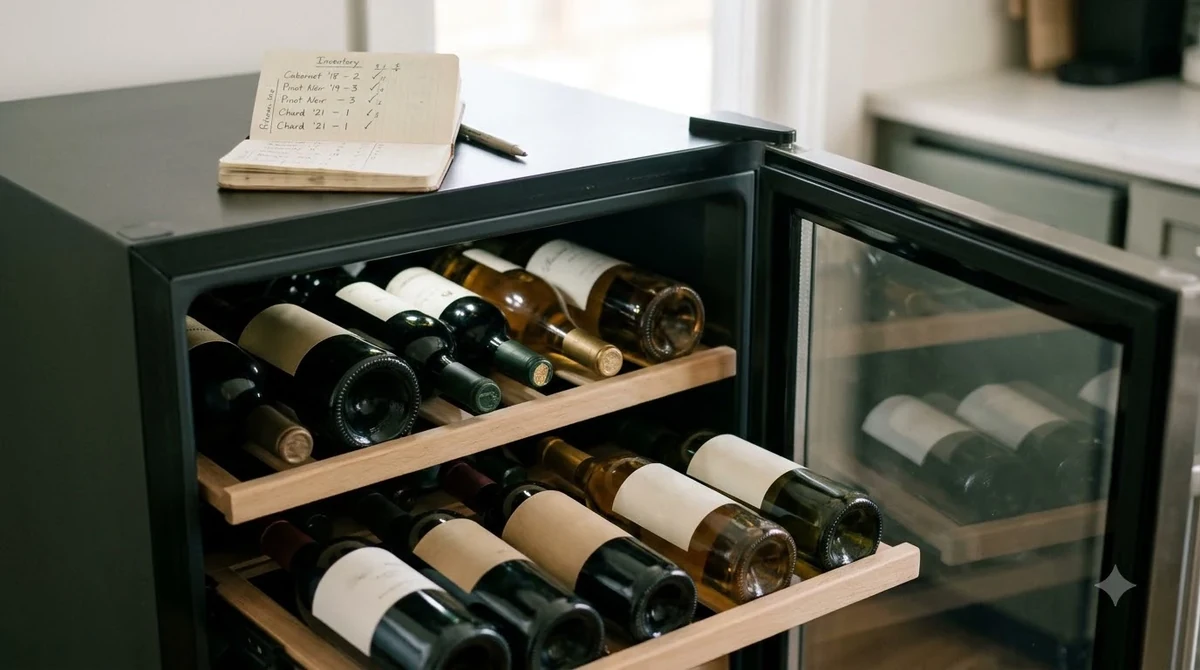
If you purchase several bottles of Ancient Vines Zinfandel or Mourvèdre, a dedicated wine refrigerator can help maintain a stable environment. Everyday bottles intended for near-term consumption do not need elaborate long-term cellaring arrangements.
Serve Red Wines at Suitable Temperatures
Fuller reds such as Cabernet Sauvignon and structured Mourvèdre generally show well around 60–65°F. Lighter reds, including Pinot Noir, are usually more enjoyable around 55–60°F.
Zinfandel can benefit from avoiding excessive warmth. Serving it slightly cooler than room temperature helps prevent alcohol from dominating the fruit character. If a bottle has been stored in a warm kitchen, give it time to cool before pouring.
Serve White Wines Chilled, Not Frozen
Light whites and rosé are generally served around 45–50°F, while fuller white wines such as Chardonnay are usually best around 50–55°F. Viognier can benefit from a temperature that preserves its aromatic character without making the wine seem excessively cold.
Overchilling can make aromas difficult to detect. If a white wine comes directly from a very cold refrigerator, allowing it to warm slightly in the glass can make its flavor more expressive.
Use Appropriate Glassware and Portions
A standard wine pour is approximately 5 ounces, and a 750 ml bottle provides about five standard glasses. A moderately sized wine glass with enough room to swirl is suitable for most Cline reds and whites.
For younger, fuller-bodied reds, a decanting period of approximately 30–60 minutes can help the wine open up. This is optional rather than essential for every Cline bottle. Lighter wines and uncomplicated everyday selections may be served directly from the bottle.
Preserve Opened Bottles
Once opened, reseal still wines and refrigerate them. Most opened still wines remain in reasonable condition for approximately three to five days, depending on the wine and storage conditions.
Keep the bottle upright after opening, limit unnecessary exposure to air, and use a suitable stopper. Bringing a refrigerated red back toward its preferred serving temperature before drinking helps restore its aromas and texture.
For shoppers building a broader collection, the Cline red wine selection is a useful place to compare the winery’s different red-wine styles before deciding which bottles deserve longer-term storage.
Frequently Asked Questions
Does Cline Family Cellars offer wine club memberships?
Yes. Cline provides a wine club through its winery website. Membership details, current benefits, and shipment arrangements should be reviewed directly with the winery because club offerings can differ from ordinary individual bottle purchases.
Where is Cline Family Cellars located?
The winery’s tasting room is at 24737 Arnold Drive, Highway 121, Sonoma, California 95476. Its current website provides visitor information and tasting reservations for people planning a visit to the property.
Does Cline produce wines made from grapes other than Zinfandel and Mourvèdre?
Yes. Its portfolio includes varieties such as Marsanne, Roussanne, Viognier, Chardonnay, Pinot Noir, Cabernet Sauvignon, and Sauvignon Blanc. This range reflects the winery’s interest in both Rhône-inspired varieties and established California wine styles.
Are Cline wines vegan and gluten-free?
Cline states on its official winery story page that all its wines are vegan and gluten-free. Shoppers with specific ingredient, processing, or dietary questions can contact the winery for additional product information.
Can Cline Ancient Vines wines be kept for several years?
Some bottles may develop additional complexity with appropriate aging, but potential cellaring depends on the individual wine, vintage, and storage conditions. Not every Ancient Vines release is intended for extended aging, so buyers should consult the winery’s guidance for the particular bottling rather than assuming all wines have the same aging potential.
Cline Family Cellars offers several price levels, from approachable everyday Zinfandel and white wines to more distinctive Ancient Vines and vineyard-focused selections. The smartest purchase is the bottle that matches your preferred grape, collection, and occasion rather than simply the most expensive option. Compare current retailer listings with the winery’s own collection descriptions to find the Cline wine that offers the right balance of style and value.
More in Wine Brands
 Louis Latour Wine Price: Compare Bottles by Style and TierUpdated Nov 20, 2026
 Yellow Tail Moscato Price: What to Expect Before You BuyUpdated Nov 20, 2026
 Sutter Home Sweet Red Review: Find the Right Food PairingsUpdated Nov 20, 2026
 Franzia Chillable Red Review: Find the Right Serving StyleUpdated Nov 20, 2026
 Veuve Clicquot Rose Review: Flavor, Food Pairings and Buying AdviceUpdated Nov 20, 2026
 Rombauer Wine Price: Compare Bottles Before You BuyUpdated Nov 20, 2026