

We may earn a commission when you buy through links on this page, at no extra cost to you. Learn more.
The chateau st jean wine review is generally positive: Chateau St. Jean is an established Sonoma County producer offering expressive Chardonnay, Cabernet Sauvignon, Pinot Noir, and its signature Cinq Cépages Bordeaux-style red blend. The winery is particularly appealing to buyers who enjoy California wines with recognizable varietal character, regional identity, and a range of styles. For a first purchase, its Carneros Chardonnay is a good starting point for white wine drinkers, while Cinq Cépages is the natural choice for someone seeking a more structured, premium red.
Chateau St. Jean has a history stretching back to 1973, when its founders established the winery in Sonoma Valley. Its portfolio reflects the diversity of Sonoma County, from approachable varietal wines to vineyard-designated and Reserve selections. Understanding the differences between its grapes, growing regions, and wine styles makes it easier to choose a bottle that suits your preferences, meal, and occasion.
Who Should Choose Chateau St. Jean Wine?
Chateau St. Jean is a good fit for wine drinkers who appreciate California varietals and want to explore different expressions of Sonoma County. Its selection includes both familiar grapes, such as Chardonnay and Cabernet Sauvignon, and more distinctive choices, including Viognier, Gewürztraminer, and vineyard-designated bottlings.
The winery was founded in October 1973 by Ken Sheffield, Bob Merzoian, and Ed Merzoian. Its name honors Jean Sheffield Merzoian, who was connected to the three founders as a wife, sister, and sister-in-law. The property itself has an older history: construction of the original Chateau as the Goff family’s summer home began in 1920.
That background helps explain the winery’s emphasis on vineyard character and traditional wine-country hospitality. The winery and grounds in Kenwood were completed in 1980, with facilities designed to keep different grape lots separate during production. This approach supports the winery’s focus on wines that communicate the characteristics of individual vineyard sites.
What kind of wine drinker will enjoy the brand?
Chardonnay fans have a particularly useful starting point. Chateau St. Jean’s Carneros Chardonnay has received positive attention from professional wine reviewers. Wine Enthusiast awarded the 2023 vintage 90 points and described baked apple, sweet cinnamon, white flowers, roasted pear, lemon peel, and caramel. These characteristics suggest a richer California Chardonnay rather than a very lean, neutral white.
Red wine drinkers have several options. Cabernet Sauvignon provides more substantial tannin and structure, while Merlot offers a softer profile. Pinot Noir is a better match for someone who prefers lighter-bodied reds with higher acidity. The winery also produces Syrah and Bordeaux-style blends, providing additional choices for people who enjoy more concentrated flavors.
Who might prefer another producer?
Buyers who primarily enjoy very light, high-acid European whites or delicate reds may find some California styles richer than they prefer. Similarly, someone looking for a single, inexpensive everyday wine may not need the winery’s more specialized Reserve or vineyard-designated selections.
Chateau St. Jean is best approached as a portfolio rather than a single flavor profile. A buyer who enjoys one bottle should not assume that every other wine from the producer will taste similar. Grape variety, vineyard location, blending, and winemaking choices all influence the final result.
For a broader introduction to producers and their different approaches, the Wine Brands resource provides useful context for comparing wineries.
Key Factors to Compare Before Buying
The most important buying considerations are grape variety, appellation, wine structure, and the level of specialization. Chateau St. Jean produces several distinct styles, so choosing by label and grape is more useful than buying solely because the winery name is familiar.
Its portfolio covers red and white wines, including Chardonnay, Sauvignon Blanc, Riesling, Cabernet Sauvignon, Merlot, Pinot Noir, and Syrah. Sonoma Valley Vintners & Growers also identifies Cabernet Franc, Malbec, Gewürztraminer, Pinot Blanc, Pinot Grigio, and Viognier among the winery’s varietal offerings.
| Wine style | Typical structure | Flavor direction | Best buying reason |
|---|---|---|---|
| Chardonnay | Medium acidity, medium to full body | Apple, pear, citrus, possible vanilla and toast | Rich white wine and food pairing |
| Cabernet Sauvignon | High tannin, full body | Blackcurrant, dark fruit, cedar, spice | Structured red wine |
| Cinq Cépages | Full-bodied Bordeaux-style blend | Layered dark fruit and savory complexity | Signature premium red |
| Pinot Noir | Low-to-medium tannin, higher acidity | Red cherry, strawberry, earth, spice | Lighter red wine |
| Merlot | Medium tannin, softer structure | Plum, black cherry, gentle spice | Accessible red wine |
| Sauvignon Blanc | High acidity, generally lighter body | Citrus, green fruit, herbal notes | Fresh white wine |
| Rosé of Pinot Noir | Light body, refreshing acidity | Strawberry and watermelon | Casual warm-weather drinking |
1. Grape variety
Start by identifying which grape you normally enjoy. Chardonnay is a sensible option for people who like fuller whites with fruit and possible oak influences. Cabernet Sauvignon suits drinkers who appreciate firmer tannins and dark-fruit flavors. Pinot Noir is generally more delicate, with red-fruit character and greater acidity.
For buyers who enjoy blended reds, Cinq Cépages deserves particular attention. The name refers to five grape varieties, and the wine is positioned as the winery’s flagship Bordeaux-style blend. Its identity is different from that of a single-varietal Cabernet Sauvignon, making it a more interesting choice for someone who wants a layered red.
2. Appellation and vineyard origin
Sonoma County contains multiple growing areas, and the location associated with a wine can help explain its style. Carneros, for example, is an important reference point for Chateau St. Jean Chardonnay. Knights Valley is associated with its Cabernet Sauvignon offerings.
These names are useful because they provide more information than the winery name alone. A Carneros Chardonnay and a Knights Valley Cabernet Sauvignon are fundamentally different purchases, even though both carry the same producer name.
3. Regular bottlings versus Reserve wines
Regular varietal wines are usually the simplest place to begin. They allow buyers to understand the winery’s interpretation of a particular grape without committing to a more specialized bottling.
Reserve wines and vineyard-designated selections are better suited to people who already know what they enjoy. These wines emphasize particular lots, vineyard sources, or more selective blending decisions. They can provide a more focused experience, but the additional specialization does not automatically mean that every buyer will prefer them.
4. Vintage and drinking preference
Vintage matters because growing conditions influence grape ripeness, acidity, and overall balance. Two bottles with the same grape and appellation can show different characteristics from one vintage to another.
Professional reviews are useful for understanding individual releases, but a score should not replace personal preference. For example, Wine Enthusiast’s 90-point review of the 2023 Carneros Chardonnay describes a ripe, rounded profile. That is helpful information for someone who likes fruit-forward Chardonnay, but less compelling for a buyer who prefers extremely crisp whites.
Step-by-Step: How to Choose a Chateau St. Jean Bottle
A straightforward selection process can prevent confusion between the winery’s many offerings. Begin with the type of wine you want, narrow the choice by grape and region, and then consider the food or occasion.
-
Decide between red, white, and rosé.
Choose Chardonnay or Sauvignon Blanc if you want white wine, Cabernet Sauvignon or Pinot Noir if you prefer red, and Pinot Noir rosé for a lighter, refreshing option. This first decision removes several unrelated styles from consideration.
-
Choose the grape according to your usual preferences.
Pick Cabernet Sauvignon for high tannin, Merlot for softer tannins, and Pinot Noir for a lighter red with higher acidity. For whites, Chardonnay is generally richer, while Sauvignon Blanc and Riesling offer more pronounced acidity.
-
Look at the appellation.
Consider Carneros Chardonnay if you want to explore the winery’s white wine offerings, or Knights Valley Cabernet Sauvignon if you want a more structured red. The growing-area name provides useful context about the wine’s origin.
-
Decide whether a signature or Reserve wine is appropriate.
For a special dinner or a more substantial bottle, consider Cinq Cépages. For a straightforward introduction to the producer, begin with a varietal Chardonnay or Cabernet Sauvignon.
-
Read a professional tasting note.
Look for descriptions of acidity, body, tannin, fruit, and oak. These details are often more helpful than a numerical score because they explain whether the wine’s style matches what you enjoy.
-
Plan the food pairing.
Match fuller reds with grilled beef, lamb, or mushroom dishes. Pair Chardonnay with roasted chicken, salmon, or creamy pasta. Consider Sauvignon Blanc with goat cheese, salads, or seafood.
-
Consider the serving temperature and storage.
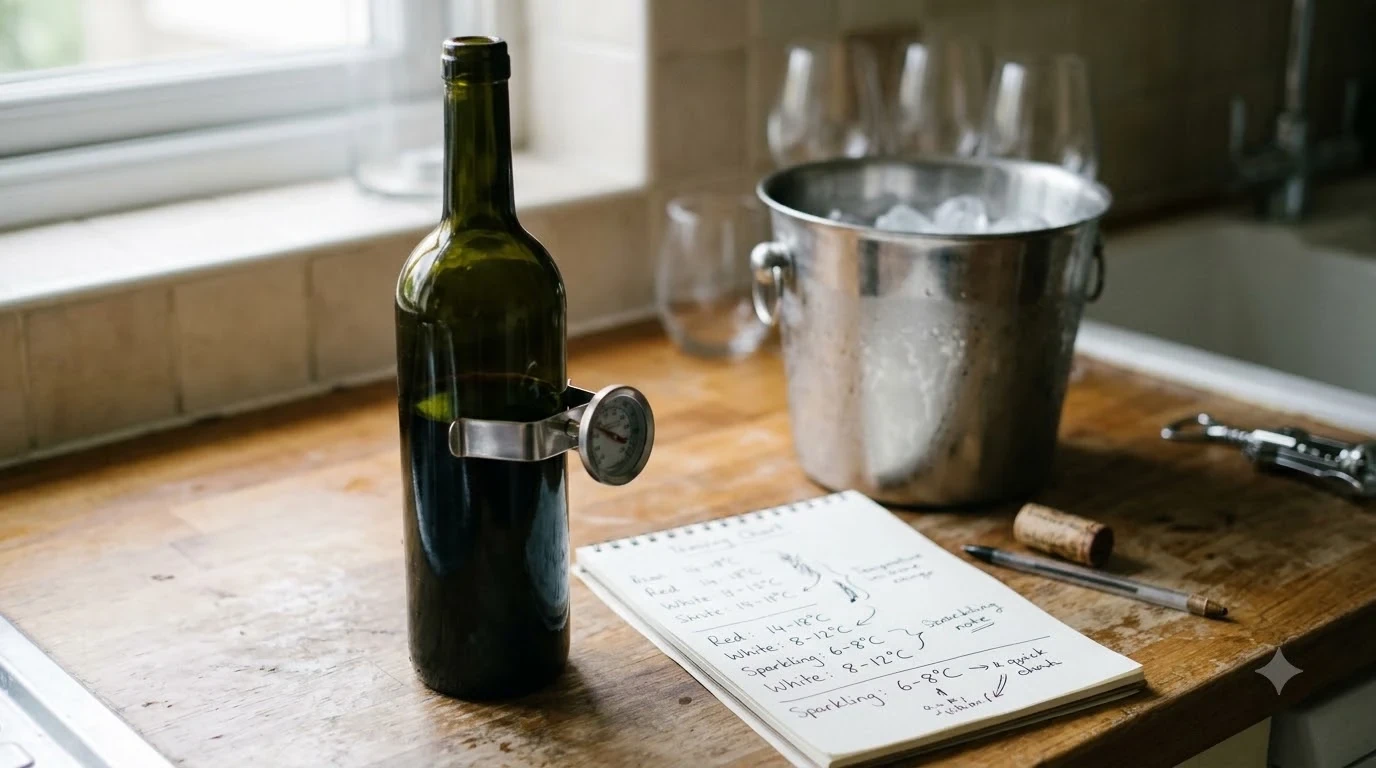
Serve Chardonnay around 50–55°F and full-bodied Cabernet Sauvignon around 60–65°F. Store unopened bottles on their sides in a cool, dark location near 55°F when possible.
Tip: If this is your first Chateau St. Jean purchase, start with one familiar varietal rather than buying several unfamiliar Reserve wines. A Chardonnay drinker can begin with Carneros Chardonnay, while a Cabernet Sauvignon fan can explore the Knights Valley bottling before moving to Cinq Cépages.
It is also helpful to compare multiple tasting notes for the same wine when possible. A professional review may emphasize acidity and structure, while another may focus on fruit and texture. Reading both descriptions can give a more balanced idea of what to expect.
Types and Styles Explained
Chateau St. Jean’s portfolio is best understood through its major grape categories and signature blends. The most recognizable choices include Chardonnay, Cabernet Sauvignon, and Cinq Cépages, but the winery’s wider selection offers alternatives for different tastes and meals.
Chardonnay: Rich California white wine
Chardonnay is one of the most recognizable wines in the winery’s portfolio. Its Carneros bottling has attracted professional attention for its ripe fruit, rounded palate, and layered flavor profile.
The 2023 Carneros Chardonnay received 90 points from Wine Enthusiast. Reviewer Tom R. Capo described aromas of baked apple, sweet cinnamon, and white flowers, followed by roasted pear, lemon peel, cinnamon, and caramel. The wine was listed at 14.2% alcohol by volume in the publication’s review.
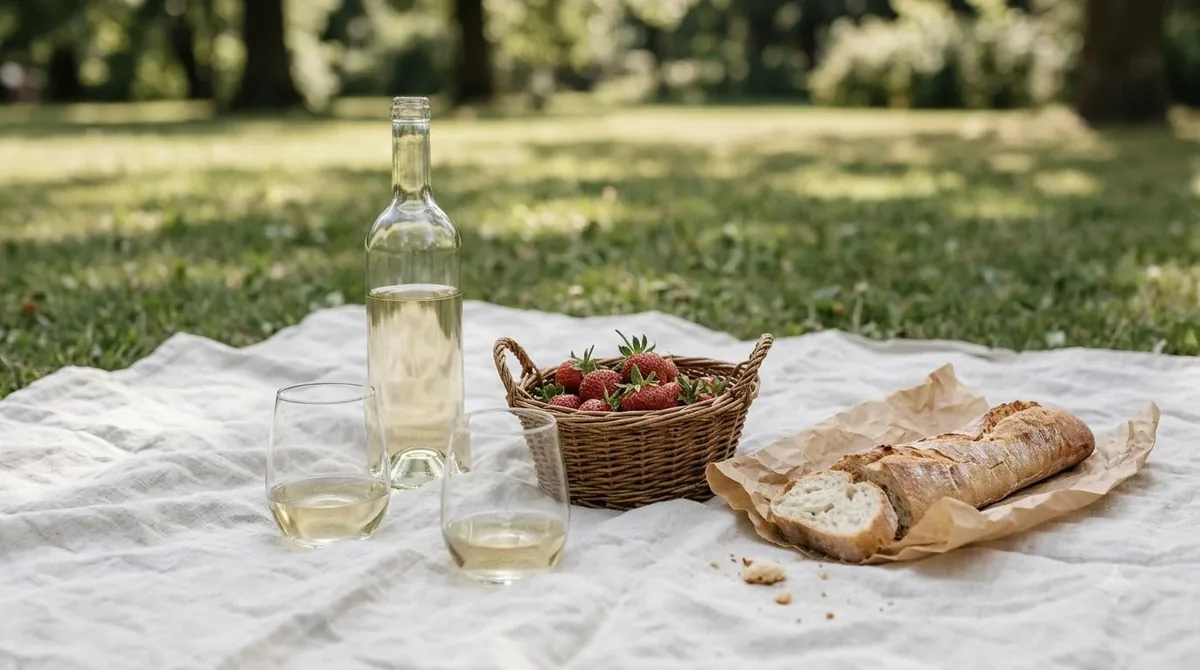
This tasting profile makes it a sensible option for people who enjoy fuller Chardonnay. It can work with roasted poultry, grilled salmon, buttery seafood dishes, and creamy pasta. Serve it at approximately 50–55°F rather than refrigerator-cold temperatures, which can suppress its aromas.
For a second reference point, the 2022 Carneros Chardonnay received 91 points from Wine Enthusiast. Its tasting description included pineapple, orange, pomelo, baked apple, and a saline quality on the finish. These reviews illustrate how the winery’s Chardonnay can combine ripe fruit with enough freshness to remain interesting alongside food.
Cabernet Sauvignon: Structured Sonoma red
Cabernet Sauvignon is a natural choice for drinkers who like fuller-bodied red wines. It generally has higher tannin than Merlot or Pinot Noir, creating a firmer mouthfeel and making it particularly suitable for richer meals.
Chateau St. Jean’s Knights Valley Cabernet Sauvignon is one of the winery’s identifiable regional bottlings. Wine.com lists the 2022 vintage alongside published professional scores of 95 from The Tasting Panel, 93 from James Suckling, and 90 from Jeb Dunnuck.
These scores provide evidence of professional interest in the wine, although they should not be treated as a guarantee that every consumer will enjoy it. Buyers should consider whether they like Cabernet’s structure, dark-fruit character, and potential oak influence.
Pair this style with grilled steak, roast beef, lamb, or aged hard cheeses. Salt and fat help soften the perception of tannin, making rich dishes particularly suitable. For serving, approximately 60–65°F is a useful target for full-bodied reds.
Cinq Cépages: The flagship Bordeaux-style blend
Cinq Cépages is arguably the most important wine to understand when exploring the producer. It is Chateau St. Jean’s flagship red blend and reflects the winery’s long-standing interest in selecting fruit from different Sonoma County vineyard sources.
The winery’s story identifies the 1996 vintage as a significant milestone for the wine. Sonoma Valley Vintners & Growers reports that this vintage received Wine Spectator’s Wine of the Year recognition, making it an important part of the winery’s reputation.
The 2022 release marked a stylistic relaunch. Chateau St. Jean describes the changes as producing a fuller-bodied, more expressive wine. This makes the newer direction particularly relevant for buyers who prefer substantial California reds rather than lighter, restrained blends.
Cinq Cépages is best suited to dinners featuring beef, lamb, grilled mushrooms, or other dishes with substantial savory flavors. It is also an interesting option for a gift when the recipient enjoys Bordeaux-style blends and wants to explore a Sonoma interpretation.
Pinot Noir: A lighter red alternative
Pinot Noir provides a different experience from Cabernet Sauvignon. It generally has lower tannin, higher acidity, and a lighter body, with red-fruit flavors such as cherry and strawberry often taking center stage.
This makes Pinot Noir a useful option for poultry, mushroom dishes, roast pork, and salmon. It can also be served slightly cooler than a full-bodied Cabernet, at approximately 55–60°F.
Buyers who find Cabernet Sauvignon too firm or heavy may prefer this style. Pinot Noir is also a practical choice when serving a mixed menu that includes both lighter meat dishes and vegetable-based courses.
Rosé and other white wines
Chateau St. Jean also offers alternatives beyond its best-known Chardonnay and red blends. The winery’s 2024 Rosé of Pinot Noir is made entirely from Pinot Noir, with stainless-steel fermentation and no malolactic fermentation.
The winery describes strawberry and watermelon flavors, bright acidity, and a crisp finish. This style is suitable for appetizers, cured meats, olives, fresh cheeses, and grilled shrimp with citrus vinaigrette.
Other varietal choices identified by Sonoma Valley Vintners & Growers include Riesling, Sauvignon Blanc, Viognier, Gewürztraminer, Pinot Blanc, and Pinot Grigio. These wines give buyers more flexibility if they prefer aromatic or higher-acid whites rather than a rounded Chardonnay.
For people interested in sweeter white wine styles, Chateau Ste Michelle Riesling offers another useful producer comparison. Those looking for a very different dessert-wine experience can also explore Chateau d Yquem wine, which belongs to a different category from Chateau St. Jean’s main Sonoma portfolio.
Common Mistakes When Buying Chateau St. Jean Wine
The biggest purchasing mistakes involve assuming that every bottle from the producer has the same structure, treating professional scores as personal guarantees, and overlooking the influence of serving temperature. A little attention to grape variety and wine style makes a meaningful difference.
Assuming all Chateau St. Jean wines taste alike
A Carneros Chardonnay and a Knights Valley Cabernet Sauvignon have very different characteristics. One is a white wine with medium acidity and a potentially rounded texture, while the other is a full-bodied red with substantially more tannin.
Even two red wines from the same producer can differ considerably. Merlot tends to have softer tannins than Cabernet Sauvignon, while Pinot Noir generally offers a lighter structure and more pronounced acidity.
Choosing by score alone
Professional scores are useful indicators, but they do not tell the whole story. A 90-point Chardonnay with baked apple, cinnamon, and caramel characteristics may be an excellent match for someone who enjoys richness but a poor match for someone who prefers citrus-driven whites.
Compare the actual tasting descriptions rather than focusing exclusively on the number. The 2023 Carneros Chardonnay’s 90-point review and the 2022 bottling’s 91-point review both describe attractive wines, but their specific flavor descriptions can help determine which vintage is more appealing.
Ignoring the vineyard designation
Regional information matters because Sonoma County is not a single uniform growing environment. Carneros and Knights Valley are useful examples of different origins associated with Chateau St. Jean’s portfolio.
Buying a wine without considering its appellation can lead to mismatched expectations. Someone looking for a rich white should pay attention to the Chardonnay’s origin and tasting profile, while a buyer seeking a structured red should examine the Cabernet Sauvignon’s regional designation.
Serving wine too cold or too warm
Temperature changes the way wine expresses its aromas, acidity, and structure. Chardonnay served directly from a very cold refrigerator may seem less expressive, while Cabernet Sauvignon served too warm can emphasize alcohol and make its structure feel heavier.
Use approximately 50–55°F for fuller white wines and 60–65°F for full-bodied reds. A lighter Pinot Noir generally benefits from a cooler serving temperature of around 55–60°F.
Pairing tannic reds with delicate food
Cabernet Sauvignon is not the ideal match for every meal. Its higher tannin can overpower delicate seafood, particularly oily fish, and its alcohol and tannin can make spicy dishes seem hotter.
Choose lighter Pinot Noir or a white wine for delicate fish dishes. Reserve structured Cabernet Sauvignon and Cinq Cépages for foods with more protein, fat, and savory depth, such as steak, lamb, and roasted mushrooms.
Care, Serving, and Storage Tips
Proper serving and storage help Chateau St. Jean wines show their intended character. The most useful practices involve maintaining a stable storage temperature, controlling exposure to light, and serving each wine style at an appropriate temperature.
Store unopened bottles correctly
For longer storage, keep bottles in a cool, dark location with a relatively stable temperature near 55°F. Avoid placing wine near ovens, radiators, sunny windows, or appliances that generate heat.
Bottles sealed with traditional corks are generally best stored horizontally so the cork remains in contact with the wine. This helps reduce the risk of cork drying over extended storage periods. Avoid frequent temperature changes and unnecessary movement, particularly with wines intended for aging.
Use the right serving temperature
Different Chateau St. Jean wines benefit from different serving conditions. A single temperature for every bottle is not ideal because lighter whites, fuller whites, and structured reds have different needs.
| Wine category | Recommended temperature | Serving guidance |
|---|---|---|
| Chardonnay | 50–55°F | Allow richer whites to warm slightly after refrigeration. |
| Sauvignon Blanc and Riesling | 45–50°F | Keep fresh, aromatic whites cool. |
| Rosé | 45–50°F | Serve chilled for freshness. |
| Pinot Noir | 55–60°F | Avoid serving too warm. |
| Cabernet Sauvignon | 60–65°F | Allow the wine to express its aromas and structure. |
| Cinq Cépages | 60–65°F | Use the full-bodied red wine serving range. |
Decant fuller red wines when appropriate
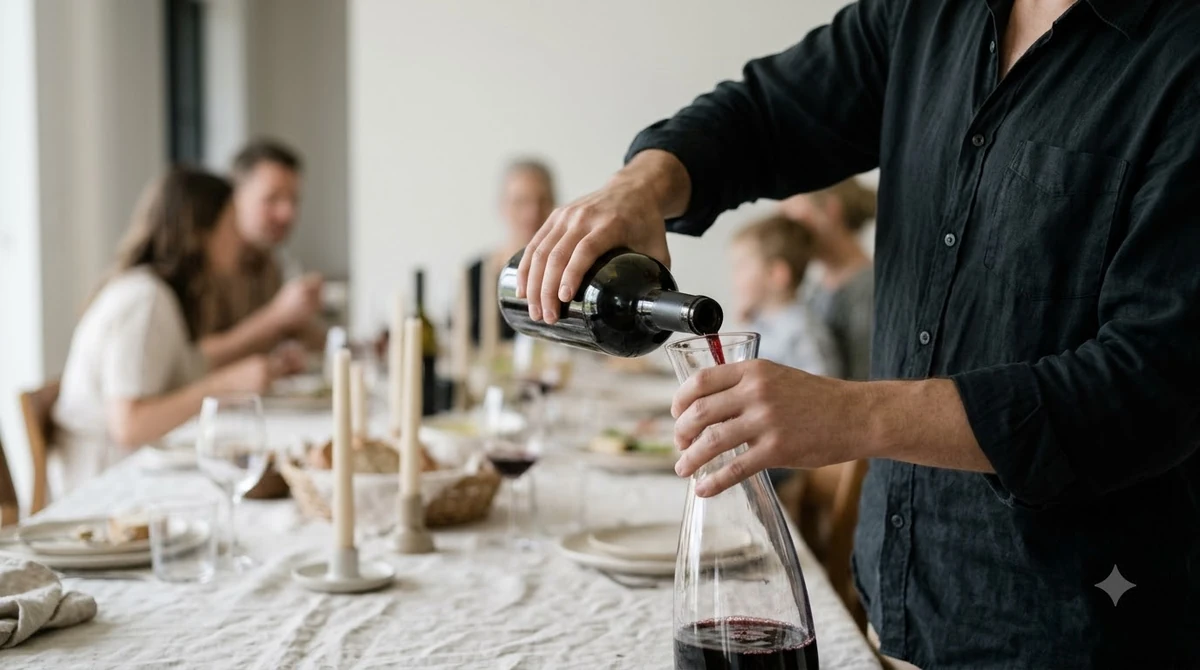
Young, full-bodied red wines can benefit from exposure to air before serving. For a substantial Cabernet Sauvignon or Cinq Cépages, approximately 30–60 minutes of decanting is a reasonable starting point.
Decanting can help soften the initial impression of a tightly structured young red and make its aromas more accessible. However, not every bottle needs extended aeration. Taste the wine after opening and adjust the timing according to how expressive it seems.
Preserve opened bottles
After opening, reseal the bottle and refrigerate it, including red wine. Cold storage slows oxidation and helps preserve the wine’s freshness. Allow red wine to return to its preferred serving temperature before pouring another glass.
As a general guideline, sparkling wines last approximately 1–3 days after opening with an appropriate sparkling-wine stopper. Most opened still wines remain in reasonable condition for around 3–5 days, although freshness depends on the wine’s style, storage, and exposure to air.
A 750 ml bottle provides approximately five standard 5-ounce glasses. This is a useful quantity to remember when planning dinner portions or deciding how many bottles to serve at a gathering.
Plan food pairings around the wine’s structure
For Chardonnay, consider roasted chicken, creamy pasta, grilled salmon, and richer seafood preparations. Its fruit and texture can complement these dishes without requiring an especially heavy sauce.
For Cabernet Sauvignon and Cinq Cépages, choose grilled beef, lamb, aged cheeses, and roasted vegetables. The fat and salt in these foods help soften the perception of tannin. Pinot Noir is more versatile with roast chicken, pork, mushroom risotto, and salmon.
For rosé, try cured meats, olives, salads, and grilled shrimp. For Sauvignon Blanc, fresh goat cheese and citrus-accented seafood are useful choices because the wine’s higher acidity can match the freshness of these foods.
Frequently Asked Questions
Is Chateau St. Jean an expensive wine brand?
The brand covers different levels of wine specialization, from standard varietal bottlings to limited Reserve and flagship wines. Its premium selections should not be assumed to represent the cost or style of its entire portfolio. Availability and retail positioning also vary across individual releases.
What does the name Cinq Cépages mean?
Cinq Cépages is French for five grape varieties. The name reflects the wine’s Bordeaux-style blending philosophy, rather than identifying a single grape. It is the winery’s flagship red blend and has been an important part of its identity since its early releases.
Where can visitors taste Chateau St. Jean wines?
The winery’s estate is located at 8555 Sonoma Highway in Kenwood, California. The historic property includes a Chateau and formal gardens, and visitors can enjoy seated experiences featuring Reserve and winery-exclusive wines. The estate also welcomes walk-ins, although checking its current visitor arrangements before traveling is sensible.
Does Chateau St. Jean make dessert wine?
Yes. Sonoma Valley Vintners & Growers identifies late-harvest and dessert wines among the winery’s additional wine categories. These styles are different from its regular dry Chardonnay and Cabernet Sauvignon offerings and are generally intended for different serving occasions.
What is the significance of Chateau St. Jean’s 1996 Cinq Cépages?
The 1996 Cinq Cépages received Wine Spectator’s Wine of the Year recognition, according to Sonoma Valley Vintners & Growers. This achievement helped establish the wine’s reputation beyond its immediate Sonoma Valley audience. It remains an important historical milestone for the producer.
Chateau St. Jean is a worthwhile producer to explore if Sonoma County wines, expressive Chardonnay, structured Cabernet Sauvignon, and Bordeaux-style blends appeal to your preferences. Start with a familiar varietal, then explore the vineyard-designated and Reserve selections as you learn which styles you enjoy most. For buyers seeking a signature bottle, Cinq Cépages is the natural place to begin exploring the winery’s distinctive identity.
For additional tasting information, the winery’s official history and winemaking overview explains its Sonoma heritage, while Wine Enthusiast’s Carneros Chardonnay review provides a useful example of the producer’s white wine style.
More in Wine Brands
 Louis Latour Wine Price: Compare Bottles by Style and TierUpdated Nov 20, 2026
 Yellow Tail Moscato Price: What to Expect Before You BuyUpdated Nov 20, 2026
 Sutter Home Sweet Red Review: Find the Right Food PairingsUpdated Nov 20, 2026
 Franzia Chillable Red Review: Find the Right Serving StyleUpdated Nov 20, 2026
 Veuve Clicquot Rose Review: Flavor, Food Pairings and Buying AdviceUpdated Nov 20, 2026
 Rombauer Wine Price: Compare Bottles Before You BuyUpdated Nov 20, 2026