
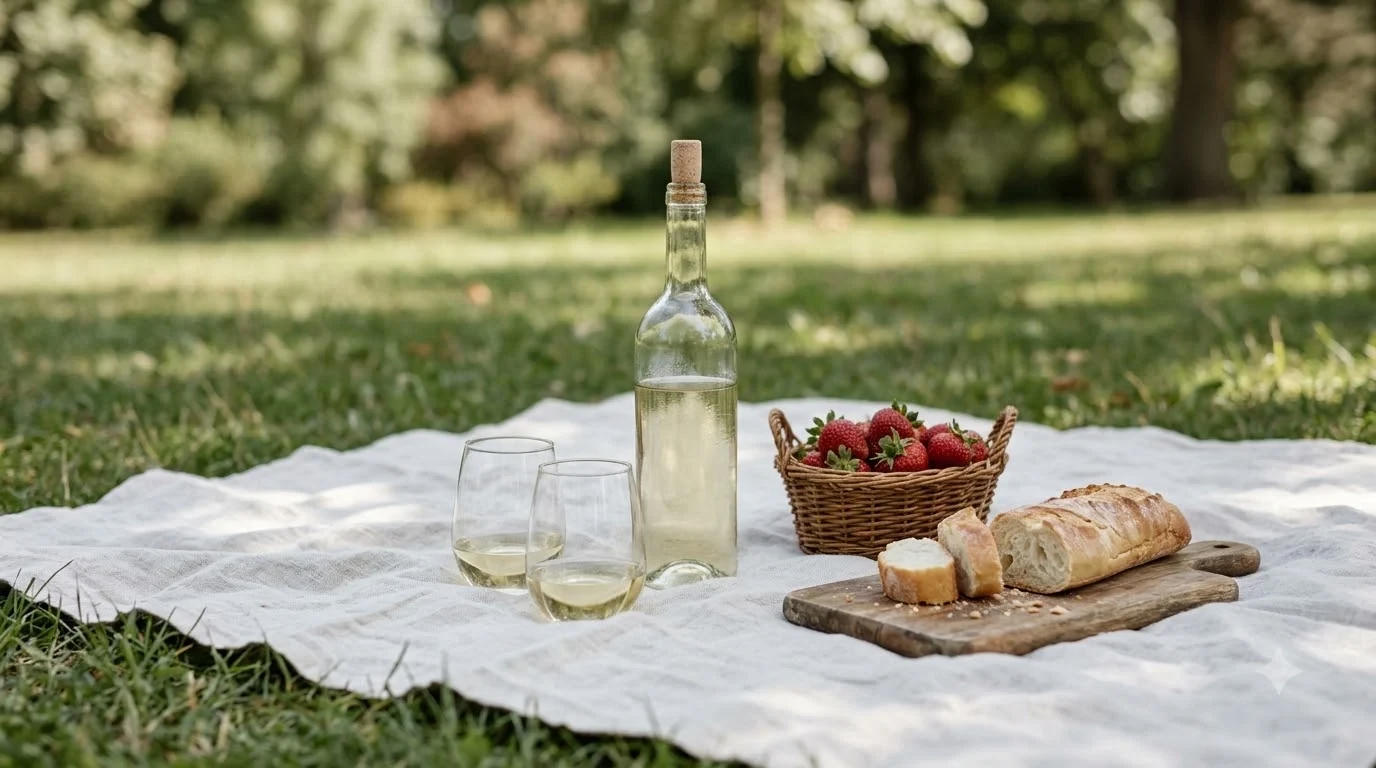

We may earn a commission when you buy through links on this page, at no extra cost to you. Learn more.
Andre wine price typically ranges from about $5 to $10 for a standard 750 ml bottle in the United States, depending on the variety, retailer and location. André is an affordable California sparkling wine brand from E. & J. Gallo Winery, with familiar choices including Brut, Extra Dry and Spumante. Most shoppers can compare these three styles without paying a substantial difference in retail cost, making sweetness and intended use more important buying considerations than price alone.
André has been making sparkling wine accessible since 1966, with a lineup that includes traditional sparkling wines, flavored varieties and ready-to-drink cocktails. Its everyday positioning makes it a familiar option for brunches, parties, casual celebrations and mixed drinks. Understanding the typical retail price, bottle size and differences between the varieties helps shoppers select the right bottle without confusing a sweeter sparkling wine with a drier one.
Who Should Buy André Wine?
André is a practical choice for shoppers looking for inexpensive California sparkling wine for casual occasions. Its approachable styles, familiar fruit flavors and standard 750 ml bottles make it particularly suitable for informal gatherings where accessibility matters more than prestige or extended bottle aging.
The brand is associated with E. & J. Gallo Winery and dates back to 1966. According to Gallo’s official portfolio description, André was originally created to offer affordable sparkling wine and has expanded into a collection of 10 California sparkling wine products. The range now covers several sweetness preferences and includes both bottles and cans.
For someone planning a brunch, André Brut and Extra Dry are useful starting points. Brut offers a comparatively drier profile with refreshing pear and lemon characteristics, while Extra Dry has more noticeable sweetness and apple and citrus aromas. Spumante is another option for shoppers who prefer a sweeter sparkling wine with fruit-forward flavors.
Budget-conscious hosts may also appreciate the standard 750 ml format. A bottle of that size provides approximately five traditional 5 oz servings, making it relatively easy to estimate how many bottles are needed for a small gathering. Some retailer descriptions advertise approximately six smaller servings, depending on the pouring size.
André may be less suitable for someone specifically seeking traditional Champagne from France, complex bottle-fermented sparkling wine or a premium bottle intended for extended cellaring. André’s California sparkling wines serve a different purpose: straightforward fruit character, approachable bubbles and everyday affordability.
Shoppers comparing the wider range can also explore Wine Brands to understand how André fits into the broader American sparkling wine market.
Key Factors That Determine André Wine Price
The main factors affecting André wine price are the specific expression, bottle format, retailer and local availability. Standard sparkling wine bottles generally occupy a similar affordable retail category, while flavored cocktails and smaller packaging can have different per-bottle costs.
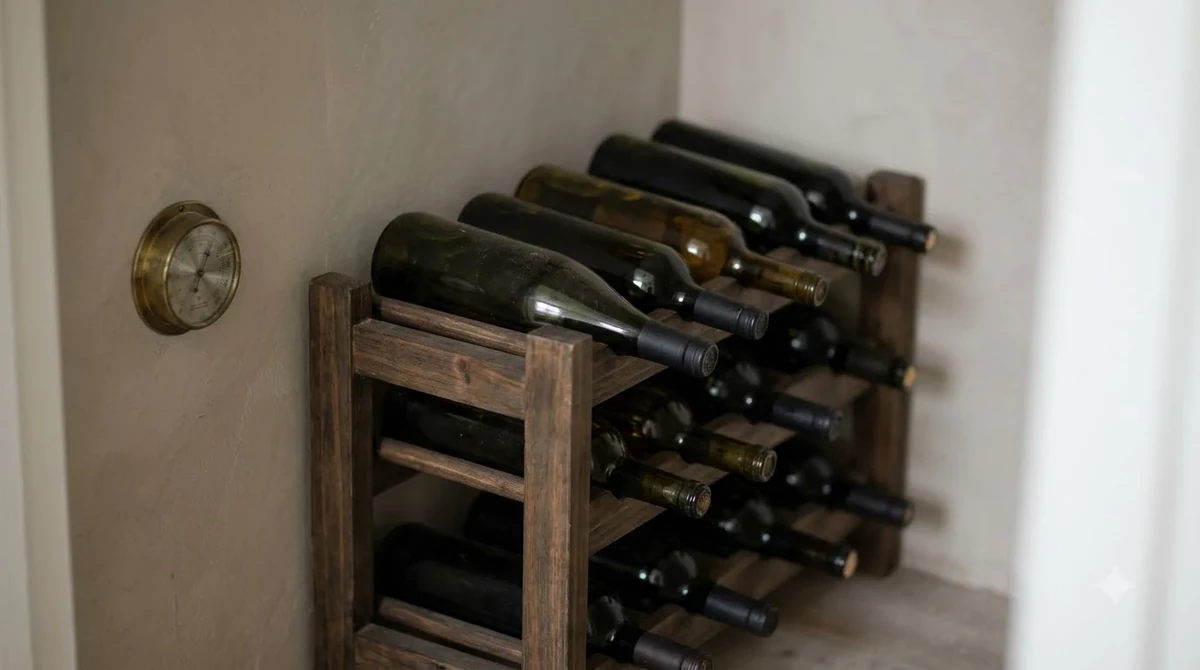
Standard bottle pricing: Retailer listings provide a useful picture of typical American shelf costs. Total Wine listings have placed André Brut and Extra Dry in an approximate $5 to $7 range for 750 ml bottles, while Target listings have shown the same standard bottle sizes in an approximately $7 to $8 range. These are retailer-observed ranges rather than guaranteed national prices. Prices vary by state and retailer. Sources: Total Wine’s André selection and Target’s André selection.
Wine style: Brut, Extra Dry and Spumante have different sweetness profiles, but their standard bottle prices are generally close. The choice is therefore better made according to taste and serving purpose. A sweeter expression is not automatically more expensive, and a drier expression does not necessarily represent a premium production category.
Retailer and location: Local inventory, state alcohol regulations, distribution arrangements and retailer pricing policies all influence the final shelf cost. H-E-B, for example, lists André Brut and Extra Dry separately and notes that prices can vary between in-store, curbside and delivery purchases. The same bottle can therefore have different listed costs depending on where and how it is purchased.
Packaging: A traditional 750 ml bottle is the most useful reference point for comparing the core sparkling wines. André also offers cans and ready-to-drink cocktail products. These formats should be compared by volume as well as total cost because a smaller package does not necessarily provide better value per serving.
| André variety or format | Typical retail price range | Standard comparison size | Buying consideration |
|---|---|---|---|
| Brut | About $5–$8 | 750 ml | Comparatively dry, fruit-forward |
| Extra Dry | About $5–$8 | 750 ml | Semi-dry, apple and citrus |
| Spumante | About $7–$10 | 750 ml | Sweet, approachable sparkling style |
| Flavored sparkling varieties | About $7–$10 | 750 ml where available | Fruit-forward alternative |
These approximate comparison ranges are based on the observed Total Wine and Target listings for core sparkling wines and the retailer’s broader André selection, including its additional expressions. They are practical shopping estimates, not manufacturer-set prices. Prices vary by state and retailer, and availability can change. The ranges should not be interpreted as a promise that every variety will be stocked at every store.
Another important distinction is that the word Champagne appears in André’s American branding and retailer product descriptions. These products are California sparkling wines, not Champagne originating from the Champagne region of France. Shoppers comparing André with French Champagne should account for this difference before treating the bottles as equivalent products.
Step-by-Step: How to Find the Right André Bottle
Choosing an André bottle is relatively straightforward when the shopping process starts with sweetness, serving occasion and bottle size. A few simple comparisons can prevent paying for a style that does not match the intended use.
- Decide how dry or sweet the wine should be. Choose Brut for a comparatively drier sparkling wine, Extra Dry for a semi-dry profile or Spumante for a sweeter option. This is the most important decision because sweetness changes the drinking experience more noticeably than small retail price differences.
- Match the variety to the occasion. Brut works for general celebrations and sparkling cocktails. Extra Dry is particularly useful for brunch drinks, while Spumante suits occasions where guests prefer noticeable fruit sweetness.
- Compare 750 ml bottles first. The standard bottle provides a consistent reference point for comparing different varieties. Avoid comparing the total cost of a bottle directly with the cost of a can without considering the amount of wine in each package.
- Check at least two retailers. Look at local supermarket and wine retailer listings. Comparing Total Wine, Target and regional grocery retailers can show whether a particular bottle falls within the typical American retail range.
- Check local availability and purchase format. Online inventory does not always match local store stock. Delivery and curbside pricing can also differ from shelf pricing, so verify the final amount before completing a purchase.
- Estimate the number of servings. A 750 ml bottle provides approximately five 5 oz glasses. For a gathering of 10 people, two bottles provide approximately 10 standard servings, although actual requirements depend on the number of other beverages being served.
- Serve the wine properly. Chill the bottle before opening. A serving temperature of approximately 40–50°F is suitable for sparkling wine and helps maintain a refreshing drinking experience.
Tip: Compare André Brut, Extra Dry and Spumante by sweetness before comparing their shelf prices. When standard 750 ml bottles are in similar retail categories, choosing the right flavor profile usually matters more than a small difference in cost.
For a more detailed look at the brand’s main sparkling wine options, the André wine overview provides a useful starting point. Shoppers who already know they prefer the traditional dry style can narrow their comparison further by looking at André Champagne varieties.
André Wine Types and Styles Explained
André’s core sparkling wine range includes different sweetness levels and fruit characteristics, giving shoppers several options within the same accessible brand. Understanding the difference between Brut, Extra Dry and Spumante makes it easier to select a bottle for a particular meal, celebration or cocktail.
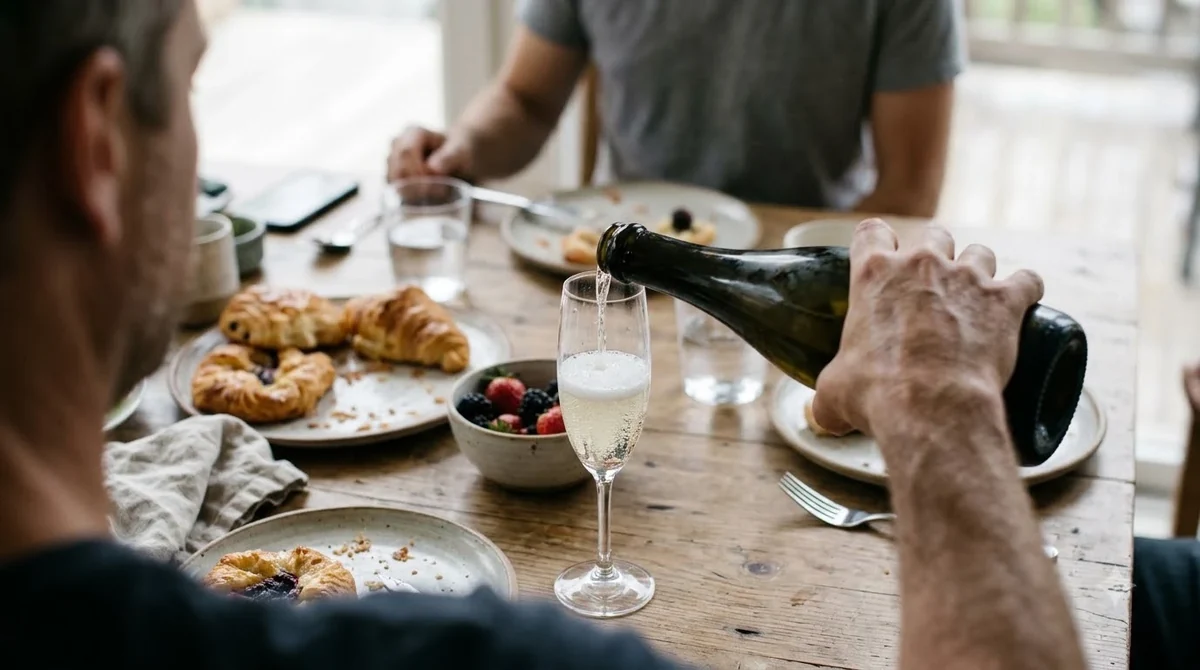
André Brut
André Brut is a California sparkling wine made from a blend of white grapes. Its profile is crisp and fruit-forward, with pear and lemon notes described by H-E-B and green apple, pear and sweet lemon characteristics highlighted by Total Wine.
Although the name Brut suggests a dry sparkling wine, André Brut can still come across as approachable and slightly sweet compared with particularly austere traditional sparkling wines. It is a useful general-purpose selection for toasts, casual celebrations and cocktails that benefit from refreshing bubbles.
Its 750 ml bottle contains approximately six smaller servings according to H-E-B’s product description, and the listed alcohol content is 10.5% ABV. The standard 750 ml format also makes it simple to compare with other André varieties.
André Extra Dry
Extra Dry is not actually the driest category in the sparkling wine sweetness classification. Despite its name, André Extra Dry is described by the official brand website as a semi-dry California sparkling wine with pear and apple aromas.
The sweetness makes it a particularly useful choice for brunch cocktails. Apple and citrus flavors provide an approachable fruit character, and the wine can be used in a mimosa or served chilled on its own. Its slightly sweeter profile may also appeal to guests who find Brut too dry.
H-E-B lists the traditional 750 ml André Extra Dry bottle at approximately 10.5% ABV, with roughly six smaller servings. Its retail positioning is generally close to that of André Brut, so the decision should focus on the preferred sweetness rather than assuming one is a more expensive version.
André Spumante
Spumante is a sweeter sparkling wine style and a natural choice for people who enjoy noticeable fruit flavors. Total Wine describes André Spumante as light and sweet, with lively bubbles and flavors of ripe pear, green apple and a touch of honey.
This profile makes Spumante suitable for casual celebrations, fruit-based desserts and guests who prefer sweeter sparkling wine. It can also be served as a standalone aperitif when a less dry style is preferred.
For shoppers who are unfamiliar with Italian sparkling wine terminology, Spumante simply refers to a fully sparkling style rather than identifying a specific grape variety or guaranteeing a particular sweetness level. The André version should therefore be selected according to its actual flavor profile rather than the name alone.
Flavored André Sparkling Wines and Cocktails
Beyond its three familiar core expressions, André’s wider range includes products such as Pineapple Mimosa, Strawberry Mimosa, Peach Bellini and Mango Mimosa. These options are aimed at shoppers who prefer fruit-driven sparkling drinks rather than a more traditional white sparkling wine.
Some products are premixed cocktails, while others are sparkling wine expressions. That distinction matters when comparing bottles because a flavored cocktail is not necessarily interchangeable with a traditional Brut or Extra Dry wine in a recipe.
The official André website also presents cans alongside bottles, giving shoppers additional packaging options. These formats can be useful for smaller gatherings or individual servings, although their unit cost should be compared using volume rather than package price alone.
Common Mistakes When Comparing André Wine Prices
The biggest shopping mistakes involve confusing sweetness categories, comparing different bottle sizes and assuming that every sparkling wine labeled Champagne comes from France. These details can make an otherwise simple price comparison misleading.
Assuming Extra Dry Means Drier Than Brut
This is one of the most common misunderstandings in sparkling wine shopping. In the traditional sweetness classification, Brut is drier than Extra Dry. The Extra Dry designation may sound like a drier product, but the wine generally has more sweetness than Brut.
André’s official description reinforces this distinction by identifying its Extra Dry expression as semi-dry. It highlights pear and apple aromas and positions the wine as a suitable mixer. Shoppers who want a comparatively dry bottle should start with Brut instead.
Comparing Different Bottle Sizes
A smaller bottle can appear inexpensive because its total shelf cost is lower. However, that does not necessarily mean it offers better value. A 375 ml half bottle contains half the volume of a standard 750 ml bottle, while a 750 ml bottle offers approximately five traditional 5 oz pours.
For a fair comparison, divide the total package cost by the bottle volume or calculate the approximate cost per standard serving. This becomes especially important when comparing cans, smaller bottles and traditional sparkling wine formats.
Confusing California Sparkling Wine With French Champagne
André’s branding uses the familiar American phrase California Champagne, but the wine is not produced in France’s Champagne region. Genuine Champagne is a geographically protected sparkling wine designation associated with that French region and its production rules.
André should instead be understood as an American sparkling wine brand. This distinction is important because shoppers comparing it with French Champagne are looking at different origins, production expectations and market categories.
Expecting Every André Product to Have the Same Sweetness
The brand includes dry, semi-dry, sweet and flavored expressions. A shopper who likes Brut may not necessarily enjoy Spumante or a sweet fruit-flavored cocktail. The reverse is also true: someone who prefers sweet sparkling wine may find Brut less appealing.
Choosing according to sweetness prevents unnecessary purchases and makes it easier to serve guests a style they will actually enjoy. When buying several bottles for a gathering, selecting two different sweetness profiles can be more useful than buying several identical bottles.
Ignoring Local Retail Conditions
Retail pricing is not uniform across the United States. State alcohol regulations, store locations, distribution and online fulfillment arrangements can all influence the final shelf cost. A listing from a national retailer is useful for estimating a budget, but it should not be treated as a guaranteed price in another state.
Shoppers should also distinguish between standard retail listings and promotional pricing. A temporary listing should not automatically be treated as the normal cost of a bottle.
Serving and Storage Tips for André Sparkling Wine
Proper chilling and careful storage help André maintain its refreshing character and carbonation. Sparkling wine is generally best served cold, and an opened bottle should be refrigerated and consumed relatively quickly.
Choose the Right Serving Temperature
A temperature of approximately 40–50°F is suitable for André Brut, Extra Dry and Spumante. This range helps preserve the refreshing character of the bubbles without making the fruit aromas too difficult to detect.
Chilling the bottle in a refrigerator before serving is a practical approach. Avoid leaving sparkling wine in a warm room for extended periods, especially during an outdoor gathering. A cold bottle also makes it easier to serve consistent pours throughout the occasion.
Use Appropriate Glassware
André’s approachable style does not require expensive crystal glassware. A regular wine glass, sparkling wine flute or suitable drinking cup can work. A flute helps direct bubbles upward, while a wider wine glass allows more room for fruit aromas to develop.
For a casual brunch, ordinary wine glasses are perfectly practical. Pour approximately 5 oz per serving, leaving enough room for the bubbles to rise without overflowing.
Store Unopened Bottles Correctly
Keep unopened sparkling wine in a cool, dark place away from direct sunlight, heat sources and significant temperature fluctuations. A storage temperature near 55°F is a useful general reference for wine storage.
For longer-term storage, bottles with traditional cork closures are generally stored on their sides to keep the cork from drying out. Many everyday sparkling wines are intended for relatively early consumption rather than extended cellaring, so there is little reason to purchase André with the expectation of long-term bottle aging.
Preserve Leftover Sparkling Wine
Once opened, sparkling wine loses carbonation over time. Refrigerate the remaining wine promptly and use a proper sparkling wine stopper designed to retain pressure. An ordinary flat wine stopper may not provide the same level of protection.
Opened sparkling wine is generally best consumed within approximately 1–3 days when properly refrigerated and sealed. Its bubbles may diminish before the wine becomes unpleasant to drink, so quality is usually best during the first day after opening.
These simple practices are especially useful when buying several bottles for a party. Keeping unopened bottles chilled and opening them as needed can help reduce unnecessary waste.
Frequently Asked Questions
Is André wine owned by E. & J. Gallo Winery?
Yes. André is part of the E. & J. Gallo Winery portfolio. The brand’s history dates to 1966, when it was introduced with an emphasis on affordable sparkling wine. Its association with Gallo is also reflected on the winery’s official portfolio website.
Does André wine use a cork or screw cap?
Packaging can vary across André products and bottle formats. Some retail product descriptions and brand materials refer to convenient closures, but shoppers should not assume every expression uses an identical opening mechanism. The actual closure can be checked when selecting a particular bottle in a store.
Can André sparkling wine be used in cooking?
Yes. André Brut and Extra Dry can be incorporated into recipes that call for sparkling white wine, including certain fruit-based sauces and light batters. Brut is generally the more versatile choice when a recipe does not call for noticeable sweetness. Avoid using sparkling wine in a recipe where its remaining sweetness would change the intended flavor balance.
Does André make non-alcoholic sparkling wine?
The core André sparkling wine range is an alcoholic beverage collection, and the traditional bottles include alcohol on their product descriptions. The official brand portfolio highlights sparkling wines, canned products and cocktails rather than identifying a dedicated non-alcoholic range. Shoppers seeking alcohol-free sparkling wine should look for a product specifically labeled non-alcoholic.
What does the name Spumante mean on a sparkling wine bottle?
Spumante is an Italian term meaning sparkling wine. It describes the wine’s sparkling character rather than identifying a single grape or a specific production region. The term is also used for sparkling wines with different sweetness levels, so the name alone does not establish exactly how sweet a particular bottle will taste.
André remains a practical option for shoppers who want approachable California sparkling wine without moving into premium Champagne pricing. Comparing Brut, Extra Dry and Spumante by sweetness, bottle size and local retail availability makes it easier to find the right expression. For most everyday occasions, the best choice is the bottle that matches the occasion and preferred flavor profile rather than simply the lowest listed price.
More in Wine Brands
 Louis Latour Wine Price: Compare Bottles by Style and TierUpdated Nov 20, 2026
 Yellow Tail Moscato Price: What to Expect Before You BuyUpdated Nov 20, 2026
 Sutter Home Sweet Red Review: Find the Right Food PairingsUpdated Nov 20, 2026
 Franzia Chillable Red Review: Find the Right Serving StyleUpdated Nov 20, 2026
 Veuve Clicquot Rose Review: Flavor, Food Pairings and Buying AdviceUpdated Nov 20, 2026
 Rombauer Wine Price: Compare Bottles Before You BuyUpdated Nov 20, 2026