

We may earn a commission when you buy through links on this page, at no extra cost to you. Learn more.
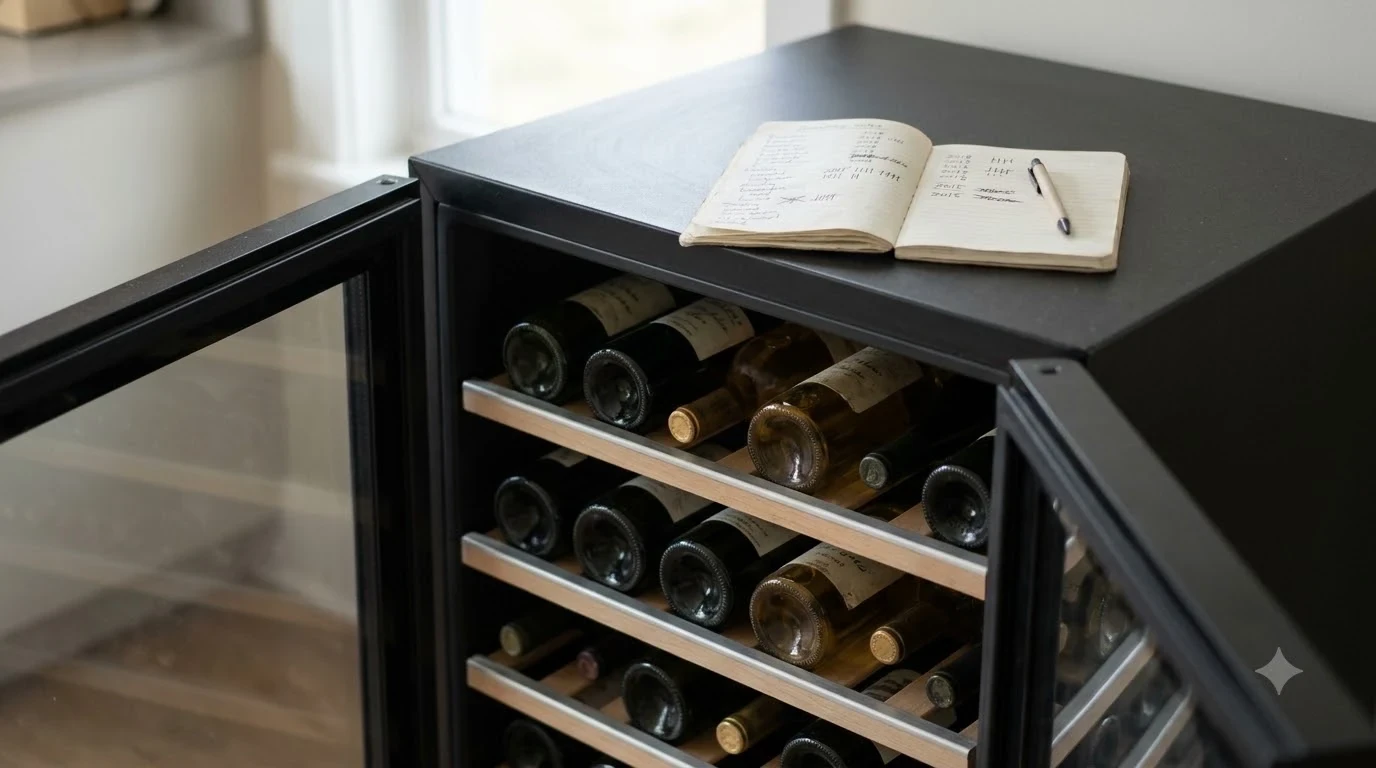
A wine fridge cover protects the exterior of a wine refrigerator from dust, scratches, sunlight, and debris, but it must never block the appliance’s ventilation openings. The right cover depends on whether the refrigerator is operating, temporarily stored, or installed outdoors. For most household wine coolers, a breathable, removable cover is useful for protection during periods of inactivity, while a running refrigerator needs unobstructed airflow around its cooling system.
A wine refrigerator is a specialized appliance designed to maintain a stable environment for bottled wine. Its glass door, exterior finish, controls, seals, and ventilation components can all benefit from sensible protection. However, covering an operating appliance with an ordinary fabric sheet or tight-fitting vinyl cover can create problems if the material restricts airflow or traps heat. Before buying a cover, consider the refrigerator’s installation type, ventilation layout, surrounding environment, and intended use. These details determine whether a simple dust cover, a fitted protective cover, or a purpose-built outdoor enclosure is appropriate.
Who Should Use a Wine Fridge Cover?
A protective cover is most useful for owners who need to shield a wine refrigerator from dust, accidental scratches, or environmental debris. It is not necessary for every installation, and a cover should never interfere with normal cooling operation.
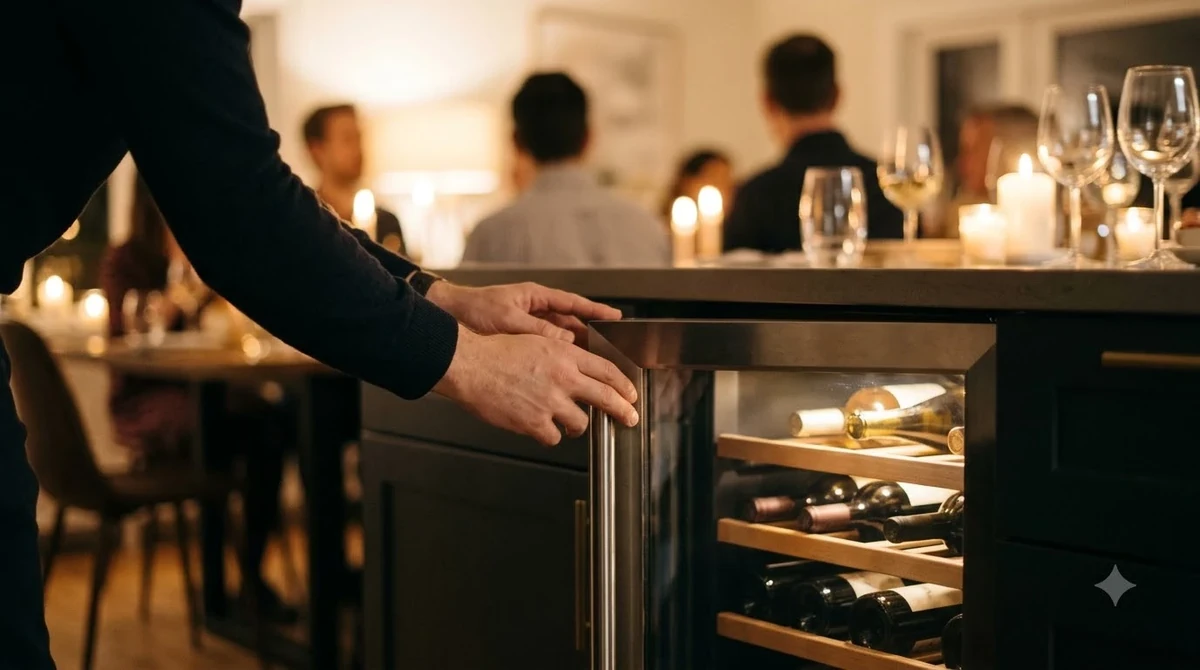
For a freestanding wine cooler in a kitchen, dining room, or home bar, the main reason to buy a cover is often cosmetic protection. Dust can collect on the top and sides, while nearby household activity can cause scratches, fingerprints, and other marks. A removable cover can help protect the exterior when the appliance is switched off for an extended period or temporarily moved into storage.
Owners of wine refrigerators in garages, workshops, or utility rooms may also benefit from protection against airborne dust and debris. These environments can expose an appliance to more dirt than a typical indoor kitchen. However, a cover does not correct an unsuitable installation location. Whirlpool’s wine cellar guidance recommends a dry, well-ventilated room and warns against obstructing ventilation openings. A protective accessory cannot replace those basic requirements.
There is also a distinction between covering a household wine refrigerator and protecting a separate wine cellar cooling system. US Cellar Systems offers purpose-built outdoor enclosures for refrigeration condensing units. These enclosures are designed to protect professional equipment from weather and debris while preserving airflow. They are not interchangeable with ordinary fabric covers designed for domestic wine coolers.
When a cover makes sense
- Long-term storage: A removable dust cover can protect an unplugged refrigerator after it has been cleaned and dried.
- Moving house: A padded protective cover or moving blanket can help prevent exterior scratches during transportation.
- Dusty rooms: A cover can protect inactive equipment from accumulated household or workshop dust.
- Professional outdoor equipment: A purpose-built enclosure can protect compatible refrigeration components exposed to outdoor conditions.
By contrast, someone operating a built-in wine cooler in a properly ventilated kitchen cabinet generally has little reason to add an external cover. The surrounding cabinetry already provides some physical protection, and adding fabric or another obstruction near the appliance can compromise airflow.
Key Factors to Compare When Choosing a Cover
The most important buying considerations are material, dimensions, ventilation, installation style, and accessibility. A cover should fit the refrigerator’s exterior without interfering with its door, electrical connection, or cooling system.
Start by identifying the exact location of the air intake and exhaust. Some wine refrigerators use front ventilation, while others require space around the rear or sides. The Dunavox Horizon and Spirit manual specifically warns that covering ventilation grids can prevent proper ventilation and cause overheating. A cover that looks attractive but obstructs these openings is unsuitable.
Material matters because different fabrics offer different levels of dust protection, moisture resistance, and flexibility. Polyester is a practical choice for a lightweight removable cover, while thicker padded materials are more appropriate for transportation. Waterproof-coated fabrics can protect against splashes, but they should not be treated as suitable operating covers unless the appliance manufacturer specifically permits their use and ventilation remains unaffected.
| Feature | What to look for | Best application |
|---|---|---|
| Material | Breathable polyester or suitable fabric | Indoor dust protection |
| Padding | Soft protective lining | Moving and transportation |
| Water resistance | Moisture-resistant exterior | Limited splash protection |
| Fit | Correct width, height, and depth | Freestanding refrigerators |
| Ventilation | Unobstructed intake and exhaust | Operating appliances |
| Access | Removable panels or open front | Controls and door access |
| Fastening | Adjustable straps or secure closures | Storage and transportation |
| Construction | Durable seams and washable fabric | Repeated household use |
Choosing the right material
For indoor dust protection, lightweight polyester or cotton-blend fabric is generally a sensible starting point. These materials are easy to handle and can be removed without much effort. A washable cover is particularly useful because accumulated dust and household dirt can be removed before the accessory is reused.
For transportation, a padded cover offers more protection against incidental contact than a thin fabric sleeve. However, it should be considered a temporary protective layer rather than a permanent installation accessory. Remove it after the refrigerator reaches its destination, before the appliance is switched on.
For outdoor applications, material selection becomes more demanding. Rain, ultraviolet exposure, temperature changes, and airborne debris can damage ordinary household covers. A purpose-built equipment enclosure with appropriate weather protection and ventilation is a better solution for compatible professional refrigeration equipment.
Matching the cover to the refrigerator’s design
Freestanding wine coolers generally offer the greatest flexibility because their entire exterior is accessible. A cover can wrap around the top and sides, provided it does not obstruct cooling components or trap excessive heat.
Built-in refrigerators require more attention. Many models use front-facing ventilation grilles that must remain completely clear. A cover that extends over the front grille or becomes trapped between the appliance and cabinetry can interfere with cooling. For this installation style, avoiding an external operating cover is generally the safest choice.
Before purchasing, compare the refrigerator’s actual exterior measurements with the cover’s stated dimensions. Do not rely exclusively on bottle capacity. Two refrigerators that hold 24 bottles can have different exterior measurements because of differences in shelving, insulation, door construction, and cabinet design.
Step-by-Step: How to Choose and Fit a Wine Fridge Cover
A suitable cover begins with accurate measurements and a clear understanding of the appliance’s ventilation requirements. Follow these steps before ordering an accessory or placing one over your refrigerator.
-
Identify the refrigerator type.
Determine whether the appliance is freestanding, built-in, under-counter, or part of a larger wine cellar system. This affects which surfaces can safely be covered and where ventilation space is required. -
Find the ventilation openings.
Examine the installation manual and locate the air intake, exhaust grille, and cooling-system ventilation area. Note whether the appliance vents from the front, rear, or sides. Do not assume that every wine cooler uses the same arrangement. -
Measure the exterior.
Measure width from side to side, height from the floor to the top, and depth from the front to the rear. Record the measurements in inches and include protruding handles where they affect the fit. -
Choose the intended protection level.
Decide whether you need basic dust protection, padding for moving, resistance to occasional splashes, or a professional outdoor equipment enclosure. These are different applications and require different products. -
Check the material and construction.
Look for washable fabric, reinforced seams, suitable closures, and a design that will not scratch glass or painted surfaces. For transportation, prioritize padding and a secure fit. -
Confirm accessibility.
Make sure the cover can be removed without pulling on the door handle, damaging the power cord, or disturbing the refrigerator’s position. Controls and electrical connections should remain accessible. -
Install the cover correctly.
For an inactive refrigerator, place the cover evenly over the clean, dry exterior. For an operating appliance, use only a manufacturer-approved protective arrangement that preserves all specified clearances and airflow. -
Inspect the appliance regularly.
Check for accumulated dust, trapped moisture, fabric movement, and signs of restricted airflow. Remove an unsuitable cover immediately if it interferes with the cooling system.
Tip: Measure the refrigerator itself rather than estimating its size from bottle capacity. A 30-bottle wine cooler and a different 30-bottle model can have substantially different dimensions. Also photograph the ventilation grilles before shopping so you can compare the cover design with the appliance’s actual airflow layout.
One important distinction is the difference between a transportation cover and a cover for everyday use. A moving blanket can protect the cabinet while a refrigerator is being carried, but it should be removed before the appliance is installed and operated. Similarly, a dust cover intended for an unplugged refrigerator should not automatically be considered safe for continuous use.
Types of Wine Fridge Covers Explained
Wine refrigerator covers generally fall into four practical categories: lightweight dust covers, padded protective covers, moisture-resistant covers, and purpose-built outdoor enclosures. Choosing the correct category is more important than selecting the thickest or most expensive material.
Lightweight dust covers are the simplest option. They are intended to keep dust off the exterior while the appliance is inactive. A loose, removable fabric cover is easy to store and clean, making it useful for refrigerators that are temporarily out of service. It should be removed before restarting the refrigerator unless the manufacturer explicitly approves the particular arrangement.
Padded covers are designed primarily for moving and transportation. Their additional thickness helps reduce the risk of scratches and minor surface damage when the appliance comes into contact with surrounding objects. They are especially useful when a refrigerator is being moved through narrow doorways, hallways, or storage areas. They do not replace proper handling, securing, or transportation procedures.
Moisture-resistant protective covers
Moisture-resistant covers are intended to help shield equipment from occasional water exposure and environmental dirt. Their usefulness depends on the material, construction, and intended application. A coated exterior may resist splashes, but that does not mean the cover can safely remain on a running wine refrigerator.
Trapped moisture can also create problems. A cover placed over a damp appliance may encourage condensation or leave moisture against the exterior for an extended period. Before covering a refrigerator for storage, clean and dry its surfaces thoroughly. Avoid using an ordinary waterproof sheet as a permanent enclosure.
Professional outdoor refrigeration enclosures
Outdoor refrigeration enclosures serve a different purpose from household dust covers. US Cellar Systems offers dedicated enclosures for condensing units installed outdoors. The company describes these accessories as providing protection from weather and debris while maintaining proper ventilation and access for servicing.
The manufacturer’s listed range includes four configurations: TC-100, TC-150, TC-230, and TC-450. Their published dimensions and weights are shown below.
| Enclosure | Dimensions (D × W × H) | Weight |
|---|---|---|
| TC-100 | 24 × 18 × 14.5 inches | 35 lb |
| TC-150 | 26 × 22 × 18 inches | 45 lb |
| TC-230 | 28 × 37 × 22 inches | 70 lb |
| TC-450 | 32 × 46 × 28 inches | 96 lb |
These are specialized refrigeration accessories, not standard covers for compact wine refrigerators. Their design includes features such as service access, electrical connection openings, and refrigeration-line cutouts. Anyone considering this type of equipment should confirm compatibility with the refrigeration system and installation requirements before purchasing.
For additional information, the US Cellar Systems outdoor enclosure specifications explain the intended application and available enclosure sizes.
Common Mistakes When Using a Wine Fridge Cover
The biggest mistake is assuming that a cover is automatically beneficial because it protects the exterior. An unsuitable cover can interfere with ventilation, retain moisture, or make routine operation more difficult.
The most serious issue is obstructed airflow. Refrigeration systems release heat as part of their normal operation, and ventilation openings allow that heat to escape. The Dunavox wine refrigerator manual explicitly warns that blocked ventilation grids can cause overheating. Whirlpool also advises owners not to cover or obstruct appliance ventilation openings.
This is particularly important for compact under-counter refrigerators and built-in models. A cover that seems harmless on a freestanding unit may block a front-facing grille on another model. Always consider the appliance’s specific installation instructions rather than relying on a general cover design.
Assuming a waterproof cover is always better
Water resistance sounds attractive, especially for refrigerators located in garages or utility rooms. However, waterproof materials can also restrict airflow and trap moisture if they are wrapped tightly around the appliance. A water-resistant exterior does not automatically make an accessory suitable for continuous use.
It is also important to distinguish protection from rain from protection against humidity. A cover cannot make an indoor wine refrigerator suitable for an exposed outdoor location. Ambient temperature, ventilation, and moisture conditions still determine whether the appliance can operate correctly.
Buying by bottle capacity instead of dimensions
Another common mistake is selecting a cover based on a refrigerator’s stated bottle capacity. Bottle capacity describes storage, not the physical dimensions of the cabinet. A 12-bottle cooler may be taller and narrower than another 12-bottle model, while two larger refrigerators may have very different depths.
Measure the actual exterior and compare it with the manufacturer’s sizing information. Allow for handles, hinges, and other protruding components where relevant. An overly tight cover can place unnecessary pressure on the door or cabinet, while an oversized cover may move around and become inconvenient.
Leaving the cover in place during operation
A cover designed for storage should not be left over a powered refrigerator simply because it fits. The cooling system needs the airflow specified by the manufacturer, and fabric covering an exhaust area can interfere with heat dissipation.
The same principle applies to decorative coverings. A cloth draped over the top, a vinyl sheet around the sides, or a custom-fitted sleeve can all cause problems if they restrict ventilation. Decorative appearance should never take priority over correct installation.
Using an ordinary cover outdoors
Outdoor conditions are more demanding than indoor storage conditions. Sunlight, rain, wind, temperature fluctuations, and debris can affect both the cover and the refrigerator. A household fabric sleeve is not a substitute for an appliance specifically designed and approved for outdoor use.
For more information about whether a dedicated appliance is appropriate for your home, consider whether you need a wine fridge before spending money on additional accessories.
Wine Fridge Cover Care and Storage Tips
Proper care helps a protective cover remain useful without creating moisture, cleanliness, or ventilation problems. The most important practices are keeping the fabric clean, storing it dry, and removing it whenever the refrigerator needs to operate without an approved protective arrangement.
Before placing a dust cover over an inactive refrigerator, switch off and unplug the appliance according to its manufacturer’s instructions. Remove dust from the exterior using a suitable soft cloth. If the cabinet has been cleaned with a damp cloth, allow it to dry completely before applying the cover.
The interior also deserves attention during long periods of inactivity. The Dunavox manual provides specific instructions for safe appliance use and maintenance, while Whirlpool advises owners to unplug the refrigerator before cleaning or performing maintenance. Follow the instructions for your particular model, especially if the appliance will remain unused for several weeks or months.
Cleaning and maintaining the cover
Follow the fabric manufacturer’s washing instructions. Many lightweight covers can be cleaned with a gentle detergent, but some coated materials require more careful treatment. Avoid aggressive cleaning chemicals that could damage waterproof coatings, weaken seams, or leave an unpleasant smell.
Allow the cover to dry completely before folding it. Storing damp fabric in a cupboard or plastic container can encourage mildew and unpleasant odors. Keep it away from direct heat and sharp objects that could damage its surface.
Protecting the refrigerator during storage
If the refrigerator will remain unused for an extended period, clean and dry it thoroughly. Follow the manufacturer’s instructions concerning the door position, interior shelves, and power supply. Some wine refrigerator manuals recommend leaving the door slightly open after cleaning to help prevent moisture and odors from accumulating inside an unplugged appliance.
Do not confuse an exterior cover with a method of preserving wine. A protective sleeve does not maintain the correct storage temperature, regulate humidity, or stabilize conditions inside the cabinet. If wine will remain in storage, the refrigerator must continue to operate correctly or the bottles should be moved to an appropriate alternative storage location.
Managing energy and appliance placement
A cover should not be purchased with the expectation that it will automatically lower electricity consumption. The main factors affecting refrigeration performance include ambient temperature, installation location, ventilation, and the appliance’s operating characteristics.
Whirlpool advises placing its wine cellar in a dry, well-ventilated room and keeping the ventilation openings clear. Its guidance also explains that appliances may not operate correctly when exposed to temperatures outside their specified climatic range.
For owners comparing running costs, the more useful starting point is understanding wine fridge energy efficiency. Proper installation and adequate ventilation are more important than adding a decorative layer of fabric. If you are still comparing appliances, review how much a wine fridge costs before allocating part of the budget to optional accessories.
Frequently Asked Questions
Does a wine fridge cover protect against UV light?
An opaque cover can shield the exterior and glass door from some direct sunlight while the appliance is inactive. However, its UV protection depends on the fabric and any tested ultraviolet-resistance rating provided by the manufacturer. A cover should not be used as a reason to install a refrigerator in an unsuitable sunny location.
Can a wine fridge cover protect the appliance during a power outage?
A standard dust cover does not preserve the refrigerator’s internal temperature during a power outage. It is not insulated refrigeration equipment and cannot replace an operating cooling system. Keep the door closed during an outage and follow the appliance manufacturer’s guidance for protecting stored wine during extended interruptions.
Should I remove the shelves before covering a wine refrigerator for storage?
Not necessarily. The correct approach depends on the refrigerator’s storage instructions and how it will be transported. For transportation, removable shelves should be secured according to the manufacturer’s directions to prevent movement and damage. For stationary storage, keeping the shelves installed may be appropriate if they are clean, dry, and properly supported.
Can a wine fridge cover prevent scratches on a glass door?
A soft protective layer can reduce incidental contact with dust and nearby objects, but it cannot guarantee that glass will remain scratch-free. Avoid rough fabrics, abrasive surfaces, and covers with exposed zippers or hard fasteners that could rub against the door. A padded transportation cover offers more physical cushioning than a lightweight dust sleeve.
Can I make a custom wine fridge cover at home?
Yes, a custom cover can be made using washable fabric, accurate measurements, and suitable seams. However, the design should account for the door, handle, controls, and all ventilation openings. A homemade cover should be treated as a removable storage or transportation accessory unless the refrigerator manufacturer approves its use during normal operation.
A wine fridge cover is a useful accessory when it provides the right kind of protection for the appliance’s intended environment. Choose a washable, correctly sized cover for temporary indoor storage, a padded design for moving, or a purpose-built enclosure for compatible professional outdoor refrigeration equipment. Above all, preserve the ventilation and installation clearances required by the refrigerator manufacturer so that exterior protection never comes at the expense of reliable cooling.
More in Wine Buying Guides
 Cheap Red Blend: How to Find a Flavorful Bottle for LessUpdated Nov 20, 2026
 Pinot Grigio Gift: How to Choose a Bottle They’ll EnjoyUpdated Nov 20, 2026
 Best White Wine at Total Wine for Every MealUpdated Nov 20, 2026
 Wine Fridge Replacement Shelves: Find the Right FitUpdated Nov 20, 2026
 Best Sparkling Wine Under 20: Find Bubbles Worth BuyingUpdated Nov 20, 2026
 Best Wine For Birthday Celebrations With Perfect Party PairingsUpdated Nov 20, 2026