

We may earn a commission when you buy through links on this page, at no extra cost to you. Learn more.
The best wine for anniversary celebrations is a bottle that matches the couple’s taste, the occasion, and the meal, with Champagne, quality Pinot Noir, and ageworthy Cabernet Sauvignon among the strongest choices. Champagne makes an elegant choice for a traditional anniversary toast, while a thoughtful red or white can create a more personal dinner experience. The right selection does not have to be the most expensive bottle available; it should be something both people will genuinely enjoy drinking or look forward to opening together.
An anniversary is an opportunity to celebrate shared memories, recognize another year together, and make an ordinary evening feel special. Wine can contribute to that experience in several ways: a bottle of sparkling wine for a celebratory toast, a favorite red alongside a carefully prepared dinner, or a vintage saved to mark a future milestone. The best approach is to consider the couple’s preferences first, then choose a wine with the right style, character, and serving occasion.
Who This Anniversary Wine Guide Is For
This guide is for anyone choosing a bottle for a wedding anniversary, dating anniversary, romantic dinner, or milestone celebration. It covers both immediate drinking and bottles intended to become keepsakes, with recommendations for different wine preferences and levels of wine experience.
For couples who enjoy traditional celebrations: Champagne or another quality sparkling wine is a natural starting point. The bubbles make the opening toast feel distinctive, and sparkling wine can accompany appetizers or an entire meal. A dry Brut style is particularly useful if the couple enjoys fresh, crisp flavors rather than noticeably sweet wines.
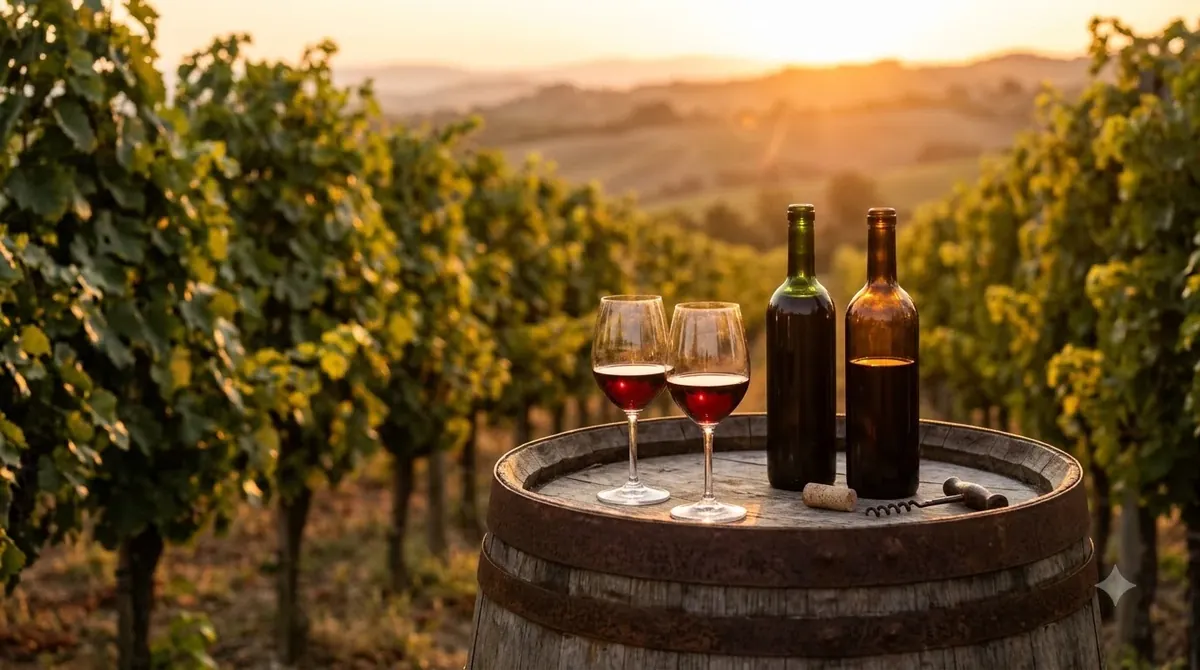
For couples who prefer dinner with red wine: Pinot Noir, Merlot, and Cabernet Sauvignon offer different ways to build an anniversary meal around a bottle. Pinot Noir is generally lighter in tannin and has lively acidity, Merlot is medium in tannin with a softer texture, and Cabernet Sauvignon is fuller-bodied with considerably more tannin. The best match depends on the food and the drinker’s preference for structure.
For white wine enthusiasts: Chardonnay, Sauvignon Blanc, and Riesling deserve consideration. Chardonnay can provide a richer experience, especially in an oak-aged style, while Sauvignon Blanc delivers refreshing acidity. Riesling offers a particularly flexible range of sweetness, from very dry examples to wines with noticeable residual sugar.
For couples who appreciate meaningful gifts: A bottle with a vintage connected to the wedding year or another important date can make an appealing keepsake. However, a vintage connection alone does not guarantee that a wine will improve with age. The wine must have the structure, balance, and production style needed for the intended storage period.
Experience also matters. A couple who regularly explores Bordeaux, Burgundy, or Napa Valley may appreciate a distinctive regional bottle. Someone newer to wine may be happier with a familiar grape variety and an uncomplicated style. WSJ Wine’s wine gifting guide similarly emphasizes the recipient’s preferences and wine experience when selecting a meaningful bottle.
For a gift intended to be opened during dinner, prioritize drinkability and food compatibility. For a bottle intended to be saved, investigate its aging potential before buying. These are different purchasing decisions, even if both bottles are being presented on the same anniversary.
Key Factors to Compare Before Buying
The most useful comparison points are wine style, sweetness, acidity, tannin, food compatibility, and whether the bottle will be opened immediately or stored. Considering these six factors makes it easier to select something that feels appropriate without relying on packaging or reputation alone.
| Factor | What to Look For | Suitable Anniversary Choice |
|---|---|---|
| Occasion | Celebratory toast or dinner | Champagne or Pinot Noir |
| Sweetness | Dry, off-dry, or sweet preference | Brut, Riesling, or Moscato |
| Acidity | Freshness and food compatibility | Sauvignon Blanc or Pinot Noir |
| Tannin | Soft or structured red wine | Merlot or Cabernet Sauvignon |
| Serving temperature | Match the wine’s style | 40–50°F for sparkling |
| Storage intention | Drink now or save for later | Ready-to-drink wine or ageworthy Bordeaux |
Match the bottle to the occasion
Start by deciding how the wine will be used. A bottle for a champagne toast has a different purpose from one selected to accompany filet mignon or a seafood dinner. Sparkling wine is especially versatile for celebrations because it can begin the evening as an aperitif and continue through several courses.
For a quieter evening, a favorite still wine may be more appropriate. Pinot Noir can complement roasted chicken, mushroom dishes, and salmon, while Cabernet Sauvignon is better suited to richer dishes such as grilled steak. If the couple enjoys lighter food, a crisp Sauvignon Blanc or mineral-driven Chardonnay may be more useful than a powerful red.
Consider sweetness and acidity
Sweetness is one of the easiest characteristics to overlook when buying a gift. A wine labeled Extra Dry sparkling wine is actually slightly sweeter than Brut, despite the wording. Demi-Sec is noticeably sweeter, making it a better possibility for someone who enjoys a softer, fruitier sparkling wine.
Acidity is equally important. Sauvignon Blanc and Riesling generally have high acidity, making them useful alongside citrus, seafood, and tangy sauces. Chardonnay usually has medium acidity, although the exact impression depends on the growing region and winemaking. A wine with insufficient acidity can seem heavy alongside an acidic dish.
Evaluate tannin and body
Red wines differ considerably in their texture. Cabernet Sauvignon typically has high tannin, while Merlot usually has medium tannin and a softer impression. Pinot Noir generally has low-to-medium tannin and higher acidity, giving it a more delicate profile.
Food can change how these wines feel. Salt and fat soften the perception of tannin, which helps explain why structured Cabernet Sauvignon works with rich steak dishes. A delicate red can be overwhelmed by heavily seasoned food, while an oily fish dish can clash with a strongly tannic red.
For additional background on choosing a bottle, the wine buying guide provides a useful starting point for comparing styles and understanding what different labels communicate.
Think about presentation without sacrificing quality
An attractive presentation can make an anniversary gift more memorable, but decorative packaging should come after the wine itself. A simple gift bag, handwritten card, or suitable pair of glasses can make a carefully selected bottle feel personal without distracting from the contents.
Consider the practical details too. A corkscrew, appropriate glassware, and a chilled bottle can make the evening easier to plan. If the recipient does not own a wine refrigerator, choose a bottle intended for relatively early enjoyment rather than assuming that an elaborate storage arrangement will be available.
Step-by-Step: How to Choose an Anniversary Bottle
A simple purchasing process can prevent common mistakes and help narrow a large selection to a few suitable bottles. Follow these six steps to make a decision based on the couple rather than the occasion’s marketing.
-
Identify the recipient’s preferred wine.
Determine whether the couple prefers red, white, rosé, or sparkling wine. If possible, identify a familiar grape variety, such as Pinot Noir, Chardonnay, or Cabernet Sauvignon. A bottle in a preferred style is generally a safer gift than an unfamiliar wine chosen only because it looks prestigious.
-
Decide whether the bottle is for drinking or keeping.
For immediate enjoyment, prioritize a wine that is ready to drink and suits the planned dinner. For a future anniversary, look for a wine specifically produced for aging. A bottle from a meaningful vintage can be an attractive idea, but its potential drinking window matters more than the date printed on the label.
-
Choose the main wine category.
Select Champagne or sparkling wine for a traditional toast, red wine for a richer dinner, white wine for seafood or lighter dishes, or rosé for a flexible, relaxed celebration. This first decision eliminates many unsuitable options before comparing individual bottles.
-
Match the wine to the menu.
Consider the main ingredient, preparation method, sauce, and seasoning. Cabernet Sauvignon works particularly well with steak, Pinot Noir with mushroom dishes and roast poultry, and Sauvignon Blanc with many seafood preparations. If dessert is included, choose a wine at least as sweet as the dessert.
-
Check the vintage and drinking window.
If buying an ageworthy wine, investigate whether the producer intends it for extended cellaring. Bordeaux, Rioja, and selected premium Cabernet Sauvignon wines can develop over time, but not every bottle from these categories is suitable for long-term storage. A wine already approaching its peak may be a better anniversary dinner choice than one requiring another decade in the cellar.
-
Plan the serving details.
Arrange appropriate glasses, cooling time, and a suitable opening time. Sparkling wine should be properly chilled, while full-bodied reds generally benefit from being served slightly cooler than a warm indoor room. If the wine needs decanting, allow enough time before dinner.
Tip: If you are uncertain about the recipient’s preferences, choose a familiar grape or a versatile sparkling wine instead of an unusually powerful or sweet bottle. A thoughtful choice that gets opened and enjoyed is often more meaningful than a prestigious bottle that remains untouched.
These steps also help distinguish a romantic dinner purchase from a long-term gift. The first should be ready for the occasion, while the second should have a credible aging window and suitable storage conditions. Keeping those goals separate makes it easier to spend time comparing the bottles that genuinely fit the anniversary plan.
Types and Styles of Wine Explained
There is no single wine category that suits every anniversary. Champagne, sparkling alternatives, elegant reds, richer reds, dry whites, and sweeter wines each provide a different experience, so the strongest selection depends on the couple’s usual drinking preferences.
Champagne and traditional-method sparkling wine
Champagne remains a classic anniversary choice because its association with celebration is immediately recognizable. It comes from the Champagne region of France, and its traditional production includes a second fermentation in the bottle. This method contributes to its characteristic bubbles and can produce flavors associated with citrus, apple, pastry, and bread.
Brut is a practical starting point for couples who prefer dry sparkling wine. For a particularly crisp style, consider Brut Nature or Extra Brut. Extra Dry is slightly sweeter than Brut, while Demi-Sec is noticeably sweeter and may suit people who prefer softer fruit flavors.
Other traditional-method sparkling wines can provide a similar celebratory experience. Cava from Spain is produced using bottle fermentation, and sparkling wines made in other French regions can offer another option. The important distinction is that Champagne is a specific regional wine, not a generic name for all sparkling wine.
Prosecco for a relaxed celebration
Prosecco is an approachable choice for couples who prefer fresh fruit character and lively bubbles. It is made primarily from Glera grapes and commonly uses the tank method, in which the secondary fermentation takes place in a pressurized tank rather than in each individual bottle.
Typical Prosecco has an alcohol level around 11–12% ABV. Its fruit-forward profile can include apple, pear, and citrus notes, making it suitable for appetizers, light cheeses, and casual anniversary meals. It is particularly useful when the couple wants sparkling wine without the more developed, toasty character often associated with traditional-method Champagne.
Pinot Noir for an elegant red wine dinner
Pinot Noir is a strong choice for couples who enjoy red wine but prefer freshness and a relatively delicate structure. It generally has lower tannin than Cabernet Sauvignon and higher acidity, with flavors that can include cherry, raspberry, cranberry, earth, and mushroom.
It pairs well with roast chicken, duck, salmon, and mushroom-based dishes. Burgundy in France and several cool-climate regions in the United States are useful places to explore when comparing Pinot Noir. A bottle from a producer or region the couple already enjoys can make the gift more personal.
Cabernet Sauvignon for a milestone occasion
Cabernet Sauvignon is appropriate for couples who appreciate full-bodied red wine with firm structure. Its typically high tannin and substantial body make it a natural companion to grilled steak, roast beef, lamb, and other rich dishes.
Napa Valley Cabernet Sauvignon is a recognizable choice for a major anniversary dinner or a keepsake bottle. Some premium examples are made to develop over years, although aging potential varies by producer, vintage, and storage conditions. A well-made wine intended for cellaring can become a meaningful way to commemorate a wedding date or another milestone.
Merlot for a softer red wine
Merlot is worth considering for someone who enjoys red wine but finds heavily structured Cabernet Sauvignon too demanding. Its medium tannin and generally softer texture make it an adaptable dinner companion.
It works with roast poultry, pork, pasta with tomato-based meat sauce, and moderately rich beef dishes. Merlot can also appear in Bordeaux blends, where it contributes fruit and softness alongside varieties such as Cabernet Sauvignon. A Bordeaux blend may therefore be a useful compromise for couples who enjoy classic French red wine.
Chardonnay and Sauvignon Blanc for white wine lovers
Chardonnay provides two particularly different experiences depending on its style. Unoaked Chardonnay often emphasizes citrus, apple, and freshness, while oak-aged Chardonnay can have a richer texture and flavors associated with vanilla, toast, and ripe stone fruit. The latter generally suits richer dishes such as roast chicken, lobster, and creamy pasta.
Sauvignon Blanc is typically more aromatic and higher in acidity. Citrus, green fruit, and herbal notes make it useful with goat cheese, seafood, salads, and dishes featuring fresh herbs. For couples who usually drink white wine, either style can be a more thoughtful choice than a traditional red simply because the occasion seems formal.
Explore a selection of dry white wine styles if the recipient prefers crisp, refreshing bottles. For red wine drinkers, comparing dry red wine styles can help narrow the choice between lighter Pinot Noir and more structured Cabernet Sauvignon.
Rosé and sweet wines for different preferences
Rosé is a versatile option for couples who enjoy refreshing fruit flavors and a wine that can accompany several types of food. Dry rosé is particularly useful with seafood, salads, grilled vegetables, and light appetizers. Sparkling rosé can add another celebratory element while providing more red-fruit character than many traditional white sparkling wines.
For couples who prefer sweetness, Moscato or a sweeter Riesling may be more enjoyable than a dry red or Brut Champagne. Sweet wines can also work with dessert, but the wine should be at least as sweet as the food. A dessert that is sweeter than the wine can make the wine taste thin or sharply acidic.
Sweet red wine can be a suitable gift when it reflects the recipient’s established preference. The sweet red wine category is worth exploring for people who enjoy fruit-forward flavors and a softer sweetness profile rather than dry, tannic reds.
Common Mistakes When Buying Anniversary Wine
The most frequent purchasing mistakes involve prioritizing prestige over preference, confusing age with quality, and choosing a wine that does not suit the planned meal. Avoiding these problems makes a bottle more likely to become part of a genuinely enjoyable celebration.
Choosing an expensive bottle without knowing the recipient
A famous label or prestigious wine region does not automatically make a good gift. A person who normally drinks Sauvignon Blanc may not enjoy a powerful Cabernet Sauvignon, even if the latter has an impressive reputation. Similarly, someone who likes fruit-forward sparkling wine may prefer Prosecco to a more complex Champagne.
Start with a known preference and work toward a more special expression of that style. A familiar grape from a respected producer can be a more successful anniversary gift than an unfamiliar bottle selected entirely for its reputation.
Assuming every old vintage is ready to drink
Older does not always mean better. Some wines are designed for early enjoyment, and additional storage can cause them to lose freshness rather than gain complexity. Beaujolais and many fruit-focused California Pinot Noir wines, for example, are often made to be enjoyed relatively young.
By contrast, selected Bordeaux, Rioja, and premium Cabernet Sauvignon wines may develop positively with proper aging. Investigate the producer’s intended drinking window before buying a bottle that will be saved for a future celebration.
Ignoring sweetness preferences
Dry and sweet wines offer substantially different experiences. A Brut sparkling wine may be ideal for someone who enjoys crisp acidity, but it could disappoint a recipient who normally chooses Moscato or Demi-Sec sparkling wine.
The reverse can also happen. Someone who prefers dry Riesling or Sauvignon Blanc may find a sweet wine unsuitable for dinner. If the preference is unknown, a balanced, widely approachable style is generally a safer purchase than an extreme sweetness level.
Pairing wine with the wrong food
Food compatibility matters because tannin, acidity, sweetness, and body influence how a wine tastes alongside a meal. A highly tannic Cabernet Sauvignon may overwhelm delicate seafood, while an oily fish dish can clash with tannic reds. A crisp white wine is often a more comfortable match for these dishes.
Chili heat is another consideration. High alcohol and tannin can amplify the impression of heat, so a powerful red may be uncomfortable alongside heavily spiced food. A lower-tannin wine with refreshing acidity or a slightly sweeter style may be more appropriate.
Serving the wine at the wrong temperature
Temperature can make a carefully chosen wine seem less balanced. An excessively warm red can emphasize alcohol, while an overly cold white can hide its aromas and flavors. A bottle that has been kept in a household refrigerator for a long period may also be too cold for its intended serving style.
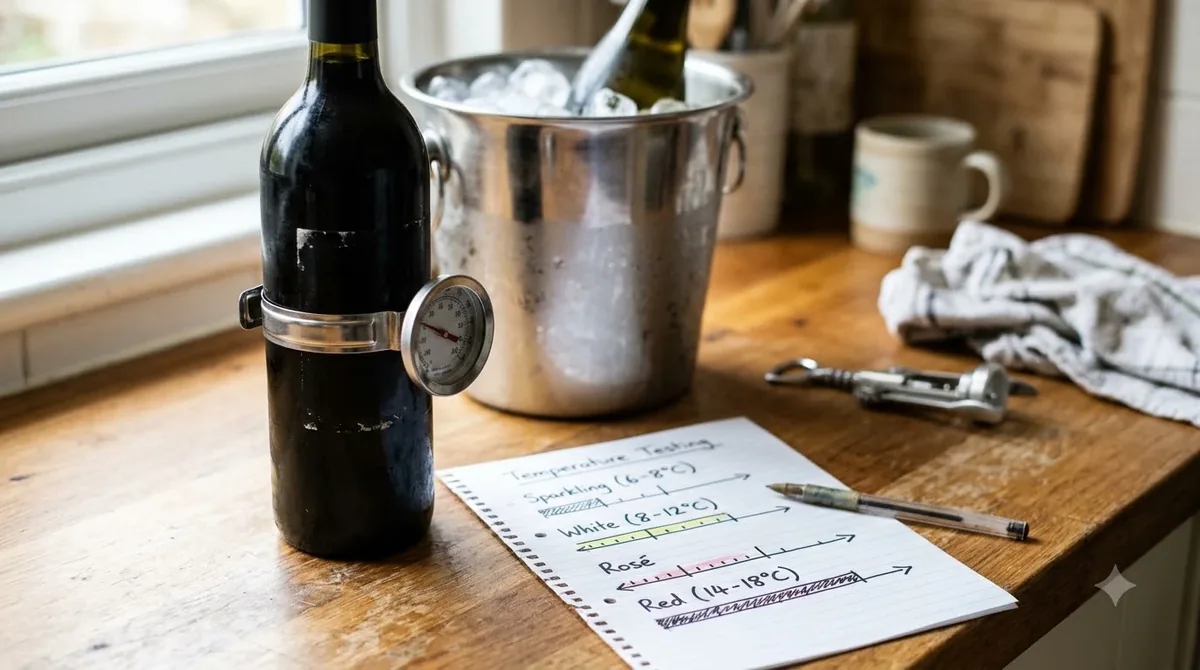
Use a thermometer when precision matters, and allow the wine to adjust gradually. WSET notes that even a few degrees can affect how a wine expresses its freshness and structure. Correct service is a simple way to improve the anniversary dinner without changing the bottle.
Buying a keepsake without arranging storage
A wine purchased for a future milestone needs appropriate conditions. A sunny kitchen shelf, warm cupboard, or frequently vibrating location is unsuitable for extended storage. Heat fluctuations can damage a wine before the couple gets an opportunity to open it.
If proper storage is unavailable, consider buying a bottle intended for nearer-term enjoyment. A meaningful gift should be something the recipient can realistically preserve and appreciate rather than a bottle that becomes a storage problem.
Care and Storage Tips for an Anniversary Bottle
Proper storage and serving help preserve the wine’s character and make the anniversary experience more enjoyable. The key considerations are stable temperature, protection from light, appropriate bottle position, and serving the wine at a temperature suited to its style.
Store unopened bottles correctly
For a bottle intended to age, WSET recommends a controlled storage temperature of approximately 10–15°C (50–59°F). Stability matters because repeated temperature fluctuations can negatively affect wine development. Avoid storing bottles in kitchens, near ovens, beside radiators, or in direct sunlight.
Cork-sealed bottles should generally be stored horizontally so that the cork remains in contact with moisture. This helps reduce the risk of cork drying and allowing excess air into the bottle. Screw-cap bottles can be stored upright, so their position is less restrictive.
A dedicated wine refrigerator can help maintain a consistent environment if the household does not have a suitable cellar. A regular kitchen refrigerator is useful for temporarily chilling wine but is not the ideal place for prolonged aging. Its very cold temperature and dry environment can eventually affect natural corks.
Serve wine at the appropriate temperature
Use the following ranges as practical starting points for an anniversary dinner. These recommendations follow common wine service guidance and help different wine styles express their aromas and structure.
| Wine Style | Serving Temperature | Good Dinner Use |
|---|---|---|
| Champagne and sparkling | 40–50°F | Toast and appetizers |
| Light white and rosé | 45–50°F | Seafood and salads |
| Full-bodied Chardonnay | 50–55°F | Rich poultry and creamy dishes |
| Light red | 55–60°F | Salmon and roast chicken |
| Full-bodied red | 60–65°F | Steak and lamb |
| Sweet white | 43–50°F | Fruit desserts and pastries |
These temperatures are starting points rather than inflexible rules. A full-bodied Chardonnay benefits from slightly warmer service than a light Sauvignon Blanc, and a delicate Pinot Noir generally benefits from a cooler serving temperature than a powerful Cabernet Sauvignon.
For sparkling wine, an ice bucket should contain both ice and water so that the bottle is surrounded by a consistently cold mixture. WSET recommends filling the bucket approximately three-quarters full with equal quantities of ice and water. This is more effective than placing a bottle in a bucket filled with ice alone.
Prepare red wine before dinner
Young, full-bodied reds can benefit from decanting for approximately 30–60 minutes before serving. This gives the wine time to interact with air and can soften the impression of firm tannins. It is particularly useful for structured Cabernet Sauvignon and Syrah.
Older wines require more caution. Extended aeration is not automatically beneficial for mature bottles, which may be more delicate than young reds. If sediment is present, carefully transferring the wine into a decanter can separate it from the clear wine without unnecessarily exposing the entire bottle to prolonged aeration.
Plan the amount of wine
A standard 750 ml bottle provides approximately five 5-ounce servings. For an anniversary dinner for two, one bottle can provide a glass with the meal and a modest second pour for each person. A second bottle may be appropriate if the celebration includes several courses or if the couple enjoys comparing different styles.
For a multi-course dinner, consider the progression of the meal. Sparkling wine can begin the evening, followed by a white or light red, and then a fuller red with the main course. If dessert wine is included, serve it with a dessert that is not sweeter than the wine.
Preserve unfinished wine
If the anniversary dinner does not finish the bottle, reseal it promptly and place it in the refrigerator. Sparkling wine generally keeps its best qualities for approximately 1–3 days after opening when properly sealed, while most opened still wines are best consumed within approximately 3–5 days.
Fortified wines can often last several weeks after opening, depending on their style and storage. Bag-in-box wine generally keeps for approximately 4–6 weeks after opening because its packaging limits contact with oxygen. These are practical guidelines rather than guarantees; the wine’s condition, closure, and handling all influence its remaining quality.
A small amount of planning can make the bottle more enjoyable without adding unnecessary ceremony. Keep the wine protected before dinner, chill it according to its style, and use suitable glasses. Most importantly, serve it at a temperature that allows both people to appreciate the wine rather than focusing on complicated serving rituals.
Frequently Asked Questions
What is a traditional wine gift for a wedding anniversary?
Champagne is a traditional celebratory choice, while Bordeaux and Burgundy can make meaningful gifts for couples who appreciate classic French wine. Another personal option is a bottle associated with the couple’s wedding region or a wine from a producer they visited together. The connection to a shared memory can make the gift more meaningful than selecting a bottle based only on its reputation.
Can you give a bottle of wine from the couple’s wedding year?
Yes, a wine from the wedding year can be a particularly memorable keepsake. However, availability and drinking condition depend on the region, producer, vintage, and storage history. Vintage Port and selected Bordeaux wines are examples of categories that can have substantial aging potential, although individual bottles should be evaluated before purchase.
Is a magnum bottle a good anniversary gift?
A magnum contains 1.5 liters, equivalent to two standard 750 ml bottles. Its larger format can be an attractive presentation choice for an important celebration, and wine in magnum format can develop differently during aging because the wine-to-oxygen ratio is lower relative to the bottle volume. It is particularly appropriate when the couple plans to share the bottle with friends or family.
Should anniversary wine have a personalized label?
A personalized label can add sentimental value, particularly when it includes a wedding date, initials, or a short message. It should not replace the original producer and vintage information, which remain important for identifying the wine. A separate gift tag or handwritten card is a simple alternative when preserving the original label is important.
What is the difference between vintage and non-vintage Champagne?
Vintage Champagne is made using grapes from a single declared harvest year, while non-vintage Champagne combines wines from multiple years to maintain a house style. Vintage examples can have distinctive characteristics associated with their particular growing season. Non-vintage Champagne is not necessarily inferior; it is often designed to deliver a consistent style across releases.
The best wine for anniversary celebrations is ultimately the bottle that reflects the couple’s preferences and gives them a reason to enjoy the occasion together. Choose Champagne for a classic toast, a favorite red for a special dinner, or an ageworthy bottle when the gift is intended to mark another milestone in the future. A thoughtful selection, served well and shared together, is what makes the bottle memorable.
More in Wine Buying Guides
 Cheap Red Blend: How to Find a Flavorful Bottle for LessUpdated Nov 20, 2026
 Pinot Grigio Gift: How to Choose a Bottle They’ll EnjoyUpdated Nov 20, 2026
 Best White Wine at Total Wine for Every MealUpdated Nov 20, 2026
 Wine Fridge Replacement Shelves: Find the Right FitUpdated Nov 20, 2026
 Best Sparkling Wine Under 20: Find Bubbles Worth BuyingUpdated Nov 20, 2026
 Best Wine For Birthday Celebrations With Perfect Party PairingsUpdated Nov 20, 2026