

We may earn a commission when you buy through links on this page, at no extra cost to you. Learn more.
The best sparkling wine at Costco for everyday celebrations is usually Kirkland Signature Prosecco DOCG, while Kirkland Signature Brut Champagne is a stronger choice for traditional-method bubbles and special occasions. Costco’s selection can include Italian Prosecco, French Champagne, California sparkling wine and other styles, depending on the warehouse. The right bottle depends on how dry you like your wine, whether you are serving cocktails or food, and how much complexity you want from the bubbles.
Costco is an appealing place to shop for sparkling wine because its selection often combines familiar producers with Kirkland Signature bottles. However, the sparkling wine section can vary considerably between locations, and an online listing does not guarantee that a particular bottle is available at your local warehouse. Understanding the differences between production methods, sweetness levels and regions makes it easier to choose a bottle that suits the occasion rather than simply picking the cheapest option.
Who Should Buy Sparkling Wine at Costco?
Costco is particularly useful for shoppers who want versatile sparkling wine for entertaining, casual celebrations and dinner parties. Its selection can cover several drinking occasions, from uncomplicated Prosecco for brunch to traditional-method Champagne for a more formal gathering.
Casual sparkling wine drinkers should start with Prosecco. Kirkland Signature Prosecco DOCG is an approachable option for people who enjoy fresh fruit flavors, lively bubbles and a relatively uncomplicated drinking experience. It works for birthday gatherings, weekend brunches and informal celebrations. Its Italian origin and familiar grape-based style also make it an accessible introduction to sparkling wine.
Shoppers looking for more complexity should consider Champagne or another traditional-method sparkling wine. Kirkland Signature Brut Champagne is a particularly interesting option because Costco describes its profile using notes of yeast, apple, apricot, orange rind, flowers and honey. Its 12% alcohol content and reported mouth-watering acidity make it a more substantial choice for serving alongside food.
There are also shoppers who should look beyond sparkling wine altogether. Someone planning a steak dinner might prefer the options in our guide to best red wine at Costco, while shoppers preparing seafood or a light summer meal may find our best white wine at Costco recommendations more appropriate.
Costco is not necessarily the right place to search for a particular vintage, producer or rare Champagne. Warehouse selection, regional distribution and seasonal inventory all influence what shoppers can find. The best approach is to understand the style you want before visiting, then compare the bottles actually available.
Key Factors to Compare When Shopping
The most useful comparison points are production method, sweetness, grape variety, origin and serving occasion. These factors explain why two sparkling wines can have noticeably different aromas, textures and food-pairing potential even when both have similar-looking bubbles.

Start with the label rather than the packaging. A bottle marked Prosecco DOCG communicates a different regional identity and production tradition from Champagne, while terms such as Brut and Extra Dry describe sweetness rather than quality. Alcohol content and bottle size also help determine whether the wine suits a particular event.
| Comparison factor | What to look for | Best use |
|---|---|---|
| Origin | Italy, France or California | Choosing a regional style |
| Production method | Tank or traditional method | Fresh fruit or greater complexity |
| Sweetness | Brut, Extra Dry or Demi-Sec | Matching personal preference |
| Grape variety | Glera, Chardonnay, Pinot Noir | Understanding flavor and structure |
| Alcohol content | Often around 11–12% ABV for the examples discussed | Comparing bottle styles |
| Bottle size | 750 ml standard bottle | Planning servings |
| Serving temperature | 40–50°F | Preserving freshness and bubbles |
Production method
Traditional-method sparkling wine undergoes its second fermentation inside the bottle. This process allows the wine to develop additional characteristics through contact with spent yeast cells, commonly called lees. The resulting flavors can include bread, biscuit, brioche and pastry alongside the underlying fruit.
The tank method uses a pressurized tank for the second fermentation. This approach is particularly associated with Prosecco and helps preserve the fresh, floral and fruity characteristics of the Glera grape. It generally produces a more straightforward, youthful style than extended traditional-method aging.
For a deeper explanation, Wine Enthusiast’s explanation of sparkling wine production provides a useful comparison of these methods and their influence on the finished wine.
Sweetness and acidity
Sweetness is another important factor. Brut is generally a dependable starting point for shoppers who want a dry sparkling wine without eliminating all perceived fruitiness. Extra Dry is actually sweeter than Brut, despite what its name suggests.
Acidity helps sparkling wine feel refreshing and gives it flexibility at the table. Wines with lively acidity can work particularly well with fried appetizers, salty snacks and creamy dishes because their freshness balances richer textures.
Grapes and regional identity
Prosecco is primarily associated with Glera, while Champagne commonly uses Chardonnay, Pinot Noir and Pinot Meunier. These grapes produce different combinations of citrus, orchard fruit, floral aromas and texture.
For shoppers comparing Costco bottles, origin is a useful first filter. Champagne must come from the Champagne region of France, while Prosecco is associated with designated areas of northeastern Italy. A sparkling wine made in California can still be excellent, but it should not be confused with Champagne simply because both styles have bubbles.
Step-by-Step: How to Choose the Right Bottle
A simple shopping process helps narrow down Costco’s sparkling wine selection without requiring advanced wine knowledge. Follow these six steps to match the bottle to your event, food and preferred style.
-
Decide how you will serve it.
Choose whether the wine will be served on its own, poured into mimosas or paired with a meal. Prosecco is a practical starting point for brunch and informal gatherings, while traditional-method sparkling wine is often more appropriate for a special dinner.
-
Choose the desired sweetness.
Look for Brut if you prefer a dry style. Choose Extra Dry if you want a slightly sweeter impression, and consider Demi-Sec for a noticeably sweeter wine. This decision is particularly important when serving guests with different preferences.
-
Compare production methods.
Tank-method Prosecco generally emphasizes fresh fruit and floral aromas. Traditional-method Champagne and Cava can offer additional bread-like, biscuit and creamy characteristics from lees aging.
-
Consider the grape and region.
Glera-based Prosecco is usually fresh and approachable. Chardonnay-based sparkling wine can emphasize citrus and freshness, while Pinot Noir can contribute red-fruit flavors and additional body.
-
Check the bottle size and alcohol content.
A standard 750 ml bottle provides approximately five servings when each glass receives a 5 oz pour. Costco’s listed Kirkland Signature Prosecco DOCG is 11% ABV, while its listed Brut Champagne is 12% ABV.
-
Compare the actual bottles available.
Look at the complete designation, producer, region and sweetness category. Costco’s inventory can differ between warehouses, so use its online catalog as a starting point rather than assuming every listed bottle is stocked locally.
Tip: If you are buying just one bottle for a mixed group, start with Brut Prosecco or Brut Champagne. Both offer dry profiles that work across a broad range of occasions. If you know your guests prefer sweeter wine, consider an Extra Dry or Demi-Sec alternative instead.
Types and Styles Explained
Costco shoppers may encounter several categories of sparkling wine, but the most useful distinctions are regional origin, production method and sweetness. Understanding these differences helps identify which style offers the right balance of fruit, acidity, texture and complexity.
Prosecco
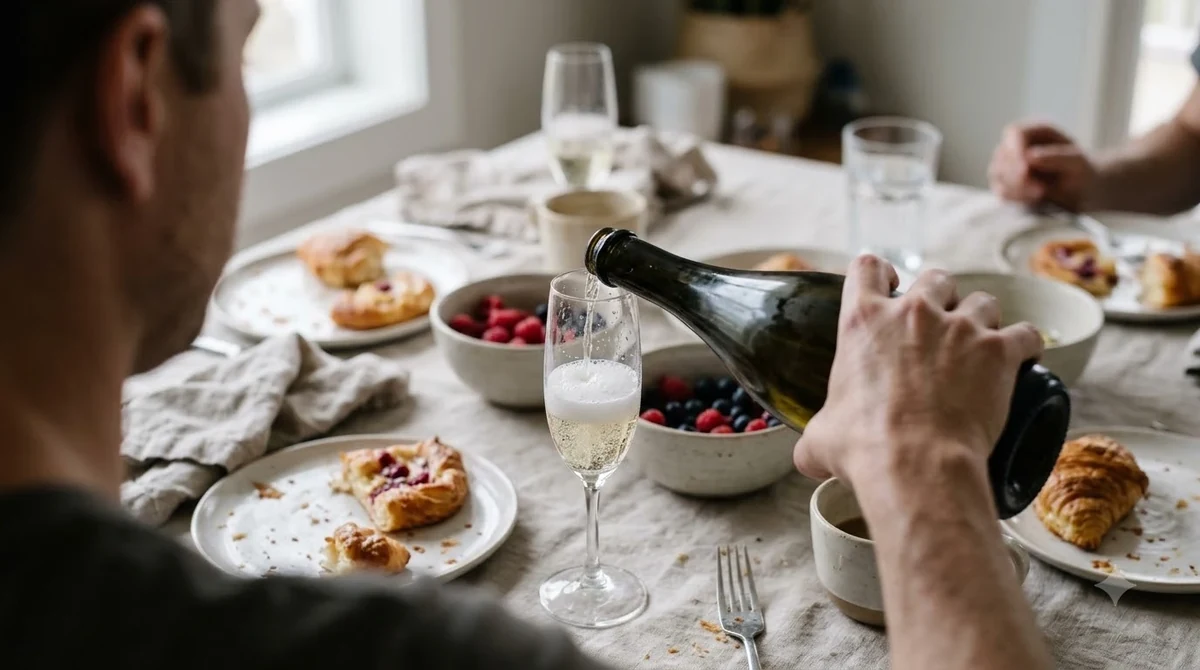
Prosecco is generally the easiest place to start for shoppers who enjoy refreshing, fruit-forward sparkling wine. It is produced in northeastern Italy, primarily using the Glera grape, and commonly made through the tank method.
Kirkland Signature Prosecco DOCG is one of the most recognizable options in Costco’s sparkling wine selection. Its listing identifies Italy as its origin, a 750 ml bottle size and 11% alcohol by volume. Shoppers looking for a straightforward bottle for brunch, casual entertaining or a celebration can begin here.
Another listing is Kirkland Signature Valdobbiadene Prosecco DOCG. Costco describes its grapes as coming from family-owned vineyards in Northern Italy and identifies the wine as an 11% ABV sparkling wine. The product description specifically mentions celebrations, mimosas and pairing possibilities that include Italian, Asian and classic American dishes.
DOCG is a higher-level Italian geographical and production designation. Valdobbiadene is an important Prosecco-producing area, and its name gives shoppers more regional information than a general sparkling wine label.
Champagne
Champagne is the traditional choice for shoppers who want a more structured and complex sparkling wine. Its production involves a second fermentation in the bottle, followed by processes that can develop richer aromas and textures.
Kirkland Signature Brut Champagne is a Costco option worth considering. The retailer describes it as having yeast, bright apples, apricots, orange rind, flowers and honey, with a rich palate and mouth-watering acidity. The listed alcohol content is 12%, and the bottle size is 750 ml.
Champagne works particularly well with oysters, shrimp, smoked salmon, fried appetizers and salty cheeses. Its acidity can cut through rich foods, while its bubbles refresh the palate between bites.
Shoppers comparing more Champagne options can also consult our guide to best champagne at Costco. It is useful when the main priority is a traditional French bottle rather than an everyday Italian sparkling wine.
California sparkling wine
California produces sparkling wines using both traditional and tank-based approaches. Traditional-method examples can have citrus, apple, toast and creamy textures, making them useful alternatives for people who enjoy Champagne-style wines.
California sparkling wine should be evaluated on its own merits rather than treated as an inferior substitute for Champagne. The important factors are grape composition, production method, sweetness and the producer’s style.
Costco’s available selection can include domestic sparkling wines from established producers, although the precise range depends on the warehouse. Shoppers should compare the actual labels rather than assuming a particular brand or bottle will be available everywhere.
Cava
Cava is a Spanish sparkling wine made using the traditional method. It can offer a useful middle ground between fresh, uncomplicated bubbles and more complex traditional-method wines.
Its acidity and dry styles make it a natural choice for tapas, seafood, olives and salty appetizers. Traditional-method production also gives Cava the potential for more developed bread and biscuit characteristics.
If a Costco warehouse carries Cava, look for Brut or Extra Brut when you want a dry wine for food pairing. A bottle with greater lees-derived complexity can be especially suitable for a dinner party where the wine will be enjoyed slowly rather than used in cocktails.
Moscato and sweeter sparkling wine
Not every sparkling wine drinker wants a dry Brut. Moscato-based sparkling wine can provide more obvious floral and fruity aromas, along with a sweeter overall impression.
This category can suit fruit desserts, lighter pastries and guests who find very dry Champagne too austere. Moscato also tends to be approachable for casual celebrations where the wine is intended to be enjoyed without detailed tasting.
For dessert pairing, remember that the wine should be at least as sweet as the food. A dry Brut served with a very sweet cake can taste sharper and more acidic by comparison, while a sweeter sparkling wine may create a more harmonious combination.
Common Mistakes When Buying Sparkling Wine
The biggest shopping mistakes involve confusing sweetness terms, assuming all bubbles taste alike and choosing a wine without considering the food. A few basic distinctions can prevent disappointing purchases and help make each bottle more useful.
Assuming Extra Dry means drier than Brut
This is one of the most common misunderstandings on sparkling wine labels. Extra Dry is actually sweeter than Brut, so shoppers who prefer a crisp, dry style should generally start with Brut or Extra Brut.
The main sweetness categories, from driest to sweetest, are Brut Nature, Extra Brut, Brut, Extra Dry, Dry, Demi-Sec and Doux. The distinction matters because residual sugar can significantly influence how a wine tastes alongside food.
Assuming Champagne and Prosecco are interchangeable
Both wines are sparkling, but their production traditions and typical flavor profiles are different. Prosecco generally emphasizes fresh fruit and floral character, while traditional-method Champagne can develop toast, brioche and more layered aromas.
Neither style is automatically better for every occasion. Prosecco is often a sensible choice for mimosas and casual gatherings, while Champagne can be more appropriate for a formal dinner or a celebration where the wine itself is the focus.
Buying based only on the bottle design
A heavy bottle, attractive label or elaborate packaging does not necessarily indicate better quality. Pay attention to the producer, regional designation, production method and sweetness category instead.
For example, a straightforward Prosecco DOCG can be a better match for a summer brunch than a more expensive traditional-method wine. Likewise, a well-made Brut Champagne may be more satisfying with a seafood dinner than a sweeter sparkling wine with more prominent fruit.
Ignoring food pairings
Sparkling wine is versatile, but the sweetness and acidity still matter. Brut styles are generally well suited to salty foods, seafood, fried appetizers and creamy cheeses. Sweeter styles are more appropriate for fruit-based desserts and dishes with a noticeable sweet component.
Chili heat also deserves consideration. Alcohol and tannin can amplify the perception of heat, so very spicy food may be better matched with a lower-alcohol, slightly sweeter sparkling wine rather than a powerful alcoholic wine.
Serving the wine too cold
Very cold sparkling wine can seem muted, making it difficult to appreciate its fruit and aromatic complexity. This is particularly noticeable with traditional-method Champagne and older sparkling wines.
Chilling is important for preserving freshness and bubbles, but it should not eliminate the wine’s character. A bottle that has been stored in the refrigerator for too long can benefit from a short period at a slightly warmer serving temperature.
Serving, Care and Storage Tips
Good serving habits preserve the wine’s bubbles and make its aromas easier to appreciate. Keep sparkling wine cold before opening, use appropriate glassware and reseal unfinished bottles with a proper sparkling wine stopper.
Serving temperatures
Most sparkling wines are best served between 40°F and 50°F. Lighter Prosecco can be served toward the cooler end of this range, while Champagne and other traditional-method wines often show more aromatic detail toward the upper end.
A useful practical approach is to refrigerate the bottle before guests arrive rather than relying on a last-minute freezer session. A refrigerator chilling period of approximately two hours is a useful starting point, although the time required depends on the bottle’s starting temperature.
Glassware and pouring
Flutes are popular because their narrow shape makes bubbles easy to observe and helps preserve the visual presentation of sparkling wine. However, a tulip-shaped glass or a small white wine glass can provide more room for aromas to develop.
For a casual party, flutes are perfectly practical. For a bottle of Champagne with more developed aromas, a white wine glass can provide a more rewarding experience. Avoid filling glasses to the top; a moderate pour leaves room for the aromas to collect.
A standard 750 ml bottle provides approximately five 5 oz servings. This is a useful planning figure for dinner parties, although actual servings vary depending on glass size and pouring habits.
Opening a sparkling wine bottle safely
Remove the foil carefully and keep one hand firmly over the cork before loosening the wire cage. Point the bottle away from people, windows and breakable objects throughout the process.
Hold the cork securely and gently rotate the bottle rather than pulling the cork aggressively. The goal is to release the pressure gradually, producing a controlled opening rather than a loud pop. This also helps prevent wine from spilling out of the bottle.
Storing unopened bottles
Store unopened sparkling wine in a cool, dark location away from temperature changes, vibration and direct sunlight. A consistent temperature near 55°F is a useful general target for longer-term wine storage.
Traditional cork-finished bottles can be stored on their sides when being kept for longer periods. This helps maintain contact between the wine and cork. Avoid keeping sparkling wine near ovens, radiators or other sources of heat.
Most everyday non-vintage Prosecco is intended to be enjoyed while fresh rather than kept for many years. There is little advantage in purchasing an everyday bottle and storing it indefinitely.
Keeping opened sparkling wine fresh
Once opened, sparkling wine begins losing carbonation. A proper sparkling wine stopper can slow this process, but an ordinary wine cork or loosely fitted covering will not preserve the bubbles as effectively.
Keep the bottle refrigerated and try to finish it within one to three days. The exact result depends on the wine’s condition, how much remains in the bottle and the quality of the stopper.
Do not leave an opened bottle sitting at room temperature throughout an evening if you plan to enjoy the remaining wine the next day. Prompt refrigeration is the better approach for preserving freshness.
Frequently Asked Questions
Does Costco require a membership to buy sparkling wine?
Alcohol sales and membership requirements can differ by state because local laws govern how retailers may sell alcoholic beverages. Some jurisdictions restrict membership requirements for alcohol purchases, while others allow different retail arrangements. Confirm the rules at the specific warehouse before making a special trip.
What does Blanc de Blancs mean on a Champagne bottle?
Blanc de Blancs means white wine made from white grapes. In Champagne, the term most commonly identifies a wine made entirely from Chardonnay. These wines can emphasize citrus, white flowers, mineral character and freshness.
What is Blanc de Noirs sparkling wine?
Blanc de Noirs means white wine made from dark-skinned grapes. In Champagne, Pinot Noir and Pinot Meunier can be used to produce a white sparkling wine. These bottles can offer more body and red-fruit character than some Chardonnay-focused examples.
Why do some sparkling wines have larger bubbles than others?
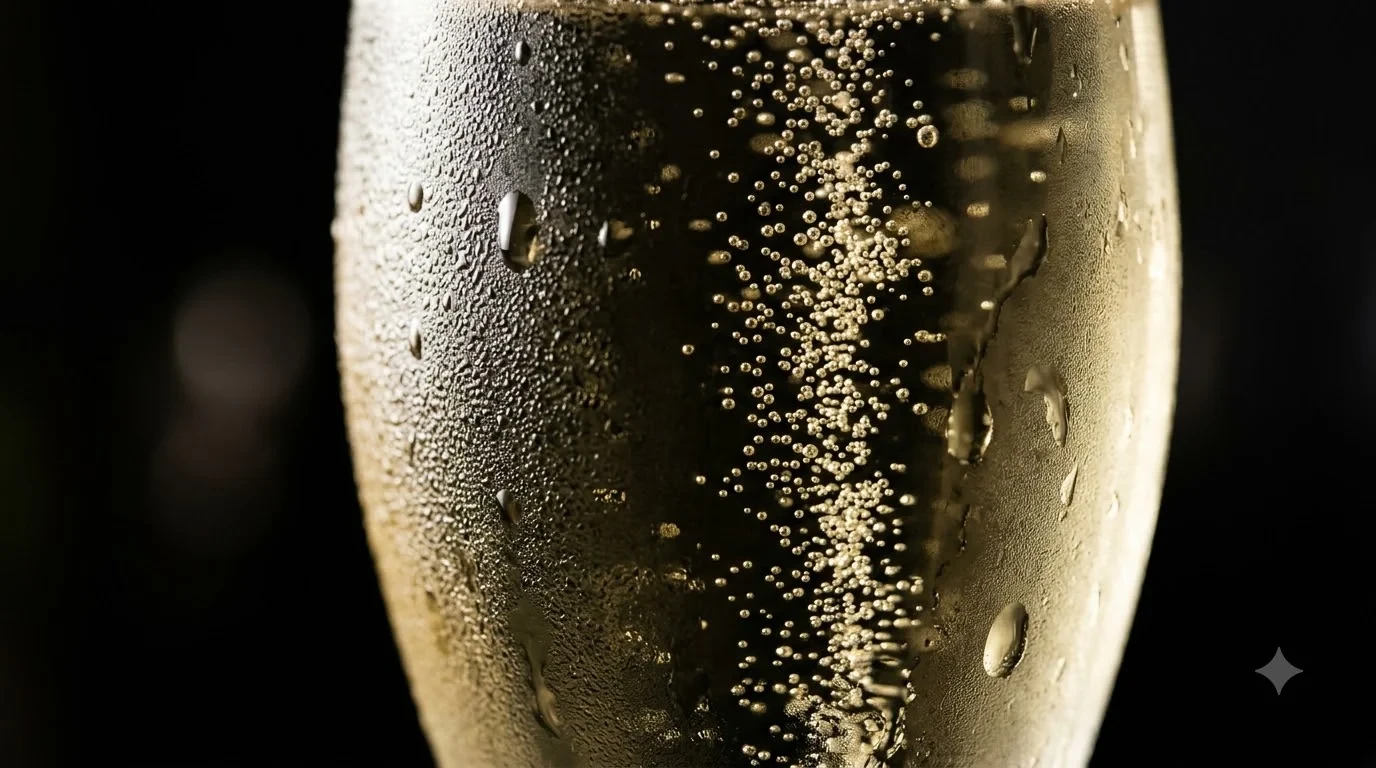
Bubble size and persistence are influenced by carbon dioxide pressure, production choices, glass cleanliness and serving conditions. A traditional-method wine can show a fine, persistent stream of bubbles, while other styles may have a more energetic initial mousse. Glass scratches and tiny particles can also provide points where bubbles form.
Can sparkling wine be used in cooking?
Yes. Dry sparkling wine can be used in risotto, seafood sauces and certain cream-based preparations. Its acidity can provide freshness, although the bubbles disappear during cooking. Choose a reasonably dry wine rather than an especially sweet dessert-style bottle when preparing savory dishes.
For most Costco shoppers, Kirkland Signature Prosecco DOCG is a sensible starting point for approachable, everyday bubbles, while Kirkland Signature Brut Champagne is a more distinctive choice for traditional-method sparkling wine. Compare sweetness, origin and production method before buying, and remember that warehouse selection varies. With the right bottle and serving temperature, Costco’s sparkling wine selection can cover everything from relaxed brunches to memorable celebrations.
More in Wine Buying Guides
 Cheap Red Blend: How to Find a Flavorful Bottle for LessUpdated Nov 20, 2026
 Pinot Grigio Gift: How to Choose a Bottle They’ll EnjoyUpdated Nov 20, 2026
 Best White Wine at Total Wine for Every MealUpdated Nov 20, 2026
 Wine Fridge Replacement Shelves: Find the Right FitUpdated Nov 20, 2026
 Best Sparkling Wine Under 20: Find Bubbles Worth BuyingUpdated Nov 20, 2026
 Best Wine For Birthday Celebrations With Perfect Party PairingsUpdated Nov 20, 2026