

We may earn a commission when you buy through links on this page, at no extra cost to you. Learn more.
The best boxed merlot for everyday drinking is a fruit-forward, medium-bodied wine with soft tannins, balanced acidity, and dependable freshness after opening. Bota Box and Black Box are strong starting points for shoppers who want California Merlot with recognizable cherry and dark-fruit flavors. Franzia offers another practical option for casual meals and larger gatherings. The right choice depends on your preferred flavor profile, package size, and how frequently you pour a glass.
Boxed Merlot deserves a place in the regular wine rotation, particularly for households that prefer a glass with dinner without opening a new bottle every evening. Modern bag-in-box packaging offers practical advantages, including controlled pouring, protection from light, and a longer drinking window after opening. However, the packaging alone does not determine wine quality. Understanding the differences between brands, the characteristics of Merlot, and the details of each package makes choosing a satisfying box considerably easier.
Who This Is For: Everyday Merlot Drinkers and Entertainers
Boxed Merlot is especially useful for people who enjoy a familiar red wine style, pour wine regularly, or serve several guests at a time. Its medium-bodied character makes it adaptable to everyday meals, while a larger package reduces the need to open multiple individual bottles during a gathering.
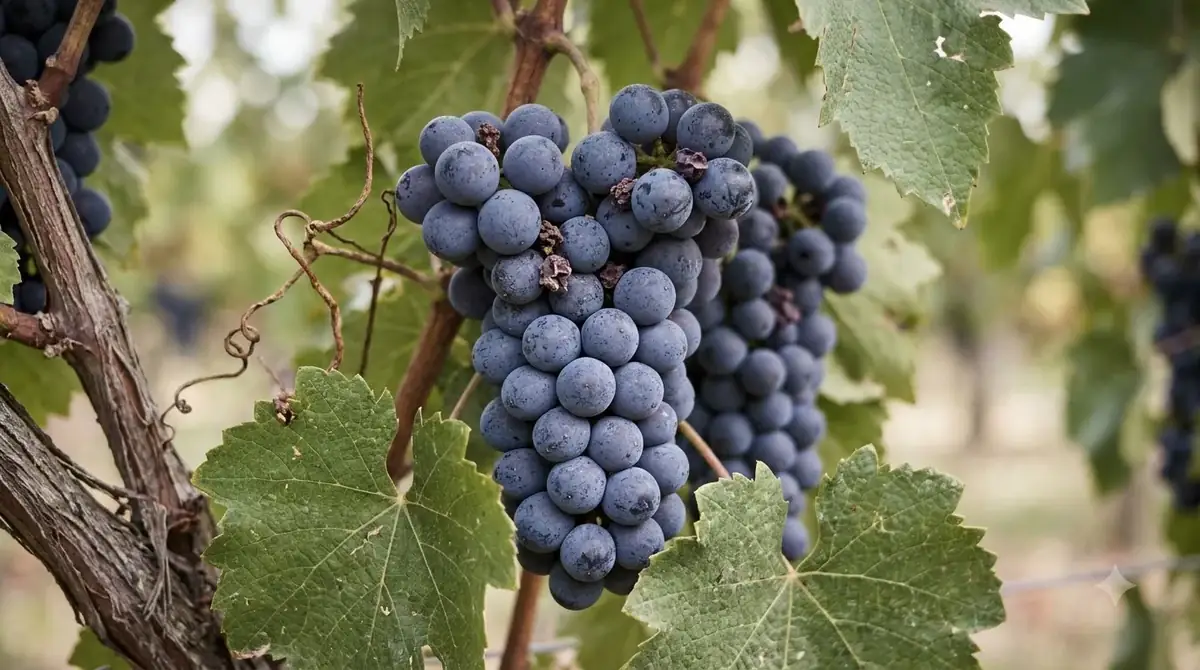
Merlot generally sits between lighter reds and more firmly structured wines. According to Wine Folly, typical Merlot has medium tannin and medium acidity, with fruit characteristics that include black cherry, raspberry, and plum. That combination makes it approachable for people who find Cabernet Sauvignon too firm but want more body than many lighter red wines provide.
For an everyday household, a 3-liter box is a useful starting size. It contains the equivalent of four standard 750 ml bottles, providing approximately 20 standard 5-ounce servings. That makes it practical for a household that pours wine several times a week, although the larger format is less attractive if only one person drinks wine occasionally.
Hosts can also benefit from boxed Merlot. A single dispensing tap makes it easier to serve several glasses without repeatedly opening and recorking bottles. The cardboard exterior is convenient for storage, and the dispensing mechanism helps control the amount poured.
Different drinkers should prioritize different qualities:
- New Merlot drinkers: Look for medium-bodied wines with soft tannins, ripe plum, and black cherry flavors.
- Regular red wine drinkers: Compare fruit intensity, oak character, acidity, and alcohol percentage.
- Hosts: Prioritize a 3-liter package, straightforward dispensing, and a style that works with several dishes.
- Occasional wine drinkers: Consider smaller formats if a full-size box would remain open for an extended period.
- Value-conscious shoppers: Compare the volume of wine and the drinking window rather than judging the package by its appearance.
Boxed Merlot is not necessarily intended to replace every special-occasion bottle. A carefully selected bottled Merlot from Bordeaux, Sonoma, or Napa Valley may offer more complexity, regional character, or aging potential. Boxed wine is generally most useful as an accessible everyday option rather than a substitute for collectible wine.
Key Factors to Compare Before Buying Boxed Merlot
The most useful comparisons involve grape character, alcohol content, package volume, and dispensing quality. Three recognizable American-market choices illustrate different approaches: Bota Box, Black Box, and Franzia.
| Wine | Package | ABV | Documented Flavor Profile | Best Use |
|---|---|---|---|---|
| Bota Box Merlot | 3 liters | 13.5% | Black cherry, ripe plum, herbs, spice | Everyday meals and beef |
| Black Box Merlot | 3 liters | 13.5% | Blackberry, cassis, dried herbs, earth | Drinkers preferring darker fruit |
| Franzia Merlot | 3 liters | Not specified in the cited retailer listing | Blackberry and raspberry aromas | Casual meals and entertaining |
These descriptions provide a useful starting point, but they should not be treated as a definitive ranking. A wine’s style can change with its production choices, and individual preferences differ. The producer’s description is helpful for understanding the intended character, while independent reviews offer another perspective on the wine in a particular tasting.
Flavor and tannin
Bota Box describes its Merlot as medium-bodied, with mild, plush tannins and a juicy, concentrated finish. Its tasting notes include cherry, blackberry, ripe plum, sweet herbs, and spice. This is a sensible choice for shoppers who want a familiar fruit-forward red without particularly aggressive tannins.
Black Box offers a somewhat different description. Wine Enthusiast identifies dried black cherry, blackberry, cassis, dried tobacco, orange zest, and earthy characteristics in its reviewed California Merlot. Its dry, supple finish gives it a profile worth considering for people who prefer darker fruit and a more savory impression.
Franzia’s retailer description emphasizes blackberry and raspberry aromas, together with a medium-bodied, dry style. It is a straightforward alternative for shoppers who want a familiar red for pasta, pork, and informal meals.
Alcohol percentage
Alcohol content influences the perceived weight of a red wine. The documented Bota Box and Black Box examples both contain 13.5% ABV, placing them within the typical Merlot range described by Wine Folly. Higher alcohol can contribute to a warmer, fuller impression, while lower alcohol may make a wine feel less weighty.
Package volume and servings
A 3-liter box is equivalent to four 750 ml bottles. Using a standard 5-ounce serving, that works out to approximately 20 glasses. This is a substantial amount for an occasional drinker but a convenient quantity for regular household use.
Think about consumption before choosing a package. A larger box is only useful if the wine will be enjoyed while its freshness remains satisfactory. A smaller package may be more practical for someone who pours only one glass every week or two.
Step-by-Step: How to Choose the Right Box
A good buying decision starts with your preferred Merlot style and ends with a package that fits your actual drinking habits. These six steps help narrow the options without relying on packaging appearance or brand familiarity alone.
-
Decide whether you prefer soft or structured red wine.
For a gentle, fruit-forward style, start with a medium-bodied Merlot such as the Bota Box example described by its producer. If you prefer darker fruit, earth, and savory characteristics, compare the Black Box tasting description. Neither approach is inherently better; the important point is matching the wine to your palate.
-
Identify the fruit flavors you enjoy.
Cherry, raspberry, and plum are common Merlot characteristics. Some wines emphasize ripe blackberry and vanilla, while others lean toward dried herbs, tobacco, or earthy notes. If you normally enjoy smooth California reds, a fruit-forward style may be a comfortable starting point.
-
Compare alcohol content.
Look for a clearly stated ABV percentage. Bota Box and the reviewed Black Box Merlot both list 13.5%. This information provides a useful point of comparison when deciding whether a wine will feel lighter or fuller alongside dinner.
-
Choose a package size that matches consumption.
A 3-liter package contains approximately four standard bottles and 20 five-ounce servings. Estimate how frequently the household drinks wine before committing to that quantity. A larger format makes more sense for regular consumption than for someone who opens red wine only on special occasions.
-
Inspect the dispensing system.
Look for a secure tap that opens smoothly, closes properly, and dispenses wine without unnecessary splashing. The bag should sit correctly inside the carton. A damaged tap or leaking package can undermine the practical advantages of boxed wine.
-
Match the wine to your usual meals.
Choose a fruit-forward, softer Merlot for casual chicken, pasta, and burgers. For grilled beef or richer sauces, a fuller-bodied example may be more satisfying. Considering food before purchasing helps narrow down the flavor profile that will receive the most use.
After comparing these details, choose the wine that meets your practical needs rather than automatically selecting the largest package. A box that matches your preferred style and consumption frequency is a better purchase than one that offers more volume than you can comfortably use.
Tip: Compare a boxed Merlot with a bottled Merlot you already enjoy. Look for similar fruit flavors, tannin intensity, and body rather than expecting the packaging format to determine how the wine tastes.
Types and Styles Explained: Fruit-Forward, Savory, and Softer Merlot
Merlot is not a single fixed flavor profile. Growing conditions and winemaking choices influence its body, fruit intensity, tannins, and oak character, so understanding these differences helps shoppers interpret descriptions on boxed wine packaging.
Fruit-forward California Merlot
Warm-climate Merlot often emphasizes ripe fruit and softer tannins. Wine Folly identifies California, including Paso Robles and Napa Valley, as examples of warm-climate Merlot production. Typical flavors include ripe blackberry, black cherry, plum, and sometimes vanilla or baking spice from oak treatment.
This general style is a natural starting point for shoppers who enjoy accessible, uncomplicated red wine. Bota Box’s documented combination of black cherry, ripe plum, sweet herbs, and spice illustrates the sort of flavor profile that many everyday Merlot drinkers appreciate.
Earthier and more structured Merlot
Cooler-climate Merlot can have greater structure and more noticeable tannins, along with earthy flavors. Wine Folly identifies St. Emilion, Pomerol, and Fronsac in Bordeaux as examples of regions associated with this style.
Black Box’s reviewed Merlot offers a useful alternative flavor reference because its tasting description includes dried tobacco, cassis, earthy notes, and dried herbs alongside blackberry. It remains a California boxed wine, so these characteristics should be understood as tasting observations rather than proof that it has the same regional profile as Bordeaux.
Softer, easy-drinking Merlot
Some Merlots are made to emphasize approachable fruit and a supple texture rather than strong tannin structure. These wines are particularly useful for casual dinners and informal gatherings where the wine should complement food without dominating it.
Franzia’s description of its Merlot as dry and medium-bodied, with blackberry and raspberry aromas, offers an example of a straightforward everyday style. Bota Box also specifically identifies mild, plush tannins in its Merlot, making it another option for shoppers who prefer a softer impression.
Dry versus sweet Merlot
Most traditional Merlot is dry, meaning that fermentation converts most of the grape sugar into alcohol. Ripe fruit flavors can make a dry red seem sweet even when the wine does not contain much residual sugar. Blackberry jam, ripe plum, and vanilla aromas are not proof that a wine is technically sweet.
Shoppers who specifically want a sweeter red should distinguish fruity flavor from actual sweetness. A dry Merlot can still taste rich and ripe. Those who prefer noticeably sweet red wine may find it useful to explore a dedicated sweet Merlot selection instead.
For a broader comparison of red wine styles and packaging, the best boxed red wine options provide another way to compare Merlot with Cabernet Sauvignon, red blends, and other familiar varieties.
Common Mistakes When Buying Boxed Merlot
Most disappointing boxed wine purchases result from mismatched expectations rather than the packaging itself. Understanding the difference between fruitiness, sweetness, tannin, and body can prevent shoppers from choosing a wine that does not suit their preferences.
Assuming every Merlot tastes sweet
Ripe fruit aromas are frequently confused with residual sugar. A wine can smell strongly of black cherry, blackberry, and plum while still tasting dry. Black Box’s reviewed Merlot, for example, is specifically described by Wine Enthusiast as having a dry, supple finish.
Look for a description of sweetness rather than relying on fruit terminology. Words such as cherry and plum generally describe flavor characteristics, not necessarily sugar content.
Expecting every boxed wine to taste identical
Bota Box, Black Box, and Franzia have different documented flavor descriptions. One emphasizes plush tannins and ripe plum, another features cassis and dried tobacco, and another emphasizes blackberry and raspberry aromas.
Packaging format does not erase differences in grape sourcing, blending, fermentation, and oak treatment. Comparing producers is therefore just as important with boxed wine as with bottled wine.
Choosing a large box without considering consumption
A 3-liter carton holds approximately 20 standard 5-ounce servings. That volume can be convenient for a regular wine drinker but excessive for a household that opens wine infrequently.
Although bag-in-box packaging can preserve wine after opening, its freshness is not unlimited. Storage conditions and the condition of the dispensing tap also matter.
Serving Merlot too warm
Many people serve red wine at typical indoor room temperature, which can be considerably warmer than ideal. Excessive warmth may make alcohol feel more prominent and reduce the impression of freshness.
A lighter, medium-bodied Merlot generally benefits from a serving temperature around 55 to 60 degrees Fahrenheit. A fuller-bodied example can be served closer to 60 to 65 degrees Fahrenheit.
Ignoring food compatibility
Merlot is versatile, but that does not mean every dish works equally well with every version. A fruit-forward Merlot can pair comfortably with chicken and pork, while a richer style may be better suited to grilled beef or slow-cooked dishes.
Very spicy dishes can make alcohol and tannin seem more pronounced. Likewise, highly tannic red wine is generally not the most natural partner for delicate oily fish. Consider the sauce, seasoning, and protein rather than matching wine to the main ingredient alone.
Confusing packaging convenience with wine quality
A convenient tap and a protective carton are useful features, but they do not guarantee excellent wine. The underlying wine still needs balanced fruit, acidity, alcohol, and tannin.
Independent tasting descriptions can help provide context. For example, Wine Enthusiast’s Black Box Merlot review discusses specific aromas, flavors, and texture rather than judging the wine solely by its package.
Care and Storage Tips for Keeping Boxed Merlot Fresh
Correct storage helps preserve the original flavor of boxed Merlot and makes the dispensing format more useful. Keep the wine away from heat and direct sunlight, operate the tap carefully, and follow sensible refrigeration practices after opening.
Understand how bag-in-box packaging works
Bag-in-box wine uses a flexible inner bag housed inside a cardboard carton. As wine is dispensed, the bag collapses rather than allowing an equivalent volume of outside air to enter. This is one of the key differences between the format and an ordinary opened bottle.
Packaging manufacturer Smurfit Kappa explains that its bag-in-box systems use airtight flexible bags and barrier materials to protect wine from light and oxygen permeation. The dispensing tap also helps reduce air entry during use.
These features help extend the drinking window, but they do not stop all deterioration. The wine can still lose freshness over time, particularly if stored in unsuitable conditions or exposed to excessive heat.
Follow practical storage temperatures
Store unopened boxed Merlot in a cool, dry location away from direct sunlight, ovens, radiators, and other heat sources. A consistently cool storage area is preferable to a kitchen counter that experiences large temperature changes throughout the day.
After opening, refrigerate the box when practical, particularly if the room is warm. Chilling helps slow the development of unwanted oxidation-related changes. You can pour a serving and allow it to warm slightly before drinking.
Pay attention to the tap
The dispensing mechanism is an important part of the package. Open and close it according to the manufacturer’s instructions, avoid forcing the mechanism, and make sure the spout does not become contaminated with food or other residue.
Keep the carton upright in its intended dispensing position so the inner bag and tap operate correctly. Do not squeeze the box aggressively to extract the final wine. A damaged bag or compromised tap can cause leaks and affect the wine’s condition.
Know the realistic freshness window
Bag-in-box wine is designed to remain fresh longer after opening than many ordinary bottles. Smurfit Kappa states that its bag-in-box wine packaging can preserve wine for approximately 6 to 8 weeks after opening, although the actual result depends on the wine, packaging, and storage conditions.
This is a packaging manufacturer’s stated performance range, not a universal guarantee for every Merlot carton. Follow the producer’s instructions and use your senses to assess whether the wine remains enjoyable.
Watch for unexpected vinegar-like aromas, stale flavors, or a noticeably flat character. These signs suggest that the wine is no longer in satisfactory condition. Do not assume that a wine remains fresh simply because the carton still contains liquid.
Serve at the right temperature
Medium-bodied Merlot is generally best served around 55 to 60 degrees Fahrenheit, while fuller examples can be served around 60 to 65 degrees Fahrenheit. A brief period in the refrigerator can help bring an overly warm box into a more suitable serving range.
Use a standard wine glass rather than drinking directly from a disposable cup whenever possible. A suitable glass helps concentrate the wine’s aromas and makes it easier to appreciate cherry, plum, blackberry, and herbal characteristics.
For further wine storage and purchasing basics, the wine buying guide provides a useful starting point for understanding wine selection and practical buying decisions. Shoppers comparing red and white boxed wine can also consult the best boxed white wine guide for differences in serving temperature and style.
Frequently Asked Questions
Can boxed Merlot be used for cooking?
Yes. Dry Merlot can be used in beef stews, tomato-based sauces, and braised dishes. Its fruit and moderate tannin can contribute depth to a sauce as it reduces. Avoid using wine that has developed unpleasant vinegar-like or stale aromas.
Does boxed Merlot need to breathe before serving?
Most everyday boxed Merlot can be poured and enjoyed without extended aeration. If a particular wine seems closed or unusually tight, allow it to sit in the glass for approximately 10 to 15 minutes. More structured young red wines may benefit from longer aeration, but this is not a requirement for every boxed Merlot.
Can boxed Merlot be frozen into wine cubes?
Wine can be frozen in suitable food-safe ice cube trays for later cooking applications. Allow room for expansion and transfer the frozen cubes into a sealed freezer container. Frozen wine is intended for cooking rather than serving as a substitute for fresh drinking wine.
Is boxed Merlot suitable for making sangria?
Yes. A fruit-forward Merlot can provide a useful base for red sangria. Combine it with citrus, sliced fruit, and complementary ingredients, then refrigerate the mixture before serving. A dry, medium-bodied style generally provides more flexibility than an already sweet wine.
Can boxed Merlot be transferred into a glass decanter?
Yes. Pouring boxed wine into a clean glass decanter is perfectly practical for serving at a dinner table. A decanter can also provide additional contact with air, although everyday Merlot usually does not require extensive aeration. Keep any remaining wine in its original dispensing package rather than leaving it exposed in the decanter.
The best boxed Merlot is the one that combines a flavor profile you enjoy with a package size that suits your drinking habits. Bota Box, Black Box, and Franzia each offer useful starting points for comparing fruit-forward, darker, and straightforward everyday Merlot styles. Prioritize balanced flavor, suitable storage, and food compatibility, and boxed Merlot can be a practical addition to an everyday wine collection.
More in Wine Buying Guides
 Cheap Red Blend: How to Find a Flavorful Bottle for LessUpdated Nov 20, 2026
 Pinot Grigio Gift: How to Choose a Bottle They’ll EnjoyUpdated Nov 20, 2026
 Best White Wine at Total Wine for Every MealUpdated Nov 20, 2026
 Wine Fridge Replacement Shelves: Find the Right FitUpdated Nov 20, 2026
 Best Sparkling Wine Under 20: Find Bubbles Worth BuyingUpdated Nov 20, 2026
 Best Wine For Birthday Celebrations With Perfect Party PairingsUpdated Nov 20, 2026