

We may earn a commission when you buy through links on this page, at no extra cost to you. Learn more.
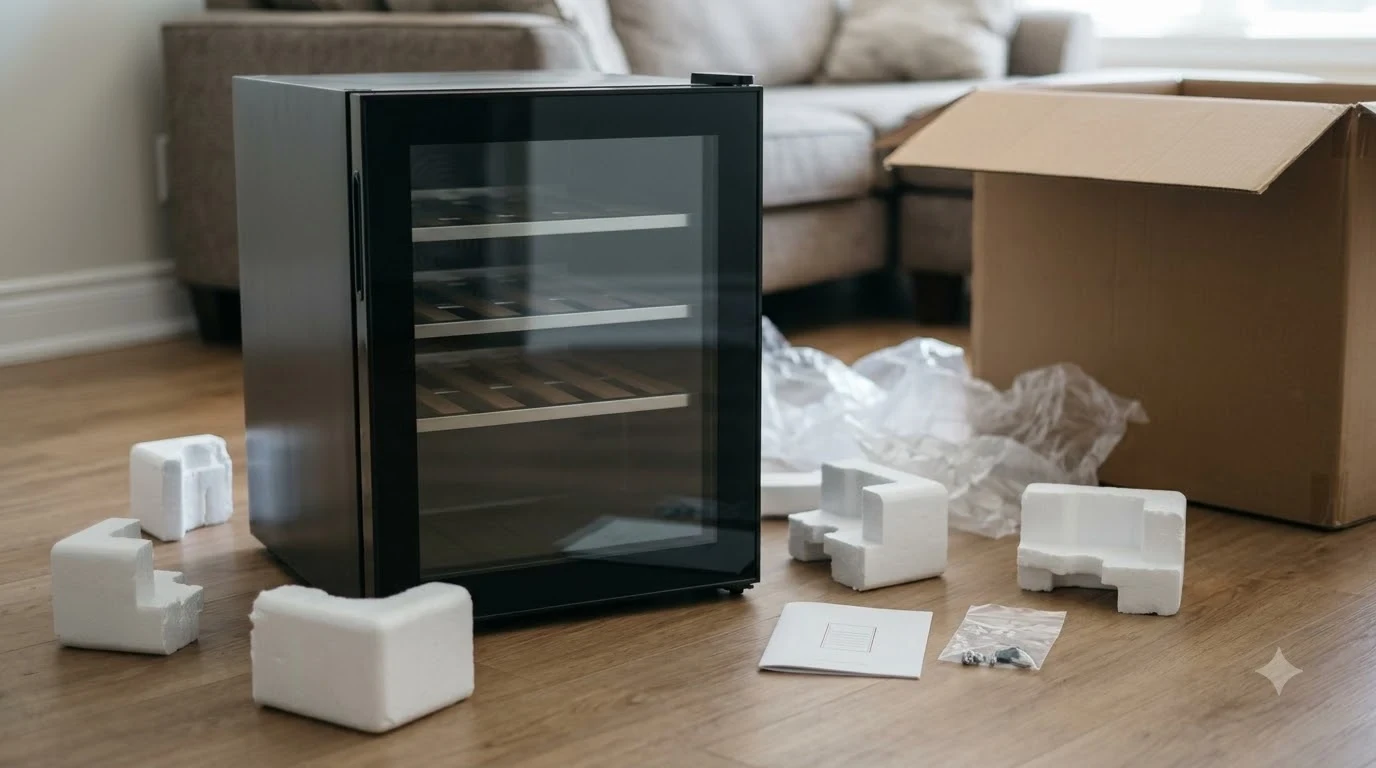
The viking under counter wine fridge is a premium built-in wine storage option for homeowners who want compact, integrated storage and precise temperature control without dedicating an entire cabinet to wine. The Viking FWUI5152G is a 15-inch, single-zone model with room for up to 24 standard wine bottles, six smooth-glide racks, vibration reduction, and UV-resistant glass. Its strongest advantages are its cabinetry-friendly design and wine-focused features, while its limited capacity, single temperature zone, and installation requirements deserve careful consideration before purchase.
A dedicated wine refrigerator can make a kitchen or entertaining area more practical, particularly when the main refrigerator is already crowded with food and everyday beverages. Viking’s undercounter wine cellar is designed for homeowners who want a purpose-built appliance rather than a general-purpose beverage cooler. The FWUI5152G deserves particular attention because its 15-inch footprint makes it suitable for smaller spaces while retaining features associated with more substantial wine storage appliances. However, a premium appliance needs to fit the collection, the cabinetry, and the way wine is actually served. This review examines its specifications, everyday advantages, potential limitations, and the installation details that matter before committing to a purchase.
Viking FWUI5152G Specs and Key Features
The Viking FWUI5152G combines a 24-bottle capacity with single-zone temperature management and a panel-ready exterior. Its most important features are the six sliding racks, vibration neutralization, dynamic cooling, and UV-resistant glass door.

The FWUI5152G belongs to Viking’s 5 Series and is designed for installation beneath a countertop. Its 2.7-cubic-foot interior is intended to accommodate up to 24 standard wine bottles. That capacity is appropriate for a household that keeps a modest selection of wines ready for dinners and entertaining rather than maintaining a large cellar collection.
The six four-bottle smooth-glide racks are an important part of the design. Sliding racks make it easier to reach bottles toward the back without repeatedly rearranging the entire collection. They also give the interior a more organized appearance than an appliance that relies on fixed wire shelves. For anyone who keeps a mixture of red, white, and sparkling wines, this arrangement can make everyday selection more convenient.
Temperature control is another central feature. Viking specifies an adjustable range of 38°F to 65°F. This gives owners flexibility to store different wine styles at practical serving or storage temperatures, although the single-zone arrangement means the entire cabinet shares one temperature setting.
| Specification | Viking FWUI5152G |
|---|---|
| Product series | Viking 5 Series |
| Appliance type | Undercounter wine cellar |
| Configuration | Single zone |
| Nominal width | 15 inches |
| Interior capacity | 2.7 cubic feet |
| Maximum bottle capacity | 24 standard wine bottles |
| Wine racks | 6 smooth-glide racks |
| Temperature range | 38°F–65°F |
| Listed dimensions | 14.875 × 23.7188 × 34.75 inches |
| Listed weight | 125 pounds |
| Glass door | Argon-filled, tinted, UV-resistant dual pane |
| Lighting | Sapphire blue or arctic white |
| Energy certification | ENERGY STAR |
| Listed warranty | 2 years parts and labor |
One particularly useful detail is the UV-resistant dual-pane glass door. Light exposure is an important consideration in wine storage because prolonged exposure to ultraviolet light can negatively affect wine quality. The tinted construction provides a protective barrier while allowing the collection to remain visible. The argon-filled design also contributes to the door’s insulating properties.
Viking additionally specifies a vibration neutralization system. The purpose is to limit unwanted agitation around stored bottles. This is a desirable feature for collectors who want a quieter, more controlled storage environment, although it should not be confused with a guarantee of completely vibration-free operation.
Dynamic cooling is designed to support temperature stability and frost-free operation. Together with the adjustable temperature controls, it makes the appliance more specialized than a basic refrigerator compartment. The interior lighting adds a presentation element, with sapphire blue and arctic white options available through the controls.
For a closer look at the manufacturer’s specifications and available documentation, see the official Viking FWUI5152G product listing.
What Owners Are Likely to Appreciate
The strongest practical advantages of the Viking wine cellar are its compact footprint, organized bottle storage, and integrated appearance. These features make the 15-inch model especially appealing for kitchens where a full-size wine refrigerator would take up too much valuable space.
The first advantage is the narrow format. A 15-inch appliance can fit into a dedicated undercounter opening without requiring a homeowner to redesign an entire kitchen around wine storage. This is particularly useful in kitchens with limited cabinet space, smaller entertaining areas, and home bars where every inch matters.
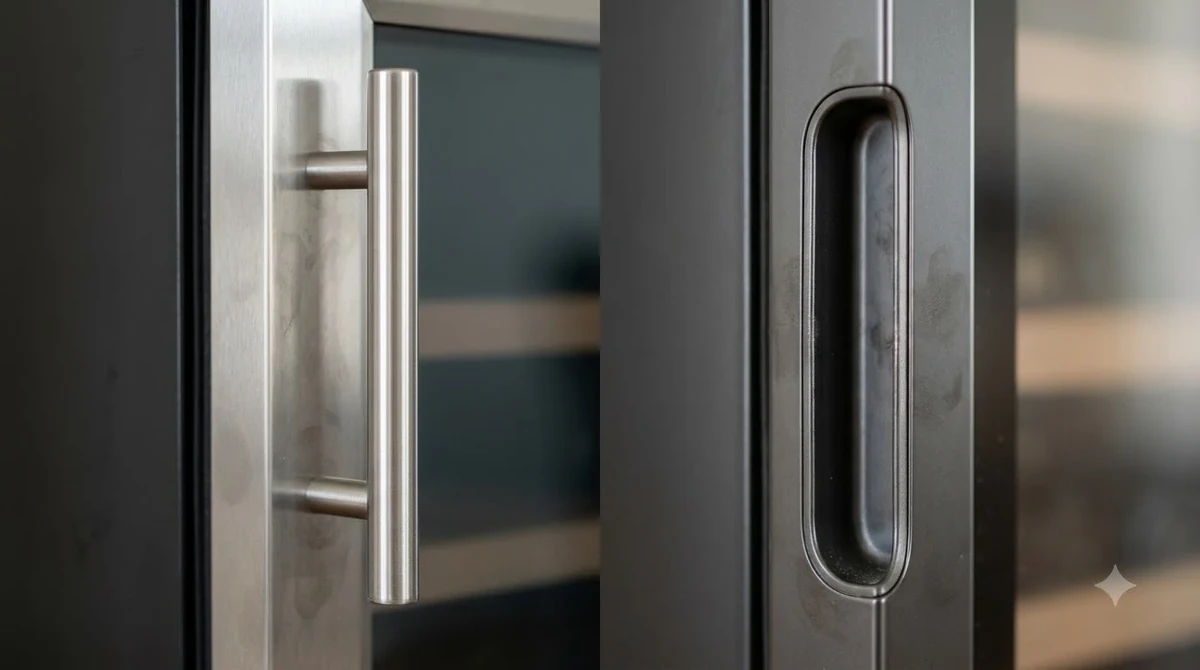
The panel-ready design is another major selling point. Rather than forcing homeowners to accept a prominent stainless-steel appliance front, the FWUI5152G can accept a compatible custom panel. Best Buy’s product specifications identify compatibility with 3/4-inch or 5/8-inch custom panels, as well as accessory door panel kits. This makes it possible to coordinate the appliance with surrounding cabinetry.
For homeowners planning a coordinated kitchen, that design flexibility can be more valuable than decorative features alone. A wine refrigerator that visually blends into the cabinetry creates a more consistent appearance, particularly when installed alongside matching cabinet doors, drawers, and other integrated appliances.
The smooth-glide rack system is another practical benefit. With six racks holding four bottles each, the interior has a clear organizational structure. Bottles are easier to identify and retrieve than they would be in a crowded general-purpose refrigerator. The sliding mechanism also reduces the need to disturb neighboring bottles when selecting a particular wine.
Temperature flexibility should also appeal to households with varied wine preferences. The 38°F to 65°F range covers a broad selection of serving and storage requirements. For example, lighter whites and rosés are generally served around 45°F to 50°F, while fuller-bodied whites are usually more enjoyable around 50°F to 55°F. Light reds can be served around 55°F to 60°F, and fuller reds around 60°F to 65°F.
Although the FWUI5152G is a single-zone appliance, its temperature range gives owners a choice about the overall environment they want to maintain. Someone who primarily drinks white wine might select a cooler setting, while a household that keeps mostly red wine might prefer a warmer one.
The glass door, interior lighting, and black interior also contribute to presentation. The two lighting colors allow owners to change the appearance of the collection, while the tinted glass helps reduce unwanted light exposure. This combination makes sense in a visible home bar or kitchen installation where the appliance is part of the room’s design.
Finally, the reversible door is a useful planning feature. Depending on the kitchen layout, a left-hand or right-hand opening can make a significant difference to access. The ability to change the swing provides additional flexibility when the appliance is positioned beside a wall, cabinet run, or island.
These benefits are based on the published specifications rather than a verified collection of owner testimonials. Best Buy’s listing does not provide an established set of customer reviews for this particular model, so claims about long-term owner satisfaction, reliability, and noise should be treated cautiously.
Common Complaints and Potential Drawbacks
The main compromises are the 24-bottle capacity, single-zone configuration, premium appliance positioning, and the planning required for built-in installation. These are not necessarily product defects, but they can become frustrating if the refrigerator does not match the owner’s expectations.
The most obvious limitation is capacity. Twenty-four bottles sounds substantial until a collection begins to grow. A household that regularly purchases wine by the case can fill this appliance quickly. Even a smaller collection can occupy most of the available space if it contains bottles with wider shoulders, sparkling wine bottles, or unusual shapes.
Manufacturers generally express wine refrigerator capacity using standard bottle dimensions. That means the stated 24-bottle capacity should not be interpreted as a guarantee that every combination of bottles will fit in the same arrangement. Champagne and other sparkling wine bottles can be wider than conventional Bordeaux-style bottles. If a collection includes many of these shapes, practical capacity may be lower.
The second consideration is the single-zone configuration. The entire cabinet operates around one selected temperature rather than offering separate environments for reds and whites. This is perfectly reasonable for someone who stores one main category of wine or prefers a common storage temperature. However, it is less convenient for someone who wants white wine chilled for immediate service while keeping red wine at a warmer setting.
A two-zone refrigerator is generally a better fit for that second use case. The FWUI5152G’s 38°F to 65°F range is flexible, but flexibility does not replace independently controlled compartments. Buyers should make that distinction before deciding that the available temperature range solves every serving requirement.
Installation is another potential source of frustration. A built-in wine cellar is not simply a freestanding refrigerator that can be pushed beneath any countertop. Cabinet openings, leveling, electrical access, door clearance, and ventilation all need to be considered.
The 125-pound listed weight also makes installation more demanding than moving a small countertop appliance. It is sensible to plan for appropriate assistance and professional installation, particularly when the unit is being fitted into finished cabinetry. The door and custom panel also need to be considered together because the finished installation must provide adequate room for opening and access.
The panel-ready design creates another cost and coordination consideration. The appliance is intended to accept a compatible custom panel, but the panel itself and its associated hardware requirements need to be incorporated into the kitchen plan. Buyers should confirm the correct panel dimensions and handle configuration rather than assuming that any existing cabinet door will fit.
There is also a practical distinction between published features and proven long-term performance. Vibration reduction, dynamic cooling, and UV-resistant glass are attractive specifications, but they do not independently establish how an appliance will perform after years of continuous use. Buyers who place a high priority on reliability should investigate local service availability, parts support, and warranty coverage before purchasing.
Tip: Do not order cabinetry around the nominal 15-inch width alone. Confirm the exact FWUI5152G installation drawing, required opening, finished panel dimensions, ventilation arrangement, and door clearance with the installer before construction begins.
Noise is another reasonable point to investigate. Viking describes its cooling system and vibration-control features, but these specifications should not be interpreted as a published decibel rating. Anyone installing the wine cellar in an open-plan kitchen or immediately beside a seating area should ask the dealer or manufacturer for available operating-noise information.
Who Should Buy the Viking and Who Should Skip It?
The FWUI5152G makes the most sense for homeowners who value cabinetry integration, dedicated wine storage, and a compact footprint. It is less suitable for large collections, households that need two independently controlled temperatures, or buyers who prioritize simple freestanding installation.
Who should consider buying it?
Homeowners planning a premium kitchen renovation: The panel-ready construction is one of the strongest reasons to consider this model. It can be coordinated with custom cabinetry, helping the wine cellar become part of the overall kitchen design rather than an appliance that visually interrupts it.
People with collections of around 12 to 24 bottles: The stated capacity is appropriate for a household that buys wine regularly but does not need a dedicated full-size cellar. Six racks provide a straightforward way to organize bottles for different meals and occasions.
Home entertainers: Having wine available directly beneath the counter can make hosting more convenient. A bottle of Sauvignon Blanc for seafood, Pinot Noir for a lighter dinner, or sparkling wine for an aperitif can be kept separate from everyday food storage.
For example, a chilled bottle of sparkling wine can be used to prepare an Aperol Spritz recipe for guests. The wine cellar’s temperature flexibility makes it useful for households that regularly entertain and want bottles accessible without filling the main refrigerator.
Homeowners who value appliance coordination: The ability to select a compatible panel and reverse the door swing provides flexibility when designing a fitted kitchen or bar. These details matter most when appearance and cabinet alignment are important purchasing considerations.
Who should skip it?
Serious collectors with growing inventories: Twenty-four bottles can be restrictive if wine purchases are frequent or if the collection includes multiple cases. A larger cellar would offer more breathing room and reduce the need to rotate bottles continually.
Households that serve reds and whites at different temperatures: The single-zone configuration means one cabinet temperature must accommodate the entire collection. A dual-zone appliance is a more logical choice for someone who wants chilled whites and warmer reds ready at the same time.
Budget-conscious buyers: Viking positions this appliance within its premium kitchen-appliance range. Its integrated appearance and specialized features may justify that positioning for a renovation, but someone who simply needs a place to chill a dozen bottles may find a simpler wine refrigerator more practical.
Renters and people who move frequently: The built-in design is best suited to a permanent kitchen or bar installation. Although installation details vary, the cabinetry coordination and electrical planning make it less convenient than a conventional freestanding unit.
Collectors of unusually shaped bottles: The stated capacity is based on standard wine bottles. Anyone storing large-format bottles or a significant number of Champagne bottles should investigate the actual rack dimensions before purchasing.
Food and wine habits can also influence whether the appliance makes sense. A household that frequently prepares dishes such as chicken Marsala may appreciate keeping a suitable red wine ready for dinner. However, the refrigerator should be selected according to storage needs, not a single recipe or occasional entertaining event. A collection that grows beyond 24 bottles will eventually require additional storage regardless of how convenient the appliance is.
How the Viking Compares to Alternative Wine Storage Options
The Viking FWUI5152G is best understood as a compact, integrated wine cellar rather than a general-purpose beverage refrigerator. Its main distinction is the combination of a panel-ready appearance, six wine racks, vibration reduction, and single-zone temperature control.
There are several categories worth comparing before making a final decision. The appropriate alternative depends on whether the priority is appearance, bottle capacity, temperature separation, or installation flexibility.
Viking versus a basic freestanding wine refrigerator
A basic freestanding wine refrigerator can be a more straightforward solution for someone who does not need a fitted kitchen appearance. It may be placed in a suitable utility area, dining room, or home bar without requiring a custom cabinet panel.
The trade-off is that a freestanding appliance may not integrate as cleanly into a kitchen design. The Viking’s panel-ready construction is particularly relevant for homeowners who are already investing in coordinated cabinetry. However, if appearance is not important, a simpler freestanding model may provide more practical value.
Viking versus a larger single-zone cellar
A larger single-zone wine cellar is worth considering when collection size is the primary concern. It can offer more room for conventional bottles, sparkling wine, and different producers without requiring the owner to rearrange the collection every time new bottles arrive.
The disadvantage is the space required. A larger refrigerator may occupy a wider cabinet opening or an entirely separate section of the kitchen. For someone with a small collection and a strict 15-inch installation space, the Viking’s dimensions may be more useful than additional capacity.
Viking versus a dual-zone wine refrigerator
A dual-zone appliance offers two independently controlled temperature environments. This makes it attractive for people who want to keep different wine styles ready for service at different temperatures.
The Viking FWUI5152G does not offer that arrangement. Its single-zone configuration is simpler, but it cannot independently chill a white wine collection while maintaining a warmer red wine section. A dual-zone alternative is the more logical option when serving flexibility is the deciding factor.
Viking versus a beverage center
A beverage center is intended for a broader selection of drinks, which may include cans, bottles, and other refreshments. It is useful in a family kitchen or entertaining area where wine is only one part of the beverage selection.
A dedicated wine cellar is more appropriate for someone whose main priority is bottle storage. The Viking’s six smooth-glide wine racks, vibration neutralization system, and UV-resistant door are specifically designed around wine storage rather than general beverage organization.
For readers comparing different appliance categories and specifications, the broader appliance model reviews section can help provide additional purchasing context.
There is no universal winner between these categories. The Viking is a strong candidate when the installation must be compact and visually integrated. A larger cellar is more sensible for a growing collection, while a dual-zone refrigerator offers an advantage for households that regularly serve red and white wines at different temperatures.
Frequently Asked Questions
Does the Viking FWUI5152G have a door lock?
The published product information used for this review does not establish a door-lock feature for the FWUI5152G. Buyers who need child access control or additional security should ask Viking or an authorized dealer to confirm whether a compatible locking accessory is available. Do not assume that the reversible-door feature includes a lock.
Can the Viking FWUI5152G store opened wine bottles?
Yes, an opened bottle can be placed inside if it is properly resealed and positioned securely. A suitable wine stopper or sparkling-wine closure helps limit air exposure, while refrigeration slows the deterioration of still wine. Opened still wine generally keeps for approximately three to five days in a refrigerator, although the result varies with the wine and storage conditions.
Can the Viking wine cellar accommodate magnum bottles?
The standard 24-bottle capacity does not establish how many magnums will fit. A magnum contains 1.5 liters, twice the volume of a standard 750 ml bottle, and its dimensions can affect rack clearance. Confirm the usable rack dimensions and approved storage configuration with Viking before purchasing if large-format bottles are a regular part of the collection.
Does the Viking wine cellar need to be defrosted manually?
Viking describes the FWUI5152G’s dynamic cooling technology as providing frost-free operation. This is intended to reduce the need for manual defrosting associated with traditional cooling arrangements. Owners should still follow the cleaning and maintenance instructions in the product manual to maintain proper operation.
Can the Viking wine refrigerator be installed outdoors?
The FWUI5152G product information identifies it as an undercounter wine cellar but does not establish it as an outdoor-rated appliance. Outdoor installation requires equipment specifically approved for the intended environmental conditions. Ask Viking to confirm the installation rating rather than assuming that a stainless-steel or panel-ready exterior makes an indoor appliance suitable for outdoor use.
The Viking FWUI5152G is a compelling option for homeowners who want a compact, integrated wine cellar with dedicated bottle racks, adjustable temperature control, and a refined cabinet appearance. Its 24-bottle capacity and single-zone design will not suit every collection, but they can be entirely appropriate for a smaller household wine inventory. Before buying, confirm the cabinet opening, electrical supply, panel requirements, service access, and local warranty support. If those details fit the kitchen and the collection, the Viking offers a well-considered combination of wine storage features and built-in design.
More in Model Reviews
 Magic Chef 44 Bottle Wine Cooler Review for Flexible StorageUpdated Nov 21, 2026
 Whynter 164 Bottle Wine Cooler Review: Capacity, Features, and FitUpdated Nov 21, 2026
 Insignia NS WC16BK6 Review: Compact 16-Bottle Wine StorageUpdated Nov 21, 2026
 Wine Enthusiast Electric Blue Omega Review: Opening, Pouring, and Preserving Made EasierUpdated Nov 21, 2026
 Koolatron 20 Bottle Wine Cooler Review: Features, Fit, and PerformanceUpdated Nov 21, 2026
 NewAir AWC 330E Review for Home Wine StorageUpdated Nov 21, 2026