

We may earn a commission when you buy through links on this page, at no extra cost to you. Learn more.
The answer to “is justin wine good” is yes: JUSTIN makes several well-regarded wines, particularly bold Paso Robles Cabernet Sauvignon and its Cabernet-based blends, but the right bottle depends on whether you prefer ripe, full-bodied reds or fresher whites. Independent reviews support the winery’s quality, while also showing that its wines are not all alike in intensity, alcohol, or structure. The most useful way to shop is to match a specific JUSTIN bottling to your palate, meal, and budget rather than assume the label guarantees one consistent style.
JUSTIN Vineyards & Winery is closely associated with Paso Robles, California, and its red wines are often the first bottles shoppers encounter. The range also includes Sauvignon Blanc, Chardonnay, rosé, and Pinot Noir, so there is more variety than a Cabernet-focused reputation might suggest. This guide explains what the wines tend to offer, what independent reviews can tell you, and how to choose a bottle with fewer surprises.
Who This Is For
JUSTIN is a sensible brand to consider if you enjoy California wines with clear fruit character and a generous sense of body, especially Cabernet Sauvignon and Bordeaux-style blends from Paso Robles. It is less automatic a fit if you favor restrained, low-alcohol reds, very lean whites, or wines built around delicate rather than ripe flavors.
The winery traces its origins to 1981, when founder Justin Baldwin planted a vineyard in Paso Robles, according to the winery’s account of its history and vineyards. JUSTIN says its vineyard holdings cover 2,100 acres, with blocks selected for elevation, limestone, and the cooling influence of the Pacific. Those details help explain the regional identity the brand emphasizes, but they do not mean every bottle is estate-grown or tastes the same; the Sauvignon Blanc, for example, is labeled Central Coast rather than Paso Robles.
Choose JUSTIN if you want an approachable introduction to Paso Robles Cabernet, a fuller red for grilled or roasted food, or a structured blend for a special dinner. Its Sauvignon Blanc can suit someone who normally avoids the brand’s reds but wants a dry white with citrus, tropical fruit, and herbal notes. Shoppers seeking a wine with subtle fruit, modest alcohol, or a particularly delicate finish should compare the details of each bottling before deciding.
Key Factors to Compare
The strongest clue to whether a JUSTIN wine will suit you is its grape variety and style, followed by alcohol level, blend composition, and the way the wine was made. Recent published examples show why those details matter: JUSTIN’s 2023 Cabernet Sauvignon and 2022 Isosceles are both substantial reds, while its 2024 Sauvignon Blanc is a dry, stainless-steel-fermented white.
| Wine example | Useful published details | What the details suggest | Good starting point for |
|---|---|---|---|
| 2023 Cabernet Sauvignon | 750 ml; 15% ABV; 92 points from Wine Enthusiast | Ripe, generous Cabernet with cherry, vanilla, and spicecake notes in the review | Fans of full-bodied California reds |
| 2022 Isosceles | 750 ml; 15.5% ABV; 9% Cabernet Franc and 7% Merlot alongside Cabernet Sauvignon | A firm, intense Bordeaux-style blend with notable oak and spice | Drinkers who like structured, powerful blends |
| 2024 Sauvignon Blanc | Central Coast; 13.5% ABV; cool stainless-steel fermentation; no malolactic fermentation | Dry, citrus-led white with tropical fruit, herbs, and a mineral impression | Seafood, salads, and crisp-white preferences |
The published Cabernet review is particularly useful as a quality check. Wine Enthusiast’s blind review of the 2023 JUSTIN Cabernet Sauvignon gave it 92 points and described cherry, cinnamon, candied pecan, vanilla, and spicecake notes; the publication also explains that its buying-guide wines are evaluated under blind-tasting conditions. That is meaningful independent support for the bottling, although a critic’s score is not a promise that every drinker will like its ripe profile.
Use the alcohol figure as a clue to weight, not as a complete quality score. At 15% or 15.5% ABV, the cited Cabernet examples are likely to feel warmer and fuller than a lighter red, especially if served too warm. The Sauvignon Blanc at 13.5% ABV is not a low-alcohol wine, but its dry acidity and lighter body can make it feel fresher alongside food. For a broader primer on reading producer names and styles, see our overview of Wine Brands.
Step-by-Step: Choose the Right JUSTIN Bottle
A simple buying process prevents the brand name from doing too much of the decision-making. Start with the experience you want at the table, then narrow the choice by grape, structure, and occasion.
- Decide whether you want red, white, or rosé. For a classic, hearty red, begin with Cabernet Sauvignon or a Cabernet-based blend. For a dry white that works with seafood and lighter meals, start with Sauvignon Blanc. A bottle’s color is only the first filter, but it quickly removes options that do not match the meal.
- Choose your preferred body and tannin. Cabernet Sauvignon generally has high tannin, while Merlot is usually softer and medium in tannin. Isosceles combines Cabernet Sauvignon with Cabernet Franc and Merlot, so it can bring both a firm backbone and some blending-roundness; do not assume the Merlot percentage makes the finished wine soft.
- Check the alcohol and blend details. The reviewed examples range from 13.5% ABV for Sauvignon Blanc to 15.5% for the 2022 Isosceles. If you dislike a warming finish, consider the white or a lighter red before choosing a concentrated Cabernet blend. A blend’s percentages also tell you more than the word “red” on a shelf tag.
- Match the vintage and bottle to the occasion. A current-release Cabernet is usually a more straightforward choice for a casual dinner than a premium blend selected for cellaring or a celebratory meal. Vintage-specific tasting notes matter: a review of one year is evidence about that wine, not a guarantee that the next release will taste identical.
- Plan the food and serving temperature. Cabernet and Isosceles can work with grilled beef, lamb, burgers, and aged hard cheese. Serve a full-bodied red around 60–65°F, rather than at a warm room temperature, and chill Sauvignon Blanc to about 45–50°F to keep its freshness clear.
After those steps, use a trusted tasting note to confirm that the flavor profile appeals to you. JUSTIN’s JUSTIN wine range is broader than its flagship reputation, so reading the individual wine description is more reliable than buying by the brand name alone. For the same reason, compare the specific Cabernet or blend you are considering instead of assuming all red labels have the same concentration.
JUSTIN Wine Styles Explained
JUSTIN is best known for Cabernet Sauvignon and Bordeaux-inspired blends, but it is not a one-style winery. The main distinction is between the brand’s concentrated red wines and its fresher white and rosé options.

Cabernet Sauvignon: This is the most direct choice for shoppers who like a firm, full-bodied red with dark or red fruit, oak spice, and substantial tannin. Wine Enthusiast’s review of the 2023 bottling described cherry, cinnamon, candied pecan, vanilla, and spicecake, and rated it 92 points. That combination makes it a natural partner for grilled steak, braised short ribs, roast beef, or a mushroom-topped burger. Cabernet’s tannin can feel drying beside very lean foods, so include fat, protein, or a savory sauce in the meal.
Isosceles and other Cabernet-led blends: Isosceles is the name most closely associated with JUSTIN’s Bordeaux-style blend. Wine Enthusiast’s review of the 2022 bottling lists 9% Cabernet Franc and 7% Merlot in addition to its Cabernet Sauvignon base, with a 15.5% alcohol level and an intense, spicy, oak-driven profile. Decanter’s review listing for the 2014 Isosceles also identifies Cabernet Sauvignon, Cabernet Franc, and Merlot, describing that vintage as dry, full-bodied, and oaked at 16% ABV. These examples show the blend’s powerful side; it is better suited to drinkers who welcome structure and intensity than those searching for a delicate red. Our dedicated JUSTIN Isosceles wine page can help narrow the choice within that range.
Sauvignon Blanc: The winery describes its Central Coast Sauvignon Blanc as dry, crisp, and mineral in character, with citrus, tropical fruit, fresh herbs, and a clean finish. Its published production details specify cool fermentation in stainless-steel tanks and no malolactic fermentation, choices that help retain a fresher, more linear style rather than a buttery one. The suggested pairings include grilled salmon, citrus-marinated halibut, cheeses, seafood, and light appetizers. For a white wine, its acidity is an important part of the appeal: acidic food generally needs a wine with equal or higher acidity to avoid making the wine taste flat. Other varietals and styles: JUSTIN’s wider catalog includes Chardonnay, rosé, and Pinot Noir as well as its better-known reds, so do not transfer Cabernet expectations to those bottles. Chardonnay is typically medium in acidity and can range from lean to creamy depending on its winemaking, while Pinot Noir generally has lower-to-medium tannin and higher acidity than Cabernet. A dry rosé can be a flexible choice for lunch, grilled vegetables, seafood, and charcuterie, but the precise character depends on the particular bottling and vintage.
Common Buying and Serving Mistakes
The biggest mistake is treating every JUSTIN bottle as a bold red, or assuming that a recognized label automatically suits every palate. A Cabernet, a Cabernet-led blend, and a Central Coast Sauvignon Blanc have different structures, serving needs, and food matches.
Another common error is treating critic scores as a universal ranking of the entire winery. Wine Enthusiast’s 92-point assessment applies to the specific 2023 Cabernet Sauvignon, while its review of the 2022 Isosceles also scored that individual wine at 92 points and described it as especially intense and spicy. Different bottlings and vintages can earn different responses, and a score cannot tell you whether you personally enjoy high alcohol, firm tannin, or noticeable oak. Read the tasting description alongside the number.
Do not serve the reds too warm. A 15% ABV Cabernet can feel hotter and more alcoholic when poured at 70°F or above, while modest chilling can make the fruit, acidity, and tannin feel more balanced. The opposite problem can happen with whites: serving Sauvignon Blanc straight from a very cold refrigerator can mute its aromas. Let it warm slightly in the glass if the citrus and herbal notes seem subdued.
Food pairing can also change how the wine comes across. Cabernet’s tannin is more likely to clash with delicate oily fish than a high-acid white; a dry Sauvignon Blanc is usually a safer direction for seafood. Salt and fat soften the impression of tannin, which is one reason grilled beef, aged cheese, and rich sauces can work with a structured red. Very spicy dishes are a less predictable match because alcohol and tannin can amplify chili heat.
Serving and Storage Tips
Good serving and storage habits can make a sound bottle more enjoyable without requiring special equipment. Temperature is the most useful adjustment: serve full-bodied reds cooler than a heated living room and whites cold enough to stay lively without losing their aromas.
For a full-bodied JUSTIN Cabernet or Isosceles, aim for 60–65°F. A light red such as Pinot Noir is usually better around 55–60°F, while Sauvignon Blanc and most rosé are refreshing around 45–50°F. Pour approximately 5 ounces per glass; a standard 750 ml bottle provides about five servings. For young, tightly structured full reds, consider decanting for 30–60 minutes, then taste again to see whether the texture has opened up.
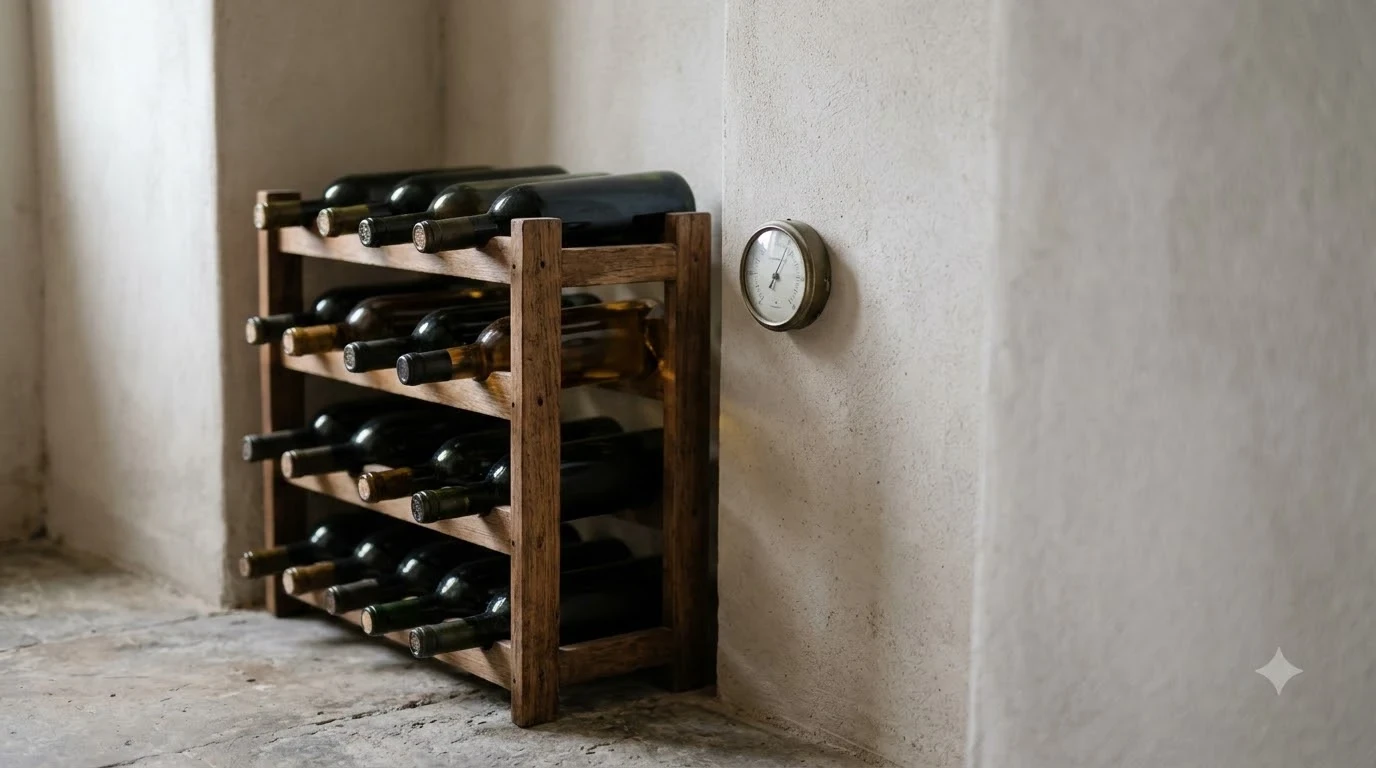
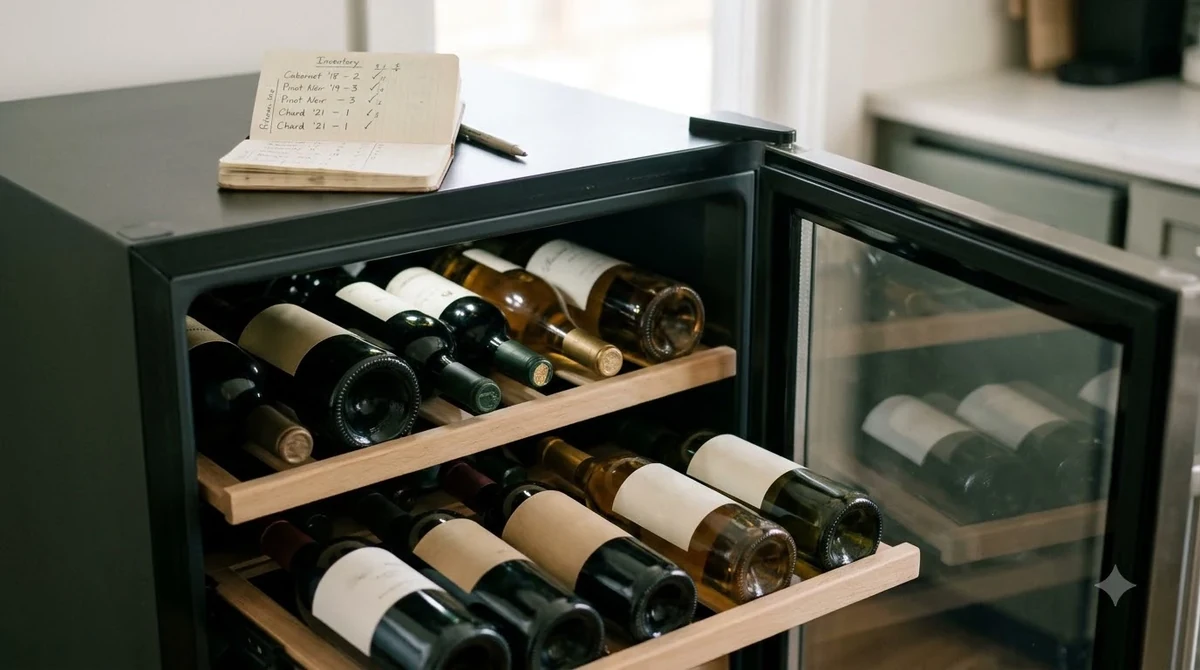
Store unopened bottles away from heat, direct sunlight, and repeated temperature swings. A cool, dark place near 55°F is a useful target, and bottles with natural corks are generally stored on their sides to keep the cork from drying out. Avoid leaving a bottle in a hot car or on top of a refrigerator, where heat can quickly damage wine. For longer storage, a stable wine refrigerator or cellar is more reliable than a kitchen shelf.
Tip: If you open a young JUSTIN Cabernet and it tastes unusually tight, pour a small glass first, then give the rest 30 minutes in a decanter. Keep the bottle and decanter away from heat; extra warmth can exaggerate the alcohol rather than improve the wine.
After opening, put the cork or closure back in place and refrigerate the remaining wine, including red. Most still wines keep reasonably well for about 3–5 days in the refrigerator, although fruit and freshness gradually fade. Let a red warm back toward its serving range before pouring another glass. If the wine smells sharply vinegary, flat, or otherwise unpleasant, it has passed its best drinking window.
Frequently Asked Questions
Can visitors taste JUSTIN wines at the winery?
JUSTIN lists an estate tasting room in Paso Robles, a restaurant, JUST INN accommodations, and a separate downtown presence among its visitor offerings. Check the winery’s current reservation details before setting out, since tasting and dining availability can differ.
Does JUSTIN offer smaller bottles?
The winery’s trade catalog lists 375 ml formats for Sauvignon Blanc in addition to standard 750 ml bottles. A half-size bottle can be useful for a smaller dinner or for trying the white before choosing a full bottle.
Does JUSTIN publish vintage-specific tasting notes?
Yes. Its trade and media library provides tasting-note PDFs for multiple vintages of Isosceles, Justification, Cabernet Sauvignon, and other wines. Use the notes for the exact vintage you are considering rather than assuming that a previous release describes the current one.
What does JUSTIN Sauvignon Blanc look like in the glass?
The winery describes its 2024 Sauvignon Blanc as pale straw with green highlights. That appearance is typical of a young, dry white, although color alone cannot tell you the wine’s acidity, aroma, or quality.
Who is the winemaker at JUSTIN?
The winery’s heritage page names Scott Shirley as its winemaker. The page says the team bases harvest timing on taste rather than following a fixed calendar date.
JUSTIN is a good winery to explore if you enjoy expressive California fruit, particularly in Cabernet Sauvignon and structured blends, and its well-reviewed bottlings provide real support for that reputation. The best purchase is the specific wine whose body, alcohol, acidity, and flavor profile fit the meal and your own preferences—not simply the bottle with the most recognizable name.
More in Wine Brands
 Louis Latour Wine Price: Compare Bottles by Style and TierUpdated Nov 20, 2026
 Yellow Tail Moscato Price: What to Expect Before You BuyUpdated Nov 20, 2026
 Sutter Home Sweet Red Review: Find the Right Food PairingsUpdated Nov 20, 2026
 Franzia Chillable Red Review: Find the Right Serving StyleUpdated Nov 20, 2026
 Veuve Clicquot Rose Review: Flavor, Food Pairings and Buying AdviceUpdated Nov 20, 2026
 Rombauer Wine Price: Compare Bottles Before You BuyUpdated Nov 20, 2026