

We may earn a commission when you buy through links on this page, at no extra cost to you. Learn more.
The Prisoner Red Blend price typically ranges from about $30 to $48 for a 750 ml bottle in US retail shops, depending on the vintage and retailer. The winery’s listed price for its 2024 vintage is $45, while retailer listings can be lower or higher. Comparing the vintage, bottle size, and actual retail offering is the best way to decide whether a particular bottle represents good value.
The Prisoner Red Blend occupies a distinctive position in the California red wine market. Its combination of Zinfandel, Petite Sirah, Syrah, Cabernet Sauvignon, Merlot, and Malbec creates a full-bodied wine with dark fruit, sweet spice, and a smooth finish. Its recognizable label and established following also make it a popular choice for dinners, celebrations, and gifts. However, the amount charged for a bottle can differ considerably between shops, making it useful to understand what influences the price before purchasing.
Who This Bottle Is For
The Prisoner Red Blend is suited to buyers who enjoy concentrated California reds with ripe fruit, noticeable oak-related flavors, and a generous body. Its relatively high alcohol content and combination of six grape varieties give it a different personality from lighter, more restrained red wines.
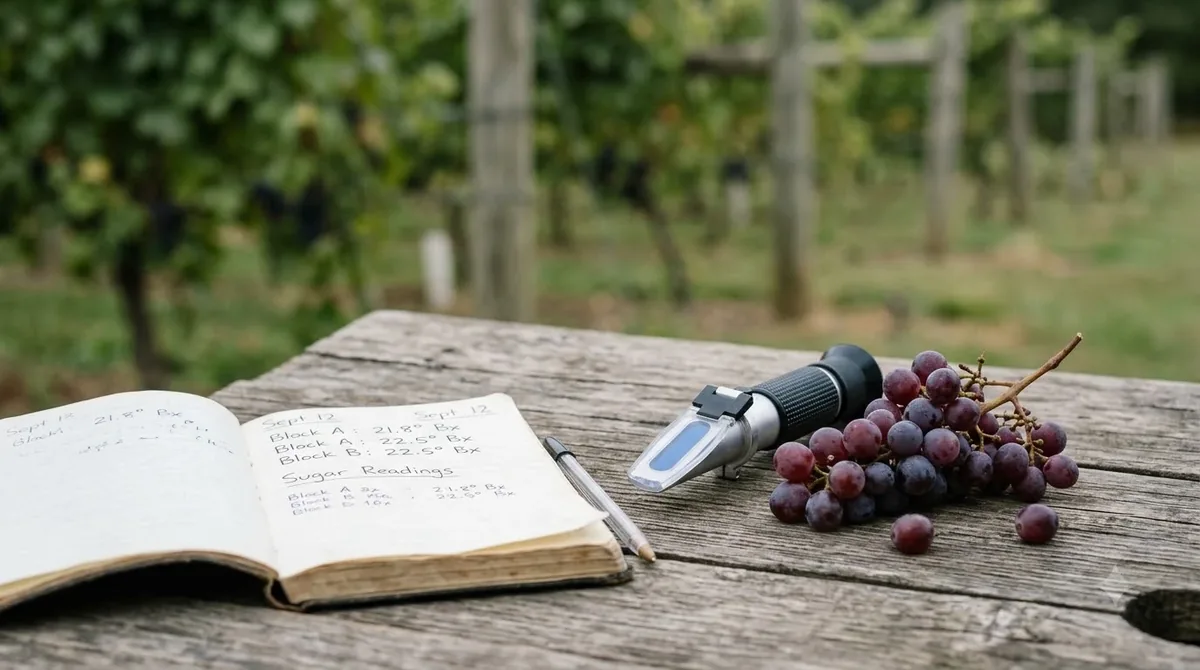
The wine is particularly appealing to people who enjoy Zinfandel-based blends. Zinfandel contributes ripe berry character, while Petite Sirah and Cabernet Sauvignon bring additional structure. Syrah, Merlot, and Malbec contribute further layers of fruit and texture. The result is a wine designed around richness and approachability rather than a single grape’s traditional characteristics.
According to The Prisoner Wine Company’s product information, its 2024 Red Blend contains 15.5% alcohol by volume and is classified as a full-bodied California red. The producer identifies cranberry, blackberry, dried plum, caramelized vanilla, nutmeg, and toasted coconut among its aromatic characteristics. These details help explain why the wine appeals to people who prefer expressive reds rather than delicate, lighter-bodied styles.
Buyers should also consider the occasion. A bottle can work well with grilled meats, barbecue, burgers, and dishes featuring rich tomato-based sauces. H-E-B specifically recommends grilled meats with sweet or tomato-based sauces as pairing options. The wine’s fruit concentration can complement these foods without requiring a complicated meal.
However, it may not be the right choice for someone looking for a low-alcohol red, a particularly light-bodied wine, or a traditionally austere Cabernet Sauvignon. At 15.5% ABV in the producer’s listed 2024 vintage, it is a relatively powerful bottle. People who prefer bright acidity and restrained fruit may find its richer profile less appealing.
Before comparing retailers, consider whether this is the style of wine you actually want. Reading the Prisoner Red Blend overview can help clarify its general character, while the Prisoner Red Blend tasting notes provide more detail about the flavors and aromas associated with the wine.
Key Factors to Compare
The most important factors affecting the purchase are vintage, bottle size, retailer pricing, and the condition of the wine. Comparing these details makes it easier to distinguish a normal retail offering from an unusually expensive listing.
For a standard 750 ml bottle, Caveau reports a broad US retail range of approximately $30 to $48 across the vintages it tracks. The producer lists its 2024 release at $45, while individual retailers display different regional prices. These figures provide useful reference points, but they should not be treated as guaranteed prices at every store.
| Comparison factor | Reference figure or detail | Why it matters |
|---|---|---|
| Standard bottle | 750 ml | The usual comparison size |
| Broad US retail range | About $30–$48 | Varies by tracked vintage and retailer |
| 2024 producer listing | $45 per 750 ml | Official winery reference |
| 2022 vintage | $30–$40 observed range | Caveau retail observations |
| 2023 vintage | $32–$60 observed range | Caveau retail observations |
| 2021 vintage | $22–$40 observed range | Caveau retail observations |
| 2024 alcohol content | 15.5% ABV | Useful style and strength information |
| Grape varieties | 6 varieties | Helps identify the wine’s style |
The vintage figures in this table come from Caveau’s tracked US retail listings, while the 2024 winery reference and alcohol information come from The Prisoner Wine Company. These are different pricing categories: a winery’s listed release price is not necessarily the same as the amount charged by an independent retailer. The figures also describe different vintages, so they should not be compared as though every bottle were identical.
Retailer location can make a noticeable difference. Total Wine displays regional listings that vary by store, and H-E-B also states that prices may differ between in-store, curbside, and delivery purchases. Local availability, shipping arrangements, and state-level alcohol regulations can affect the final amount paid.
For an additional reference, Caveau’s Prisoner Red Blend price tracking separates observed retail ranges by vintage. This is particularly helpful when comparing an older bottle with a current release.
It is also important to distinguish bottle size from vintage. A 375 ml half bottle contains half the wine of a standard 750 ml bottle, while a 1.5-liter magnum contains twice as much. A lower listed amount does not necessarily mean better value if the bottle is substantially smaller.
Step-by-Step Buying Process
A sensible buying process starts with the bottle size and vintage, followed by a comparison of retailer listings. Five straightforward steps can prevent confusion and help buyers make a more informed decision.
-
Decide on the bottle size.
Start with the standard 750 ml bottle if you are purchasing for a dinner or regular wine occasion. It provides approximately five standard 5 oz pours. A 375 ml bottle is more appropriate when a smaller quantity is needed, while a 1.5-liter magnum is designed for larger gatherings.
-
Identify the vintage.
Record the year printed on the bottle before comparing prices. The 2021, 2022, 2023, and 2024 vintages are not interchangeable simply because they share the same brand name. Retail listings can show different amounts for different vintages, and an older bottle does not automatically represent better value.
-
Check the producer’s reference.
Visit the official Prisoner Wine Company product page to understand the current release, grape composition, and listed bottle size. The winery’s 2024 release information identifies a 750 ml bottle, six grape varieties, and 15.5% ABV. This gives you a consistent starting point for comparing retailer descriptions.
-
Compare at least two retailers.
Look at established wine retailers and regional grocery stores that publish product details. Total Wine and H-E-B are useful examples because both identify the product as a California red blend and provide bottle-size information. Compare the same vintage and size rather than choosing whichever listing has the lowest displayed number.
-
Review the final purchase details.
Consider shipping, local availability, retailer policies, and bottle condition. A bottle purchased for immediate consumption has different requirements from an older vintage intended for a collection. Make sure the listing describes the correct wine and that the bottle has been stored appropriately.
These steps are especially helpful when buying online because product photographs and descriptions may be reused across multiple vintages. A retailer listing can show a familiar label without making every vintage-specific detail obvious. Confirming the vintage and size before checkout reduces the chance of purchasing something different from what you intended.
Tip: Compare two 750 ml bottles from the same vintage before making a decision. Then compare their final purchase costs, including shipping where applicable. A lower shelf listing is not necessarily the better purchase if the bottle is older, incorrectly described, or sold through a less suitable retailer.
Types and Styles Explained
The Prisoner Red Blend is primarily known as a full-bodied California red blend, but understanding its grape composition and vintage differences helps explain why buyers encounter different descriptions and prices. The six varieties contribute different characteristics to the finished wine.
Zinfandel is an important part of the blend and contributes ripe fruit character. It helps establish the wine’s generous style and complements the darker fruit notes. This grape is often associated with California reds that have concentrated berry flavors and substantial body.
Petite Sirah contributes darker fruit and substantial tannin. It is commonly used in California blends to provide structure and depth. Cabernet Sauvignon also adds tannin and a firm framework, helping balance the richness of the fruit.
Syrah contributes dark fruit and savory characteristics, while Merlot can provide a softer texture. Malbec adds another layer of fruit and color. Together, these grapes create a more complex profile than a single-variety wine might offer.
Understanding the flavor profile
The producer’s 2024 description emphasizes cranberry, blackberry, dried plum, caramelized vanilla, nutmeg, and toasted coconut. Its international product description also identifies raspberry, boysenberry, pomegranate, and vanilla. These overlapping fruit and spice characteristics give buyers a reasonable idea of the wine’s general direction.
It is useful to distinguish fruit sweetness from actual residual sugar. A wine can smell like ripe berries or vanilla without tasting like a dessert wine. The Prisoner Red Blend is generally approached as a rich, fruit-forward dry-style red rather than a sweet red intended to accompany dessert.
Why vintages matter
Different harvest conditions and winemaking decisions can influence the balance of fruit, acidity, tannin, and alcohol. The producer’s product information, for example, lists 15.5% ABV for its 2024 release, while H-E-B lists 15.2% ABV for its product entry. Such differences are a reminder that product details should be associated with a specific release rather than assumed to apply universally.
The same principle applies to flavor descriptions. A vintage may show more pronounced dark fruit, while another may seem more focused on spice or oak-derived notes. These differences do not automatically indicate a quality problem. They are part of the reason vintage identification matters when comparing bottles and retail listings.
Buyers interested in the broader category can also explore Prisoner red wine to understand how the flagship blend fits within the producer’s red wine selection.
Common Mistakes When Comparing Prices
The most common buying mistakes involve comparing different bottle sizes, overlooking vintage information, and assuming that a higher retail listing always means a better bottle. Understanding these differences makes price comparisons much more reliable.
Comparing different bottle sizes
A half bottle and a standard bottle should not be compared using their total listed amounts alone. A 375 ml bottle contains half the volume of a 750 ml bottle. A magnum contains 1.5 liters, equivalent to two standard bottles. Buyers should compare the cost relative to the amount of wine when assessing value.
For example, a listing for a smaller bottle might look less expensive at first glance, but the amount of wine is also smaller. The same issue applies when comparing gift formats or specially packaged bottles. Always identify the actual capacity before drawing conclusions.
Assuming every vintage costs the same
Vintage differences can create substantial variation in retailer listings. Caveau’s tracked 2022 vintage shows an observed range of approximately $30 to $40, whereas its tracked 2023 vintage shows a wider range of approximately $32 to $60. These figures are based on different listings and should not be interpreted as a universal pricing rule.
Older bottles can sometimes cost more because of limited availability, storage history, or collector interest. However, age alone does not guarantee higher quality or greater value. A properly stored bottle with clear vintage information is more useful than an older bottle with an uncertain history.
Confusing the producer’s price with retailer pricing
The winery’s listed release price provides a useful reference, but it does not establish what every store should charge. Retailers operate with different purchasing arrangements, distribution costs, and local market conditions. Some listings may also refer to older stock rather than the current release.
For the 2024 vintage, the official winery listing provides a $45 reference for a 750 ml bottle. A retailer may list a different amount depending on its location and inventory. The difference does not necessarily mean that either listing is incorrect.
Ignoring bottle condition
Storage matters particularly for older vintages. A bottle kept in a hot environment or exposed to significant temperature fluctuations may not be in the same condition as one stored properly. A lower listing can be less attractive if the seller cannot provide confidence about the bottle’s provenance and storage.
Buyers should also avoid assuming that every bottle with the familiar cream-colored illustrated label represents the same vintage or product. Check the product name, capacity, and vintage details rather than relying entirely on the appearance of the bottle.
Care and Storage Tips
Proper storage helps preserve the wine’s intended characteristics after purchase. The most important considerations are stable temperature, limited exposure to light, suitable humidity, and protection from unnecessary movement.
For an unopened bottle, a storage temperature near 55 degrees Fahrenheit is a useful general target for wine. Avoid leaving the bottle in a hot kitchen, near a heating appliance, or in a vehicle for extended periods. Repeated temperature changes can be particularly undesirable when a bottle is being kept for a future occasion.
Store bottles on their sides when they have natural cork closures, helping keep the cork in contact with the wine. A dark storage location also reduces unnecessary light exposure. These basic precautions are more useful than trying to create elaborate storage conditions without consistent temperature control.
Serving temperature
The Prisoner Red Blend is a full-bodied red, so a serving temperature around 60 to 65 degrees Fahrenheit is a practical starting point. Serving it significantly warmer can make the alcohol seem more prominent and the fruit feel heavier. If the bottle has been stored at typical room temperature, a short period of cooling can help bring it closer to the recommended range.
Allow the wine to settle after opening. A young, full-bodied red can benefit from approximately 30 to 60 minutes of decanting, which provides time for the wine to interact with air. This is an optional serving step rather than a requirement for every bottle.
Food pairing and serving quantities
Grilled steak, roasted beef, barbecue ribs, and burgers are natural food matches for the wine’s concentrated fruit and substantial structure. Tomato-based sauces can also work well, particularly when their acidity is balanced with the wine’s fruit character. Rich foods help complement the wine’s body.
For a dinner, plan around a standard 5 oz pour. A 750 ml bottle provides approximately five such servings, although the actual number depends on how generously each glass is poured. For a gathering with several guests, calculate the number of bottles according to the number of people and the intended serving size.
After opening, reseal the bottle and store it in the refrigerator. Most still wines are best consumed within approximately three to five days after opening, although the wine’s condition can change depending on air exposure and storage. Bring a serving back toward the appropriate temperature before pouring.
These practices help maintain the wine’s fruit character and reduce unnecessary deterioration. Good storage is particularly important if a buyer chooses an older vintage or intends to keep a bottle for a special occasion rather than opening it immediately.
Frequently Asked Questions
Is The Prisoner Red Blend made from estate-grown grapes?
The producer describes its grape sourcing as a collaboration with growers and identifies vineyards including Solari Family Vineyard in Calistoga and Korte Ranch in St. Helena. Its product information does not establish that every grape in the blend comes exclusively from company-owned estate vineyards. Buyers should distinguish grower partnerships from an exclusively estate-grown claim.
Does The Prisoner Red Blend contain sulfites?
Vivino’s product information identifies sulfites as an allergen associated with this wine. Sulfites are commonly present in wine as a result of fermentation and winemaking practices. Anyone with a relevant sensitivity should consult the bottle’s labeling and appropriate product information.
Is The Prisoner Red Blend suitable for a wine gift?
Its recognizable illustrated label, California origin, and distinctive six-grape blend make it a recognizable gifting option. The producer also offers specially presented formats and gift-oriented products in its wider portfolio. For a gift, matching the bottle size and vintage to the recipient’s preferences is more useful than choosing solely by label appearance.
Can The Prisoner Red Blend be purchased in a half bottle?
The producer’s product catalog includes a 375 ml half-bottle listing for a Prisoner Red Blend vintage. A half bottle holds approximately two and a half standard 5 oz pours. Availability depends on the particular release and retailer, so it may not be offered as consistently as the standard 750 ml format.
Does The Prisoner Wine Company make wines besides its flagship red blend?
Yes. The producer’s portfolio includes Saldo Red Blend and Unshackled Red Blend, among other wines. Its Red Blend Collection groups one 750 ml bottle of each of those wines with one bottle of the flagship Prisoner Red Blend, providing a way to compare different interpretations of California red blending.
The Prisoner Red Blend is a distinctive California wine for buyers who enjoy concentrated fruit, full body, and a generous finish. Comparing the vintage, bottle size, retailer, and storage history is the most reliable way to assess whether a particular listing represents good value. Start with the standard 750 ml bottle and use the winery’s release information alongside independent retail listings to make an informed purchase.
More in Wine Brands
 Louis Latour Wine Price: Compare Bottles by Style and TierUpdated Nov 20, 2026
 Yellow Tail Moscato Price: What to Expect Before You BuyUpdated Nov 20, 2026
 Sutter Home Sweet Red Review: Find the Right Food PairingsUpdated Nov 20, 2026
 Franzia Chillable Red Review: Find the Right Serving StyleUpdated Nov 20, 2026
 Veuve Clicquot Rose Review: Flavor, Food Pairings and Buying AdviceUpdated Nov 20, 2026
 Rombauer Wine Price: Compare Bottles Before You BuyUpdated Nov 20, 2026