

We may earn a commission when you buy through links on this page, at no extra cost to you. Learn more.
The continuum wine price typically falls around $250 to $365 for a 750 ml bottle of the flagship Napa Valley red blend in the US retail market. The final cost depends on vintage, retailer, availability, and bottle provenance. Continuum also produces other wines, including Novicium and Sentium, that occupy different price categories. Understanding those distinctions helps buyers decide whether the flagship wine fits their budget and expectations.
Continuum Estate occupies a distinctive position in Napa Valley’s premium wine market. Associated with the Mondavi family and its winemaking heritage, the winery focuses on estate-grown fruit from Pritchard Hill. Its flagship proprietary red blend attracts collectors and Cabernet Sauvignon enthusiasts, but its price can be considerably higher than that of familiar supermarket Napa wines. Before purchasing, it helps to understand the winery’s different labels, the influence of vintage, and the practical differences between winery release pricing and secondary retail listings.
Who This Is For: Buyers Considering Premium Napa Valley Wine
Continuum appeals primarily to wine enthusiasts who appreciate structured Bordeaux-style blends, Napa Valley Cabernet Sauvignon, and wines with serious cellaring potential. Its pricing makes it more appropriate for collectors, special occasions, and carefully planned wine purchases than for everyday drinking.
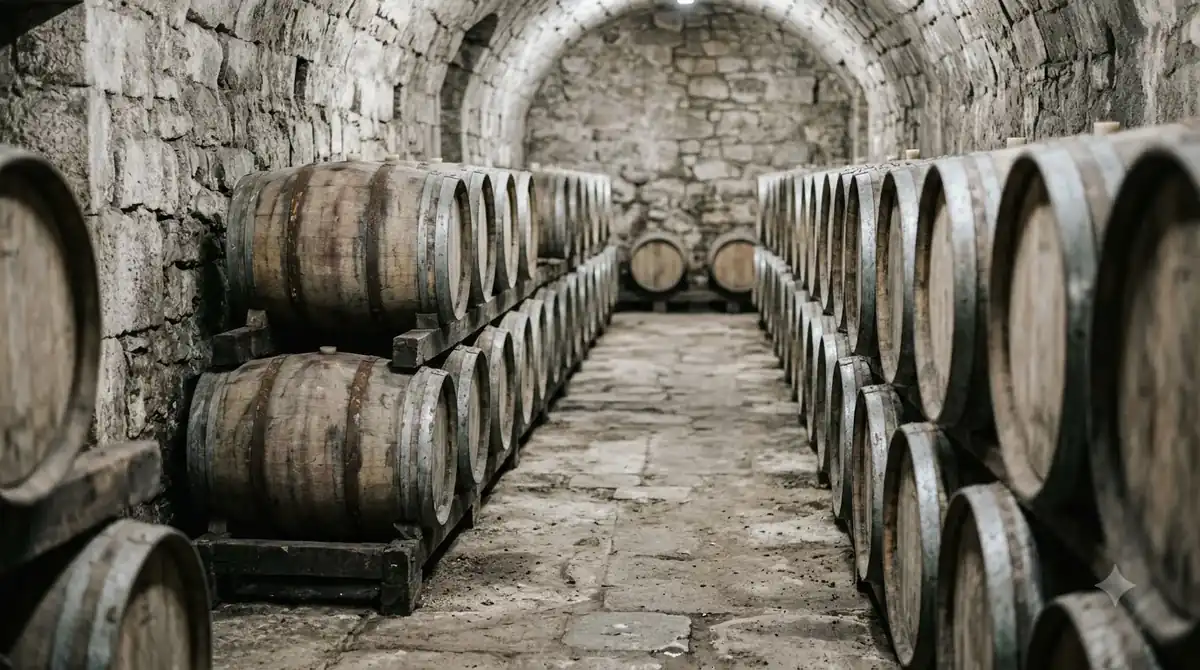
The flagship wine combines Cabernet Sauvignon with varieties such as Cabernet Franc, Petit Verdot, and Merlot. These grapes contribute different elements to the finished blend. Cabernet Sauvignon provides concentration and tannin, Cabernet Franc can add aromatic complexity and freshness, Petit Verdot contributes structure and color, and Merlot can soften the overall impression.
The 2022 vintage illustrates the winery’s approach. According to Continuum Estate’s published vintage information, its composition was 45% Cabernet Sauvignon, 43% Cabernet Franc, 8% Petit Verdot, and 4% Merlot. That unusually substantial Cabernet Franc component distinguishes this particular blend from older examples and demonstrates why buyers should consider individual vintages rather than treating every bottle as identical.
Several types of buyers may find Continuum particularly relevant:
- Napa Cabernet enthusiasts: Drinkers who enjoy concentrated red wines with substantial tannins and layered dark-fruit characteristics may appreciate the flagship blend.
- Collectors: Buyers interested in vintage variation, established Napa producers, and wines that can develop in a cellar may consider Continuum for a longer-term collection.
- Special-occasion shoppers: A bottle can serve as a significant anniversary, celebration, or dinner-party selection.
- Mondavi family wine followers: Continuum offers a different expression of the family’s winemaking heritage from widely distributed California wines.
On the other hand, shoppers looking for inexpensive Cabernet Sauvignon, uncomplicated fruit-forward reds, or a bottle for casual weekday meals may find the flagship difficult to justify. The price reflects a combination of producer reputation, vineyard origin, production scale, and market demand. It does not mean that every drinker will prefer it to a less expensive Napa Cabernet or Bordeaux blend.
Buyers who want to understand the wider market before committing can also explore our overview of Wine Brands. Comparing producers across different price categories helps put Continuum’s positioning into perspective.
Key Factors to Compare: Vintage, Label, and Retail Price
The most useful Continuum price comparison considers three things: which wine is being purchased, which vintage it represents, and whether the retailer is offering a current release or an older bottle. A 750 ml flagship bottle is the appropriate starting point for most comparisons.
The following table provides a practical overview of the principal buying considerations and indicative US retail ranges. These are broad shopping estimates rather than guaranteed winery prices. Retail availability and market conditions can change, and prices vary by state and retailer.
| Wine or comparison | Typical US retail range | What to understand |
|---|---|---|
| Continuum flagship red blend | About $250–$365 per 750 ml | Premium Napa Valley estate blend |
| Novicium red blend | About $150–$200 per 750 ml | Secondary estate red |
| Sentium Sauvignon Blanc | About $50–$75 per 750 ml | Different white-wine category |
| Older flagship vintages | About $150–$350 or more per 750 ml | Age, condition, scarcity, and provenance affect value |
The flagship estimate is supported by the retail listings tracked by Vino Alert for the 2022 vintage, including offers around $249 to $365 per 750 ml, and the approximately $310 release figure reported for the 2023 flagship by Benchmark Wine Group. The Novicium and Sentium estimates reflect producer-related retail and release information reported by Benchmark Wine Group and BevWire. These ranges are approximate, not fixed prices, and prices vary by state and retailer.
There are several important distinctions behind these figures.
Winery release price versus retail price
A winery release price is not necessarily the price a buyer will encounter later. A bottle may initially be offered through the producer’s own purchasing arrangements, while independent retailers set their own prices based on inventory, demand, and acquisition costs.
For example, Benchmark Wine Group lists the 2023 flagship at approximately $310 for a 750 ml bottle. Retail listings for other vintages have included both lower offers and substantially higher asking prices. This is why comparing several retailers is more useful than relying on one advertised amount.
Vintage differences
Different growing seasons can change the proportions of the blend, the character of the fruit, and the wine’s overall structure. Continuum’s own vintage archive demonstrates this variation. The 2005 wine contained 58% Cabernet Sauvignon, while the 2022 wine contained 45% Cabernet Sauvignon and 43% Cabernet Franc.
Consequently, a higher asking price for an older vintage does not automatically mean that the wine is better suited to a particular buyer. Its drinking window, storage history, and individual stylistic characteristics matter just as much.
Retail availability
Continuum is not a mass-market wine with uniform nationwide distribution. Limited availability can create differences between retailer listings, particularly when a particular vintage becomes harder to obtain. Comparing the same vintage and bottle size is essential for a fair assessment.
For additional context, buyers can compare premium Continuum with more accessible brands such as Barefoot wine, recognizing that these wines serve very different shopping needs and drinking occasions.
Step-by-Step: How to Evaluate a Continuum Bottle Before Buying
A sensible purchase starts with the exact wine and vintage, followed by a comparison of bottle condition, seller information, and the intended drinking occasion. Five straightforward steps can help reduce the risk of paying too much or purchasing a bottle that does not suit your plans.
-
Identify the exact Continuum label.
Start by confirming whether the bottle is the flagship Continuum proprietary red, Novicium, or Sentium. These are different wines, not different sizes of the same product. The flagship is a premium red blend, Novicium is a separate estate red, and Sentium is a Sauvignon Blanc.
-
Confirm the vintage and bottle format.
Compare the year on the label with the retailer’s product description. A 750 ml bottle is the standard reference for most retail comparisons, while magnums and half bottles should be evaluated separately. Do not compare the per-bottle cost of a 1.5-liter magnum directly with a standard 750 ml listing.
-
Compare at least three retailer listings.
Look for the same vintage and bottle size across multiple reputable wine merchants. Check whether the displayed amount includes shipping or additional charges. A lower advertised amount may not represent the lowest final purchase cost once delivery and applicable taxes are included.
-
Evaluate the seller and storage history.
For a current release, prioritize an established retailer with clear inventory information. For an older bottle, ask about provenance, storage temperature, fill level, capsule condition, and any previous movement between storage facilities. These details become especially important for collectible wines.
-
Match the purchase to your drinking plans.
If the wine is intended for an upcoming dinner, consider whether the vintage is approachable now or would benefit from additional time in the cellar. If it is intended for long-term storage, plan suitable conditions rather than leaving an expensive bottle in a warm kitchen or ordinary cupboard.
These steps also help distinguish a genuinely useful retail comparison from an attractive-looking listing with limited information. A reputable seller should be able to identify the vintage, bottle size, and condition clearly. For an older bottle, documentation of its ownership and storage history can be particularly valuable.
Tip: Compare the same Continuum vintage in the same 750 ml format across multiple established retailers. A lower asking price is only meaningful if the bottle’s condition, seller reliability, and storage history are comparable.
Types or Styles Explained: Continuum, Novicium, and Sentium
Continuum Estate produces more than its famous flagship red. Understanding the differences between its principal labels helps buyers avoid confusing the winery’s premium proprietary blend with its other wines.
The three labels serve different purposes, and their grape varieties and wine styles are important parts of the comparison.
Continuum: The flagship estate red
Continuum is the producer’s principal red wine and the label most closely associated with the Mondavi family’s current fine-wine ambitions. It is a Bordeaux-style blend centered on Cabernet Sauvignon and Cabernet Franc, with Petit Verdot and Merlot also appearing in the composition.
The 2022 vintage offers a useful example of the style. Its 45% Cabernet Sauvignon and 43% Cabernet Franc composition creates a blend that is not simply a conventional Cabernet-dominant Napa red. The producer describes aromas and flavors involving black plum, black cherry, cacao, forest floor, tobacco leaf, and mountain-inspired mineral character.
Earlier vintages demonstrate the wine’s capacity for variation. The 2007 blend contained 60% Cabernet Sauvignon, 22% Cabernet Franc, and 18% Petit Verdot. The 2008 vintage included 71% Cabernet Sauvignon and 5% Merlot. These differences are reasons to investigate a particular bottle instead of assuming that every vintage has an identical profile.
For shoppers, Continuum is the label to investigate when the goal is to experience the estate’s signature wine or purchase a bottle for a meaningful celebration. The producer’s official Continuum past-vintage archive provides useful comparisons of the blend percentages and tasting descriptions across individual releases.
Novicium: The secondary red blend
Novicium provides another route into the producer’s red-wine portfolio. Benchmark Wine Group identifies it as a second estate wine, distinct from the flagship.
Its position differs from the flagship. Merlot can contribute a softer texture than Cabernet Sauvignon, although the final result depends on blending, vineyard conditions, and winemaking decisions. The exact composition can change between vintages, so buyers should avoid assuming that every Novicium release has an identical grape balance.
Novicium is worth investigating for buyers interested in the winery but who do not necessarily require its principal flagship bottle. It can also be a useful comparison for someone who enjoys Bordeaux varieties but prefers a different expression of the estate.
Sentium: A Sauvignon Blanc alternative
Sentium is the winery’s white-wine offering, identified by BevWire as a Mendocino County Sauvignon Blanc. This makes it a different drinking proposition from the Napa Valley flagship and Novicium.
Sauvignon Blanc generally offers higher acidity than the full-bodied red blends discussed above. Its freshness and citrus-oriented character can make it suitable for seafood, salads, goat cheese, and lighter dishes.
Sentium also offers a different entry point into the producer’s wines for people who prefer white wine. It should not, however, be treated as a less expensive version of Continuum. The grape variety, growing region, style, and intended drinking experience are different.
How the three wines fit together
These labels illustrate why a brand-wide price comparison needs context. The flagship is positioned as the principal collector-oriented red, Novicium offers another estate red, and Sentium provides a white-wine option.
Buyers exploring other wine categories may also enjoy our La Marca Prosecco overview. Prosecco and Napa Valley proprietary red blends occupy very different stylistic and price categories, making the comparison useful for understanding how broad the wine market can be.
Common Mistakes When Comparing Continuum Wine Prices
The biggest purchasing mistakes involve comparing different vintages, overlooking the distinction between labels, and treating an advertised retail figure as a universal value. A few simple checks can make a premium wine purchase considerably more informed.
Comparing different vintages as if they were identical
Continuum’s vintage archive shows how substantially its blends can change. The 2005 vintage had 58% Cabernet Sauvignon, whereas the 2022 vintage had 45% Cabernet Sauvignon and 43% Cabernet Franc.
These wines may share a producer and general stylistic identity, but they are not interchangeable. Their composition, development, availability, and drinking characteristics can differ. Comparing two prices without identifying the vintage creates an incomplete picture of value.
Confusing the flagship with Novicium
A retailer listing for Novicium should not be used as a direct price comparison for the flagship. Both wines belong to the Continuum portfolio, but their positioning and grape composition differ.
Always read the complete product name rather than relying on the winery name alone. This is particularly important when shopping through wine retailers with abbreviated product titles.
Assuming an older vintage must be more expensive
Age can increase the desirability of certain collectible wines, but it does not automatically increase their market value. Demand, bottle condition, provenance, and the wine’s reputation within a particular vintage all contribute to the asking price.
A well-stored older bottle may attract collectors, while another bottle from the same vintage may be less desirable because of uncertain storage. A newer vintage with strong demand can also command substantial retail attention.
Ignoring bottle condition
Condition becomes especially important when purchasing wines that have spent years in storage. A damaged capsule, unusually low fill level, evidence of leakage, or an unclear storage history should prompt additional questions.
For example, a bottle from an established retailer with documented professional storage may be a more reassuring purchase than a cheaper bottle with an unknown ownership history. The difference matters because deterioration can undermine the qualities that justify a premium wine’s cost.
Using the wrong comparison category
Comparing Continuum with an everyday California Cabernet Sauvignon purely by grape variety misses much of the difference in production scale, vineyard origin, brand positioning, and retail distribution.
A more useful comparison considers other premium Napa producers and Bordeaux-style red blends with similar market positioning. Even then, the buyer should compare individual vintages, bottle sizes, and storage conditions rather than relying on the region name alone.
Believing the most expensive listing represents the wine’s true value
Retail asking prices reflect the seller’s inventory and commercial decisions. They are not necessarily evidence of what a bottle will sell for or what it is worth to an individual collector.
Multiple listings provide a better indication of the available retail market. A single unusually high listing should not determine the value of an entire vintage.
Care and Storage Tips for Protecting a Premium Bottle
Proper storage matters because the value of a premium wine depends partly on preserving its condition over time. Continuum’s Cabernet-based red blend benefits from consistent temperature, limited light exposure, and careful handling.
Maintain a stable storage temperature
A temperature near 55 F is a practical target for long-term wine storage. More important than achieving an exact number is avoiding repeated temperature changes and prolonged exposure to heat.
A warm garage, kitchen cabinet beside an oven, or sunny shelf can create unfavorable conditions. Temperature fluctuations can accelerate wine development and potentially compromise the seal or bottle contents.
Store bottles on their sides when appropriate
For bottles closed with natural cork, horizontal storage helps maintain contact between the wine and the cork. This reduces the chance of the cork drying excessively.
Keep bottles away from direct sunlight and strong artificial light. A dark cellar or purpose-built wine refrigerator is preferable to a decorative shelf in a bright living room.
Handle older vintages carefully
Older Continuum bottles deserve additional attention before opening. Avoid unnecessary movement, particularly if sediment has accumulated during extended bottle aging.
Standing a bottle upright before serving can help sediment settle toward the bottom. The amount of time required depends on the bottle’s age and condition. A careful pour helps keep sediment out of the glass.
Serve the wine at an appropriate temperature
Full-bodied red wines are generally best served around 60 to 65 F rather than at warm room temperature. Excessive warmth can make alcohol more noticeable and reduce the impression of freshness.
If the bottle has been stored in a warm room, a short period of refrigeration can bring it closer to the desired serving range. Avoid serving it excessively cold, since low temperatures can make tannins seem more pronounced and aromatic expression less apparent.
Allow young bottles time to breathe
A young, structured Cabernet-based red can benefit from decanting for approximately 30 to 60 minutes. This provides an opportunity for the wine to open aromatically and can help separate sediment when dealing with older bottles.
However, decanting is not a universal requirement. An older, delicate vintage may need a gentler approach and less time exposed to air. Taste and observe the wine as it develops rather than automatically giving every bottle the same treatment.
Plan food pairings around the wine’s structure
Continuum’s Cabernet-led red blend is a natural candidate for substantial dishes. Grilled beef, roast lamb, short ribs, and aged hard cheeses can complement its structure.
Protein, salt, and fat can soften the perception of tannin, helping the wine feel more balanced alongside rich food. Conversely, delicate white fish and strongly acidic dishes may be less suitable matches for a concentrated, tannic red.
For an important dinner, serve the wine in appropriate red-wine glasses and pour approximately 5 oz per serving. A standard 750 ml bottle provides about five such glasses, making it relatively easy to plan a dinner for a small group.
Frequently Asked Questions
Is Continuum Estate the same winery as Robert Mondavi Winery?
No. Continuum Estate is a separate Mondavi family wine project rather than another label of Robert Mondavi Winery. The two share family history, but they have distinct winery identities and wine portfolios. Continuum’s focus is its estate-grown Pritchard Hill wines.
Does Continuum offer wine club or direct purchasing options?
Continuum Estate provides an official website with an acquisition section for prospective buyers. Purchasing arrangements and allocation access can differ from ordinary retail availability. Buyers interested in direct access should consult the winery’s official acquisition information rather than assuming every vintage is available for immediate purchase.
Does Continuum produce wine exclusively from Cabernet Sauvignon?
No. The flagship uses multiple Bordeaux varieties, including Cabernet Franc, Petit Verdot, and Merlot. The precise proportions vary between vintages. Its separate Sentium label also demonstrates that the estate’s portfolio extends beyond red Bordeaux-style blends.
What does the name Novicium mean for wine buyers?
Novicium identifies a separate wine in the Continuum portfolio rather than a particular vintage or bottle format. It is associated with a distinct expression of the estate’s Sage Mountain Vineyard. Buyers should search for the complete Novicium label when comparing bottles.
Can Continuum be purchased as a magnum or half bottle?
Retail market listings have included 375 ml half bottles and 1.5-liter magnums in addition to standard 750 ml bottles. Availability depends on the particular vintage and retailer. Collectors should verify the exact format and original packaging before purchasing a larger or smaller bottle.
Continuum is a premium Napa Valley wine whose pricing reflects its estate identity, Mondavi family heritage, limited production, and demand among fine-wine buyers. Comparing the precise label, vintage, bottle condition, and several retailer listings is the most practical way to judge its value. For buyers who appreciate structured Bordeaux-style reds, the flagship can be a compelling special-occasion or collecting choice, while Novicium and Sentium offer different ways to explore the producer’s portfolio.
More in Wine Brands
 19 Crimes Cali Red Price: What to Expect and How to BuyUpdated Nov 21, 2026
 Louis Latour Wine Price: Compare Bottles by Style and TierUpdated Nov 20, 2026
 Yellow Tail Moscato Price: What to Expect Before You BuyUpdated Nov 20, 2026
 Sutter Home Sweet Red Review: Find the Right Food PairingsUpdated Nov 20, 2026
 Franzia Chillable Red Review: Find the Right Serving StyleUpdated Nov 20, 2026
 Veuve Clicquot Rose Review: Flavor, Food Pairings and Buying AdviceUpdated Nov 20, 2026