
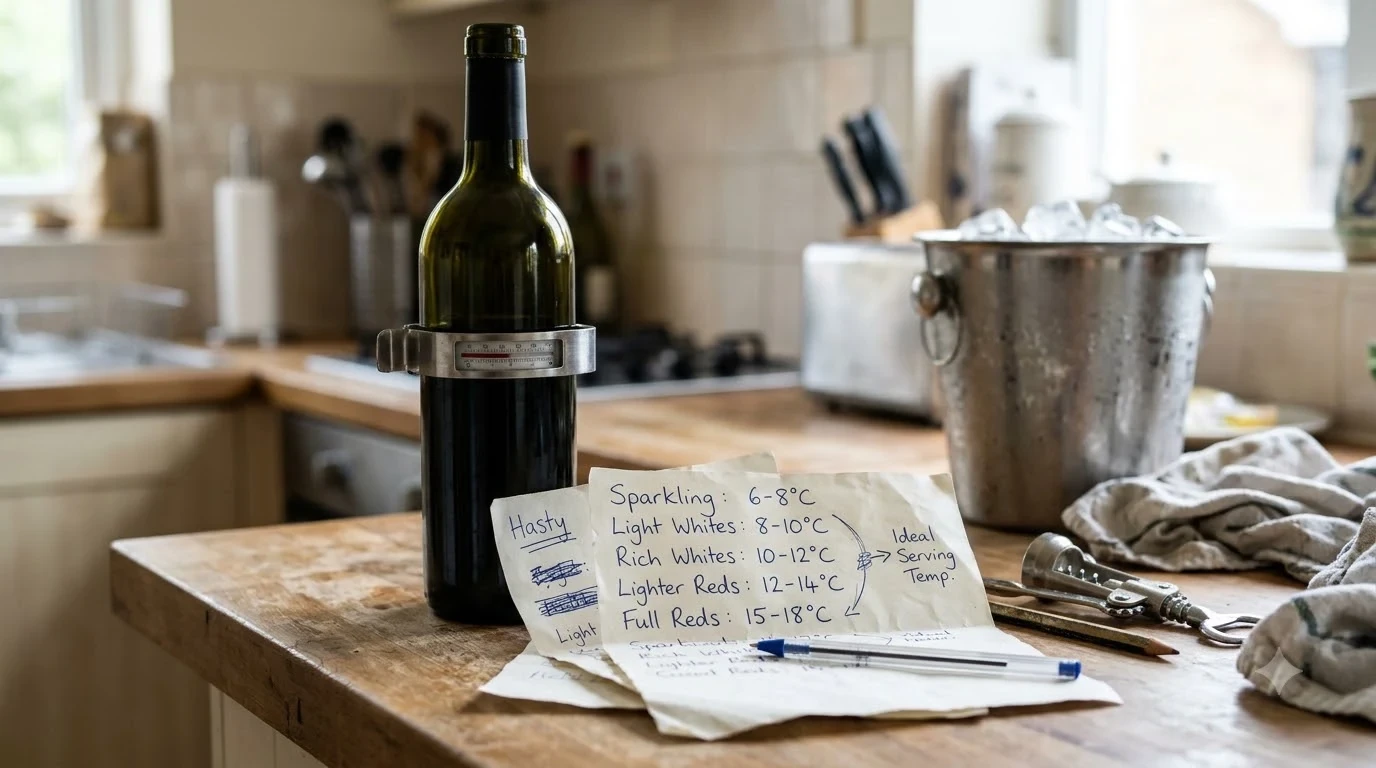

We may earn a commission when you buy through links on this page, at no extra cost to you. Learn more.
The ecco domani wine price in the United States typically falls around $10 to $15 for a standard 750 ml bottle, with Ecco Domani Pinot Grigio commonly appearing near the lower end of that range. Retail listings tracked by Vino Alert show considerable variation between stores, vintages, and bottle availability. Shoppers can generally expect an approachable everyday Italian wine rather than a premium-priced bottle, although the exact cost depends on the particular variety and retailer.
Ecco Domani is a recognizable Italian wine brand whose approachable style makes it a practical choice for casual dinners, weeknight meals, and informal gatherings. Its Pinot Grigio is the most prominent option in the brand’s retail listings, with citrus, pear, peach, and tropical fruit characteristics. Understanding typical bottle prices, retail differences, and the available styles makes it easier to decide whether a particular bottle fits your budget and preferences.
Who This Is For
Ecco Domani wine is worth considering for shoppers who want an accessible Italian wine without spending at the premium end of the market. Its approachable Pinot Grigio is particularly suitable for people who enjoy crisp white wines, lighter meals, and uncomplicated everyday drinking.
The brand’s identity is closely associated with modern Italian wine and the delle Venezie region. According to its official website, Ecco Domani means “Here’s Tomorrow” in Italian, and its wines are inspired by modern Italy. The producer highlights vineyards in the delle Venezie region and describes its Pinot Grigio through fresh fruit flavors rather than heavily oaked or highly complex characteristics. This gives shoppers a useful starting point when comparing it with other Italian white wines.
For a shopper working with a modest everyday wine budget, a typical US retail range of about $10 to $15 for a 750 ml Ecco Domani Pinot Grigio is a reasonable planning estimate, based on the retail offers and tracked average published by Vino Alert. Prices vary by state and retailer, and shipping or local alcohol taxes can change the final amount. A bottle toward the lower end may suit a casual weeknight meal, while a bottle toward the upper end may simply reflect the retailer’s location, vintage availability, or pricing policy.
This buying guide is also useful for shoppers comparing the brand’s familiar Pinot Grigio with other Italian white wines. Someone who prefers a lighter, refreshing white can begin with the Ecco Domani Pinot Grigio range before considering alternatives. Readers interested in the producer’s broader selection can also explore the Ecco Domani wine overview.
The brand may be less suitable for someone specifically seeking a rare collectible wine, a prestigious vineyard bottling, or a complex, age-worthy red. Its main appeal is accessibility, a recognizable Italian white-wine profile, and a price point that can work for ordinary occasions. Shoppers should compare the actual bottle and its characteristics rather than assuming that every wine carrying the same brand name has an identical style.
Key Factors to Compare
The most useful price comparison considers bottle size, wine variety, vintage, retailer, and the intended occasion. These factors explain why two listings carrying the Ecco Domani name may not have the same retail cost.
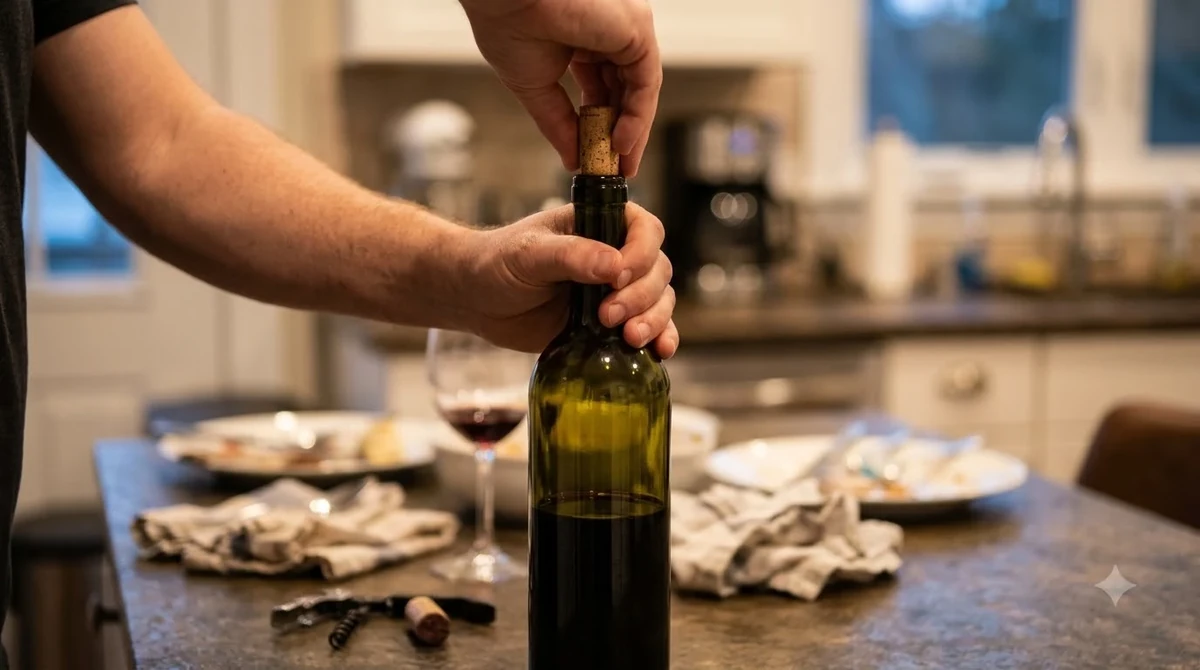
Bottle size is the first consideration. A standard 750 ml bottle provides approximately five conventional 5 oz pours. Vino Alert also tracks a 187 ml format for Ecco Domani Pinot Grigio, which is substantially smaller than the standard bottle. Comparing the displayed bottle size is essential because a lower total cost does not necessarily represent a better value per ounce.
Wine variety is another important factor. Pinot Grigio is the most prominent Ecco Domani offering in the retailer listings reviewed for this guide. A white wine and a red wine may have different distribution patterns, production costs, and shelf availability. The price of one Pinot Grigio listing should not automatically be treated as the price of every wine carrying the Ecco Domani name.
Vintage and availability also matter. Vino Alert separates non-vintage listings from individual vintages, including 2024 and 2025 Pinot Grigio bottles. These listings are not necessarily interchangeable for price comparison purposes. A retailer may have a particular vintage remaining in stock while another store carries a newer release or a non-vintage listing.
Retailer location can create noticeable differences. Wine shops, supermarket wine departments, and larger beverage retailers do not necessarily use the same pricing strategies. State alcohol regulations, distribution arrangements, local taxes, and inventory conditions can also influence the amount a shopper pays.
| Comparison factor | What to look for | Why it matters |
|---|---|---|
| Standard bottle | 750 ml | Approximately five 5 oz pours |
| Smaller bottle | 187 ml | Useful for a smaller serving |
| Typical Pinot Grigio price | About $10–$15 | Practical US retail budgeting range |
| Typical serving | 5 oz | Helps estimate servings per bottle |
| White wine serving temperature | 45–50°F | Helps preserve freshness |
| Retail comparison | At least 2–3 stores | Reveals differences in local pricing |
| Vintage comparison | Same vintage and size | Creates a fairer price comparison |
For current retail context, Vino Alert reports a tracked average of approximately $12.83 for a 750 ml Ecco Domani Pinot Grigio bottle, with individual listings varying across retailers. That makes roughly $10 to $15 a useful shopping range, rather than a guaranteed shelf price. The figure represents tracked offers, not a fixed price established by the winery, and prices vary by state and retailer. Its Ecco Domani Pinot Grigio price comparison provides a useful way to understand the variation between listings.
When comparing bottles, calculate the cost per milliliter or fluid ounce if the sizes differ. A 187 ml bottle may have a lower total price than a 750 ml bottle but generally offers less wine. For a dinner involving several guests, the standard bottle is usually the more practical comparison unit.
Tip: Compare the same Ecco Domani variety, bottle size, and vintage across at least two or three retailers. A non-vintage 750 ml listing should not be compared directly with a differently sized bottle or a specific vintage without accounting for those differences.
Step-by-Step: How to Find a Fair Ecco Domani Price
A reliable purchase starts with identifying the exact bottle and then comparing equivalent retail listings. Following a few simple steps helps prevent misleading comparisons and makes it easier to recognize a reasonable price.
-
Choose the wine style.
Start by deciding whether you want Pinot Grigio or another Ecco Domani variety. Pinot Grigio is the brand’s most visible option in the retailer listings reviewed here, and it is a logical starting point for someone looking for a crisp Italian white wine. Consider the meal and the preferences of the people who will be drinking it before choosing a style.
-
Confirm the bottle size.
Look for the standard 750 ml bottle if you need several servings. Vino Alert also tracks 187 ml Ecco Domani Pinot Grigio bottles, which may be more appropriate when a smaller quantity is needed. Do not compare the total retail cost of these two formats without considering the difference in volume.
-
Check the vintage information.
Identify whether the listing is non-vintage or specifies a year such as 2024 or 2025. Retail listings can contain multiple vintages at the same time. Keeping the vintage consistent makes it easier to compare similar bottles instead of assuming every listing represents exactly the same wine.
-
Compare several retailers.
Look at a supermarket, a specialist wine shop, and a larger beverage retailer when possible. The Vino Alert listings demonstrate how offers can differ across retailers even for the same 750 ml Pinot Grigio. A comparison of two or three stores is generally more useful than relying on one advertised shelf price.
-
Separate bottle cost from additional charges.
Online listings may display the bottle price before shipping, taxes, or other charges. A bottle that appears inexpensive online may cost more after delivery charges are added. Local in-store purchases can also have taxes that are not immediately visible in the displayed shelf price.
-
Use the producer’s retailer information.
The official Ecco Domani website provides a Where to Buy section and retailer options. This is a helpful starting point for locating the brand and checking whether a retailer carries the particular bottle you want. Availability can differ between stores, so a listed retailer does not guarantee that every location has stock.
-
Make the decision based on the occasion.
Consider how many people will be served and whether the wine will accompany a meal. A 750 ml bottle provides approximately five 5 oz pours, making it a practical size for a small dinner. For a single serving or a smaller occasion, the 187 ml format may be more convenient.
This process helps establish whether a listing falls within a reasonable market range. It also avoids treating a retailer’s promotional display or a temporary stock difference as the standard value of the entire brand. A consistent comparison of bottle size, variety, and vintage is more useful than choosing whichever listing has the lowest total figure.
Ecco Domani Wine Types and Styles Explained
Ecco Domani’s Pinot Grigio is the clearest reference point for understanding the brand’s style. The producer emphasizes fresh fruit, citrus, and floral characteristics, while retailer descriptions identify a medium-bodied wine with a crisp, refreshing finish.

Pinot Grigio
Pinot Grigio is the main bottle to consider if you prefer a dry, refreshing white wine. Ecco Domani describes notes of citrus, ripe white peach, juicy pear, and tropical fruit. Total Wine also identifies green apple, lemon, and peach among the flavor references, while Meijer mentions citrus, tropical fruit, and honeydew.
These descriptions suggest a fruit-forward but refreshing profile rather than a rich, heavily oaked white. Its medium body makes it suitable for people who want more presence than an extremely light white wine but still prefer freshness. It can work as an aperitif or accompany lighter food without dominating the meal.
For readers who want to understand this particular bottle in more detail, the Ecco Domani white wine discussion provides another starting point for comparing the producer’s white-wine character and food-pairing possibilities.
Understanding the Italian White-Wine Profile
The delle Venezie designation is important context because the producer connects Ecco Domani with vineyards in this Italian wine region. However, shoppers should distinguish the geographic identity of the wine from assumptions about its production details. The official brand description provides the regional connection and tasting notes, while retailer descriptions offer additional information about the finished wine.
Pinot Grigio generally appeals to drinkers who prefer high acidity, fresh fruit, and restrained weight. The style is particularly useful alongside seafood, salads, light pasta, and grilled vegetables. It is less suited to someone seeking a powerful, buttery Chardonnay or a richly sweet dessert wine.
Other Ecco Domani Options
Retailer and price-comparison listings also identify other Ecco Domani wines, including 90 Calories Pinot Grigio, low-calorie Pinot Grigio, Moscato, and Merlot. Their presence in a retailer’s catalog can vary, and not every store carries the full selection.
These alternatives serve different preferences. Merlot is a red wine style generally associated with softer tannins than Cabernet Sauvignon, while Moscato is usually more aromatic and sweeter. A drinker who wants a refreshing white for seafood should not automatically substitute one of these styles for Pinot Grigio simply because it carries the same brand name.
When choosing among different styles, think about sweetness, acidity, body, and food compatibility. A dry Pinot Grigio can complement fresh salads and fish, while a sweeter Moscato is more appropriate for someone who prefers noticeable sweetness. The best selection depends on the desired drinking experience, not simply on the brand label.
Common Mistakes When Comparing Ecco Domani Prices
Many misleading wine-price comparisons come from treating every bottle as identical. Differences in size, vintage, location, and wine style can explain why apparently similar Ecco Domani listings have different retail prices.
Comparing Different Bottle Sizes
The first mistake is comparing a 187 ml bottle with a 750 ml bottle based only on the total amount charged. These formats contain substantially different quantities of wine. A smaller bottle can be convenient, but the price per serving may be higher than expected.
For a standard 750 ml bottle, approximately five conventional 5 oz glasses are available. That makes it relatively easy to estimate how much wine is needed for a small gathering. A smaller bottle may be sufficient for one or two modest pours, depending on serving size.
Assuming Every Vintage Costs the Same
Another common mistake is treating non-vintage and vintage-specific bottles as identical retail products. Vino Alert lists different vintages, including 2024 and 2025, as well as non-vintage offerings. These can have different availability and pricing across stores.
A shopper comparing two listings should first establish whether both are the same size and represent the same vintage category. Otherwise, the apparent difference may reflect stock conditions rather than a meaningful difference in ordinary retail value.
Using One Retailer as the Market Standard
A single store’s shelf price is not a reliable measure of what every US shopper should expect to pay. A regional supermarket may have different pricing from a specialist wine merchant or a large beverage chain. Distribution costs and local taxes can further affect the final amount.
For example, Vino Alert’s tracked listings show different retail offers for Ecco Domani Pinot Grigio across stores. Its reported average and individual listings provide a more useful overview than treating one retailer’s displayed price as universal. Prices vary by state and retailer, so shoppers should use comparisons as a guide rather than a promise of local availability.
Confusing Sweetness With Fruit Flavor
Fruit aromas do not necessarily mean a wine is sweet. Ecco Domani Pinot Grigio is described by Meijer as a dry white wine, despite its fruit references such as tropical fruit, citrus, and honeydew. A shopper who wants a genuinely sweet wine should distinguish fruit character from residual sugar.
This distinction matters when pairing wine with food. Dry Pinot Grigio can work well with seafood, poultry, and light pasta, while a sweet wine is often more suitable for desserts or dishes with noticeable sweetness. The difference is especially important for people who normally prefer Moscato or other sweeter white wines.
Ignoring the Occasion
Buying solely on the basis of a low listed cost can result in choosing the wrong style or bottle size. A casual dinner for two has different requirements from a larger gathering involving several guests. The best purchase should match the number of servings, the food, and the preferred wine style.
A 750 ml Pinot Grigio can be a useful option for a light dinner, while a smaller format may be more convenient when only a limited amount is required. Thinking about the occasion before shopping prevents unnecessary purchases and makes the selection more practical.
Serving, Care, and Storage Tips
Proper serving and storage help preserve the fresh fruit and crisp character associated with Ecco Domani Pinot Grigio. Temperature, exposure to air, and storage conditions all influence how the wine performs after purchase.
Serve Pinot Grigio Chilled
Light-bodied white wines and rosé are generally best served around 45–50°F. This temperature range helps preserve refreshing acidity and keeps delicate fruit aromas from becoming overly pronounced. A bottle served too warm may seem less refreshing, while an excessively cold bottle can make its aromas and flavors harder to appreciate.
Place the bottle in the refrigerator before serving. If it has been stored at room temperature, allow enough time for it to cool properly rather than relying on a brief chill. Once opened, keep the bottle refrigerated between pours.
Choose Appropriate Glassware
A standard white-wine glass is suitable for Pinot Grigio. A moderately sized bowl gives the wine enough room to release its citrus and fruit aromas while keeping the serving manageable. There is no need for specialized expensive glassware to enjoy an approachable everyday white wine.
Pour approximately 5 oz per serving. A 750 ml bottle contains about five such pours, making it straightforward to estimate the quantity needed for a dinner. Leaving a little room in the glass also makes it easier to appreciate the aromas.
Pair With Suitable Food
Ecco Domani’s official website recommends fresh pasta, green salads, grilled vegetables, seafood, and poultry. These suggestions work because the wine’s freshness can complement lighter ingredients without overpowering them.
Consider serving it with grilled shrimp, lemon-seasoned fish, chicken with herbs, or a simple pasta with olive oil. The acidity of Pinot Grigio can balance lightly rich sauces, while its fruit character complements fresh vegetables and mild seasonings.
Very spicy dishes may be more challenging because alcohol can amplify chili heat. Likewise, heavily tannic red wines are generally more suitable than delicate whites for some richer meat dishes. For an oily fish preparation, a fresh, acidic white can be a better direction than a heavily tannic red.
Store the Bottle Correctly
Unopened wine should be kept away from direct sunlight, heat, and major temperature fluctuations. A cool storage environment near 55°F is a useful general target. For longer-term storage, bottles with natural cork closures are commonly stored on their sides to keep the cork from drying out.
After opening, reseal the bottle and refrigerate it. Most opened still wines are best consumed within approximately three to five days, although the exact period depends on storage and the wine’s condition. A simple wine stopper can help reduce exposure to oxygen between servings.
Do not assume that a bottle needs to be kept for years to improve. An approachable Pinot Grigio is generally intended to be enjoyed for its fresh character rather than purchased as a long-term cellar investment. Buying a bottle for a planned meal and storing it correctly until serving is a more practical approach.
Frequently Asked Questions
Is Ecco Domani wine made in Italy?
Yes, Ecco Domani identifies its wines with Italy, and its official website connects the brand with vineyards in the delle Venezie region. Retailer descriptions also identify its Pinot Grigio as an Italian white wine. The regional identity is part of the brand’s positioning rather than simply a reference to an Italian-inspired label.
Does Ecco Domani Pinot Grigio have a screw cap?
Retailer product information for the standard Pinot Grigio describes a convenient twist-off closure. This means a traditional corkscrew is not required for that listed bottling. Closure details can differ between products or packaging changes, so the physical bottle is the best way to confirm the specific closure.
How much alcohol does Ecco Domani Pinot Grigio contain?
Retailer listings identify the standard Ecco Domani Pinot Grigio at approximately 12.5% alcohol by volume. Alcohol content is a separate consideration from sweetness and body. Two wines with similar fruit aromas can still have different alcohol levels and drinking characteristics.
Can Ecco Domani Pinot Grigio be used in wine cocktails?
Yes, a fresh, dry Pinot Grigio can be used as a base in simple white-wine cocktails. Its citrus and pear character can work with ingredients such as fresh lemon, sparkling water, or sliced fruit. Keep additions balanced so they do not overwhelm the wine’s relatively delicate fruit profile.
Should Ecco Domani Pinot Grigio be decanted before drinking?
Decanting is generally unnecessary for an approachable, fresh Pinot Grigio intended for everyday drinking. Unlike a young, structured full-bodied red that may benefit from 30–60 minutes of aeration, this white is usually ready to serve after chilling. Simply open the bottle, pour a glass, and allow it a moment to release its aromas.
Ecco Domani wine is a practical choice for shoppers seeking approachable Italian wines, particularly a crisp and fruit-forward Pinot Grigio. A typical US retail budget of about $10 to $15 for a 750 ml bottle provides a useful starting point, although individual listings and local availability vary. Compare equivalent bottles across retailers, select the style that suits the meal, and serve the wine at the appropriate temperature for the best everyday drinking experience.
More in Wine Brands
 Louis Latour Wine Price: Compare Bottles by Style and TierUpdated Nov 20, 2026
 Yellow Tail Moscato Price: What to Expect Before You BuyUpdated Nov 20, 2026
 Sutter Home Sweet Red Review: Find the Right Food PairingsUpdated Nov 20, 2026
 Franzia Chillable Red Review: Find the Right Serving StyleUpdated Nov 20, 2026
 Veuve Clicquot Rose Review: Flavor, Food Pairings and Buying AdviceUpdated Nov 20, 2026
 Rombauer Wine Price: Compare Bottles Before You BuyUpdated Nov 20, 2026