

We may earn a commission when you buy through links on this page, at no extra cost to you. Learn more.
This chloe prosecco review finds that Chloe Prosecco is a crisp, fruit-forward Italian sparkling wine with peach, green apple, citrus, and floral notes, making it a good choice for casual celebrations and light meals. Made in the Prosecco DOC region, this non-vintage wine offers fine bubbles, refreshing acidity, and an approximately 11% ABV. Its profile leans dry rather than sweet, with enough ripe fruit character to appeal to drinkers who enjoy approachable sparkling wines without Champagne’s more pronounced yeast-driven character.
Choosing an everyday sparkling wine involves more than comparing labels. Grape variety, production method, sweetness, acidity, and serving temperature all influence how a bottle performs at a brunch, dinner party, or simple evening gathering. Chloe Prosecco has a recognizable fresh-fruit profile and a relatively straightforward style, but understanding its strengths and limitations helps determine whether it suits your preferences. This guide examines its origin, tasting characteristics, food compatibility, and practical serving considerations.
Who This Is For
Chloe Prosecco is particularly suitable for drinkers who prefer fresh fruit flavors, lively bubbles, and a crisp finish over heavy, complex sparkling wines. Its approachable character makes it a practical option for casual entertaining, aperitifs, and lighter food pairings.
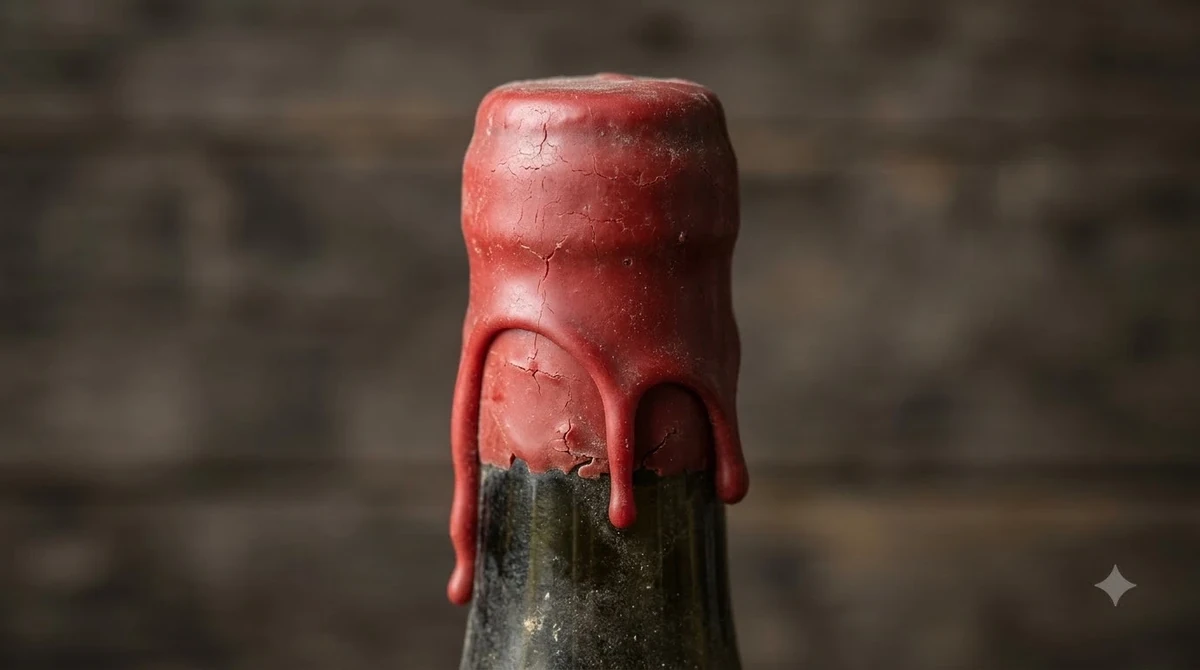
Consider this bottle if you enjoy white peach, green apple, citrus, and floral aromas. These are the central characteristics identified by Chloe Wine Collection, and independent tasting descriptions add pear, tangerine, lemon curd, and white flowers to the picture. The combination creates a fruit-led profile rather than one dominated by toasted bread, nuts, or strong yeast characteristics.
The wine is also appropriate for people who want an Italian sparkling wine for occasions that do not require a traditional Champagne. Prosecco generally emphasizes fresh fruit and accessible bubbles, while Champagne is made using a different production method that involves secondary fermentation in the bottle. Chloe follows the tank-fermentation approach associated with Prosecco DOC sparkling wine.
Several occasions suit its style particularly well:
- Brunch: Its green apple and citrus characteristics complement eggs, mild cheeses, fresh fruit, and savory pastries.
- Casual celebrations: Fine bubbles and a crisp finish make it suitable for birthdays, informal gatherings, and small celebrations.
- Summer entertaining: Chilled Prosecco works alongside seafood, salads, light appetizers, and fresh berries.
- Aperitif service: Its refreshing character makes it a natural opening drink before a meal.
- Everyday sparkling wine: The accessible flavor profile suits people who want sparkling wine without seeking extended bottle aging or substantial complexity.
There are also drinkers who may prefer another style. Someone seeking a rich, creamy sparkling wine with pronounced brioche, toasted almond, or extended lees-aging characteristics may find Chloe comparatively simple. Similarly, people who prefer clearly sweet dessert wines should distinguish its fruity aromas from actual sweetness. A wine can smell ripe and fruity while still tasting predominantly dry.
For readers comparing other bottles from the same collection, the Chloe Prosecco overview provides a useful starting point for understanding the product and its place within the brand’s offerings.
Key Factors to Compare
The most useful characteristics to consider are grape origin, alcohol content, sweetness, acidity, bubbles, and serving temperature. Together, these details explain why Chloe Prosecco works particularly well as a refreshing aperitif rather than a rich, structured sparkling wine.
| Characteristic | Chloe Prosecco | What It Means |
|---|---|---|
| Origin | Prosecco DOC, Italy | Italian sparkling wine with a designated geographic origin |
| Grape | Glera-based | Fresh apple, pear, and floral character |
| Alcohol | 11% ABV | Moderate alcohol level for sparkling wine |
| Bottle size | 750 ml | Approximately five standard 5 oz pours |
| Vintage | Non-vintage | No single harvest year identified |
| Sweetness impression | Dryish to faintly off-dry | Fruit-forward without tasting like a dessert wine |
| Acidity | Refreshing, balanced | Helps maintain a clean finish |
| Texture | Fine, lively bubbles | Suitable for aperitifs and light dishes |
| Recommended serving temperature | 43–50°F | Preserves freshness and bubble definition |
| Typical serving | 5 oz | A standard wine pour |
The specifications are consistent with the product information published by Wine.com and the producer’s description. The 11% ABV and 750 ml bottle size are particularly useful shopping details because they allow buyers to compare Chloe with other sparkling wines using the same measurements.
Sweetness deserves special attention. The professional tasting description published by The Tasting Panel identifies the wine as essentially dry but juicy, while Tastings.com calls it dryish. This distinction matters because peach and pear aromas can make a wine seem sweeter than its actual sugar level suggests.
Another important factor is the production method. Prosecco DOC sparkling wine typically develops its bubbles through secondary fermentation in pressurized tanks. This process emphasizes fresh fruit aromas and a lively sparkling character. It differs from the traditional bottle-fermentation method used for Champagne and Cava.
When comparing bottles, the following considerations help establish whether Chloe fits your needs:
- Fruit intensity: Look for a profile built around peach, apple, pear, and citrus if those flavors appeal to you.
- Sweetness: Choose a dry or slightly off-dry impression rather than expecting a sweet Moscato-style wine.
- Alcohol: Its 11% ABV is a useful specification for comparing sparkling wines with higher or lower alcohol levels.
- Texture: Fine, energetic bubbles are appropriate for drinking on their own and alongside appetizers.
- Occasion: A fresh, uncomplicated Prosecco is generally more suited to informal entertaining than a bottle selected for extended cellar aging.
For a closer examination of the alcohol figure and how it compares with other sparkling wines, see the Chloe Prosecco alcohol content explanation.
Step-by-Step: How to Serve Chloe Prosecco
Serving temperature, opening technique, glassware, and pouring size all affect the drinking experience. A few simple steps help preserve the wine’s bubbles and maintain its refreshing fruit character from the first pour to the last.

- Chill the bottle before opening. Refrigerate Chloe Prosecco until it reaches approximately 43–46°F. This temperature range is consistent with general Prosecco serving recommendations and helps preserve the wine’s lively character. Avoid serving it warm, since higher temperatures can make the bubbles seem more aggressive and the alcohol more noticeable.
- Prepare suitable glassware. Choose a tulip-shaped sparkling-wine glass or a standard white-wine glass. A narrow flute preserves bubbles effectively, but a tulip shape offers more room for peach, apple, and floral aromas to develop. Make sure the glasses are clean and free from detergent residue.
- Handle the cork carefully. Remove the foil and loosen the wire cage while keeping a hand over the cork. Hold the bottle at an angle, pointed away from people, windows, and fragile objects. Twist the bottle rather than pulling the cork forcefully. A controlled opening helps prevent unnecessary wine loss.
- Pour gently. Begin with a small amount in each glass, allowing the initial foam to settle before completing the pour. A standard 5 oz serving provides a useful reference for a typical wine glass. Avoid filling narrow glasses to the rim because this leaves little space for aromas.
- Serve immediately. Freshly poured Prosecco is generally at its most expressive while cold and actively sparkling. Serve it alongside appetizers or as the opening drink before dinner.
- Keep the bottle cold between pours. Return it to an ice bucket or refrigerator after serving. Leaving sparkling wine on a warm table for an extended period can reduce its freshness and make the remaining bubbles less lively.
- Reseal the bottle after use. If wine remains, use a proper sparkling-wine stopper and refrigerate the bottle promptly. A regular flat wine stopper may not provide adequate pressure retention for sparkling wine.
Glass choice can make a meaningful difference. Although Champagne flutes are traditional for celebrations, a tulip glass provides a useful compromise between bubble retention and aromatic expression. Chloe’s fruit-forward character benefits from having enough room for its peach, apple, and citrus aromas to emerge.
Tip: Chill Chloe Prosecco to approximately 43–46°F, prepare your glasses before opening, and pour smaller servings first. Keeping the bottle cold throughout the occasion helps preserve its fine bubbles and fresh fruit profile.
Portion planning is equally straightforward. A 750 ml bottle contains approximately five standard 5 oz servings. For a gathering of 10 guests who each want one full glass, two bottles provide approximately the required volume. If guests prefer smaller 4 oz celebratory pours, one bottle provides closer to six servings.
For a party, consider serving the wine with appetizers before bringing out heavier dishes. This approach allows the crisp acidity and lively bubbles to complement the opening courses rather than competing with strongly seasoned main dishes.
Types and Styles Explained
Understanding Prosecco terminology helps explain Chloe’s style and makes comparisons with other sparkling wines more meaningful. The most important distinctions involve grape variety, production method, sparkling intensity, and sweetness classification.
Glera and the Prosecco DOC Origin
Glera is the principal grape associated with Prosecco. It is known for producing fresh, aromatic wines with recognizable apple, pear, citrus, and floral characteristics. These qualities provide a useful framework for understanding Chloe’s tasting profile.
Chloe is identified as a Prosecco DOC wine from Italy. The designation refers to a regulated geographic production area rather than a specific grape variety. The combination of origin and grape helps explain the wine’s identity more accurately than simply calling it Italian sparkling wine.
The producer’s description emphasizes the proximity of mountain areas and calcareous soils in the vineyards as influences on the wine’s crisp finish and mineral impression. These characteristics contribute to the overall presentation without making the wine particularly heavy or austere.
Tank Fermentation and Bottle Fermentation
Prosecco’s characteristic sparkling style is commonly associated with the Charmat, or tank, method. After the initial fermentation, the wine undergoes a second fermentation in a sealed pressurized tank. Carbon dioxide remains dissolved in the wine, producing its bubbles.
This method generally preserves fresh fruit and floral aromas. It is especially appropriate for wines intended to be enjoyed relatively young, when their apple, pear, and citrus characteristics remain prominent.
Champagne and traditional-method Cava undergo their second fermentation in the bottle. This approach can create additional flavors associated with yeast contact, including bread, brioche, and pastry. The difference does not automatically make one method superior; it creates two distinct sparkling-wine styles for different preferences.
Understanding Prosecco Sweetness Categories
Prosecco labels use specific terms to describe sweetness. These categories are important because the phrase Extra Dry can be confusing to people accustomed to ordinary wine terminology.
- Brut Nature: The driest common classification, with almost no residual sugar.
- Extra Brut: Very dry, with slightly more permitted residual sugar than Brut Nature.
- Brut: A dry sparkling style that is common among many Prosecco producers.
- Extra Dry: Slightly sweeter than Brut despite its name.
- Dry: Noticeably sweeter than Extra Dry.
- Demi-Sec: A sweeter sparkling style that can accompany desserts.
- Doux: The sweetest category in the traditional sparkling-wine sweetness sequence.
These classifications explain why a wine with fresh peach and pear aromas does not necessarily taste sweet. Fruit expression and residual sugar are different characteristics. The independent tasting descriptions of Chloe suggest a mostly dry impression with a juicy, faintly off-dry finish.
Readers interested in the wine’s specific flavor profile can find additional detail in the Chloe Prosecco tasting notes guide.
Comparing Sparkling-Wine Styles
Chloe’s fresh, fruit-led presentation makes it useful to understand how different sparkling categories fit different occasions.
- Prosecco: Typically emphasizes apple, pear, peach, and floral aromas, with tank fermentation commonly used for sparkling versions.
- Champagne: Made in France’s Champagne region, with second fermentation in the bottle and often more developed bread and pastry characteristics.
- Cava: Spanish traditional-method sparkling wine that also undergoes second fermentation in the bottle.
- Moscato sparkling wine: Often offers more pronounced sweetness and floral or muscat-grape aromas.
Chloe is therefore a sensible choice for drinkers who favor a fresh Italian sparkling profile. It is less appropriate for someone specifically looking for the richer yeast-derived character associated with traditional-method sparkling wines or a distinctly sweet dessert sparkling wine.
Common Mistakes When Choosing and Drinking Chloe Prosecco
Most disappointments with Prosecco come from misunderstandings about sweetness, temperature, serving conditions, and food pairing. Recognizing these issues helps set realistic expectations and makes the wine easier to enjoy.
Assuming Fruity Means Sweet
Peach, pear, and green apple aromas can create an impression of sweetness even when the actual wine tastes dry. Chloe’s professional tasting descriptions emphasize juicy fruit while identifying a dryish or essentially dry character.
People who prefer dessert-style wines should not assume that a fruit-forward Prosecco will provide the same sweetness as Moscato or a dedicated dessert wine. For comparison, the standard sweetness sequence places Brut below Extra Dry, Dry, and Demi-Sec in sweetness.
Serving the Wine Too Warm
Temperature affects aroma, alcohol perception, and the behavior of sparkling bubbles. Serving Chloe at approximately 43–46°F helps maintain its refreshing character. A bottle left at room temperature for a long period can taste less crisp and seem heavier.
There is also little benefit in freezing a bottle rapidly until the wine becomes excessively cold. Extremely low temperatures can temporarily suppress delicate fruit and floral aromas. A properly refrigerated bottle offers a better balance between freshness and expression.
Using the Wrong Food Pairings
Chloe’s acidity and bubbles make it suitable for lighter foods, but pairing it with extremely heavy or aggressively seasoned dishes can obscure its flavors.
Good choices include fried chicken, smoked salmon, mild cheese, fresh seafood, and salads. These dishes provide enough richness or salt to complement the wine without overwhelming its fruit character.
Highly spicy dishes require more care. Alcohol and tannin can amplify chili heat, and sparkling wine does not automatically neutralize that effect. If serving spicy food, consider milder seasoning and dishes with some sweetness or cooling ingredients.
Expecting Champagne-Like Complexity
Prosecco and Champagne are not interchangeable categories. Champagne’s bottle-fermentation method can produce more developed pastry and yeast characteristics, whereas tank-fermented Prosecco generally emphasizes primary fruit aromas.
Chloe’s value is its direct, refreshing style. Evaluating it against the standards of a richly aged Champagne creates unrealistic expectations. A better comparison involves other fresh, approachable Italian sparkling wines.
Leaving an Open Bottle Unprotected
One of the most common practical errors is leaving sparkling wine uncovered after serving. Carbon dioxide gradually escapes once the bottle is opened, reducing the lively sensation that makes Prosecco appealing.
A sparkling-wine stopper and refrigeration can help preserve the remaining wine. A regular still-wine cork is not a reliable substitute for a stopper designed to retain pressure.
Buying Without Considering the Occasion
Chloe is a fruit-forward sparkling wine suited to informal occasions, aperitifs, and lighter meals. Buyers seeking a bottle for a formal traditional-method tasting or a rich dessert pairing may find another style more suitable.
Think about the intended food, serving temperature, and sweetness preference before selecting a bottle. These three factors often have more influence on enjoyment than the visual presentation of the label.
Food Pairing, Care, and Storage Tips
Chloe Prosecco pairs most naturally with lighter foods that complement its refreshing acidity, peach and apple flavors, and fine bubbles. Proper storage also matters because sparkling wine is best enjoyed while its fruit character and carbonation remain lively.
Food Pairings That Work Well
Light appetizers are a particularly good starting point. The wine’s acidity can refresh the palate after richer bites, while its fruit flavors complement delicate seafood and mild cheeses.
- Seafood: Shrimp, crab cakes, smoked salmon, and lightly seasoned white fish work well with the wine’s citrus and apple notes.
- Fried chicken: The combination of acidity, bubbles, and savory richness makes fried chicken a particularly useful pairing. Tastings.com specifically identifies oven-fried chicken among its recommendations.
- Cheese: Mild goat cheese, fresh mozzarella, young Gouda, and creamy soft cheeses can complement its fruit-forward character.
- Salads: A Cobb salad with restrained dressing can work well, consistent with the pairing suggestion published by Tastings.com.
- Vegetables: Roasted asparagus, stuffed mushrooms, and lightly seasoned vegetable appetizers provide additional pairing options.
- Fresh fruit: Peaches, pears, strawberries, and melon reinforce the wine’s aromatic profile.
Salt and fat can soften the perception of tannin in red wines, although Chloe is a white sparkling wine with no significant tannic structure to soften. Here, the more relevant benefit of bubbles and acidity is their ability to refresh the palate after creamy or fried foods.
Pairing With Desserts
Dessert pairing requires attention to sweetness. A wine should generally be at least as sweet as the dessert served with it. Otherwise, the wine can seem sour or excessively acidic next to a very sweet dish.
Chloe’s dryish profile makes it more suitable for fresh fruit, lightly sweet pastries, or desserts with moderate sweetness than for intensely sugary cakes and rich chocolate desserts. For a very sweet dessert, a sweeter sparkling wine may be a better selection.
Storage Before Opening
Store unopened bottles in a cool, dark location away from direct sunlight and heat. A consistent temperature is preferable to a cupboard near an oven, radiator, or sunny window.
For longer storage, a temperature near 55°F is a useful general wine-storage target. Keeping bottles away from repeated temperature fluctuations helps protect their quality. If a bottle is stored horizontally, ensure the storage arrangement is stable and does not expose the wine to unnecessary movement.
Chloe Prosecco is generally intended to be enjoyed fresh rather than held for extended cellar aging. There is little reason to purchase a young, fruit-forward Prosecco with the intention of storing it for many years.
Storage After Opening
Once opened, sparkling wine gradually loses carbonation. Refrigeration and an appropriate sparkling-wine stopper help slow this process, but they cannot preserve the bottle indefinitely.
A practical expectation for opened sparkling wine is approximately one to three days in the refrigerator, depending on the stopper, storage temperature, and condition of the wine. For the best bubble retention, drink the remaining Chloe Prosecco as soon as practical.
A few useful storage habits include:
- Replace the stopper immediately after pouring.
- Keep the bottle upright in the refrigerator once opened.
- Avoid leaving the bottle uncovered on a dining table.
- Keep the refrigerator temperature consistent.
- Check the remaining wine’s aroma and carbonation before serving again.
These practices are particularly helpful during gatherings where guests drink at different times. Keeping the bottle cold between servings is one of the simplest ways to maintain the wine’s fresh character.
Frequently Asked Questions
Is Chloe Prosecco vegan?
The published product descriptions used for this review do not establish whether every production batch is vegan-certified. Winemaking fining agents can include animal-derived materials, so grape origin alone does not confirm vegan suitability. Buyers who require certified vegan wine should seek confirmation from the producer for the specific bottle.
Is Chloe Prosecco suitable for making a Bellini?
Yes. A Bellini traditionally combines Prosecco with white peach purée, making Chloe’s peach-forward aromatic profile a natural starting point. Add chilled peach purée to a glass and top gently with sparkling wine to preserve as much carbonation as possible.
Does Chloe Prosecco contain sulfites?
Wine can contain naturally occurring sulfites, and additional sulfites may be used during production to protect freshness. The sources consulted for this review do not provide a batch-specific sulfite measurement. Consumers who need precise ingredient information should request the relevant product details from the producer.
Can Chloe Prosecco be used in a mimosa?
Yes. Its fresh apple, citrus, and peach characteristics can complement orange juice in a mimosa. Use well-chilled ingredients and add the sparkling wine gently after the juice to retain more of its bubbles.
Should Chloe Prosecco be decanted before serving?
No. Decanting is generally unnecessary for a young sparkling wine intended to be enjoyed with fresh carbonation. Pouring directly from the chilled bottle into clean glassware preserves the intended sparkling presentation.
Chloe Prosecco is a straightforward choice for drinkers who appreciate Italian sparkling wine with peach, green apple, citrus, floral aromas, and refreshing acidity. Its 11% ABV, fine bubbles, and mostly dry profile make it especially suitable for brunch, appetizers, seafood, and casual celebrations. Serve it cold, pair it with appropriately light food, and enjoy it fresh rather than treating it as a bottle for long-term aging.
For additional information about the producer’s wine profile and product characteristics, consult the official Chloe Prosecco description and the independent Tastings.com Chloe Prosecco review.
More in Wine Brands
 19 Crimes Cali Red Price: What to Expect and How to BuyUpdated Nov 21, 2026
 Louis Latour Wine Price: Compare Bottles by Style and TierUpdated Nov 20, 2026
 Yellow Tail Moscato Price: What to Expect Before You BuyUpdated Nov 20, 2026
 Sutter Home Sweet Red Review: Find the Right Food PairingsUpdated Nov 20, 2026
 Franzia Chillable Red Review: Find the Right Serving StyleUpdated Nov 20, 2026
 Veuve Clicquot Rose Review: Flavor, Food Pairings and Buying AdviceUpdated Nov 20, 2026