
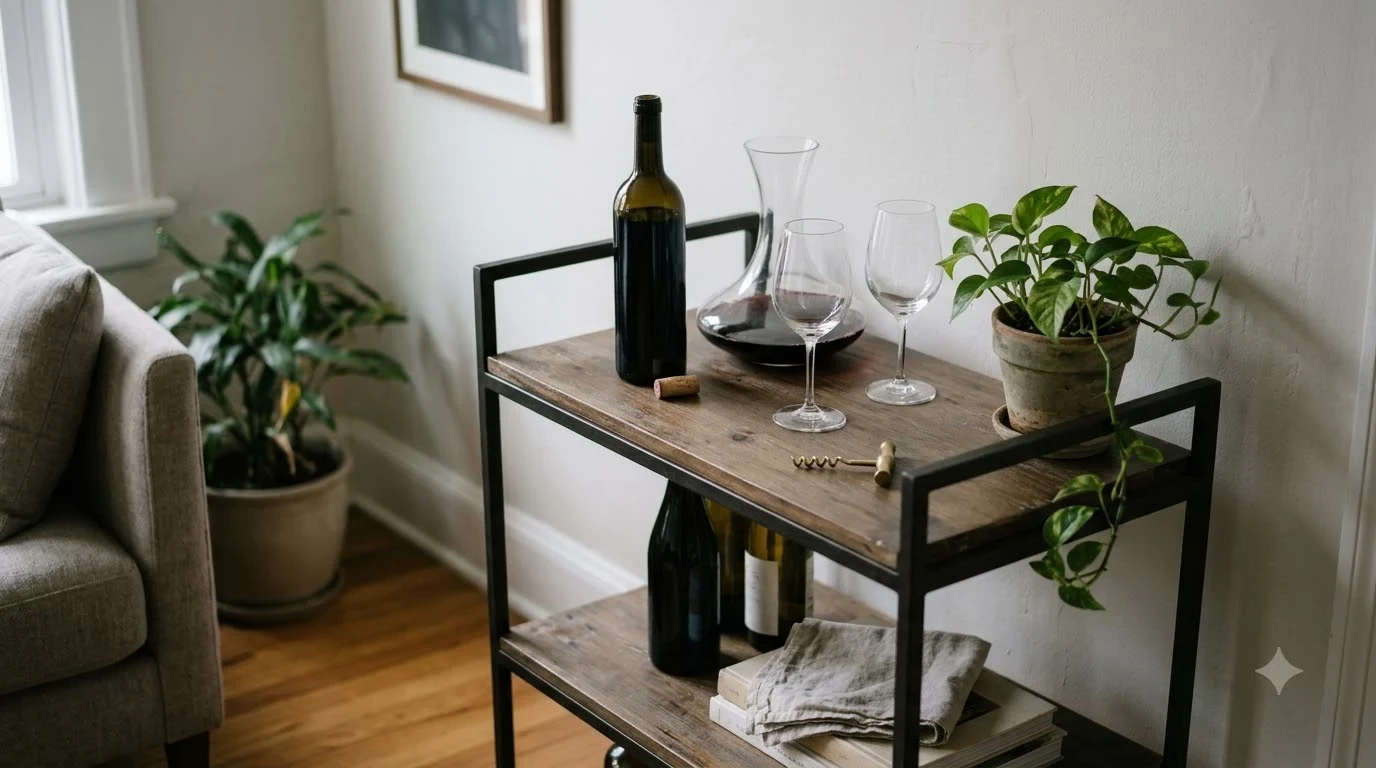

We may earn a commission when you buy through links on this page, at no extra cost to you. Learn more.
Ornellaia Wine Price for a recent 750 ml bottle is commonly about $226 to $320 in U.S. shops, depending on vintage, according to Caveau’s current U.S. retail listing comparison; prices vary by state and retailer. The flagship Bolgheri red is a Cabernet-led blend whose price reflects the vintage, bottle format, provenance, and scarcity as well as the wine itself. Compare the exact vintage and condition before treating two listings as equivalent.
Ornellaia is a prestige red from Bolgheri on Tuscany’s coast, and it belongs in a different buying category from everyday supermarket wine. Its blend, site-specific vineyard selections, and capacity to develop in the cellar make a vintage-by-vintage comparison more useful than looking for one permanent price. This guide explains who is likely to appreciate the bottle, how to compare listings, and what to do after purchase. For more background on the wine itself, see our Ornellaia wine profile.
Who This Is For
Ornellaia is best suited to a buyer who wants a structured Tuscan red for a meaningful dinner, a cellar collection, or a milestone gift, rather than an inexpensive bottle for casual weeknight drinking. The current U.S. listings for the 2020 through 2023 vintages show why a buyer should set a budget around a particular vintage and bottle size instead of relying on one brand-wide number.
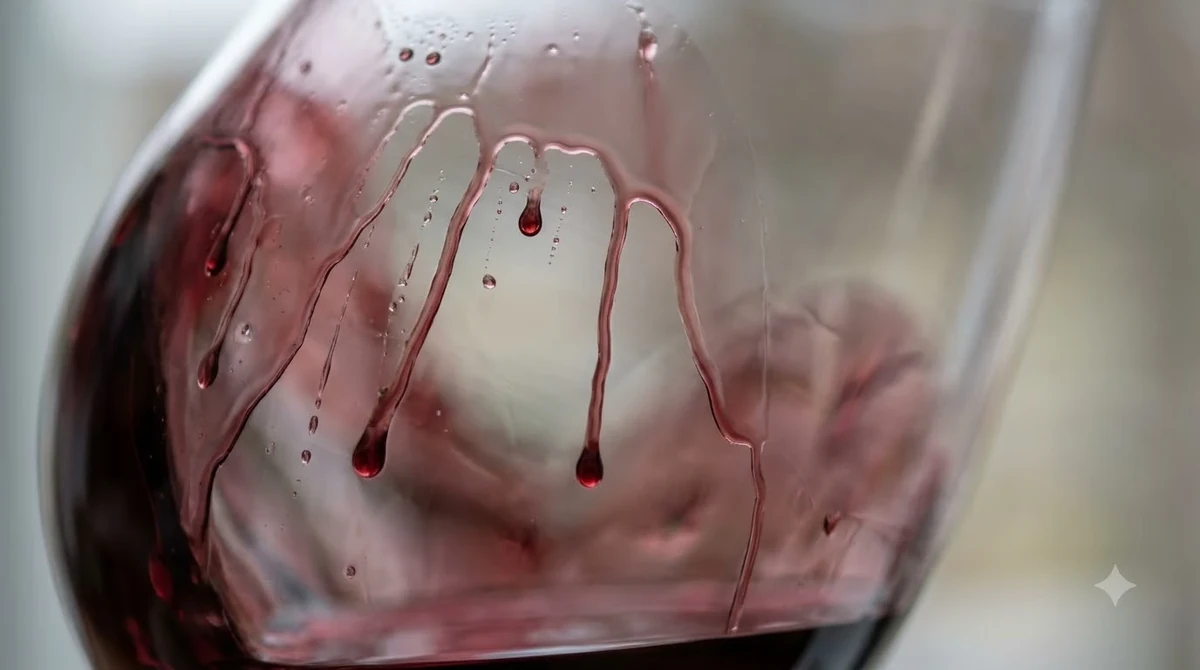
It suits drinkers who enjoy Cabernet Sauvignon and Merlot blends with firm tannins, dark fruit, and savory accents. The estate’s official 2021 notes describe dense tannins alongside blackberry, herbs, and cypress berries, a profile better suited to fans of structured reds than to those seeking a soft, low-tannin wine.
Collectors may value that the wine draws on multiple vineyard parcels rather than one uniform block. The producer describes individualized parcel care, and Decanter reports selections from as many as 100 plots. Vintage variation therefore matters: the final blend responds to each harvest.
It is less suitable for someone seeking maximum volume on a fixed budget, a soft fruit-forward red, or a bottle to open without planning the meal. A 750 ml bottle is a special-occasion purchase for many households, and its reputation does not guarantee that its structured style will match every palate.
It can be a thoughtful gift for an Italian-wine enthusiast, but ask about the recipient’s preferences before choosing a mature vintage. Consider whether they have suitable storage; a respected wine still needs careful handling after purchase.
Key Factors to Compare
The most useful comparison starts with the exact vintage and the condition of the bottle, then checks format, seller, and storage history. The table uses four recent vintages to show how wide the shop listings can be, even before older bottles and large formats enter the comparison.
Caveau’s review of 46 U.S. shop listings reports 750 ml retail ranges of $226 to $320 for 2023, $233 to $300 for 2022, $260 to $300 for 2021, and $250 to $280 for 2020; prices vary by state and retailer. These are listing ranges for specific vintages, not a guarantee that every store has those bottles in stock.
| Vintage | U.S. shop range, 750 ml | What to compare | Price basis |
|---|---|---|---|
| 2023 | $226–$320 | Recent release; compare seller and bottle format | Caveau U.S. retail listings |
| 2022 | $233–$300 | Check exact vintage and shipping terms | Caveau U.S. retail listings |
| 2021 | $260–$300 | Review the wine’s more concentrated, structured profile | Caveau U.S. retail listings |
| 2020 | $250–$280 | Compare condition and storage details | Caveau U.S. retail listings |
Caveau describes these figures as the lowest and highest current shop offers it found for each vintage, not auction results or formal appraisals. The wider 2023 span shows why the cheapest listing is not automatically the best comparison. Shipping, taxes, state restrictions, seller reputation, and bottle format can all affect the final outlay.
Use Caveau’s Ornellaia price page as one reference point, then compare established U.S. merchants that ship to the destination state. A listing is a snapshot, not a permanent market value.
Vintage, provenance, and format
Vintage is not a cosmetic detail. Blend proportions and growing conditions change, and the producer describes 2021 as sunny and dry, producing a concentrated style. Decide whether you want a younger release or a more mature bottle before comparing offers.
Provenance is a bottle’s documented path from release to sale. For a mature wine, ask about temperature-controlled storage and source, and request clear photos of the capsule, cork area, fill level, and label. An inexpensive listing is not compelling if its history is unknown.
Compare format as well. A standard 750 ml bottle is not directly comparable with a magnum or another large format, and a special presentation may be priced differently. Confirm size, vintage, and quantity before buying.
Step-by-Step
A careful Ornellaia purchase can be handled in six steps: define the occasion, select a vintage, compare like-for-like listings, check the seller, inspect the bottle details, and plan how it will be served or stored. Following that order prevents the label and reputation from overshadowing practical details.
- Decide when the bottle will be opened. For a dinner in the near future, favor a wine whose style and maturity suit the menu and guests. For a cellar purchase, think about how long you are willing to wait and whether you can keep the bottle in stable conditions near 55 F.
- Choose a vintage before searching listings. Read the producer’s note for that specific harvest rather than assuming every release tastes the same. The official Ornellaia 2021 wine page, for example, describes a concentrated wine with dense tannins and blackberry, herbs, and cypress-berry notes.
- Compare the same format and condition. Start with 750 ml against 750 ml, and do not compare a pristine retailer bottle with an older bottle of uncertain storage. Check whether a listing includes a presentation box, case packaging, or only the bottle.
- Check the retailer’s credentials and delivery terms. Look for a clear business identity, a return policy for damaged shipments, age-verification procedures, and delivery rules for your state. For a collectible bottle, ask for a clear description of source and storage, not only a generic product photograph.
- Read the listing line by line. Confirm the vintage, appellation, bottle size, quantity, and condition. Make sure the product is the flagship Ornellaia red rather than another wine from the estate or a different producer with a similar-sounding name.
- Plan service or storage before checkout. Have a suitable place for the bottle and a meal that can stand up to a structured red. If the plan is to open it soon, prepare for a moderate serving temperature and allow a young, full-bodied red time to breathe.
This is more useful than sorting by the lowest figure alone. Compare the exact vintage, condition, and seller first; then choose the offer that gives the clearest confidence in what will arrive.
Our broader Wine Brands overview explains how estate names, appellations, and individual cuvées fit together, which helps prevent confusion between wines from the same producer.
Types or Styles Explained
The main Ornellaia bottling is a vintage-dated Bolgheri DOC Superiore Rosso, built around Cabernet Sauvignon and Merlot with Cabernet Franc and Petit Verdot completing the blend. Separate the wine’s style from special labels and bottle formats.
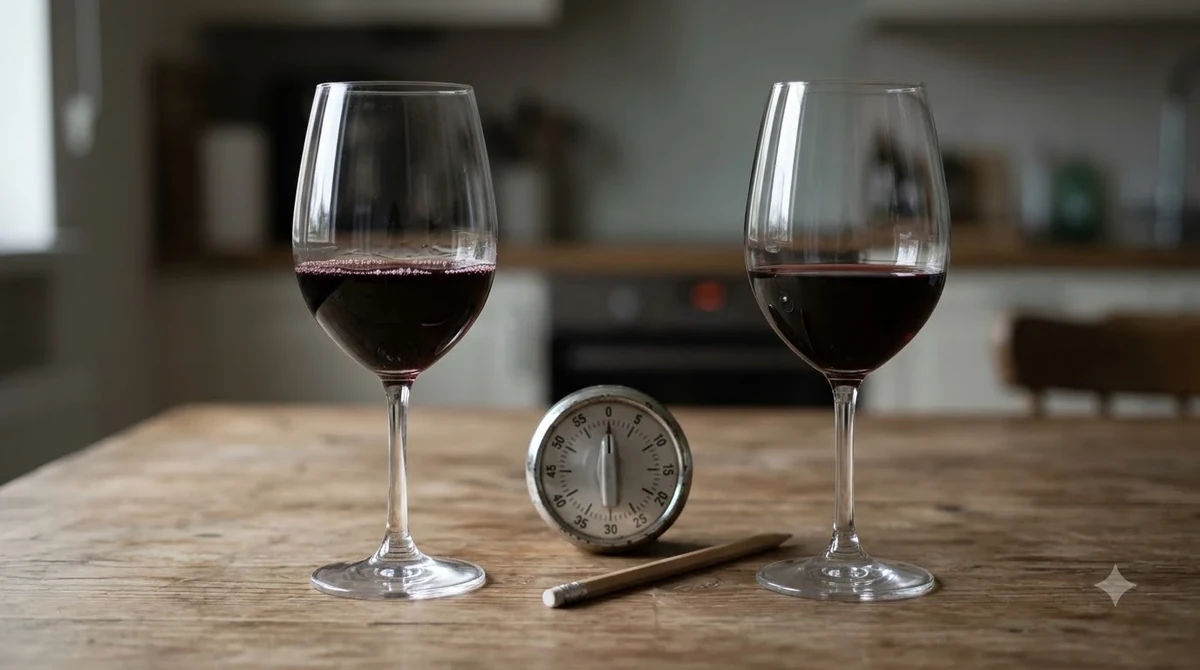
The flagship red blend
Ornellaia is a Bordeaux-inspired blend from coastal Tuscany, not a varietal Cabernet Sauvignon. Decanter describes a typical recipe led by Cabernet Sauvignon, supported by Merlot and Cabernet Franc, with Petit Verdot completing the blend. Proportions change by vintage, shaping the balance of dark fruit, tannin, and savory character.
The estate’s soils and parcels matter too. The producer describes marine, alluvial, and volcanic origins, with sand, marl, marine fossils, clay, and limestone pebbles. Its many vineyard parcels have distinct identities, so read the vintage note rather than expecting one fixed flavor formula.
Vintage variations
Each vintage is its own blend. The official 2021 note describes concentration, dense tannins, and fresh aromatics; older bottles bring different maturity and provenance questions. For immediate drinking, prioritize readiness and storage history over the year printed on the label.
An older vintage is not automatically better. Age can add complexity but reduce freshness, while a younger wine may offer more primary fruit and a longer cellar runway. Choose according to the desired style and the reliability of the bottle’s storage history.
Special labels and larger bottles
Ornellaia’s Vendemmia d’Artista project adds an artistic layer to selected releases. For 2021, the estate identifies Marinella Senatore as the artist and describes special large-format bottles plus a limited-edition Bordeaux-bottle label. Confirm the exact presentation rather than assuming every 2021 case carries the special label.
A large format needs suitable storage, a serving plan for the number of guests, and a comparison against the same size and vintage. Keep the format distinct from the wine itself when talking with a retailer.
Common Mistakes
The main purchasing errors are treating vintages as interchangeable, buying an old bottle without checking provenance, and assuming every estate listing is the flagship red. A few checks can prevent a mismatch.
Comparing unlike vintages. A 2020 and a 2023 are not interchangeable products. Growing conditions and blending choices differ; the producer describes 2021 as sunny and dry, with a concentrated result. Decide whether you want a younger profile or a bottle with more age before comparing offers.
Confusing producer, wine, and appellation. Ornellaia is the flagship red label, while Bolgheri DOC Superiore Rosso identifies its appellation and category. “Super Tuscan” is a broad style term, not a guarantee that two wines share a blend. Confirm the complete name and vintage.
Ignoring bottle history. A mature bottle may suffer if kept in a hot storeroom, garage, or unstable shipping environment. Ask about professional storage and pause if the fill level is unclear, the capsule is damaged, or seepage is visible. Condition is part of the purchase.
Buying from a vague listing. Search pages can group different years, formats, and wines from one estate, and the photograph may be generic. Confirm vintage, capacity, quantity, and return terms in writing.
Expecting one fixed flavor profile. Ornellaia’s grape composition changes with the vintage. If you want a low-tannin, light-bodied red, this structured blend may not fit; read the producer’s note and consider the food.
Price comparisons also become misleading when shoppers use a different category as a benchmark. An everyday label such as Barefoot Wine serves a different occasion and buying tier; it cannot tell you whether an Ornellaia listing is fairly priced for its vintage, condition, and provenance. Compare bottles with similar origins, formats, and cellar histories instead.
Tip: Before paying, ask the seller to confirm the exact vintage, 750 ml size, storage history, and bottle condition in one written reply. Save that response with the receipt, especially when the bottle is intended for a gift or a cellar.
Care or Storage Tips
Stable storage protects the wine, especially if it will be held for years. Avoid heat, light, vibration, and sharp temperature swings, then serve it cool enough for its structure to remain balanced.
For long-term storage, lay a cork-finished bottle on its side in a dark, stable place near 55 F. Avoid kitchen shelves, sunny counters, garages, and refrigerator tops. A wine refrigerator or professionally managed cellar is a better choice for a bottle being saved.
Serve a full-bodied red at 60–65 F, not at the temperature of a warm room. Let a cold bottle warm gradually or cool a warm one before pouring. Temperature changes how its alcohol, fruit, tannin, and aroma show.
A young, full-bodied red can benefit from 30–60 minutes in a decanter. This gives it time to open and helps separate sediment in an older bottle. For a mature wine, taste a small pour first; prolonged aeration is not always helpful.
Use a glass with room to swirl and pour 5 oz; a 750 ml bottle provides about five glasses. Pair the wine with grilled beef, lamb, braised short ribs, aged hard cheese, or savory mushrooms. Salt and fat soften tannin, while spicy food can amplify the impression of alcohol and tannin.
After opening, recork the bottle and refrigerate it, even if it is red. Most still wines retain their best character for roughly 3–5 days, though freshness fades. Bring the remainder toward serving temperature before pouring; a stopper or inert-gas system may slow oxidation but cannot guarantee unchanged flavor.
Keep the receipt and provenance notes. For a collection, record the vintage, format, purchase date, and storage location so the bottle’s history remains clear.
Frequently Asked Questions
These final checks cover details that can matter after the vintage and seller have been chosen. They are especially useful for gifts, collector bottles, and buyers who are exploring Bolgheri for the first time.
When was the Ornellaia estate founded?
Decanter’s estate history says Lodovico Antinori founded the winery in 1981. The Bolgheri DOC appellation was approved three years later, so the estate’s origins predate the formal appellation designation.
How close are Ornellaia’s vineyards to the sea?
Decanter places the vineyards of Bolgheri about three miles from the Tyrrhenian Sea. Its article also identifies the forested Magona hillside as a sheltering influence on the growing area.
When were the first Ornellaia vineyards planted?
Decanter’s estate history says the first vineyards were planted in 1982 above the Bolgherese road. Additional vines followed on the Bellaria property in the early 1990s.
How many artistic labels were included in the 2021 six-bottle case?
The estate’s 2021 page says one “La Generosità” artistic label can be found in every case containing six 750 ml bottles. That detail is useful for buyers checking whether a case has the special presentation described by the winery.
Did Decanter single out an older Ornellaia vintage?
In its retrospective tasting, Decanter highlighted the 1998 as an exceptional example of the wine’s capacity to express Bolgheri. That is the publication’s assessment from its tasting, not a guarantee that every bottle of the vintage is in good condition.
Ornellaia is a considered purchase: compare the same vintage and format, confirm the seller’s storage and condition details, and serve the wine with food that suits its structure. A little care before checkout and during storage helps the bottle deliver the experience its reputation promises.
More in Wine Brands
 Louis Latour Wine Price: Compare Bottles by Style and TierUpdated Nov 20, 2026
 Yellow Tail Moscato Price: What to Expect Before You BuyUpdated Nov 20, 2026
 Sutter Home Sweet Red Review: Find the Right Food PairingsUpdated Nov 20, 2026
 Franzia Chillable Red Review: Find the Right Serving StyleUpdated Nov 20, 2026
 Veuve Clicquot Rose Review: Flavor, Food Pairings and Buying AdviceUpdated Nov 20, 2026
 Rombauer Wine Price: Compare Bottles Before You BuyUpdated Nov 20, 2026