

We may earn a commission when you buy through links on this page, at no extra cost to you. Learn more.
This zonin prosecco review finds that Zonin Prosecco DOC is a crisp, fruit-forward Italian sparkling wine suited to casual celebrations, aperitifs, and everyday food pairings. Made primarily from Glera grapes and listed at 11% ABV, it offers green apple, citrus, floral aromas, lively bubbles, and a delicate almond finish. Its approachable dry style and familiar fruit flavors make it a practical choice for drinkers who want uncomplicated Italian sparkling wine rather than the complexity of traditional-method Champagne.
Zonin Prosecco is worth considering if you enjoy refreshing sparkling wines that can work before dinner, alongside light meals, or in simple sparkling cocktails. However, understanding its sweetness, production method, serving temperature, and differences between Prosecco styles will help you decide whether the standard DOC bottling matches your preferences. This guide examines the important buying considerations and explains how to serve and pair the wine successfully.
Who This Wine Is For
Zonin Prosecco DOC is particularly suitable for drinkers who enjoy fresh fruit flavors, moderate alcohol, and uncomplicated bubbles. Its 11% ABV and approachable Glera character make it a sensible option for casual gatherings, brunches, and informal dinners.
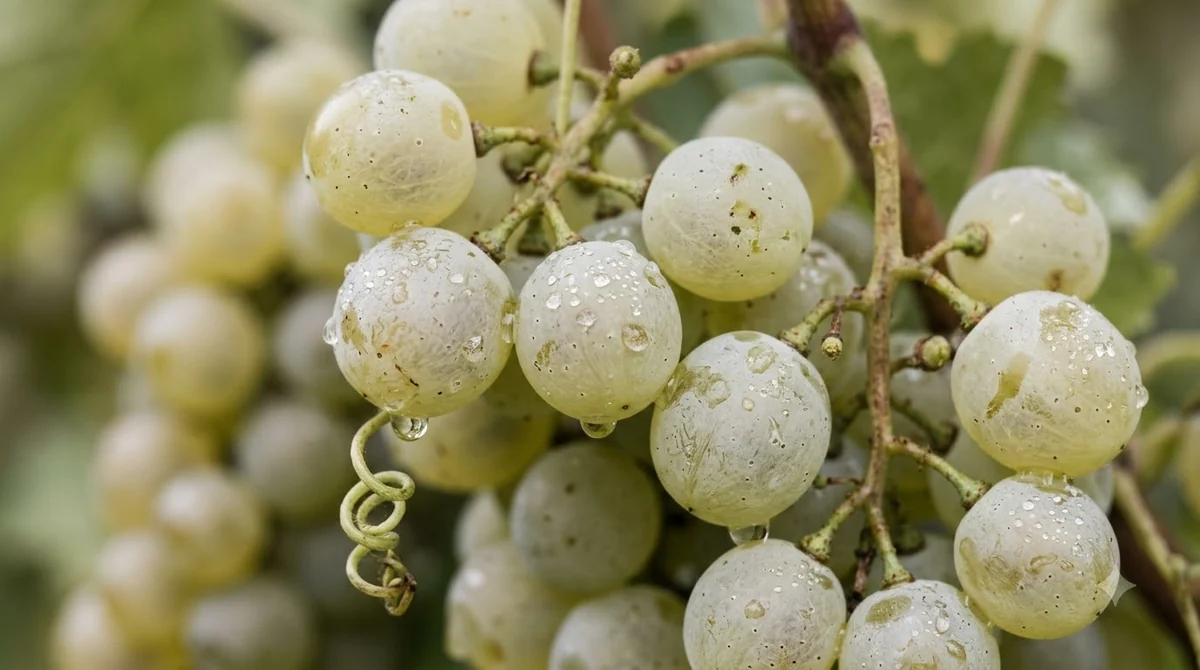
The wine’s flavor profile is built around green apple, citrus, floral aromas, and a subtle almond character. The producer describes it as dry and pleasantly fruity, while Wine Enthusiast’s published review highlights green apple, lemon drops, white flowers, and lively bubbles. These characteristics create a familiar Prosecco profile rather than a rich, heavily toasted sparkling wine.
Beginners may appreciate its straightforward fruit character. Green apple and lemon are relatively easy flavors to recognize, while the lively carbonation gives the wine a refreshing sensation. Drinkers who usually prefer Pinot Grigio, Sauvignon Blanc, or other crisp white wines may find the transition to sparkling Prosecco particularly comfortable.
It also suits people looking for a versatile bottle for entertaining. A chilled bottle can accompany appetizers, seafood, pizza, and lighter pasta dishes without requiring an elaborate menu. The standard 750 ml bottle provides approximately five traditional 5-ounce wine servings, making it practical for a small gathering.
However, Zonin Prosecco may not satisfy everyone. People who prefer very sweet sparkling wines might find its dry profile insufficiently sugary. Similarly, enthusiasts seeking the deep brioche, toasted bread, and extended lees-derived complexity associated with traditional-method sparkling wine should consider a different category.
It is also important to distinguish everyday enjoyment from collecting. Prosecco DOC is generally purchased for its freshness and approachable character, not because it needs years of bottle aging. Zonin makes more sense as a bottle to chill and enjoy while its lively fruit profile remains the main attraction.
Key Factors to Compare Before Buying
The most useful buying considerations are sweetness, grape variety, alcohol content, production method, bottle size, and intended occasion. These factors help establish whether Zonin Prosecco offers the style you want instead of relying on the general impression that all sparkling wines taste alike.
Start with the standard DOC bottling’s basic specifications. Zonin identifies Glera as its grape variety, lists 11% ABV, and describes a stainless-steel tank-based sparkling production process. The resulting style emphasizes fresh fruit and aromatic clarity.
| Factor | Zonin Prosecco DOC | What It Means |
|---|---|---|
| Wine category | Prosecco DOC | Italian sparkling wine with a protected appellation |
| Primary grape | Glera | Fresh, floral, and fruit-forward character |
| Alcohol content | 11% ABV | Moderate alcohol for a sparkling wine |
| Standard bottle | 750 ml | Approximately five 5-ounce servings |
| Smaller format | 200 ml | Useful for an individual serving |
| Production method | Charmat method | Secondary fermentation in pressurized tanks |
| Serving temperature | 43–46°F | Preserves freshness and lively carbonation |
| Flavor profile | Apple, citrus, flowers, almond | Fresh and approachable |
These specifications are based on Zonin’s standard Prosecco DOC technical information and US product description. Individual bottlings, including organic and other Prosecco variations, may have different technical details. The table therefore describes the standard DOC wine rather than every sparkling wine sold under the Zonin name.
Sweetness and acidity
Sweetness is one of the first characteristics to consider. Zonin describes the standard Prosecco DOC as dry and fruity. Fruitiness should not automatically be confused with sweetness: a wine can smell strongly of ripe apples, pears, or citrus while remaining relatively dry on the palate.
Acidity is equally important. Fresh acidity gives sparkling wine its refreshing character and helps balance fruit flavors. Zonin’s combination of citrus notes and carbonation makes it suitable for appetizers and foods with moderate richness.
For comparison, sparkling wines use several sweetness classifications. Brut Nature, Extra Brut, and Brut generally indicate progressively sweeter styles, followed by Extra Dry, Dry, Demi-Sec, and Doux. The terminology can surprise newcomers because Extra Dry Prosecco is sweeter than Brut, despite what its name suggests.
Production method and bubbles
Zonin’s standard Prosecco DOC uses the Charmat method. The base wine undergoes secondary fermentation in pressurized stainless-steel tanks, allowing carbon dioxide to remain dissolved and create the bubbles.
This approach emphasizes fresh grape aromas and fruit expression. It differs from Champagne and Cava, where the second fermentation occurs inside the bottle. Those traditional-method wines can develop additional bread, biscuit, and yeast-related characteristics through extended contact with spent yeast cells.
For Zonin, the tank method is appropriate because the wine’s appeal rests on its lively fruit, floral aromas, and refreshing finish. It is not designed to imitate a mature vintage Champagne.
Step-by-Step: How to Choose and Serve Zonin Prosecco
Choosing the right bottle involves matching the wine’s style to the occasion and preparing it correctly. A few straightforward steps can make a noticeable difference to its freshness, aroma, and overall drinking experience.
-
Decide how you intend to serve it. For an aperitif or a dinner with appetizers, the standard Zonin Prosecco DOC is a natural starting point. For an individual occasion, the producer’s technical document also identifies a 200 ml bottle format, while the 750 ml format is better suited to sharing.
-
Consider your sweetness preference. If you enjoy crisp sparkling wines with apple and citrus flavors, the dry, fruity character should be appealing. If you normally choose Moscato or Demi-Sec sparkling wine, compare sweetness classifications before making your selection.
-
Check the alcohol specification. The standard Zonin DOC is listed at 11% ABV. This is a useful comparison point when choosing between sparkling wines with different alcohol levels.
-
Chill the bottle thoroughly. Zonin recommends a serving temperature of 6–8°C, approximately 43–46°F. Place the bottle in the refrigerator ahead of serving rather than relying on a few minutes in an ice bucket.
-
Prepare appropriate glassware. A tulip-shaped sparkling wine glass helps concentrate the wine’s aromas while allowing its bubbles to remain visible. A standard white wine glass is also suitable if you prefer more room to examine the aromas.
-
Open the bottle carefully. Remove the foil and loosen the wire cage while maintaining control over the cork. Keep a hand over the cork and turn the bottle slowly rather than pulling the cork forcefully.
-
Pour in moderate amounts. A traditional 5-ounce serving is a useful reference, although smaller pours can help maintain the wine’s temperature and carbonation. Avoid filling the glass completely because this reduces space for aromas.
-
Pair the wine with suitable food. Begin with caprese salad, crab cakes, or lightly seasoned seafood. Its freshness can also complement pizza and chicken pesto pasta.
Tip: Chill Zonin Prosecco to approximately 43–46°F before serving. If the bottle becomes too warm during a gathering, return it to an ice bucket instead of adding ice directly to the glass, which would dilute the wine.
These steps are useful whether the wine is being served at brunch, during a family celebration, or alongside a simple weeknight meal. The important principle is to preserve its freshness rather than treating it like a full-bodied red wine that benefits from extensive aeration.
Types and Styles Explained
Zonin offers more than one sparkling wine presentation, so understanding the differences between standard Prosecco DOC, organic Prosecco, and Frizzante helps prevent confusion. The most important distinction is whether you are purchasing the familiar fully sparkling DOC style or a different expression.
Standard Zonin Prosecco DOC
The standard DOC bottling is the most relevant choice for drinkers seeking the familiar Zonin Prosecco profile. The producer identifies Glera as its grape, lists 11% ABV, and describes a light straw-yellow color with fine bubbles.
Its aromatic profile includes wisteria flowers and Renetta apple, while the palate has a delicate almond note. The US product description adds fresh citrus and a dry, fruity character. These descriptions suggest a wine that prioritizes freshness over sweetness or weight.
The producer identifies 200 ml and 750 ml formats in its technical information. The smaller format can be useful for an individual serving, while the larger bottle is appropriate for sharing.
Zonin Prosecco Organic
Zonin also produces an organic Prosecco DOC. Its technical description identifies organically grown Glera grapes and lists 11% ABV for the specified bottling.
The organic wine uses the Charmat method in pressurized stainless-steel tanks. Its production description identifies a bright straw-yellow color, wisteria and apple aromas, and a delicate almond note.
Organic certification concerns grape-growing and production standards, not a guarantee that the wine will taste sweeter, less acidic, or more complex. Buyers choosing between the standard and organic versions should consider the certification and production approach alongside their preferred flavor profile.
Zonin Prosecco Frizzante
Frizzante is a lightly sparkling style, rather than the more fully sparkling presentation commonly associated with Prosecco Spumante. Zonin’s official Frizzante technical document lists Glera, DOC classification, and 10.5% alcohol by volume.
The producer describes floral aromas, fruity nuances, and a sweet almond finish. Its recommended serving temperature is approximately 6–8°C, or 43–46°F.
This distinction matters because carbonation changes the overall drinking experience. Frizzante offers a gentler sparkling sensation, whereas standard Zonin Prosecco DOC delivers a more pronounced mousse and persistent bubbles.
Understanding the DOC designation
DOC stands for Denominazione di Origine Controllata. It is an Italian designation that identifies wines produced under defined geographical and production rules.
Prosecco DOC should not be confused with every Italian sparkling wine. The designation identifies a particular appellation, while grape variety, production method, sweetness level, and bottling style provide additional information about the wine.
For a broader explanation of producers and wine labels, the Wine Brands resource provides a useful starting point for understanding how individual wineries and their product ranges differ.
Common Mistakes When Buying and Drinking Zonin Prosecco
The most common mistakes involve misunderstanding sweetness terminology, serving the wine too warm, and expecting Prosecco to taste like Champagne. Avoiding these assumptions makes it easier to appreciate what Zonin actually offers.
Assuming fruity means sweet
Green apple, pear, peach, and citrus aromas can create an impression of ripe fruit without making a wine sweet. Zonin describes its standard DOC as dry and fruity, so drinkers should distinguish aromatic intensity from residual sugar.
This is especially important when comparing sparkling wines. A Brut wine can have expressive fruit aromas while remaining dry, whereas a sweeter sparkling wine may have a softer and more pronounced sugary impression.
Confusing Extra Dry with Brut
Traditional sparkling wine terminology can be confusing. Extra Dry is sweeter than Brut, while Demi-Sec is sweeter still.
Someone who wants a crisp, relatively dry sparkling wine should understand these classifications before selecting an alternative bottling. The label’s sweetness designation can provide more useful information than the general assumption that all Prosecco tastes alike.
Serving the bottle too warm
Warm sparkling wine often feels less refreshing, and its aromas can become more prominent than intended. Zonin recommends 43–46°F, which is a useful target for maintaining the wine’s lively presentation.
Conversely, serving it extremely cold can make its floral and fruit aromas harder to detect. A short period outside the refrigerator can help if the wine has become excessively chilled.
Expecting Champagne-like complexity
Prosecco and Champagne are made using different sparkling wine production approaches. Zonin uses the Charmat method, while Champagne undergoes its second fermentation inside the bottle.
The result is a different balance of fruit, bubbles, and fermentation-derived flavors. Zonin’s fresh apple, citrus, and floral characteristics are part of its appeal, not signs that it should imitate the toasted bread and brioche profile of traditional-method sparkling wine.
Choosing the wrong food
Although sparkling wine can accompany many dishes, pairing still matters. Very spicy foods can make alcohol and tannin seem more pronounced, while strongly flavored dishes may overwhelm a delicate Prosecco.
For Zonin, moderately seasoned seafood, caprese salad, and chicken pesto are more natural starting points than heavily spiced or intensely flavored dishes. Acidic foods also benefit from wines with sufficient acidity, which helps maintain balance across the meal.
Care and Storage Tips
Proper handling helps preserve Zonin Prosecco’s carbonation and fresh fruit character. Since this is a sparkling wine intended for freshness, chilling, careful opening, and suitable short-term storage matter more than long-term bottle aging.
Before opening
Keep unopened bottles in a cool, dark location away from direct sunlight and major temperature changes. A storage temperature near 55°F is a useful general target for wine, although a bottle intended for immediate consumption can simply be kept refrigerated until serving.
For longer storage, keep bottles away from heaters, sunny windows, and kitchen appliances that generate heat. Excessive temperature fluctuations can affect wine quality, while bright light can contribute to unwanted changes in aroma and flavor.
Unlike collectible wines selected for extended aging, standard Prosecco DOC is generally best enjoyed for its fresh and lively character. There is little reason to hold an ordinary bottle for years in the hope that it will develop Champagne-like complexity.
After opening
Once opened, sparkling wine gradually loses carbonation. Use a proper sparkling wine stopper and refrigerate the bottle promptly to slow the loss of freshness.
A practical general guideline is to consume opened sparkling wine within approximately one to three days when refrigerated and properly sealed. The exact period depends on the stopper, refrigerator temperature, and how much wine remains in the bottle.
A bottle that has lost much of its carbonation may still be usable in cooking or certain mixed drinks, but its original sparkling character will be reduced. For the best experience, open only the amount needed for the occasion.
Serving and glassware
Choose clean glassware without detergent residue, which can interfere with the wine’s aroma and bubble development. Tulip-shaped sparkling glasses are particularly useful because they balance aromatic concentration and carbonation.
Pour slowly down the inside of the glass to reduce excessive foam. Smaller pours also help maintain the wine’s temperature when serving several guests over an extended meal.
If you are comparing Zonin with other sparkling wines, serve the bottles at similar temperatures and use the same glass style. This creates a fairer comparison of fruit character, acidity, bubbles, and finish.
For more detailed information about the standard bottling, the Zonin Prosecco overview provides a useful companion reference. Readers interested in its specific flavor profile can also explore the Zonin Prosecco tasting notes discussion. For an independent professional assessment, Wine Enthusiast’s Zonin NV Glera Prosecco review provides tasting observations and production details, including its green apple, lemon, and floral character.
Frequently Asked Questions
Is Zonin Prosecco suitable for making mimosas?
Yes. Its fresh apple and citrus character makes it a suitable sparkling base for a mimosa. For a balanced drink, start with equal parts chilled Prosecco and orange juice, then adjust the proportions according to your preference. Pour gently to preserve as much carbonation as possible.
Does Zonin Prosecco contain sulfites?
Wine production commonly involves sulfites, either naturally produced during fermentation or added to help protect the wine. The exact sulfite concentration of a particular Zonin bottling is not established by the standard technical information discussed here. Consult the product’s labeling and producer information for details about a specific bottle.
Can Zonin Prosecco be used in a Bellini cocktail?
Yes. A Bellini traditionally combines Prosecco with white peach purée. Use chilled peach purée and chilled sparkling wine, combining them gently to retain carbonation. The wine’s apple and floral characteristics can complement the peach without requiring additional sweetener.
Is Zonin Prosecco a vintage or non-vintage wine?
Wine.com identifies its standard Zonin Prosecco as non-vintage. This means the wine is not presented as a single-harvest vintage bottling. Non-vintage sparkling wines can provide a consistent house style across different bottlings, although individual production batches may still show differences.
Does Zonin Prosecco need to breathe before serving?
No extended decanting is necessary. Unlike young, full-bodied red wines that can benefit from 30–60 minutes of aeration, sparkling Prosecco is intended to be opened and served while fresh. Allowing it to stand open for an extended period can reduce its carbonation and aromatic freshness.
Zonin Prosecco DOC is a practical choice for drinkers who enjoy fresh fruit, floral aromas, lively bubbles, and a dry sparkling wine style. Its Glera-based profile, 11% ABV, and versatility with appetizers and lighter meals make it particularly useful for casual entertaining. If those characteristics match your preferences, the standard Zonin bottling is a sensible Italian Prosecco to consider.
More in Wine Brands
 Estancia Cabernet Review: Flavor, Quality and Buying TipsUpdated Nov 21, 2026
 Fess Parker Wine Price: Compare Bottles and Find Your Best FitUpdated Nov 21, 2026
 Eroica Riesling Review: Flavor, Sweetness and Food PairingsUpdated Nov 21, 2026
 Estancia Wine Review: How to Choose the Right BottleUpdated Nov 21, 2026
 Erath Wine Price: Compare Bottles and Find the Right ValueUpdated Nov 21, 2026
 Eroica Riesling Price: What to Pay and How to ChooseUpdated Nov 21, 2026