

We may earn a commission when you buy through links on this page, at no extra cost to you. Learn more.
The rubicon wine price typically starts around $150 to $160 for a standard 750 ml bottle, with some current retail listings reaching approximately $260 or more depending on vintage and availability. Inglenook’s flagship Napa Valley red is a premium Cabernet Sauvignon-led Bordeaux-style blend from Rutherford, California. Its vintage, bottle format, condition, and seller all influence the final cost, so comparing equivalent bottles is essential before purchasing.
Rubicon is not an everyday Cabernet Sauvignon, and its pricing reflects its position as one of Inglenook’s signature estate wines. Buyers researching the bottle should distinguish the flagship Rubicon from other wines carrying the Rubicon Estate name, including Cask Cabernet Sauvignon and Captain’s Reserve selections. This guide explains typical US retail pricing, the factors behind vintage differences, how to compare bottle formats, and what to consider before adding Rubicon to a wine collection.
Who This Is For
Rubicon is aimed at wine drinkers who appreciate structured Napa Valley reds and are comfortable paying a premium for an estate-produced Bordeaux-style blend. Understanding the intended buyer helps determine whether the bottle’s price makes sense for a particular occasion or collection.
Collectors are an obvious audience. Inglenook identifies Rubicon as its flagship wine, first produced in 1978, and its official product information presents the wine as a long-standing expression of the Rutherford estate. That history gives the label significance beyond its immediate drinking appeal. Collectors may be interested in comparing different vintages, acquiring bottles from notable growing seasons, or building a vertical collection containing several release years.
Cabernet Sauvignon enthusiasts are another natural audience. Rubicon generally places Cabernet Sauvignon at the center of its blend, supported by Bordeaux varieties that can include Merlot, Cabernet Franc, and Petit Verdot. The result is a full-bodied red with dark-fruit characteristics, oak influence, and substantial tannin structure. Drinkers who prefer lighter Pinot Noir or fresh Sauvignon Blanc may find Rubicon more powerful than their usual choices.
Special-occasion buyers may also find the wine appealing. A bottle can suit a celebratory dinner, an anniversary, a substantial holiday meal, or a carefully planned tasting with other premium Napa Valley wines. Its price makes more sense when the wine has a specific purpose rather than being purchased casually without considering the occasion.
However, Rubicon is not necessarily the right choice for every Cabernet Sauvignon drinker. Someone looking for an affordable weekday red may be better served by a more accessible Napa Valley Cabernet or a California Cabernet from a less expensive producer.
For readers comparing other producers and price categories, the broader Wine Brands directory offers a useful starting point. It helps place premium estate labels such as Inglenook alongside wines made for more frequent, everyday drinking.
Key Factors to Compare Before Paying the Rubicon Wine Price
The most important buying considerations are vintage, bottle size, seller, and bottle condition. Two bottles carrying the same Rubicon label can have substantially different retail values because they are not necessarily equivalent purchases.
The following comparison provides a practical framework for evaluating a listing before ordering.
| Buying factor | What to compare | Why it matters |
|---|---|---|
| Standard bottle | 750 ml | Most useful format for comparing retail listings |
| Large format | 1.5 liters | Contains twice the volume of a 750 ml bottle |
| Flagship wine | Rubicon | Inglenook’s principal premium red blend |
| Vintage | Specific harvest year | Influences availability, style, and collector interest |
| Blend | Cabernet Sauvignon and supporting Bordeaux grapes | Composition can change between vintages |
| Oak aging | French oak and proportion of new barrels | Influences structure, texture, and flavor development |
| Condition | Fill level, cork, capsule, and label | Important for older collectible bottles |
| Retailer | Shipping, taxes, and storage practices | Changes the final purchase cost and delivery risk |
Vintage and availability
Vintage is one of the biggest reasons Rubicon listings differ. Each growing season produces a different combination of fruit characteristics, ripeness, acidity, and tannin. Inglenook publishes vintage-specific information, making it possible to compare the composition and winemaking details of different releases.
For example, the winery lists its 2015 Rubicon as 97% Cabernet Sauvignon and 3% Merlot. Its 2010 release contained 86% Cabernet Sauvignon, 6% Cabernet Franc, 5% Petit Verdot, and 3% Merlot. Both are Rubicon wines, but their compositions are not identical.
Older vintages can also become harder to find as bottles are consumed or retained by collectors. Scarcity can affect asking prices, but an older bottle is not automatically more valuable or better suited to every buyer. Provenance and storage history are particularly important when purchasing wine that has spent many years outside the winery.
Retailer and bottle format
Retail listings should always be compared using the same bottle volume and vintage. A 1.5-liter bottle contains twice as much wine as a 750 ml bottle, so comparing their displayed prices without accounting for volume produces a misleading result.
Inglenook’s official Rubicon page lists both 750 ml and 1.5-liter formats. The larger format may interest collectors or buyers planning a substantial gathering, but it also requires appropriate storage and more careful consideration of serving arrangements.
Retailer pricing provides another useful comparison. Vino Alert tracks US wine listings and shows the flagship Rubicon at approximately $157 or more in its displayed results. The Barrel Tap lists a 750 ml Inglenook Rubicon at approximately $260. These examples suggest a practical comparison range of roughly $150 to $275 for a standard bottle, depending on vintage and availability; prices vary by state and retailer, and shipping and taxes can add to the final amount.
Buyers can consult Vino Alert’s Rubicon producer listings to compare tracked bottles and understand how vintage and bottle size affect displayed retail prices.
Step-by-Step: How to Compare Rubicon Wine Prices
A reliable comparison starts with identifying the exact wine rather than searching for the lowest number attached to the word Rubicon. Following a consistent process helps prevent confusion between different products, bottle formats, and vintages.
-
Identify the exact label.
Start by confirming that the listing is for Inglenook Rubicon, the flagship estate red. Do not assume that every wine described as Rubicon Estate has the same identity or positioning. Cask Cabernet Sauvignon and Captain’s Reserve wines belong to a broader range and should be evaluated separately.
-
Choose a specific vintage.
Compare bottles from the same harvest year whenever possible. A 2015 Rubicon and a 2020 Rubicon are not interchangeable simply because both carry the same main label. Their blends, growing conditions, availability, and maturity may differ.
-
Confirm bottle volume.
Use 750 ml as the standard comparison format. If a listing shows 1.5 liters, remember that it contains twice the wine. Calculate the equivalent price per 750 ml before deciding whether the larger bottle represents a reasonable purchase.
-
Compare several retailers.
Check the winery’s official store alongside independent wine merchants and established specialist retailers. Vino Alert can help identify tracked listings from multiple sellers, while individual retailers can provide information about the actual bottle being offered.
-
Examine the condition and provenance.
For an older vintage, ask about storage temperature, bottle fill level, cork condition, capsule damage, and previous ownership where available. A lower asking price is less attractive if the bottle has an uncertain storage history.
-
Calculate the complete purchase cost.
Include shipping, applicable taxes, insurance, and any special handling charges. A bottle that appears less expensive in a listing may become more costly after delivery fees are included.
-
Match the purchase to your purpose.
Choose a younger vintage for a buyer interested in current availability and future cellaring, or investigate mature vintages if the goal is to experience developed wine characteristics. The intended drinking date should influence the final decision.
This process also makes it easier to compare Rubicon with other premium California wines. Rather than treating the displayed price as the only measure of value, buyers can assess what the bottle actually offers in terms of provenance, age, format, and intended use.
Tip: Save the vintage, bottle size, retailer, and total delivered price for each listing you compare. Three equivalent 750 ml listings are more useful than a dozen prices that mix different vintages and bottle formats.
Rubicon Wine Styles and Related Bottles Explained
Rubicon is the flagship wine within Inglenook’s broader wine portfolio, but the name can appear alongside other wines and product descriptions. Understanding these distinctions is important because the different bottles do not share one universal price category.
The flagship Rubicon is a Cabernet Sauvignon-led proprietary blend from Rutherford. Its Bordeaux-inspired approach gives it a different identity from a straightforward varietal Cabernet Sauvignon, even though Cabernet remains its principal grape.
Flagship Inglenook Rubicon
The flagship is the bottle most buyers mean when they search for Rubicon wine price. Inglenook describes it as the estate’s premier red, with the first vintage dating to 1978. Its blend uses estate-grown fruit and varies according to the vintage.
Its flavor profile generally appeals to drinkers who enjoy dark-fruited reds with structure. Blackcurrant, blackberry, plum, cedar, spice, and cocoa are useful reference characteristics when evaluating descriptions from wine retailers. The precise balance depends on the vintage and its development.
The flagship also has a stronger connection to the winery’s historical identity than an ordinary entry-level red. That distinction helps explain why its price can sit well above many everyday Cabernet Sauvignon offerings.
Rubicon Estate Cask Cabernet Sauvignon
Cask Cabernet Sauvignon is a separate wine and should not be confused with the flagship Rubicon blend. Vino Alert lists this product separately, with tracked US listings beginning around $110 per bottle. Prices vary by state and retailer.
This distinction matters when comparing search results. A lower-priced bottle carrying the Rubicon Estate name may represent a different wine rather than a reduced-price example of the flagship. Buyers should verify the complete product name and label before making a purchasing decision.
Captain’s Reserve wines
Vino Alert also identifies Captain’s Reserve Cabernet Sauvignon, Syrah, Pinot Noir, and Zinfandel within the wider Rubicon Estate selection. These wines represent different grape varieties and should not be assigned the same expectations as the flagship Cabernet-led Bordeaux-style blend.
For instance, Cabernet Sauvignon generally brings firmer tannin structure, while Pinot Noir typically has lower to medium tannin and higher acidity. Syrah can deliver a more peppery, darker-fruited profile. Those differences influence food pairing and drinking preferences as much as the label’s producer identity.
Other wines in the Inglenook portfolio
Inglenook also offers white wines, including Blancaneaux and Sauvignon Blanc. Their grape composition, flavor profile, and intended drinking experience differ from Rubicon. A buyer searching for the producer rather than one specific red should consider the wider portfolio.
For shoppers interested in a more approachable style of sparkling wine, La Marca Prosecco offers a completely different category and occasion. It should not be considered a direct replacement for a structured Napa Valley red, but it illustrates why identifying wine style before comparing prices is essential.
Likewise, everyday California labels such as Barefoot wine occupy a different part of the market. They can make sense for casual occasions, while Rubicon is positioned toward premium dining and collecting.
Common Mistakes When Buying Rubicon
Several purchasing mistakes can make an expensive bottle less satisfying, even when the wine itself is genuine. Most problems involve comparing different products, overlooking storage conditions, or assuming that an older vintage must be superior.
Confusing the flagship with other wines
One of the most common errors is assuming that Rubicon Estate Cask Cabernet Sauvignon, Captain’s Reserve, and flagship Rubicon are identical products. They belong to a related producer portfolio, but they have different labels, grape compositions, and market positions.
Always identify the full product name before comparing listings. If one retailer advertises Rubicon and another advertises Cask Cabernet Sauvignon, those two prices should not be used to establish the value of the same bottle.
Assuming older means better
Wine develops over time, but aging is not an automatic improvement. Some vintages may develop attractive secondary characteristics, while others may lose freshness or become less balanced if stored poorly.
The 2002 Rubicon, for example, received a favorable Wine Enthusiast review describing its dark-fruit and cocoa characteristics and its potential for extended cellaring. That review illustrates the potential of a particular vintage, not a guarantee that every old bottle will perform equally well.
Age must be considered alongside provenance. A younger bottle with reliable storage can be a more sensible purchase than an older bottle with uncertain handling.
Ignoring bottle condition
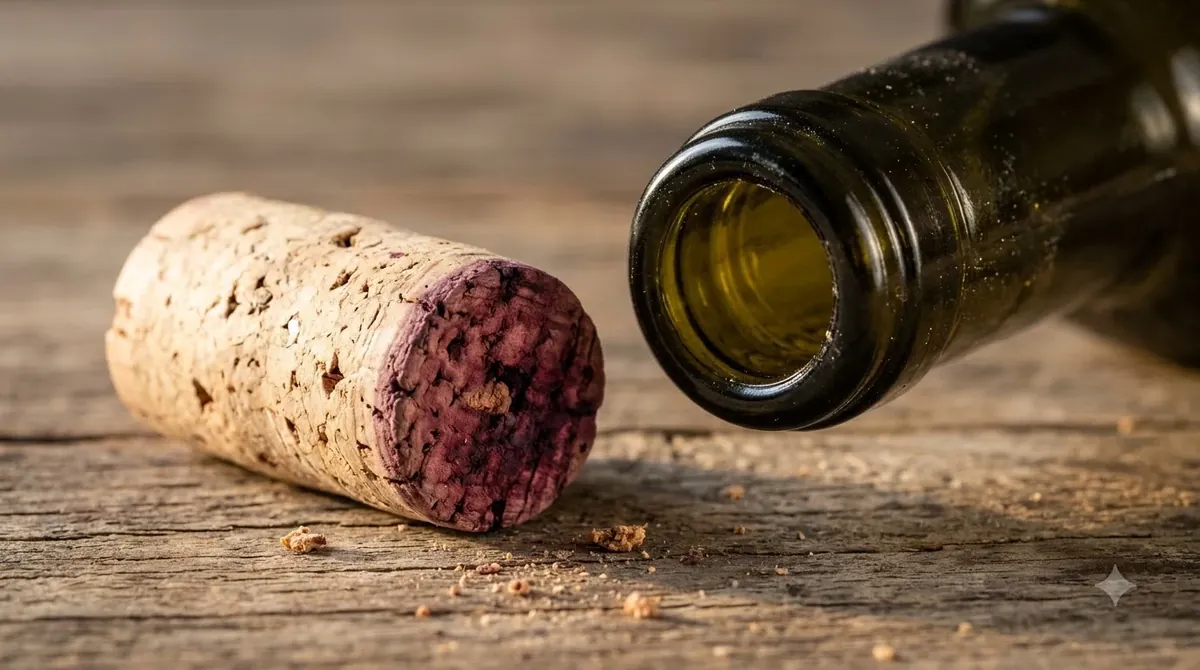
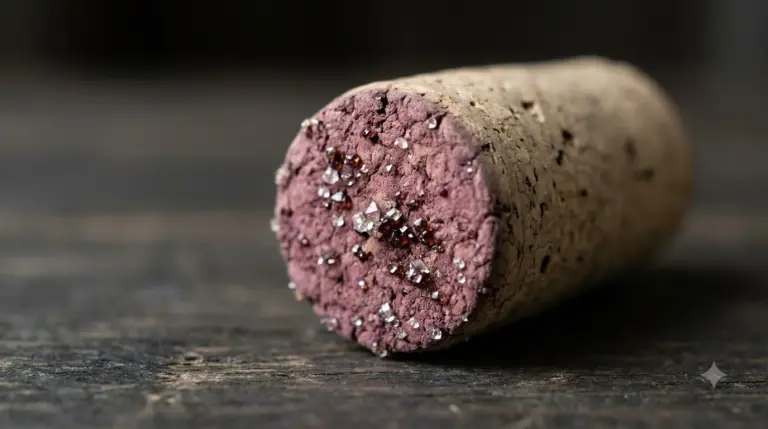
Older wine requires more attention to physical condition. A damaged capsule, seepage around the cork, or unusually low fill level can indicate a potential problem. None of these signs alone proves that a bottle is spoiled, but they justify further questions before purchasing.
Ask specialist retailers whether the bottle has been stored in a temperature-controlled environment. For collectible vintages, provenance information can be just as important as the advertised vintage and label condition.
Comparing prices without considering shipping
Retailers may advertise different delivery terms, and premium wine sometimes requires additional packaging or careful handling. A bottle shipped across several states may have a different total cost from one purchased locally.
Check the complete checkout total before deciding which seller offers better value. Also confirm that the retailer can legally ship to the destination state and that someone of legal drinking age will be available to receive the order where required.
Expecting every vintage to taste identical
Rubicon is a vintage wine, not a standardized beverage with an identical flavor profile in every release. Cabernet Sauvignon remains central to the blend, but supporting varieties and proportions can change.
For example, the 2010 blend included four Bordeaux varieties, while the 2015 blend was much more heavily weighted toward Cabernet Sauvignon. Differences in harvest conditions, blending, and oak aging help explain why vintage-specific descriptions are valuable.
Care, Storage, and Serving Tips for Rubicon
Proper storage and serving help preserve the qualities that make a premium Napa Valley red appealing. Temperature, light exposure, bottle position, and decanting all deserve attention, particularly when the bottle represents a substantial purchase.
Store the bottle correctly
For long-term storage, keep Rubicon in a cool, dark environment near 55°F. A stable temperature matters more than frequent adjustments, and bottles should be protected from direct sunlight, strong vibration, and repeated temperature fluctuations.
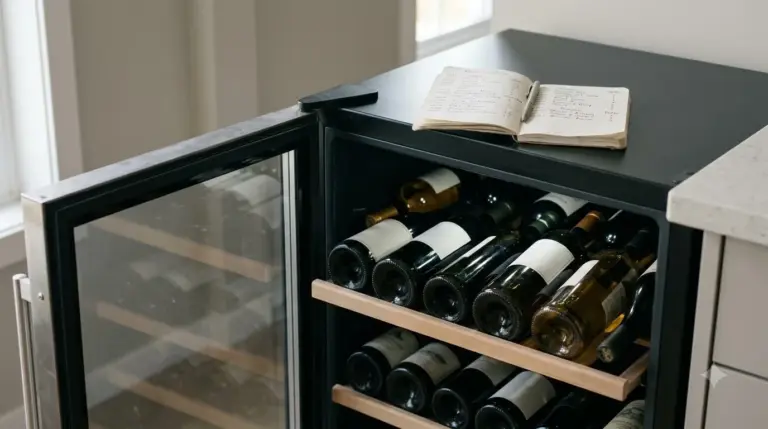
Traditional cork-sealed bottles are generally stored on their sides so the wine remains in contact with the cork. This helps reduce the risk of cork drying during extended storage. A dedicated wine refrigerator or professionally managed cellar can provide more reliable conditions than an ordinary kitchen cabinet.
Avoid storing expensive wine near ovens, heating appliances, windows, or other sources of warmth. A few days in an unsuitable environment may not automatically ruin a bottle, but repeated exposure to heat can accelerate aging and damage wine quality.
Serve at the right temperature
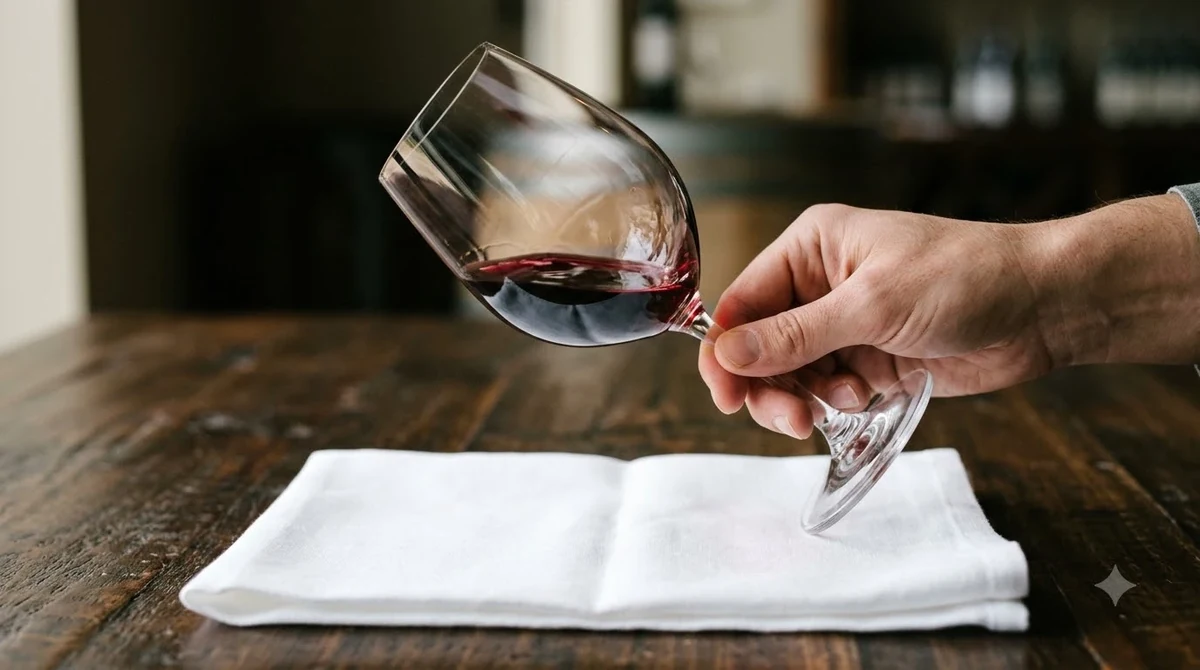
Rubicon is a full-bodied red, so a serving temperature of approximately 60–65°F is appropriate. Serving it substantially warmer can make alcohol seem more prominent and can reduce the impression of freshness.
If the bottle has been stored in a room warmer than the recommended range, allow it to cool gently before serving. Avoid placing the bottle in a freezer for a rapid temperature change.
Decant when appropriate
Decanting can help a structured young red become more expressive. The Barrel Tap recommends at least one hour of decanting for Rubicon, while Inglenook specifically recommends one hour for its 2010 vintage.
For a young, powerful vintage, approximately 30–60 minutes can be a useful starting point. Taste the wine periodically rather than assuming that every bottle needs the same amount of air exposure.
Older bottles require a more cautious approach. Their sediment may need separating from the wine, and prolonged aeration can sometimes diminish delicate aromas. A gentle pour into a decanter shortly before serving may be more suitable than leaving an older vintage exposed for several hours.
Choose appropriate food pairings
Cabernet Sauvignon’s substantial tannin structure makes it particularly suitable for foods with protein and fat. Grilled ribeye, roast beef, lamb, and braised short ribs are natural options because their richness can soften the perception of tannin.
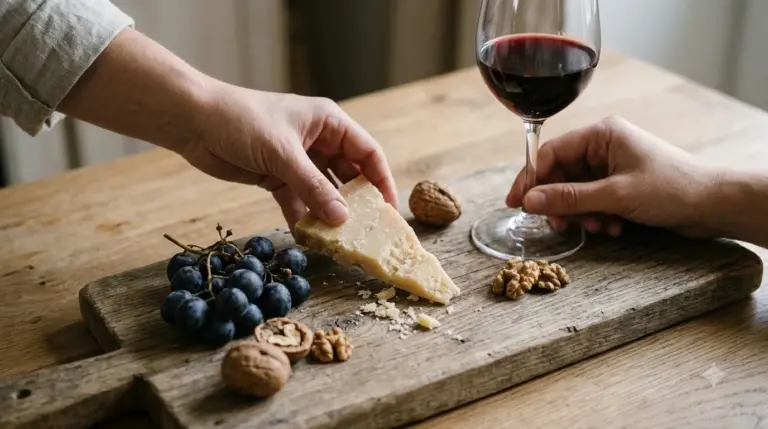
Other possibilities include mushroom risotto, aged hard cheeses, and dishes featuring roasted vegetables. Ingredients such as rosemary, thyme, black pepper, and roasted garlic can complement the wine’s dark-fruit and savory characteristics.
Avoid pairing a highly tannic red with delicate oily fish, which can create an unpleasant interaction. Very spicy dishes can also make alcohol and tannin seem more pronounced. A moderately rich dish with balanced seasoning is generally a better match.
Preserve an opened bottle
If the bottle is not finished, replace the closure securely and refrigerate the remaining wine. Even full-bodied red wines benefit from refrigeration after opening because lower temperatures slow oxidation.
As a general guideline, opened still wines are best consumed within approximately three to five days, depending on the wine and storage conditions. Bring a refrigerated serving portion toward its preferred temperature before pouring again.
For collectors, preserving an opened bottle with a suitable wine-preservation system may help maintain its character for longer, although no method can stop oxidation indefinitely.
Frequently Asked Questions
Is Rubicon wine made from organically farmed grapes?
Inglenook’s historical Rubicon materials describe estate vineyards as organically farmed, and the winery has emphasized estate vineyard practices in its wine information. Certification details should be evaluated for the particular vineyard and vintage rather than automatically assumed to apply identically to every historical release.
Who makes Rubicon wine?
Rubicon is produced by Inglenook, the Napa Valley estate associated with Francis Ford Coppola. Inglenook identifies Philippe Bascaules as its Director of Winemaking. The wine is made at the historic Rutherford estate and is positioned as its flagship red.
What does the word Rubicon mean on the wine label?
The name references the Rubicon River in ancient Italy. Julius Caesar crossed the river in 49 B.C., an event associated with an irreversible political decision. Inglenook uses the name to represent the wine’s distinctive identity and historical aspirations.
How many servings are in a standard bottle of Rubicon?
A standard 750 ml bottle contains approximately five conventional 5-ounce servings. A 1.5-liter bottle contains twice that volume, or approximately ten 5-ounce servings. Actual serving counts depend on pour size and whether the wine is being served as part of a multi-course meal.
Can Rubicon wine be purchased as a gift?
Yes. A specific Rubicon vintage can make a suitable gift for a collector, Napa Valley wine enthusiast, or someone celebrating a significant occasion. Before ordering, confirm the recipient’s preferred vintage, bottle format, shipping eligibility, and delivery timing. A gift of an older vintage is particularly meaningful when accompanied by reliable provenance information.
Rubicon occupies a premium position in Napa Valley because of its Rutherford origins, Bordeaux-inspired blend, and long-standing role as Inglenook’s flagship red. The most sensible purchase is one that matches the intended vintage, bottle format, condition, and budget rather than simply carrying the lowest advertised figure. Compare equivalent retailer listings, verify provenance for older bottles, and store the wine carefully to get the most from the purchase.
More in Wine Brands
 Fess Parker Wine Price: Compare Bottles and Find Your Best FitUpdated Nov 21, 2026
 Eroica Riesling Review: Flavor, Sweetness and Food PairingsUpdated Nov 21, 2026
 Estancia Wine Review: How to Choose the Right BottleUpdated Nov 21, 2026
 Erath Wine Price: Compare Bottles and Find the Right ValueUpdated Nov 21, 2026
 Eroica Riesling Price: What to Pay and How to ChooseUpdated Nov 21, 2026
 Elk Cove Wine Price: Compare Bottles and Find Your Best FitUpdated Nov 21, 2026