

We may earn a commission when you buy through links on this page, at no extra cost to you. Learn more.
This sutter home wine review finds that Sutter Home is a practical choice for affordable, approachable everyday wine, particularly for drinkers who enjoy fruit-forward flavors and easy-to-understand styles. Its lineup covers sweet White Zinfandel and Moscato, crisp Sauvignon Blanc and Pinot Grigio, and familiar reds such as Cabernet Sauvignon and Merlot. The main consideration is sweetness: some bottles are distinctly sweet, while others offer a drier experience better suited to dinner.
Sutter Home has a recognizable place in American wine culture, largely because of its historic White Zinfandel. However, the brand offers considerably more than pink wine. Its selection includes traditional grape varieties, sweet blends, and fruit-infused products. Understanding those differences makes it easier to choose a bottle that suits your preferences instead of assuming every Sutter Home wine tastes alike.
Who This Is For
Sutter Home is best suited to wine drinkers who prioritize approachable flavors, familiar grape varieties, and straightforward drinking occasions. Its broad selection makes it useful for casual meals, relaxed gatherings, and people who are still discovering whether they prefer sweet whites, refreshing rosés, or traditional reds.

The brand is particularly relevant to beginners who find highly tannic reds or sharply acidic whites difficult to enjoy. Moscato and White Zinfandel offer fruit-forward alternatives, while Pinot Grigio and Sauvignon Blanc provide options for people who prefer fresher, drier flavors. Cabernet Sauvignon and Merlot give traditional red-wine drinkers recognizable choices without requiring extensive knowledge of wine regions or vintages.
Sutter Home also has a distinctive place in American wine history. According to the producer’s historical account, the winery was founded in 1890, and the Trinchero family reopened it in 1948. Bob Trinchero’s experiments with Zinfandel in 1972 eventually helped establish the White Zinfandel style that made the brand widely recognized. That history explains why the pink wine remains such an important part of its identity.
There are some limitations to consider. Drinkers looking for complex single-vineyard wines, highly distinctive regional expressions, or wines intended for extended cellaring may prefer specialist producers. Sutter Home’s principal appeal is accessibility rather than showcasing intricate vineyard differences.
The brand is also a reasonable starting point for households with different preferences. One person can choose Moscato, another can pour Cabernet Sauvignon, and a third can enjoy Pinot Grigio without everyone needing to buy from a different producer. The key is selecting the appropriate style rather than treating the entire portfolio as one consistent flavor profile.
Key Factors to Compare
The most useful comparisons are sweetness, grape variety, acidity, body, and serving occasion. These characteristics explain more about the drinking experience than the color of the bottle or the familiarity of the brand name.
Sweetness should be the first consideration. White Zinfandel, Moscato, Pink Moscato, Red Moscato, and Sweet Red are useful starting points for people who enjoy noticeable fruit sweetness. Sauvignon Blanc and Pinot Grigio are better candidates for drinkers who prefer drier whites. Cabernet Sauvignon and Merlot are more appropriate for people who want recognizable red-wine characteristics.
Acidity and tannin also influence how a bottle works with food. Sauvignon Blanc generally has high acidity, making it useful with citrus-seasoned seafood and fresh salads. Chardonnay usually has medium acidity and a rounder texture. Cabernet Sauvignon has high tannin, while Merlot generally has softer, medium tannins. These differences affect how the wine feels alongside rich sauces, meat, and vegetables.
| Wine style | Typical character | Best occasion | Serving temperature |
|---|---|---|---|
| White Zinfandel | Sweet strawberry and melon | Casual gatherings and spicy food | 45–50°F |
| Moscato | Sweet, fruity, aromatic | Desserts and fruit plates | 43–50°F |
| Pinot Grigio | Fresh, crisp, relatively dry | Seafood and salads | 45–50°F |
| Sauvignon Blanc | Dry, citrus-driven, high acidity | Fish and vegetable dishes | 45–50°F |
| Chardonnay | Round, creamy, medium acidity | Chicken and creamy pasta | 50–55°F |
| Merlot | Soft, medium tannin | Roasted meat and pasta | 55–60°F |
| Cabernet Sauvignon | Structured, high tannin | Beef and grilled meat | 60–65°F |
| Sweet Red | Juicy fruit and soft tannins | Barbecue and casual dinners | 55–60°F |
The temperature recommendations above follow typical wine-serving ranges for each style. They are not individual measurements of every Sutter Home bottle. Chilling a wine appropriately can make a meaningful difference: excessive warmth can emphasize alcohol, while excessive cold can suppress aromas and flavor.
For another useful comparison, the producer’s nutrition information gives specific figures per 5-ounce serving. White Zinfandel contains 108 listed calories, compared with 127 for Moscato and 135 for Pink Moscato. Sauvignon Blanc is listed at 122 calories, while Cabernet Sauvignon contains 126. These are product-specific published figures rather than universal values for every vintage or serving size.
Finally, consider bottle size. The official White Zinfandel range includes mini bottles, Twist & Go packaging, standard 750 ml bottles, and 1.5-liter formats. Smaller bottles can be useful when trying an unfamiliar style, while larger formats are more practical for gatherings where several people want the same wine.
Step-by-Step: How to Choose Sutter Home Wine
A good purchase starts with your preferred sweetness level and the occasion. Following a few simple steps helps narrow the portfolio without getting distracted by unfamiliar grape names or packaging.
Use this five-step approach to select a bottle that fits your meal, flavor preferences, and serving plans.
-
Decide whether you want sweet or dry wine.
For noticeable sweetness, begin with White Zinfandel, Moscato, Pink Moscato, or Sweet Red. For a drier experience, compare Sauvignon Blanc, Pinot Grigio, Chardonnay, Cabernet Sauvignon, and Merlot. This first decision eliminates many unsuitable choices.
-
Choose the color and grape style.
White Zinfandel and Pink Moscato offer pink-colored options, while Chardonnay, Sauvignon Blanc, and Pinot Grigio cover familiar white-wine styles. Cabernet Sauvignon and Merlot provide conventional red-wine alternatives. Select the category you already enjoy before experimenting with something unfamiliar.
-
Match the wine to your meal.
Choose Sauvignon Blanc for lemon-seasoned fish, Pinot Grigio for salads, Chardonnay for creamy chicken dishes, and Cabernet Sauvignon for beef. Sweet wines work particularly well with dishes that contain sweetness or noticeable spice, provided the wine is at least as sweet as the food.
-
Choose the appropriate bottle format.
A 750 ml bottle provides approximately five standard 5-ounce servings. Mini formats are useful for individual portions or sampling, while 1.5-liter bottles suit larger gatherings. Consider how many people will drink the wine before selecting a format.
-
Plan the serving temperature.
Chill sparkling-style and sweet whites appropriately, serve lighter whites and rosé around 45–50°F, and allow fuller reds to warm slightly before pouring. A refrigerator and a basic wine thermometer can help achieve a more consistent result.
Tip: If you are uncertain about sweetness, begin with White Zinfandel and Moscato only if you enjoy noticeably sweet wine. For a drier starting point, compare Pinot Grigio and Sauvignon Blanc instead. Buying a smaller format first can prevent an unsuitable full-size bottle from going unfinished.
It is also useful to think about how the bottle will be consumed. A wine for an afternoon gathering does not need to have the same structure as one served with a substantial dinner. White Zinfandel and Moscato can work as relaxed sipping wines, whereas Cabernet Sauvignon is generally more appropriate alongside food with enough richness to balance its tannins.
People who are still developing their preferences can also explore the broader Wine Brands category to understand how producers differ in style, grape selection, and intended audience. Comparing familiar wines first makes those distinctions easier to recognize.
Types or Styles Explained
Sutter Home’s portfolio covers several distinct wine categories, so the best selection depends on whether you prefer sweetness, freshness, creamy texture, or traditional red-wine structure. The producer’s parent company, Trinchero Family Estates, describes the brand as offering more than 19 varietals and additional fruit-infused and wine-cocktail options.
White Zinfandel and Other Pink Wines
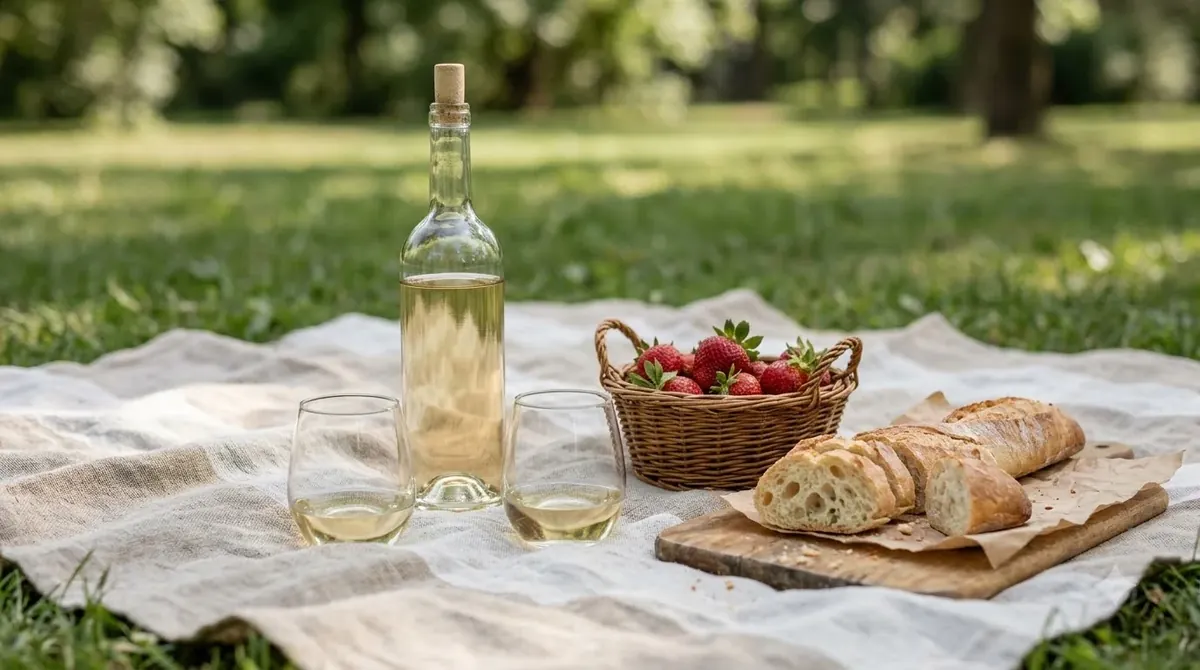
White Zinfandel is the brand’s signature style and the most historically important bottle in its portfolio. Sutter Home describes it as sweet, with strawberry and melon characteristics. It is a useful option for people who prefer approachable fruit flavors over the drier, more restrained profile of many traditional rosés.
Its history is unusual. The producer explains that the first White Zinfandel was made in 1972 using the saignée technique. The wine was initially fermented to dryness. A later stuck fermentation in the 1974 vintage left residual sugar in the wine, producing a sweeter pink style that customers embraced. This development helped establish a recognizable category in American wine.
The Sutter Home White Zinfandel discussion provides more detail about its characteristic sweetness and food pairings. Pink Moscato and White Merlot offer additional pink-wine alternatives, although their grape composition and flavor profiles differ.
The historical importance of this wine is also reflected in contemporary reporting. A 1987 Los Angeles Times report on Sutter Home’s White Zinfandel success described how demand grew during the 1980s and how the wine helped expand the American blush-wine category.
Moscato and Sweet Aromatic Wines
Moscato is one of the most accessible choices for drinkers who enjoy aromatic wines with pronounced fruit character. Sutter Home describes its version with strawberry, ripe honeydew, melon, rose, lychee, and peach characteristics, making it suitable for casual sipping, fruit-based desserts, and gatherings where a sweet wine is welcome.
Pink Moscato adds a blush appearance and bright berry characteristics. Red Moscato combines sweet Moscato character with a red-wine profile. These wines are useful alternatives for people who want something sweeter than a conventional dry white or red.
The standard Moscato and Pink Moscato also have different published nutrition figures. The producer lists 127 calories and 11.4 grams of carbohydrates per 5-ounce serving for Moscato, compared with 135 calories and 13 grams of carbohydrates for Pink Moscato. Those numbers offer a practical way to compare the published product information.
Read more about its flavor and serving possibilities in the dedicated Sutter Home Moscato article.
Dry White Wines
Pinot Grigio and Sauvignon Blanc are the natural starting points for people who prefer dry white wines. Both are generally fresher and more refreshing than sweeter Moscato styles, but they differ in aromatic character and acidity.
Sutter Home Sauvignon Blanc is associated with citrus, melon, and passion fruit characteristics. Its relatively high acidity makes it a practical choice for seafood, salads, and dishes with lemon or fresh herbs. The producer recommends it with shellfish, herb-roasted chicken, Caesar salad, mild cheeses, and vegetarian dishes.
Pinot Grigio is another useful option, particularly for light meals. Its crisp, floral character makes it worth considering for grilled shrimp, simple pasta, and vegetable dishes.
Chardonnay and Traditional Red Wines
Chardonnay provides a fuller white-wine experience. Sutter Home describes its version as rich and creamy, with apple flavors. The wine is suitable for seafood, roasted chicken, pork chops, and creamy-sauce pastas. It is a reasonable pairing for dishes that benefit from a rounder white wine rather than a sharply acidic one.
For red wine, Cabernet Sauvignon is the more structured choice. Sutter Home’s nutrition information lists 126 calories and 6 grams of carbohydrates per 5-ounce serving. Cabernet Sauvignon generally has high tannin, so it works best with rich food such as grilled beef, burgers, and hearty meat dishes.
Merlot is a softer alternative. Its medium tannin makes it approachable alongside roasted chicken, tomato-based pasta, and moderately rich meat dishes. People who find Cabernet Sauvignon too firm may prefer Merlot’s generally gentler structure.
Sweet Red and Fruit-Inspired Options
Sutter Home Sweet Red is designed for people who want red-wine color and fruit-forward sweetness rather than the drier structure of traditional Cabernet Sauvignon. It offers another approachable choice for casual dinners and informal gatherings.
Fruit Infusions and tea-inspired wine cocktails extend the range beyond conventional grape-variety categories. These are intended for people who prefer flavored, sweet, casual beverages rather than a traditional dry wine experience. They should be evaluated separately from classic varietal wines because their flavor profiles and intended occasions are different.
Common Mistakes When Buying Sutter Home
The most common mistake is assuming every Sutter Home wine is sweet because White Zinfandel and Moscato are among its best-known products. The portfolio includes dry Sauvignon Blanc, Pinot Grigio, Chardonnay, and conventional red wines, so selecting by producer name alone is not enough.
Another mistake is confusing fruit aromas with actual sweetness. A wine can smell strongly of peach, strawberry, or melon while still being dry. Sauvignon Blanc, for example, can have intense fruit aromas without the residual sugar associated with Moscato. Look at the producer’s sweetness description rather than relying on fruit terminology alone.
Serving temperature is another frequent source of disappointment. Sweet whites generally show better freshness when chilled, while full-bodied reds can taste muted or overly alcoholic when served too warm. A bottle of Cabernet Sauvignon served at refrigerator temperature may also seem unusually firm because its aromas and texture become less expressive.
Food pairing deserves similar attention. Sweet wines should generally be at least as sweet as the dessert served alongside them. Otherwise, the wine may taste sour or thin. Sauvignon Blanc’s acidity works well with acidic foods such as citrus-seasoned seafood, while salt and fat can soften the perception of tannin in red wines.
Spicy dishes require additional care. Alcohol and tannin can amplify chili heat, so a high-alcohol Cabernet Sauvignon may be less comfortable alongside very spicy food than a chilled, sweeter White Zinfandel. Oily fish can also clash with tannic reds, making a fresher white a more suitable option.
Finally, do not assume that a large bottle is automatically the better purchase for a small household. A 1.5-liter bottle contains twice the wine of a standard 750 ml bottle. If only one or two people are drinking, smaller formats may be more practical and reduce the amount left after opening.
It is also unwise to select wine entirely by color. Two pink wines can have very different sweetness levels, and two white wines can have completely different acidity and body. Compare the individual style descriptions before deciding.
Care and Storage Tips
Proper storage and serving help preserve the fresh fruit character that defines many Sutter Home wines. Most bottles in this category are intended for relatively early enjoyment rather than long-term cellaring, so consistent temperature and careful handling matter more than elaborate storage equipment.
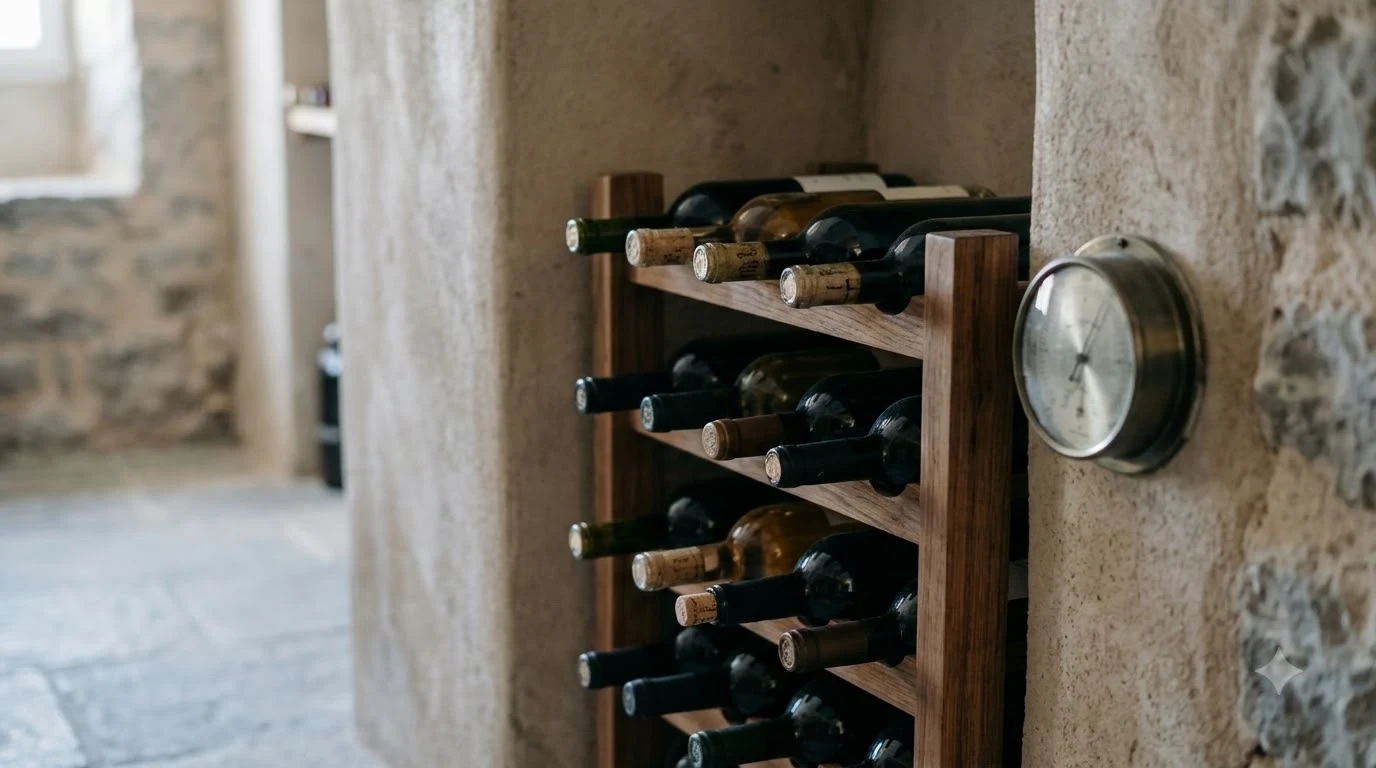
Before opening an unopened bottle, keep it away from direct sunlight, radiators, and other sources of heat. A cool, dark storage area near 55°F is a useful general target for wine. Bottles with traditional cork closures are best stored on their sides to keep the cork from drying out. Screw-cap bottles can be stored upright without the same cork-moisture concern.
Chilling should depend on the wine style. Serve sparkling wines around 40–50°F, light whites and rosé around 45–50°F, and fuller Chardonnay around 50–55°F. Sweet whites are generally enjoyable around 43–50°F. Lighter reds such as Merlot can be served around 55–60°F, while fuller Cabernet Sauvignon is generally better around 60–65°F.
Do not rely on the phrase room temperature for red wine. Modern indoor temperatures can be considerably warmer than the traditional cellar temperatures associated with wine service. A brief period in the refrigerator can help bring a warm red into a more appropriate serving range.
After opening, replace the closure securely and refrigerate still wine. Most opened still wines are best consumed within approximately three to five days, although freshness depends on the wine, oxygen exposure, and storage conditions. Sparkling wine generally retains its best character for approximately one to three days when properly sealed with a sparkling-wine stopper.
A standard 750 ml bottle provides approximately five 5-ounce servings, according to Sutter Home’s nutrition information. Pouring measured servings makes it easier to estimate how much remains and how quickly the wine should be consumed. A clean wine glass with enough room to release aromas also improves the drinking experience.
For young, full-bodied reds, decanting for approximately 30–60 minutes can soften the initial impression and allow aromas to develop. This is usually unnecessary for Moscato, White Zinfandel, Pinot Grigio, or Sauvignon Blanc, where freshness is a major part of the appeal.
When storing an opened bottle, avoid leaving it on a sunny kitchen counter or beside a warm appliance. Even a few hours of unnecessary heat exposure can diminish the fresh fruit character that makes these approachable wines appealing.
Frequently Asked Questions
Is Sutter Home wine made in California?
Yes. Sutter Home identifies its wines as California wines, and the brand’s historical roots are associated with its winery in California. The Trinchero family reopened the winery in 1948, establishing the family connection that continues through Trinchero Family Estates.
Does Sutter Home make wine in smaller bottles?
Yes. Its portfolio includes mini formats, and the brand’s White Zinfandel range also includes Twist & Go packaging. Smaller formats can be useful for individual occasions or for comparing different styles without opening a full 750 ml bottle.
What does the term saignée mean in White Zinfandel production?
Saignée is a winemaking method in which some juice is drained from a tank of red grapes after initial contact with the skins. This can concentrate the remaining red wine while producing a separate rosé-style wine from the removed juice. Bob Trinchero used this approach in developing Sutter Home’s original White Zinfandel.
Does Sutter Home offer wines beyond conventional grape varieties?
Yes. Its wider portfolio has included Fruit Infusions and tea and lemonade wine cocktails alongside traditional varietal wines. These products offer a different flavor profile from conventional Chardonnay or Cabernet Sauvignon and are intended for more casual drinking occasions.
How many glasses can you pour from a 1.5-liter Sutter Home bottle?
A 1.5-liter bottle contains 1,500 ml, equivalent to two standard 750 ml bottles. At a 5-ounce serving size, it provides approximately ten glasses, assuming consistent pours and no spillage.
Sutter Home is a sensible choice for drinkers who want familiar grape varieties, approachable fruit flavors, and options across sweet and dry styles. White Zinfandel and Moscato are natural starting points for sweet-wine fans, while Sauvignon Blanc, Pinot Grigio, Merlot, and Cabernet Sauvignon offer alternatives for different meals and preferences. Choosing according to sweetness, acidity, and serving occasion is the simplest way to find a bottle that delivers the experience you want.
More in Wine Brands
 Underwood Wine Price: Compare Bottles, Cans, and Pack SizesUpdated Nov 21, 2026
 Zenato Wine Price: Compare Styles and Choose the Right BottleUpdated Nov 21, 2026
 Zuccardi Wine Price: Compare Bottles and Find the Right RangeUpdated Nov 21, 2026
 Yellow Tail Moscato Review: Taste, Sweetness and Serving TipsUpdated Nov 21, 2026
 Wolf Blass Yellow Label Review: Choose Your Best StyleUpdated Nov 21, 2026
 Wolffer Estate Rose Review: Choose the Right Bottle for Your TableUpdated Nov 21, 2026