

We may earn a commission when you buy through links on this page, at no extra cost to you. Learn more.
The best wine for housewarming is a dry sparkling wine when you do not know the host’s preferences, because it feels celebratory and can be served before dinner or with food. A versatile Pinot Noir, dry rosé, or crisp Sauvignon Blanc is also a thoughtful choice when you know the host prefers still wine. The best bottle is one the recipient can open soon, save for a suitable meal, or enjoy with friends without needing specialist knowledge.
A new home often means unpacking boxes, finding the glasses, and deciding what to eat before the kitchen is fully organized. A wine gift should make that first gathering easier rather than give the host another task. Use the occasion, the recipient’s taste, and the likely menu to choose a style that feels generous but remains easy to enjoy.
Who This Is For
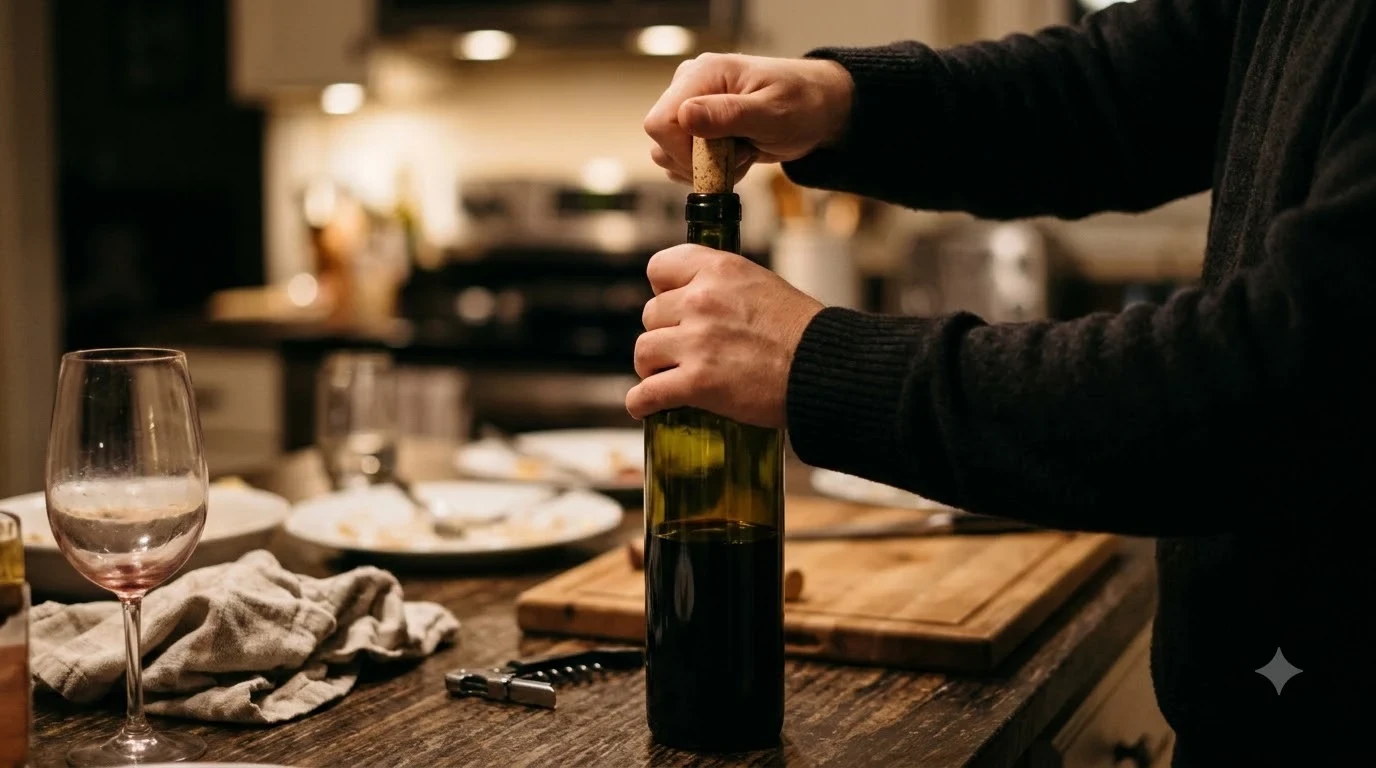
This guide is for guests bringing one bottle to a first visit, friends choosing a more personal gift, and family members who want a bottle that can be opened at a housewarming dinner. It also helps when the host’s wine preferences are only partly known. A host may be greeting people room by room, finishing a meal, or still arranging the kitchen, so a bottle that does not demand immediate service is often the more courteous choice. Present it as a gift for the household rather than an expectation that it becomes the evening’s featured wine.
For a casual visit, one 750 ml bottle is a complete and appropriate gift; at a standard 5 oz pour, it provides about five glasses, the benchmark set out by advanced sommelier Alper Billik in SOMM DIGI’s bottle-size guide. That is enough for a toast or a small shared meal, but it does not assume that the host will serve it immediately. A gift bottle is different from wine you have been asked to supply for a party, where guest count and other drinks matter.
When the recipient likes wine but you do not know their favorite grape, start with familiar, food-friendly styles rather than a highly unusual bottle. Wine.com’s housewarming wine recommendations include sparkling wine, Pinot Noir, Cabernet Sauvignon, Sauvignon Blanc, Chardonnay, and rosé. For a personal touch, choose a place the host already enjoys, such as Sonoma County, Napa Valley, or Champagne.
Key Factors to Compare
Compare the wine’s style, the host’s preferences, the meal, and how soon the bottle may be opened. The table below gives practical starting points rather than a rule that every guest or menu must follow.
| What to compare | Good starting choice | Why it works |
|---|---|---|
| Unknown wine preference | Dry sparkling wine | Works for a toast, an aperitif, or a range of party snacks. |
| Still red preference | Pinot Noir | Low-to-medium tannin and high acidity make it more flexible than a very firm red. |
| White wine preference | Sauvignon Blanc or unoaked Chardonnay | Bright Sauvignon Blanc suits lighter food; unoaked Chardonnay offers a rounder, less overtly oaky profile. |
| Warm-weather gathering | Dry rosé | Serve it chilled and pair it with vegetables, seafood, salads, or snack boards. |
| Hearty dinner | Merlot or Cabernet Sauvignon | Merlot is generally softer; Cabernet has more pronounced tannin for richer dishes. |
| Sweet-food pairing | A sweet wine at least as sweet as the dessert | A dessert that is sweeter than the wine can make the wine taste sour or thin. |
| Serving plan | 750 ml bottle; about five 5 oz pours | A useful amount for a toast or a small gathering without requiring a case. |
| Serving temperature | 40–50°F sparkling; 45–50°F light whites and rosé | Chilling preserves freshness; fuller whites and reds generally need warmer service. |
Think about versatility before prestige. A recognizable grape from a reputable region is often more useful than an obscure appellation for a casual drinker; for a collector, a familiar region or producer shows that you paid attention.
Let the relationship and invitation guide your budget. A simple dinner with close friends calls for a different gesture from a formal celebration. A protective carrier, handwritten note, or useful accessory can make a thoughtful bottle feel complete.
Step-by-Step
A reliable selection process takes five steps: understand the occasion, check the host’s preferences, choose the style, consider the food, and present the bottle in a useful way. This order prevents the label or packaging from distracting from whether the wine will suit the person receiving it.
- Decide whether the bottle is a gift or part of the meal. If it is a gift, the host should feel free to save it. If you have been asked to bring a bottle to serve with dinner, ask what food is planned and choose something that can be poured that evening.
- Use what you know about the host. A person who often orders Pinot Noir may enjoy a bottle from Oregon or Sonoma; someone who prefers crisp whites may appreciate Sauvignon Blanc or dry Riesling. If you have no clues, dry sparkling wine is the easiest celebratory default.
- Match the wine to the likely food. For a cheese and vegetable board, consider sparkling wine, Sauvignon Blanc, or dry rosé. For roast chicken, mushroom dishes, or salmon, Pinot Noir is a flexible red. For grilled beef or a rich braise, consider Merlot or Cabernet Sauvignon.
- Choose an accessible style and a sensible format. A standard 750 ml bottle gives approximately five 5 oz pours. For a host who likes tasting different wines, a pair of contrasting bottles—such as sparkling and Pinot Noir—can offer more choice than one very specialized bottle.
- Make it easy to receive. Carry the wine in a bottle bag or padded carrier, add a brief note explaining why you chose it, and hand it over without assuming it will be opened. If the bottle needs chilling, say so simply; do not make the host feel obliged to change the evening’s plans.
An open house usually favors sparkling wine, rosé, and lighter whites for short visits and snack tables. At a seated dinner, a bottle matched to the main dish or the host’s known taste feels more personal.
For more background before shopping, use the site’s wine buying advice to understand labels, grapes, and regions. The goal is a bottle with a clear reason for being in the gift bag, not the most complicated label in the store.
Types or Styles Explained
Choose a style for the role you want the bottle to play: sparkling for a toast, white or rosé for lighter foods, and red for richer dishes or a recipient who prefers it. Within each broad category, grape variety, sweetness, acidity, and tannin change how versatile the wine will be.
Sparkling wine: the safest celebratory choice
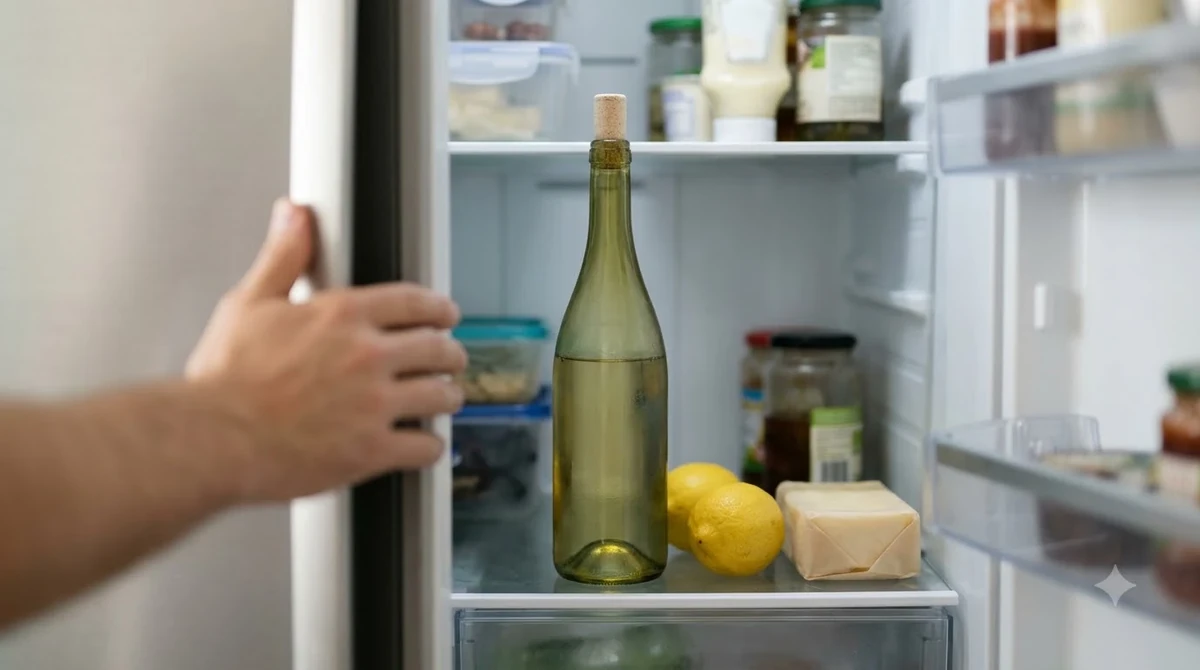
Dry sparkling wine works for a welcome toast, salty snacks, seafood, fried appetizers, and many cheeses. Prosecco is made primarily from Glera and uses the tank method for second fermentation; the Consorzio Tutela Prosecco DOC sets an 11% minimum alcohol level for sparkling Prosecco, and bottles commonly sit around 11–12% ABV. Champagne and Cava undergo second fermentation in the bottle, which can develop bread, pastry, and yeasty notes.
For a versatile bottle, look for Brut or Extra Brut. The terms can be counterintuitive: Brut is drier than Extra Dry. Dry sparkling suits savory snacks, while sweeter styles can accompany fruit desserts.
White wine: a practical choice for food
Sauvignon Blanc and Riesling are high-acid whites that work with lemon, vinaigrette, fresh herbs, or goat cheese. Sauvignon Blanc often shows citrus and green-herb character; Riesling ranges from dry to sweet, so use the label’s sweetness information when choosing for a dry-wine drinker.
Chardonnay usually has medium acidity. Unoaked Chardonnay is fresher and cleaner, while an oaked example is richer and may show vanilla or toast. Choose the style that matches the host’s preference; the guide to dry white wine explains grape, acidity, and oak differences.
Rosé: an easy option for casual gatherings
Dry rosé suits a spring or summer housewarming, patio gathering, or afternoon open house. It bridges white and red at a table with salads, grilled vegetables, charcuterie, seafood, and light poultry; Provence is a familiar dry style.
Pale color does not guarantee dryness, so choose a dry style for savory food and crisp-wine drinkers. Serve rosé chilled, but do not leave it buried in ice until its aromas disappear.
Red wine: choose the weight to fit the meal
Pinot Noir is a good red gift when the menu is unknown. Its low-to-medium tannin and high acidity suit roast chicken, salmon, mushrooms, and cheese boards. A dry red wine with moderate structure is often more flexible than a very bold bottle.
Merlot has medium tannin and a softer feel than Cabernet Sauvignon, suiting roast meats and rich pasta. Cabernet is high in tannin and fits grilled beef or lamb better than delicate seafood; Syrah can be medium-plus to high in tannin for grilled or spiced meat. For a sweeter preference, use the guide to sweet red wine rather than assuming every red is dry.
Common Mistakes
The most common mistake is choosing for the giver rather than the host. A tannic Cabernet may suit a steak lover but is less flexible for someone who prefers Pinot Noir or crisp whites. An unusual natural wine or age-worthy bottle can also be a poor fit for a new drinker who wants something ready to pour.
Do not treat every pairing as interchangeable. Wine should be at least as sweet as the dessert, and acidic food such as lemon dressing or tomato sauce needs a wine with equal or higher acidity. Salt and fat soften tannin, helping a structured red work with fatty beef or aged cheese.
A powerful red is not right for every meal. Chili heat can be amplified by alcohol and tannin, while oily fish can clash with tannic reds; choose crisp white, sparkling wine, or lighter Pinot Noir instead.
Care or Storage Tips
Protect the bottle from heat and sunlight during transport, then give the recipient simple serving guidance without expecting it to be opened immediately.
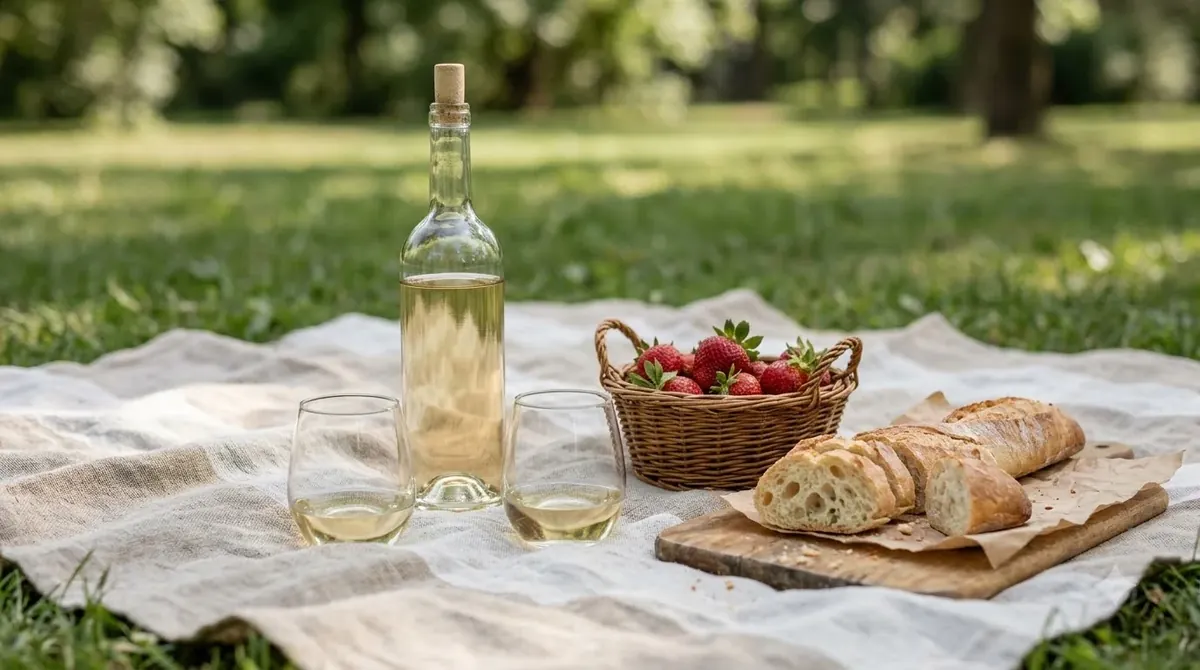
Use these service ranges: sparkling around 40–50°F; light whites and rosé 45–50°F; fuller whites 50–55°F; light reds 55–60°F; and fuller reds 60–65°F. Wine Enthusiast gives 41–45°F for sparkling, 54–60°F for Pinot Noir, and 60–65°F for Cabernet Sauvignon. Its wine serving temperature guide explains why excessive chilling can mute aromas.
For a bottle being saved, use a cool, dark place with a steady temperature. WSET recommends 50–59°F for long-term storage and warns that kitchens fluctuate. Lay cork-sealed bottles on their sides; screw-cap bottles can stand upright. Keep wine away from direct light, heat, and vibration.
After opening, refrigerate still wine and aim to finish it within 3–5 days; resealed sparkling wine is generally best within 1–3 days. A young, full-bodied red may benefit from 30–60 minutes in a decanter, while an older, delicate wine is not automatically improved by extended aeration.
Tip: When chilling a bottle for a party, use an ice bucket with both ice and water so the liquid surrounds the glass. WSET recommends filling the bucket about three-quarters full with equal quantities of ice and water; this chills more efficiently than ice alone.
Without a wine refrigerator, use the coolest dark storage area available. A gift that can wait comfortably is more useful than one needing elaborate equipment.
Frequently Asked Questions
These answers cover details that can help the host serve or save the bottle, especially when the gift is sparkling wine or intended for later.
Is Brut sweeter than Extra Dry?
No. In sparkling-wine terminology, Brut is drier than Extra Dry, despite the everyday meaning of the words. From driest to sweetest, the common sequence is Brut Nature, Extra Brut, Brut, Extra Dry, Dry, Demi-Sec, and Doux. That distinction matters when choosing a bottle for savory appetizers versus a sweet dessert.
Are screw-cap wines suitable for keeping?
Yes. WSET notes that screw-cap closures do not prevent a wine from aging and that roughly 25–30% of wines are now sealed this way. A screw-cap bottle can be stored upright because the closure does not rely on a moist natural cork to maintain its seal.
Should vintage Champagne be served at the same temperature as non-vintage?
Not necessarily. Wine Enthusiast gives 41–45°F as a serving range for sparkling wines generally and 45–50°F for vintage Champagne. The slightly warmer temperature can help show developed toast and biscuit aromas that might be less apparent when the wine is very cold.
Do sparkling wines have to be served in a flute?
No. A flute highlights the stream of bubbles and is convenient at a standing party, but wine professionals interviewed by Wine Enthusiast also recommend a stemmed white-wine glass when aromatic detail matters. A shallow coupe is another traditional option, though its wide opening makes it less practical to carry around a crowded room.
Can every red wine improve with age?
No. Age-worthiness depends on the wine’s structure and how it was made, not simply its color or price. WSJ Wine points out that some Bordeaux and Rioja wines are designed to develop over decades, while Beaujolais and many California Pinot Noirs are generally made to be enjoyed young. For most housewarming gifts, a bottle ready to drink is the lower-risk choice.
The safest housewarming gift is a bottle that fits the host, the gathering, and the food: choose dry sparkling wine when preferences are unknown, or a versatile Pinot Noir, rosé, or white when you have a little more information. Add a short note and let the recipient decide when to open it. That small bit of thought makes the bottle feel like a welcome to the new home rather than another item on the moving checklist.
More in Wine Buying Guides
 Cheap Red Blend: How to Find a Flavorful Bottle for LessUpdated Nov 20, 2026
 Pinot Grigio Gift: How to Choose a Bottle They’ll EnjoyUpdated Nov 20, 2026
 Best White Wine at Total Wine for Every MealUpdated Nov 20, 2026
 Wine Fridge Replacement Shelves: Find the Right FitUpdated Nov 20, 2026
 Best Sparkling Wine Under 20: Find Bubbles Worth BuyingUpdated Nov 20, 2026
 Best Wine For Birthday Celebrations With Perfect Party PairingsUpdated Nov 20, 2026