

We may earn a commission when you buy through links on this page, at no extra cost to you. Learn more.
Montepulciano wineries sit in the hills of Tuscany around the town of Montepulciano, where family estates and a historic cooperative make Vino Nobile di Montepulciano, a Sangiovese-based red with DOCG status. Many estates are small, and several have vineyards spread across neighboring slopes toward Cortona and the Valdichiana. Visitors can taste the traditional wines alongside Rosso di Montepulciano and, at some estates, the Vin Santo dessert wine. This guide covers the winery landscape, the main estates’ approach to tasting, and how to plan a visit to the area.
Tuscany is famous for Chianti, Brunello, and Super Tuscans, and Montepulciano often gets less attention. Yet its wine has a long history and a distinctive character that rewards a slow visit. The town itself sits on a hilltop with views across the surrounding countryside, and the wineries are scattered through the hills nearby. Most visitors combine a tasting with a walk through the historic center, a meal, and a drive to a neighboring town.
What Makes the Montepulciano Wine Area Distinct
The local red is mainly Sangiovese, known in the area as Prugnolo Gentile. According to the Wikipedia article on Vino Nobile di Montepulciano, the wine must contain at least 70 percent Sangiovese, and Canaiolo Nero can make up 10 to 20 percent of the blend. The result is a red with bright cherry and dried red fruit notes, savory earthiness, and firm acidity that suits food well.
The wine holds DOCG status, the highest tier of Italian classification, and that status was authorized in 1980 and modified in 1999. The rules set a minimum aging period. Vino Nobile is aged for at least two years, with one of those years in oak barrels, while Riserva is aged for three years. Rosso di Montepulciano is a separate, lighter wine that is aged for one year in oak. Visitors will often taste all three, which makes it easier to understand how the appellation is organized.
The Estates and the Cooperative Tradition
The wine’s history includes a well-known name. The Wikipedia article credits Adamo Fanetti as the first producer to make the wine in quantity, and it links him to the “Nobile” name that now appears on labels. Around the same period, producers who had worked mainly with Chianti formed a cooperative, the Vecchia Cantina di Montepulciano, to market wine from many small growers. That cooperative tradition still shapes the area, and some visitors find the cooperative’s cellars a good place to understand how the wine has been made and sold.
Today the landscape is a mix of large estates, medium family wineries, and very small growers. Many estates own vineyards on several slopes, and their Vino Nobile can differ noticeably depending on the site. A producer’s website often describes its own vineyards in detail. For example, one estate near Montepulciano reports 25 hectares of vines across thirteen vineyards at elevations between 280 and 350 meters, which shows how varied the terrain can be even within one property.
How Tasting Visits Usually Work
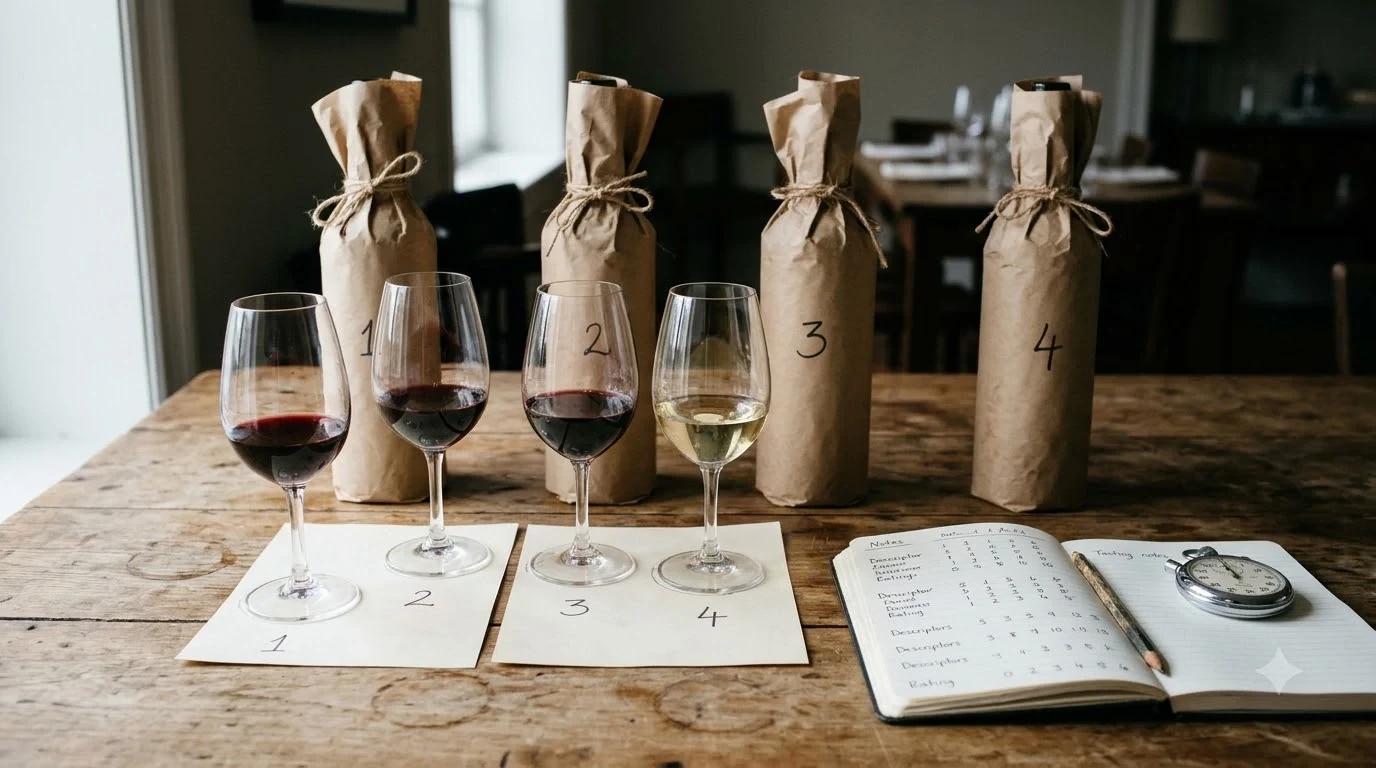
Most estates offer a guided tour and tasting, often with a small platter of local cheese, cured meat, or bread. A typical visit covers the cellars, a walk through the vineyards when the season allows, and a tasting of two to four wines. Some producers also offer longer sessions that include a Riserva or older vintage, or a comparison of Vino Nobile with Rosso. Check whether a tasting includes food, how long it runs, and whether a reservation is required.
Booking ahead is a good idea. Many wineries are family-run and keep limited opening hours, and appointments are often needed for groups or for English-language tours. Some estates also host weddings and private events, so check the calendar before planning a visit. Wine club memberships, where offered, may bring discounts on tours and tastings for repeat visitors.
| Wine | Key rule | What to look for |
|---|---|---|
| Vino Nobile di Montepulciano | At least 70 percent Sangiovese, aged two years with one in oak | Cherry fruit, savory notes, firm structure |
| Vino Nobile Riserva | Aged three years | More depth and a longer finish |
| Rosso di Montepulciano | Aged one year in oak | Fresher and lighter, a good everyday red |
| Vin Santo di Montepulciano | A traditional dessert wine | Dried fruit, nuts, and a sweet finish |
Tip: Do not confuse Montepulciano with Montepulciano d’Abruzzo. The Abruzzo wine is made from a different grape in a different region, so check the label before you order or buy.
Planning a Visit to the Area
Montepulciano is best explored on foot once you reach the town, since the historic center is compact and the streets are steep. Many visitors park outside the walls and walk in. The wineries are spread across the surrounding hills, so a car or a booked driver makes it much easier to visit several estates in a day. Public transport to the hill towns can be limited, which is why many travelers book a driver for tasting days.
Spring and early autumn are the most pleasant seasons. The vineyards look their best in late spring, and autumn brings the harvest, when the area is lively but tastings may be busier. Summer is hot, so plan early visits and leave time for a midday break. Winter is quieter, and some wineries reduce their hours, so call ahead before you travel.
For background on the appellation itself, the Consorzio del Vino Nobile di Montepulciano describes Montepulciano as a small area in southeast Tuscany whose hilltop town has kept its architecture essentially unchanged since the 16th century. The consortium has also officially proposed a third category of Vino Nobile, called Pievi, so the labeling rules may change over time. When you taste, ask each winery how its bottles fit into the current categories.
Choosing a Winery to Visit
Start with the style you want. If you enjoy traditional, structured reds, a visit to an estate known for its Vino Nobile and its Riserva will give you a clear sense of the appellation. If you prefer lighter, more everyday wines, Rosso di Montepulciano is a good focus. Visitors who enjoy sweet wines should ask about Vin Santo, which is made in small quantities and often served with biscuits.
Consider the setting as well. Some estates are in dramatic hilltop positions with long views, while others sit lower in the valley and emphasize their vineyards. A tour that includes time in the vineyards gives a richer sense of place than a tasting alone. Ask each winery how the wine is aged and which vineyards contribute to the blend, since those details shape the final flavor.
Frequently Asked Questions
What is the main grape in Vino Nobile di Montepulciano?
The wine is mainly Sangiovese, called Prugnolo Gentile locally. It must make up at least 70 percent of the blend, and Canaiolo Nero is often added in smaller amounts.
Is Montepulciano the same as Montepulciano d’Abruzzo?
No. Vino Nobile di Montepulciano comes from Tuscany and is based on Sangiovese. Montepulciano d’Abruzzo comes from the Abruzzo region and is made from the Montepulciano grape, so the two wines are different.
Do I need a reservation to visit wineries in Montepulciano?
It is a good idea. Many estates are family-run, keep limited hours, and prefer appointments, especially for guided tours or groups. Contact the winery before your trip to confirm availability and whether tastings include food.
How many wineries can I visit in one day?
Two or three is a comfortable pace, since each tasting with a tour can take an hour or more. Trying to fit in more usually leaves little time to enjoy the wines or the landscape. Many visitors plan one estate in the morning, lunch in a hill town, and a second estate in the afternoon.
Montepulciano rewards travelers who like to slow down. The wines are distinctive, the town is compact and striking, and the surrounding estates offer a personal look at how a traditional Tuscan red is made. To compare the wider Italian scene, the wine regions section explains how appellations work across different areas. For another region with strong estate culture, the guide to Bordeaux wineries offers a useful contrast in how visits are organized.
More in Wine Regions
 Willcox Wine Trail: Discover Arizona’s High-Elevation Wine CountryUpdated Nov 20, 2026
 Yakima Valley Wine Region: Find the Best Styles to TryUpdated Nov 20, 2026
 Vosne Romanee Wine Tasting: Identify Aromas and Choose Better PairingsUpdated Nov 20, 2026
 Yakima Valley Wine Festival: Find the Best Seasonal Wine EventsUpdated Nov 20, 2026
 Wales Vineyards: Discover Cool-Climate Wines and Where to VisitUpdated Nov 20, 2026
 Yountville Wine Festival: Discover Napa Wines and Local FoodUpdated Nov 20, 2026