

We may earn a commission when you buy through links on this page, at no extra cost to you. Learn more.
This avaline rose review finds that Avaline Rosé is a dry, light-bodied French rosé with refreshing melon, citrus zest, and delicate red-fruit character, making it a good choice for drinkers who prefer crisp, approachable wine. Made with organically grown grapes, it also appeals to shoppers looking for vegan-friendly winemaking and clearly disclosed ingredients. Its relatively straightforward flavor profile makes it especially suitable for casual meals, warm-weather gatherings, and everyday sipping, although drinkers seeking a complex, mineral-driven Provence rosé may prefer a different style.
Choosing a rosé involves more than finding an attractive pale-pink bottle. Sweetness, acidity, grape varieties, alcohol content, and ingredient transparency all influence whether a wine will suit your preferences. Avaline has built its identity around organic grapes and ingredient disclosure, and its French rosé is among its recognizable offerings. This guide examines what the bottle delivers, how to serve it, what to eat with it, and which drinkers are most likely to appreciate its style.
Who This Avaline Rosé Is For
Avaline Rosé is best suited to people who enjoy dry, refreshing wines with gentle fruit flavors rather than pronounced sweetness or heavy structure. Its 12.5% ABV and light, fresh profile make it a practical option for casual occasions, outdoor lunches, and uncomplicated dinners.
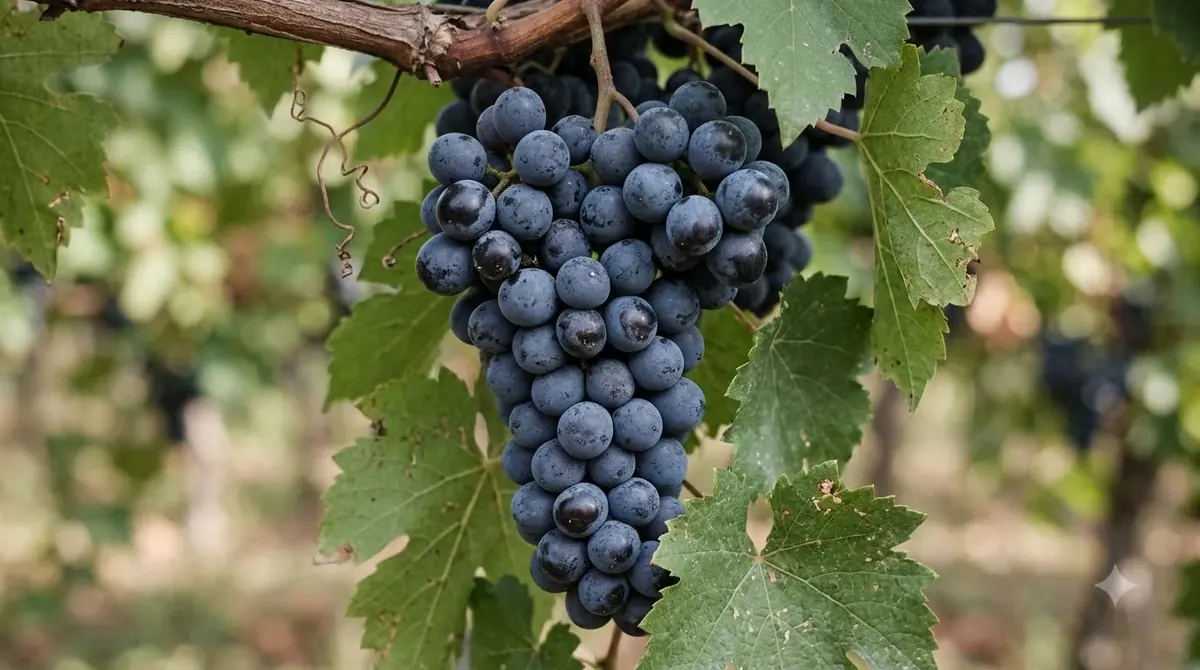
The wine’s appeal starts with its accessible flavor profile. Avaline describes its rosé as having melon and citrus zest notes, while Wine Enthusiast identifies watermelon and strawberry flavors. These characteristics suggest a wine that emphasizes fresh fruit rather than concentrated berry preserves, heavy oak, or powerful spice. The finish is described as neutral by Wine Enthusiast, so buyers should expect a relatively straightforward drinking experience instead of a particularly long or layered finish. The publication’s independent Avaline NV Rosé review provides additional tasting context for this particular bottling.
It is also worth considering the bottle from an ingredient-transparency perspective. Avaline publishes information about its grapes, ingredients, calories, sugar, and alcohol content. The brand’s approach makes it relevant to shoppers who want more information than a conventional wine label may provide. Its vegan-friendly production is another point of interest for consumers who avoid animal-derived fining agents.
However, the wine will not satisfy every rosé drinker. Someone who enjoys off-dry wines with noticeable residual sweetness may find it too dry. Similarly, people who favor intensely aromatic wines, pronounced salinity, or complex herbal characteristics might prefer a more distinctive regional bottling.
For shoppers comparing the broader range, the dedicated Avaline wine overview provides a useful starting point for understanding how the brand’s other styles differ from its rosé.
Key Factors to Compare Before Buying
The most important buying considerations are sweetness, fruit character, grape composition, alcohol content, and ingredient transparency. Avaline Rosé performs particularly well as an accessible dry wine, but its appeal depends on whether those characteristics match your expectations.
| Factor | Avaline Rosé Details | What It Means |
|---|---|---|
| Origin | France; described as Provence rosé | French rosé positioning and regional style |
| Wine style | Dry rosé | Not intended as a sweet blush wine |
| Alcohol | 12.5% ABV | Moderate alcohol for a still rosé |
| Bottle size | 750 ml | Approximately five standard servings |
| Serving size | 5 fl oz | Standard wine pour |
| Calories | 109 per serving | Producer-listed nutritional information |
| Sugar | 0 g per serving | Dry fermentation profile |
| Carbohydrates | 2.5 g per serving | Producer-listed nutrition information |
| Ingredients | Organic grapes, sulfites, yeast nutrients | Published ingredient information |
| Production | Vegan-friendly | Animal-free fining practices |
| Flavor profile | Melon, zest, watermelon, strawberry | Fresh, fruit-led character |
These specifications come from Avaline’s product information and the published assessments and retail descriptions. The official Avaline Rosé product page provides the producer’s current ingredient, serving, and nutritional information. One important distinction is that the brand’s product information lists 109 calories per 5-ounce serving, while older promotional materials may contain different nutritional figures. The current product page is the more useful reference for the listed serving information.
Dryness deserves particular attention. A wine can smell fruity and still taste dry. The melon and strawberry characteristics in Avaline Rosé describe its aromas and flavors, not necessarily sweetness. Its stated zero grams of sugar per serving supports its positioning as a dry rosé.
Grape composition is another consideration. Target identifies Grenache, Cinsault, Caladoc, and Syrah in its product description. These varieties are associated with many southern French rosé blends, although the proportions are not provided in the current product information. Buyers should avoid assuming that every bottle or vintage has an identical blend composition.
For a broader introduction to producers and wine styles, the Wine Brands section can help put Avaline’s positioning into context.
Step-by-Step: How to Choose and Enjoy Avaline Rosé
A simple selection process helps determine whether this bottle is a suitable match for your preferences. Consider the flavor profile first, then check the wine’s dryness, serving requirements, and intended food pairings.
- Decide how much sweetness you want. Avaline Rosé is a dry wine with 0 grams of sugar per 5-ounce serving according to the producer. Choose it if you prefer fresh fruit character without noticeable residual sweetness. If you generally enjoy sweeter blush wines, another style may be more satisfying.
- Consider the fruit profile. Expect melon and citrus zest from the producer’s description, alongside watermelon and strawberry characteristics identified by Wine Enthusiast. These are approachable flavors rather than an especially intense or concentrated fruit profile.
- Review the alcohol level. The listed alcohol content is 12.5% ABV. This provides a useful comparison point when choosing between different still rosés, particularly if you want a wine that does not feel especially high in alcohol.
- Check the ingredient information. Avaline lists organic grapes, sulfites, and yeast nutrients on its product page. Its broader production information also explains its vegan-friendly fining practices and approach to sulfite levels.
- Choose an appropriate serving temperature. Chill the bottle to approximately 45–50 degrees Fahrenheit. This temperature range helps maintain freshness without making the wine so cold that its delicate aromas become difficult to recognize.
- Prepare the right food. Consider grilled vegetables, soft cheeses, seafood, or a salad with citrus dressing. The wine’s acidity and light fruit character work particularly well with uncomplicated dishes.
- Serve a measured pour. Use a 5-ounce serving in a standard wineglass. A 750 ml bottle provides approximately five such servings, making it easy to plan quantities for a small gathering.
Following these steps also helps prevent a common purchasing mistake: selecting a rosé based on color alone. A pale wine is not automatically dry, light in alcohol, or particularly acidic. Its actual production and tasting characteristics are much more useful indicators.
Tip: Chill Avaline Rosé for several hours before serving, then allow a freshly poured glass to sit for a minute or two. The slight temperature change can make its melon, strawberry, and citrus characteristics easier to distinguish.
Style, Grapes, and Flavor Characteristics Explained
Avaline Rosé belongs to the dry, fruit-forward category of rosé wines. Its appeal is based on freshness, restrained fruit flavors, and an uncomplicated finish rather than the intensity or structure associated with more ambitious rosé bottlings.
The fruit profile
The producer’s description emphasizes melon and zest. These flavors create an impression of fresh, clean fruit rather than a sweet dessert-like character. Wine Enthusiast adds watermelon and strawberry to the description, offering a useful independent perspective on the wine’s fruit profile.
Target’s product description mentions stone fruit, tart cherry, nectarine blossom, and a light peppery finish. These additional descriptors suggest a slightly broader flavor experience than the producer’s shorter melon-and-citrus description. Nevertheless, the central impression remains a light, approachable rosé.
The grape varieties
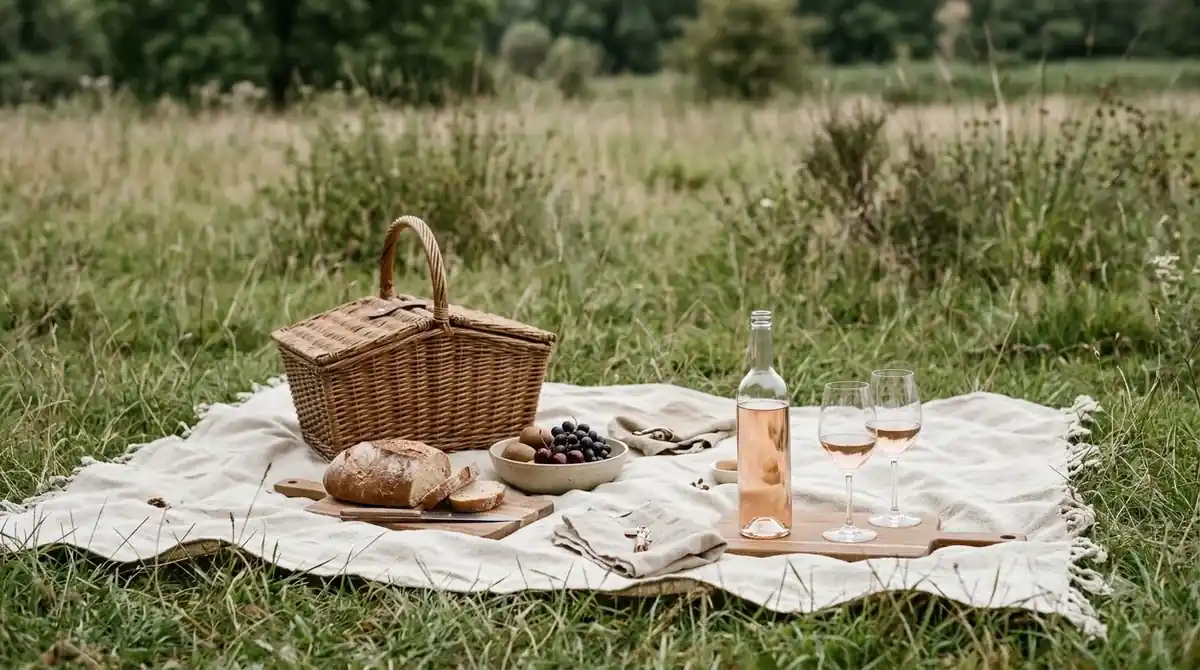
The retailer’s listed blend includes Grenache, Cinsault, Caladoc, and Syrah. These varieties contribute different elements to a finished rosé.
- Grenache: Commonly associated with ripe strawberry, raspberry, and other red-fruit flavors. It can provide a generous fruit impression without making the wine heavy.
- Cinsault: Often used in southern French rosé for its delicate red-fruit character and relatively gentle structure.
- Caladoc: A French grape crossing that can contribute color, fruit, and structure to blended wines.
- Syrah: Can add deeper berry flavors, spice, and additional structure to a rosé blend.
The precise contribution of each grape depends on its proportion and the winemaking approach. Avaline’s product page does not provide a complete current percentage breakdown, so the characteristics above are general explanations of the varieties rather than claims about specific quantities in the bottle.
How the style compares with Provence rosé expectations
Many consumers associate Provence rosé with pale color, restrained red-fruit aromas, refreshing acidity, and a relatively dry finish. Avaline fits the broad expectation of a fresh, approachable French rosé, particularly through its melon, citrus, and strawberry characteristics.
However, regional identity does not guarantee a particular level of complexity. Some Provence wines show pronounced mineral character, herbal aromas, and layered savory flavors. Avaline’s published tasting descriptions are more straightforward and fruit-focused. It is therefore better approached as an everyday drinking option than as a bottle selected for detailed regional comparison.
For another familiar bottle in this category, the Whispering Angel rosé profile offers a useful comparison when considering how different producers interpret the popular Provence style.
Food Pairings That Work Well With Avaline Rosé
Avaline Rosé is particularly suitable for lighter foods that complement its fresh fruit character and dry finish. Its acidity provides freshness alongside seafood, vegetables, salads, and soft cheeses, while its moderate structure avoids overwhelming delicate ingredients.
Seafood and lighter proteins
Grilled shrimp, scallops, white fish, and salmon are sensible pairing choices. The wine’s fruit character can complement seafood without introducing the heavy tannins that can clash with oily fish. A squeeze of lemon, fresh herbs, or a light olive-oil dressing makes these combinations especially natural.
Niçoise salad is another appropriate choice. Tuna, green beans, olives, potatoes, and tomatoes create a mixture of salty, savory, and fresh flavors. The wine’s dry character can balance the ingredients, while its fruit notes offer contrast to the olives and vegetables.
Cheese and appetizers
Soft cheeses such as chèvre and Brie are good candidates. Their creamy textures complement the wine’s light body, while the freshness of the rosé keeps the combination from feeling overly rich. A baguette, fresh berries, and marinated olives can turn this pairing into a simple appetizer spread.
Prosciutto also works well because salt and fat can soften a wine’s perceived acidity and fruit intensity. The combination of cured meat and fresh rosé provides a balanced contrast rather than competing flavors.
Vegetables and casual meals
Grilled peaches, zucchini, asparagus, and Mediterranean vegetable dishes are suitable choices. A salad with citrus vinaigrette can reinforce the wine’s fresh character, while roasted vegetables provide a slightly sweeter contrast to its dry profile.
For a casual outdoor meal, consider a combination of grilled chicken, couscous, tomatoes, cucumber, and fresh herbs. These ingredients allow the wine to remain part of the overall experience without requiring elaborate preparation.
Spicy foods require a little more care. Chili heat can feel more pronounced alongside alcohol, so heavily spiced dishes may overwhelm a delicate rosé. Mildly seasoned dishes with yogurt, fresh herbs, or citrus generally provide a more comfortable match.
One useful general principle is to match the wine’s intensity to the food. A light rosé works better with fresh seafood and simple vegetable dishes than with heavily smoked meats, rich cream sauces, or intensely spicy preparations.
Common Mistakes When Choosing or Serving Avaline Rosé
Several misconceptions can lead to disappointment with this bottle. The most important are confusing fruitiness with sweetness, assuming organic production means no sulfites, and serving the wine at an unsuitable temperature.
Assuming fruity means sweet
Melon, watermelon, and strawberry are fruit descriptors, not evidence of residual sugar. Avaline lists 0 grams of sugar per 5-ounce serving and describes its still wines as fermented dry. Someone expecting a noticeably sweet rosé may therefore find the flavor profile different from what they anticipated.
Assuming organic wine contains no sulfites
Organic wine can contain sulfites. Avaline explicitly lists sulfites among the ingredients of its rosé and states that its wines remain below 100 parts per million. The presence of sulfites does not contradict the use of organically grown grapes.
It is also important to distinguish between the producer’s ingredient disclosure and a claim that wine contains no additives whatsoever. Avaline publishes its ingredients and explains its production standards, but its product page still identifies more than grapes as ingredients.
Expecting complex, ageworthy wine
Avaline Rosé is presented as a fresh, approachable wine rather than a bottle intended for extended cellaring. Its published tasting profile emphasizes fruit and freshness. Consumers searching for pronounced mineral depth, complex savory notes, or substantial aging potential should explore other regional styles.
Serving it too warm or too cold
Serving the wine at room temperature can make its alcohol seem more noticeable and its fresh fruit character less defined. On the other hand, extremely cold temperatures can mute its delicate aromas. A target of 45–50 degrees Fahrenheit is a practical starting point.
Ignoring the difference between a wine’s label and its tasting profile
Terms such as Provence, organic, and vegan describe different aspects of the wine. None guarantees that the bottle will taste sweet, intensely fruity, or mineral-driven. Consider all these characteristics separately before deciding whether the wine suits your preferences.
Care, Storage, and Serving Tips
Proper storage helps preserve the fresh character that makes Avaline Rosé appealing. Keep the bottle away from excessive heat, direct sunlight, and large temperature fluctuations, and serve it properly chilled rather than leaving it on a warm dining table.
Before opening, store the bottle in a cool, dark location. A wine refrigerator is useful, although a standard refrigerator can also provide suitable short-term storage. The general recommendation for still wine storage is approximately 55 degrees Fahrenheit, with consistent conditions being more important than frequent temperature changes.
Because rosé is generally purchased for its freshness, there is little reason to hold an everyday bottle for many years. Enjoying it while its fruit character remains fresh is the sensible approach. Keep the bottle sealed until the intended occasion rather than opening it long before serving.
Serving the wine
For the best balance of freshness and aroma, serve Avaline Rosé between 45 and 50 degrees Fahrenheit. If the bottle has been refrigerated for several hours, it should be close to the intended serving range. A standard white-wine glass is suitable because it provides enough room to appreciate the wine’s aromas without requiring a specialized rosé glass.
A 5-ounce pour is a practical serving size. Since the bottle contains 750 ml, it provides approximately five standard servings. For a gathering of six adults, planning on at least two bottles allows for approximately ten standard pours, although actual consumption will depend on the occasion.
After opening
Refrigerate the remaining wine promptly and use a suitable wine stopper. Opened still rosé generally retains its best qualities for approximately 3–5 days in the refrigerator, although the exact result depends on how much air enters the bottle and the wine’s condition when opened.
Keep the bottle upright once opened, and avoid leaving it exposed to room temperature for extended periods. If the wine begins to lose its fresh fruit aromas or develop an unpleasant oxidized character, it may no longer provide the drinking experience intended by the producer.
Also pay attention to the bottle closure and recycling. Avaline says its packaging, including the screw cap, is recyclable, although local recycling facilities determine which materials they accept. Rinsing the bottle before recycling can help meet local collection requirements.
Frequently Asked Questions
Is Avaline Rosé sweet or dry?
Avaline Rosé is a dry wine, not a sweet blush wine. The producer lists zero grams of sugar per 5-ounce serving. Its fruity melon and strawberry aromas can give an impression of fruitiness without creating noticeable sweetness on the palate.
Is Avaline Rosé certified organic?
Avaline describes its wines as made with organic grapes and explains that its French producers obtain organic certification through Ecocert. The distinction is important because wine made with organic grapes is not necessarily the same certification category as wine labeled organic under every country’s regulations.
Does Avaline Rosé contain animal-derived ingredients?
Avaline says it uses animal-free fining practices. Its FAQ specifically identifies egg whites, fish bladders, and casein as animal-derived materials that are not used in its fining process. This makes the wine suitable for consumers seeking a vegan-friendly production approach.
Does Avaline Rosé have a screw cap?
Avaline describes its packaging as recyclable, including its screw cap. The closure is convenient for casual meals and makes resealing an opened bottle straightforward. Local recycling facilities determine whether the bottle and closure can be accepted together or need separate handling.
How long does an unopened bottle of Avaline Rosé last?
There is no universal guaranteed shelf life for every bottle because storage conditions and vintage characteristics matter. A fresh, everyday rosé is generally intended to be enjoyed relatively young rather than cellared for a decade. Keeping it away from heat, sunlight, and repeated temperature changes helps preserve its intended fruit character.
Avaline Rosé is a sensible option for drinkers who want a dry, approachable French rosé with fresh fruit flavors, organically grown grapes, and clearly disclosed ingredients. Its 12.5% ABV, vegan-friendly production, and light melon-and-citrus profile make it particularly suited to casual meals and relaxed gatherings. Choose it for straightforward refreshment and ingredient transparency rather than elaborate complexity, and serve it properly chilled to get the most from its fresh style.
More in Wine Brands
 Underwood Wine Price: Compare Bottles, Cans, and Pack SizesUpdated Nov 21, 2026
 Zenato Wine Price: Compare Styles and Choose the Right BottleUpdated Nov 21, 2026
 Zuccardi Wine Price: Compare Bottles and Find the Right RangeUpdated Nov 21, 2026
 Yellow Tail Moscato Review: Taste, Sweetness and Serving TipsUpdated Nov 21, 2026
 Wolf Blass Yellow Label Review: Choose Your Best StyleUpdated Nov 21, 2026
 Wolffer Estate Rose Review: Choose the Right Bottle for Your TableUpdated Nov 21, 2026