

We may earn a commission when you buy through links on this page, at no extra cost to you. Learn more.
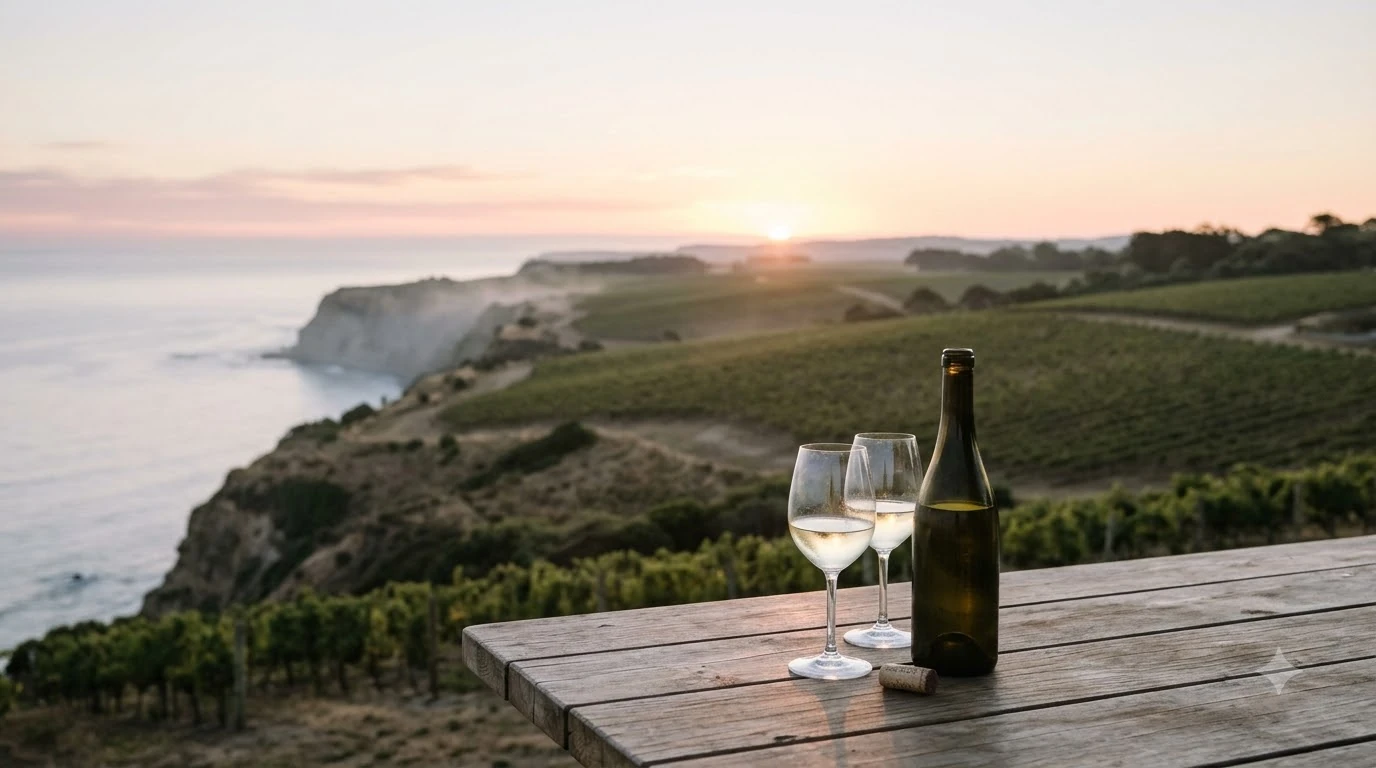
The best niagara wineries for a first visit are the estates that match the kind of day you want: Inniskillin for Icewine, Cave Spring for Riesling, Big Head for inventive cellar work, and Reif or Ravine for food alongside the wine. Niagara is not one single tasting-room district, so a good shortlist starts with the area you want to explore. The Niagara Peninsula combines the Niagara-on-the-Lake vineyards with the Benchlands along the Escarpment, and each offers a different mix of wines and visitor experiences. Plan around two or three focused stops rather than racing through a long list.
Niagara, Ontario, is a cool-climate wine region where Lake Ontario and the Niagara Escarpment shape vineyard conditions. It is known for Riesling, Chardonnay, Pinot Noir, Cabernet Franc, sparkling wine, and Icewine, but its appeal goes beyond the bottle: visitors can book guided flights, walk vineyard rows, eat at winery restaurants, or explore smaller producers. This guide explains which estates suit different interests and how to build a visit that leaves enough time to enjoy each stop.
Who This Is For
Niagara suits visitors who want more than one kind of winery experience in a single trip. A first-time visitor might pair Inniskillin, known for Vidal Icewine, with Reif Estate Winery for a tasting, vineyard walk, and meal. Inniskillin also has historical significance: it was the first Canadian winery to secure a winery licence after Prohibition, becoming the country’s first estate winery. For a focused tasting, consider Cave Spring Vineyard on the Beamsville Bench or Queenston Mile Vineyard on St. David’s Bench.
Food-focused travelers can choose Ravine Vineyard Estate Winery for farm-to-table dining, Two Sisters Vineyards for Italian-influenced food at Kitchen76, or Trius Winery for a restaurant recognized by the MICHELIN Guide and an outdoor Wine Garden in warm weather. These stops suit visitors who want lunch or dinner to be part of the winery visit.
For unusual winemaking, visit Big Head Wines, which uses wild fermentation and appassimento. Westcott Vineyards focuses on small-lot Pinot Noir and Chardonnay, while 13th Street Winery combines wine with an art gallery, sculpture garden, seasonal bistro, and bakery. To narrow the area, start with our guide to the best niagara on the lake wineries.
Key Factors to Compare
The strongest winery choice depends on what you want to taste, how much structure you want in the visit, and whether you need food or outdoor space on site. Compare the experience before choosing based on photographs or reputation alone.
| What to compare | Niagara example | Specific detail to plan around |
|---|---|---|
| Short, guided tasting | Big Head Wines | Destination Ontario describes a 45-minute tasting with five pours; a group cellar option features six wines. |
| Vineyard setting and focused varietals | Queenston Mile Vineyard | The vineyard covers 20 hectares and specializes in Pinot Noir Rosé and Chardonnay. |
| Riesling and Chardonnay | Cave Spring Vineyard | The producer has a vineyard tasting room on the Beamsville Bench and a second tasting room in historic Jordan Village. |
| Food with the tasting | Reif Estate Winery | Its vineyards were first planted in 1977; the winery was established in 1982 and has a restaurant, patio, and private tasting option. |
| Seasonal bistro and bakery | 13th Street Winery | The seasonal farmhouse bistro generally operates from early May to mid-October. |
| Farm-to-table dining | Ravine Vineyard Estate Winery | Destination Ontario notes more than 300 tomato varieties and 40 beehives on the property. |
Match the winery to the time available. Big Head’s 45-minute flight is a defined appointment, while lunch at Ravine or Two Sisters takes a larger part of the afternoon. For a grape-focused visit, choose Cave Spring for Riesling and Chardonnay, Queenston Mile for Pinot Noir Rosé, or Inniskillin for Icewine. Destination Ontario’s Niagara winery guide is a useful next stop for comparing more estates and tasting formats.
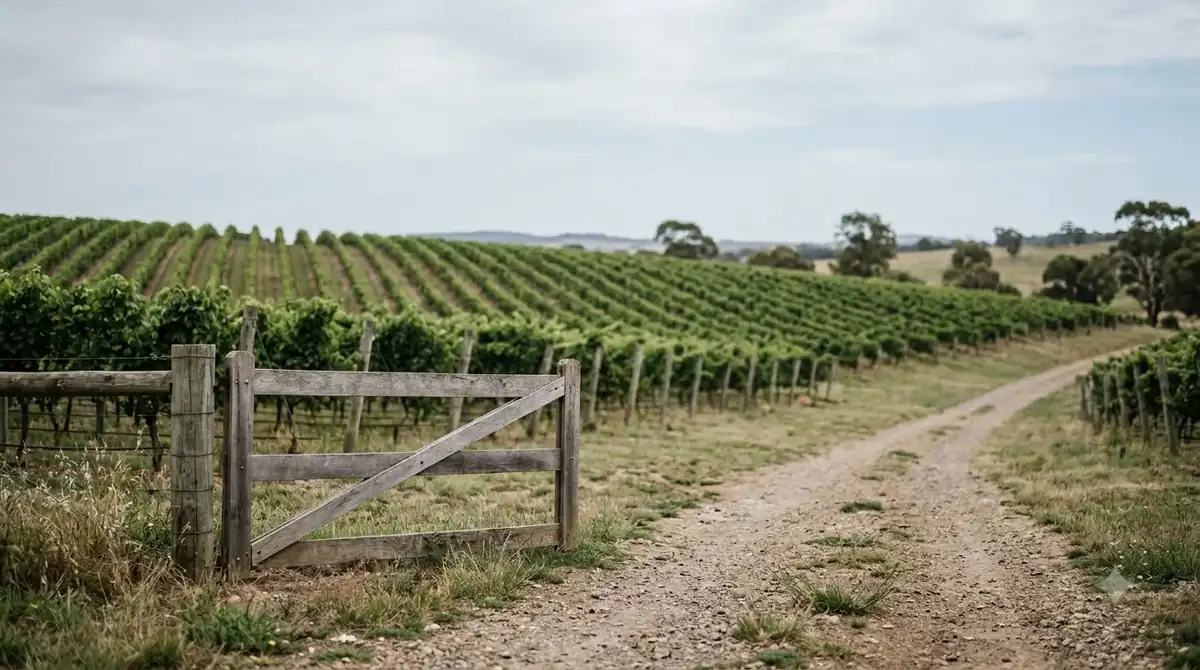
Consider location as carefully as wine style. Niagara-on-the-Lake has a cluster of estates, while Beamsville, Vineland, Jordan, and Twenty Mile Bench suit a Benchlands route. The Niagara Peninsula includes sub-appellations such as Beamsville Bench, St. David’s Bench, Four Mile Creek, and Creek Shores, so Cave Spring and Inniskillin are not interchangeable nearby stops.
Step-by-Step
A smooth Niagara wine day begins with a small geographic plan, then adds tasting appointments and a meal. Two or three wineries are usually enough for a relaxed itinerary, especially when one stop includes lunch, a cellar experience, or a vineyard walk.
- Choose one area for the day. Pick Niagara-on-the-Lake for a cluster of established estates, restaurants, and Icewine-focused visits. Pick the Benchlands for a route built around Beamsville Bench, Twenty Mile Bench, or nearby small producers such as Malivoire, Westcott, and Domaine Le Clos Jordanne.
- Set a wine theme. Decide whether the day is about Riesling and Chardonnay, Pinot Noir and Cabernet Franc, sparkling wine, or Icewine. A focused theme makes it easier to compare how different producers interpret a grape or style instead of tasting unrelated wines without a plan.
- Book the experience that matters most. Reserve a restaurant table or a specific tour first, then arrange the other tasting around it. Big Head’s published tasting format is 45 minutes for five pours, while Destination Ontario describes Reif’s private Winemaker’s Loft tastings and guided vineyard walks.
- Leave room between stops. Build in time for the tasting, questions, purchases, and the drive to the next property. If a winery has a restaurant, garden, cellar, or art display, do not schedule the next appointment so tightly that you need to leave immediately.
- Plan a safe ride before the first pour. Use a designated driver, a hired car, or a guided wine tour rather than treating the route as an ordinary sightseeing drive. Share the list of wineries and appointment times with the driver so the day does not depend on last-minute changes.
- Finish with the wine you most want to remember. Put the specialist tasting or signature experience at the end of the route if that is the main reason for the trip. For example, finish with Inniskillin for Icewine or with a restaurant-led visit at Ravine, Reif, or Two Sisters.
For a first visit, plan one morning tasting, a seated lunch, and one afternoon tasting. With more than one night, give Niagara-on-the-Lake and the Benchlands separate days rather than crossing the region repeatedly.
Check the tasting menu, appointment policy, restaurant hours, and seasonal dates directly with each winery. Walk-ins may be accepted for a basic tasting, while a cellar tour, guided flight, or private group visit may require advance booking.
Types or Styles Explained
Niagara’s appeal comes from its cool-climate wines and distinct regional areas. Choose a route that introduces you to defining grapes and production styles, not just attractive winery buildings.
Riesling and Chardonnay
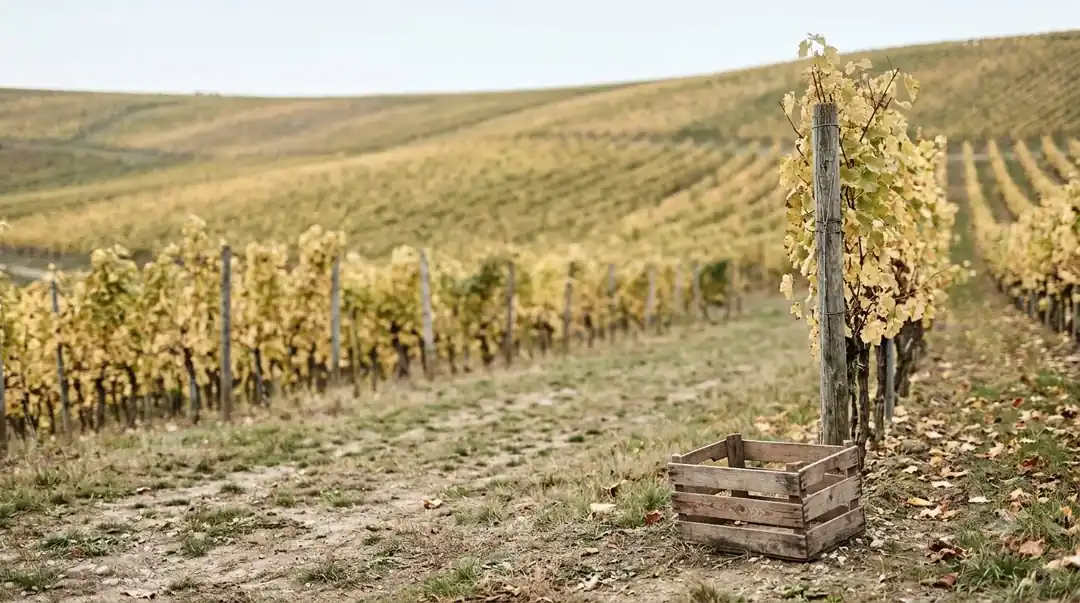
Riesling is a Niagara signature, often showing citrus, orchard fruit, and bright acidity. Cave Spring is a strong stop for Riesling and Chardonnay, while Vineland Estates offers a scenic setting and a notable Riesling program. Chardonnay ranges from crisp and mineral to fuller and oak-influenced, making it useful to compare across estates.
Pinot Noir, Gamay, and Cabernet Franc
Niagara’s cooler conditions suit Pinot Noir, Gamay Noir, and Cabernet Franc. Queenston Mile highlights Pinot Noir Rosé and Chardonnay from St. David’s Bench, while Westcott specializes in small-lot Pinot Noir and Chardonnay. Cabernet Franc is a good choice for red-fruit character, fresh acidity, and herbal notes.
Icewine and sparkling wine
Icewine is Niagara’s signature dessert wine. The grapes remain on the vine until naturally frozen, then are harvested and pressed while frozen; Ontario rules require minus 8 degrees Celsius or colder. Inniskillin is a relevant stop for Vidal-based bottlings. Serve Icewine well chilled with a dessert no sweeter than the wine.
Sparkling wine is another category to explore. Niagara-on-the-Lake’s tourism office highlights sparkling wines among its fall offerings, alongside bold reds. A flight can show differences in texture and freshness; ask whether each wine uses traditional bottle fermentation or another method.
Benchlands and Niagara-on-the-Lake
Niagara-on-the-Lake is one regional appellation within the broader Niagara Peninsula. Its vineyards lie between Lake Ontario and the Niagara Escarpment, where lake breezes moderate temperatures. The Escarpment area includes Beamsville Bench, Twenty Mile Bench, and Short Hills Bench. Malivoire is a useful Beamsville stop for gravity-flow winemaking; Domaine Le Clos Jordanne is known for Burgundian-style Chardonnay and Pinot Noir. For a mapped cluster of Benchlands producers, use the Niagara Benchlands wine route.
For a visitor, the practical distinction is straightforward: Niagara-on-the-Lake suits a day combining larger estates, restaurants, and town visits, while the Benchlands are especially rewarding for people who want to compare smaller producers and vineyard sites. Neither is automatically better. Choose based on the wines and experiences you want, then keep the route compact enough to enjoy the differences.
Common Mistakes
A common planning mistake is treating Niagara as one compact tasting district. The Niagara Peninsula is broad, and adding stops, traffic, and appointments can make a map route longer than expected.
Do not choose wineries only by name recognition. Inniskillin suits Icewine fans, while Westcott or Queenston Mile may better fit visitors seeking small-lot Pinot Noir. For a full meal, consider Ravine, Reif, Two Sisters, Trius, or 13th Street rather than a tasting room focused on flights.
Do not assume every winery has the same format. A tasting flight, vineyard walk, food pairing, cellar tour, and seated restaurant meal require different amounts of time and may have separate booking rules. Big Head’s five-pour tasting is described as a 45-minute experience, but that is not a universal duration for Niagara tasting rooms. Read the experience description before deciding how many visits can fit into one day.
Do not overlook seasonal schedules. The 13th Street farmhouse bistro operates from early May to mid-October, and patios or outdoor kitchens are more weather-dependent than indoor tasting rooms. Winter is a good season to seek Icewine, but summer restaurant and tour schedules may change.
Finally, avoid turning the trip into a buying contest. You do not need to purchase a bottle at every stop, and a cellar visit is useful even when you leave with only tasting notes. If you are comparing Niagara with another North American destination, our guides to the best temecula wineries and best paso robles wineries offer useful contrasts in climate, grape varieties, and the style of wine-country day.
Care or Storage Tips
Protect purchased wine from heat and direct sun on the journey home. Keep bottles shaded and secure; if you are visiting several wineries, ask whether purchases can be held until the end of the day or use an insulated carrier.
Store bottles intended for aging on their sides in a cool, dark place near 55 degrees Fahrenheit, away from kitchen heat, sunny windows, and vibration. Many fresh Rieslings, rosés, and lighter reds are best enjoyed young, while selected Cabernet Franc, Pinot Noir, or Chardonnay may reward bottle time depending on producer and vintage.
Serve the wines at temperatures that suit their weight. Light whites and rosé generally show well at 45 to 50 degrees Fahrenheit; fuller-bodied Chardonnay is better around 50 to 55 degrees. Light reds such as Pinot Noir can be served slightly cool, around 55 to 60 degrees, while fuller reds work around 60 to 65 degrees. Sweet whites and Icewine are typically best at 43 to 50 degrees, and sparkling wine at 40 to 50 degrees.
A 750-milliliter bottle gives about five 5-ounce pours. Refrigerate opened still wine and finish it within three to five days; sparkling wine usually keeps for one to three days with a sparkling-wine stopper. Record the producer, grape, and vintage for bottles you especially enjoy.
Tip: Keep a simple note on your phone for each stop: winery, grape, vintage, and one or two impressions. When you get home, those details make it much easier to choose a second bottle or explain what you liked about a Niagara wine.
Frequently Asked Questions
How many wineries are in the Niagara Peninsula?
The Ontario Wine Appellation Authority lists 105 wineries in its Niagara Peninsula appellation statistics. That figure refers to the appellation, which is broader than Niagara-on-the-Lake alone, so it is not a count of tasting rooms in one town.
What does VQA mean on a Niagara wine label?
VQA stands for Vintners Quality Alliance, Ontario’s regulated wine appellation and certification program. The designation connects a wine to defined geographic origin and production standards, giving buyers a way to identify wines made under Ontario’s appellation rules.
What origin rules apply to certified Ontario Icewine?
Ontario’s VQA Icewine rules require 100% of the grapes to come from a recognized viticultural area, with at least 85% grown in the named viticultural area shown on the label. Pressing must also take place within the viticultural area where the grapes were grown.
How sweet is certified Ontario Icewine?
Ontario’s regulation requires the finished Icewine to have at least 100 grams per liter of residual sugar from the grapes’ natural sugar. That is why a small pour can work as a dessert on its own, or alongside fruit-based desserts and cheeses.
How many grape varieties grow in the Niagara Peninsula?
The Ontario Wine Appellation Authority says the region supports more than 46 grape varieties across 13,600 acres. That range helps explain why a Niagara itinerary can include aromatic whites, sparkling wines, rosé, lighter reds, structured reds, and dessert wines.
The best Niagara winery itinerary is the one built around the wines and experiences you genuinely want to remember, whether that means Icewine at Inniskillin, Riesling at Cave Spring, or a vineyard meal at Ravine or Reif. Pick one area, book the signature stop, and leave time to enjoy the region rather than racing through it.
More in Wine Buying Guides
 Cheap Red Blend: How to Find a Flavorful Bottle for LessUpdated Nov 20, 2026
 Pinot Grigio Gift: How to Choose a Bottle They’ll EnjoyUpdated Nov 20, 2026
 Best White Wine at Total Wine for Every MealUpdated Nov 20, 2026
 Wine Fridge Replacement Shelves: Find the Right FitUpdated Nov 20, 2026
 Best Sparkling Wine Under 20: Find Bubbles Worth BuyingUpdated Nov 20, 2026
 Best Wine For Birthday Celebrations With Perfect Party PairingsUpdated Nov 20, 2026