


We may earn a commission when you buy through links on this page, at no extra cost to you. Learn more.
The best rose at total wine depends on your preferred sweetness and style, but Olema Côtes de Provence Rosé, Miraval Côtes de Provence Rosé, and Bougrier Rosé d’Anjou are useful starting points for shoppers exploring French pink wines. For a crisp, dry bottle, begin with Provence; for a fruitier option, compare rosés from Anjou or the Rhône Valley. Total Wine also carries California, Italian, and sparkling rosé, making it possible to find something for seafood dinners, summer gatherings, and sweeter wine preferences.
Rosé is one of the most versatile categories in a wine store, but its range can make choosing a bottle surprisingly difficult. A pale French rosé, a deeper-colored Rhône blend, and a sweet California blush wine can look similar on the shelf while offering very different drinking experiences. The easiest way to shop is to start with sweetness, narrow the selection by region or grape, and then consider what you plan to serve alongside the wine.
Who Should Buy Rosé at Total Wine?
Total Wine is a useful destination for rosé shoppers because its selection covers several major wine-producing countries, sweetness preferences, and occasions. Its French section is a particularly practical starting point, with recognizable regional names such as Provence, Anjou, and Côtes du Rhône.
Shoppers who enjoy crisp white wines may appreciate a dry Provence rosé. These wines commonly combine delicate red-fruit aromas with refreshing acidity and a clean finish. Olema Côtes de Provence Rosé is one option in Total Wine’s assortment. Its published product description identifies floral and strawberry aromas, medium body, and balanced acidity. Those characteristics make it a reasonable starting point for someone looking for a versatile French rosé rather than an overtly sweet blush wine.
Miraval Côtes de Provence Rosé is another recognizable name worth investigating. Its regional identity makes it relevant to shoppers interested in the lighter, dry Provençal style. However, choosing between two wines from the same region still involves considering their individual balance, body, and flavor descriptions. A regional designation provides a useful expectation, not a guarantee that every bottle will taste identical.
Other shoppers may prefer a rounder fruit profile. Bougrier Rosé d’Anjou provides an opportunity to explore a different French regional tradition. Anjou rosés can appeal to people who enjoy approachable fruit flavors and want an alternative to the leaner Provençal profile. The important distinction is whether the individual wine is dry or off-dry, rather than assuming every French rosé tastes the same.
Rosé also makes sense for people who want one bottle to serve with several different foods. Its acidity and moderate structure can work with chicken, salads, grilled vegetables, and many seafood dishes. For shoppers comparing other wine categories at the same retailer, the best pinot noir at total wine guide offers a useful next step for exploring light-bodied red wines.
Key Factors to Compare Before Buying
The most useful comparison points are sweetness, acidity, body, grape variety, and region. Looking at these five characteristics will help narrow a large selection into a few bottles that fit the occasion.
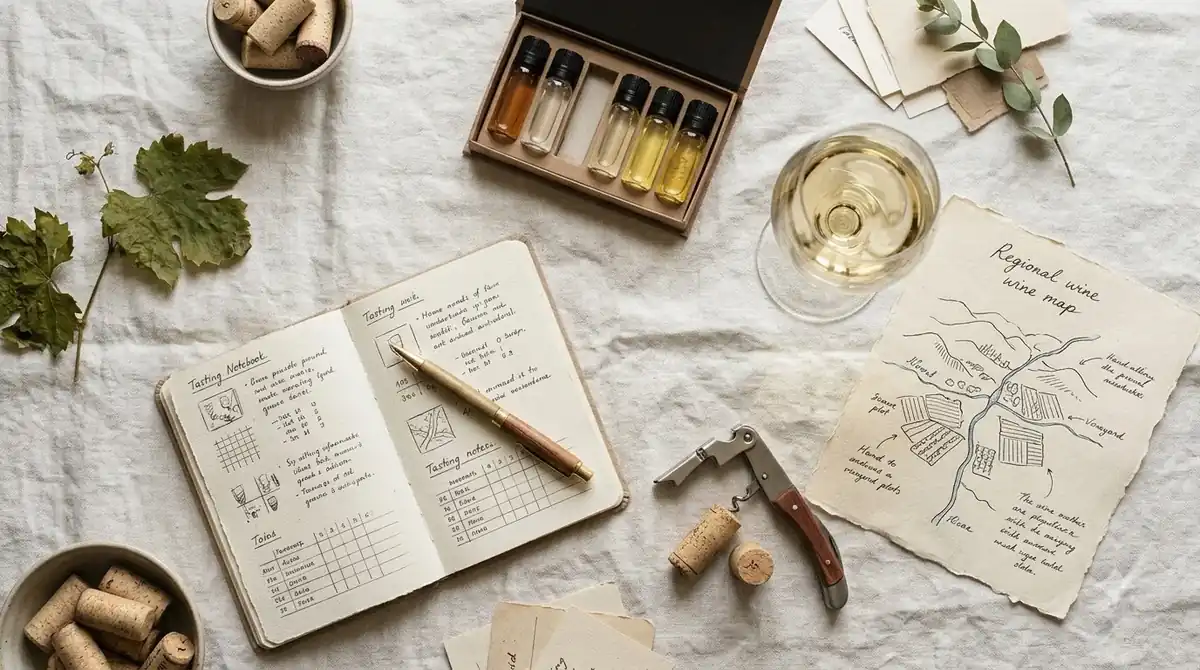
Sweetness should come first because it has a major influence on the overall experience. Dry rosé has little perceptible sweetness and generally emphasizes acidity, citrus, herbs, and fresh red fruit. Off-dry rosé has a noticeable but restrained sweetness, while sweet rosé can taste distinctly like ripe strawberries, watermelon candy, or peach nectar.
Acidity determines how refreshing a wine feels. A high-acid rosé tends to produce a mouthwatering sensation and works particularly well with seafood, vinaigrettes, and salty foods. A wine with lower acidity and more noticeable sweetness may feel softer and rounder. Neither approach is inherently better; the right choice depends on personal preference and the food being served.
Body is another important consideration. Light-bodied rosé generally feels delicate and crisp, while fuller-bodied examples have more weight and concentration. Tavel, for example, is a French rosé style known for its deeper structure. A shopper who normally enjoys substantial red wines may find this more satisfying than an especially delicate Provence bottle.
Grape variety provides additional clues. Grenache frequently contributes red-fruit flavors, while Cinsault can help produce fresh, approachable wines. Syrah may bring more color and savory character. Pinot Noir generally produces a delicate rosé with bright acidity and subtle berry flavors.
| Comparison factor | What to look for | Typical result |
|---|---|---|
| Sweetness | Dry, off-dry, sweet | Ranges from crisp to noticeably fruity |
| Acidity | Fresh, lively, tart | More acidity creates a refreshing finish |
| Body | Light, medium, full | Changes the wine’s weight and texture |
| Grape | Grenache, Syrah, Pinot Noir | Influences fruit, structure, and aroma |
| Region | Provence, Anjou, Rhône | Provides clues about traditional style |
| Serving temperature | 45–50°F for light rosé | Preserves freshness and acidity |
| Bottle size | 750 ml | Approximately five standard 5 oz pours |
Alcohol content can provide another useful clue, although it should not be treated as a definitive sweetness indicator. Many rosés fall around 11% to 14% ABV, but the actual figure varies with grape variety, climate, and winemaking decisions. A lower-alcohol wine may be sweeter, but that relationship is not universal.
Finally, consider the occasion. A crisp rosé for an afternoon picnic does not need the same body as a bottle intended to accompany grilled lamb or roasted chicken. Matching the wine’s structure to the meal often produces a better result than choosing exclusively by label appearance or popularity.
Step-by-Step: How to Choose a Bottle at Total Wine
A simple shopping process makes a large rosé selection easier to understand. Start with your preferred sweetness, narrow the choices by region, and then compare individual wine descriptions before making a final decision.
- Decide whether you want dry or sweet wine. If you usually drink Sauvignon Blanc, Pinot Grigio, or other crisp whites, begin with dry rosé. If you prefer fruit-forward wines, consider off-dry or sweet options. This first decision eliminates many bottles that would otherwise be poor matches for your taste.
- Choose a regional starting point. Provence is a dependable direction for dry, refreshing rosé. Anjou offers another French style worth exploring, while the Rhône Valley provides options with more noticeable fruit and structure. California is useful when you want to explore a wider range of modern pink wine styles.
- Compare the grapes. Grenache, Cinsault, and Mourvèdre commonly appear in southern French blends. Syrah can contribute deeper color and savory flavors. Pinot Noir is a useful option for someone who likes delicate red-fruit aromas and lively acidity.
- Read the product descriptions. Look for concrete tasting terms such as strawberry, watermelon, citrus, mineral, floral, pepper, and herbal. Also pay attention to words describing body and finish. A description of balanced acidity and medium body suggests a different experience from one emphasizing pronounced sweetness.
- Consider the food. Select a crisp bottle for oysters, shrimp, and fresh salads. Choose a more structured rosé for grilled chicken, pork, and Mediterranean dishes. For spicy meals, consider a slightly off-dry style.
- Compare available bottle information. Look at the region, grape composition, vintage, bottle size, and alcohol percentage. If you are considering several wines, compare these details rather than relying on label color alone.
- Make the final selection based on the occasion. A dinner party may call for a versatile dry rosé, while a casual gathering with guests who prefer sweeter wines may justify a fruitier bottle. If several people have different preferences, choosing two contrasting styles can be more practical than expecting one bottle to satisfy everyone.
This approach also helps avoid an unnecessarily complicated shopping trip. There is no requirement to understand every French appellation or grape variety before selecting a good bottle. Knowing whether you want a light, dry wine or a fuller, fruitier one is enough to establish a useful direction.
Tip: If you are uncertain about sweetness, start with a dry Provence rosé and compare it with an off-dry French or California bottle. Tasting the two styles side by side makes the difference between crisp fruit and noticeable residual sugar much easier to recognize.
Types of Rosé Explained: French, Italian, and California Styles
Regional style is one of the easiest ways to organize the rosé selection at Total Wine. Provence, the Rhône Valley, Anjou, Italy, and California each offer different combinations of grape varieties, fruit character, acidity, and body.
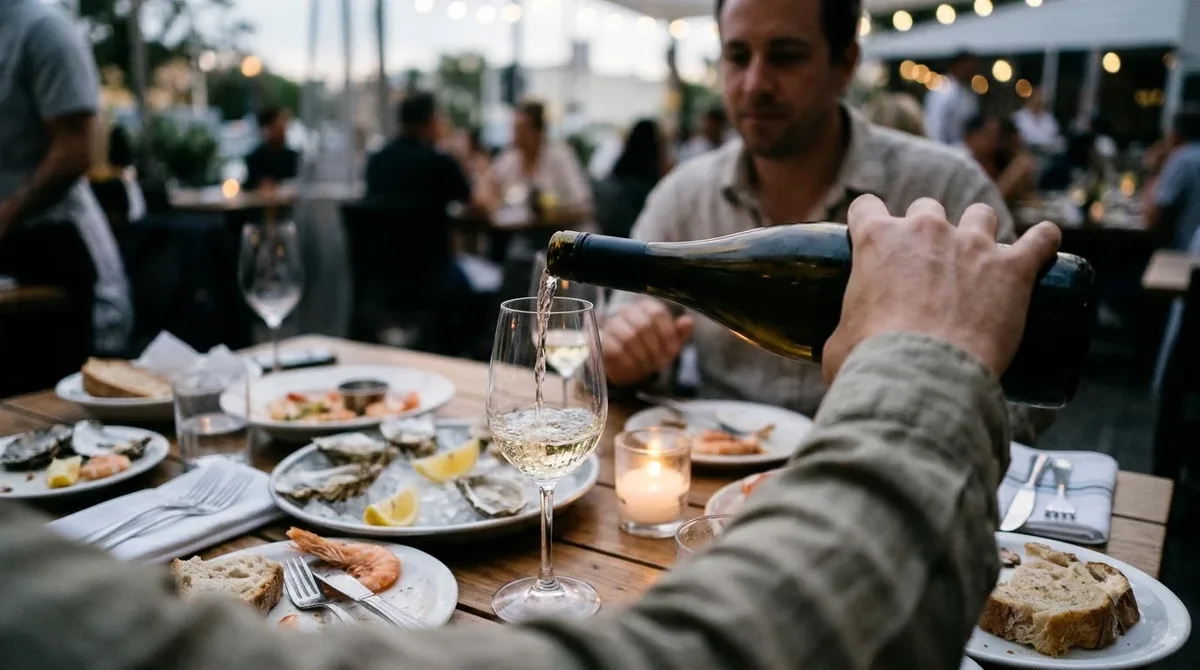
Provence Rosé: The Classic Dry Choice
Provence is an excellent starting point for someone who wants a dry, refreshing pink wine. These wines are frequently made with Grenache, Cinsault, Syrah, and Mourvèdre. Common characteristics include strawberry, watermelon, subtle floral aromas, citrus-like freshness, and a mineral finish.
Olema Côtes de Provence Rosé and Miraval Côtes de Provence Rosé are two recognizable options appearing in Total Wine’s assortment. Both provide an opportunity to explore the region’s established dry rosé identity. Olema’s published description specifically mentions floral aromas, strawberries, medium body, and balanced acidity.
Provence rosé works especially well with grilled shrimp, Mediterranean salads, goat cheese, and roast chicken. It is also suitable as an aperitif because its acidity and relatively light structure make it refreshing before a meal.
Anjou Rosé: A Fruit-Forward Alternative
Rosé d’Anjou is a useful category for shoppers who want to explore a different expression of French rosé. Compared with the classic lean Provence profile, some Anjou wines offer a softer, more fruit-forward experience. Depending on the wine, shoppers may encounter strawberry, raspberry, and other fresh berry characteristics.
Bougrier Rosé d’Anjou is listed in Total Wine’s selection and provides a convenient regional reference point. It is worth considering for someone who wants to compare a Loire Valley rosé with a bottle from southern France. The important consideration is its actual sweetness level, since the Anjou designation alone does not establish precisely how sweet an individual wine will taste.
This category can work well with picnic foods, mild cheeses, fruit-based appetizers, and lightly seasoned chicken. An off-dry example can also complement dishes with moderate chili heat better than a bone-dry wine.
Côtes du Rhône Rosé: More Fruit and Structure
The Rhône Valley produces rosé wines that can offer more noticeable fruit and body. Grenache is particularly important in many southern Rhône blends, often accompanied by Syrah and Cinsault. Expect possible flavors of strawberry, cherry, watermelon, and herbs.
Guy Mousset Côtes du Rhône Rosé is one of the French selections listed by Total Wine. It gives shoppers another regional option when comparing wines beyond Provence. A Rhône rosé can be a good choice for grilled vegetables, roast chicken, pork, and moderately seasoned Mediterranean food.
For a fuller-bodied alternative, Tavel is another southern Rhône style worth recognizing. Wine Folly describes Tavel rosé as more structured than many pink wines, with Grenache and Cinsault playing important roles. It is particularly relevant to drinkers who want a rosé that can stand alongside substantial grilled dishes. Its guide to rosé wine styles also explains how grape varieties influence color, acidity, and flavor.
Italian Rosato and Spanish Rosado
Italian rosato and Spanish rosado expand the selection beyond France. Italian rosato can feature grapes such as Sangiovese, with strawberry, melon, peach, and refreshing acidity. Some examples have a slightly savory or gently bitter finish that makes them particularly useful with food.
Spanish rosado frequently uses Garnacha, the Spanish name for Grenache. Depending on the producer and region, the wine can be relatively light or more concentrated and fruit-forward. It is a useful direction for someone who wants a dry pink wine with a little more red-fruit character.
These categories are particularly suitable for grilled chicken, tomato-based dishes, seafood, and vegetable preparations. They also provide an opportunity to explore wines beyond the familiar pale Provençal appearance.
California Rosé: A Wider Range of Styles
California is an especially interesting category because its rosé production spans a broad range of sweetness and body. Pinot Noir rosé can be delicate and bright, while Syrah and Cabernet Sauvignon rosés may offer deeper colors and more noticeable savory characteristics.
California also has a long association with White Zinfandel, a sweeter style of rosé. Shoppers who enjoy watermelon, strawberry, and soft fruit flavors may find it approachable. Those seeking a dry wine should distinguish White Zinfandel from California’s modern dry rosé offerings rather than treating all pink wines from the state as interchangeable.
For shoppers who prefer to move from pink wine to red wine, the best red wine at total wine guide provides a starting point for comparing Cabernet Sauvignon, Merlot, and other red varieties.
Common Mistakes When Buying Rosé
The biggest rosé shopping mistakes involve judging sweetness by color, confusing fruit flavors with sugar, and assuming that every French rosé tastes like Provence. Understanding these distinctions prevents disappointing purchases and makes regional comparisons more useful.
Assuming Pale Rosé Is Always Dry
A pale salmon-colored wine may look like a classic dry Provence rosé, but appearance does not establish sweetness. Residual sugar is determined by fermentation and winemaking decisions, while color primarily reflects grape variety and skin contact.
Similarly, a dark pink or ruby-colored wine is not automatically sweet. Tavel provides a good example of a deeper-colored French rosé that can be completely dry and structured. Wine drinkers should therefore pay more attention to the wine’s regional identity, grapes, and tasting description than its appearance.
Confusing Fruity Flavors with Sweetness
Strawberry, raspberry, watermelon, and peach are common rosé tasting descriptors. They describe aromas and flavors rather than necessarily indicating residual sugar. A dry Grenache rosé can smell strongly of ripe strawberries while finishing crisp and refreshing.
This distinction is particularly important for shoppers who enjoy fruit-forward wines but dislike sugary finishes. A dry wine can have intense fruit character without tasting like fruit juice.
Assuming All French Rosé Is Identical
France produces several different rosé styles. Provence generally emphasizes freshness and delicacy, Anjou offers other expressions of French pink wine, and Tavel is known for greater body and structure. A shopper who dislikes one style should not automatically dismiss every French rosé.
The same principle applies to comparing grapes. Grenache and Pinot Noir do not necessarily produce the same body or aroma profile, even when grown in similar regions. Reading the grape composition helps explain why two bottles from France can taste noticeably different.
Choosing Only by Label Design
Rosé bottles frequently use attractive labels, unusual bottle shapes, and pale pink glass or packaging. These details can make a bottle memorable, but they are not reliable indicators of quality or sweetness.
It is more useful to identify the region, producer, grape varieties, and expected style. If the product description mentions acidity, body, and fruit characteristics, those details provide a much stronger basis for comparison than packaging alone.
Serving Every Rosé Too Cold
Very cold temperatures can suppress delicate aromas and make a wine seem less expressive. Light-bodied rosé benefits from refrigeration, but a fuller-bodied Tavel or Mourvèdre-based example may show more character when allowed to warm slightly in the glass.
There is no need to serve every bottle at the same temperature. A little adjustment based on body and structure can improve the overall drinking experience.
Care, Serving, and Storage Tips for Rosé
Rosé generally benefits from cool serving temperatures and careful storage away from heat and sunlight. Most everyday bottles are intended to be enjoyed relatively young, so proper chilling and sensible storage are more important than extended aging.
Choose the Right Serving Temperature
Light-bodied rosé is best served around 45–50°F. This temperature keeps the wine refreshing while allowing its fruit and floral aromas to remain noticeable. It works particularly well for light Provence wines, delicate Pinot Noir rosé, and other crisp styles.
Fuller-bodied rosé can be served slightly warmer, around 50–55°F. This gives more concentrated wines additional room to express their aromas and texture. A structured Tavel or a fuller Syrah rosé may benefit from this approach.
A refrigerator is generally sufficient for chilling a bottle. Several hours of refrigeration will usually bring the wine into a suitable range. If the bottle becomes too cold, leave it on the table for a few minutes before serving.
Use Appropriate Glassware
A standard white wine glass is suitable for most rosé. Its shape allows the aromas to collect while providing enough room to swirl the wine gently. There is no need to purchase specialized glassware for an everyday bottle.
For a casual gathering, smaller pours can also help maintain serving temperature. A standard 750 ml bottle provides approximately five 5 oz glasses, making it straightforward to estimate how many bottles are needed for a dinner or picnic.
Store Unopened Bottles Properly
Store rosé in a cool, dark location with relatively stable temperatures. A storage temperature near 55°F is a useful general target for wine. Keep bottles away from windows, ovens, radiators, and other sources of heat.
If a bottle has a natural cork, horizontal storage helps keep the cork in contact with the wine during longer storage. Avoid repeatedly moving bottles between warm and cold locations, as temperature fluctuations can negatively affect wine quality.
Preserve Opened Rosé
Once opened, reseal the bottle with its original closure or a suitable wine stopper and refrigerate it. Most still rosé should remain enjoyable for approximately three to five days, although freshness gradually declines after opening.
Try to minimize the amount of air in the bottle when storing leftovers. If the wine begins losing its fresh fruit character or develops an oxidized aroma, it may no longer be at its best. Keeping it chilled and tightly closed helps preserve its freshness for the next pour.
Rosé can also be used in cooking when a small amount remains in an opened bottle. Dry styles work in light pan sauces for chicken, shrimp, or vegetables. Avoid using a sweet rosé in savory recipes unless the dish specifically benefits from added sweetness.
Frequently Asked Questions
These answers address additional practical questions about shopping for, serving, and understanding rosé at Total Wine. They also explain a few details that are useful beyond choosing a particular bottle.
Is rosé made by mixing red and white wine?
Most still rosé is produced by allowing red grape juice to remain in contact with grape skins briefly before separating the juice. This process extracts color and some flavor without the extended extraction used for red wine. Certain rosé production methods and regional rules differ, but simple red-and-white blending is not the usual method for traditional still rosé.
How long does rosé last before its vintage becomes too old?
Many everyday rosés are intended for consumption within one to two years of release. Some structured wines made from Mourvèdre, Cabernet Franc, or other varieties can develop additional complexity with suitable storage. However, extended aging is not a requirement for most fresh, fruit-driven bottles.
Can rosé be served in a champagne flute?
Still rosé is generally better suited to a regular wine glass because its wider bowl allows aromas to develop. Sparkling rosé can be served in a flute, but a tulip-shaped sparkling glass also provides room to appreciate the wine’s aromas. The choice depends on whether the wine is still or sparkling.
What does the term saignée mean on a rosé wine description?
Saignée is a French winemaking technique in which some pink juice is drawn off from a red wine fermentation after initial skin contact. The remaining red wine becomes more concentrated, while the separated juice can be fermented separately as rosé. It is one of several ways producers make pink wine.
Is organic rosé necessarily different in taste from conventional rosé?
Organic certification concerns vineyard and production practices rather than a guaranteed flavor profile. An organic rosé can be dry, sweet, light, or full-bodied, just like conventionally produced wine. Grape variety, climate, fermentation, and winemaking choices remain important influences on the finished wine.
The best rosé at Total Wine is the bottle that matches your preferred sweetness, body, and food pairing rather than simply the palest or most recognizable label. Start with Olema or Miraval for a Provence-style experience, compare Bougrier Rosé d’Anjou for another French direction, and explore Rhône, Italian, and California options as your preferences develop. A little attention to grape variety, acidity, and serving temperature can make choosing your next bottle much easier.
More in Wine Buying Guides
 Cheap Red Blend: How to Find a Flavorful Bottle for LessUpdated Nov 20, 2026
 Pinot Grigio Gift: How to Choose a Bottle They’ll EnjoyUpdated Nov 20, 2026
 Best White Wine at Total Wine for Every MealUpdated Nov 20, 2026
 Wine Fridge Replacement Shelves: Find the Right FitUpdated Nov 20, 2026
 Best Sparkling Wine Under 20: Find Bubbles Worth BuyingUpdated Nov 20, 2026
 Best Wine For Birthday Celebrations With Perfect Party PairingsUpdated Nov 20, 2026