

We may earn a commission when you buy through links on this page, at no extra cost to you. Learn more.
The best sauvignon blanc under 20 is a fresh, well-balanced bottle with lively acidity, recognizable fruit flavors, and a finish that suits your preferences. New Zealand’s Marlborough region is a dependable starting point for zesty grapefruit and passion fruit, while France’s Loire Valley offers leaner citrus and mineral characteristics. California, Chile, and South Africa provide additional choices for shoppers who prefer riper fruit, softer herbal notes, or a different regional expression.
Shopping for Sauvignon Blanc on a budget does not mean settling for a forgettable white wine. This grape naturally produces aromatic, refreshing wines, and its popularity across several wine-producing countries gives shoppers plenty of options. The trick is understanding what appears in the glass, how regional differences affect flavor, and which characteristics matter more than an attractive label. This guide explains how to compare affordable bottles, choose the right style, and serve them properly without spending beyond your intended budget.
Who This Is For: Finding an Affordable Sauvignon Blanc That Fits Your Taste
Affordable Sauvignon Blanc is especially appealing to people who enjoy refreshing white wine with pronounced fruit flavors and crisp acidity. It works well for casual dinners, outdoor meals, seafood gatherings, and everyday occasions when a heavy or heavily oaked wine would feel out of place.
Newcomers often gravitate toward Marlborough in New Zealand because its Sauvignon Blanc wines are recognizable for lime, grapefruit, passion fruit, and fresh-cut grass. These wines typically have enough aromatic intensity to make their grape variety immediately apparent. If you enjoy bright, refreshing whites rather than creamy Chardonnay, this is a sensible place to begin.
However, not everyone wants an intensely aromatic wine. Shoppers who prefer restrained citrus, green apple, and mineral notes may find French Sauvignon Blanc more appealing. Touraine in the Loire Valley is particularly useful for budget-conscious shoppers looking for a dry, fresh expression without automatically paying for a famous appellation.
California offers another alternative. Its Sauvignon Blanc wines can emphasize peach, pear, melon, and tropical fruit, sometimes with a rounder texture. Some producers also use oak, creating a fuller style that differs from the lean, stainless-steel-fermented wines commonly associated with Marlborough.
This buying approach is useful for several types of wine drinkers:
- First-time buyers: People who want a straightforward, refreshing white wine without needing extensive wine knowledge.
- Seafood enthusiasts: Drinkers looking for a crisp companion to shrimp, oysters, white fish, and grilled scallops.
- Fans of aromatic whites: People who enjoy citrus, tropical fruit, gooseberry, and herbal aromas.
- Casual entertainers: Hosts who need a versatile white wine for salads, appetizers, and mixed dinner menus.
- Exploratory shoppers: Wine drinkers interested in comparing New Zealand, France, California, Chile, and South Africa.
There is also an important distinction between fruitiness and sweetness. A wine can smell strongly of passion fruit, ripe peach, or melon while remaining completely dry on the palate. Understanding this difference helps prevent disappointment when a bottle smells sweeter than it actually tastes. Shoppers specifically interested in residual sugar can explore the characteristics of dry sauvignon blanc before choosing.
Key Factors to Compare Before Buying Sauvignon Blanc
The most useful comparison points are regional origin, acidity, fruit intensity, body, and winemaking style. These five factors help explain why two wines made from the same grape can taste noticeably different, even when both fit the same spending limit.
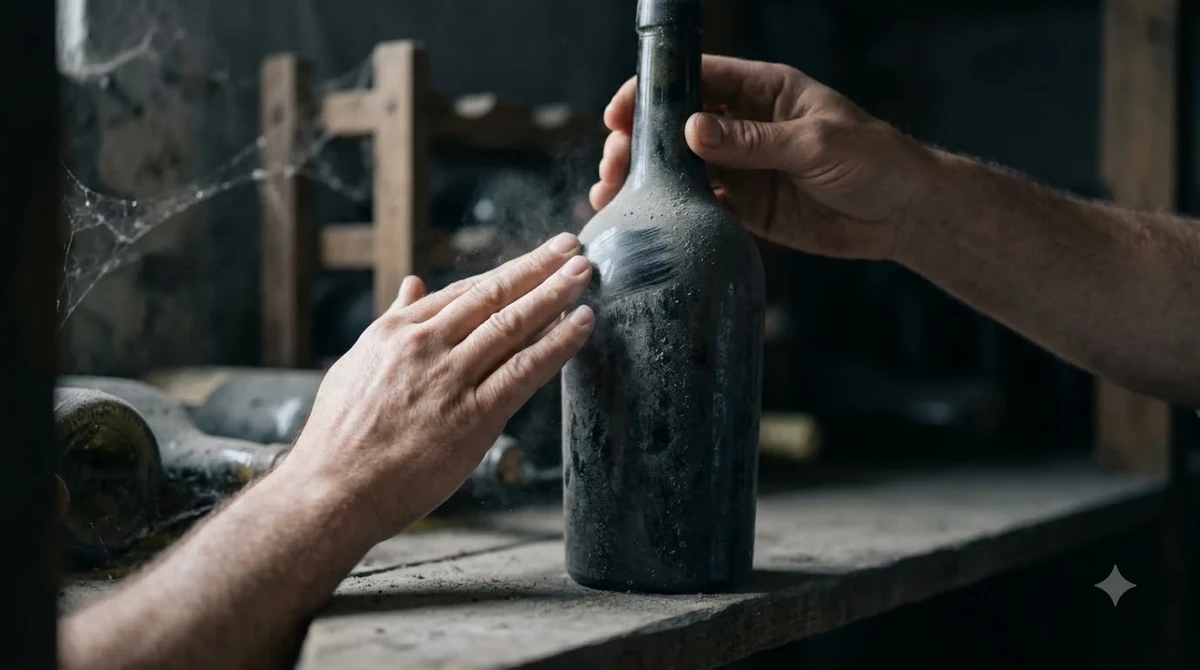
Start with the region because climate influences how Sauvignon Blanc develops its aromas and flavors. Cooler conditions generally preserve freshness and green herbal characteristics, while warmer conditions encourage riper fruit profiles. Winemaking choices, including stainless steel fermentation and oak aging, further influence the finished wine. The WSET explanation of Sauvignon Blanc growing conditions and winemaking provides additional detail about these regional and production differences.
| Comparison factor | What to look for | Typical characteristics | Best suited to |
|---|---|---|---|
| Region | Marlborough, Loire Valley, California, Chile | From grassy citrus to ripe tropical fruit | Matching regional preferences |
| Acidity | Fresh, lively, mouthwatering finish | High acidity | Seafood, salads, salty appetizers |
| Fruit profile | Lime, grapefruit, gooseberry, passion fruit | Citrus, green fruit, tropical fruit | Choosing preferred aromas |
| Body | Light, medium, or fuller texture | Usually light-bodied, sometimes fuller | Matching food weight |
| Winemaking | Stainless steel or oak influence | Fresh fruit or additional richness | Choosing a preferred texture |
| Serving temperature | 45–50°F for light whites | Cool and refreshing | Preserving freshness and aroma |
Region and climate
New Zealand is one of the most recognizable sources of Sauvignon Blanc. Marlborough produces wines that commonly combine lime, grapefruit, passion fruit, and herbaceous aromas. High acidity gives these wines their refreshing finish.
France provides a different experience. Loire Valley wines, particularly those from Touraine, often emphasize green apple, citrus, fresh herbs, and mineral impressions. The region also produces famous appellation wines such as Sancerre and Pouilly-Fumé, although the broader Loire Valley offers more accessible alternatives.
Chile and South Africa deserve attention, too. Chilean Sauvignon Blanc can offer refreshing citrus and green fruit, while coastal South African examples can combine gooseberry, herbs, and mineral character. These regions provide worthwhile alternatives to the familiar New Zealand profile.
Acidity and fruit concentration
Sauvignon Blanc is naturally associated with high acidity. This produces the mouthwatering sensation that makes the wine refreshing and useful alongside food. However, acidity should feel integrated with the fruit rather than so aggressive that the wine seems thin or sour.
Think about the difference between a lime-driven wine and a tropical-fruit-driven wine. Both can be dry and refreshing, but the first may feel more sharply citrus-oriented, while the second can seem rounder and more generous. Neither style is automatically superior.
Fermentation and texture
Many Sauvignon Blanc producers use stainless steel tanks to retain fresh fruit and aromatic character. This approach is particularly associated with crisp, uncomplicated styles that emphasize citrus and green fruit.
Oak aging can introduce additional texture and flavors such as vanilla, toast, or spice. Some California Sauvignon Blanc wines use this approach, producing a fuller style that can appeal to Chardonnay drinkers. A bottle labeled Fumé Blanc may also be worth investigating, although the term alone does not guarantee a particular level of oak influence.
The most important consideration is balance. A good-value bottle should offer enough fruit to support its acidity and enough freshness to remain enjoyable from the first sip to the finish.
Step-by-Step: How to Choose the Right Bottle
A simple buying process makes it easier to find Sauvignon Blanc that delivers the style you want. Follow these five steps to narrow the selection before choosing a bottle.
-
Decide whether you prefer citrus or tropical fruit.
If you enjoy lime, grapefruit, green apple, and fresh herbs, start with Marlborough or the Loire Valley. If ripe peach, melon, and passion fruit sound more appealing, compare California, Chilean, and South African examples.
-
Choose your preferred level of aromatic intensity.
Some Sauvignon Blanc wines have pronounced grass, gooseberry, and green bell pepper aromas. Others emphasize softer citrus, white flowers, or tropical fruit. People who find intense herbal aromas challenging may prefer a more restrained regional style.
-
Compare the country and regional designation.
Look beyond the grape name. Marlborough, Touraine, Casablanca Valley, Constantia, and California each offer useful clues about the likely character of the wine. Regional information is often more helpful than choosing a bottle based only on its label design.
-
Consider the meal or occasion.
For oysters, shrimp, and grilled white fish, choose a crisp, high-acid example. For roast chicken, creamy vegetable pasta, or richer seafood preparations, a slightly fuller California style can provide a better match.
-
Compare freshness, vintage, and retailer information.
Most uncomplicated Sauvignon Blanc is intended to be enjoyed young, while its fresh citrus and herbal aromas remain lively. Compare available bottlings from different producers and avoid assuming that a familiar brand automatically represents the best choice.
One additional consideration is consistency. A producer that makes a recognizable regional style can be useful when shopping repeatedly. However, vintage conditions and winemaking decisions can change the character of individual releases. Comparing the actual bottle description with your preferences is more reliable than relying entirely on brand recognition.
Tip: If you are uncertain where to begin, choose a Marlborough Sauvignon Blanc with lime, grapefruit, and passion fruit characteristics. It offers a recognizable starting point for understanding the grape before exploring more restrained French wines or fuller California expressions.
For additional purchasing fundamentals, the wine-buying learning guide can help explain how to compare labels, regions, and styles across different wine categories.
Types and Regional Styles Explained
Sauvignon Blanc is not a single-flavor wine. The grape produces distinct expressions across several countries, and understanding those differences is one of the most effective ways to make a confident purchase.
New Zealand: Marlborough’s citrus and tropical character
Marlborough is the most recognizable starting point for many Sauvignon Blanc shoppers. Its wines are commonly associated with intense aromas of lime, grapefruit, passion fruit, gooseberry, and fresh-cut grass. High acidity gives these wines their refreshing finish.
Matua, Kim Crawford, and Whitehaven are recognizable names associated with New Zealand Sauvignon Blanc. Food & Wine describes Matua with lime, green melon, and grassy aromas, while its discussion of Kim Crawford highlights grapefruit, passion fruit, pineapple, and herbal characteristics.
This style is particularly suitable for people who enjoy expressive whites. Serve it with grilled shrimp, fish tacos, sushi, fresh salads, or goat cheese. Its bright acidity also makes it useful as an aperitif before a meal.
France: Loire Valley freshness and minerality
The Loire Valley offers a more restrained interpretation of Sauvignon Blanc. Rather than emphasizing tropical fruit alone, many wines highlight citrus, green apple, fresh herbs, and mineral impressions. Sancerre and Pouilly-Fumé are particularly recognizable appellations.
For budget-conscious shoppers, Touraine is a useful regional designation. Domaine Paul Buisse Touraine Sauvignon Blanc is described by Food & Wine with lively acidity, green apple, stone fruit, citrus, and a mineral-driven finish.
This style is a strong option for drinkers who prefer precision over intense tropical aromas. It works especially well with goat cheese, oysters, light vegetable dishes, and simply prepared seafood.
California: Riper fruit and additional texture
California Sauvignon Blanc can offer a broader fruit profile, including peach, pear, melon, and citrus. Cooler areas such as Sonoma and Napa benefit from Pacific influences, helping preserve freshness while allowing fruit flavors to develop.
Grounded by Josh Phelps California Sauvignon Blanc is described by Food & Wine with white peach, Asian pear, pomelo, lime zest, and fresh grass. Dry Creek Vineyard Fumé Blanc offers another expression, emphasizing lemon verbena, lemongrass, jasmine, and stone fruit.
California is worth considering if you enjoy Sauvignon Blanc but want something less aggressively herbal. Certain bottlings also use oak to create additional richness, making them suitable for roast chicken, creamy seafood dishes, and richer vegetable preparations.
Chile: Freshness and everyday versatility
Chile provides another useful source of affordable Sauvignon Blanc. The country’s coastal winegrowing areas can benefit from Pacific Ocean influences, helping preserve acidity and freshness.
Casablanca Valley is a recognizable region for aromatic white wines. Its Sauvignon Blanc can display citrus, green fruit, and tropical characteristics, with refreshing acidity. Central Valley examples provide another approachable option for uncomplicated everyday drinking.
Food & Wine describes Santa Rita 120 Reserva Especial Central Valley Sauvignon Blanc with lemon, green apple, and a hint of bell pepper. This combination illustrates why Chile deserves consideration beyond the more familiar New Zealand and French regions.
South Africa: Herbal freshness and coastal character
South Africa’s Constantia region offers another interesting direction. Its coastal influence can contribute freshness and balance, while the wines retain the citrus, gooseberry, and herbaceous characteristics associated with Sauvignon Blanc.
Bayten Constantia Sauvignon Blanc is a useful regional example. Wine Enthusiast describes its kiwi, melon, linden tea, citrus, and herbal notes, while Food & Wine emphasizes green fruit, gooseberry, grassy character, and mineral impressions.
This style can appeal to people who want something between the pronounced tropical character of some New Zealand wines and the more restrained expressions associated with the Loire Valley.
For shoppers comparing sweetness rather than regional character, it is useful to distinguish dry Sauvignon Blanc from wines with noticeable residual sugar. A separate sweet sauvignon blanc discussion can help clarify the difference between fruit-forward aromas and actual sweetness.
Common Mistakes When Buying Affordable Sauvignon Blanc
The most frequent buying mistakes involve confusing fruitiness with sweetness, assuming every Sauvignon Blanc tastes alike, and overlooking how serving conditions affect flavor. Avoiding these errors makes it easier to identify a bottle that genuinely suits your preferences.
Assuming tropical aromas mean sweet wine
Passion fruit, ripe peach, melon, and pineapple can make a wine smell sweet even when its actual taste is dry. Sauvignon Blanc is generally a dry white wine with high acidity, and its aromatic intensity should not be mistaken for residual sugar.
If sweetness is a priority, investigate the wine’s actual style instead of judging it by its aroma. If dryness is important, look for a description emphasizing crisp acidity, citrus, herbs, and a clean finish.
Expecting every country to produce the same flavor
A shopper who enjoys Marlborough Sauvignon Blanc may expect a French Touraine wine to deliver the same passion fruit intensity. That expectation can lead to disappointment because the regional styles are often quite different.
Instead, approach each region as a separate expression of the grape. New Zealand is a useful starting point for pronounced citrus and tropical fruit, while the Loire Valley often emphasizes restraint, green fruit, and mineral character.
Choosing only by the label
Attractive packaging and familiar brand names do not guarantee that a wine matches your taste. A more reliable approach is to examine the region, grape variety, vintage, and tasting description.
Two bottles with similarly designed labels may come from entirely different climates and winemaking traditions. Their acidity, texture, and aromatic intensity can therefore differ considerably.
Ignoring the role of acidity in food pairing
Sauvignon Blanc’s high acidity is one of its strongest advantages at the dinner table. However, pairing the wine with a rich or strongly flavored dish requires some thought.
Acidic foods generally work best with wines of equal or higher acidity. Lemon-dressed seafood, vinaigrette-based salads, and fresh goat cheese can complement the wine’s citrus profile. Very sweet dishes may make a dry Sauvignon Blanc seem sour by comparison.
Serving the wine too warm
White wine served too warm can seem heavy and less refreshing, while extremely cold temperatures can suppress its aromas. Light-bodied Sauvignon Blanc is best served around 45–50°F, which provides a practical balance between freshness and aromatic expression.
Allow the wine a little time in the glass if it initially seems too restrained. As the temperature rises slightly, citrus, floral, and herbal aromas become easier to recognize.
Care and Storage Tips for Keeping Sauvignon Blanc Fresh
Proper storage and serving make a meaningful difference to Sauvignon Blanc’s freshness. Keep unopened bottles cool and away from sunlight, then refrigerate opened wine promptly to preserve its citrus, fruit, and herbal characteristics.
Store unopened bottles correctly
For longer storage, wine bottles should be kept on their sides in a cool environment near 55°F. This arrangement is particularly useful for bottles sealed with natural cork because it helps maintain cork contact with the wine.
Avoid storing Sauvignon Blanc near ovens, radiators, sunny windows, or appliances that produce significant heat. Temperature fluctuations can accelerate wine aging and reduce the freshness that makes this grape appealing.
Most inexpensive, fresh-fruit-focused Sauvignon Blanc is intended for relatively early enjoyment rather than extended cellaring. There is little reason to hold an uncomplicated bottle for several years when its main attraction is vibrant fruit and acidity.
Serve at the right temperature
For light-bodied whites, aim for 45–50°F. This temperature range helps maintain a crisp impression without completely hiding the wine’s aromas.
If the bottle has been stored at room temperature, refrigerate it before serving. A short period in the refrigerator can help bring it closer to the desired temperature. Avoid leaving it in the freezer for an extended period, since accidental freezing can affect the bottle and its contents.
Use appropriate glassware
A standard white wine glass is suitable for Sauvignon Blanc. Its bowl provides enough room for the wine’s aromas to collect while allowing the drinker to appreciate its freshness and acidity.
A typical wine serving is 5 ounces, and a standard 750 ml bottle provides approximately five such glasses. Pouring smaller amounts can be helpful when serving several wines during a meal, as it leaves room to compare their aromas and flavors.
Preserve opened wine
After opening, replace the closure securely and refrigerate the remaining wine. A typical opened still white wine stays in good drinking condition for approximately three to five days, although the exact period depends on the wine, storage temperature, and exposure to oxygen.
Keep the bottle upright in the refrigerator and minimize unnecessary opening. If the wine develops noticeably dull fruit, stale aromas, or an unpleasant oxidized character, its freshness has likely declined.
For a gathering, consider chilling the bottle in advance and returning it to the refrigerator between pours. This simple routine helps maintain a consistent serving temperature throughout the meal.
Frequently Asked Questions
Is Sauvignon Blanc always made from 100% Sauvignon Blanc grapes?
No. Many Sauvignon Blanc wines are made entirely from the variety, but certain regional blends include additional white grapes. White Bordeaux, for example, can combine Sauvignon Blanc with Sémillon and Muscadelle. These additions can change the wine’s texture, body, and aromatic profile.
What does Fumé Blanc mean on a Sauvignon Blanc bottle?
Fumé Blanc is a name associated with Sauvignon Blanc, particularly in California. It is not a separate grape variety. The term is often associated with a more textured or barrel-influenced interpretation, although individual producers use different winemaking approaches.
Does Sauvignon Blanc contain more acidity than Pinot Grigio?
Sauvignon Blanc is generally considered a high-acid white wine, while Pinot Grigio can range from moderate to high acidity depending on its origin and production. The perceived difference also depends on fruit ripeness, alcohol, and texture. A cool-climate Sauvignon Blanc can feel particularly sharp and refreshing.
Can Sauvignon Blanc be used for cooking?
Yes. Dry Sauvignon Blanc can work in dishes that benefit from citrus-like acidity and fresh white wine character. It is useful for deglazing a pan, preparing seafood sauces, and adding brightness to vegetable dishes. Avoid using a wine with obvious spoilage or unpleasant oxidation for cooking.
Is Sauvignon Blanc related to Cabernet Sauvignon?
Yes. Sauvignon Blanc is one of the parent varieties of Cabernet Sauvignon, with Cabernet Franc being the other parent. The two varieties therefore share a genetic connection despite producing very different wine styles. Cabernet Sauvignon is a red grape with considerably more tannin than Sauvignon Blanc.
Finding an enjoyable Sauvignon Blanc within a modest budget is primarily a matter of choosing the right region, acidity level, and flavor profile. Start with Marlborough for expressive citrus and tropical fruit, explore the Loire Valley for restrained freshness, and consider California, Chile, or South Africa for additional variety. Once you understand which style suits your palate, comparing bottles becomes much easier and every purchase can be more purposeful.
More in Wine Buying Guides
 Cheap Red Blend: How to Find a Flavorful Bottle for LessUpdated Nov 20, 2026
 Pinot Grigio Gift: How to Choose a Bottle They’ll EnjoyUpdated Nov 20, 2026
 Best White Wine at Total Wine for Every MealUpdated Nov 20, 2026
 Wine Fridge Replacement Shelves: Find the Right FitUpdated Nov 20, 2026
 Best Sparkling Wine Under 20: Find Bubbles Worth BuyingUpdated Nov 20, 2026
 Best Wine For Birthday Celebrations With Perfect Party PairingsUpdated Nov 20, 2026