

We may earn a commission when you buy through links on this page, at no extra cost to you. Learn more.
The typical winking owl wine price is about $3 to $5 for a standard 750 ml bottle, making it one of Aldi’s most affordable wine ranges. Most varieties are sold under Aldi’s private label, with options including Cabernet Sauvignon, Merlot, Chardonnay, Pinot Grigio, Sauvignon Blanc, Moscato, and Sweet Red. Larger 3-liter boxes are also available in selected varieties, offering a practical option for shoppers who want more wine in one purchase. Actual prices depend on the store, location, product availability, and delivery method.
Winking Owl has become a familiar name among budget-conscious American wine shoppers because it combines recognizable grape varieties with accessible pricing. However, the amount you pay is only part of the buying decision. Bottle size, sweetness, wine style, and local availability all influence which option makes the most sense. This guide explains typical retail costs, compares the available formats, and provides straightforward advice for choosing a bottle at Aldi.
Who This Is For: Understanding Winking Owl Wine Prices
Winking Owl is particularly appealing to shoppers who want an inexpensive everyday wine without spending time comparing dozens of unfamiliar labels. Its selection includes familiar grape varieties and sweeter alternatives, making it relatively easy to find something suitable for a casual dinner, an informal gathering, or an occasional glass at home.
According to Aldi’s product listings, several standard Winking Owl wines are offered in 750 ml bottles, including Cabernet Sauvignon, Merlot, Sweet Red, and White Zinfandel. The Takeout identifies E. & J. Gallo Winery as the producer associated with the range, which Aldi sells under its Winking Owl private label. This combination of recognizable varieties and supermarket distribution helps explain why the brand occupies such an accessible position in the American wine market.
For shoppers comparing everyday wine costs, a typical retail range of approximately $3 to $5 per 750 ml bottle is a useful starting point. Business Insider’s Aldi shopping recommendations describe Winking Owl bottles as typically costing between $3 and $5. The Takeout similarly reports prices around $4, give or take. Prices vary by state and retailer, and local alcohol laws can affect availability.
The range is also relevant to people who are still learning the differences between wine styles. Someone who enjoys a soft, fruity red might prefer Merlot or Sweet Red, while a shopper looking for a more refreshing white might choose Pinot Grigio or Sauvignon Blanc. Readers exploring the broader Wine Brands category can use these familiar grape names as a starting point for understanding supermarket wine selections.
Winking Owl is not necessarily intended to replace every premium wine purchase. Its main appeal is accessibility: shoppers can find recognizable styles at a modest cost without committing to a more expensive bottle. It is best approached as an everyday category with individual varieties that suit different preferences.
Key Factors to Compare: Bottle Prices, Sizes, and Formats
The most useful comparison begins with bottle size and the price displayed by the local store. A 750 ml bottle is the standard format across much of the selection, while selected wines also appear in 3-liter boxes. The larger package contains four times the volume of a standard bottle, so comparing the cost per liter provides a clearer picture than looking at the package price alone.
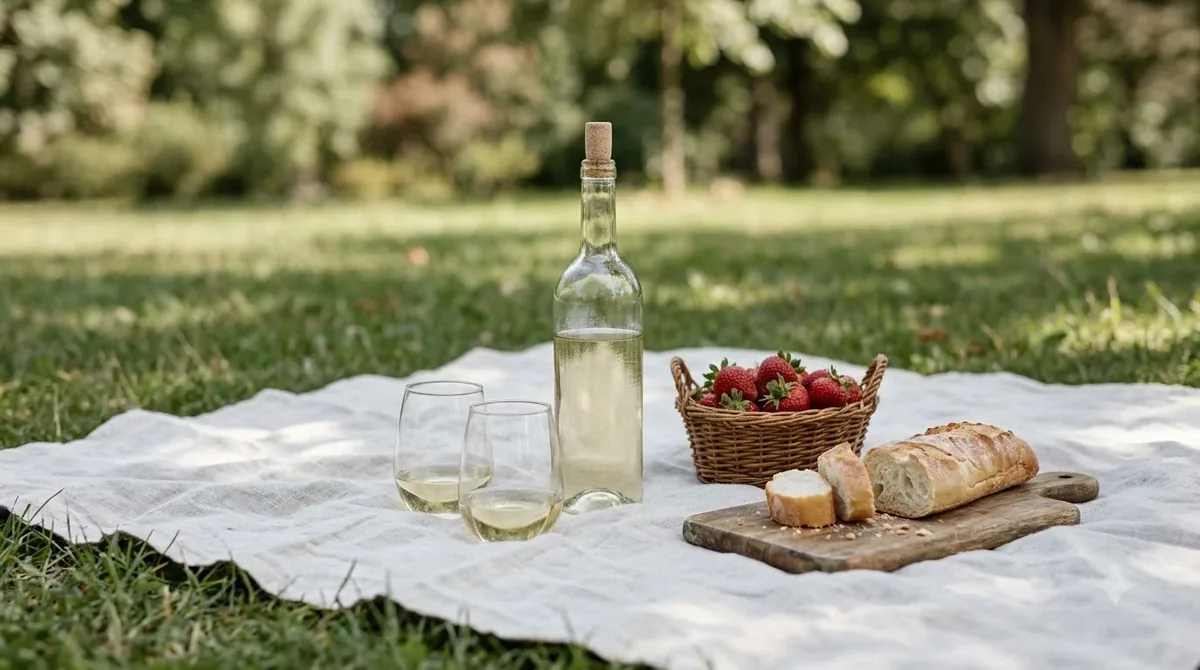
Aldi’s online product listings provide a useful illustration of standard-bottle pricing. Its selected-market listing for Winking Owl Merlot displays $4.39 for 750 ml, and its Cabernet Sauvignon listing displays the same amount for the same bottle size. These are examples of localized listings rather than guaranteed nationwide prices. The current price at an individual store can be different. The Aldi Merlot product listing provides a direct example of the displayed package size and retail price.
The following table summarizes the main buying considerations. The price range is a general US retail estimate supported by Business Insider and The Takeout, not a guaranteed shelf price. The 750 ml and 3-liter package formats are documented in Aldi’s product catalog and The Takeout’s overview of the range.
| Comparison factor | Typical details | What shoppers should consider |
|---|---|---|
| Standard bottle | 750 ml | About 5 standard 5 oz pours |
| Typical bottle price | About $3 to $5 | Compare local shelf pricing |
| Large box | 3 liters | Equivalent to 4 standard bottles |
| Sweet red format | 750 ml and selected 3-liter listings | Useful for shoppers who prefer sweeter reds |
| Red grape varieties | Cabernet Sauvignon, Merlot, Shiraz | Compare body, tannin, and food pairing |
| White grape varieties | Chardonnay, Pinot Grigio, Sauvignon Blanc | Compare acidity and serving temperature |
| Sweet wine choices | Moscato, White Zinfandel, Sweet Red | Choose according to preferred sweetness |
For a simple volume comparison, one 3-liter box equals four 750 ml bottles. If four standard bottles cost approximately $12 to $20 combined at a typical $3 to $5 per-bottle range, the boxed format becomes financially attractive whenever its price is lower than the equivalent quantity of individual bottles. The comparison should use actual local prices rather than assuming every box automatically offers better value.
Another factor is the type of purchase. Buying directly from an Aldi store may involve a different price from ordering through a delivery platform. Instacart listings, for example, can display different amounts depending on the participating retailer and delivery arrangement. Convenience fees, substitutions, and local availability can also affect the final checkout total.
For a reliable comparison, calculate the price per liter. Divide the displayed price by the package volume in liters. A $4 bottle containing 0.75 liters costs approximately $5.33 per liter, while a $15 box containing 3 liters costs $5 per liter. This makes the larger package slightly less expensive by volume in that example.
Step-by-Step: How to Check the Price Before Buying
Checking the local price is straightforward, but it helps to compare the same variety and package size across listings. A few simple steps can prevent confusion between a standard bottle, a large box, and a delivery-platform listing.
-
Find a participating Aldi store.
Start with the Aldi store locator and identify a location that sells alcohol. Alcohol sales are restricted in some states and local jurisdictions, so not every store necessarily carries the full wine selection.
-
Search for the exact Winking Owl variety.
Look for the name printed on the label, such as Merlot, Cabernet Sauvignon, Moscato, or Pinot Grigio. Similar-looking product listings can refer to different wines, so comparing the exact variety matters.
-
Confirm the package size.
Most individual bottles contain 750 ml, while selected boxed products contain 3 liters. A larger package will naturally have a higher total price even if it offers a lower cost per liter.
-
Check the store-specific listing.
Aldi’s website allows shoppers to select a location and view available products. For example, its Merlot and Cabernet Sauvignon product listings have displayed $4.39 for a 750 ml bottle in a selected market.
-
Compare delivery and pickup options.
If using a grocery delivery platform, compare its displayed product price with the local store listing. The final order may include additional service or delivery charges.
-
Calculate the unit price.
Divide the package price by its volume in liters. Compare the resulting figure for a 750 ml bottle and a 3-liter box before deciding which package offers better value.
-
Choose according to drinking preferences and occasion.
A bottle of Sauvignon Blanc may suit a light meal, while a box of Sweet Red may be more practical for a gathering where several people prefer sweeter wine.
These steps are especially helpful when shopping online because product availability and prices can change with the selected store. The displayed price should be treated as a local reference, not a promise that every Aldi location carries the same wine at the same amount.
Tip: Compare the cost per liter rather than the package price alone. A 3-liter box contains the same amount of wine as four 750 ml bottles, making this calculation useful when deciding between formats.
For additional background on the varieties and overall range, the Winking Owl wine overview provides another useful starting point. Understanding the product selection before visiting the store makes it easier to compare labels without focusing exclusively on the lowest displayed price.
Types or Styles Explained: Which Winking Owl Wine Should You Choose?
Winking Owl offers several recognizable wine styles, ranging from structured red varieties to crisp whites and sweeter selections. Choosing by grape variety and sweetness is more useful than assuming every bottle in the range will taste similar simply because the label is the same.
Red Wines
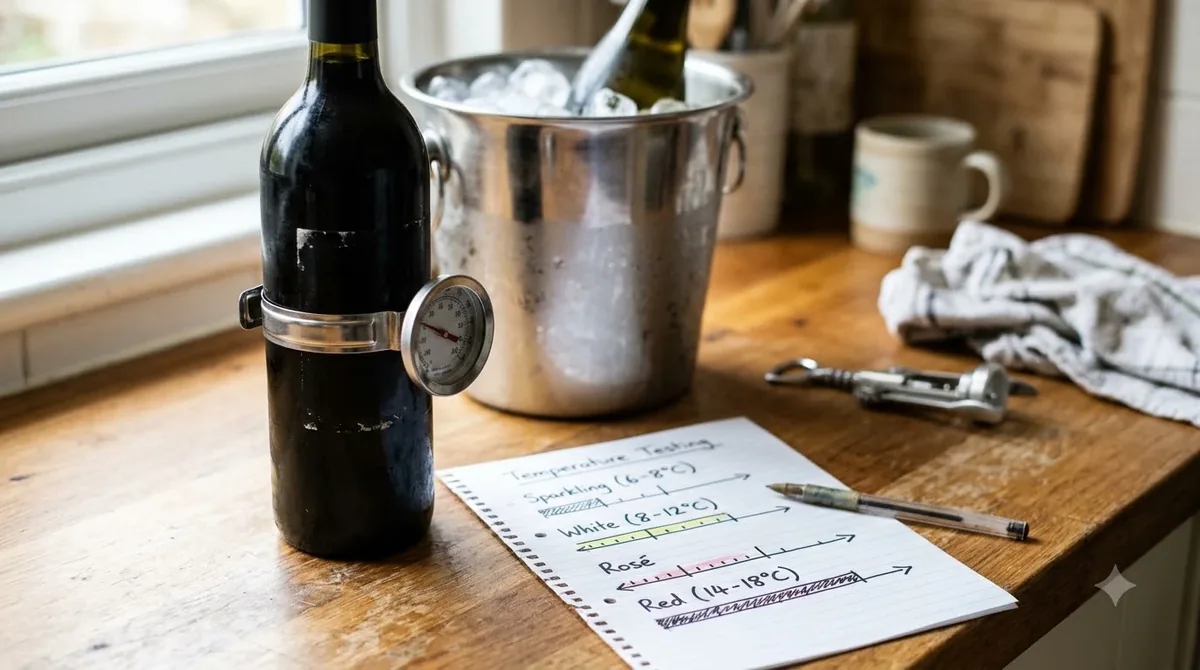
Cabernet Sauvignon is the choice for shoppers who generally enjoy fuller-bodied reds. Cabernet Sauvignon typically has relatively high tannin, giving it a firmer structure than softer red varieties. It is often a suitable match for grilled beef, burgers, and dishes with rich sauces. Serve fuller reds around 60 to 65 degrees Fahrenheit rather than excessively warm room temperature.
Merlot is a useful alternative for someone who prefers a softer red. It generally has medium tannin, with a rounder and more approachable structure than Cabernet Sauvignon. Aldi describes its Winking Owl Merlot as having dark mixed-fruit aromas and flavors, hints of light oak, and a touch of vanilla. Its profile makes it a reasonable choice for pasta with tomato-based meat sauce or roasted chicken.
Shiraz is another red option listed in The Takeout’s overview of the selection. Syrah and Shiraz refer to the same grape variety, although wine style can differ depending on production and origin. It generally offers more substantial tannin and darker fruit characteristics than lighter red styles. It can work well with grilled meats and strongly flavored dishes.
Sweet Red suits shoppers who prefer fruit-forward wines with noticeable sweetness. Aldi describes its Sweet Red as offering blackberry, raspberry, and blueberry flavors, violet hints, and a soft finish. It can be served slightly chilled or at room temperature according to the product description.
Chillable Red provides another casual red-wine option. The name suggests a serving style intended to work at a cooler temperature than a traditional full-bodied red. It is particularly relevant for informal occasions when a refreshing red is preferred over a heavier wine.
White Wines
Chardonnay is generally more rounded than high-acid white varieties. Its acidity is typically medium, making it a flexible option for roasted chicken, creamy pasta, and dishes with mild sauces. Full-bodied white wines are generally best served around 50 to 55 degrees Fahrenheit.
Pinot Grigio is a practical selection for people who prefer lighter-bodied white wine. It is often refreshing and relatively crisp, making it suitable for seafood, salads, and lighter meals. A serving temperature of approximately 45 to 50 degrees Fahrenheit helps preserve its fresh character.
Sauvignon Blanc generally has high acidity and a brighter, more refreshing profile. It pairs well with salads, goat cheese, vegetables, and seafood. Its acidity makes it particularly useful with foods that contain citrus, herbs, or vinaigrette-based dressings.
Sweeter Styles
Moscato is a popular option for shoppers who enjoy aromatic, fruit-forward wine. Moscato generally has low to medium acidity and a sweeter impression than many dry white wines. It can accompany fruit desserts, lightly sweet pastries, or mildly spicy dishes.
White Zinfandel is generally a sweeter rosé-style wine rather than a traditional dry red Zinfandel. Its fruit-forward character makes it accessible to shoppers who prefer softer flavors. It can be served around 45 to 50 degrees Fahrenheit and paired with fruit, mild cheeses, or lightly seasoned food.
Sangria is a flavored wine-based option within the selection described by The Takeout. It is suited to casual occasions where a fruit-oriented drink is preferred over a conventional varietal wine. Its flavor profile makes it different from choosing a straightforward Cabernet Sauvignon or Chardonnay.
For a more detailed understanding of sweetness, the Winking Owl wine sugar content discussion is useful. Sweetness is an important distinction because a wine that tastes fruity is not necessarily as sweet as a dessert-style wine. Comparing the specific variety is more reliable than judging the entire range by one bottle.
Common Mistakes When Comparing Winking Owl Prices
The most common buying mistake is treating every Winking Owl product as if it has the same price and package size. The range includes multiple varieties and more than one format, so a meaningful comparison requires matching the exact product and volume.
One frequent source of confusion is comparing a 750 ml bottle with a 3-liter box. The box contains four times as much wine, meaning its higher total price does not automatically make it more expensive. For example, a $4.50 bottle and a $16 box would cost approximately $6 per liter and $5.33 per liter, respectively. The larger format would offer a lower unit cost in this hypothetical comparison.
Another mistake is assuming the price shown on a delivery platform is identical to the shelf price. Instacart may show products supplied by different participating retailers, and its displayed price can vary by location. Delivery charges and service fees can also make a seemingly inexpensive order more expensive at checkout.
Shoppers sometimes assume that all varieties have the same flavor characteristics. Cabernet Sauvignon is typically more tannic than Merlot, while Sauvignon Blanc generally has higher acidity than Chardonnay. Moscato and Sweet Red are more suitable for people who enjoy sweeter styles than those who prefer a dry white or structured red.
It is also easy to confuse grape variety with sweetness. Pinot Grigio is generally dry, but that does not mean every white wine is dry. Moscato, for example, is often made in a sweeter style. Similarly, a red wine’s color does not establish whether it will taste dry or sweet.
Another issue is assuming that Aldi carries the complete selection at every location. State alcohol regulations, store assortment, and stock levels can all affect what appears on the shelf. The online catalog is useful for checking availability, but a product appearing in a general search does not guarantee that it is stocked at a particular store.
Finally, shoppers should avoid treating the lowest possible bottle price as the only measure of value. A bottle that does not match the intended meal or preferred sweetness may be less satisfying than another option within the same general price range. Matching the style to the occasion is an important part of making a sensible purchase.
Care and Storage Tips for Better Value
Proper storage helps preserve the wine after purchase, especially when a bottle is not opened immediately. Even an inexpensive bottle benefits from consistent storage conditions, protection from direct sunlight, and appropriate serving temperatures.
For unopened bottles with natural cork closures, store the wine on its side in a cool, dark location. A temperature near 55 degrees Fahrenheit is a useful general target. Avoid placing bottles beside ovens, radiators, or sunny windows, where temperature fluctuations can affect wine quality.
Temperature stability matters more than trying to create a complicated storage arrangement. A bottle kept in a consistently cool cupboard is generally preferable to one repeatedly exposed to warm kitchen conditions. Avoid prolonged heat exposure, particularly during transportation from the store to home.
Once opened, most still wines are best kept refrigerated and consumed within approximately 3 to 5 days. This applies to everyday red and white wines, including inexpensive bottles. Refrigeration slows oxidation, although it does not stop the wine from gradually changing after exposure to air.
For Winking Owl red varieties, serving temperature depends on the wine’s structure. A fuller Cabernet Sauvignon is generally best around 60 to 65 degrees Fahrenheit, while a lighter red can be served around 55 to 60 degrees Fahrenheit. Sweet reds can also be served slightly chilled if a cooler, more refreshing style is preferred.
White wines benefit from cooler serving temperatures. Pinot Grigio and Sauvignon Blanc generally work well at 45 to 50 degrees Fahrenheit, while fuller Chardonnay is better around 50 to 55 degrees Fahrenheit. Moscato and other sweet whites are often most enjoyable around 43 to 50 degrees Fahrenheit.
Storage is particularly important for a 3-liter boxed format. Bag-in-box wine typically keeps longer after opening than a standard bottle because its packaging reduces the amount of air entering the container as wine is dispensed. A general opened bag-in-box storage window is approximately 4 to 6 weeks, although the wine’s condition and packaging instructions should guide the final decision.
For a standard bottle, a 750 ml container provides approximately five 5 oz pours. That makes it easy to estimate how much wine is needed for a small gathering. A 3-liter box contains approximately 20 such servings, which can be more convenient when serving several people.
Storage and serving choices can therefore influence how much value a shopper gets from a purchase. A reasonably priced bottle that is kept cool, sealed properly after opening, and served at an appropriate temperature is more likely to retain its intended character throughout the time it is being enjoyed.
Frequently Asked Questions
Is Winking Owl wine exclusive to Aldi?
Winking Owl is an Aldi private-label brand rather than a conventional national wine label distributed through every major supermarket. Its retail association is therefore strongly tied to Aldi’s store network. Availability outside Aldi can depend on resale arrangements and local alcohol regulations.
Who makes Winking Owl wine?
The Takeout identifies E. & J. Gallo Winery as the producer associated with Winking Owl. Gallo is also connected with established wine labels including Barefoot, Black Box, and Dark Horse. The wine is marketed under Aldi’s own Winking Owl label rather than under the Gallo consumer brand.
How many glasses are in a Winking Owl bottle?
A standard 750 ml bottle provides approximately five servings when poured in 5 oz portions. Smaller tasting pours of 3 oz would produce approximately eight servings. Actual serving counts depend on the amount poured into each glass.
Does Winking Owl wine come in a 3-liter box?
Yes. Selected Winking Owl varieties have been listed in 3-liter boxed formats, including California Sweet Red and Moscato. A 3-liter package contains approximately 101.4 US fluid ounces, or four standard 750 ml bottles by volume.
Does Winking Owl wine have the same alcohol content across every variety?
No. Alcohol by volume can differ between wine styles and individual products. Sweet wines, dry whites, and fuller reds should not be assumed to have identical alcohol levels. The Winking Owl wine alcohol content guide provides a more focused explanation of how to compare ABV across the range.
Winking Owl offers an accessible way to explore familiar wine varieties without committing to a more expensive bottle. A typical $3 to $5 retail range for a 750 ml bottle makes it an appealing everyday option, although local store prices and availability can differ. Compare the variety, package size, and cost per liter before buying, then choose the style that best matches your preferences and occasion.
More in Wine Brands
 Underwood Wine Price: Compare Bottles, Cans, and Pack SizesUpdated Nov 21, 2026
 Zenato Wine Price: Compare Styles and Choose the Right BottleUpdated Nov 21, 2026
 Zuccardi Wine Price: Compare Bottles and Find the Right RangeUpdated Nov 21, 2026
 Yellow Tail Moscato Review: Taste, Sweetness and Serving TipsUpdated Nov 21, 2026
 Wolf Blass Yellow Label Review: Choose Your Best StyleUpdated Nov 21, 2026
 Wolffer Estate Rose Review: Choose the Right Bottle for Your TableUpdated Nov 21, 2026