

We may earn a commission when you buy through links on this page, at no extra cost to you. Learn more.
RCR crystal wine glasses are a worthwhile choice for shoppers seeking attractive Italian crystal glassware with excellent clarity, distinctive designs, and practical everyday usability. Made with RCR’s Luxion crystal, these glasses combine a refined appearance with collections designed for different serving occasions. The best choice depends on whether you prefer traditional decorative stemware, minimalist wine glasses, or more specialized shapes for tasting and entertaining.
RCR Cristalleria Italiana offers a broad selection of crystal glassware, ranging from traditional patterned goblets to contemporary wine-tasting designs. Its collections have different strengths, so choosing a suitable set requires more than comparing appearance alone. Bowl proportions, capacity, rim shape, handling comfort, and cleaning requirements all influence how useful a particular glass will be. This review examines the brand’s materials, popular collections, customer feedback, and practical considerations before purchasing.
Specs and Key Features
RCR crystal wine glasses stand out for their Luxion crystal construction, transparent appearance, and extensive choice of designs. The manufacturer’s collection includes both decorative tableware and functional wine-tasting shapes, making the brand relevant to everyday drinkers and people who regularly entertain.
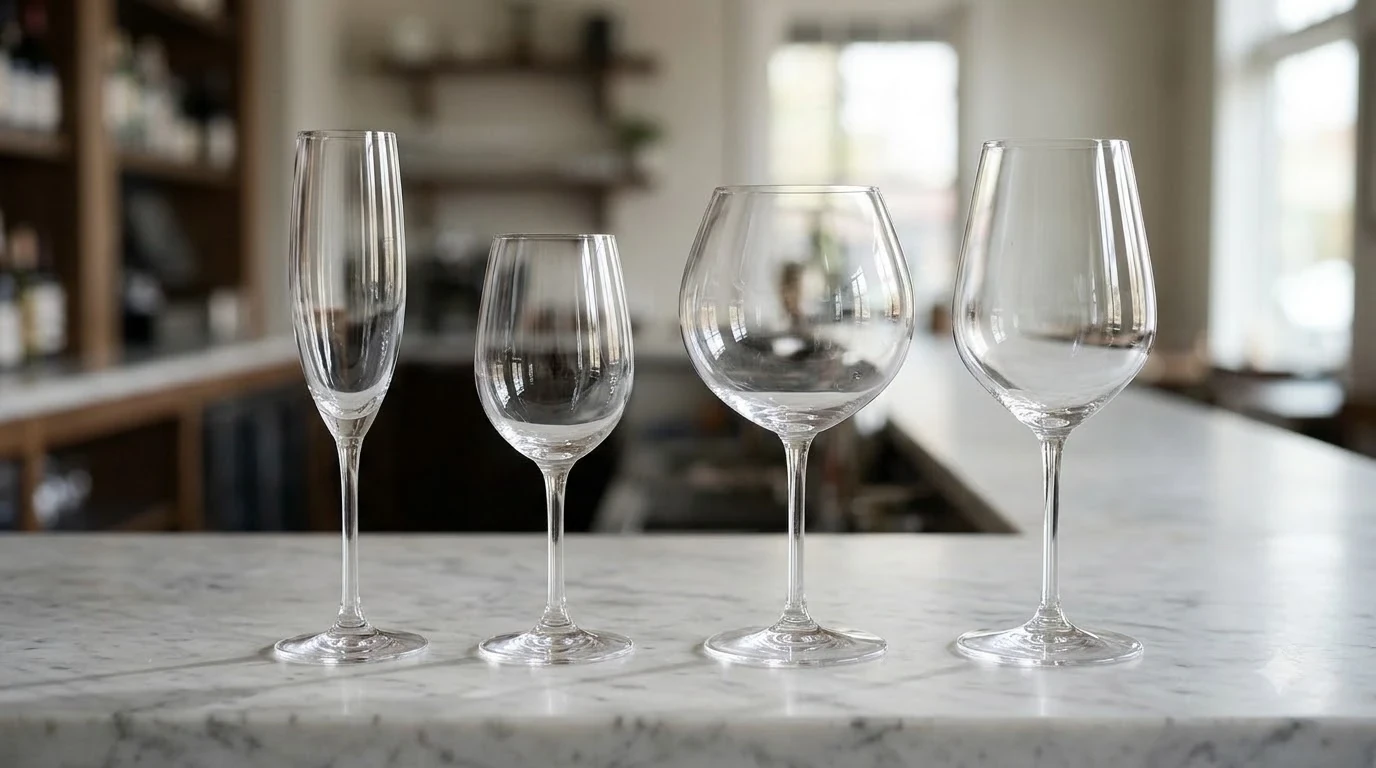
RCR Cristalleria Italiana began its history in 1967 and has developed a recognizable range of Italian glassware. The manufacturer emphasizes transparency, lightness, resistance, and recyclability as important characteristics of its glass. These qualities explain much of the appeal: shoppers can choose glasses that look more refined than ordinary everyday tumblers without automatically moving into fragile, highly specialized stemware.
The central material is Luxion crystal. RCR presents it as a clear crystal glass designed to combine visual brilliance with practical resistance. The company also promotes its acoustic qualities, contributing to the familiar clear sound associated with crystal glassware.
One important distinction is that the name crystal does not automatically mean that a glass contains lead. RCR’s material descriptions emphasize Luxion, while individual product specifications provide additional material information. Buyers interested in avoiding lead-containing crystal should pay attention to the composition of the particular collection they are considering rather than assuming that every product carrying the word crystal has the same formulation.
| Feature | RCR details | What it means for buyers |
|---|---|---|
| Brand origin | Italy | Italian-designed glassware |
| Company history | Begins in 1967 | Established glassmaking background |
| Glass material | Luxion crystal | Clear, refined appearance |
| Material composition | Varies by product specification | Check individual product details |
| Melodia capacity | 270 ml per glass | Moderate red-wine glass capacity |
| Melodia set size | 6 glasses | Suitable for a small household |
| Melodia cleaning | Dishwasher-safe listing | Convenient routine maintenance |
| Design selection | Multiple collections | Traditional and contemporary choices |
The 270 ml Melodia specification comes from the Wayfair red wine glass listing rather than representing every RCR wine glass. Other collections and individual glass shapes have different capacities. This distinction matters because a smaller glass intended for moderate pours will feel different from a generous red-wine goblet designed to provide more room above the wine.
Dishwasher compatibility is another important selling point. RCR promotes practical glassware, and the Melodia red wine glass listing specifically identifies the glasses as dishwasher-safe. However, a glass’s practical longevity depends on handling, loading arrangements, detergent, and washing conditions. Dishwasher-safe does not mean immune to impact or thermal shock.
For shoppers comparing different types of crystal wine glasses, RCR’s main attraction is the combination of decorative variety and functional construction. The brand offers options that can work for casual meals as well as more formal occasions.
For additional information about the manufacturer’s individual designs, the official RCR tableware collection provides an overview of its different glassware families, including Adagio, Aria, Melodia, Opera, and Universum.
What Owners Like
Customer feedback on RCR wine glasses highlights attractive designs, clear glass, and the ability to create coordinated table settings. These are meaningful advantages for people who want glassware that looks appropriate for entertaining without being reserved exclusively for special occasions.

The Melodia collection illustrates this appeal particularly well. RCR describes Melodia as a versatile line that works for table decoration and mixology. Its decorative character gives the glasses a more noticeable presence than simple undecorated stemware, making them suitable for dining tables where presentation matters.
Customer comments on Wayfair’s Melodia red wine glass listing include praise for matching sets, appearance, and perceived quality. Some purchasers describe the glasses as attractive additions to their homes, while others appreciate the visual consistency of buying several matching pieces.
This feedback is useful because glassware is both functional and decorative. A coordinated set can make a difference at a dinner party, particularly when the table includes matching plates, cutlery, and serving pieces. RCR’s selection of patterns gives buyers more opportunities to coordinate their glasses with different interior styles.
Clarity and visual presentation
Clear glass allows the natural appearance of wine to remain visible. This is particularly useful when serving lighter-colored wines, rosé, and sparkling wines, where color and visual clarity contribute to the presentation.
RCR emphasizes the transparency of Luxion crystal, and its designs use that property in different ways. Some collections use smooth surfaces to keep attention on the wine itself, while decorative collections introduce cuts and patterns that reflect light around the bowl and base.
For someone serving a pale Pinot Grigio or a salmon-colored rosé, an attractive clear glass can complement the drink without adding unnecessary visual distraction. A patterned glass, meanwhile, may suit a more decorative dining environment.
Choice of designs
Another frequently appealing characteristic is the breadth of the range. The manufacturer offers minimalist designs, traditional-looking decorated goblets, and more contemporary shapes. This gives shoppers room to select glasses according to their existing tableware rather than committing to one distinctive style.
Collections such as Opera, Melodia, Etna, and Adagio each have recognizable visual characteristics. Buyers who prefer an understated setting can look toward cleaner designs, while those who enjoy more elaborate glassware can consider the patterned alternatives.
RCR also offers collections intended for different drinks and serving situations. That broader selection is useful for households that want coordinated wine glasses, tumblers, and other tableware from the same manufacturer.
Everyday practicality
Dishwasher compatibility can be particularly attractive to households that use their wine glasses several times a week. Handwashing delicate glassware after every meal may become inconvenient, especially when a household regularly entertains guests.
The dishwasher-safe designation on the Melodia listing makes that particular collection appealing for this type of use. Buyers should still avoid allowing glasses to knock against one another during washing, and they should use a suitable glassware cycle where available.
The important point is that the brand offers a combination of decorative appeal and practical cleaning characteristics. That balance is a major reason to consider RCR rather than choosing purely ornamental stemware.
Common Complaints
The main concerns surrounding RCR crystal wine glasses involve breakage, delivery protection, and the differences between decorative glassware and specialist wine-tasting designs. The material’s advertised resistance should not be mistaken for an unbreakable construction.
Customer feedback on retail listings provides a useful perspective. While several Wayfair customers praise the appearance and quality of Melodia glasses, another purchaser reports receiving broken pieces. Feedback on the Melodia white wine glass listing also includes a customer who received a damaged item, although the delivery issue was subsequently resolved.
These complaints do not establish that RCR glasses are unusually fragile. They do show why packaging and delivery handling deserve attention when ordering a boxed set online. Even well-made glassware can arrive damaged if individual pieces are not adequately separated and protected.
Breakage remains possible
Crystal glassware is still glass. A glass can crack if it strikes a hard countertop, collides with another glass, or experiences a sudden temperature change. Thin rims and stems also require more careful handling than the thicker bases found on many everyday drinking glasses.
RCR’s claims about resistance should therefore be understood as a material advantage rather than a guarantee against accidents. A dishwasher-safe glass can still break during loading, unloading, or storage.
Households with children, crowded cupboards, or frequent large gatherings may want to consider how easily they can protect their stemware. Storing glasses with sufficient space between them is a straightforward way to reduce accidental contact.
Decorative patterns are not for everyone
Some RCR collections have elaborate patterns, cuts, or textured surfaces. These designs can look impressive under dining-room lighting, but they may not suit someone who prefers completely plain glassware.
Decorative patterns also change the visual experience of examining wine. Someone who regularly compares the colors of different red wines may prefer an uncomplicated clear bowl rather than a heavily patterned surface.
There is also a difference between selecting glassware for table presentation and selecting it for structured tasting. A decorative goblet may be perfectly appropriate for dinner, but a wine enthusiast who prioritizes evaluating aroma and appearance should pay closer attention to bowl geometry.
Not every glass has the same wine capacity
RCR offers numerous collections, and their capacities are not interchangeable. A 270 ml Melodia red wine glass, for example, provides a different serving experience from a larger wine goblet.
Shoppers should avoid choosing solely by the appearance of a photograph. The stated capacity, bowl width, opening, and height all help establish whether a particular glass will suit its intended purpose.
A smaller glass may work well for everyday white wine service, while someone who regularly serves fuller-bodied Cabernet Sauvignon or Syrah may prefer a larger bowl with more room for the wine’s aromas to develop.
Who Should Buy and Who Should Skip
RCR crystal wine glasses are particularly suitable for people who value attractive glassware, want a choice of traditional and modern designs, and prefer practical cleaning options. They are less suitable for shoppers whose main requirement is specialist professional tasting equipment or glassware that can withstand careless handling.
For everyday dining, collections with straightforward shapes and practical proportions make sensible choices. A household that regularly serves Chardonnay, Pinot Noir, and Sauvignon Blanc may benefit from choosing a versatile design that accommodates several wine styles.
People who entertain frequently may also appreciate the decorative collections. A coordinated set can create a consistent presentation across the dining table, while additional matching pieces can make it easier to serve larger groups.
Buy RCR if you value design and versatility
Consider RCR if you want crystal-style glassware that looks more refined than basic everyday drinking glasses. The company’s range includes both traditional and contemporary options, so you do not have to settle for a single appearance.
The brand is also worth considering if dishwasher compatibility is important. Suitable RCR collections offer a convenient cleaning option that can reduce the time spent maintaining glassware after entertaining.
Another reason to consider the brand is its range of coordinated tableware. If you want wine glasses that complement decorative tumblers and other serving pieces, collections such as Melodia, Opera, and Adagio provide different visual directions.
Skip RCR if you need specialized tasting equipment
Someone who attends formal wine tastings or regularly evaluates wines professionally should prioritize functional bowl design over decorative appearance. A tasting glass should allow enough room for gentle swirling while directing aromas toward the nose.
RCR does have collections such as Aria and Universum that address wine-serving and tasting requirements, so the brand itself is not unsuitable for enthusiasts. However, buyers should select the appropriate model rather than assuming every decorative goblet is designed for the same purpose.
Also consider alternatives if you need extremely inexpensive replacement glasses for a busy environment where breakage is frequent. Crystal stemware requires some care regardless of its advertised resistance.
Consider your household’s storage space
Storage is another factor that deserves attention. Wine glasses with tall stems require more vertical cupboard clearance than compact tumblers. Decorative bowls may also need additional separation to prevent their patterns and rims from knocking against adjacent pieces.
Before purchasing a six-piece set, measure the available shelf height and consider how the glasses will be arranged. If cupboard space is limited, a smaller or more compact design may be more convenient.
For a household that uses wine glasses only occasionally, a smaller coordinated collection may be sufficient. Frequent entertainers may prefer additional matching pieces so that replacement and expansion are easier.
How It Compares to Alternatives
RCR occupies an appealing position for buyers who want decorative Italian crystal glassware with practical everyday characteristics. Its main distinction is the variety of collections, rather than a single signature wine glass designed for every possible occasion.
Within the RCR range, collections such as Aria, Ego, Essential, and Universum offer different approaches to serving wine. These provide useful comparisons because they demonstrate how bowl shape and overall styling can change the experience without changing the manufacturer’s overall material identity.
| Collection | Design approach | Best suited to |
|---|---|---|
| Aria | Thin-walled blown glasses | Refined table settings and tasting |
| Ego | Wide bowl with narrower opening | Wine aroma presentation |
| Essential | Minimalist contemporary styling | Modern everyday dining |
| Universum | Versatile universal goblet | Red, white, and sparkling wine |
| Melodia | Decorative, versatile styling | Entertaining and table decoration |
| Etna | Volcanic-inspired carved decoration | Distinctive presentation |
| Adagio | Deep decorative cuts | Traditional-looking table settings |
Aria is an interesting option for people who prefer a more refined wine-serving experience. RCR describes it as a high-end tableware collection with thin-walled blown glasses. The manufacturer also emphasizes the resistance associated with its Luxion material, an appealing combination for shoppers who want a delicate-looking glass without automatically choosing the most fragile construction.
Ego takes a different approach. Its wider bowl is intended to encourage oxygenation, while its narrower opening helps concentrate aromas. This makes it an interesting choice for people who want a more wine-focused shape without necessarily choosing a heavily specialized tasting glass.
Essential is a better match for shoppers who prefer a contemporary, understated table. Its minimalist appearance and slightly flared mouth distinguish it from more ornate collections such as Etna and Adagio.
Universum is particularly useful for people who do not want to maintain several different types of wine glasses. RCR describes it as suitable for red, white, and sparkling wines, making it a practical multipurpose option.
Melodia and Etna are more visually expressive. Melodia offers versatile decorative styling, while Etna uses carved details inspired by the Sicilian volcano. Adagio, meanwhile, uses deeper cuts to create additional light reflections around the base.
For shoppers comparing broader categories of wine glasses, the important distinction is that a universal goblet prioritizes flexibility, whereas a specialist bowl may be better suited to a particular grape or serving style.
There is no single correct shape for every wine. Cabernet Sauvignon and Syrah benefit from generous bowls that allow their aromas to develop, while Pinot Noir often suits a bowl that emphasizes its aromatic character. Sauvignon Blanc is commonly served in a smaller glass that preserves its freshness and directs its aromas toward the nose.
RCR’s range provides several ways to approach these preferences. The right decision depends on whether the glass is primarily for casual drinking, entertaining, or more focused tasting.
How to Choose an RCR Collection
Choosing the right RCR collection is easier if you start with how you intend to use the glasses. A person buying stemware for weekly dinners has different priorities from someone assembling a formal table setting or creating a dedicated wine-tasting area.
For everyday versatility, Universum is a sensible starting point because RCR explicitly describes it as suitable for red, white, and sparkling wines. Its multipurpose character reduces the need to maintain several different glass shapes.
For someone who prefers decorative tableware, Melodia is an attractive option. Its versatility across tableware and mixology makes it suitable for more than one type of drink, while its visual character provides a stronger decorative presence.
For red wine drinkers
Red wine drinkers should pay particular attention to bowl capacity and width. A generous bowl allows space for swirling, which can help release aromas before drinking.
Someone who frequently serves Cabernet Sauvignon, Merlot, or Syrah may appreciate a larger wine glass with a relatively wide bowl. These varieties have different tannin profiles, but all can benefit from sufficient room for their aromas to develop.
For Pinot Noir, a glass designed to emphasize delicate aromatic characteristics may be more appropriate than a heavily decorated, narrow goblet. Aria and other wine-focused shapes deserve consideration for this type of use.
For white wine drinkers
White wine glasses generally benefit from smaller capacities than large red wine goblets. A more compact bowl can help maintain serving temperature and concentrate fresh aromas.
For Sauvignon Blanc, Riesling, and other aromatic varieties, look for a shape that directs the aromas toward the opening without excessively restricting the bowl. Chardonnay drinkers may prefer slightly more generous proportions, particularly when serving fuller-bodied styles.
Essential and Universum are useful collections to compare if you want straightforward styling and practical versatility. The best selection depends on the capacity and proportions of the individual model.
For mixed households
Households serving red, white, and sparkling wine may prefer a multipurpose collection. Universum is specifically presented by RCR as a universal wine goblet, making it a reasonable choice for people who want fewer specialized pieces.
Another approach is to combine different types of glasses. A household that frequently serves sparkling wine may want separate flutes or sparkling-wine glasses rather than expecting one universal goblet to cover every serving situation.
For more information about material choices, compare RCR’s offerings with other lead free crystal wine glasses. Material composition is especially important for buyers who want the appearance of crystal without lead-containing glass.
Tip: Before ordering, compare the capacity, bowl diameter, height, and individual collection name. A six-piece set of decorative 270 ml glasses is not interchangeable with a set of larger wine-tasting goblets, even if both are marketed as crystal wine glasses.
Care, Storage, and Long-Term Use
RCR crystal wine glasses are designed to be practical, but appropriate cleaning and storage remain important for maintaining their appearance. The manufacturer promotes practical glassware, while individual retail listings identify suitable collections as dishwasher-safe. Careful handling helps protect stems, rims, and decorative surfaces.
Start by checking the care instructions associated with the particular collection. Although RCR promotes practical glassware, the washing method and recommended conditions should still be appropriate for the individual product.
Dishwasher cleaning
When using a dishwasher, position each glass securely so that it cannot touch neighboring dishes or glassware during the cycle. Contact between moving items is a common cause of chips and breakage.
Use a suitable glassware cycle when available. Avoid unnecessary exposure to extreme temperature changes, and allow the glasses to cool before removing them from the machine.
Do not overload the rack. Even a relatively resistant crystal glass can be damaged if another item shifts against its rim or bowl during washing.
Handwashing
Handwashing is another reasonable option, particularly for decorated collections or glasses that are used infrequently. Use warm rather than extremely hot water, a mild dishwashing detergent, and a soft cleaning cloth.
Wash one glass at a time and avoid twisting the bowl and stem in opposite directions. Applying pressure to the stem while holding the bowl can create unnecessary stress.
After washing, rinse away detergent and allow the glass to drain. If polishing is necessary, use a clean, soft lint-free cloth rather than a rough towel.
Storage and handling
Store wine glasses upright in a clean cupboard with enough room between individual pieces. Avoid placing heavy kitchen equipment near them, and do not stack stemware unless the particular product is specifically designed for stacking.
Hold a wine glass by the stem or lower bowl during normal handling. Avoid carrying several glasses together by their stems, as this increases the possibility of accidental collisions.
For glasses that are used frequently, establish a consistent storage position. This makes it easier to remove individual pieces without knocking neighboring glasses together.
Serving wine correctly
Glass selection is only one part of serving wine properly. Temperature also influences how wine smells and tastes, so serving a well-chosen wine in an appropriate glass makes a difference.
As a general guide, serve sparkling wine between 40 and 50 degrees Fahrenheit, light whites and rosé between 45 and 50 degrees, and fuller-bodied whites between 50 and 55 degrees.
Light-bodied reds generally work well between 55 and 60 degrees, while fuller-bodied reds are usually served between 60 and 65 degrees. These ranges provide a useful starting point regardless of which RCR collection you choose.
For standard table service, a 5-ounce pour is a practical reference. A 750 ml bottle provides approximately five such servings, although the capacity of an individual glass may be substantially larger than the amount of wine actually poured.
Frequently Asked Questions
Are RCR crystal wine glasses made in Italy?
RCR Cristalleria Italiana is an Italian glassware manufacturer with a history dating to 1967. The company identifies its products with Italian design and manufacturing traditions. Individual product listings can provide additional country-of-origin information for specific sets.
Is Luxion crystal the same as ordinary glass?
Luxion is the crystal glass material used by RCR and is marketed for its transparency, resistance, and lightness. It is not simply a description of a decorative pattern or finish. The material is central to the brand’s identity and distinguishes its crystal collections from basic everyday glassware.
Does RCR make wine-tasting glasses as well as decorative goblets?
Yes. RCR offers wine-focused collections including Aria and Universum. Its broader tasting category also provides glassware for people who want equipment designed around wine appreciation rather than decorative table presentation alone.
Can RCR crystal glasses be used for cocktails?
Yes. RCR develops glassware for both tableware and mixology. Collections such as Melodia and Alkemist have applications beyond traditional wine service, while its broader mixology range includes different glass styles for serving cocktails.
Does RCR offer matching glassware beyond wine glasses?
Yes. The company’s broader catalog includes tumblers, flutes, decanters, cocktail glasses, and other tableware. Its separate tableware and mixology categories make it possible to coordinate different types of drinkware within a household.
RCR crystal wine glasses are a strong option for shoppers who want Italian styling, clear Luxion crystal, and a choice of designs ranging from minimalist to decorative. Universum is a practical starting point for mixed wine preferences, while Aria, Melodia, and Etna cater to more specific priorities. Compare individual capacities, bowl shapes, and care instructions before choosing a set, and the right RCR collection can serve both everyday meals and special occasions.
More in Wine Glasses
 Zwiesel Glas Champagne Flutes for Durable Everyday Sparkling WineUpdated Nov 20, 2026
 Vera Wang Crystal Wine Glasses: Design, Quality and Buying AdviceUpdated Nov 20, 2026
 West Elm White Wine Glasses: Compare Designs for Better Everyday Wine ServiceUpdated Nov 20, 2026
 Zalto Stemless Wine Glasses: Discover Their Distinctive DesignsUpdated Nov 20, 2026
 Viski Champagne Glasses That Match Your Style and Sparkling WineUpdated Nov 20, 2026
 Vista Alegre Decanter Review: Crystal Style and Wine ServiceUpdated Nov 20, 2026