

We may earn a commission when you buy through links on this page, at no extra cost to you. Learn more.
This meiomi wine review finds that Meiomi is a strong choice for drinkers who enjoy ripe fruit, smooth textures, noticeable oak, and approachable California wines. Its signature Pinot Noir is particularly appealing if you prefer generous cherry and berry flavors over lean, earthy reds. The broader collection also includes Cabernet Sauvignon, Red Blend, Chardonnay, Sauvignon Blanc, and lower-alcohol selections, making it possible to choose a bottle for different meals and preferences.
Meiomi has built its identity around a recognizable style: plush fruit, rounded textures, and a polished finish. That approach makes the wines accessible to casual drinkers while giving shoppers several distinct varieties to consider. However, a preference for rich, fruit-forward wine does not automatically mean every Meiomi bottle will suit your palate. Understanding the differences between its reds, whites, and lighter selections is the best way to make an informed choice.
Who Should Choose Meiomi Wine?
Meiomi is best suited to people who enjoy California wines with ripe fruit, soft textures, and a relatively generous flavor profile. Its Pinot Noir is the natural starting point, particularly for drinkers who find more restrained examples of the grape too light or earthy.

The producer describes its overall style through three characteristics: smooth, plush, and approachable. Its winemaking philosophy emphasizes soft tannins and layered flavors rather than an austere or sharply structured profile. Head winemaker Jason Becker brings more than two decades of California winemaking experience to the collection, according to the winery’s official information.
This makes Meiomi worth considering for several types of wine drinkers:
- New red-wine drinkers: The signature Pinot Noir offers recognizable cherry, strawberry, blackberry, vanilla, and mocha characteristics without the firm tannin structure commonly associated with Cabernet Sauvignon.
- Fans of fruit-forward reds: Drinkers who enjoy ripe berry flavors, rounded textures, and noticeable oak will probably find the house style appealing.
- Casual dinner hosts: The collection offers multiple varieties, so shoppers can select a Pinot Noir for poultry, Cabernet Sauvignon for richer meat dishes, or Chardonnay for creamy seafood recipes.
- Shoppers who prefer familiar flavors: Cherry, apple, citrus, vanilla, tropical fruit, and toasted notes are approachable flavor references for people who do not regularly study wine.
There are also reasons some wine drinkers might prefer another producer. Pinot Noir enthusiasts who prioritize delicate red fruit, pronounced acidity, forest-floor aromas, and restrained oak may find Meiomi too rich. People who dislike vanilla and mocha influences in red wine may also prefer a less oak-forward style.
The distinction is especially important because Pinot Noir is naturally capable of producing very different expressions. A cooler-climate example can emphasize red cherry, fresh acidity, and earthy complexity, while a ripe California interpretation can feel fuller and more concentrated. Meiomi clearly favors the latter direction.
For shoppers researching the producer’s broader collection, the Wine Brands section offers another starting point for understanding how individual wineries develop recognizable house styles.
Key Factors to Compare Before Buying Meiomi
The most useful way to compare Meiomi wines is to consider grape variety, body, acidity, tannin, fruit intensity, and oak influence. These characteristics explain why its Pinot Noir feels different from its Cabernet Sauvignon or Chardonnay, even though the bottles share the same producer.
The following comparison summarizes the main distinctions among the producer’s established selections. Flavor descriptions reflect the winery’s published tasting notes, while body and structural comparisons are general expectations based on the grape varieties and styles.
| Wine | Style | Flavor direction | Best use |
|---|---|---|---|
| Pinot Noir | Red, medium-bodied | Cherry, strawberry, mocha, toasted oak | Poultry, pork, mushrooms |
| Cabernet Sauvignon | Red, fuller-bodied | Blackberry, vanilla, graham cracker | Beef, lamb, aged cheese |
| Red Blend | Red, fruit-forward | Dark fruit, vanilla, mocha | Burgers, barbecue, pasta |
| Chardonnay | White, medium-bodied | Citrus, apple, tropical fruit, clove | Roast chicken, creamy pasta |
| Sauvignon Blanc | White, refreshing | Citrus, pineapple, mango, lime | Salads, seafood, goat cheese |
| Blanc | White, aromatic | Pineapple, orange blossom, nectarine | Light appetizers, fruit, seafood |
| Bright Pinot Noir | Lower-alcohol red | Cherry, strawberry, toasted mocha | Casual meals and lighter occasions |
| Bright Chardonnay | Lower-alcohol white | Lemongrass, pineapple, vanilla, clove | Light meals and relaxed occasions |
Body is one of the most important distinctions. Pinot Noir generally falls into the medium-bodied category, while Cabernet Sauvignon usually feels fuller because of its higher tannin and structural intensity. Chardonnay sits between lighter, sharper whites and particularly rich styles, depending on its winemaking treatment.
Acidity also affects how a wine behaves with food. Sauvignon Blanc and Pinot Noir generally offer more noticeable acidity than Chardonnay, helping them work with dishes that include citrus, tomato, or other acidic ingredients. A richer Chardonnay can be more suitable for creamy sauces and roasted poultry.
Tannin matters particularly with red wines. Cabernet Sauvignon generally has higher tannin than Pinot Noir, while Merlot, when present in a red blend, typically contributes a softer impression. Meiomi’s signature emphasis on smoothness is particularly relevant for shoppers who do not enjoy a drying sensation from strongly structured reds.
Oak is another consideration. Toasted oak, vanilla, mocha, and baking spice appear in the producer’s descriptions of several wines. These flavors can create a fuller, more rounded impression, although they may distract drinkers who prefer crisp fruit and minimal oak influence.
Finally, consider alcohol strength. Wine Enthusiast records 14.5% ABV for its reviewed 2023 Meiomi Pinot Noir. That is a useful reminder that a wine can have a smooth texture while still carrying a relatively substantial alcohol level. Alcohol warmth can become more noticeable as the wine approaches room temperature.
Step-by-Step: How to Choose the Right Meiomi Bottle
Choosing Meiomi becomes easier when you start with the occasion and preferred flavor profile rather than the label alone. A few straightforward comparisons can narrow the collection to the most appropriate bottle for your meal and drinking preferences.
-
Decide whether you want red or white wine.
Start with Pinot Noir or Red Blend if you enjoy ripe berry flavors. Choose Chardonnay if you prefer a rounder white with apple and tropical fruit, or Sauvignon Blanc if citrus and freshness are more important.
-
Decide how much structure you enjoy.
Pinot Noir is generally the more approachable red for people who prefer lower tannin. Cabernet Sauvignon offers more grip and a fuller impression, making it a better match for drinkers who enjoy structured reds with substantial meals.
-
Consider the fruit profile.
For cherry, strawberry, and mocha, start with Pinot Noir. For blackberry and vanilla, consider Cabernet Sauvignon. If tropical fruit and citrus are more appealing, compare Chardonnay, Sauvignon Blanc, and Blanc.
-
Think about oak.
If vanilla, toasted mocha, and warm spice sound appealing, Meiomi’s signature Pinot Noir is a logical starting point. If you want a fresher impression, the Sauvignon Blanc may be a better direction.
-
Match the wine to your meal.
Pinot Noir works well with roast chicken, pork, mushroom dishes, and tomato-based pasta. Cabernet Sauvignon is better suited to beef and lamb, while Sauvignon Blanc complements seafood and tangy salads.
-
Consider alcohol strength and serving style.
If you prefer a lower-alcohol option, examine the Bright range. The producer identifies Bright Pinot Noir and Bright Chardonnay as separate lower-alcohol selections, making them worth considering for drinkers seeking a lighter alternative.
-
Choose the specific bottle that matches your priorities.
For a first purchase, the signature Pinot Noir offers the clearest introduction to the brand’s fruit-forward red style. If you already know that you prefer fuller reds or aromatic whites, choose the corresponding variety instead.
Tip: If you are uncertain between Meiomi Pinot Noir and Cabernet Sauvignon, consider your preferred tannin level first. Pinot Noir generally has lower tannin and higher acidity, while Cabernet Sauvignon usually feels firmer and fuller. That distinction is often more useful than comparing fruit descriptions alone.
It is also helpful to think about how the bottle will be served. A wine intended for a summer seafood dinner has different requirements from one accompanying a winter roast. Matching the variety to the meal can make a bigger difference to enjoyment than simply selecting the most familiar label.
For a closer look at the signature red, the dedicated Meiomi Pinot Noir page can help shoppers focus on that specific selection rather than comparing the entire collection.
Meiomi Wine Types and Styles Explained
Meiomi’s collection extends beyond its familiar Pinot Noir, with several red and white varieties and two lower-alcohol options. Understanding the differences between these selections helps prevent the common mistake of assuming every bottle delivers the same rich, smooth character.
Pinot Noir: The Signature Red
Pinot Noir is the natural starting point for exploring Meiomi. The winery describes its signature expression with black cherry, toasted oak, juicy strawberry, and toasted mocha. These flavors give the wine a ripe, recognizable profile that differs from lighter, more delicate interpretations of the grape.
Independent reviews provide additional context. Wine Enthusiast’s review of the 2023 bottling identifies raspberry, red plum, coriander, and mushroom aromas, followed by dark cherry, loganberry, vanilla bean, and mocha on the palate. Its description of dry, juicy tannins provides a useful counterpoint to the impression of sweetness created by ripe fruit. Read the complete Wine Enthusiast Meiomi Pinot Noir review for its full tasting assessment.
Tastings.com’s review of the same vintage describes bramble berry, baking spice, black plum, and nutmeg, with chocolate-covered cherry, vanilla, and raspberry jam flavors. The publication also identifies a soft, off-dry impression and substantial oak influence. These descriptions show the importance of vintage and individual tasting perception when evaluating a wine. Its 2023 Meiomi Pinot Noir tasting review provides another perspective on the wine’s fruit-forward character.
Cabernet Sauvignon: A Fuller Red
Meiomi Cabernet Sauvignon is the more obvious direction for shoppers who prefer a fuller red wine with greater tannin structure. The producer describes blackberry, toasted vanilla, and graham cracker characteristics.
Cabernet Sauvignon generally has higher tannin than Pinot Noir, creating a firmer mouthfeel. It is therefore a more natural choice for grilled steak, roasted beef, lamb, and aged hard cheeses. The combination of protein and fat can soften the perception of tannin, helping the wine feel more balanced alongside a substantial meal.
Red Blend: A Flexible Dinner Option
The Red Blend provides another option for people who like dark fruit and oak-influenced flavors. Meiomi describes this wine with dark fruit, vanilla, and mocha, a profile that places it closer to its richer red-wine identity.
Red blends can combine the structural characteristics of different grape varieties, but the exact composition should not be assumed without producer information. For practical purposes, consider this selection if you want a fruit-forward red for burgers, barbecue, or hearty pasta.
Chardonnay: A Richer White
Meiomi Chardonnay is a sensible starting point for white-wine drinkers who prefer a rounder flavor profile rather than a very lean, sharply acidic style. The winery describes citrus, apple, tropical fruit, honey, brown sugar, and clove.
Those characteristics suggest a more layered tasting experience than a straightforward citrus-driven white. Chardonnay generally has medium acidity, so it can complement roast chicken, creamy pasta, baked fish, and dishes with moderate richness.
Shoppers interested in the details of this selection can explore the dedicated Meiomi Chardonnay page.
Sauvignon Blanc and Blanc: Fresh White Alternatives
Meiomi Sauvignon Blanc emphasizes citrus, pineapple, mango, and lime. Sauvignon Blanc is generally higher in acidity than Chardonnay, making it useful with seafood, goat cheese, salads, and dishes that feature fresh herbs or citrus dressing.
Blanc has a different aromatic direction. The producer lists pineapple, tropical fruit, orange blossom, citrus, and delicate white nectarine. This profile makes it an interesting option for shoppers who enjoy aromatic whites and fruit-forward flavors.
Bright: Lower-Alcohol Selections
The Bright range includes Pinot Noir and Chardonnay. Meiomi positions both as lower-alcohol alternatives within its collection, with the Pinot Noir retaining the brand’s cherry, strawberry, and mocha identity and the Chardonnay emphasizing lemongrass, pineapple, clove, and vanilla.
These selections are worth comparing if alcohol strength is an important buying consideration. They should not automatically be treated as identical to the standard bottlings, because a change in alcohol level can also influence perceived body, warmth, and overall balance.

For an overview of the complete collection and the individual bottles, the Meiomi wine selection is a useful reference point.
Common Mistakes When Buying Meiomi
The biggest purchasing mistakes involve confusing fruitiness with sweetness, assuming Pinot Noir is always light, and expecting every Meiomi variety to have the same texture. Paying attention to those distinctions can prevent disappointment after opening the bottle.
Assuming Fruity Means Sweet
Meiomi Pinot Noir is frequently described through flavors such as cherry, strawberry, blackberry, mocha, and vanilla. These characteristics can create an impression of sweetness even when a wine is classified as dry.
Perceived sweetness is influenced by more than residual sugar. Ripe fruit, alcohol, oak-derived flavors, and acidity all affect how a wine feels. A fruit-forward red can therefore taste rounder and sweeter than a leaner Pinot Noir without necessarily being a dessert wine.
The distinction matters for people who generally prefer dry red wine. Instead of relying exclusively on fruit descriptions, consider whether the wine has the structure, acidity, and tannin level you enjoy.
Expecting Traditional Light-Bodied Pinot Noir
Pinot Noir is often associated with relatively light body, bright acidity, delicate red fruit, and subtle earthy characteristics. However, grape variety does not determine every aspect of a finished wine.
Meiomi’s approach is noticeably more fruit-forward and oak-influenced than some restrained Pinot Noir styles. Drinkers expecting a very delicate wine may find the combination of ripe fruit, vanilla, and mocha too pronounced.
Ignoring the Alcohol Level
Alcohol influences body, warmth, and the overall impression of a wine. The reviewed 2023 Meiomi Pinot Noir recorded 14.5% ABV in both Wine Enthusiast and Tastings.com, illustrating why checking the particular bottling is useful.
A wine with noticeable alcohol warmth can feel less balanced if served too warm. Slightly cooling a full-bodied red can help the fruit remain expressive without allowing the alcohol sensation to dominate.
Pairing Every Red Wine With Every Meat Dish
Not all red wines are interchangeable at the dinner table. Pinot Noir’s relatively low-to-medium tannin and higher acidity make it more flexible with poultry, mushrooms, pork, and some seafood than a heavily tannic red.
Cabernet Sauvignon generally works better with fatty beef and lamb. Its firmer tannins interact with protein and fat, making the wine feel less aggressive. Choosing the variety according to the food is more reliable than treating all red wines as steak wines.
Serving White Wine Too Cold
Very cold temperatures can mute aromas and make the texture of a white wine seem less expressive. Full-bodied Chardonnay is generally better served at 50 to 55 degrees Fahrenheit, while lighter whites and rosé are usually more refreshing at 45 to 50 degrees.
For Sauvignon Blanc, a cooler serving temperature can emphasize its citrus and fresh-fruit characteristics. Chardonnay benefits from a little more warmth to reveal its apple, tropical fruit, and oak-related notes.
Serving and Storage Tips for Meiomi Wine
Proper serving temperature and storage can improve the experience of Meiomi wines without requiring specialized equipment. The main priorities are avoiding excessive warmth, limiting exposure to air after opening, and protecting unopened bottles from temperature fluctuations.
Recommended Serving Temperatures
Meiomi Pinot Noir is generally best served around 55 to 60 degrees Fahrenheit. This slightly cool temperature helps preserve freshness and prevents alcohol warmth from overwhelming its ripe berry and oak flavors.
For the other varieties, these general wine-serving ranges provide a useful reference:
- Light reds: 55 to 60 degrees Fahrenheit.
- Full-bodied reds: 60 to 65 degrees Fahrenheit.
- Light whites and rosé: 45 to 50 degrees Fahrenheit.
- Full-bodied Chardonnay: 50 to 55 degrees Fahrenheit.
- Sweet whites: 43 to 50 degrees Fahrenheit.
These ranges are particularly helpful when moving a bottle from refrigerator storage to the dinner table. A red wine served directly from a warm kitchen may feel heavier and more alcoholic than intended, while a white wine served extremely cold may initially seem muted.
Opening and Pouring
A standard 750 ml bottle provides approximately five traditional 5-ounce servings. This is a useful planning measurement for dinner parties and helps avoid overfilling glasses.
For Meiomi Pinot Noir, opening the bottle shortly before dinner is generally sufficient. Young, full-bodied red wines can benefit from 30 to 60 minutes of decanting, although a moderately structured Pinot Noir does not necessarily need the full interval.
A short period of aeration can help the aromas become more expressive. Pour a small amount into a glass first, allow it to breathe, and assess whether the additional exposure improves the wine’s aroma and texture.
Storing Unopened Bottles
For longer-term storage, keep unopened bottles in a cool, dark location with a relatively stable temperature near 55 degrees Fahrenheit. Avoid direct sunlight, strong vibration, and areas next to ovens, radiators, or other heat sources.
Traditional cork-finished bottles are generally stored horizontally to keep the cork from drying out. Consistent storage conditions matter more than finding a perfectly precise temperature for an ordinary bottle intended for near-term drinking.
Preserving Opened Meiomi Wine
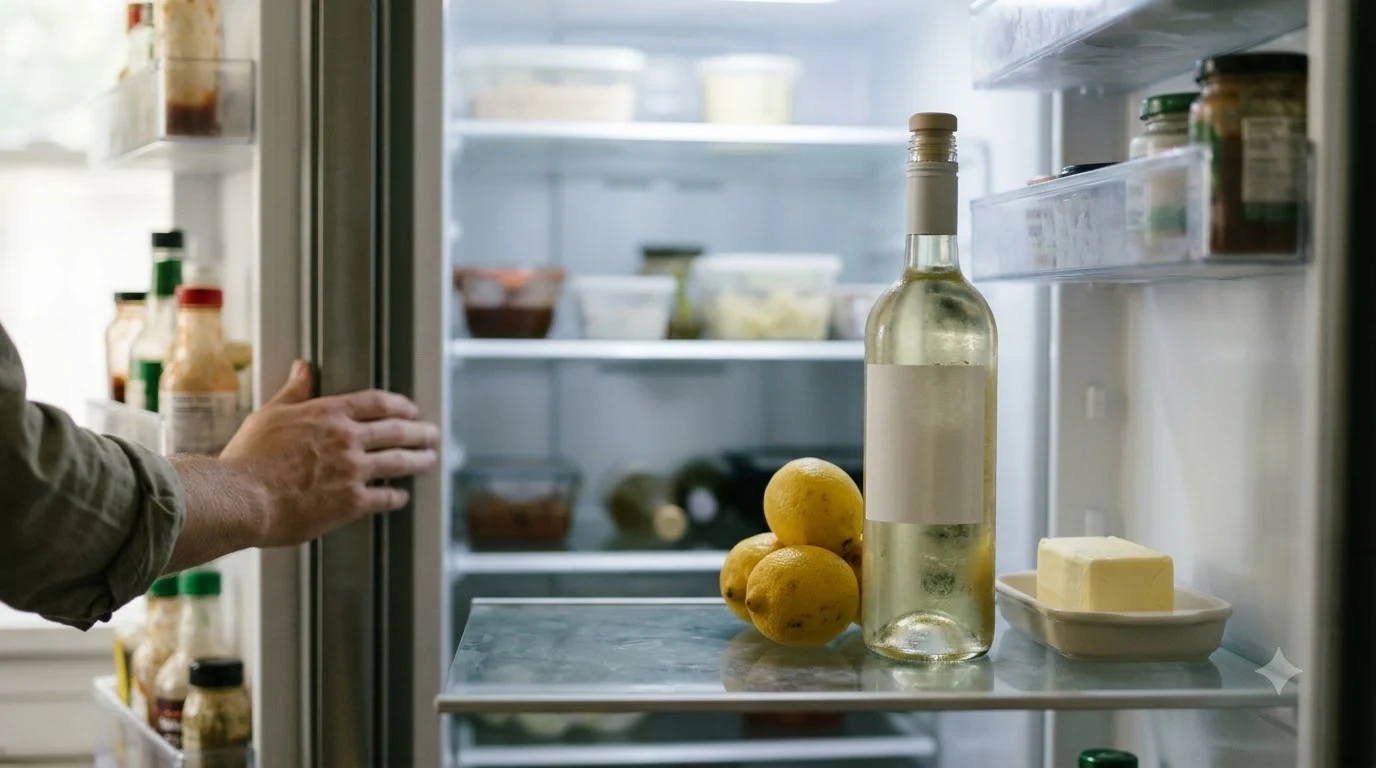
After opening, reseal the bottle and place it in the refrigerator. This applies to red wine as well as white wine. Cooler temperatures slow the oxidation process and help preserve the remaining wine’s aromas and flavors.
As a general guideline, opened still wines remain enjoyable for approximately three to five days, depending on their condition and storage. The Pinot Noir may lose some freshness over time, while changes in aroma and fruit intensity can become more noticeable as oxygen exposure continues.
Use a proper stopper and minimize the amount of air remaining in the bottle when possible. Before serving another glass, allow refrigerated red wine to warm slightly toward its recommended serving temperature.
There is no need to finish an opened bottle immediately if it has been properly sealed and refrigerated. However, changes in aroma, flavor, and texture are natural, so the remaining wine is best enjoyed within the usual storage window.
Frequently Asked Questions
Is Meiomi wine sweet or dry?
Meiomi Pinot Noir is generally treated as a dry red wine, although its ripe berry, vanilla, and mocha characteristics can create a sweet-fruited impression. The 2023 review from Tastings.com describes that bottling as having a soft, off-dry sensory impression. Perceived sweetness and measured residual sugar are different things, so individual impressions can vary.
What does the name Meiomi mean?
The producer explains that Meiomi is pronounced “May-OH-mee” and means “coast.” The name reflects the winery’s emphasis on California’s coastal wine-growing regions and their influence on the wines. This coastal identity is central to the brand’s presentation and winemaking philosophy.
Who is the winemaker behind Meiomi?
Meiomi identifies Jason Becker as its head winemaker. The producer states that he has more than two decades of California winemaking experience. His stated approach involves blending grapes from cool, coastal vineyards to develop the collection’s characteristic smooth and balanced style.
Does Meiomi make lower-alcohol wine?
Yes. The producer’s Bright collection includes Bright Pinot Noir and Bright Chardonnay. These are presented as lower-alcohol selections within the broader portfolio rather than simply different names for the standard wines. Their distinct positioning makes them worth examining if alcohol content is a priority.
Does Meiomi produce a Sonoma Coast Pinot Noir?
Yes. Meiomi lists a separate Sonoma Coast Pinot Noir in its collection. The producer describes it as a more nuanced and structured expression, with fruit sourced primarily from Arnold Vineyard and Silk Road Vineyard. Its tasting profile includes blackberry, raspberry, toasted mocha, warm spice, and silky tannins.
Meiomi is a worthwhile brand to consider if you enjoy generous fruit, smooth textures, and noticeable oak rather than restrained, delicate wine styles. Its signature Pinot Noir makes a logical introduction, while Cabernet Sauvignon, Chardonnay, Sauvignon Blanc, and the Bright selections provide alternatives for different tastes and meals. The best bottle is the one whose body, acidity, tannin, and flavor profile match what you actually enjoy drinking.
More in Wine Brands
 Underwood Wine Price: Compare Bottles, Cans, and Pack SizesUpdated Nov 21, 2026
 Zenato Wine Price: Compare Styles and Choose the Right BottleUpdated Nov 21, 2026
 Zuccardi Wine Price: Compare Bottles and Find the Right RangeUpdated Nov 21, 2026
 Yellow Tail Moscato Review: Taste, Sweetness and Serving TipsUpdated Nov 21, 2026
 Wolf Blass Yellow Label Review: Choose Your Best StyleUpdated Nov 21, 2026
 Wolffer Estate Rose Review: Choose the Right Bottle for Your TableUpdated Nov 21, 2026