

We may earn a commission when you buy through links on this page, at no extra cost to you. Learn more.
The typical mark west pinot noir price is about $9 to $16 for a 750 ml bottle in the United States, depending on the retailer, location, and availability. Mark West is positioned as an affordable California Pinot Noir, offering medium-bodied fruit flavors, soft tannins, and an approachable style for everyday meals. Comparing grocery stores, wine retailers, and bottle formats can help shoppers find better value without paying more than necessary.
Mark West has concentrated on Pinot Noir for decades, making it a familiar name for shoppers looking for an accessible California red. Its standard Pinot Noir is designed around approachable fruit, moderate body, and a smooth finish rather than the complexity or extended aging potential associated with more expensive Pinot Noir bottlings. Price is an important part of its appeal, but the best buying decision also depends on bottle size, vintage, retailer availability, and the type of wine experience you expect.
Who This Is For
Mark West Pinot Noir is worth considering for shoppers who want a reasonably priced California red for casual dinners, relaxed gatherings, and regular weeknight meals. Its medium-bodied profile and fruit-forward character make it a practical option for people who enjoy Pinot Noir but do not want to spend premium-wine money on every bottle.
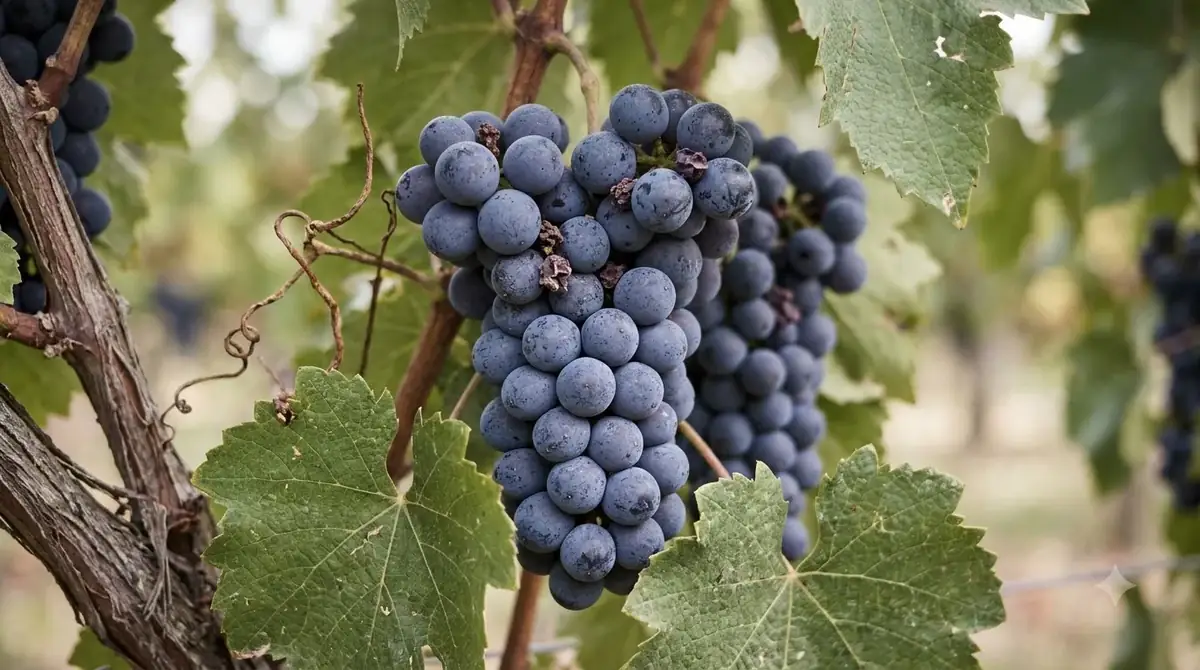
The standard 750 ml bottle is the natural starting point for most buyers. According to Kroger’s product information, this format contains approximately five conventional 5-ounce servings and has an alcohol concentration of 13.5% ABV. That makes it easy to plan a dinner purchase without needing a larger-format bottle or a special occasion to justify opening it.
The wine is particularly suitable for people who appreciate recognizable fruit flavors. Mark West describes its 2024 Cellar Select Pinot Noir with black cherry, mocha, vanilla, and caramel aromas. Retail descriptions of the standard Pinot Noir also mention strawberry, plum, dried cherry, and brown spice. These characteristics create a familiar red-wine profile that works for drinkers who prefer ripe fruit and gentle tannins over aggressive structure.
Budget-conscious shoppers can also benefit from comparing Mark West with other wines in the same general retail category. A less expensive bottle is not automatically a better purchase if it is poorly stored, old stock, or an unsuitable style for the meal. The practical question is whether the wine offers enough enjoyable fruit, balance, and versatility at the price being requested.
On the other hand, buyers searching for a highly complex Pinot Noir with distinctive vineyard character, delicate earthy development, or extensive bottle-aging potential may want to explore more specialized California or Oregon producers. Mark West is primarily an accessible everyday option, not a substitute for every premium Pinot Noir experience.
Key Factors to Compare
The most useful comparison starts with bottle size, retailer pricing, vintage information, and the exact product being sold. A 750 ml bottle provides a consistent reference point, while larger formats and different retail channels can change the apparent cost per serving.
Retail listings demonstrate why checking more than one seller matters. Kroger’s published listing has shown a standard 750 ml bottle in approximately the $9 to $13 range, while Total Wine listings have placed it around $10 to $12. H-E-B listings have also shown prices around $9 to $16, depending on the product listing and location. These are retailer-specific examples, not guaranteed national prices; prices vary by state and retailer.
| Comparison factor | What to look for | Why it matters |
|---|---|---|
| Standard bottle | 750 ml | Provides approximately five 5-ounce servings |
| Typical retail range | About $9–$16 | Identifies the general everyday buying category |
| Alcohol content | 13.5% ABV | Useful for comparing similar red wines |
| Wine style | Medium-bodied Pinot Noir | Indicates an approachable structure |
| Fruit character | Cherry, strawberry, plum | Helps establish whether the flavor profile suits your preferences |
| Closure | Twist-off cap | Allows convenient opening and resealing |
| Serving temperature | 55–60°F | Helps preserve freshness and fruit character |
The price range is a useful screening tool rather than an absolute rule. A bottle at the lower end can represent an attractive everyday purchase, while a higher-priced listing may reflect local distribution costs, a smaller retailer’s margins, or limited availability. The official Mark West website positions its featured Pinot Noir within the under-$15 category and explains that its sales-positioning claim is based on IRI volume-sales information.
Vintage is another consideration. The producer’s featured 2024 Cellar Select bottling has its own tasting description, including black cherry, mocha, vanilla, and caramel. Retailers may also carry bottles with different vintage information or product descriptions that emphasize strawberry, plum, and brown spice. These descriptions should not automatically be treated as identical technical specifications for every bottling.
For a useful comparison, calculate the price per 750 ml equivalent when evaluating different sizes. A 1.5-liter bottle contains twice as much wine as a standard 750 ml bottle, so comparing only the shelf price can be misleading. Also distinguish regular shelf pricing from short-term promotions, since a temporary reduction does not establish the wine’s usual retail value.
Shoppers comparing the bottle with other options can also consult the broader Wine Brands category to understand where accessible California Pinot Noir fits among different producers and wine styles.
Step-by-Step: How to Find a Good Mark West Price
Finding a sensible retail price does not require complicated wine knowledge. A short comparison process involving bottle size, local retailers, product identity, and storage conditions can prevent unnecessary spending.
-
Start with the 750 ml bottle.
Use the standard bottle as your reference because most retailer listings and price comparisons use this size. It contains approximately five 5-ounce servings, making it suitable for comparing both bottle prices and cost per glass.
-
Establish the local price range.
Compare at least two or three retailers serving your area. Kroger, Total Wine, H-E-B, and independent wine shops have published Mark West listings with different retail prices. The location of the store, availability, and local alcohol regulations can affect what you actually pay.
-
Separate regular pricing from temporary offers.
A promotional shelf tag may not represent the normal cost of the wine. Record the ordinary listed price as well as any temporary promotion so that you can decide whether the reduction makes a meaningful difference.
-
Confirm the bottle format.
Check whether the listing is for 750 ml or 1.5 liters. A larger bottle can look more expensive while offering a lower cost per milliliter. Make sure you are comparing equivalent quantities rather than simply choosing the lowest shelf price.
-
Compare the wine description.
Look for the standard California Pinot Noir rather than assuming every Mark West product has identical characteristics. The producer’s Cellar Select description and the standard retailer descriptions can emphasize somewhat different fruit and oak notes.
-
Check storage and bottle condition.
Choose a retailer that stores wine away from excessive heat and direct sunlight. Avoid bottles with signs of leakage, damaged closures, or other visible storage problems, particularly when purchasing from an unfamiliar shop.
-
Consider the intended meal.
Choose the wine according to the food you plan to serve. Grilled chicken, roasted pork, and dishes with gentle tomato-based sauces are practical choices for this medium-bodied red. If the wine will accompany a large dinner, buying the correct quantity matters more than saving a small amount on one bottle.
-
Make the final comparison by value.
Compare the total amount, bottle size, expected serving count, and convenience of purchasing locally. A slightly higher shelf price may be reasonable if the bottle is properly stored and immediately available, rather than requiring additional travel or delivery costs.
This process makes the purchase more consistent, especially when the wine is intended for regular household use. It also helps avoid treating a promotional price as proof that every bottle sold at that amount represents good value.
Tip: Use the 750 ml bottle as your price benchmark, then calculate the cost per 100 ml when comparing larger formats. This makes it easier to distinguish a genuinely better-value bottle from one that simply has a lower shelf price.
Types or Styles Explained
Mark West’s core appeal is its accessible California Pinot Noir, but the wine’s descriptions can vary according to the featured bottling, vintage, and retailer. Understanding the difference between the producer’s tasting notes and general product descriptions helps shoppers know what to expect before purchasing.
Standard California Pinot Noir
The standard Mark West Pinot Noir is described by retailers as a medium-bodied red with strawberry, plum, and black cherry characteristics. Dried cherry and brown spice are also mentioned as part of its finish. These flavors give the wine a recognizable fruit-driven identity without requiring a particularly elaborate serving or food-pairing arrangement.
Pinot Noir generally has lower tannin than varieties such as Cabernet Sauvignon, which contributes to its more approachable texture. Mark West’s soft-tannin description fits that general style. It is therefore a practical choice for people who want a red wine with noticeable fruit but do not enjoy a particularly firm or drying finish.
The standard bottling works well for everyday meals and informal gatherings. It is also a reasonable starting point for someone exploring California Pinot Noir without immediately moving into more expensive regional or vineyard-specific wines.
Cellar Select Pinot Noir
Mark West’s official website presents its 2024 Cellar Select Pinot Noir with black cherry, mocha, vanilla, and caramel aromas. The producer describes the wine as medium-bodied and identifies selected vineyards throughout California as its grape sources.
The Cellar Select description emphasizes darker fruit and more noticeable mocha and caramel impressions. These characteristics give buyers another way to understand the producer’s preferred flavor direction. The suggested pairing of tri-tip and roasted vegetables also indicates that the wine can accompany more substantial meals.
When comparing Cellar Select with a standard retailer listing, avoid assuming that a different tasting description necessarily means a different price category or superior quality. Product descriptions may reflect a particular vintage, presentation, or retailer’s wording. The actual bottle identity and vintage are more useful comparison points.
Different Bottle Sizes
The standard 750 ml bottle is the easiest format to find in ordinary retail channels. It is also the most useful format for comparing prices because the majority of product listings identify the same quantity.
A 1.5-liter bottle contains twice the wine of a standard bottle. This can make sense for a larger gathering or a dinner where several guests will enjoy the same wine. However, the larger format is not automatically cheaper per milliliter, so compare the total volume against the price before purchasing.
Smaller formats may also appear through particular independent retailers. Availability is not necessarily consistent across states or stores, and the cost per milliliter may be higher than the standard bottle. For a first purchase, the familiar 750 ml format is usually the simplest way to assess whether the wine suits your preferences.
Buyers interested in the wine’s broader profile can read more about Mark West Pinot Noir, including its characteristic fruit flavors and general style.
Common Mistakes
The most common buying mistakes involve comparing different bottle sizes, misunderstanding temporary retail pricing, and expecting an affordable everyday Pinot Noir to behave like a premium bottle. Recognizing these differences makes it easier to judge the wine fairly.
Assuming Every Retailer Has the Same Price
Retail pricing is not uniform across the United States. A grocery chain may carry the bottle at a lower listed price than an independent wine shop, while another location may have higher pricing because of distribution or operating costs.
For example, published retailer listings have placed the standard bottle within approximately the $9 to $16 range across different US shopping channels, according to Kroger and H-E-B product listings. The difference can be substantial enough to justify checking nearby stores before buying several bottles. Prices vary by state and retailer.
Confusing Bottle Size With Value
A larger bottle usually carries a higher total shelf price, but the relevant figure is its cost relative to volume. A 1.5-liter bottle contains two standard 750 ml bottles, so dividing its price by two provides a straightforward equivalent comparison.
The reverse is also true: a smaller bottle may appear affordable but cost more per milliliter. Always compare equivalent quantities when evaluating different packaging formats.
Expecting a Premium Pinot Noir Experience
Pinot Noir is produced in many styles, from inexpensive fruit-forward California bottlings to complex wines from specialized vineyards in regions such as the Russian River Valley, Sonoma Coast, and Willamette Valley.
Mark West is positioned toward accessibility and everyday enjoyment. Its black cherry, strawberry, plum, and brown spice characteristics are designed to be approachable. Buyers seeking extensive savory complexity, pronounced vineyard expression, or long-term cellar development may need to consider a different category of wine.
Ignoring Vintage Differences
Retail descriptions do not always represent the same vintage. The producer’s 2024 Cellar Select notes emphasize black cherry, mocha, vanilla, and caramel, while standard retailer descriptions commonly emphasize strawberry, plum, and dried cherry.
These descriptions are not necessarily contradictory. They can refer to different bottlings or emphasize different aspects of the wine. Comparing the actual vintage and bottle identity provides a more reliable purchasing decision than relying on a single flavor description.
Buying Without Considering Storage
Even an affordable wine can disappoint if it has been stored in excessive heat. Wine exposed to high temperatures or repeated temperature changes can lose freshness and develop undesirable characteristics.
Choose a reputable retailer, particularly when buying multiple bottles for a gathering. A slightly lower shelf price is not necessarily worthwhile if the bottles have been poorly stored.
Overlooking the Intended Food Pairing
Pinot Noir is versatile, but not every dish is an ideal match. Very spicy food can make alcohol and tannin seem more pronounced, while highly tannic red wines can clash with delicate oily fish. Mark West’s relatively soft profile makes it easier to pair with lighter proteins, although preparation and seasoning still matter.
Grilled chicken, roasted pork, and dishes with gentle tomato-based sauces are useful starting points. More substantial meals such as tri-tip and roasted vegetables also fit the producer’s recommended pairings.
Care and Storage Tips
Proper storage and serving can make an inexpensive Pinot Noir more enjoyable without changing the amount paid for the bottle. Temperature, closure, and how quickly the wine is consumed after opening are the most practical considerations.
Store the Bottle Correctly
Keep unopened wine in a cool, dark location away from direct sunlight, heaters, and kitchen appliances that produce heat. A storage temperature near 55°F is a useful general target for wine, with relatively stable conditions preferred over repeated temperature fluctuations.
For bottles with traditional cork closures, horizontal storage helps keep the cork in contact with the wine. Mark West’s standard retail bottle is identified by Kroger as having a twist-off closure, so the traditional cork-moisture consideration does not apply in the same way.
Avoid leaving the bottle in a hot vehicle or on a sunny windowsill. Even an affordable wine can lose its fresh fruit character when exposed to unsuitable storage conditions.
Serve Slightly Cool
Light to medium-bodied red wines such as Pinot Noir are generally best served around 55–60°F. This is cooler than typical room temperature in many American homes, particularly during warmer months.
If the bottle has been stored at room temperature, a short period in the refrigerator can bring it closer to a suitable serving temperature. Avoid serving it extremely cold, because excessive chilling can mute the fruit aromas and make the wine seem less expressive.
There is no need for elaborate preparation. Open the bottle, allow it to warm slightly in the glass if necessary, and serve it with food or on its own. A standard 5-ounce pour is a convenient serving reference.
Handle Open Bottles Properly
After opening, replace the twist-off cap securely and place the bottle in the refrigerator. A practical general guideline for opened still wine is approximately three to five days, although freshness depends on storage, oxygen exposure, and the wine’s condition before opening.
Allow refrigerated red wine a little time to warm before serving again. Taking it out approximately 15 to 30 minutes beforehand can help bring the temperature closer to the preferred range, depending on the refrigerator and room conditions.
For gatherings, avoid opening several bottles unnecessarily. A single 750 ml bottle provides about five conventional servings, which is useful for estimating quantities when planning a meal.
Match Storage to Your Buying Plans
If purchasing several bottles at once, choose a consistent storage location rather than leaving the wine in a warm pantry or near a window. Store the bottles in a relatively cool area where temperatures remain stable.
There is also little reason to treat the standard Mark West Pinot Noir as a wine that requires extended cellaring. Its accessible fruit-driven style makes it suitable for ordinary consumption rather than long-term collection. Buying quantities that can be enjoyed within a reasonable period is a sensible approach.
For more details on the wine’s strength and how its alcohol level fits into serving decisions, see Mark West Pinot Noir alcohol content.
For the producer’s own tasting notes, California sourcing information, and food recommendations, visit the official Mark West Pinot Noir page.
Frequently Asked Questions
Does Mark West Pinot Noir have a screw cap?
Yes. Kroger identifies a twist-off closure on its standard 750 ml bottle. This means opening it does not require a corkscrew, which is convenient for casual meals and outdoor gatherings. The cap can also be replaced after opening to help limit additional air exposure.
Is Mark West Pinot Noir made entirely from California grapes?
The producer describes its featured 2024 Cellar Select Pinot Noir as coming from selected vineyards throughout California. Its retail descriptions also identify California as the wine’s region. This is a California-designated Pinot Noir rather than a bottle identified with one individual vineyard.
Can Mark West Pinot Noir be used for cooking?
It can be used in savory preparations such as mushroom sauces, pan sauces, and certain braised dishes. Its cherry and plum character can complement roasted meats and earthy ingredients. Use a wine you would be comfortable serving at the table rather than relying on cooking to improve a poor-quality bottle.
Does Mark West Pinot Noir contain sulfites?
Retail product information identifies sulfites in the wine. Sulfites are commonly present in commercial wines as a natural result of fermentation and may also be used in winemaking to help protect freshness. The product’s packaging provides the relevant allergen and ingredient information for the specific bottle.
Is Mark West Pinot Noir suitable for serving at a dinner party?
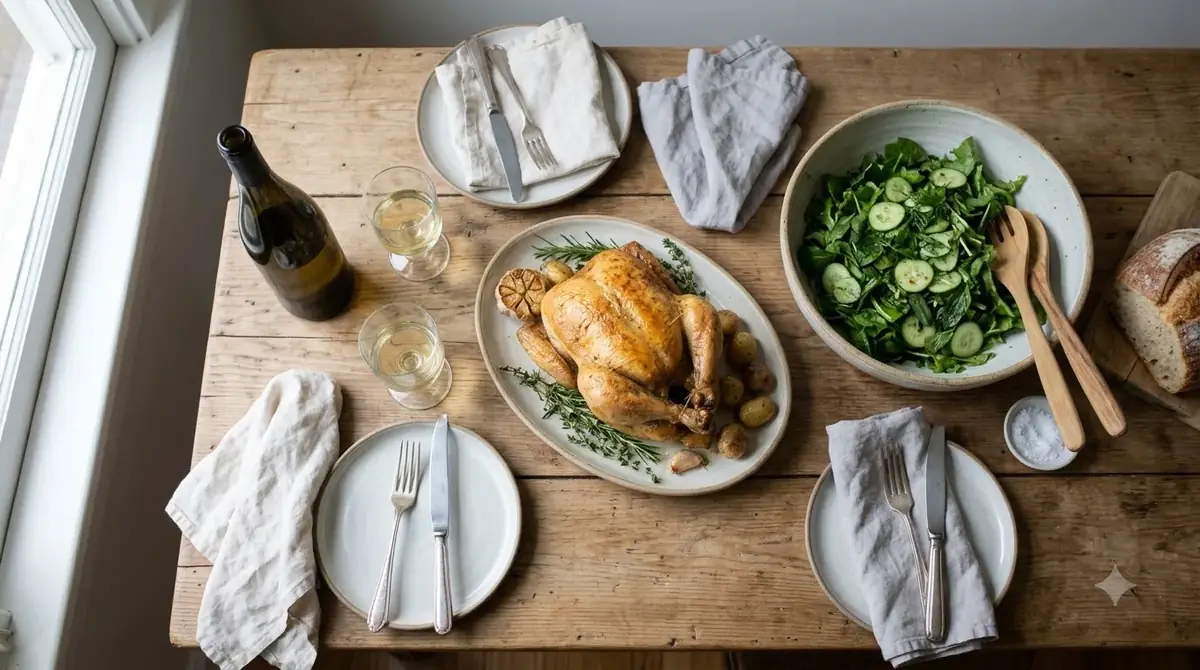
Yes, particularly for informal dinners where an accessible California red is appropriate. A 750 ml bottle provides approximately five conventional 5-ounce servings, so two bottles provide around ten servings. For a mixed group of guests, offering a white wine alongside the Pinot Noir can provide more variety.
Mark West Pinot Noir is a practical purchase for shoppers seeking a fruit-forward, medium-bodied California red at an accessible retail price. A typical 750 ml bottle falls around $9 to $16, according to published Kroger and H-E-B retail listings, although local pricing and availability can change the final cost. Compare equivalent bottle sizes, choose a properly stored bottle, and consider the wine’s approachable cherry and plum profile when deciding whether it fits your next meal.
More in Wine Brands
 Underwood Wine Price: Compare Bottles, Cans, and Pack SizesUpdated Nov 21, 2026
 Zenato Wine Price: Compare Styles and Choose the Right BottleUpdated Nov 21, 2026
 Zuccardi Wine Price: Compare Bottles and Find the Right RangeUpdated Nov 21, 2026
 Yellow Tail Moscato Review: Taste, Sweetness and Serving TipsUpdated Nov 21, 2026
 Wolf Blass Yellow Label Review: Choose Your Best StyleUpdated Nov 21, 2026
 Wolffer Estate Rose Review: Choose the Right Bottle for Your TableUpdated Nov 21, 2026