

We may earn a commission when you buy through links on this page, at no extra cost to you. Learn more.
Tennessee vineyards grow a mix of native, hybrid, and European grapes in a humid climate that favors disease-resistant varieties. The state had a 19th-century wine industry, lost most of it during Prohibition, and rebuilt from the early 1980s when the first post-Prohibition wineries were licensed. Today the state is divided into several wine regions, and its signature style is often built around Norton, a native-hybrid red that thrives in the Eastern and Midwestern humidity.
This guide explains how Tennessee’s vineyards are organized, how its climate shapes the grapes, which varieties growers choose, and how to pick and serve a Tennessee wine. It is written for readers who may never have tasted a bottle from the state and want to know what to expect.
A short history of Tennessee winemaking
Tennessee had a substantial wine industry in the 19th century. In 1880, the Tennessee Department of Agriculture estimated about 1,128 acres of grapes in the state. Prohibition, which began with the 18th Amendment in 1919, devastated that industry, and for decades little commercial winemaking survived.
The modern era started slowly. The first post-Prohibition wineries were licensed in 1980, and the first modern winery, Highland Manor Winery, sits in the Upper Cumberland AVA. By the mid-2010s the state had over 1,000 acres of grapes and around 70 wineries, according to the Tennessee wine entry.
Wine regions across the state
Tennessee’s wine geography is spread across several American Viticultural Areas, and each one reflects a different part of the state’s landscape. The Mississippi Delta AVA, established in 1984, is large and extends mainly into Mississippi, with small parts in Louisiana and Tennessee. Its few wineries work with native Muscadine grapes, which suit the warm, humid lowlands.
The Appalachian High Country AVA, established in 2016, is mainly in North Carolina but includes parts of Tennessee and Virginia. Its cooler climate and shorter growing season favor cold-hardy grapes such as Marquette, Vidal Blanc, and Frontenac. The Upper Cumberland AVA covers part of Middle Tennessee, while the Nine Lakes of East Tennessee region surrounds Knoxville and holds a large share of the state’s wineries.
| Region | Where it is | What it tends to grow |
|---|---|---|
| Mississippi Delta | Mostly Mississippi, small parts of Tennessee | Native Muscadine grapes |
| Appalachian High Country | Mainly North Carolina, parts of Tennessee and Virginia | Cold-hardy hybrids such as Marquette and Vidal Blanc |
| Upper Cumberland | Middle Tennessee | Hybrids and vinifera, home of the first modern winery |
| Nine Lakes of East Tennessee | Around Knoxville | Muscadine, hybrids, vinifera, and native grapes |
Climate and soils that shape the vines
The climate is humid, with subtropical and oceanic influences depending on the region. That humidity is a challenge for European vinifera grapes, which are more prone to fungal disease in damp conditions. As a result, many growers lean toward French hybrids and native varieties that handle the wet season better.
Soils vary from one part of the state to another, and growers choose vineyard sites with climate, soil, and slope in mind. The practical effect is that a Tennessee wine often reflects both its grape and its local conditions, with a fresh, fruit-forward style in many cases.
Grapes grown in Tennessee
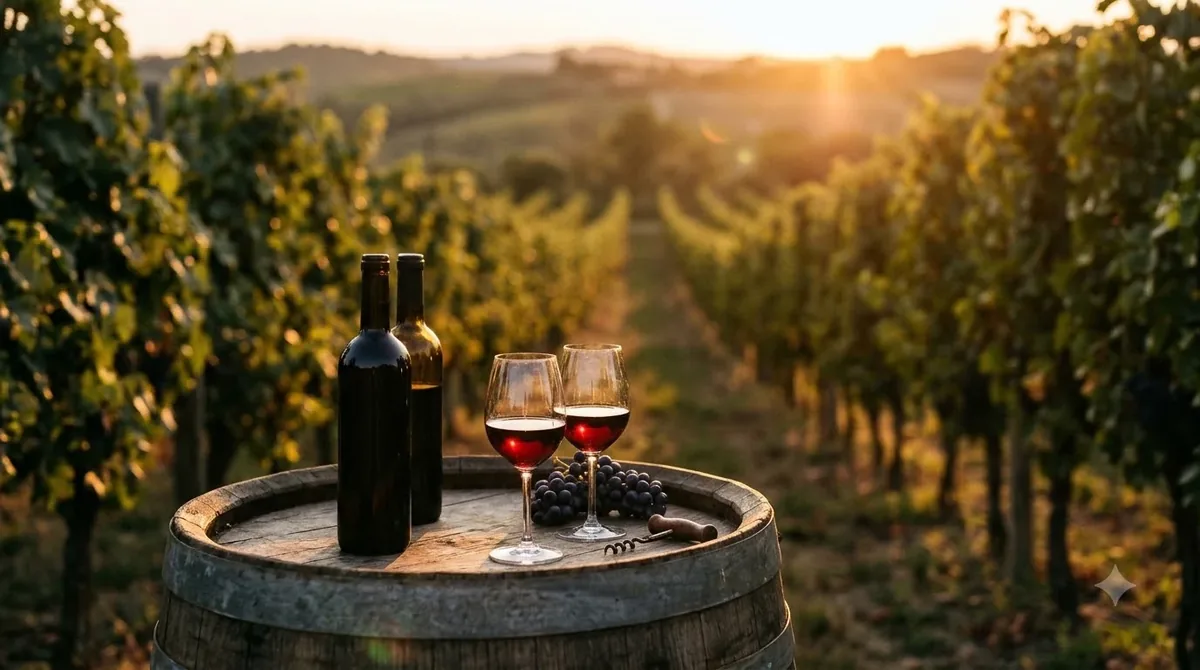
Tennessee’s vineyards grow a wide range of varieties. Native and hybrid grapes include Catawba, Concord, Niagara, Norton, Muscadine, and Vidal Blanc. European vinifera grapes such as Cabernet Sauvignon, Chardonnay, Merlot, and Riesling are also planted, especially in wineries that focus on classic styles.
Norton is one of the most interesting regional grapes. It is an American hybrid of Vitis vinifera and Vitis aestivalis. Wine Folly’s Norton profile describes its flavors as black currant, black cherry, dill, and black pepper, with a rich blend of fruity and savory notes. Wine Folly also suggests Norton as a substitute for Cabernet Sauvignon because of its bright acidity and fuller body, which makes it a good introduction for drinkers who like structured reds.
Muscadine is the other grape people often associate with the South. Muscadine wines tend to be sweeter and more aromatic than most vinifera wines, and they reflect a regional tradition that predates the modern industry.
How to serve and pair Tennessee wine
Serve Norton and other reds slightly below room temperature. Wine Folly’s Norton profile recommends 60 to 68 degrees Fahrenheit, which keeps the fruit lively and the savory edge balanced. Chilled whites such as Vidal Blanc are best served cold but not icy, so their aromatics can show.
Norton pairs well with grilled and roasted meats, and the same source names venison, beef, and blackened fish as classic matches. Sweeter Muscadine wines suit spicy barbecue, fresh fruit desserts, and salty cheeses. Cold-hardy whites from the High Country go well with fried chicken, shellfish, and light salads.
How to choose a Tennessee bottle
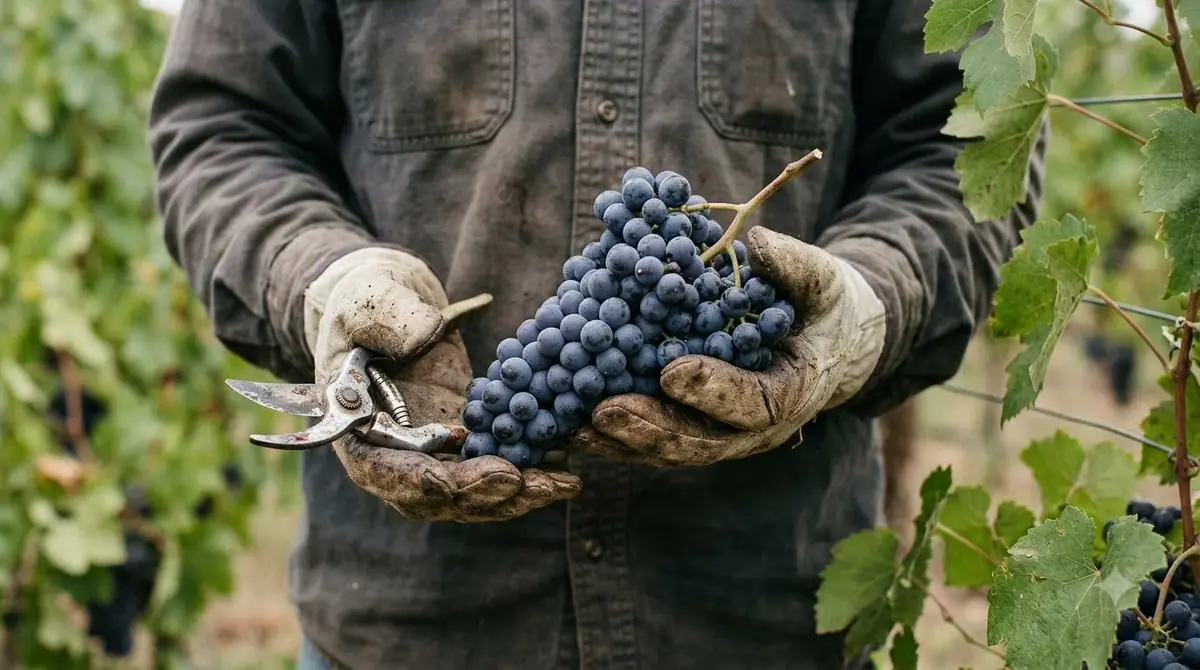
Start with the grape. If you like bold reds, try a Norton, which offers a distinct American character. If you prefer sweeter wines, a Muscadine can be a good choice. Hybrid whites are a useful entry point for drinkers who find very dry wines hard going.
Look at the label for the appellation or the vineyard. Many Tennessee wineries name the region on the bottle, which tells you where the grapes were grown and helps you compare styles across the state. When you visit a tasting room, ask staff which vineyards supplied the fruit, because growers in different regions often work with different grapes.
If you want to see how an eastern American hybrid compares with a red from another humid region, read our Hermann wine trail guide, which covers a Missouri wine region that also grows Norton. For a broader look at how regions shape flavor, browse the Wine Regions section.
Because many Tennessee wineries are small and family run, the best way to learn about the state is to visit in person. Tasting rooms often pour a range of styles in one visit, which makes it easy to compare a Norton with a hybrid white or a Muscadine. Staff can usually explain where the grapes came from and how the vintage turned out, and that context makes the wines easier to appreciate.
If you are buying for a dinner, think about the menu first. A Norton brings enough body for grilled meats, a hybrid white suits lighter seafood and salads, and a Muscadine can be a pleasant partner for dessert. Starting from the food often leads to a better choice than starting from the label.
Frequently Asked Questions
Does Tennessee really make good wine?
Tennessee has a modern wine industry with several regional appellations and dozens of wineries. Its wines are often shaped by humid conditions and by hybrid and native grapes, so they can taste very different from California or European bottles.
What grapes are grown in Tennessee vineyards?
Growers plant native grapes such as Muscadine and Norton, hybrids such as Vidal Blanc and Marquette, and some European vinifera grapes such as Cabernet Sauvignon and Chardonnay.
Why do Tennessee vineyards use so many hybrid grapes?
The state’s humid climate puts pressure on European grapes, which are more prone to fungal disease. Hybrids and native varieties tend to handle the wet season better.
When did modern Tennessee winemaking start?
The first post-Prohibition wineries were licensed in 1980, and the first modern winery is Highland Manor Winery in the Upper Cumberland AVA.
Tennessee vineyards reward curiosity. Try a Norton for a bold red, a Muscadine for something sweeter, and a hybrid white for a fresh finish. Each one shows how the state’s climate and grapes come together in a style that is not like anything else on the American shelf.
More in Wine Regions
 Willcox Wine Trail: Discover Arizona’s High-Elevation Wine CountryUpdated Nov 20, 2026
 Yakima Valley Wine Region: Find the Best Styles to TryUpdated Nov 20, 2026
 Vosne Romanee Wine Tasting: Identify Aromas and Choose Better PairingsUpdated Nov 20, 2026
 Yakima Valley Wine Festival: Find the Best Seasonal Wine EventsUpdated Nov 20, 2026
 Wales Vineyards: Discover Cool-Climate Wines and Where to VisitUpdated Nov 20, 2026
 Yountville Wine Festival: Discover Napa Wines and Local FoodUpdated Nov 20, 2026