

We may earn a commission when you buy through links on this page, at no extra cost to you. Learn more.
The typical catena malbec price in the United States is approximately $20 to $30 for a 750 ml bottle, depending on the vintage, retailer, and location. Catena Malbec is a Mendoza red made entirely from Malbec grapes, with high-altitude vineyard sourcing and French oak aging contributing to its character. For most shoppers, the standard Catena Malbec bottling offers a useful balance between recognizable Argentine Malbec flavors and a more structured, carefully produced wine.
Catena Malbec occupies an appealing position between inexpensive everyday Malbec and more expensive premium Argentine wines. Its pricing reflects its vineyard sourcing, production approach, and established producer reputation rather than simply the grape variety on the label. Understanding the difference between the standard Catena bottling, other wines in the Catena portfolio, and individual vintage variations makes it easier to judge whether a particular bottle represents reasonable value. This guide explains typical US retail pricing, the factors behind the cost, and what shoppers should consider before buying.
Who Should Buy Catena Malbec at Its Typical Retail Price?
Catena Malbec is particularly suitable for shoppers who want a full-flavored Argentine red without moving into expensive collector-level wines. A typical retail budget of approximately $20 to $30 for a 750 ml bottle places it in the middle of the everyday-to-premium wine category, making it appropriate for dinner parties, weekend meals, and thoughtful gifts.
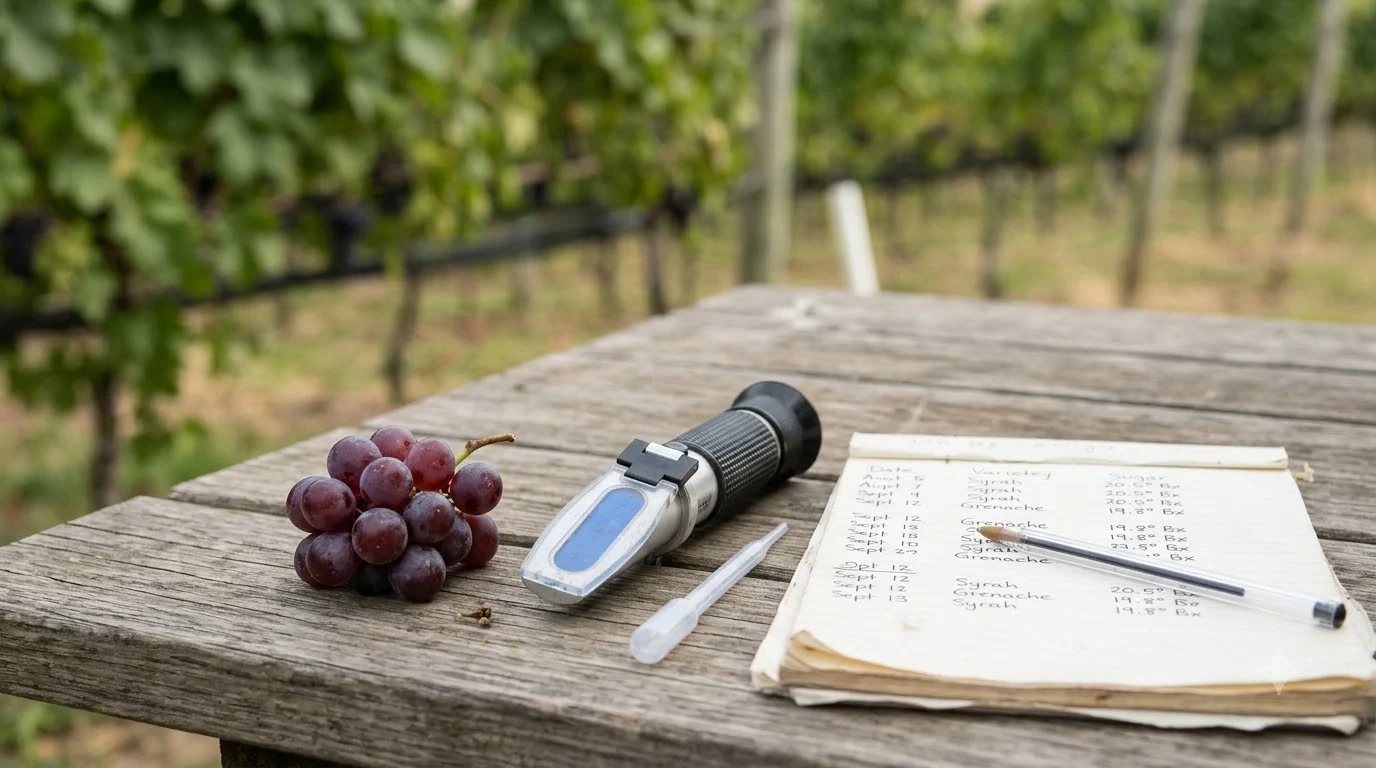
The wine is made from 100% Malbec, and its Mendoza origin gives it a recognizable regional identity. Catena’s high-altitude vineyard sourcing brings together fruit from different growing areas rather than relying on a single vineyard. According to the producer, the 2024 bottling blends grapes from Gualtallary, Lunlunta, and El Cepillo. These sites differ in elevation and soil composition, contributing different elements to the finished wine. This approach helps explain why the bottle offers more than a simple, straightforward fruit-forward red.
Shoppers who enjoy black cherry, ripe plum, floral aromas, and subtle oak characteristics are likely to appreciate this style. Retail descriptions also identify violet, chocolate, vanilla, and black pepper notes. The combination makes Catena Malbec versatile enough for grilled meats, burgers, roasted vegetables, and dishes with savory sauces. Its relatively generous texture also suits people who prefer reds with noticeable body rather than lighter, delicate wines.
It may be less suitable for someone looking for a very light red, a low-alcohol wine, or a bottle with minimal oak influence. The producer lists the 2024 wine at 13.5% ABV, and its French oak aging contributes additional structure and complexity. Those who prefer very inexpensive wines for large gatherings may also find that the standard retail price is higher than necessary for their requirements.
Catena Malbec is also a reasonable starting point for someone exploring Argentine wine producers. Its recognizable grape variety and Mendoza origin make it easier to understand regional differences before moving toward more specialized bottlings. Readers interested in the broader range can explore our Catena Malbec overview for additional background on the wine and its producer.
Key Factors to Compare When Checking Catena Malbec Price
The most useful way to evaluate a Catena Malbec listing is to compare bottle size, vintage, retailer, and the exact wine name. A standard 750 ml bottle is the most straightforward reference point, while different Catena labels should not automatically be treated as equivalent products.
| Comparison factor | Typical information | Why it matters |
|---|---|---|
| Standard bottle size | 750 ml | Provides the usual retail comparison unit |
| Half bottle | 375 ml | Useful for smaller servings or trying a wine |
| Typical US retail range | About $20–$30 | Useful starting point for standard bottlings |
| Grape variety | 100% Malbec | Identifies the wine’s varietal composition |
| Country and region | Argentina, Mendoza | Distinguishes it from other Malbec origins |
| Alcohol content | 13.5% ABV for the 2024 producer listing | Helps compare wine styles |
| Oak aging | 11–13 months for the 2024 producer listing | Indicates the production approach |
| Serving temperature | 60–65°F | Helps preserve balance and aroma |
For a practical retail reference, Total Wine’s Sacramento listing displays Catena Malbec 750 ml at approximately $20.99, while VinoAlert records US retail listings for the standard wine in the low-$20 range. These are retailer-specific examples rather than guaranteed nationwide prices. Prices vary by state and retailer, and local taxes, shipping policies, vintage availability, and distribution can change the final amount.
The most important distinction is between the standard Catena Malbec and more specialized wines carrying additional names on their labels. Catena Alta Malbec, Catena Malbec Argentino, and vineyard-specific wines belong to different product categories. They can have different production choices, vineyard selections, and market positioning. A higher price for one of these wines does not mean that the standard Catena Malbec has become unusually expensive.
Vintage is another important consideration. Two bottles bearing the same producer and grape variety can have different retail prices because they represent different harvests and inventory situations. Older bottles may be less common, while a newly distributed vintage may have wider availability. A higher price alone does not establish that an older vintage will taste better or provide superior value.
Tip: Compare the same Catena bottling, vintage, and 750 ml size across retailers before judging a listing. A different Catena label or a half bottle is not a like-for-like comparison.
For an additional retail comparison, consult Total Wine’s Catena Malbec product listing. Its product information provides a useful reference for the standard bottle’s size, regional origin, and described flavor profile.
Step-by-Step: How to Find a Reasonable Catena Malbec Price
Finding a reasonable price does not require choosing the lowest listing available. The better approach is to establish a comparable bottle price, confirm the product identity, and account for differences in shipping, vintage, and local availability.
-
Identify the exact wine.
Start by confirming that the listing is for standard Catena Malbec rather than Catena Alta Malbec, Malbec Argentino, or another premium bottling. Similar producer names can create confusion, especially when retailers display several Catena wines together.
-
Confirm the bottle size.
Use 750 ml as the main comparison standard. A 375 ml bottle contains half the volume, so its total price should not be compared directly with the price of a full-size bottle. Larger formats also need to be evaluated according to their actual volume.
-
Record the vintage.
Compare the same vintage whenever possible. If one retailer lists a 2024 bottle and another lists a 2022 bottle, note the difference rather than assuming the prices reflect identical inventory.
-
Check multiple retailers.
Look at at least three reputable retailers serving your state. Wine shops, regional chains, and online wine merchants can have different distribution arrangements and stock levels. A comparison site can also help identify which stores currently list the wine.
-
Calculate the final bottle cost.
Include shipping, applicable taxes, and any minimum-order requirements. A listing with a lower displayed bottle price may become more expensive after delivery costs are included.
-
Check the bottle’s condition and provenance.
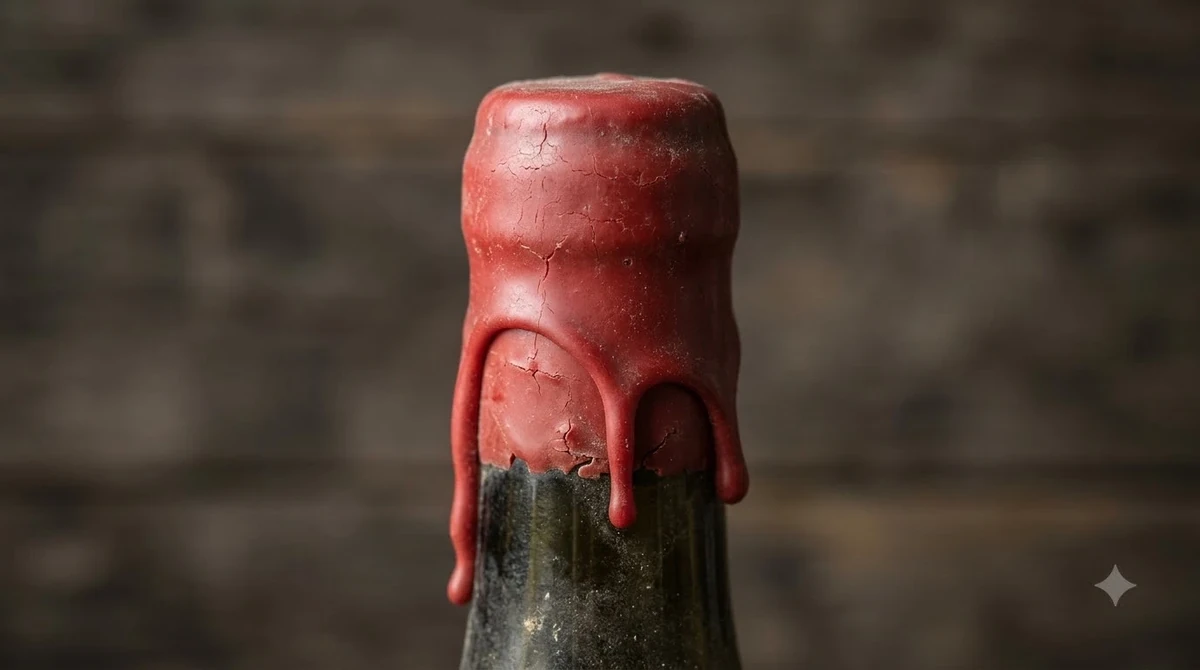
For standard recent vintages, prioritize reputable retailers with appropriate storage and inventory practices. If buying an older bottle, pay closer attention to fill level, capsule condition, storage history, and the seller’s handling procedures.
-
Decide whether the wine fits your occasion.
A bottle intended for a casual weekday meal has different requirements from one intended for a special dinner or a gift. Consider the recipient’s taste, the food being served, and whether the standard Catena bottling is the right style.
Price comparison should end with a decision about value rather than a search for the lowest number. A bottle from a reliable local wine shop may be preferable to an uncertain online listing, particularly if the latter has complicated delivery conditions. Good storage, correct vintage information, and dependable fulfillment are all relevant parts of a sensible purchase.
VinoAlert’s Catena Zapata Malbec price comparison is another useful reference because it separates individual vintages and bottle sizes. Its tracked listings can help shoppers understand the spread of prices across retailers, although the availability of each listing should still be confirmed directly with the seller.
Types and Styles Explained: Standard Catena and Other Malbec Bottlings
Not every wine with Catena on its label has the same price position or production identity. Understanding the main distinctions helps shoppers avoid comparing a standard regional Malbec with a more specialized vineyard or premium wine.
Standard Catena Malbec
The standard Catena Malbec is the main reference point for this buying guide. It is made from 100% Malbec and combines fruit from multiple high-altitude vineyard locations in Mendoza. The producer describes the 2024 bottling as a blend of three vineyard sites: Gualtallary, Lunlunta, and El Cepillo.
Its production includes cold maceration, fermentation, and French oak aging. The producer specifies five days of cold maceration at 50°F, followed by approximately 10 to 16 days of fermentation and 19 to 22 days of total maceration. Aging is listed at 11 to 13 months in French oak. These details help explain the wine’s combination of dark fruit, floral notes, and additional complexity.
This is the appropriate bottle to use when researching the standard Catena Malbec price. For many shoppers, it offers a useful introduction to the producer’s approach without requiring a move into more expensive specialty wines.
Catena Alta Malbec
Catena Alta Malbec occupies a different position in the producer’s portfolio. It is a separate wine rather than simply another name for the standard Catena Malbec. Its distinct product identity means shoppers should evaluate its own vintage, vineyard information, production details, and retail positioning.
Someone who enjoys the standard bottling may want to explore Catena Alta as a separate purchase when looking for a different level of expression. However, the price difference should be evaluated in the context of the specific bottle rather than treated as an automatic indication of better personal value.
Catena Malbec Argentino
Catena Malbec Argentino is another distinct bottling. Its separate label and product identity are important when comparing listings. Retailers may display it near the standard Catena Malbec, which can make it easy to confuse the two wines when shopping quickly.
Its market position is substantially more premium than that of the standard bottling. Shoppers should therefore avoid using its price as a reference for an ordinary Catena Malbec purchase. It is better considered a separate option for someone specifically interested in exploring the producer’s more ambitious wines.
Vineyard-Specific Malbecs
Catena’s wider portfolio also includes wines identified with individual vineyard locations. These wines are designed to express more specific growing sites rather than the broader combination used for a regional blend.
For example, Gualtallary and Lunlunta represent different growing environments. The producer places Gualtallary at approximately 4,757 feet and Lunlunta at approximately 3,018 feet above sea level. Differences in elevation, soil, and growing conditions contribute to the distinct character of individual vineyard expressions.
These distinctions are useful for understanding the range of Catena wines, but they do not change the basic comparison rule: a standard Catena Malbec should be compared with another standard Catena Malbec of similar vintage and size.
Common Mistakes That Lead to Overpaying
Most pricing mistakes happen because shoppers compare different products or overlook details that affect the final cost. A little attention to the label and retailer information can prevent a misleading comparison.
Comparing Different Catena Labels
The most common mistake is treating every Catena Malbec as the same wine. Standard Catena Malbec, Catena Alta Malbec, and Catena Malbec Argentino are distinct bottlings. Their vineyard selections and production identities differ, so their prices should not be expected to match.
Retailer search pages sometimes place several wines together under a single producer heading. This is useful for discovering alternatives but can make quick comparisons confusing. Read the complete product name before deciding whether one retailer is charging more than another.
Ignoring Bottle Size
A 375 ml half bottle is not directly comparable with a 750 ml bottle. The smaller format contains approximately half as much wine, even if its total retail price appears attractive. A useful comparison converts both bottles to a common volume before drawing conclusions.
The same principle applies to larger formats. A bottle that looks expensive may contain substantially more wine, while a smaller bottle can have a higher per-milliliter cost. Always distinguish the total bottle price from the price per standard bottle equivalent.
Assuming Every Vintage Has the Same Value
Vintage differences matter because wine is an agricultural product. Weather, harvest conditions, vineyard performance, and production decisions can affect the character of each release. Stock availability also changes as older vintages become harder to find.
It is therefore unwise to assume that an older vintage deserves a higher price simply because it has been stored longer. The producer describes Catena wines as capable of aging for ten to twenty years, but that general statement does not mean every bottle needs extended cellaring. Storage conditions remain essential.
Overlooking Delivery Costs
Online prices are not always the final amount a shopper pays. Shipping fees, state restrictions, taxes, and order minimums can affect the total. A retailer with a slightly higher listed bottle price may be more economical if local pickup is available or delivery charges are lower.
Buyers should also be cautious about listings that provide little information about the vintage or bottle condition. A reputable seller with clear product details is generally preferable to an uncertain listing with incomplete information.
Confusing Reputation with Personal Value
Catena has an established reputation in Argentine wine, but brand recognition alone does not determine whether a bottle is worth purchasing. Someone who prefers lighter-bodied reds may find the style less appealing than someone who enjoys dark fruit, moderate tannin, and oak-influenced flavors.
Think about the intended occasion and personal preferences. A well-priced wine is only a good purchase if its style matches what the drinker wants. Reading reliable tasting descriptions and understanding the producer’s production approach can help avoid buying a bottle based only on its name.
Care and Storage Tips for Protecting Your Purchase
Proper storage helps preserve the wine’s aroma, fruit character, and structure after purchase. Catena Malbec does not require elaborate equipment, but consistent temperature and protection from light are important.
Store Bottles in Stable Conditions
For longer storage, keep the bottle in a cool environment near 55°F, away from direct sunlight and strong temperature fluctuations. Store cork-finished bottles on their sides so the cork remains in contact with the wine. A wine refrigerator or suitable cellar is preferable to a warm kitchen cabinet.
Avoid keeping bottles near ovens, radiators, windows, or other sources of heat. Repeated temperature changes can damage wine quality over time. Vibration and strong light exposure are also best minimized, especially when storing a bottle for several months.
Serve at the Right Temperature
Full-bodied red wines are generally best served at approximately 60–65°F. This range is cooler than many warm indoor environments, where red wine can become overly warm and alcoholic in its aromas.
If the bottle has been stored at room temperature in a warm home, place it in the refrigerator briefly before serving. Avoid serving it excessively cold because low temperatures can suppress aromas and make the tannins feel more prominent.
Decant When Appropriate
Young, full-bodied red wines can benefit from 30 to 60 minutes of decanting. This gives the wine additional exposure to oxygen and can help its aromas become more expressive. Whether Catena Malbec needs decanting depends on the vintage, storage history, and individual preference.
Start with a small pour immediately after opening. If the wine seems tight or its aromas are restrained, give it additional time in a decanter or glass. There is no need to decant every bottle automatically, particularly when the wine already seems open and balanced.
Preserve Leftovers Properly
After opening, replace the closure and refrigerate the remaining wine. Most opened still wines maintain useful quality for approximately three to five days when stored properly, although the fruit and aromatic intensity can gradually decline.
For best results, minimize the amount of air in the storage container and avoid leaving the bottle open on a counter overnight. Bring a refrigerated portion closer to the appropriate serving temperature before pouring it again.
Match the Wine with Suitable Food
Malbec’s dark-fruit profile and moderate-to-high structure make it a natural partner for grilled beef, lamb, burgers, and roasted vegetables. Salt and fat can soften the perception of tannin, helping the wine feel more balanced alongside richer foods.
Spicy dishes require more care because alcohol and tannin can intensify chili heat. For a detailed meal-planning reference, see our Catena Malbec food pairing recommendations. You can also explore our Catena Malbec tasting notes for a closer look at the wine’s aromas, flavors, and structure.
Frequently Asked Questions
Does Catena Malbec have an international distribution network?
Catena wines are distributed through established wine import and distribution channels, including Winebow in the United States. However, individual retailers and state distribution arrangements determine which bottles are available in a particular location. A wine listed online may not be deliverable to every state.
Is Catena Malbec made with organically certified grapes?
Winebow describes the family’s vineyards as Certified Sustainable. Sustainable certification and organic certification are different designations, so they should not be treated as interchangeable. Shoppers seeking a specific certification should look for that exact designation in the relevant producer documentation.
How many servings are in a standard Catena Malbec bottle?
A standard 750 ml bottle contains approximately five traditional 5 oz pours. The actual number of servings depends on how much is poured into each glass. Using smaller tasting pours can provide additional opportunities to compare aromas as the wine develops.
Does Catena Malbec contain residual sugar?
Winebow’s listed analytical information for its Catena Malbec production data reports residual sugar of 1.8 grams per liter. This is a low residual-sugar figure and helps explain why the wine is generally experienced as a dry red rather than a sweet wine. The analytical figure belongs to the specific production information published by the distributor.
Can Catena Malbec be used for a wine tasting flight?
Yes. Its Mendoza origin makes it a useful reference wine when comparing Argentine Malbec with versions from other regions. A flight could include a French Malbec from Cahors, a second Argentine Malbec from another Mendoza subregion, and a lighter-bodied red such as Pinot Noir to demonstrate differences in tannin, fruit, and structure.
For most US shoppers, approximately $20 to $30 is a practical reference range for a standard 750 ml bottle of Catena Malbec, although actual retail prices vary by state, retailer, vintage, and availability. Comparing the same bottling across several reputable sellers is the best way to judge whether a listing represents reasonable value. Once the bottle is purchased, proper storage and serving temperature will help preserve the qualities that make this Mendoza Malbec appealing.
More in Wine Brands
 Underwood Wine Price: Compare Bottles, Cans, and Pack SizesUpdated Nov 21, 2026
 Zenato Wine Price: Compare Styles and Choose the Right BottleUpdated Nov 21, 2026
 Zuccardi Wine Price: Compare Bottles and Find the Right RangeUpdated Nov 21, 2026
 Yellow Tail Moscato Review: Taste, Sweetness and Serving TipsUpdated Nov 21, 2026
 Wolf Blass Yellow Label Review: Choose Your Best StyleUpdated Nov 21, 2026
 Wolffer Estate Rose Review: Choose the Right Bottle for Your TableUpdated Nov 21, 2026