

We may earn a commission when you buy through links on this page, at no extra cost to you. Learn more.
Waiheke Island vineyards are a cluster of roughly 28 vineyards and wineries on a small island off the coast of Auckland, New Zealand, known for Bordeaux-style red blends and a cool maritime climate. The island’s growers work mainly with classic French varieties, and Syrah has picked up a strong reputation with local and international judges. Most visitors come for tastings, but the wines are also worth seeking out at home.
This guide explains what makes the Waiheke Island vineyards different from other New Zealand wine areas, which grapes grow well there, how the wineries started, and how to get the most from a visit or a bottle. It is written for drinkers who know the basics and want a clear picture of this small but well-regarded wine district.
Overview of the Waiheke Island Wine Scene
The island is a small landmass with a large concentration of wineries for its size. According to the Wikipedia entry on Waiheke Island, the district counts 28 vineyards and wineries, which makes it one of the densest wine clusters in the country. Many of the estates are small, family-run or boutique operations, so production tends to be limited and each vintage is shaped closely by the people who farm the land.
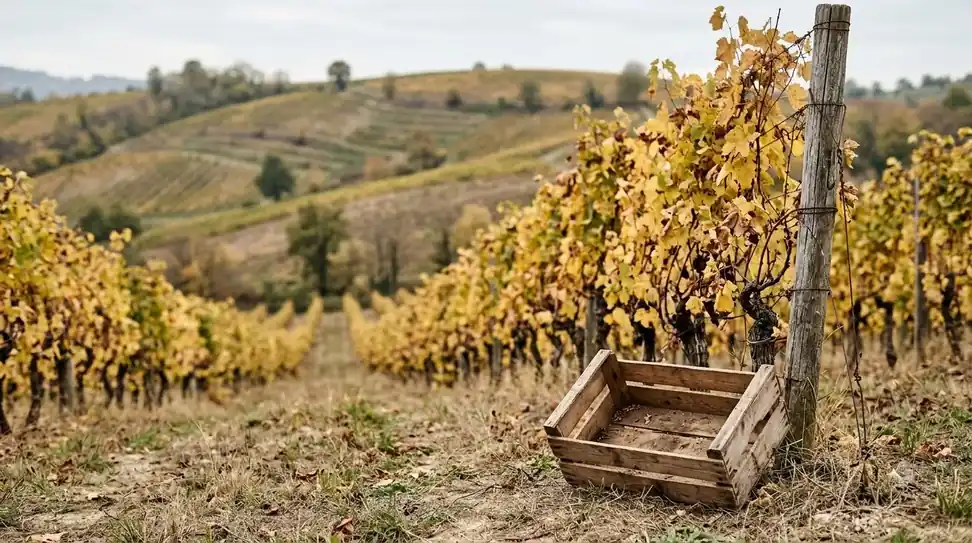
Because the island is separated from the mainland by water, it has a different feel from the wine areas on the North Island’s interior. Vineyards sit close to the sea, and the surrounding ocean moderates temperatures year-round. That combination of slopes, sea air and a long growing season is the reason many producers focus on warm-climate reds alongside whites.
How the Maritime Climate Shapes the Grapes
The Wikipedia summary describes Waiheke’s climate as maritime, with the sea buffering the extremes of heat and cold. Growers have matched that climate to classic grape varieties. The same source notes that the island is well suited to Bordeaux-type grapes, which is why many estates plant Cabernet Sauvignon, Merlot and related blends alongside other varieties.
A maritime setting usually means steady ripening rather than sudden heat, so the grapes can hold acidity while still reaching good sugar and phenolic ripeness. In practice, this tends to give wines with structure and fresh edges, even in warmer seasons. Producers still manage canopies and crop levels carefully, since the damp coastal air can bring disease pressure in some years.
Key Grapes and Wine Styles
Red blends built on Bordeaux varieties are the most common style on the island. Syrah is also a frequent medal winner, according to the same Wikipedia summary, and it is the grape many visitors ask about first. Chardonnay and Sauvignon Blanc round out the white side of the portfolio.
Syrah itself is a dark, structured red. Wine Folly’s Syrah guide describes a dry, full-bodied wine with medium-high tannins and medium acidity, and lists blueberry, black plum, milk chocolate, tobacco and green peppercorn as typical flavors. The same guide notes that styles from Italy and France tend toward more acidity and earthy, herbal aromas, while fruit-forward versions from other regions show more spice. A Waiheke Syrah sits somewhere in that range, depending on the producer and the vintage.
| Style on Waiheke | Typical grapes | What to expect |
|---|---|---|
| Bordeaux-style red blend | Cabernet Sauvignon, Merlot and related varieties | Structured, savory, built for cellaring |
| Syrah | Syrah | Dark fruit, pepper and firm tannin |
| Chardonnay | Chardonnay | Texture and stone fruit, depending on oak use |
| Sauvignon Blanc | Sauvignon Blanc | Bright acidity and herbal or citrus notes |
Early Wineries and the Island’s History
Winemaking on the island is much newer than its reputation suggests. The Wikipedia entry on the island records that Stonyridge was founded in 1981 in the Onetangi Valley, and that Goldwater Estate was among the first wine operations on Waiheke. Those early estates helped establish the Bordeaux-style red as the island’s signature and set a standard that many later producers followed.
Over the following decades the number of vineyards grew, and the island became known as a destination for tasting rooms, restaurants and small producers. Today the island remains a popular destination for visitors who want to combine small estates with coastal scenery, and that visitor trade has shaped how many wineries present their wines, with tasting rooms and food matched to the local setting.
Visiting the Waiheke Island Vineyards
Most visitors travel to the island by boat from Auckland and spend a day or two moving between tasting rooms. Because the estates are spread across the island, it helps to plan a route in advance and choose two or three wineries rather than trying to visit many in one day. Many producers offer seated tastings, and some pair their wines with food from on-site kitchens.
Ask in advance whether a cellar door needs a booking, especially on weekends, and check whether the vineyard is open for walk-ins. Smaller estates often have limited hours, so a quick check before leaving the ferry terminal can save a wasted trip.
Tip: Pair a Syrah or Bordeaux-style red with a local lunch, then leave a second tasting for a cooler afternoon when the wines have had time to settle in your glass.
How to Choose and Serve a Waiheke Wine
If you are buying a bottle to take home, look for the producer’s own description of the vintage and the grape blend. Estate websites and tasting notes usually explain whether a wine is meant for early drinking or for cellaring, which matters more with structured reds than with fresh whites.
Serve Bordeaux-style reds and Syrah a little cooler than a warm room, and give young, tannic bottles time in the glass before drinking so the fruit and structure can open up. Chardonnay and Sauvignon Blanc are best chilled but not ice cold, so the aromas stay clear. Pair reds with grilled meats or hard cheeses and whites with seafood, which suits the island’s coastal setting. Many Syrah drinkers also enjoy it with roasted vegetables and herb-heavy dishes, since the peppery edge of the wine lifts those flavors.
For a broader view of how New Zealand’s wine areas compare with other regions, the wine regions guide is a useful starting point. If you enjoy Waiheke’s structured reds, the Douro wine profile covers another region where firm, food-friendly reds are central to the local identity. For the Syrah side of the story, the Wine Folly Syrah guide is a clear reference for the grape’s flavor range and origins.
Frequently Asked Questions
Are Waiheke Island vineyards in New Zealand?
Yes. Waiheke is a small island near Auckland in New Zealand, and its vineyards are part of the country’s wine industry. It is one of the best-known wine clusters close to a major city.
What grapes grow best on Waiheke Island?
Bordeaux-type grapes grow especially well, including Cabernet Sauvignon and Merlot used in blends. Syrah, Chardonnay and Sauvignon Blanc are also widely planted and are often praised by judges.
Is Waiheke wine similar to French Bordeaux?
The island’s red blends draw on Bordeaux varieties and styles, so there are clear similarities in structure and savory character. The maritime climate and local winemaking choices give the wines their own identity.
Do I need to book a tasting on Waiheke Island?
Booking is not always required, but many estates run seated tastings that fill up, particularly at weekends. Check each winery’s website or call ahead before planning a full day of visits.
Some visitors also use the Hunter Valley wine guide as a companion read, since comparing a warm-climate Australian region with a maritime island can sharpen what you notice in a glass. The numbers on Waiheke are modest, which means that a single day of tasting can give a fairly complete picture of what the island produces.
Whether you visit in person or look for a bottle at home, Waiheke Island vineyards offer a compact way to explore New Zealand’s red blends and Syrah. Start with one or two estates, ask about the vintage, and compare the wines against a local lunch. Please drink responsibly and arrange a driver or a ferry-and-walk plan if you are tasting on the island.
More in Wine Regions
 Willcox Wine Trail: Discover Arizona’s High-Elevation Wine CountryUpdated Nov 20, 2026
 Yakima Valley Wine Region: Find the Best Styles to TryUpdated Nov 20, 2026
 Vosne Romanee Wine Tasting: Identify Aromas and Choose Better PairingsUpdated Nov 20, 2026
 Yakima Valley Wine Festival: Find the Best Seasonal Wine EventsUpdated Nov 20, 2026
 Wales Vineyards: Discover Cool-Climate Wines and Where to VisitUpdated Nov 20, 2026
 Yountville Wine Festival: Discover Napa Wines and Local FoodUpdated Nov 20, 2026