

We may earn a commission when you buy through links on this page, at no extra cost to you. Learn more.
This bota box pinot grigio review finds a convenient, fruit-forward California white wine suited to casual meals, gatherings, and everyday drinking. Expect medium-bodied flavors of white peach, nectarine, citrus, and pineapple, with a clean, refreshing finish. Its bag-in-box packaging makes pouring and storing leftover wine easier than using a traditional bottle. It is a practical choice for drinkers who prioritize accessible fruit flavors and convenience over the complexity of premium, bottle-aged Pinot Grigio.
Bota Box Pinot Grigio occupies a useful position in the boxed-wine category: a recognizable grape variety, approachable flavor profile, and packaging designed for drinking one glass at a time. The 3-liter format is particularly convenient for households that regularly serve white wine, although its larger capacity makes proper storage important. Understanding its sweetness, alcohol content, serving temperature, and food compatibility helps determine whether this wine fits your preferences.
Who Should Consider Bota Box Pinot Grigio
Bota Box Pinot Grigio is best suited to people looking for an uncomplicated, fruit-forward white wine that can be poured without opening a new bottle each evening. Its medium-bodied profile and combination of peach, citrus, and floral notes make it approachable for casual occasions, uncomplicated dinners, and informal entertaining.
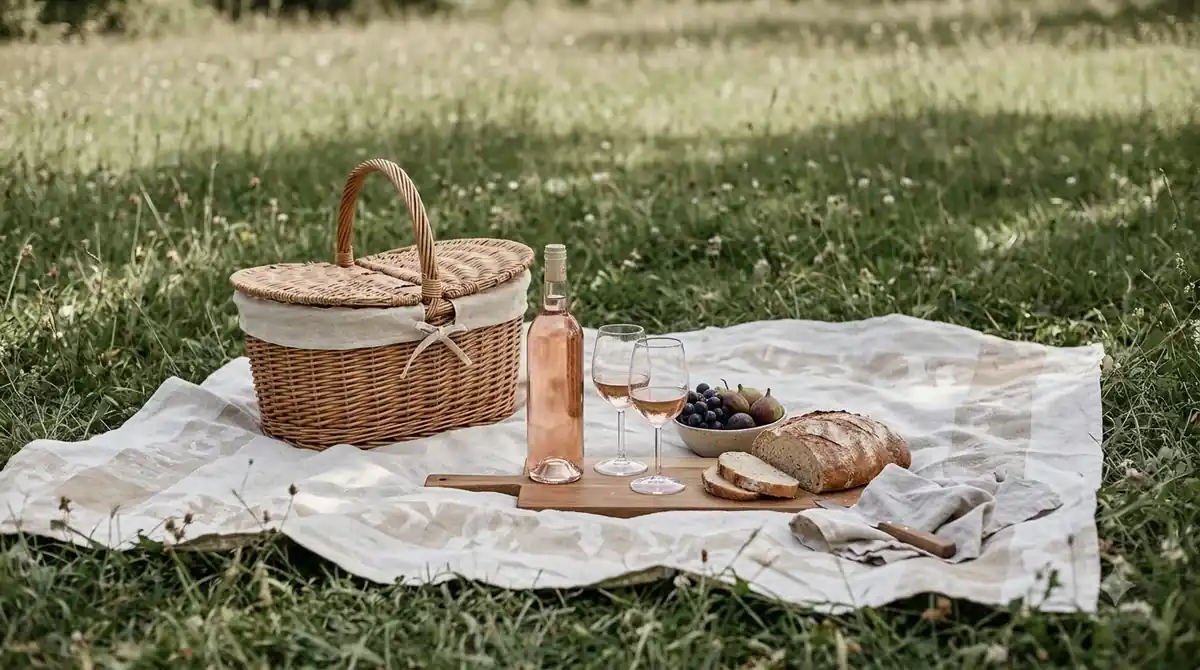
Everyday white wine drinkers are the most natural audience. The wine’s fruit-centered profile provides recognizable flavors rather than demanding the attention required by more complex whites. Someone who enjoys chilled Pinot Grigio alongside a weekday dinner will likely appreciate its straightforward character. It also makes sense for households that prefer keeping a white wine available for occasional cooking, entertaining, or an uncomplicated glass after work.
Hosts and larger households can benefit from the 3-liter package. That quantity equals four standard 750 ml wine bottles, making it useful when several adults want a glass with dinner. At a conventional 5-ounce pour, the box provides approximately 20 servings. A dispensing tap also allows wine to be poured without repeatedly removing a cork or exposing the entire remaining quantity to air.
The format is less attractive to occasional drinkers who might take several months to finish a package. Although bag-in-box packaging helps preserve opened wine, it does not prevent oxidation indefinitely. People who prefer highly mineral-driven Italian whites, complex barrel-aged wines, or bottles intended for long-term cellaring should consider other options.
It is also important to distinguish between an approachable fruit-forward style and a genuinely sweet dessert wine. Bota Box Pinot Grigio is described by its retailer as semi-dry, making it more appropriate for people who enjoy noticeable fruit flavors without expecting a sugary wine. Readers comparing other everyday selections can explore our broader Wine Brands coverage for additional producers and styles.
Key Factors to Compare Before Buying
The most useful comparison points are flavor, sweetness, alcohol content, package capacity, and freshness after opening. These details determine whether the wine suits your preferred drinking style and how easily you can finish the package while its flavors remain fresh.
The producer describes the wine as medium-bodied, with white peach, citrus, pineapple, and floral notes. ABC Fine Wine & Spirits adds nectarine and tangerine to its description and classifies the 3-liter product as semi-dry. Together, these descriptions suggest a white wine focused on approachable stone-fruit flavors rather than pronounced oak, heavy richness, or sharp mineral intensity. The official Bota Box Pinot Grigio tasting notes and wine details provide the producer’s own description of its flavor profile and alcohol content.
Package size deserves particular attention. A 3-liter box is considerably larger than a standard 750 ml bottle, but the amount is easier to understand when converted into conventional servings. The following comparison uses the retailer’s published package specifications and standard wine-serving measurements.
| Factor | Typical specification | Why it matters |
|---|---|---|
| Wine variety | Pinot Grigio | Identifies the white grape style. |
| Wine origin | California, USA | Provides geographic context. |
| Package capacity | 3 liters | Suitable for multiple occasions. |
| Bottle equivalent | 4 x 750 ml | Makes capacity easier to compare. |
| Standard servings | About 20 x 5 oz | Helps estimate household consumption. |
| Official listed ABV | 12.0% | Provides the producer’s published alcohol figure. |
| Retailer-listed ABV | 12.5% | Shows a discrepancy between published listings. |
| Retailer sweetness description | Semi-dry | Helps identify the expected style. |
| Closure | Dispensing tap | Allows individual glasses to be poured. |
One specification deserves special attention: alcohol content. Bota Box’s official Pinot Grigio product page lists 12.0% ABV, while ABC Fine Wine & Spirits lists 12.5% for its 3-liter product. Because those figures differ, shoppers should use the information printed on the particular package they purchase rather than assuming every listing represents an identical bottling specification. Our separate Bota Box Pinot Grigio alcohol content article provides additional context about interpreting ABV and serving sizes.
Flavor should carry more weight than packaging alone. A large format is useful only when the wine inside matches the drinker’s preferences. Someone who enjoys peach, nectarine, and citrus will probably find this profile more appealing than someone seeking a lean, sharply acidic white with pronounced mineral character.
Tip: Compare the wine’s flavor profile and expected consumption rate before choosing the 3-liter format. Four bottle equivalents are convenient for regular drinkers, but a smaller package may be more practical for households that drink white wine only occasionally.
Step-by-Step: How to Choose and Serve It
Choosing Bota Box Pinot Grigio becomes easier when the decision is divided into a few practical steps. Start with your taste preferences, estimate how much wine will be consumed, and then pay attention to temperature and food pairing.
-
Decide whether you enjoy fruit-forward Pinot Grigio.
Look for the flavor characteristics that Bota Box emphasizes: white peach, nectarine, citrus, pineapple, and floral notes. These flavors make the wine approachable, but they will not appeal equally to every white-wine drinker. Someone who prefers crisp green apple, pronounced lemon, and a distinctly mineral finish may prefer a different expression of Pinot Grigio.
-
Determine whether semi-dry wine suits your preferences.
ABC Fine Wine & Spirits describes the wine as semi-dry. Fruitiness does not automatically indicate high residual sugar, so consider whether you generally enjoy dry or slightly softer white wines. For comparison, a very dry Sauvignon Blanc may emphasize sharper acidity and herbal citrus, while a sweeter Riesling can deliver more obvious sweetness.
-
Choose a package size that matches your household.
The 3-liter format contains four standard 750 ml bottles. It makes sense when several people regularly drink white wine, but it can be excessive for someone who pours only one glass every few weeks. Estimate how frequently the wine will be consumed before committing to a large package.
-
Check the alcohol information.
The producer publishes 12.0% ABV, while one retailer lists 12.5% for the 3-liter format. This difference matters when calculating the alcohol in a serving. Use the ABV printed on your purchased package when making that calculation.
-
Chill the wine before pouring.
For this light-to-medium-bodied white, a serving temperature of approximately 45–50°F works well. Refrigerate the package before serving, and avoid serving the wine excessively warm, which can make the alcohol more noticeable and reduce its refreshing character.
-
Select food that complements its fruit and acidity.
Start with grilled chicken salad, pork stir-fry, seafood appetizers, or creamy macaroni and cheese. The producer specifically identifies pork stir-fry, grilled chicken salad, and spicy chorizo macaroni and cheese as pairing suggestions.
-
Plan how to preserve the remaining wine.
Keep the opened box refrigerated and use the tap properly. Avoid leaving the package in direct sunlight or near a heat source. Although the bag-in-box design reduces oxygen exposure, freshness still declines with time.
These steps are useful because a wine’s enjoyment depends on more than its initial flavor description. Package size, drinking frequency, serving temperature, and meal selection all influence whether the purchase makes practical sense.
Types and Styles of Pinot Grigio Explained
Pinot Grigio and Pinot Gris are names for the same grape variety, but the resulting wines can taste quite different depending on climate, ripeness, and winemaking decisions. Bota Box follows a fruit-forward California style, which is a helpful starting point when comparing it with other expressions.
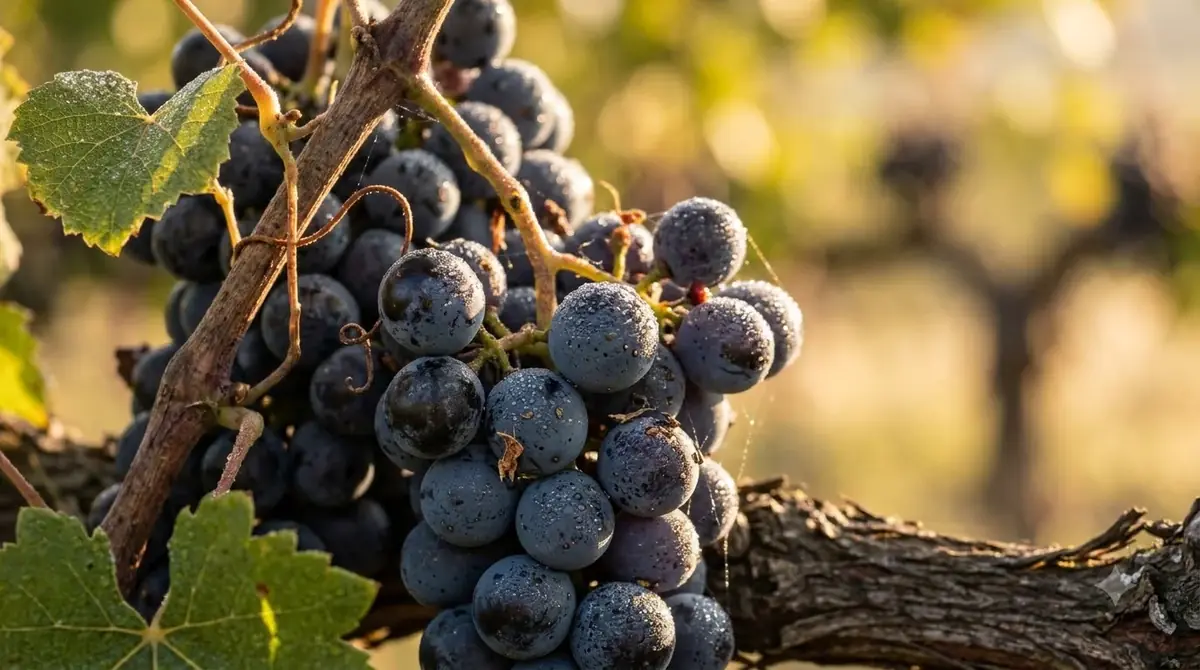
Light, crisp Italian Pinot Grigio is often associated with refreshing acidity, lemon, green apple, and subtle almond notes. These wines are generally intended for drinking young and work particularly well with seafood, salads, and simple vegetable dishes. Their relatively restrained fruit profile can appeal to people who want a dry white wine with a clean finish.
Fruit-forward American Pinot Grigio can show more pronounced peach, pear, nectarine, and citrus characteristics. Bota Box’s description fits this general flavor direction. Its medium-bodied character gives the wine a little more presence than an especially light, neutral white, while the clean finish keeps it suitable for casual meals.
Alsace Pinot Gris often takes a different direction. Wines from this French region can be fuller-bodied, richer, and more aromatic, with possibilities including honey, spice, ripe stone fruit, and a softer impression of acidity. Some examples are dry, while others have noticeable residual sweetness.
Skin-contact Pinot Gris, sometimes called ramato in Italian wine discussions, is another distinct expression. Extended contact between grape skins and juice can produce copper or pinkish tones, more textured mouthfeel, and different aromatic characteristics. This is not the style suggested by Bota Box’s standard Pinot Grigio description.
These distinctions matter because grape variety alone does not guarantee a particular taste. Two wines labeled Pinot Grigio can differ substantially in sweetness, acidity, body, and aromatic intensity. Bota Box is better understood as an approachable, fruit-centered everyday selection than as a representation of every possible Pinot Gris style.
For shoppers comparing similarly positioned wines, the Black Box Pinot Grigio option provides another boxed-wine reference point. Compare the specific package sizes, current alcohol information, flavor descriptions, and freshness expectations rather than assuming that all boxed Pinot Grigio tastes alike.
Common Buying and Serving Mistakes
Several common mistakes can make an otherwise suitable boxed white wine less enjoyable. The biggest problems involve misunderstanding fruitiness, ignoring serving temperature, buying too much wine, and assuming that the packaging keeps wine fresh indefinitely.
Confusing fruit flavors with sweetness is one of the most frequent misunderstandings. White peach, nectarine, pineapple, and tangerine can create an impression of ripe fruit without making a wine particularly sweet. Bota Box is described as semi-dry by its retailer, so the fruit-forward flavor should not automatically be interpreted as dessert-wine sweetness.
Serving the wine too warm can also change its character. A chilled white wine generally tastes more refreshing, while excessive warmth can make alcohol more noticeable and soften the impression of acidity. For this wine, approximately 45–50°F is a useful serving target. Conversely, serving it extremely cold can mute its delicate floral and peach aromas.
Buying the largest package without considering consumption is another avoidable problem. A 3-liter box contains approximately 20 standard 5-ounce servings. That is a substantial amount for a single occasional drinker, especially when the wine is not intended for extended storage or aging.
Assuming boxed wine never oxidizes is incorrect. The flexible inner bag collapses as wine is dispensed, limiting the amount of oxygen that enters compared with repeatedly opening a traditional bottle. However, plastic packaging is not a permanent oxygen barrier. Decanter explains that microscopic oxygen permeability eventually affects the wine’s freshness.
Using the wrong food pairing can make the wine seem less balanced. Pinot Grigio’s acidity works particularly well with relatively light dishes, vegetables, and seafood. Highly tannic red-wine styles are more suitable for some rich meat dishes, while very spicy foods can make alcoholic wines feel hotter. Bota Box’s suggested pairing of grilled chicken salad is a sensible starting point.
Another mistake is assuming every product listing contains identical specifications. The difference between the producer’s 12.0% ABV listing and the retailer’s 12.5% listing demonstrates why package-specific information matters. Product descriptions can also vary between package sizes or listings, so comparing the exact format is more useful than relying on an old description copied across multiple stores.
Care and Storage Tips for Boxed Pinot Grigio
Proper storage helps maintain the wine’s fruit-forward character after opening. Refrigeration, protection from heat, and careful use of the dispensing tap are the most important habits for preserving a box of white wine.
Refrigerate the wine before serving. Pinot Grigio generally tastes best when served between 45°F and 50°F. A refrigerator provides a convenient way to maintain that temperature, particularly when the wine is being served with dinner. Chilling also helps preserve the fresh citrus and stone-fruit character described by Bota Box.
Store the package away from direct sunlight. Light and heat can contribute to deterioration, particularly in wines intended for immediate consumption. Keep the box in a cool location rather than beside a sunny window, oven, or other heat-producing appliance. Once opened, keeping the white wine refrigerated is a practical approach.
Use the dispensing tap carefully. The tap is designed to release wine without requiring the inner bag to be removed. Keep the dispensing area clean and operate the mechanism as intended. Avoid squeezing or damaging the package because unnecessary handling can interfere with controlled pouring.
Understand the realistic freshness window. Bota Box states that its packaging is designed to keep wine fresh for up to one month after opening. Decanter discusses producer claims of up to six weeks but also reports a more conservative recommendation from its regional editor James Button: three weeks, or four weeks at the absolute maximum. Its explanation of bag-in-box wine freshness and oxidation provides useful context for understanding these different storage estimates.
For a fresh, fruit-forward white like Pinot Grigio, a practical approach is to aim to finish the package within three weeks after opening. This is a conservative storage target rather than a guarantee that every box will remain identical throughout that period. If the wine develops dull fruit aromas, an unusual color, or unpleasant oxidized flavors, its original freshness has declined.
Do not treat boxed wine as a cellar-aging format. Bag-in-box packaging is intended to make everyday wine more convenient, not to support years of bottle development. Decanter explains that the plastic bag remains slightly permeable to oxygen over time. Bota Box’s packaging therefore makes the most sense for wines that will be consumed while young and fresh.
The format also offers practical advantages for entertaining. A 3-liter package can provide around 20 standard glasses without requiring four separate bottles to be opened. Guests can pour individual servings, and the remaining wine stays in its inner bag rather than sitting in a partly empty bottle with a large air space.
Frequently Asked Questions
Is Bota Box Pinot Grigio made entirely from Pinot Grigio grapes?
The product is marketed as Pinot Grigio, but the producer’s consumer-facing product description does not provide a complete grape-composition breakdown. A varietal wine’s precise legal composition requirements depend on the applicable labeling rules and jurisdiction. Anyone needing the exact percentage should consult the technical information for the specific bottling.
Does Bota Box Pinot Grigio contain sulfites?
Wine commonly contains naturally occurring sulfites, and sulfites can also be used during winemaking to help protect wine from oxidation and unwanted microbial activity. The product page discussed here does not provide a complete sulfite concentration. The packaging and applicable product disclosures are the appropriate places to look for specific allergen information.
Can Bota Box Pinot Grigio be used for cooking?
Yes. A fruit-forward white wine can be useful in dishes that benefit from acidity and a modest amount of wine flavor. It can be incorporated into pan sauces for chicken, seafood preparations, and vegetable-based pasta dishes. Avoid using wine that has developed pronounced oxidation or unpleasant aromas in a recipe.
Does Bota Box Pinot Grigio need decanting?
No traditional decanting is generally necessary for a fresh, uncomplicated Pinot Grigio. Unlike some young full-bodied red wines that benefit from 30–60 minutes of aeration, this white is intended to be enjoyed shortly after pouring. A clean white-wine glass is sufficient for appreciating its peach, citrus, and floral aromas.
Is Bota Box Pinot Grigio suitable for making wine cocktails?
Yes. The producer specifically provides a Pinot Colada cocktail recipe featuring its Pinot Grigio. This demonstrates that the wine can serve as an ingredient in mixed drinks as well as a straightforward table wine. Its peach and citrus character offers a useful starting point for fruit-based cocktail combinations.
Bota Box Pinot Grigio makes the most sense for people who enjoy approachable California white wine and appreciate the convenience of a large dispensing package. Its peach, nectarine, citrus, and floral character suits casual meals and informal gatherings, while refrigeration and sensible consumption timing help preserve its freshness. For regular Pinot Grigio drinkers, it is a practical everyday option worth comparing with other boxed whites before choosing a package size.
More in Wine Brands
 Underwood Wine Price: Compare Bottles, Cans, and Pack SizesUpdated Nov 21, 2026
 Zenato Wine Price: Compare Styles and Choose the Right BottleUpdated Nov 21, 2026
 Zuccardi Wine Price: Compare Bottles and Find the Right RangeUpdated Nov 21, 2026
 Yellow Tail Moscato Review: Taste, Sweetness and Serving TipsUpdated Nov 21, 2026
 Wolf Blass Yellow Label Review: Choose Your Best StyleUpdated Nov 21, 2026
 Wolffer Estate Rose Review: Choose the Right Bottle for Your TableUpdated Nov 21, 2026